

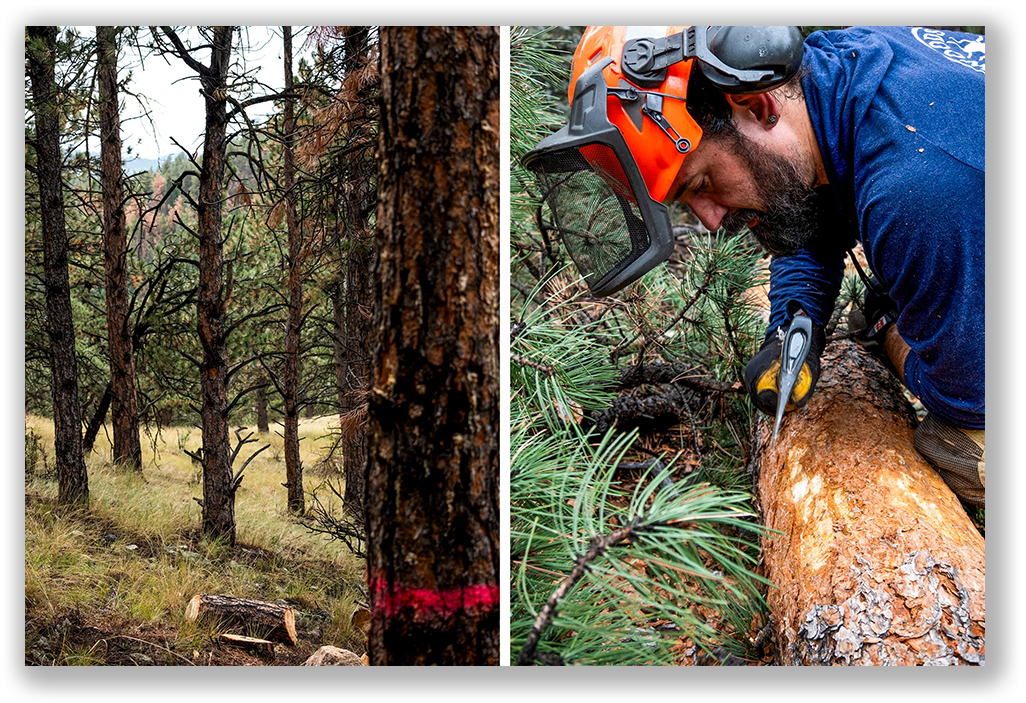
On a sunny fall day outside of Evergreen, arborist Kyle Woods fired up his chainsaw and carved a wedge into a giant, dead pine tree. With a short cut into the upslope side, the tree crashed to the ground, bouncing on needled branches as it slid to a stop. This 35-acre property is under a multi-year assault from mountain pine beetles, a native rice-sized insect demolishing stands of pine across the Front Range. They’ve decimated a stand of ponderosa pine along the driveway to this private home. Standing amid a mix of dead and infested trees, Woods looked up at a 60-year-old ponderosa riddled with pitch tubes, marking each beetle’s entry into the tree with a pocket of sap. “It’ll be a goner here soon and then we’ll winch it up the hill and get it out…”
Charlotte, North Carolina, WFAE Radio, September 24, 2026: Charlotte’s tree rules are taking root
Compared to its peers, Charlotte boasts an impressive urban forest with canopy coverage at just above 45%. Tree canopies help to keep cities cool, reduce stormwater runoff and improve the air quality and overall health of its citizens. They also increase property values and keep neighborhoods safer, said Allison Rhodes, executive director of TreesCharlotte. But as Charlotte has grown, new construction has diminished the city’s cherished tree canopy, especially old and healthy trees, on undeveloped land. As a way to mitigate the effects of these removals, and to further its goals of 50% tree coverage by 2050, the city of Charlotte included new tree rules in its Unified Development Ordinance a few years ago. Among the new rules, developers and homeowners in Charlotte are now required to have a permit before disturbing a tree that fits the city’s definition of a heritage tree and fulfill mitigation requirements — including fees and replanting. Heritage trees are defined as trees native to North Carolina with a diameter at breast height (DBH) of 30 inches or more. Since the UDO took effect in June 2023, the city has received 2,390 heritage tree removal permits, according to city data analyzed by The Ledger…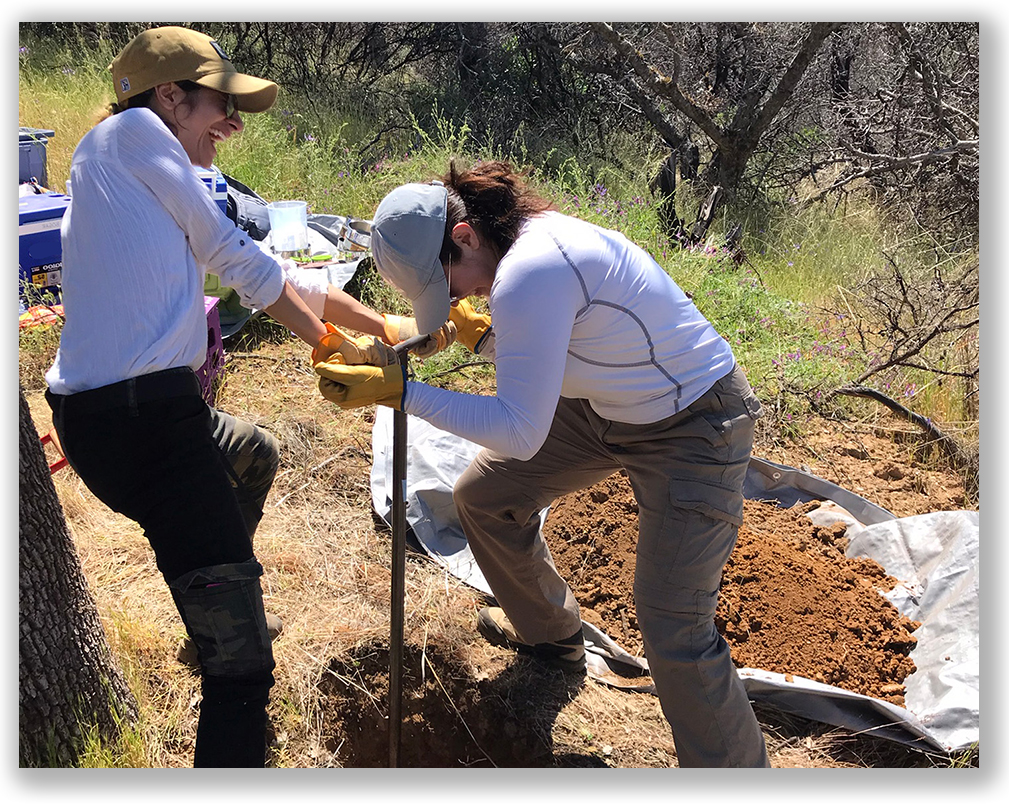 Davis, California, University of California, September 24, 2026: When Trees Die, Soil Fungi Shift—but Carbon Remains
A new study from UC Davis researchers shows that when oak trees die, it triggers major changes to the community of soil microbes living beneath them. These changes have implications for soil health that could ripple out to impact entire ecosystems, especially given the recent rise in tree deaths due to droughts and wildfires. Surprisingly, however, the researchers didn’t detect any change in the amount of carbon stored in the soil three years after the trees had died, suggesting that decomposition takes substantially longer. “Trees link the atmosphere to deep layers of the soil, and by interacting with microbes, they change the way the whole landscape works,” said Laura Bogar, assistant professor of plant biology and senior author on the paper. “When we see a bunch of trees die, that’s not just an aesthetic problem on the surface; it’s really shifting the function of the soil, and potentially the future of that landscape broadly.” To obtain water during California’s parched summers, blue oak trees (Quercus douglasii) send their roots up to 8 meters underground. “These trees are the agents that are pulling up water to bring life and moisture into this very crispy, dry place,” said first author Anna Goodman, a Ph.D. student in the Soils and Biogeochemistry Graduate Group. “And in addition to pulling water up, they are depositing carbon much deeper than most other plants…”
Southern Living, September 21, 2026: Should You Trim Trees In The Fall? Here’s The Best Time To Prune Each Type
Fall cleanup in the garden can be tricky. There’s a definitive list of plants you should definitely trim in the fall to prepare for spring and others that you should keep your pruners far away from. Roses and peonies can be cut back after the first hard frost to encourage healthy growth next season, but you should never prune azaleas and loropetalum in the fall or you risk removing all of their blooms. Trimming trees is no exception. Should you trim trees in the fall or wait until spring? When you should trim, shape, or prune a tree depends on the type of tree it is. Fall is a good time to trim deciduous trees, but blooming trees need pruning with careful timing to protect future blooms. Trim limbs at the wrong time and you may get rid of the buds set earlier in the year. Here’s the best time to trim trees depending on the type you are growing. Late fall through early spring are the best times for heavy shaping and trimming of deciduous trees, after they have lost their leaves and gone dormant.1 Light trimming can be done almost anytime to remove extra-long branches. If a branch is dead, diseased, or damaged or becomes a hazard to your home or property, it can also be removed anytime. Otherwise, plan to trim trees before new growth begins…
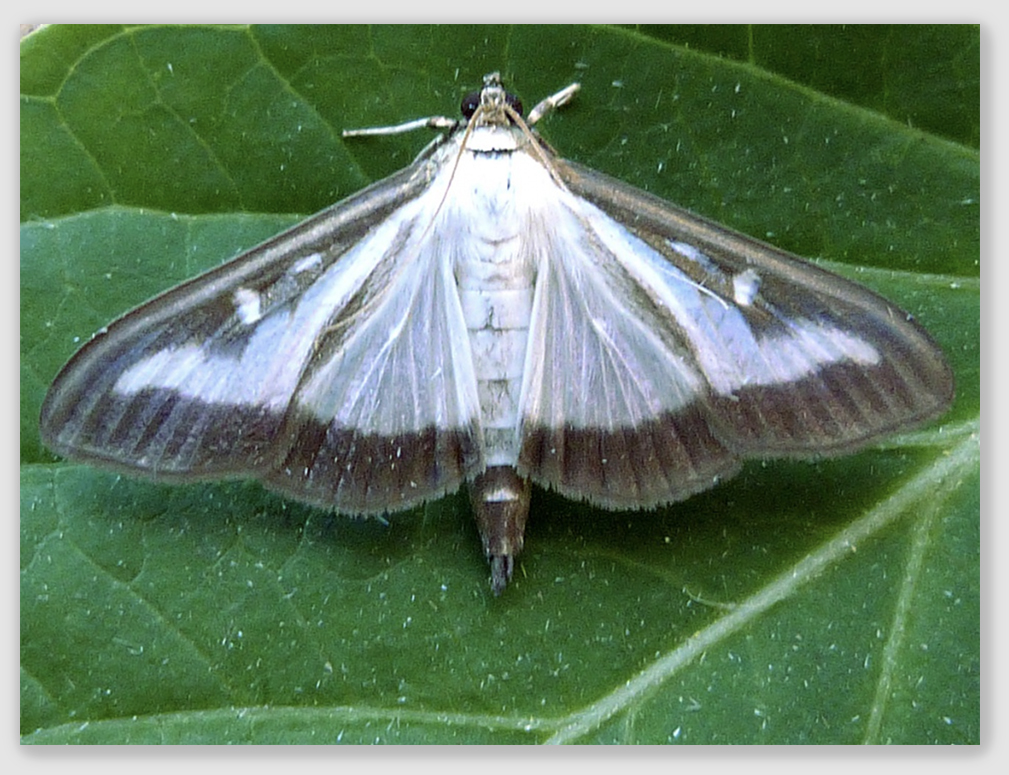
The Michigan Department of Agriculture and Rural Development has confirmed the presence of the invasive box tree moth in Genesee County. The moth can damage ornamental boxwood plants but does not pose a threat to Michigan’s native trees, according to the department. In 2023, MDARD established a quarantine zone covering 13 counties, including Clinton, Eaton, Ingham and Jackson. Following the new detection, the department will update the quarantine to include Genesee County, bringing the total to 14 affected counties. The movement of live or dead boxwood plants out of the quarantine zone is prohibited. The restriction is intended to help limit the spread of the invasive pest to other areas of the state. Residents who suspect they have found an infestation outside the current quarantine area are asked to take photographs and report it at on the Department of Natural Resources website. MDARD advises residents not to spray or dispose of suspected infested plants before contacting the department…
New York City, The New York Times, September 23, 2023: Our Forests Are Demanding a Sacrifice
Thirteen years ago, I traded a shoe-box apartment on the east side of Manhattan for a cabin in the woods on the west coast of Canada. Like so many would-be Thoreauvians before me, I moved here in part because I craved an escape from the city’s pollution and noise. In that time, however, I have begun to feel the city — which is to say, the whole tangled system of advanced technology, industrial agriculture and hypercapitalism — crowding in on this little forest from afar. Each wildfire season, the sky outside my cabin now turns a shade of nicotine yellow I associate with Los Angeles in the 1970s. On the smokiest days, news headlines declare that our air quality is “worse than New Delhi’s,” which is to say, worse than in one of the most polluted cities on earth. The inverse is true, as well. One hot day this July, as clouds of smoke oozed south from Ontario, I drove through New York City and saw the buildings washed in the same sallow light I’m used to seeing during wildfire season back home. As the climate continues warming, this spooky entanglement between the urban and the sylvan will only deepen. In doing so, it has revealed to me what is normally hidden from view: We all live under the same vengeful sky…

Muddy, sweat-soaked and occasionally bloody, the dedicated staff at a Mississippi wildlife center are drill sergeants. And their soldiers? Baby raccoons. Welcome to raccoon boot camp, where the goal is to help sick or injured animals learn to survive in the south Mississippi wilderness — a skill set they would have learned from their mothers, most of whom died or were separated from their kits by storms, traffic accidents or other traumatic events. It’s a challenge that’s left Woodside Wildlife Rescue’s founder, Paula Woodside, with cuts from scared, defensive raccoons and their sharp claws, and when she isn’t able to save a kit, emotional scars too. “When these babies come in, and they’re so desperate, it’s heartbreaking,” said Woodside, who most days is covered in sweat from caring for the animals in the Mississippi heat, and dirt from curious kits crawling up her legs and onto her shoulders. “It’s really important for them to get a little bit of a head start…”
Nashville Electric Services (NES) says it’s falling significantly behind on its tree trimming efforts months after moving to a more aggressive program after 2026’s ice storm. During Wednesday’s NES board meeting, the utility company revealed it had only completed trimming on 89 miles across Nashville through August compared to the 2,258 miles it had hoped to complete by this point in the fiscal year. NES says it did complete its previous four-year trimming cycle by June 30. CEO Teresa Broyles-Aplin said the current shortfall comes as new contractors are still ramping up crews. She also said a vendor processing LiDAR data took longer than expected to get tree-trimming work plans to NES…

Residents of a Clawson neighborhood were blindsided when they learned nearly every mature tree on their block had been marked for removal — all as part of a larger city infrastructure project. The City of Clawson has contracted with Mark Anthony Contracting, Inc., to replace water mains and reconstruct pavement on four streets: Dreon Drive, School Street, Langley Boulevard and N. Stephen Avenue. The project began the week of Sept. 21, 2026, and is expected to be completed by early summer 2027. The work is broken into two phases. Phase 1, which includes tree removals and water main replacement, is scheduled to be completed during the 2026 construction season. Phase 2, covering pavement reconstruction, is set to begin in spring 2027 once frost laws are lifted. Steve Elliott said he learned about the removal of his tree — and 72 others in the neighborhood — through a letter from the city last week. With cuts slated to begin immediately, he wasted no time making his concerns known. “There are ways of doing this project, which is necessary without removing all of these mature trees. It’s going to take a generation for these trees to grow back,” Elliott said. Elliott said the loss goes far beyond aesthetics. “It improves the look of the neighborhood. It provides shade. It gives us wildlife. And yeah, just to save a few dollars for a better option that we could preserve most of our trees,” Elliott said…
Between the Kona lows and two hurricanes, Honolulu has been cleaning up and removing fallen and damaged trees for six months straight — and they’re not done yet. This comes at a time when O‘ahu’s tree canopy has already been declining for years. Between 2014 and 2017, it dropped 5% or an estimated 76,000 trees, forest stewards say. And as temperatures rise, the city needs the services those trees provide more than ever. There is no official count, but Roxanne Adams, urban forestry administrator for the City and County of Honolulu, told Civil Beat that several hundred more trees were either knocked down or pre-emptively removed because they posed a safety risk during hurricanes Lala and Lowell. Many were large trees with giant canopies, the kind that are key to providing shade over sidewalks and parks. While many of the lost trees will be replaced, it will likely be years, if not decades, before their replacements grow to be the same size…
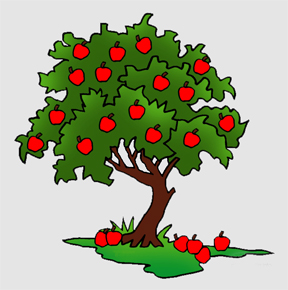
California tree laws can get complicated — especially when your neighbor’s branches cross the property line. In California, it’s not unusual for branches to stretch over a fence and into a neighbor’s yard, bringing everything from shade and fallen leaves to tempting fruit along with them. Can a neighbor legally pick and eat fruit from your tree in California? Before reaching over the fence for a snack, it’s important to understand where California law draws the line between your property and your neighbor’s. Here’s what California property owners need to know about trees, overhanging branches and who gets to keep the fruit. In California, fruit that falls naturally onto your property from your neighbor’s tree is generally considered yours. You can also generally trim or prune portions of a neighbor’s tree — including branches, limbs or roots — that extend onto your property, as long as you stay within certain legal limits and do not damage or kill the tree, according to California’s civil code…
More than two dozen trees along Lake Tahoe have been poisoned in a vandalism case that authorities have yet to solve, prompting a $147,000 reward for information leading to an arrest and successful prosecution. The damage occurred at Burnt Cedar Beach in Incline Village, where vandals drilled dozens of holes into tree trunks and poured substances into them in an apparent effort to kill the trees. “They bore a hole about this big, and they bore three or four or five holes per tree trunk. And they bore them on an angle, so when they pour the stuff in. You know, it’s really hard to flush out because it’s going down into the center of the trunk,” said Chris Nolet of Friends of Burnt Cedar Beach. Nolet said 28 trees were targeted. “There were a total of 72 holes drilled in 28 trees. So these people were serious,” he said. The effort to kill the trees began in 2022. Nolet said they initially used diesel fuel. He said people now believe copper sulfate is being used, though test results have not yet confirmed it. Of the 16 trees targeted this summer, three are already showing signs of severe damage. “And three of the 16 that were targeted this summer are already showing significant signs of distress, which means they will likely die,” Nolet said. William Probst, an arborist with ArborGreen Tree Care and Consulting who has worked with trees for nearly 40 years, said the poisoning process can take years…
href=”https://treeandneighborlawblog.com/wp-content/uploads/2013/11/tnlbgray.jpg”>


