

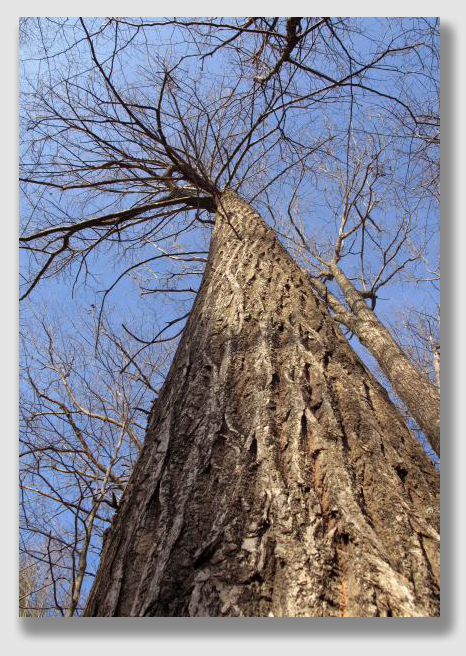
The first thing that popped into my head when I got word of Mayor Freddie O’Connell’s announcement of the expansion of Beaman Park was, “Oh, I wonder if this is about the Joelton chestnuts?” And then it dawned on me that people probably don’t know about the Joelton chestnuts — partially because that’s just what I call them, and I’ve never called them that to anyone but myself. But it’s a thing I’ve noticed over the years on Newspapers.com: Every once in a while, there’s a story about someone finding an American chestnut tree in Joelton, here in Davidson County. Much like Bigfoot, the Joelton chestnuts live in the woods, and people spot them when they’re out hunting or when the chestnut ends up in their backyard. Unlike Bigfoot, these American chestnuts sighted up in Joelton probably did exist, and may still. But seeing one is like seeing a passenger pigeon or an ivory-billed woodpecker. You shouldn’t be able to. They’re supposed to be gone. Let’s start at the beginning. This region used to be covered in American chestnuts. They were tall trees, and big around. Everything and everyone ate these chestnuts. Many of our original land deeds use distinctive chestnut trees as boundary markers. To give you a sense of how hand-in-hand chestnuts and the Joelton area went, on Jan. 6, 1896, the Nashville American ran a story about men standing around talking about the weather (slow news day I guess) and bullshitting each other: “Every man had his say, and there were more chestnuts re-hashed than could be gathered in a week’s hunt on Paradise Ridge…”
Milwaukee, Wisconsin, WUWM Radio, July 27, 2026: How to detect & manage heat stress in trees
Milwaukee has faced extreme heat waves this summer, with even nighttime temperatures staying above 70 degrees. These high temperatures have been uncomfortable for people and trees alike. Trees depend on a cycle of heating and cooling in the summer — and when temperatures stay too high, that can cause heat stress. “It’s always a battle out there with trees,” says Adam Passo, district manager for the Davey Tree Expert Company. He spoke with Lake Effect’s Joy Powers in-studio to share how to identify and manage heat stress in trees.
Joy Powers: We have been having some pretty intense heat waves here in the Midwest, and we’re not really seeing the kind of relief from the heat that some trees depend on. What does that mean for tree health?
Adam Passo: It can be a challenge, but they’re really quite adaptive. Trees want to live. They’re fighters. They do whatever they can to conserve and protect. Underneath the soil, if there are similar trees nearby, they’re grafting roots a lot of times. If one tree is kind of struggling in the stand, other trees will help it. They’ll push water and nutrients. Stands of trees help each other out quite a bit. We don’t see it, but there’s a lot of stuff the trees are doing…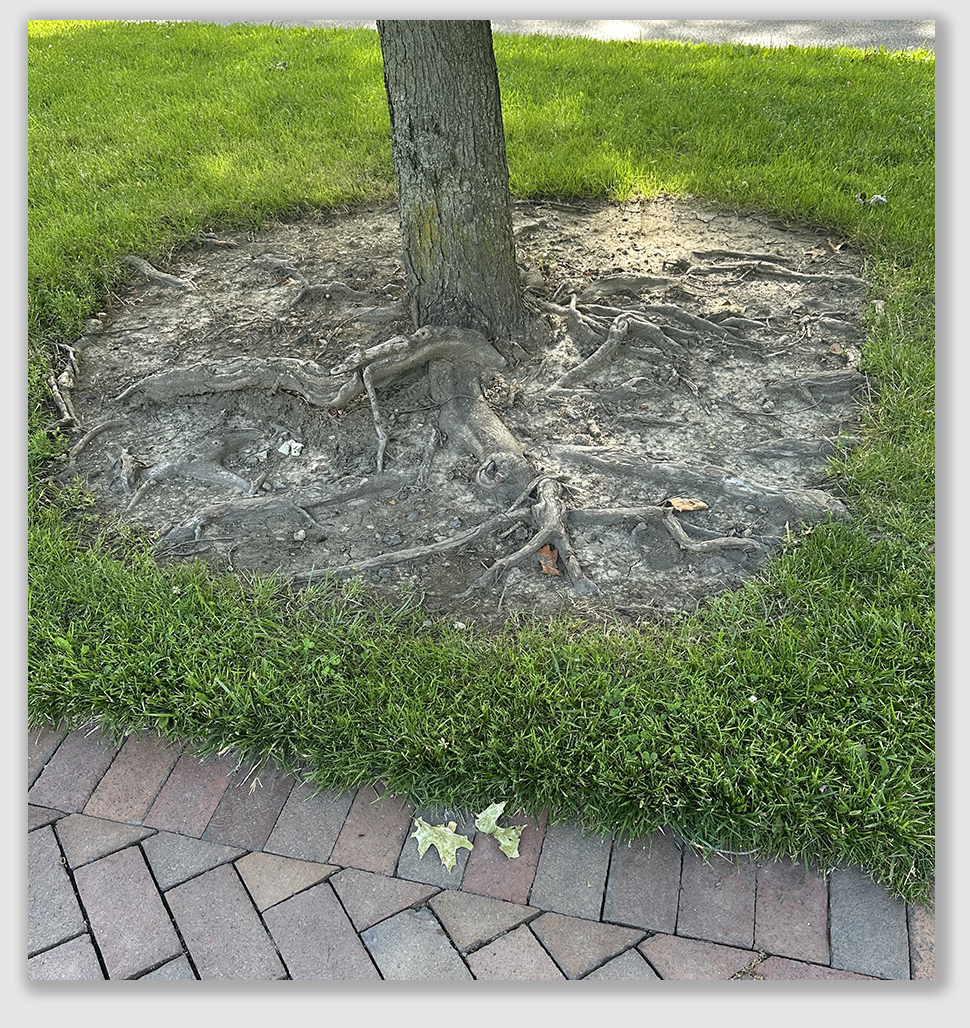 Southern Living, July 27, 2026: Why Tree Roots Grow Above Ground—And What An Arborist Says You Should Do
A tree’s roots are its lifeline, but when they grow above ground, they can cause some problems in your yard. For starters, you might not appreciate the look of visible roots surrounding your tree. Roots growing above the ground can pose extra challenges to landscaping tasks such as lawn mowing, and can lead to safety concerns by creating uneven walking surfaces. If you have a tree with its roots growing above ground, you are probably wondering why this is and how you can remedy the situation. To find out more, Southern Living spoke with Mark Russell, ISA Certified Arborist and owner of 770 Arborist Emergency Tree & Crane in Atlanta, Georgia, to find out why this happens and what you should (and shouldn’t) do. First, it’s important to understand that a tree’s roots actually aren’t as deep as you might believe them to be. “Start with the myth. Everybody’s seen that drawing of a tree with roots going as deep as the tree is tall. It’s a hundred percent not true,” explains Russell. “A taproot might go four or five feet. Most roots? Two or three feet down—maybe five, tops. Here’s why: all the feeding happens right at the top of the soil, in the organic layer. That’s how a tree eats. The roots stay up where the food is…”
Washington, DC, WUSA-TV, July 27, 2026: Tree trimming tips as summer storm season continues
Recent drought has put stress on trees across the DMV this year. Dry, brittle trees are more vulnerable when strong thunderstorms roll through. There is still plenty of time left for summer storms and the damage that follows them. Here are some tips for maintaining your trees during storm season. Pruning or trimming trees can considerably lower your property’s risk for storm damage. When done properly, it reduces wind resistance, does away with diseased or dead branches and ensures that young trees grow well-proportioned and strong, with low stress on their joints. A-AAA Tree Services officials, which serves Maryland properties, said maintaining your trees doesn’t make them “storm-proof” but reduces the stress load trees bear during strong thunderstorms. Here are the signs that your tree needs attention before the next storm: Dead or hanging branches: Dead wood will not bend during high winds. It will break and could be lofted into the air, where it could strike windows, cars, or people; Limbs that extend past the canopy: Long, out-of-place branches catch winds, causing trees to sway more. This can lead to breaks or splits in weak areas…
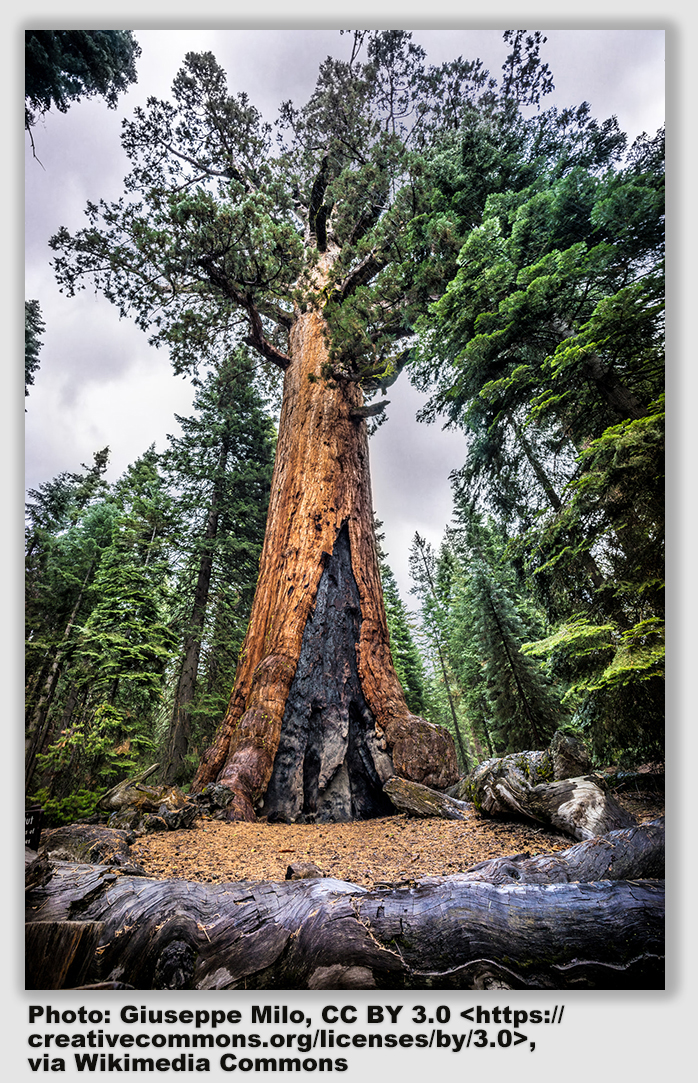
For people who love big trees, Yosemite National Park’s most iconic attraction is the Grizzly Giant. The roughly 2,900-year-old, 34,000-cubic-foot giant sequoia is the oldest and largest of 500 trees within the park’s famed Mariposa Grove, and gazing up at the behemoth and its sprawling limbs is an unforgettable experience. Park visitors can only imagine what it might feel like to climb more than 200 feet into the tree’s canopy and peer into its crown. But on a sunny day in June, a group of scientists, including Anthony Ambrose, got the once-in-a-lifetime opportunity to experience it firsthand. Ambrose is the executive director and co-founder of Ancient Forest Society, a nonprofit dedicated to protecting ancient trees. The climb was part of an effort to assess the health of the Grizzly Giant, Ambrose told SFGATE, but venturing into the tree was also an extraordinary endeavor that left everyone involved feeling reverent and euphoric…
An 11-year-old from Chicago’s western suburbs died after a tree fell on him at a Scouting camp northeast of Whitehall Thursday, deputies in Michigan said. The Muskegon County Sheriff’s Office confirmed crews were called shortly after 5:05 p.m. to Owasippe Scout Reservation in Blue Lake Township. Deputies said the camper was walking through a trail when a tree fell, hitting him. Emergency responders, including Blue Lake Township volunteer firefighters, rushed to try to help him, but he died. “He was just walking down the trail when a tree fell,” Blue Lake Township Fire Chief Joe Knop said. “It was an act of God and there’s no preventing some of those things. He was in the exact spot where the tree fell. That’s tragedy…”
 Kalamazoo, Michigan, nowKalamazoo, July 26, 2026: How to save a tree
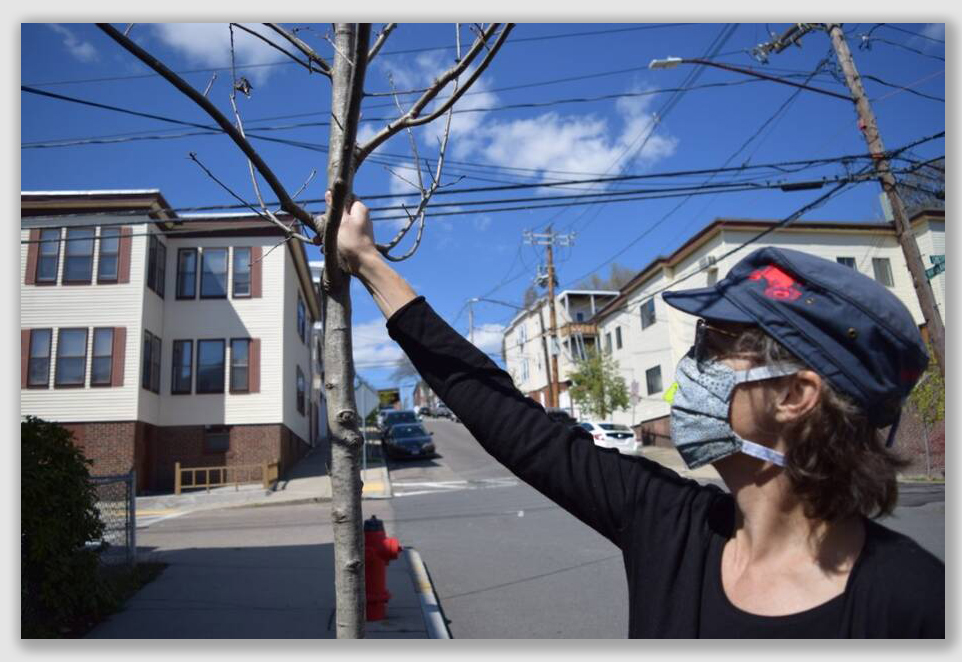
A group of rural Kalamazoo County residents raised their concerns and recently saved 4,000 trees. It’s not always that easy. Nearly one-fourth of Kalamazoo County is covered in trees. As the county grows and changes, one consequence is that sometimes some of those trees may be put on the chopping block. That’s often unwelcome news to residents who are fans of our forested canopy. The issue of growth leading to tree removal has come up in the past, such as in 2022 when the expansion of a runway at the Kalamazoo-Battle Creek International Airport required tree-clearing in the Milwood Neighborhood, or in 2025 when proposed roundabouts for the Winchell Neighborhood would have meant tree removal. Recently, the Road Commission of Kalamazoo County (RCKC) announced plans to remove thousands of trees along numerous stretches of road as part of a federal grant-funded project to improve road safety. In response to residents’ protests, on June 30, the Road Commission of Kalamazoo County announced a nearly 50% reduction in the number of trees to be removed in connection with Safe Streets for All project work. By reducing the tree-clearing zone by 5 feet on either side of the roadways included in this project, RCKC spokesman Mark Worden said close to 4,000 trees would be spared. Actual tree-felling won’t begin until the fall, according to Worden…
On a scorching summer day, you might notice walking down some Toronto streets feels a lot more comfortable than others. The biggest difference is likely the number of trees. As the city faces another summer of extreme heat, where you live can make a big difference in how hot it feels as the city’s tree canopy is not distributed equally. “When you look at the tree canopy map and you overlay it with socioeconomic data, demographic data and income levels, you’ll realize many wealthier neighbourhoods have better access to shade. While lower-income neighbourhoods have less access to tree canopy,” explains Dorsa Jalalian, an associate and senior urban designer at DIALOG, an architecture and design firm in Toronto. Experts have projected that by 2080, southern Ontario including Toronto will experience 55-60 days per year where the temperatures exceed 30 C, compared to an average of 14 days per year, according to a city of Toronto climate report. Meanwhile, the city, architects, urban designers and planners are looking at ways to close the gap in neighbourhoods with the least shade…
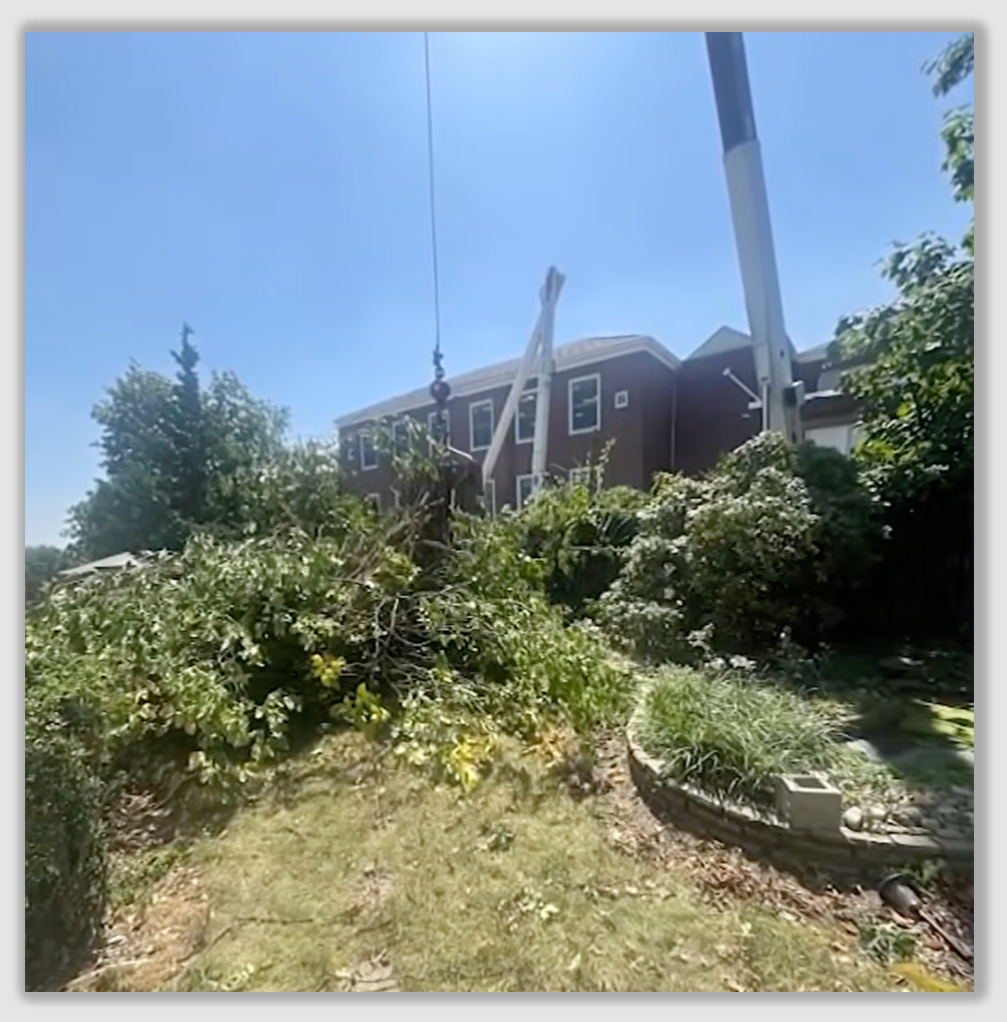
When America celebrated its centennial in 1876, the mighty oak tree was just a sapling. It steadily grew, stretching 80 feet into the sky in a space that evolved into a residential Bergen County backyard. But last August, the beloved landmark was suddenly razed by a contractor removing trees on neighboring school property. Pascuzzo — the Hackensack homeowner whose backyard formerly held the massive, 150-year-old tree — is now suing the city, school board, county, state and other governmental agencies for allegedly cutting down the tree without notice or her permission. “This case is about far more than the loss of a tree,” said her attorney, Christopher T. Karounos. “It is about respecting private property and holding public entities accountable when they fail to do so.” The lawsuit alleges trespassing, destruction of real property interests, negligence, reckless disregard and other claims. Pascuzzo is seeking “all legally recoverable damages,” including diminution in property value, restoration damages, replacement-value damages, loss of shade, loss of privacy, loss of environmental benefits and aesthetic value. The lawsuit, filed June 11, also names the South Plainfield-based Rich Tree Service, Inc. as a defendant…
Arlington, Texas, City of Arlington, July 22, 2026: Confirmed Case of Oak Wilt Found in Arlington
One post oak tree, among other suspected trees, at a property in west Arlington (76017) has tested positive for oak wilt in the Texas A&M Plant Disease Diagnostic Lab. Oak wilt is a serious disease caused by a fungus that blocks the movement of water in oak trees. The oak wilt disease can spread from tree to tree by moving firewood, through underground roots, and by sap-feeding beetles on open tree wounds. The trees most commonly affected by oak wilt include the red oak tree group, which is the most severely affected, as well as live oak. The white oak tree group, including burr, chinkapin, and post oaks, is less commonly affected but still susceptible to infection. Several signs can indicate oak wilt, including the sudden decline of a tree, yellowing of leaf veins, increased defoliation, sporadic canopy limb death, and premature fall color in red oaks. Trees decline for many different reasons, and oak wilt is rare in the Arlington area. A lab test is needed to accurately diagnose oak wilt…
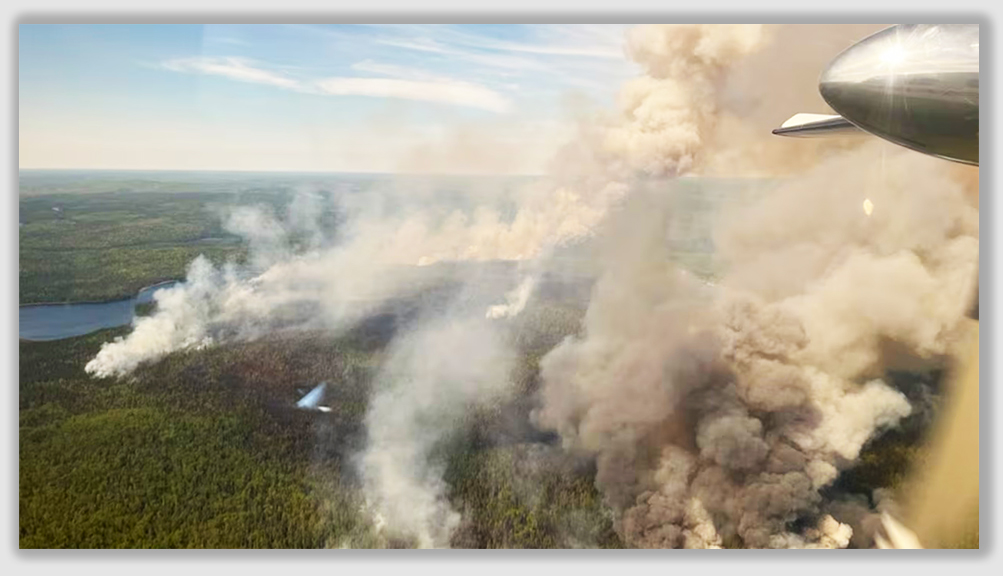
As Ontario continues to experience its worst fire season on record, new research from McGill University reaffirms that aspen trees can act as a fire barrier. Flavie Pelletier, a PhD graduate and the study’s lead author, said aspen have always anecdotally been considered a species that is especially resilient to fire. “But the paradox is that aspen can burn very quickly by itself because it has thin bark,” she said. By analyzing satellite imagery of Canada’s boreal forest before and after wildfires, Pelletier and her colleagues found that large patches of aspen can slow down wildfires. The before-and-after images showed that larger patches of aspen were more prevalent at the perimeters of burned out areas. Pelletier said there are a couple theories as to why patches of aspen can act as a fire barrier. “Aspen have much more moisture, like higher moisture content in the trees and in the leaves compared to coniferous trees,” she said…
We often plant trees and shrubs near property lines for screening. Other times, it’s the only way to keep them at a safe distance from the house. Unfortunately, those trees don’t consider property lines when they grow. Most of us have at least one branch from a neighbor’s property extending over our fence. If that branch starts to look overgrown, impede a driveway, or shade a favorite flower garden, you might find yourself wishing it wasn’t there. So can you trim a tree that’s hanging over your fence if it isn’t yours? In most cases, you can prune a neighbor’s tree that crosses onto your property line. But there are a few things to know before you pull out the pruning saw. In the U.S., you can generally cut the branches of a neighbor’s tree when they hang over your side of the fence. In fact, whatever overhangs your property is considered your responsibility. But there are a few caveats here…
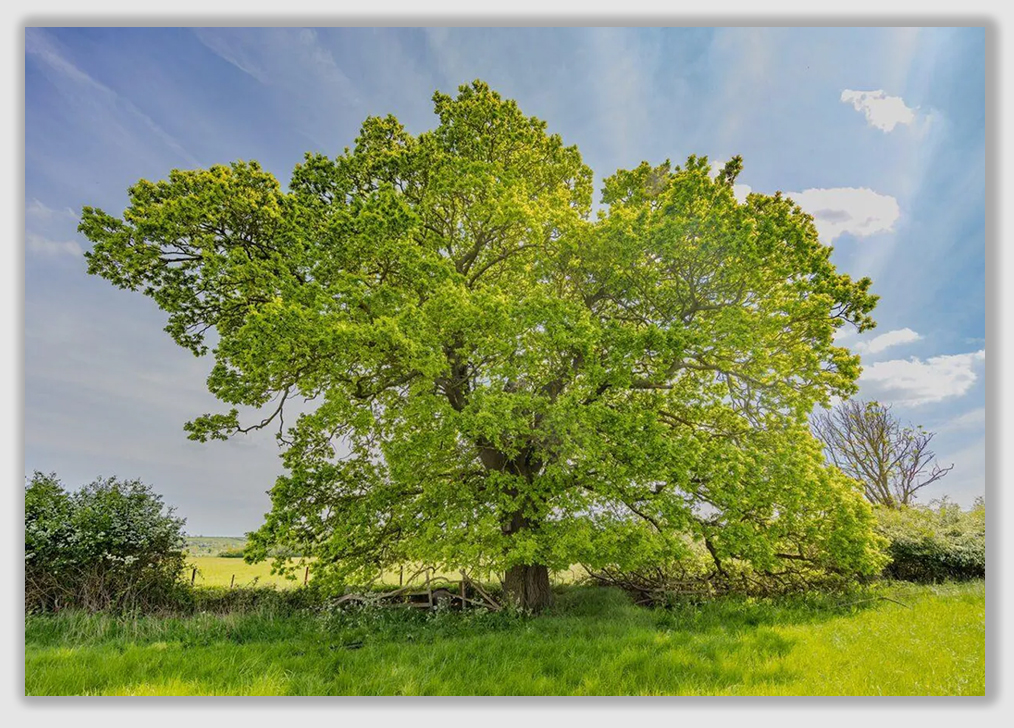 London, UK, BBC, July 22, 2026: Tree which survived WW2 plane crash up for award
Ten of the UK’s “toughest” trees, from an oak that survived a plane crash to a yew hit by a cannonball, have been shortlisted for this year’s Tree of the Year award. The Woodland Trust said its annual competition aimed to celebrate and raise awareness for rare, ancient or at-risk trees across the country. An oak tree in Rutland that was hit by a World War Two bomber and a yew in East Sussex that could be 4,000 years old – and was struck by a cannonball in the English Civil War – are among the final 10 contenders for the title. Actor and nature podcaster David Oakes, a Woodland Trust ambassador, said the nominees had “defied the odds in extraordinary ways”. Of the 10 shortlisted, a panel of experts selected eight trees of differing ages and species, while the public chose two as wildcard entries…
A Portland family went to trial this week over their claim that city forestry officials wrongly denied a permit to remove a tree that later crushed their home during a storm. Joel and Sarah Bond and their two children are seeking $4.8 million in damages from the city of Portland, alleging that the city’s Urban Forestry Department negligently denied their 2022 permit application to remove a 150-foot-tall Douglas Fir after failing to properly inspect it. The tree toppled onto the family’s Southwest Portland home during the January 2024 ice storm, tearing through the first and second floors. Everyone inside the house survived, but the house was severely damaged, the lawsuit states…
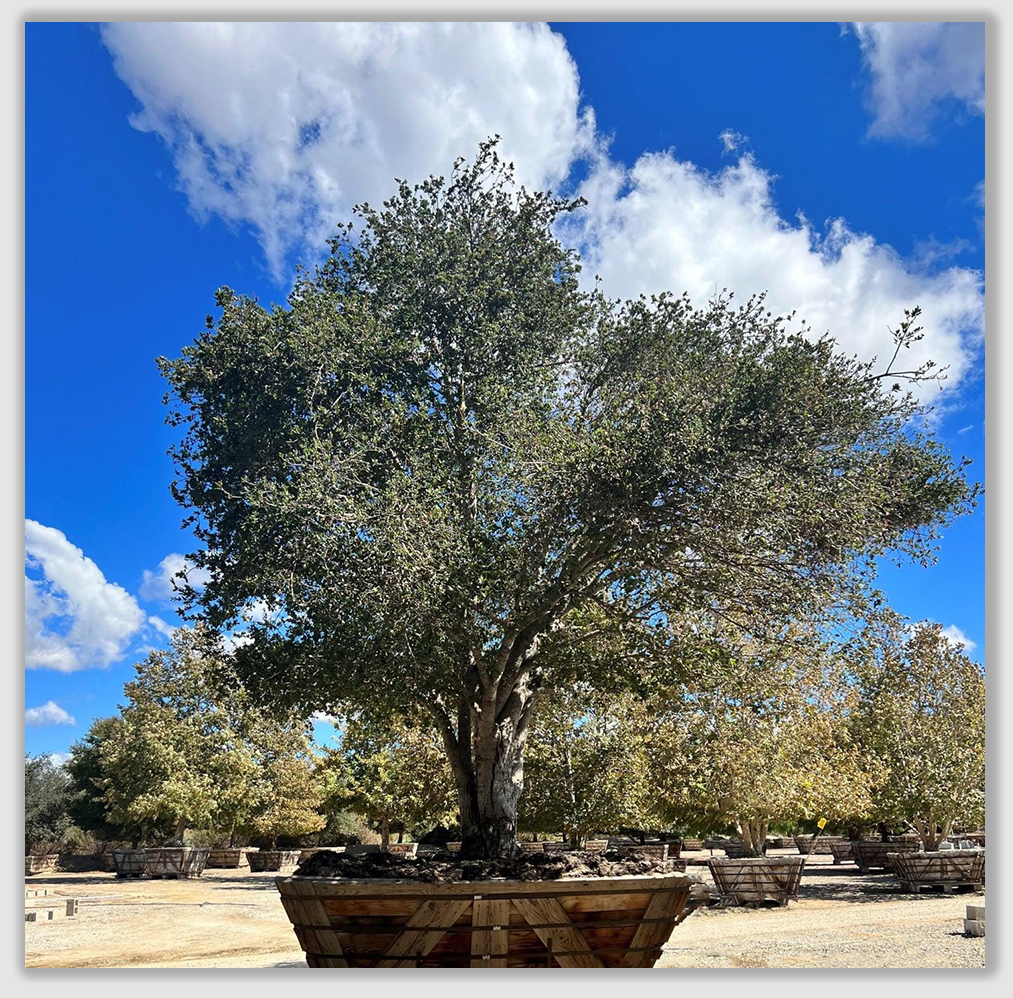
The roots extending from Oakland’s namesake oak tree genus run deeper throughout the Bay Area city than its topsoil. Depictions of the ancient trees adorn road signs, billboards and its official flag, enduring symbols that have united the city’s vibrant tapestry of peoples and cultures since its founding 174 years ago. Like other oak varieties endemic to California, the coastal live oak (Quercus agrifolia) supports immense biodiversity, a “keystone” species relied upon by mammals, birds, insects, humans and the Earth itself, said Gabriela Garcia, an assistant professor at Northeastern University’s Department of Marine and Environmental Sciences (MES) whose research focuses on agroecosystems…
Most urban foresters and arborists are aware of the historical significance of Dutch elm disease(DED). Introduced to the United States in the 1930s, this deadly fungus wreaked havoc on urban and rural forests throughout the United States. In many ways, DED was the impetus for many of the best practices of urban forestry we see today, such as species diversification and modern plant health care practices. Likewise, most urban forest practitioners understand DED is still very much prevalent today, and if they are managing any lingering American elms, they know they can help decrease their susceptibility to the disease by not actively pruning or wounding them during the growing season. Pruning these elms during the growing season attracts bark beetles, which can carry thousands of DED fungal spores on their bodies. But elm is a complex genus; there are over 30 different species of elm and hundreds (if not thousands) of hybrids and cultivars in the landscape. So, which of these species and cultivars can you prune during the growing season, and which shall you not? here are three native elms to Wisconsin. The aforementioned American elm, the slippery elm and the ultra-rare rock elm. Of these three, the American elm is the most common elm found in urban environments, although their presence is relatively rare these days…
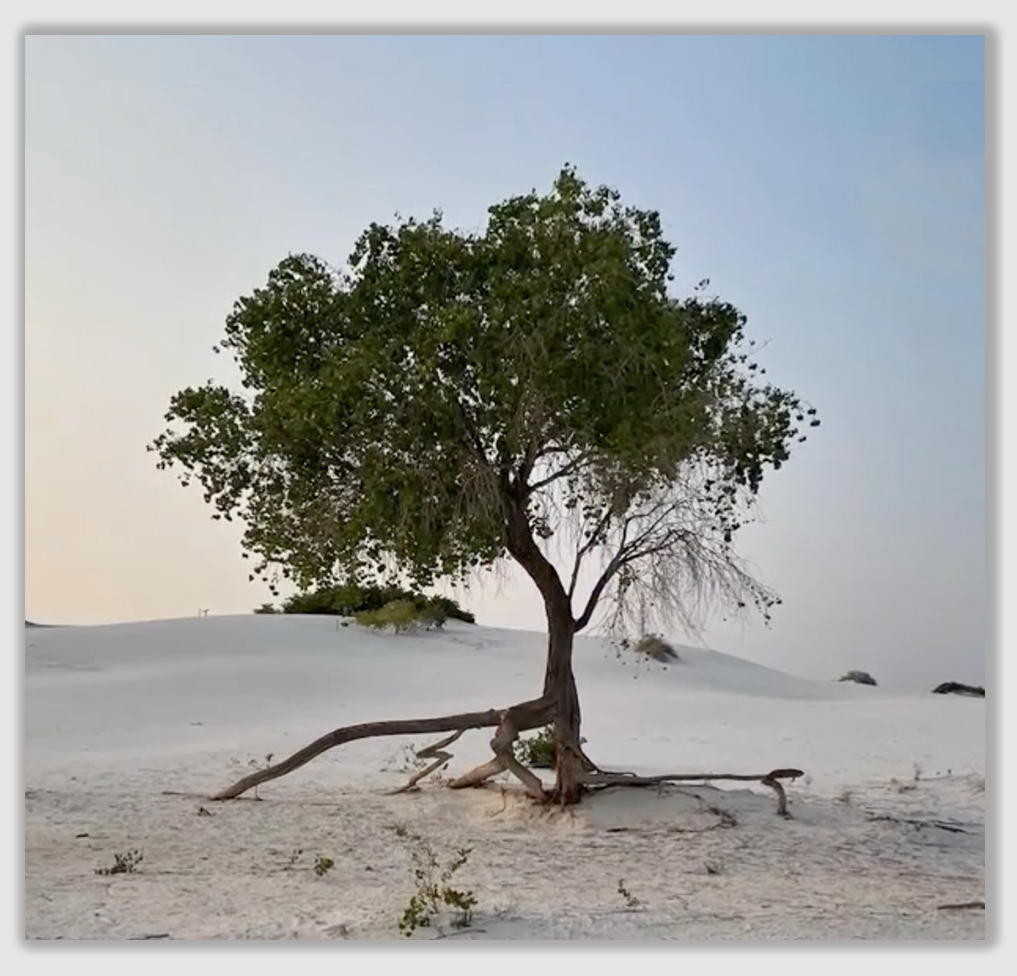
A Rio Grande cottonwood tree that has long stood as a landmark along the Dune Life Nature Trail at White Sands National Park has fallen. Park officials announced the loss in a social media post, attributing the tree’s collapse to recent monsoon storms. Historical records indicate the tree was already mature and well-established in a photograph taken in 1959, suggesting it was likely at least a decade older than the image. Over the years, shifting sands gradually exposed more of the tree’s extensive root system. A 2012 photograph documented the roots emerging above the surface, where they had developed thick bark as a protective adaptation. Since then, continued movement of sand across the dunes exposed even more of the roots. Although the tree has fallen, park officials note that it will continue to play an important ecological role. The downed trunk and root system can provide habitat for a variety of wildlife that inhabits the desert ecosystem…
Honey locust trees across the area are turning brown and crispy this summer, and Nebraska Extension is fielding a high volume of calls about it. The culprit is the mimosa webworm. Jody Green, an extension entomologist with Nebraska Extension in Douglas-Sarpy Counties, said the insect has prompted widespread concern among residents. “We’ve had a lot of different people call over the weekend noticing this about their honey locust trees,” Green said. The mimosa webworm is a caterpillar that feeds on leaves and uses silk to mat them together, defoliating the tree. Green said drought and high heat are compounding the damage this season. “The caterpillar feeds on the leaves and it uses silk to mat them together and defoliates the tree. Then, due to the leaves dying, they get all crispy and brown. Then that’s even increased by drought and the high heat,” Green said. Green said the problem is an annual one, though it is more noticeable this year. For trees already showing damage, she said it is too late to treat this season. For next year, Green recommends applying a BT product before visible damage appears…
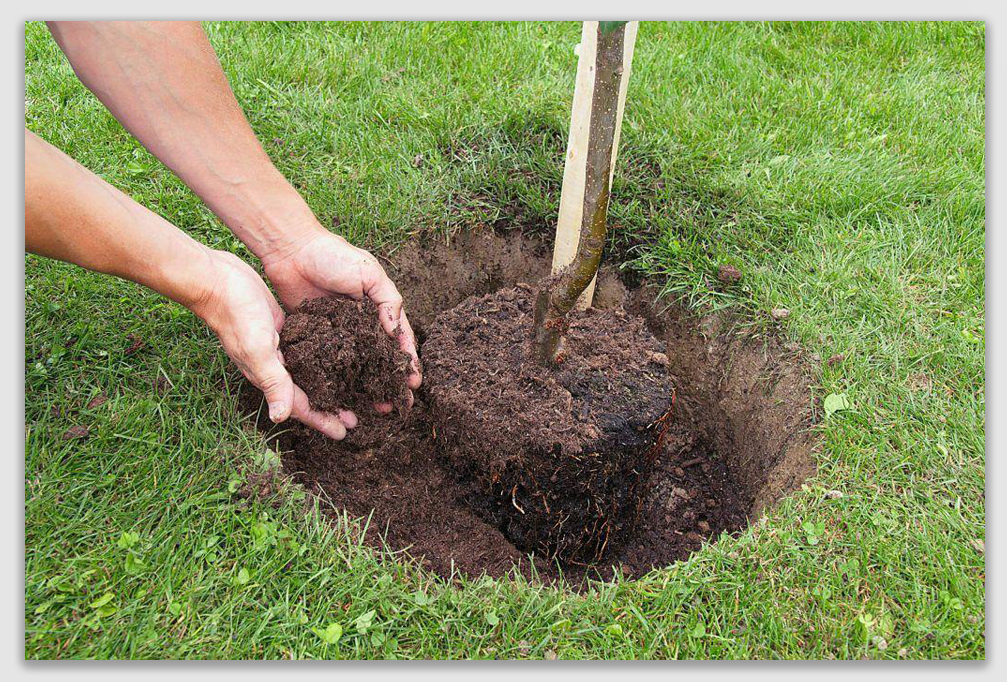
With an aim to increase the country’s green cover in line with the current government’s election manifesto, Bangladesh is preparing for a nationwide plantation of 250 million trees across the country in the next five years. “Currently, we are coordinating with various government agencies, including the Ministry of Agriculture; the Ministry of Local Government, Rural Development and Co-operatives; the Road Transport and Highways Division; the Ministry of Education; and the Bangladesh Army to finalize the number of saplings that will be planted by each of them,” said Shaikh Faridul Islam, state minister of the Ministry of Environment, Forest and Climate Change (MoEFCC).“The plantation program is a coordinated approach,” he said. “Since the plantation does not require huge amount of funds, we will not spend extra money for the initiative, rather will allocate fund from the regular budget. Here, all government agencies will plant a set number of trees within their own annual budgets…”
Strong winds can turn trees into hazards for roofs and power lines, but a local tree expert says routine maintenance can reduce that risk before the next round of severe weather. A tree caught in strong winds can lose branches or fall onto power lines or homes, causing thousands of dollars in damage. Kolby Burdine of Kentucky Tree Services said many homeowners are unaware that preventative maintenance can help. “A lot of people don’t know to do preventative maintenance on them and what it does when you do that is it allows the wind to blow through the trees and keeps them from being so dense and doesn’t catch so much wind,” Burdine said. Burdine said the density of a tree’s branches and leaves is one of the most preventable factors in wind damage. When branches are too dense, the tree acts as a wall against wind rather than allowing air to flow through…

 Tree and Neighbor Law For Homeowners and Professionals