

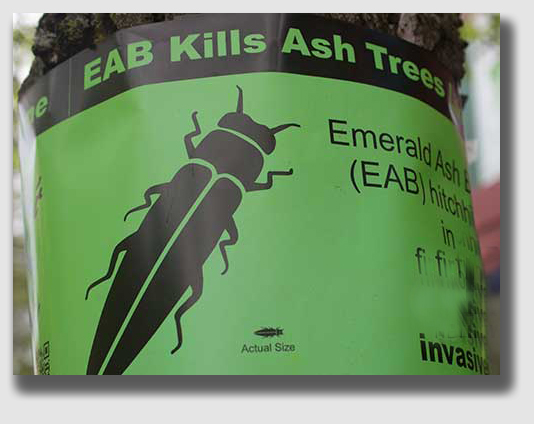
The warm spring weather tends to get people out and about to enjoy the sun. Unfortunately, it’s not just the humans. The mild temperatures through the winter and now into spring have resulted in the invasive emerald ash borer maturing faster and emerging weeks earlier than usual, the Oregon Department of Forestry says. Wyatt Williams, an invasive species specialist with the department, confirmed he found one in early May in King City in southeast Washington County, a news release states. That’s bad news for Oregon’s ash and olive trees. Emerald ash borers have been in the state since at least 2022. As their name suggests, they infest and kill ash trees; they’re also known to attack olive trees. The National Invasive Species Information Center says they first showed up in the U.S. in 2002. They’ve killed hundreds of millions of ash trees in the eastern U.S., according to Oregon State University’s Extension Service, which shares research-based knowledge with Oregon’s 36 counties. So far there’s no cure for a tree infested with the bugs – they’re a death sentence, the Extension Service says. It can take up to six years for an infested tree to die. The bug’s larvae burrow under the tree bark and chow down on the sapwood. These damaged layers of tissue below the bark are critical to transporting water and nutrients throughout the tree…
Detroit, Michigan, WDET Radio, May 18, 2026: MSU study challenges notions about trees and human health
Health experts and urban planners have long believed that planting more trees in residential areas is good for everyone in those neighborhoods. A new study shows that’s not necessarily so. Researchers at Michigan State University found that while trees do reduce stress and extend longevity, the benefits vary based on other factors. Professor Amber Pearson led the study. She and her team examined the relationship between residential tree canopies and allostatic load. That’s the cumulative wear-and-tear that stress has on the human body. Pearson says they confirmed that trees improve human health. “What we found was that having higher percentage of residential trees was associated with lower allostatic load scores,” she says. “In other words, it’s good for your health.” But Pearson found something surprising: It wasn’t good for everyone…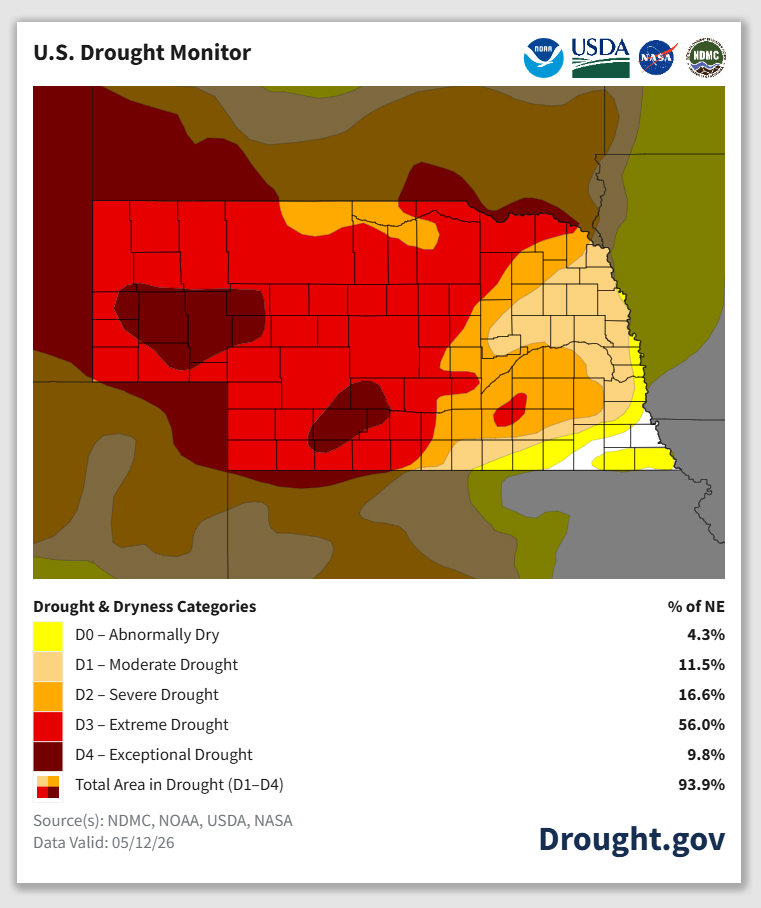 Lincoln, Nebraska, Nebraska Public Media, May 18, 2026: Worsening Nebraska drought could impact tree health amid wildfire concerns
As drought conditions cover most of the state, the Nebraska Forest Service’s latest Forest Health Report flagged potential stress and disease in trees. NFS Forest Health Specialist Jennifer Morris put together the report. “These large bouts of drought that extend for a long time really do cause some issues with trees across Nebraska,” she said. Trees without enough water can’t properly photosynthesize, Morris said, halting development of the chemical processes trees need to fight off disease. After the last severe drought in 2022, Morris said many trees were affected by canker diseases. “It’s just been quite devastating on some of our oaks and hackberries and things like that,” Morris said. Trees compromised by drought are also left vulnerable to pests. “We don’t have a lot of that protection in place that the tree can have as it’s healthier,” Morris said. “We see a lot of boring insects…”
Redding, California, KRCR-TV, May 18, 2026: Arborist urges Shasta County residents to monitor tree health as fire season nears
Experts are weighing in on how to keep trees in Shasta County healthy and why that could play an important role during fire season. Lance Richards, lead arborist with Redding Tree Service, told the Northstate’s News that nearly any type of tree can grow in the county because we have ideal weather, though he recommended native oaks since they do better in the local climate. Other trees, Richards said, can have problems with the intense heat and sun. He added that it’s important to keep an eye on tree health to prevent dead trees, which can pose a fire risk. “We’re coming into the summer right now, and we’re going to get a lot of these prevailing winds out of the north,” Richards said. “So I would just recommend, if anything looks like it’s damaged or dead up in your trees, that you call a local company to have them come out and address the situation…”
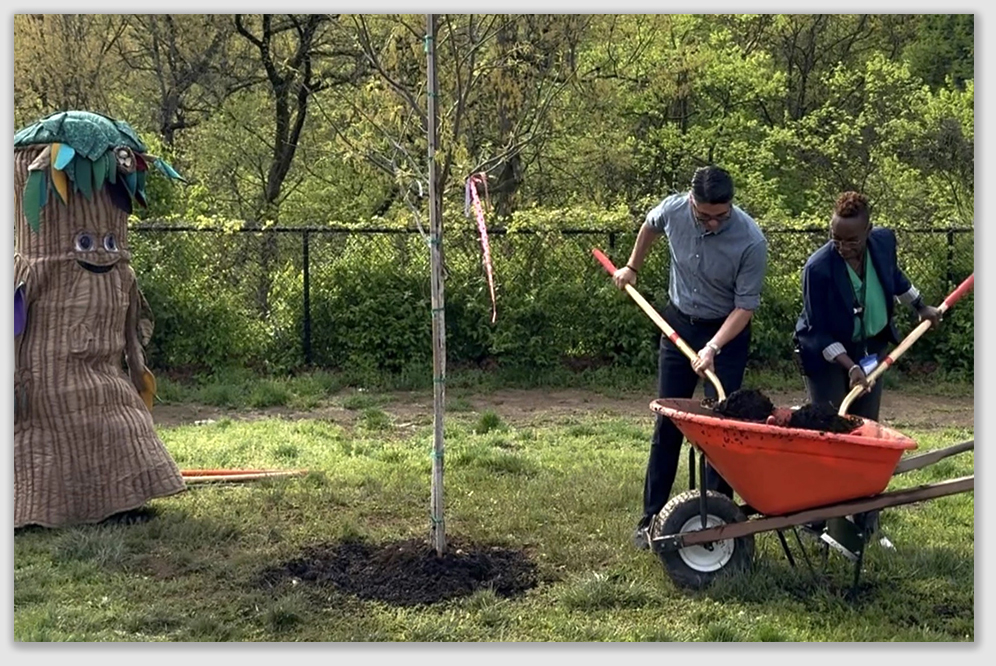
Burning trees to help other trees grow? It sounds counterintuitive, but using biochar to improve soil conditions is a practice that dates back centuries. On Arbor Day 2025, Cincinnati Mayor Aftab Pureval announced the city’s first use of biochar for tree planting to an enthusiastic crowd: elementary students at Roberts Academy in Price Hill. “Make some noise if you love trees,” Pureval exclaimed to loud cheers. “Here’s the most exciting thing, guys — you are part of history. Today, we are using a magical ingredient for the first time in Cincinnati’s history. It’s called biochar.” Biochar is more science than magic, but it’s pretty powerful. The charcoal-like material can enrich soil and keep climate-warming carbon out of the atmosphere. Cincinnati has been purchasing biochar from out of state, but soon, the city will make hundreds of tons of biochar a year right here in the city. Cincinnati Parks Director Jason Barron says the parks produce a lot of wood waste, like dead trees and trimmed branches. “And that wood waste was just decomposing and releasing that carbon back in the air,” Barron said. “And this allows us to take what we already have and turn it into something that’s beneficial, not just for us, but for others…”
Baker Hunt received the unfortunate news that their beloved American Beech tree, estimated to be around 140 years old, needs to be removed. Several years ago, the team noticed a fungus, which was identified as Brittle Cinder Fungus, an incurable infection that destroys the tree trunk’s structure at the base. At that time, Virginia Kerst paid for remediation: canopy reduction, nutrient treatments, core samples for studies, etc. Baker Hunt has continued the nutrient treatments quarterly for the last four years. These steps and treatments “bought” the tree an additional 4 years. However, recent tests have shown that the fungus has grown, and the tree is no longer viable. Under the advice of six different tree experts from several reputable local companies, Baker Hunt needs to remove the tree for the safety of its campus and students, due to the progression and internal destruction the fungus is causing. This news is sure to stir a lot of feelings, and the gardeners, staff, and students are experiencing those same feelings. However, once Baker Hunt knew it was for the safety of the students, the choice was clear…
 London, UK, BBC, May 18, 2026: ‘It takes 10 years to make our chair-shaped trees’
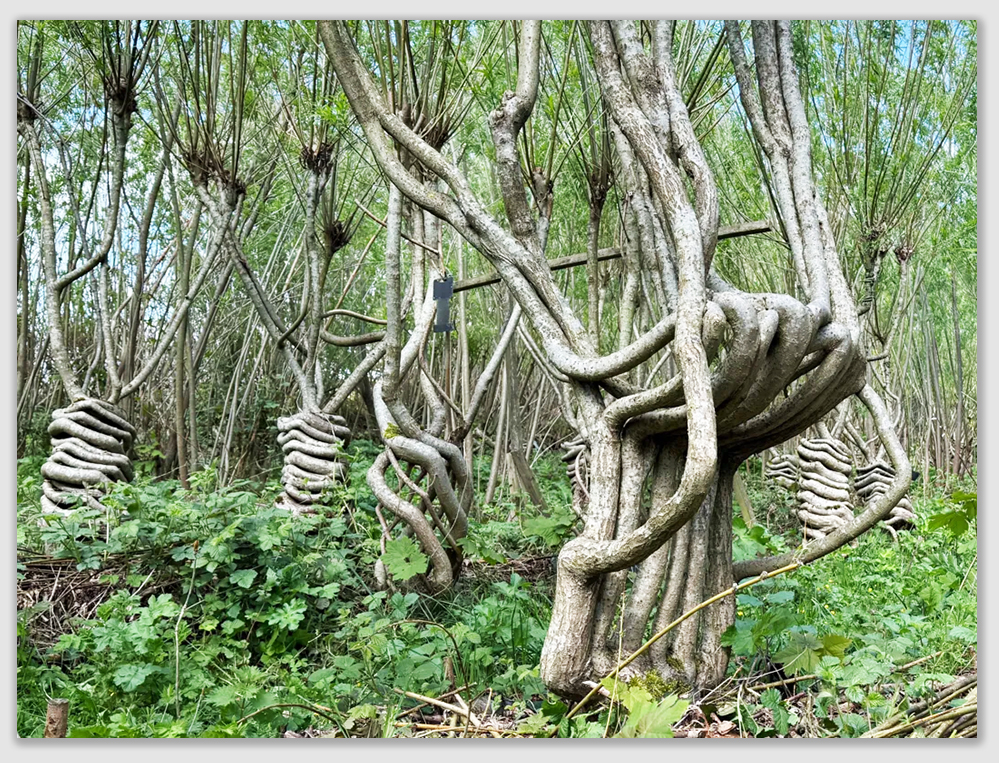
A couple has spent the past 20 years experimenting to perfect the practice of moulding trees so they grow into the shape of a chair. Alice and Gavin Munro grow their creations upside down, in a process that they say typically takes between six and nine years, before each item is dried for a year. The process involves training and pruning young tree branches as they grow over specially-made pieces of recycled plastic which help to shape the trees’ growth. Branches are then grafted together at certain points, so that the object grows into one solid piece. Gavin said the first seed for the project was sown when he was a young boy and saw an overgrown bonsai tree that he thought looked like a chair. The idea grew when Gavin was in and out of hospital with Klippel-Feil syndrome – a rare congenital condition characterised by the abnormal fusion of two or more neck vertebrae. He underwent several operations to straighten his spine during his youth, when he said he had time to “reflect and learn patience…”
Nashville city council members filed a resolution to pause NES’s new tree trimming method after residents raised concerns about safety and costs. The new ground-to-sky tree trimming approach left Amanda Podein’s large oak tree lopsided, with most of its weight now hanging over her house. Podein said if another storm hits, her house could be seriously damaged. “I am scared with the rain coming, is it going to make the ground soft? Is it going to make the branches heavy? We don’t know now how severe cleaning this up is?” Podein said. NES implemented the new approach in February after January’s ice storm left the city re-evaluating how vegetation is managed to protect power lines. Trees are now trimmed from the base to the top to provide a minimum 15-foot clearance between the tree and a power line. Podein said the trimming is doing more harm than good. “I would have been fine if someone told me this is your cost in getting this taken care of, and let’s work together in getting this project. But no, you hack it up, and now I am left with the bill,” Podein said…
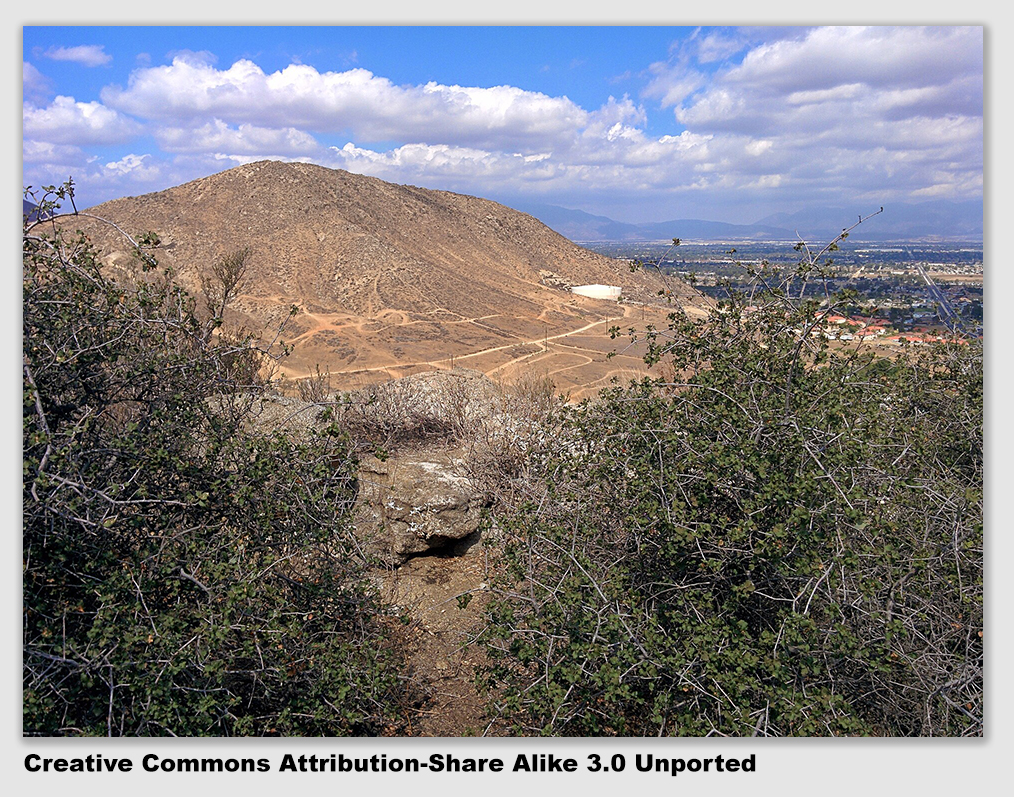
The world’s oldest oak has been spared from Southern California developers after a years-long battle to protect the land around the tree. Conservation groups fought the city of Jurupa Valley to protect the Jurupa Oak, an ancient Palmer’s oak, from a new development just 550 feet away, warning it could cause environmental harm. The Jurupa Oak is not known for its height, but rather its length. The shrub-looking oak covers nearly 80 feet of Jurupa Valley. Tribal groups and environmental organizations had called on the city to create a 100-acre buffer for the tree, but their demands were denied in the approval of the development. The development plans include around 1,700 homes, a business park and a school, according to SFGate, which first reported on the community’s battle…
As Bon Jovi sings in their 1987 hit – “wanted, dead or alive.” Ohio is taking inspiration from the Wild West (or the hair metal band) in its fight against invasive species. On Monday, May 18, the Ohio Division of Natural Areas and Preserves, part of the Ohio Department of Natural Resources, is launching a new series to fight invasive species in Ohio. The agency recently shared on Facebook a Wild West-style wanted poster – including the phrase “dead or alive” – for the top 10 invasive plants in the state. The reward? Native plant communities. “Invasive plants often outcompete our native plant communities and provide little to no nutrition for wildlife, especially when compared to Ohio’s native plant alternatives,” the ODNR division writes…
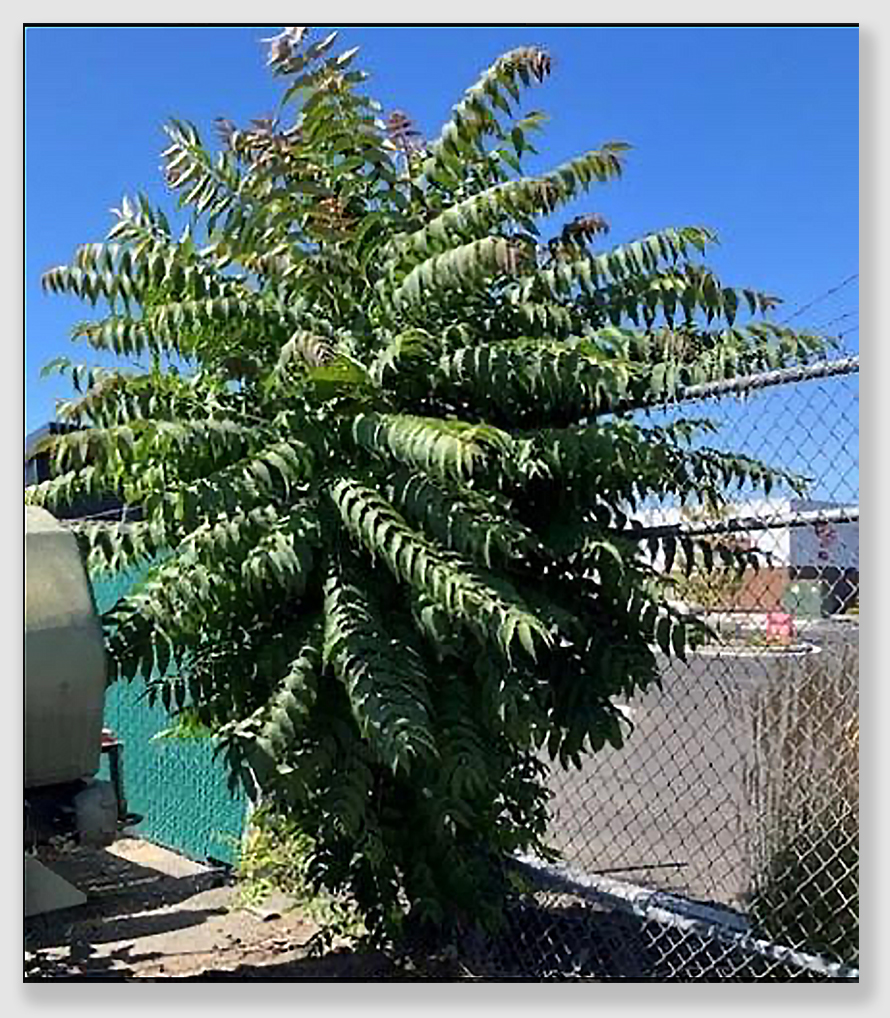
To the untrained eye, the tree-of-heaven is just another part of Denver’s canopy, providing shade and greenery in the city’s vast urban landscape. But to Mike Miller and his posse, it is an enemy they have come to know intimately. “I watch movies and I can pick them out on studio sets,” Miller said. The tree-of-heaven — or Ailanthus altissima — is a “perennial, relatively short-lived deciduous tree, originally from China”, according to the Colorado Department of Agriculture. The tree was reportedly first brought to the United States by a man in Philadelphia in the 1780s to supplement his garden. It can grow up to 70 feet tall in a variety of environments and withstand extreme heat, drought and more. Today, thousands have been reported in the metro area. They might seem rather pretty. But it is also a species on the Colorado Noxious Weed list. And noxious it is…
Youngstown, Ohio, WKBN-TV, May 13, 2026: Poland residents express concerns about tree business
Residents in Poland expressed concerns at a township meeting Wednesday evening about a tree business on Struthers Road they say is becoming a big problem. Neighbors say the operation is creating noise, traffic and environmental concerns and is impacting their quality of life. “Not only is this extremely loud, but the dust cloud created from the poorly maintained lane covers our field porch. My wife and I can no longer hold outside gatherings because of this noise and dust,” one resident said. “We are standing here as a united front. We’re dealing with the constant disturbance of heavy traffic equipment, large diesel trucks and multiple vehicles coming in and out every hour of the day,” another resident said…
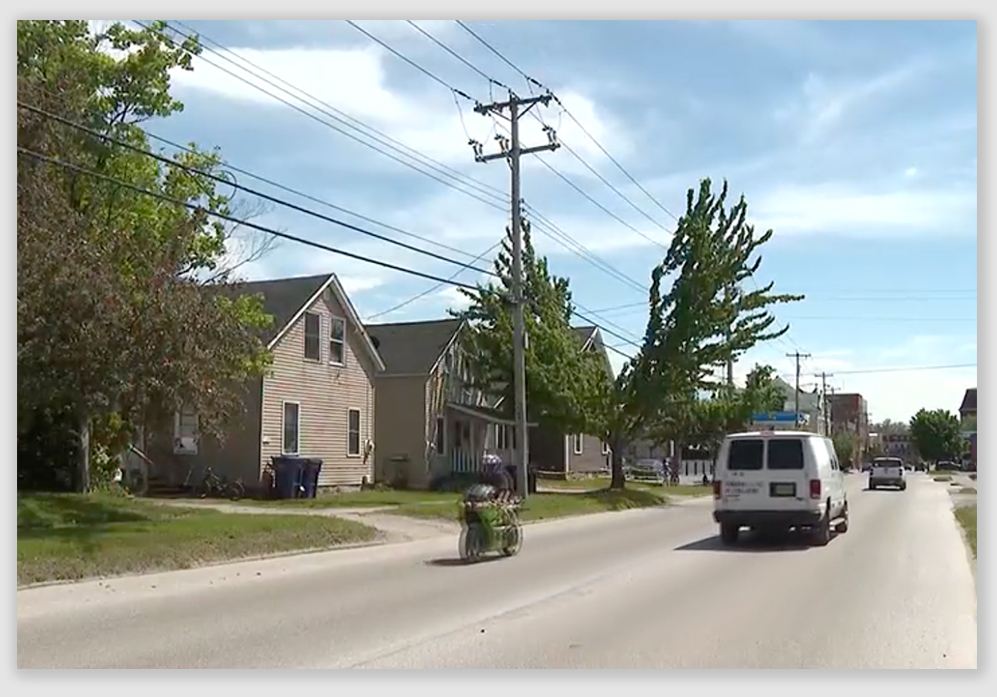
Anita and Ron Delph were looking out their window recently at the familiar sight of a robust tree canopy that lines just about every street in this picturesque college town. Then came the chainsaws. The couple watched as a contractor for the local utility company methodically lopped off big sections of the beech outside their home. By the time they were done, the timber that remained looked distinctively shrublike. In an online post, Anita called it a “massacre.” “Who would want to buy a house when they had to look at that out their front door?” Ron said. The Delphs are among many Ann Arbor residents who say they are witnessing a defacement of the local landscape. Tree trimmers for DTE Energy have been driving around cutting limbs that appear to be closing in on power lines as part of a long-term effort to reduce outages. The result has been an affront to many in Tree Town, as Ann Arbor is affectionately known, leaving many trees looking more like something out of Dr. Seuss…
On Sunday, May 17, in celebration of Arbor Day, the Rockland Tree Board will host a tree planting at MacDougal Park. The family-friendly event will take place at 1 p.m., when participants will be invited to help plant a Yellow Birch sapling. “Across the country, Arbor Day is celebrated to recognize the value of trees in our communities,” said a City of Rockland news release. “In backyards and across the City, trees provide needed shade, habitat for an incredible array of insects and birds, help clean and cool the air, and are a beautiful addition to our community…”
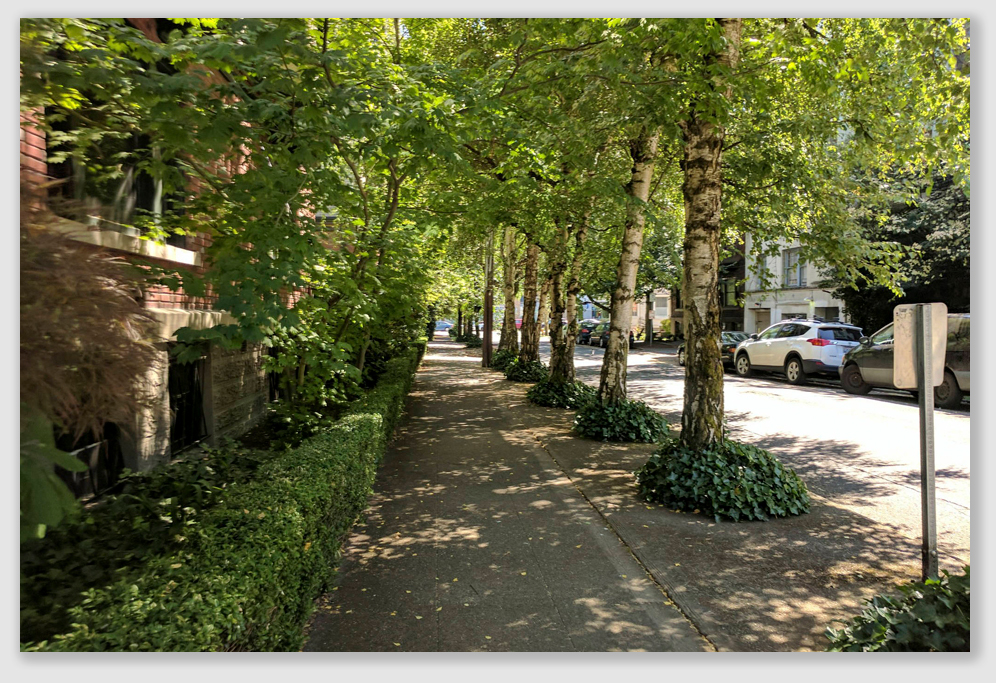 Mother Jones, May 13, 2026: The Solution to Urban Heat Is Actually Amazingly Simple
Johnny Appleseed was ahead of his time. Not because he fed so many people by planting apple trees (really, he got them drunk instead, as his real goal was encouraging the production of cider) but because he created so much shade to enjoy on hot days. More than two centuries later, American cities are wishing they had better followed Appleseed’s lead, as rising temperatures and a lack of tree cover combine to make urban life increasingly stifling. Two new studies show how simply planting more trees can provide huge temperature benefits, not to mention how the additional plant life would boost biodiversity and improve mental health for urbanites. The first finds that tree cover can cancel half of the heat island effect, in which the urban jungle gets much hotter than the surrounding countryside. The second compares neighborhoods in 65 American cities, finding that canopy-deprived areas suffer up to 40 percent more excess heat than heavily greened spots…
Washington, D.C., HillRag, May 13, 2026: A Growing Effort to Expand DC’s Tree Canopy
Casey Trees and organizers of the upcoming Anacostia River Festival plan to give away 250 saplings to attendees at the festival Saturday, May 16 in Anacostia Park, part of a broader effort to expand DC’s tree canopy through partnerships with residents, community groups and the National Park Service. The festival, scheduled from 2 p.m. to 6 p.m., is organized by Building Bridges Across the River (BBAR) and the National Park Service (NPS). Attendees will receive 2-gallon redbuds, Cercis canadensis, small enough to carry home. The trees are intended to extend the canopy beyond parks and into private yards and community spaces across the region, into private yards and community spaces across the region, said Casey Trees Chief Operating Officer Robert Shaut. “[They’re edible flowers — [the] pea family,” Shaut said. “My mom used to make redbud jam.” If all 250 trees are planted, a new forest could spring up throughout the District in the next few years. But it is not Casey Trees only collaboration with the organizers. Redbuds will line the path near the new amphitheater in the green space on the east side of the 11th Street Bridge Park Project. “We’ll have 250 trees in the park and 250 trees outside the park,” said Scott Kratz. “That’s just super exciting.” Kratz is President and CEO of BBAR and founder of the 11th Street Bridge Park Project. “Imagine the explosion of fall foliage on the bridge…”
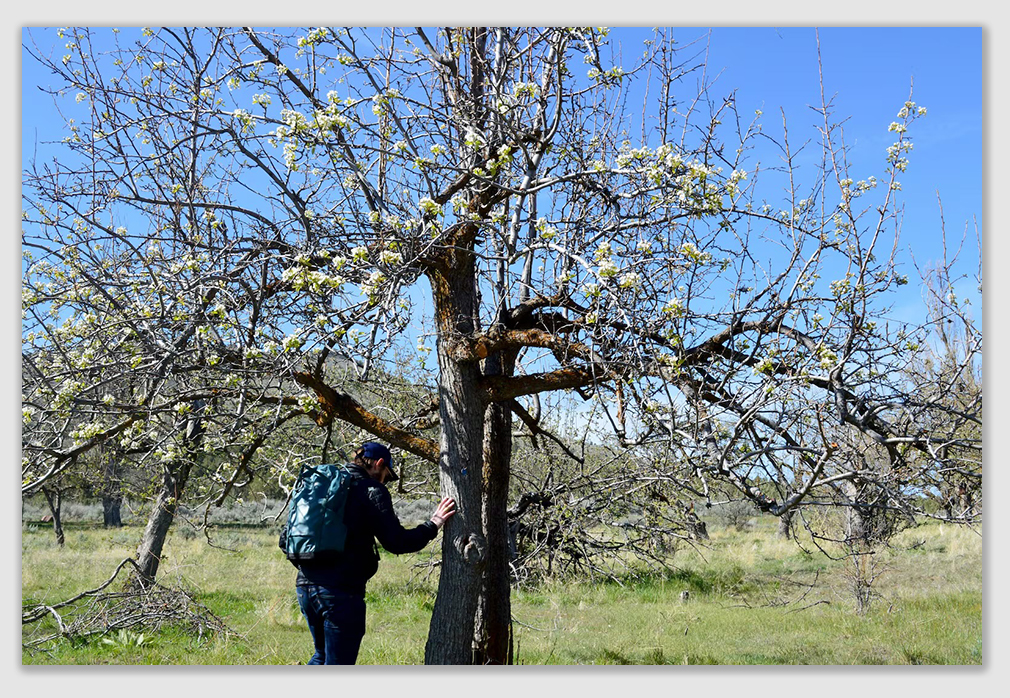
On a crisp spring morning, Peter LoVerso and CJ Johnson were deep in the Crooked River National Grassland near Madras. They stood squinting into the sunlight, across a barbed wire fence from rows of squat, gnarled trees. LoVerso reached up, grabbed a low-hanging limb and hoisted himself over the fence’s metal spikes. “A fun fact about Peter,” Johnson said. “He’s also a trapeze artist.” On this day, though, LoVerso was primarily a tree detective. He and Johnson were searching for a handful of tagged apple trees in the more than century-old orchard. “This guy looks great,” LoVerso, 34, said of one tree, as he picked leaves off a branch and placed them in a plastic bag. “It’s not going to hurt the tree, and better to have too many than too few.” The leaves will be sent to a lab at Washington State University for DNA testing to see what kind of tree it is and where it came from…
The Washington State Court of Appeals denied a motion Thursday to reconsider a case involving the city of Edmonds’ tree regulations, holding its ruling that the city does not have to pay damages to a resident. In March, the court dismissed the case as moot, saying it could no longer provide effective relief to the city or to resident Nathan Rimmer. In 2022, Rimmer submitted a permit to build a single-family home on a vacant lot in Edmonds. His building plans required him to remove a dogwood tree. Before the city could issue a decision on the permit, staff required Rimmer to make plans to replace the tree and dedicate a piece of land to plant two more trees in its place. In 2023, Rimmer sued the city, alleging the requirement was unconstitutional. In January 2024, a judge ruled the mandate unconstitutional and in December found the city responsible for financial damages accrued during the case. The judge ordered the city to approve Rimmer’s permit, which the city appealed. The question of whether the city would have to pay damages was set to be decided after the appeal, according to the December 2024 court order…
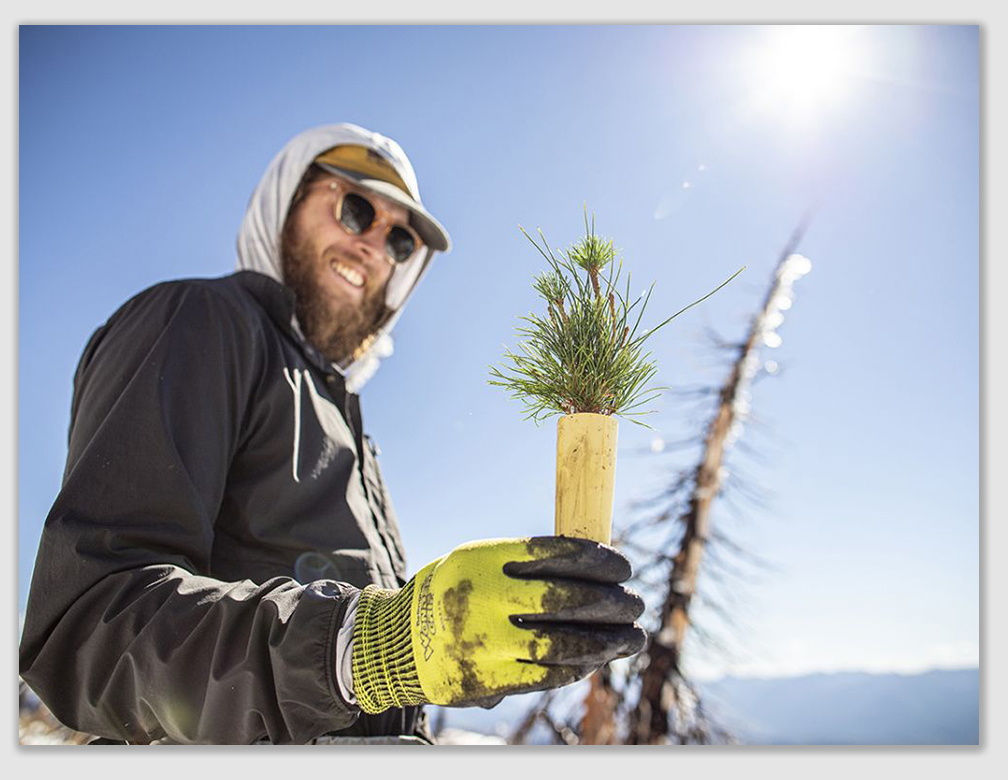
Deep in the wilderness of Montana’s Bitterroot Mountains, Josh Beisel and his team of field technicians heft 60-pound packs across rough terrain. Alongside their sleeping bags and dehydrated meals, they carry poster tubes full of tree cores – small cylinders of wood collected from the trunks of high-elevation trees, including one of the West’s most imperiled species: the whitebark pine. Whitebark pine trees (Pinus albicaulis) are some of the only trees that can grow at Montana’s highest elevations. They provide food for grizzly bears and habitat for birds like Clark’s nutcrackers. They stabilize the snowpack by acting like a fence that holds snow on steep slopes. The shade they provide keeps snow from melting too quickly and reduces the risk of spring floods. But whitebark pine trees are in danger. Their populations are in decline due to several different stressors, including climate change, pine beetle outbreaks and an invasive fungus known as white pine blister rust. Now a Ph.D. candidate at the University of Montana, Beisel has spent his early career learning more about this unique species to inform conservation efforts…

 Tree and Neighbor Law For Homeowners and Professionals