

 Forbes, December 30, 2019: The Rarest Honey In The World Comes From This Near-Extinct Tree In Hawaii
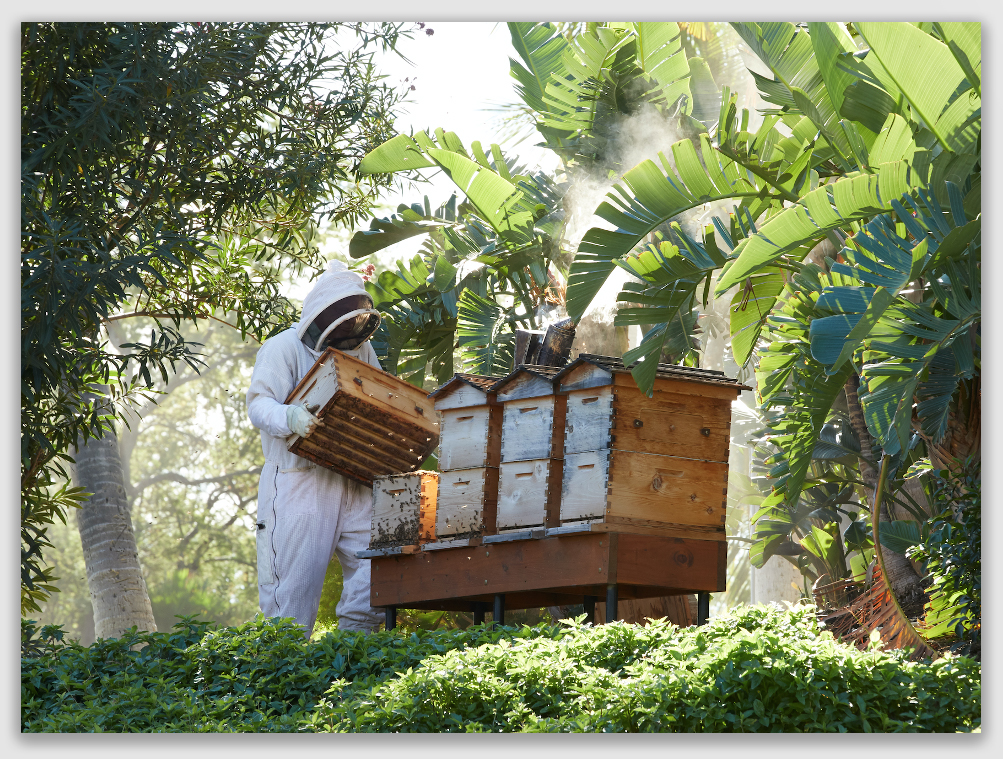
If you’ve taken a stroll through the honey section at any gourmet store, chances are you’ve seen a variety of expensive honeys ranging in taste, flavor, texture and color. It’s crazy to think that there are over 300 types of honey worldwide, each produced by the incredible honeybees that play an enormous role in the pollination of our ecosystem. The rarest honey in the world hails from the Big Island, more specifically a 1000-acre forest named Puako which doubles down as a natural bee habitat. The forest is home to Kiawe, a desert mesquite tree that is native to Colombia, Ecuador and Peru, which was introduced to the Big Island in 1828. These distinct wispy trees grow up to 60 feet tall and sprout bright yellow flowers from which honeybees collect nectar to produce Kiawe honey. The honeybees that produce this honey almost exclusively feed off this type of tree’s blossoms making the honey nearly 100% monofloral…
Some kids love Christmas trees more when they don’t come with presents, ornaments or lights. Kids of the four-legged variety, that is. That’s because ― with Yuletide activities in the rearview mirror ― some Lehigh Valley farmers are collecting discarded Christmas trees and providing them to their goats as a nutritious winter treat. The goats eat the needles and bark, and also like to play on the trees. “It’s like putting a plate of cookies in front of toddlers,” said Jessica King, who has 13 goats at Blue Barnyard in Lower Saucon Township. “It’s a boredom buster, and the vitamin C from the needles is really good for them.” King has collected Christmas trees for her Nigerian dwarf dairy goats for the last several years, and they love it. They’ll headbutt each other to see who gets to the tree first. It takes about 24 hours for four goats to strip a tree of its needles and bark, King said. She then burns the rest…
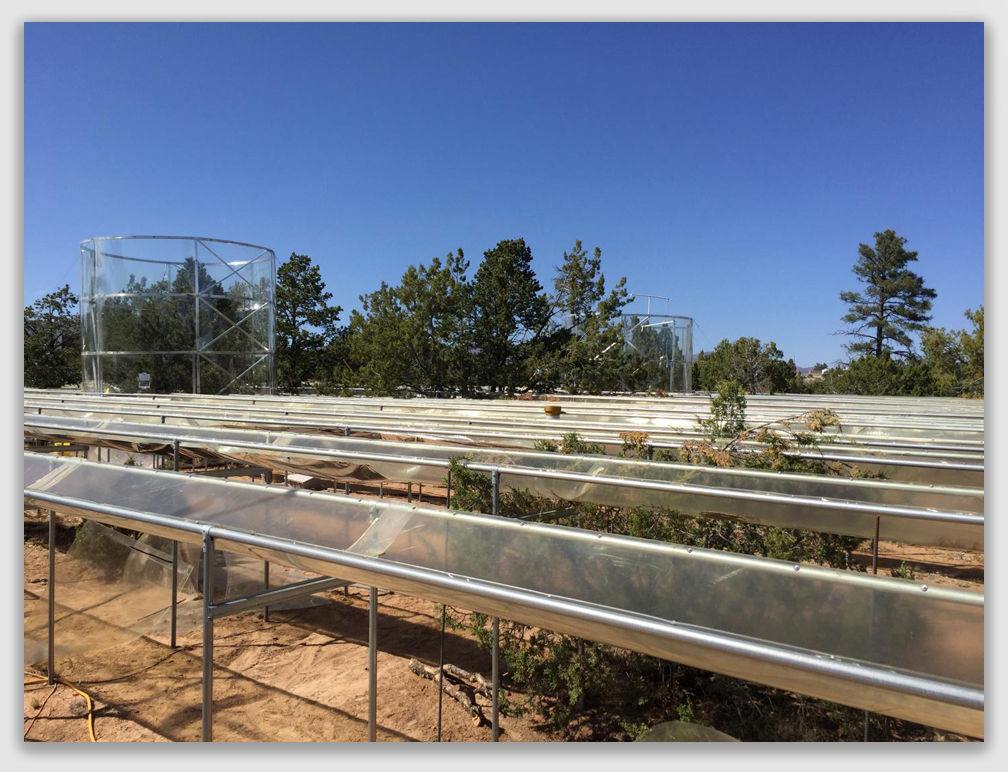
As the world warms, a new study is helping scientists understand how cone-bearing trees like pines and junipers may respond to drought. The research addresses a classic question in the field: When conditions are dry for long periods of time, do trees survive by growing new roots to tap water sources, or by relying on established roots that already go deep? The answer, at least for some cone-bearing trees, known as conifers, may be the latter, says Scott Mackay, PhD, professor of geography in the University at Buffalo College of Arts and Sciences. Mackay is an expert in ecohydrology and how trees take up water. In the new study, he led a team that used computational modeling to investigate how pines and junipers access water sources during prolonged dry spells. In simulations, trees of both species survived a five-year drought when they entered the dry period with deep roots already reaching into fractured bedrock, where water can be found. These modeled trees also used water in ways that matched well with observations of real trees that successfully weathered drought conditions at the Los Alamos Survival-Mortality (SUMO) experiment site in New Mexico…
An article published in The Guardian earlier this month has been making the garden news rounds, turning tree planting on its head with the notion that recent scientific research has finally, unequivocally, shown that it’s better to plant trees in square holes than round ones. At first I was like, “What the Sarah Jessica Parker is this?” but it turns out it’s true. It also turns out it’s been known for more than a century and a half. “There is a difference of opinion as to whether the holes should be made square or round,” wrote horticulturist Robert Thompson for The Gardener’s Assistant, Practical and Scientific in 1859. “We much prefer the square form. In the first place, a larger hole can be sooner made; but there is a point of still greater importance. Although the ground may have been well dug, yet, when the (roots) come to the side of the hole, they have to penetrate a firmer medium than that of the more recently loosened soil the limits of the hole, whether this be round or square. In the former case, however, resistance is more direct…”
 Warren, Ohio, Tribune Chronicle, December 30, 2019: Downed trees vandalized in Warren
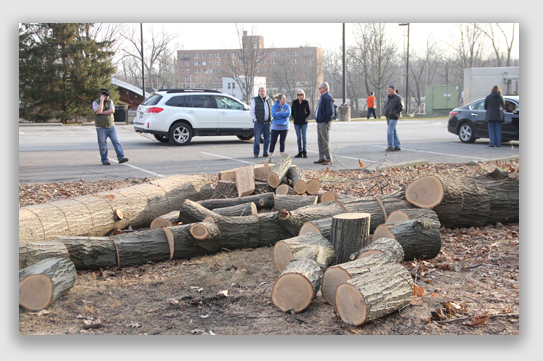
The saga of the downed trees behind the Women’s Park between the Kinsman House and the Perkins House continued Saturday as they were vandalized late Friday night or early Saturday morning. The trees, many of which were healthy, were cut down Dec. 22 to make room for a bocce court for the Italian-American Heritage Festival, which is being moved from Courthouse Square to Perkins Park. The cutting of the trees sparked outrage among some of Warren’s groups and associations dedicated to preservation of historic and significant areas in the city. The vandalization read “Corruption,” “Murder,” “Thanks (expletive)” and “Why Doug?,” an apparent reference to Mayor Doug Franklin. There has been a push for several years to move the festival to the park to alleviate wear and tear on the Square, where food trucks and vendors drive over the slate and onto the grass, according to outgoing Safety Service Director Enzo Cantalamessa, who also is on the Italian-American Heritage Festival committee. Cantalamessa Thursday apologized for not consulting the organizations and “meant no disrespect,” but Courthouse Square is an historic area, too, and with the city owning both properties, a decision had to be made…
The cause of a fire that tore through a Hemet apartment complex Friday morning, leaving a man and three of his children dead, has been determined. Hemet Fire Department and Police Department determined that the cause of the fire was a result of a Christmas tree sparking an electrical fire. The fire was reported about 1:15 a.m. near Alessandro Street and Latham Avenue. Four members of the family of seven were killed after the fire started in their residence and spread to nearby units. The four family members killed in the fire were identified as 41-year-old Juan Moreno, 12-year-old Maria, 4-year-old Janessa and 8-year-old Isaac. Juan Moreno died after entering the burning home in a desperate attempt to rescue the rest of his family, police said. On Saturday, the aunt of 8-year-old Isaac Moreno confirmed to NBC4 he had died from his injuries. He was previously hospitalized in grave condition…
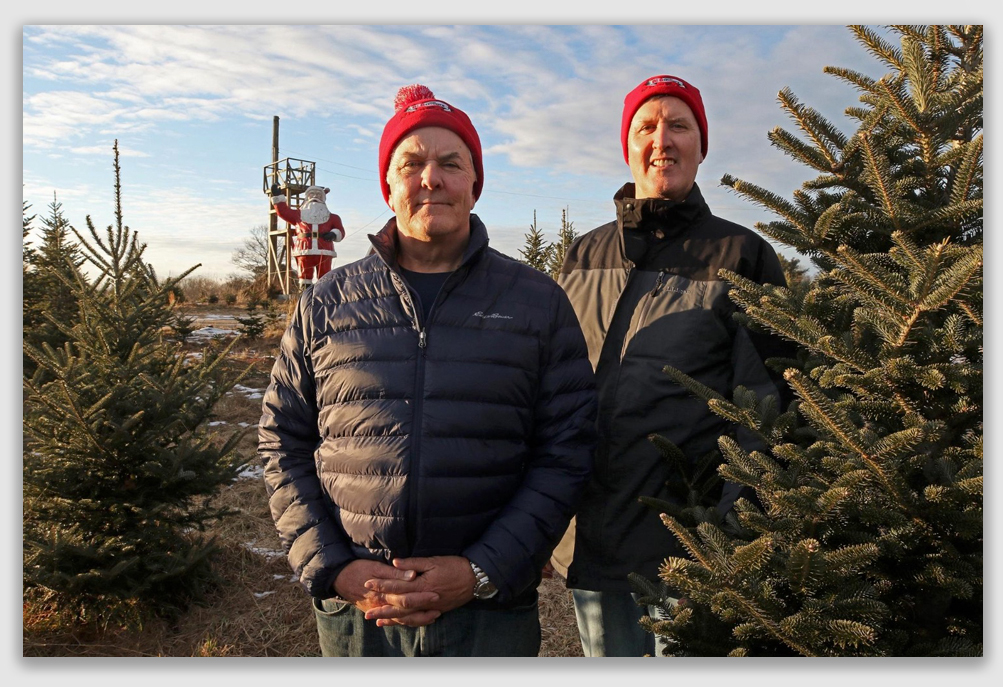
While Mother Nature and the lingering effects of recession created challenges for some New England Christmas tree growers and retailers this year, many experienced a brisk early business driven in part by growing demand for an all-natural holiday. James Horst, executive director of the New Hampshire-Vermont Christmas Tree Association, which represents about 200 primarily wholesale growers in the two states, said it was a good year for the industry. “We had quite a few calls from customers who weren’t previous customers who were looking for trees,” said Horst, who has 60,000 to 70,000 trees on a farm in Bennington, Vermont. Horst believes most, if not all, wholesale tree growers sold out their crops this year. Stephen Higgins, president of the Maine Christmas Tree Association, said it was a “seller’s market” this year. Tree shortages in parts of the Midwest and South, created in part by growers who scaled back on plantings after losing business during the recession, had buyers seeking trees in New England and Canada. Considering it can take eight to 10 years to grow a Christmas tree, that contributed to a tighter supply…
Abilene, Texas, Reporter News, December 29, 2019: Mystery log stumps tree expert
First of all, I hope everyone had a merry Christmas, and I also hope you’ll have a happy New Year. I really enjoy this time of year because of the chance to celebrate the birth of Christ and the family get-togethers, and I hope everybody else does too. I don’t, however, think much of the short periods of daylight that pass for a workday, but I already know that no cloud is all silver lining. Oh well. By the end of the month, days will start getting longer, which is important to trees, and the slowly lengthening days will start teeing up spring, even in the depths of winter (which is just starting). Recently, when I was handling some tree debris, it got me thinking about how often trees and tree products are misidentified. The particular logs I was handling at the time were very aromatic pieces of wood that looked like big, beautiful chunks of red cedar. In fact, I’d be willing to bet that most people would have looked at that tree when it was standing and confidently said that it was a cedar. Frankly, and I know this seems odd, while I personally wasn’t sure what kind of tree it was, I do know the different species of trees that are actually cedars, and this tree wasn’t one of those. I’m fairly confident that it was a cypress or juniper of some kind…
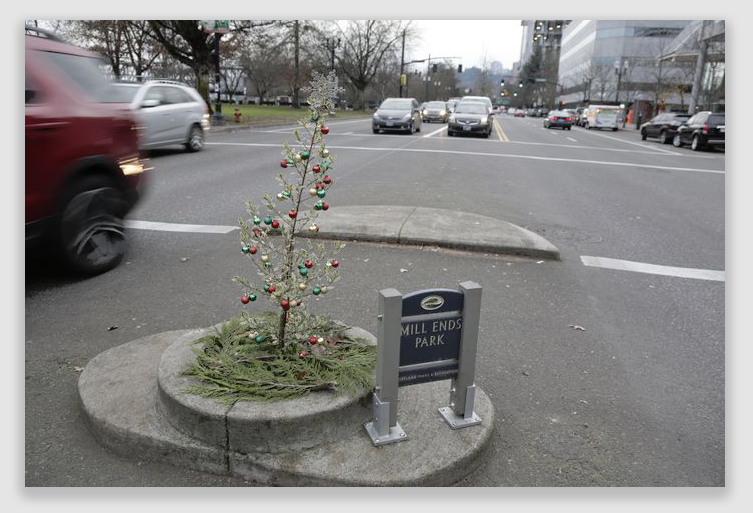
Portland’s smallest park, tucked into a median on Naito Parkway, is now bare, thanks to the work of some criminally minded fiend — or fiends — who cut down the park’s only tree. According to OPB, a stump is all that’s left of the tree that was planted in the 2-foot-wide Mill Ends Park, which the Guinness World Record book lists as the world’s smallest park. This isn’t the first time someone has stolen a tree from the tiny park. OPB reported that someone took a sapling from the park six years ago but dropped it back a few days later, and it was replanted in Mount Tabor Park. A park employee said that it’s more common for people to drop items off at the park than take them away, but said he did not know what had happened to the tree…
USA Today, December 27, 2019: Can you guess what happens to unsold Christmas trees?
Firs. Pines. Spruces. Cedars. Millions of these prickly evergreens are chopped, shipped, sold and decorated every holiday season. In fact, roughly 96 million American households are expected to put up a Christmas during the holidays, according to an annual survey from the American Christmas Tree Association, and 19% of those are live trees. But what happens to the lonely trees with sparse spots and broken limbs that never make it to a toasty family room corner? Many are chopped up, ground down and fed to plants and animals, according to Rocco Malanga, the owner of Cedar Grove Christmas Trees in Cedar Grove, New Jersey. “On a commercial level, they become wood chips that are made into mulch,” Malanga said. “That’s very common. Aside from that, they go to farms for livestock. But if we’ve done our job correctly, there’s not a lot that we have to deal with…”

A Florida man spent Christmas Eve in jail for being a naughty neighbor. Robert Wayne Miller of Zephyrhills, Fla., was arrested Sunday around 9 p.m. for disturbing the peace with his lawn mower, according to a Pasco County complaint affidavit. He faces misdemeanor charges of disorderly conduct and resisting arrest. In body-camera footage obtained by WFLA, Miller’s lawn mower can be heard idling in the background as Deputy Michael O’Donnell, who responded to the complaint, approached Miller’s property. O’Donnell called out to Miller, and Miller revved the engine of his mower. Miller had no-trespassing signs on his property, so O’Donnell tried to coax him to the patrol car to serve him his citation for disturbing the peace after being served a warning. Miller refused to go with O’Donnell, so he said he was placing Miller under arrest and warned him that things would get worse if he didn’t cooperate. “I’m placing you under arrest for disturbing the peace, so either you come out of here or I’m going to drop more charges on you,” O’Donnell told him. “You can either go now, or I’m going to have more charges for you and you’re going to have us up here every night.” “For what?” Miller replied. “For disturbing the peace.” O’Donnell said. Then the deputy appears to point to houses around the neighborhood. “I’ve had your neighbor there come out and tell me she can’t take it anymore, I’ve had that neighbor, I’ve had that neighbor, I’ve had that neighbor; I’ve had four people come out and tell me that they can’t take it anymore.” “Whatever,” Miller replied. Then he went back and turned on his lawn mower again…
It is hard to overstate the value and cultural importance of the American chestnut tree for those who came before us. The native hardwood was once so ubiquitous, it has been said, that a squirrel could travel from Maine to Georgia in the chestnut canopy. The largest trees, spreading 100 feet or more, dropped 10 bushels of nuts, and in the fall the ground was covered with a nut blanket four inches deep, sociologist Donald E. Davis writes in a 2005 paper. The bears and turkeys feasted, the farmer’s hogs feasted, and the people who lived in chestnut territory feasted — on that sweetened Appalachian ham but also on the economic value of the trees and their nuts. The chestnut’s arrow-straight timber was valued for its size and rot resistance and today endures in the posts and beams of old farmhouses and barns…
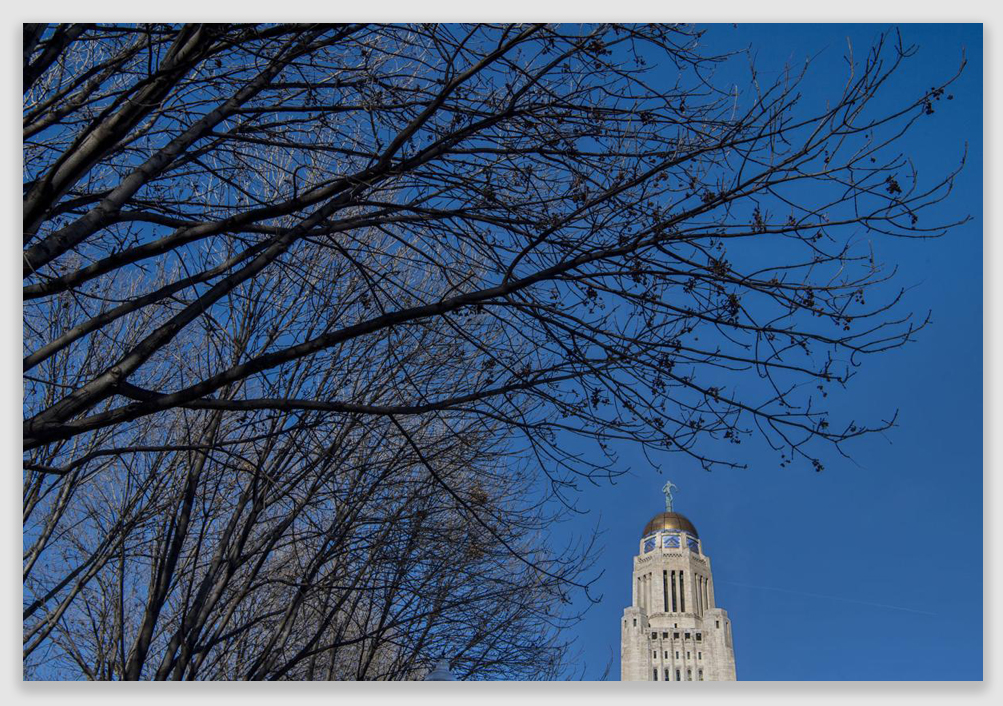
Not all of Lincoln’s ash trees are destined to turn to dust. Most will still face a death sentence, because the city’s war on the emerald ash borer relies heavily on removal. Its chainsaws took out another 1,000 public trees this year, bringing the three-year total to about 1,900. But officials will soon start identifying what they call high-value trees, whose size, significance, health and location could make them candidates for long-term — and more costly — chemical treatment. “We anticipated there would be some public trees that were important enough that we would continue to treat those,” said Lynn Johnson, director of the Parks and Recreation Department. “We would want them to be trees that are in good enough condition they have many years of anticipated life.” He pointed to possibilities: The five mature trees that shade tiny Witherbee Park near 44th and N streets; and the autumn purple ash that line both sides of Goodhue Boulevard just south of the Capitol, between G and H streets. But it’s early in the process. They haven’t established selection criteria yet — he’ll ask the Community Forestry Advisory Board for help with that — and they don’t know how much money they’ll have to work with…
San Francisco, California, Examiner, December 25, 2019: Man killed after tree falls in Muir Woods
A man was killed by falling debris when a tree fell in Muir Woods in Marin County Tuesday, a county fire captain said. A 29-year-old man was killed around 4:30 p.m. in the Hillside Trail area, Capt. Ben Ghisletta said. A tree fell and it fell into other trees, causing some large debris to hit the man, Ghisletta said. Another person suffered injuries not considered life-threatening and was taken to Marin General Hospital. Ghisletta said what caused the tree to fall isn’t clear. As of Christmas morning, the area where the tree fell was closed to the public for safety reasons…
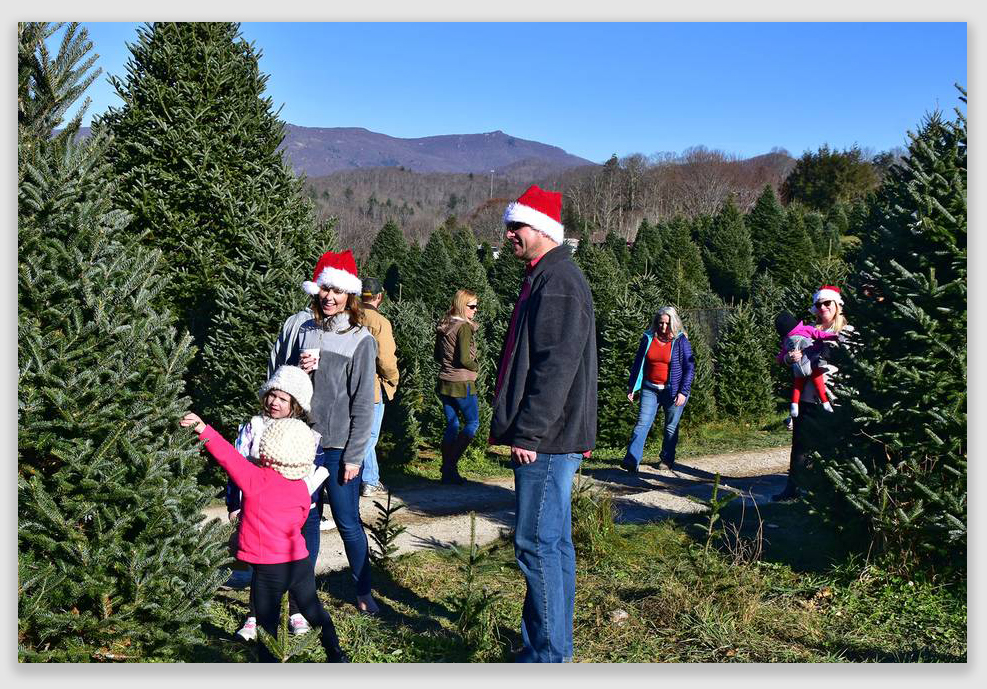
One way to end the season of giving on a sparkling note is to recycle that fragrant fresh Christmas tree as a benefit to the environment. Wake, Johnston and Durham counties, along with some local municipalities, collect or accept used trees from right after Christmas until after the new year. Raleigh residents can leave their bare Christmas trees (no decorations, no lights, no tinsel, no tree stands) at the curb and crews will pick them up on your regular recycling day. Trees will be turned into mulch for local parks. Real trees only; artificial trees cannot be recycled. Information about recycling other holiday detritus is available on the city’s website. Wake County residents can drop off their trees to be used in the Happy Trails Christmas Tree Recycling program, which accepts trees for one month, from Dec. 26 to Jan. 26. You can take old tannenbaum to any of eight drop-off locations: four county convenience centers and four county parks. The trees need to be clear of all ornaments, tinsel and twinkling lights…
Continued deforestation and other fast-moving changes in the Amazon threaten to turn parts of the rainforest into savanna, devastate wildlife and release billions of tons of carbon into the atmosphere, two renowned experts warned Friday. “The precious Amazon is teetering on the edge of functional destruction and, with it, so are we,” Thomas Lovejoy of George Mason University and Carlos Nobre of the University of Sao Paulo in Brazil, both of whom have studied the world’s largest rainforest for decades, wrote in an editorial in the journal Science Advances. “Today, we stand exactly in a moment of destiny: The tipping point is here, it is now.” Combined with recent news that the Arctic permafrost may be beginning to fill the atmosphere with greenhouse gases, and that Greenland’s ice sheet is melting at an accelerating pace, it’s the latest hint that important parts of the climate system may be moving toward irreversible changes at a pace that defies earlier predictions. The speed of the transformation in some key planetary systems, such as Greenland’s ice and the Arctic’s permafrost, has “indeed been underestimated by climate science,” said Stefan Rahmstorf, head of Earth system analysis at the Potsdam Institute for Climate Impact Research in Germany. “And that’s partly because we cannot really capture them well in our models…”
 Seattle, Washington, KUOW Radio, December 23, 2019: A Jolly Good Year for Christmas Tree Farmers
For the first time in years, it’s a wonderful time to grow Christmas trees. Christmas tree growers say 2019 has been the industry’s best year in decades — in part because of a number of bad years, says Chal Landgren, a Christmas tree specialist at Oregon State University. Landgren grows trees on a five-acre farm north of Portland, Oregon, and says seedlings planted in 2019 have seen good rates of survival. That wasn’t the case from 2015 to 2018, when dry, hot summers led growers to plan for losses. “Some of them lost their entire crop in those years,” he says. “And it was hard to get seedlings because people were trying to back up two or three years worth of seedling loss.” The industry’s good year comes alongside an increase in demand: A study by the National Christmas Tree Association found a 20% spike in real Christmas tree purchases during 2018. A spokesperson told CNN millennials are driving the influx in sales. But Landgren predicts the industry will see another decline in production in about six years because of that aforementioned seedling loss. In 2006, 800 licensed Christmas tree farmers grew almost 7 million trees, he says. Now, following a period of oversupply, he estimates about 366 growers produced 4.5 million trees…
Futurism, December 23, 2019: Farmers Could Use Drones to Grow Better Christmas Trees
Researchers at North Carolina State University are exploring the use of drones to monitor the growth of Christmas trees in the Blue Ridge Mountains. “Instead of going out and measuring individual trees, a person could fly a drone,” research associate Justyna Jeziorska said in a statement. That could prove especially handy since the most popular Christmas tree species in the area, the Fraser fir, grows best in mountainous areas and on steep slopes. Drones have been used to 3D-scan natural landscapes in the past, but current landscape analysis software tends to make individual trees appear like short domes rather than anything that actually looks like a tree. That makes the process of analyzing the trees’ height and diameter near impossible, which is why the NC State team is developing new 3D-processing techniques. In addition to monitoring the Christmas trees’ size, drones could also tell farmers if the trees are diseased by detecting discoloration or even spray herbicides and pesticides on them from above, according to the researchers…
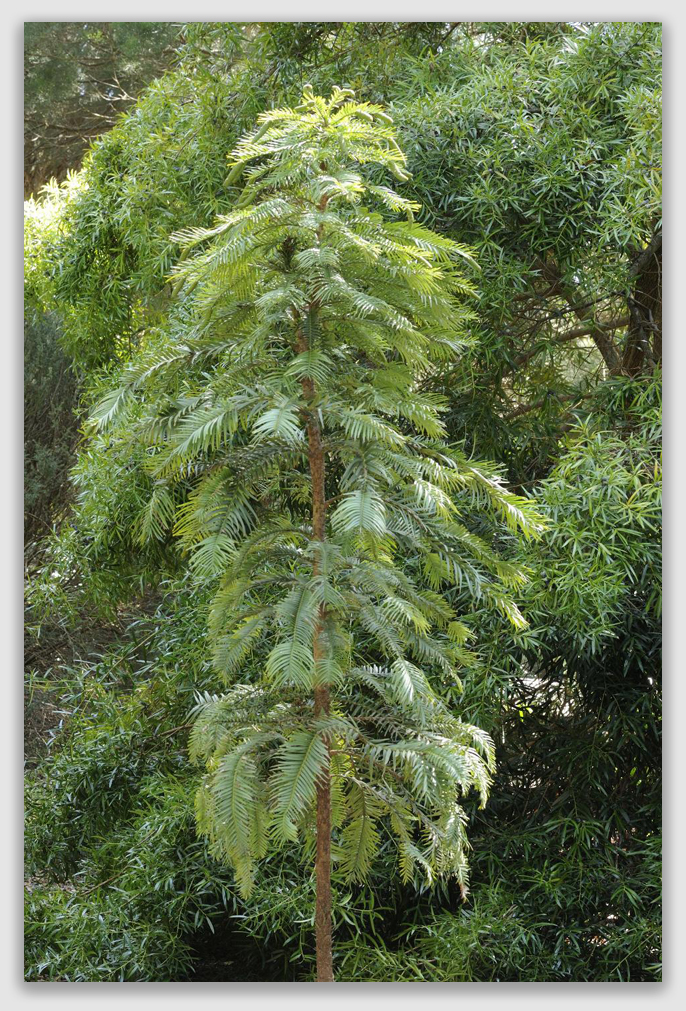
The Wollemia pine is a species in the Araucariaceae, a family of coniferous trees dating back at least 110 million years. Believed to be extinct since the Cretaceous, some 65 million years ago, Wollemia was only known through fossil records until the Australian species Wollemia nobilis was discovered in 1994 in a temperate rainforest wilderness area of the Wollemi National Park in the northern Blue Mountains in eastern Australia. In the geological past widespread, today the Wollemia pine can be found only in four small patches in a remote series of narrow, steep-sided sandstone gorges, with an estimated 250 individual trees growing within a two miles radius. As the NSW National Parks and Wildlife Service officers confirmed yesterday, a large bushfire in the Gospers Mountain, part of the Blue Mountains range, swept across firebreaks and barriers that had been laid down to protect the trees. Fires have burnt more than 220,000 hectares throughout the Blue Mountains. At the moment, the extent of the fire damage at the Wollemia sites is unknown. There is evidence the original trees have survived fires in the past, according to Dr. Maurizio Rossetto, a senior principal research scientist at the National Herbarium of NSW. Surviving adult trees are believed to be over 1,000 years old and some of the trunks are black and charred, suggesting that the trees can survive bushfires of a certain intensity. Bushfires may be a problem for saplings or young specimens; without a thick, protective bark, they likely can’t survive…
Montgomery citizens can give their Christmas tree a life beyond the holidays by recycling their trees. The Alabama Wildlife and Freshwater Fisheries Department is using recycled trees to enhance fish habitat in 20 small public fishing lakes across state. Recycled Christmas trees attract more fish than any other habitat type, according to a press release from the ALWFF. “Unfortunately, these trees break down quickly and attract fish only for a few years and must be replaced with newer trees,” the press release reads…
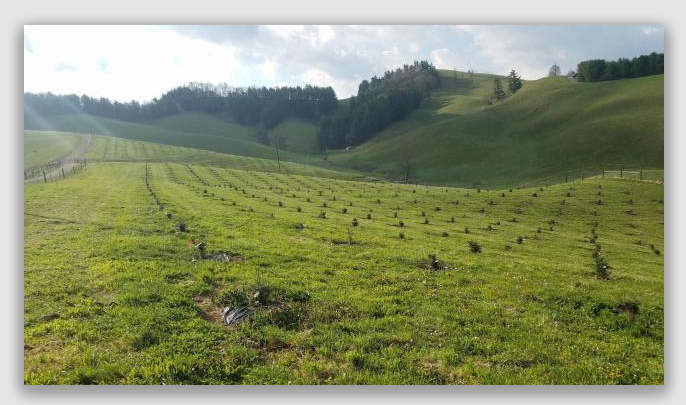
North Carolina growers hope their newest project will create the perfect Christmas tree. Jeff Owen, a tree specialist with North Carolina State University’s N.C. State Extension, says the Christmas tree business is booming in the state. “We are probably shipping Fraser firs to almost every state in the country,” he said. Officials say North Carolina is the number two state for growing Christmas trees and that it brings in about $250 million every year from the harvest. There’s one issue, though — when Christmas tree farmers plant seeds every year, they have no way of knowing if the seeds will yield a good tree or a bad one. A lot of the Fraser firs that are sold today are grown from native seed, and that seed represents the population of trees in the forest — not necessarily ones that make the best Christmas tree,” Owen said. The N.C. State Extension is working with the College of Natural Resources and the State Agriculture Department on a project that uses genetics to remove “bad seeds…”
Around mid- to late summer, Adam Downing started receiving about double the number of calls he usually does about oak trees dying. Downing is a forestry and natural resources agent with the Virginia Cooperative Extension, and he could tell this was a “pretty significant increase” in calls, mainly from homeowners. He’d even noticed one oak, which he passed each day on his drive to work, go from healthy to being removed. Particularly strange was how quickly the trees seemed to perish. “Generally, trees die slowly,” he said. This “was a sudden browning of leaves. That was different. “This is acute.” Though there aren’t yet any hard numbers, tree experts around the commonwealth say they’ve seen more oaks dying this year than is typical. Most of them are white oaks in urban environments…
 New York City, Wall Street Journal, December 21, 2019: Christmas Trees: Is Bigger…Worse?
What is the right size Christmas tree to fit a room? “The biggest damn tree you can fit through the front door,” my mother believed. To accommodate a massive Scotch pine dripping with silver icicle tinsel, she decorated the living room with what she called “placeholder furniture”— a lowboy cabinet and armless rocker which, every December, she moved to the basement. Each year my father swore as he lugged a too-big tree into the house and got it into place, but she pronounced it a “Christmas miracle.” I consider myself more flexible on seasonal décor than my mother—who did not believe in fake trees, blinking lights or tree toppers other than angels with lacy wings. But every year I want a gigantic Christmas tree that requires the angel to hunch over, crunched against the ceiling. My husband would prefer a smaller tree. “Don’t you think a tabletop tree looks classy?” he asks every year. No, I do not. After decades of marriage, however, I understand the value of avoiding a public fight in the middle of the pop-up Christmas tree lot next to the highway. So before we headed out this year, I sought professional advice about how to choose the right size Christmas tree…
Every so often, David Rusch climbs into his white pickup truck and rumbles up a gravel forest service road into the endless lodgepole pine forests surrounding Williams Lake, B.C. He’s on the hunt for mistletoe, and not the festive kind. Rusch is tracking local dwarf mistletoe because it’s a destructive, explosive parasite that races through the woods and sucks the life from trees at a blistering pace. Rusch, a veteran forest pathologist with province’s Ministry of Forests, can spot bristly clusters of infection sapping strength from a single, free-standing tree as the truck lurches past. “You get the eye for it after a bit,” he said. Managed properly, dwarf mistletoe is a normal, even healthy part of B.C.’s forest ecosystem, but improper management and natural disasters can clear the way for infestations that stunt fledgling trees and wreck up to 40 per cent of the volume — and profitability — of a forest. It’s such a troublesome pest because failure to consider the mistletoe will doom young trees before they have a chance to grow and replenish the forest. It plays a role in how companies plan to regenerate an area after harvesting its lumber…
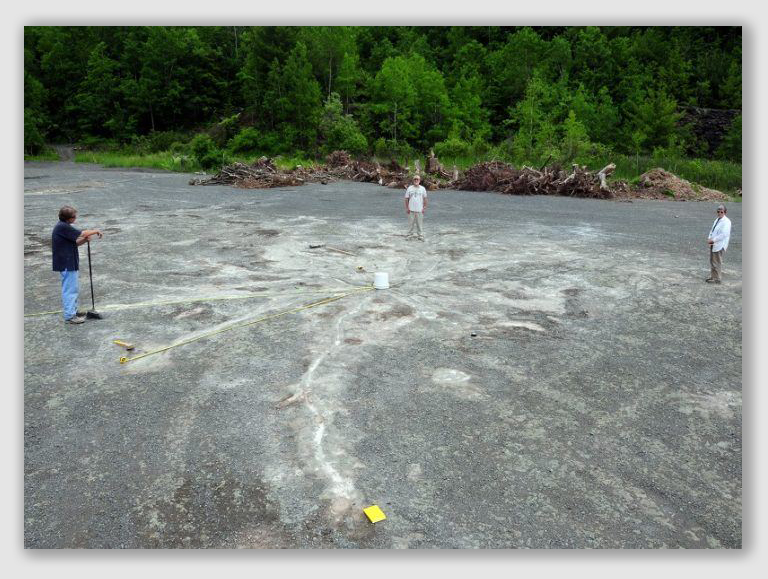
Scientists have uncovered the world’s oldest forest dating back 386m years in an abandoned New York quarry, according to a new study. Fossils of a network of trees believed to be wiped out by a flood were found in the sandstone quarry in the town of Cairo, throwing new light on the evolution of trees and their role in shaping the world. A team led by scientists from Cardiff University, Binghamton University in New York, as well as New York State Museum, have mapped out 3,000 sq meters of the forgotten forest in the foothills of the Catskill Mountains in the Hudson Valley. It is believed to be around two or three million years older than what was previously thought to be the world’s oldest forest in Gilboa, also in New York State, some 40km away. The Cairo forest is believed to be older than Gilboa’s because its fossils were lower down in the sequence of rocks. The scientists say the extensive network of trees, which would have spread from New York all the way into Pennsylvania and beyond, was possibly wiped out by a flood due to the many fish fossils found on the surface of the quarry…
A Michigan Tech Forest Biomaterials researcher is working with the U.S. Army and the U.S. Forest Service to identify sustainable hardwood products for military trailers. Apitong trees, native to Southeast Asian rainforests, have existed on Earth for more than 100 million years. Apitong trees can grow upwards of 200 feet tall, and one can imagine dinosaurs enjoying the leathery, prominently veined leaves for lunch. The tree’s flowers are palm-sized and starfish-like, their five petals tilted like a pinwheel in spin. Southeast Asian rainforests are some of the most biodiverse areas of earth, with up to 1,200 different tree species per hectare. The beautiful and lofty Apitong trees, which include more than 40 subspecies of the Dipterocarpus genus, are also internationally recognized as critically endangered, with overharvesting threatening to soon end their eons-long tenure. The wood was incorrectly perceived by the Army and the commercial trailer industry as being resistant to rot and pests, a perception that has for decades made Apitong lumber the choice material for trailer decking and other applications. Virgin Apitong (also known as Keruing) stands are currently being clear-cut on a wide-scale — often illegally and with disregard to local indigenous peoples — to make way for palm oil monoculture plantations. For some decades, the Army has relied on the wood from Apitong trees for trailer decking. The trailers are used to transport supplies, equipment and vehicles. Army trailer decks must be, in a word, rugged. The wooden decks are exposed to sun and heat, rain, microbes, insects, abrasion, rough roads and general abuse…
 Baltimore, Maryland, WBAL-TV, December 20, 2019: Beware of the fire dangers of dry Christmas trees
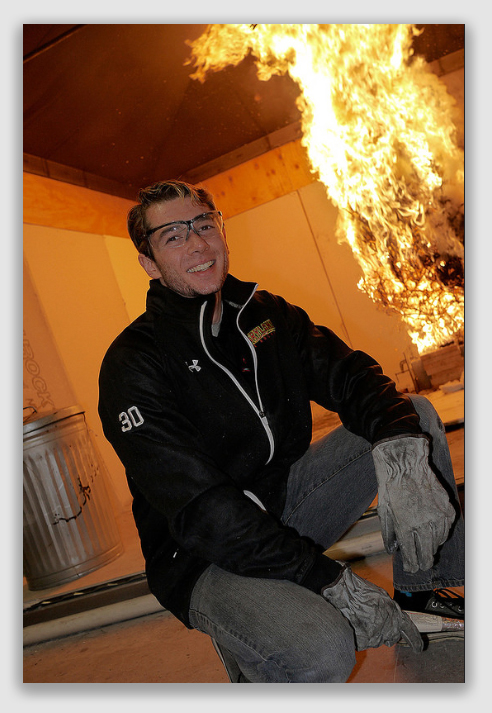
Whether your Christmas tree is natural or artificial, improper care can turn a holiday hallmark into a holiday tragedy. On Thursday, researchers at the University of Maryland College Park demonstrated the fire hazards Christmas trees can pose. When a well-watered, natural Christmas tree caught fire, it did not immediately burst into flames. But when an un-watered Christmas tree caught fire, it ignited fast. Officials said they hope it serves as a reminder to make sure your tree is properly watered. “These fires are not incredibly common. It’s not like we are having thousands of them every year, but they are persistent. We have several hundred of them a year. And when they do happen compared to other home structure fires, they are three to four times more deadly,” said Isaac Leventon, of the fire research division. Fire experts said artificial trees aren’t free from concern. If a fake tree catches fire, it can release harmful toxins into the air. The best way to stay safe is make sure your tree gets plenty of water, keep it away from any heat sources and when it starts drop its needles, throw it away…
The synchronization of seed production by trees has garnered attention due to its importance in agriculture, forestry and ecosystem management. Acorns shed by oak trees, for example, are an important source of food for wildlife, while crop trees such as citrus and pistachio nuts contribute to both human nutrition and the economy. Both oaks and citrus trees show synchronization of seed production, yet the cycles differ, with oaks showing irregular seed synchronization, while citrus show a distinct two-year cycle, known as alternate bearing. Understanding the timing and mechanisms that contribute to synchronized seeding can be a useful management tool. A team of scientists led by Tokyo University of Agriculture and Technology (TUAT) have developed a method that can be used to model the wide range of synchronization behaviors exhibited by different tree species simply by changing the control parameters. Their findings were published on October 30, 2019 in Scientific Reports…
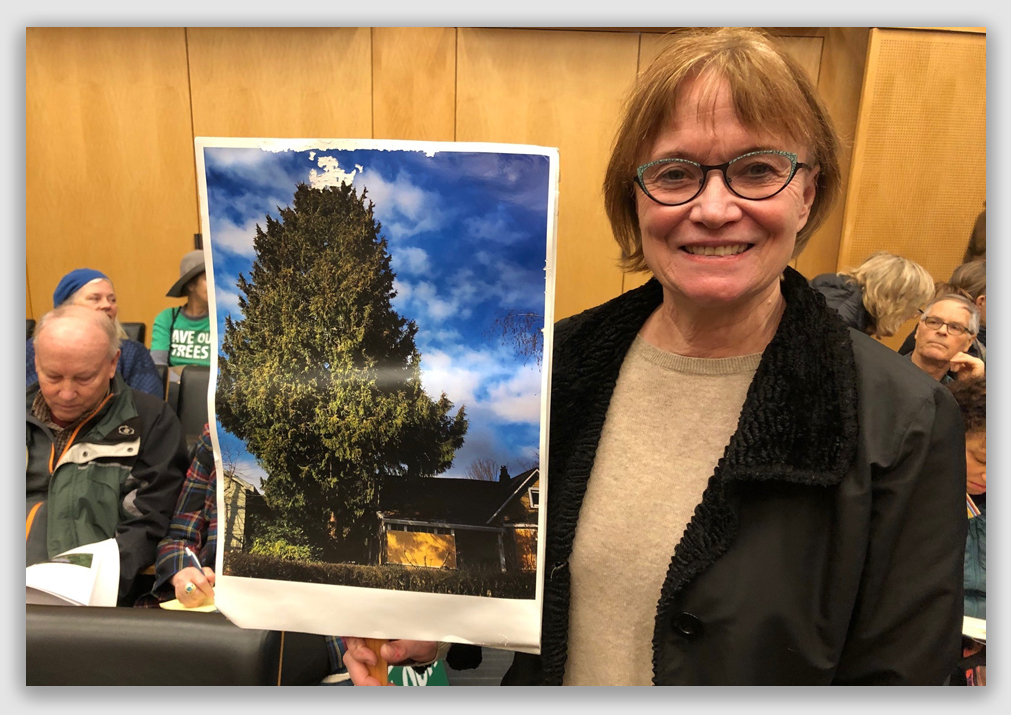
More safeguards for Seattle’s trees. That’s something two newly elected Seattle City Council members say they want to secure in legislation next year. In a briefing Wednesday, scientists told the council members that trees help counter storm water runoff and heat waves associated with climate change. Critics said Seattle’s current rules are too lax and fall short of what other cities like Portland are doing to increase tree canopy. Columbia City resident Susan Zeman said Seattle can find a way to combine growth with the benefits of tree preservation. “I am not anti-development,” she said. “I am aware that by promoting urban density we are reducing suburban and exurban density and all of the tree-cutting and climate change that comes along with that.” Seattle City Councilmember Alex Pedersen and Councilmember-elect Dan Strauss said they’re committed to passing new legislation in 2020…
The village is reviving a fiery tradition in order to dispose of discarded Christmas trees. A Twelfth Night tree-burning bonfire, which last took place 26 years ago, will take place at 6 p.m. Jan. 6 at the RecPlex Wruck (Beach) Pavilion, located along Park Drive on the west side of Lake Andrea in Prairie Springs Park. The event began in 1980 and continued through 1993, with residents gathering around the fire to sing songs and share holiday treats. According to village officials and the Pleasant Prairie Historical Society, both Pleasant Prairie and Kenosha hosted the ceremonies to dispense with dried Christmas trees…
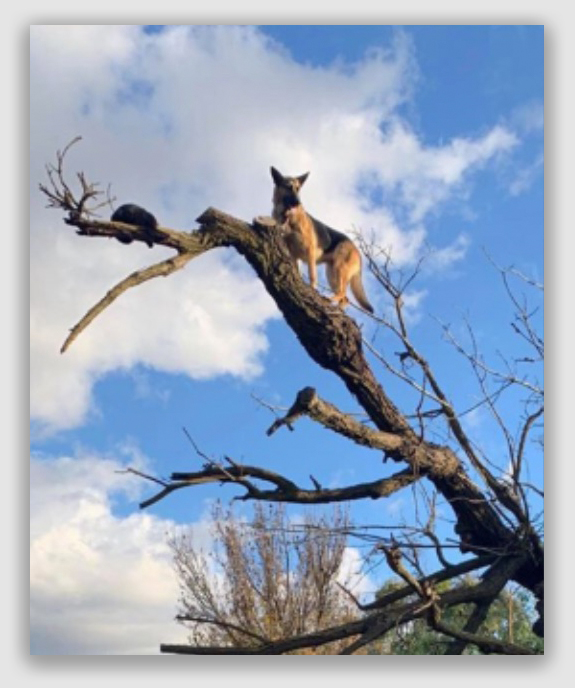
It’s the type of 911 call dog owner Sharon Thurston says she never expected to make. “I was so scared. Like that dog is my baby, like she’s everything to me,” Thurston said. On Saturday, Thurston says she took her two-year-old German Shepherd “Baby” off her leash for just a few minutes when she ran off. Moments later, Thurston heard Baby barking and realized her pooch had gotten into a precarious position. I looked up and was like, ‘Oh my gosh, she’s going to fall,’” she said. It turns out, Baby booked it up a branch in pursuit of cat. “I called all my neighbors and was like, ‘Guys help me’ you know? And somebody suggested I called the fire department,” Thurston said. As soon as firefighters got that call, they couldn’t believe it…
Visualistan, December 17, 2019: Christmas Trees: The Battle Between Pine & Plastic
The time before Christmas is synonymous with shopping – and not only for presents. During the early and mid-December, a majority of American families go on a tree shopping outing to find the perfect tree for their Christmas gifts. Once the tree is found, it is lugged home and decorated to its finest glory. But did you know that many families are gradually starting to experiment with plastic trees too? Fake Christmas trees provide convenience – and one can simply pack up the tree after Christmas is over to reuse the next year. The price of tree is another factor that many shoppers consider. According to National Christmas Tree Association of America, the price of a real tree went up to $78 in 2017 while plastic trees can easily be purchased for around $105. Sales of replica Christmas trees is also increasing gradually and reached more than 23 million in 2018. During the same year, 32.8 million real trees were sold in America – the highest total since 2013. However, despite the sales, farmers claim to plant fewer numbers of trees during the recession and thus supply of real trees can be limited this year. So does this mean, more US families will opt for plastic trees for Christmas 2019 or follow the traditional protocol of pine…
Researchers are building a map of nearly every tree across Maryland to learn whether state forests need better protection — but leaders of some counties aren’t waiting for the results to act. Lawmakers in Anne Arundel and Howard counties have in recent weeks adopted significant changes to forest conservation rules, requiring developers to replant more of the trees they cut down. Advocates already are pushing for similar actions in other parts of Maryland, after two years of debate produced no resolution over similar policies at the state level. Reform of the state’s overarching forest preservation laws still could be coming. Aerial images being gathered now could settle a disagreement between environmentalists and builders about whether tree cover is dwindling as new housing and shopping centers pop up around the state. Forest advocates say that, under current state law, builders can clear densely forested land with no requirement to replant any trees, but their opponents argue there is no evidence of a net loss in trees. Analysis of the data, which was due to state lawmakers this month, is now not expected to be completed until next summer. But early glimpses of it suggest tree losses in Central Maryland, at least, could be mounting…
Fenton, Missouri, Times, December 17, 2019: Real Christmas tree sales are growing
On Saturday, Dec. 14, the Sweeney family partook in their annual tradition — choosing and cutting down a real Christmas tree at Branching Out Nursery and Landscaping. “We do this every year,” said Dan Sweeney of Fenton. “Bring the family and go tree hunting.” This family includes wife Jean, sons and their significant others, grandchildren and dogs. Once the right Fraser Fir was chosen, son Jeffrey Sweeney of Westland cut it and then they all rode back on the trailer. Jeffrey loaded it up with nursery employee Tyler Petts. While Christmas trees are mostly the same as they’ve ever been, people are buying them earlier in the year, and starting to buy bigger again. Branching Out co-owner Art Vance said sales of 13-foot Fraser Firs increased by 20 percent. The time of the year for sales is also shifting. Co-owner Dave Petts said they sold 10 trees before Thanksgiving, which he said has never happened before. The peak used to be this past weekend — mid-December, but now it’s closer to Thanksgiving. They also see sales first thing in the morning, which was rare in previous years…
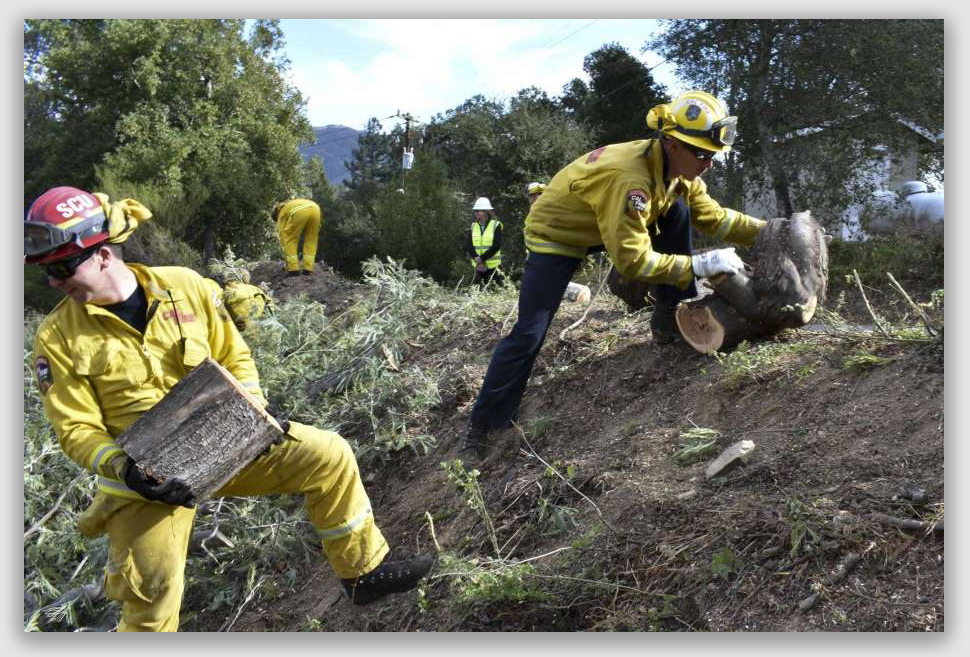
Buzzing chainsaws are interrupted by the frequent crash of breaking branches as crews fell towering trees and clear tangled brush in the densely forested Santa Cruz Mountains south of San Francisco. Their goal: To protect communities such as Redwood Estates, where giant redwoods loom over the houses of tech workers who live in the wooded community just 20 miles from the heart of Silicon Valley. With California’s increasingly warm, dry and overgrown landscape, wildfire has become a perpetual danger. Among the most important tools the state has against fires is to mimic their effects: thinning trees and brush by hand to reduce the amount of vegetation that would become fuel in a fire, and using controlled burns to keep undergrowth and shrub lands in check. State lawmakers committed more than $200 million annually to fire prevention efforts and Gov. Gavin Newsom wants to spend even more, motivated by infernos such as one last year that killed 85 people in Paradise, California, some who died in their cars while trying to flee…
Using old tree rings and archival documents, historians and climate scientists have detailed an extreme cold period in Scotland in the 1690s that caused immense suffering. It decimated agriculture, killed as much as 15 percent of the population and sparked a fatal attempt to establish a Scottish colony in southern Panama. The researchers say the episode — shown in their study to have been during the coldest decade of the past 750 years — was probably caused by faraway volcanic eruptions. But it was not just bad weather that brought disaster. Among other things, Scotland was politically isolated from England, its bigger, more prosperous neighbor that might have otherwise helped. Propelled in part by the catastrophe, the two nations merged in 1707 to become part of what is now the United Kingdom. Such a famine-related tragedy was never repeated, despite later climate swings. With Brexit now threatening to isolate the UK from the European Union, the researchers think politicians should take this as a cautionary tale. “By joining England, Scotland became more resilient,” said lead author Rosanne D’Arrigo, a tree-ring scientist at Columbia University’s Lamont-Doherty Earth Observatory. “The bigger message for today is arguably that as the climate changes, nations will be stronger if they stick together and not try to go it alone.” The study appears in the early online edition of the Journal of Volcanology and Geothermal Research…
 Little Rock, Arkansas, Democrat, December 16, 2019: Trees power up fishing at Swepco Lake
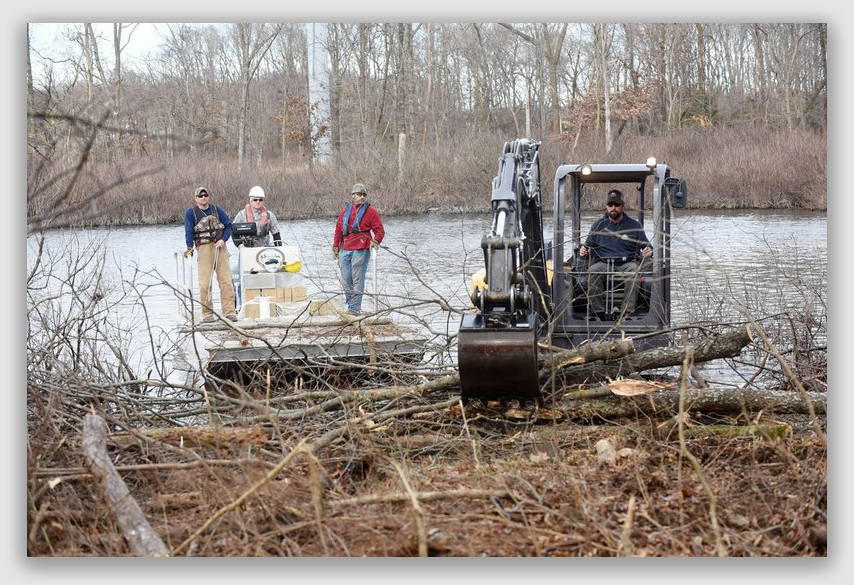
There’s a healthier forest around Swepco Lake and better habitat for fish thanks to a week of teamwork on land and water. Workers from Southwestern Electric Power Co. and the Arkansas Game and Fish Commission thinned the forest of more than 500 trees on 1,600 acres of power company property. The trees were sunk in the lake to become much needed fish habitat. The growl of chain saws filled the forest Dec. 3-6 around the 500-acre Swepco Lake that is one of Northwest Arkansas’ favorite fishing lakes, especially during winter. Warm water released from the Swepco coal-fueled Flint Creek Power Plant keeps the lake temperature springtime warm even in January. Fishing for black bass is excellent and may get even better with the added trees. Game and Fish does two major habitat improvement projects each year around the state, said Jon Stein, Northwest Arkansas fisheries biologist with Game and Fish. He and biologist Kevin Hopkins manage the fisheries at Swepco, Beaver and other lakes and streams in the region. Swepco was tabbed for a project this year. A platoon of Game and Fish employees from around the state joined power company workers to complete the task. Trees beneficial to wildlife, such as acorn-bearing oaks, were left standing. Most trees removed were small to medium sized elm and hickory and cedar trees…
A Sonoma County family that lost their home in the Tubbs Fire has come full circle with the return of their iconic tree. “It was about 115 years old according to several arborists,” said Brad Sherwood of Larkfield Estates, describing how the sprawling walnut tree anchored his front yard and was a longtime neighborhood landmark. Sunday night, after a two year absence, the tree came back to the household as a custom table weighing 800 lbs. By Monday night, Brad and Brandy Sherwood, with children Grant and June, were making good use of it with a spirited board game. “It’s beautiful, it’s more than we ever expected,” said Brandy, admiring the live edge table melded from four pieces, with a blue resin accent resembling a river, running down the middle. In the firestorm of October 2017, the Sherwood’s home burned, along with most of their subdivision…
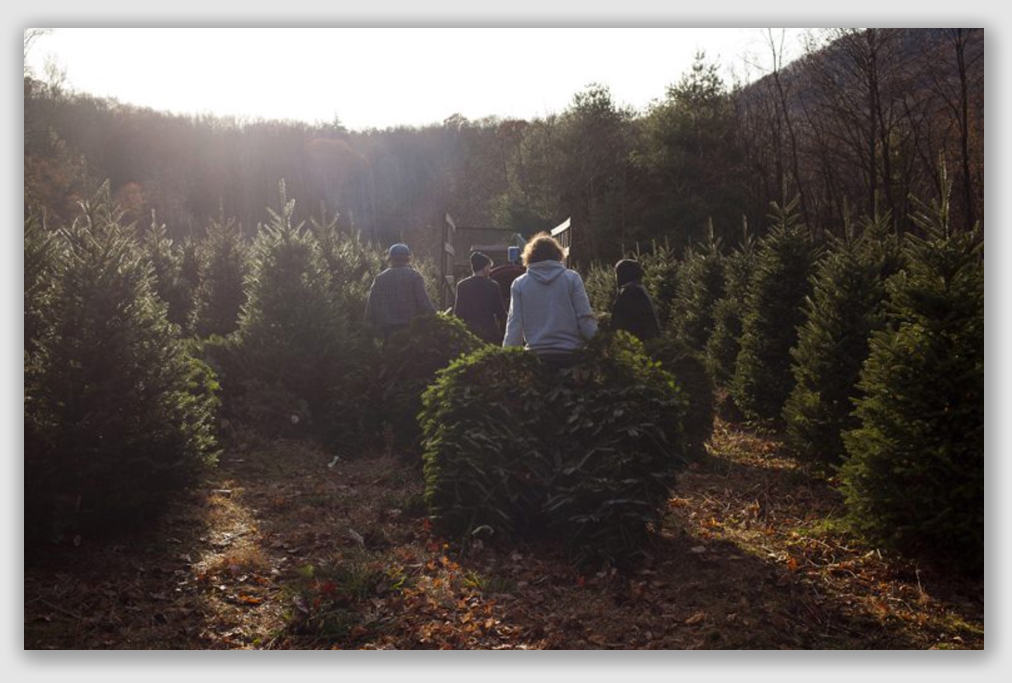
On the first day of cutting at Joey Clawson’s Christmas tree farm, in the mountains outside Boone, North Carolina, four workers picked their way through Fraser firs planted in neat rows. It took just a few seconds to chainsaw each tree, which Clawson has spent years pampering. He has about 95,000 trees in the ground, of various sizes and ages. For nearly a decade before harvest, workers fertilize individual trees by hand, shape them one by one with giant machetes, and, if needed, help them fight pests. “It’s four to five months that I’m out here weekly, with magnifying glass, checking bunches of trees in every field,” Clawson said. “That’s a lot of hours I’m spending taking care of my trees.” Pests have become a problem on tree farms like Clawson’s, which tend to be lower in altitude than the trees’ native range. If Clawson spots an outbreak — of various aphids, mites, hemlock scale, or the balsam woolly adelgid — he sprays with insecticide. All in the name of a perfect Christmas tree…
The Street, December 16, 2019: How Much Does a Christmas Tree Cost in 2019?
Decking the halls in holiday style will cost a few more dollars this year, as the average price of a real Christmas Tree will rise to $81. That’s up from $78 in 2018, according to the National Christmas Tree Association (yes, there is such a thing.) The average fake Christmas tree costs significantly more, at over $104 a tree, although some luxury model trees can go for as much as $700 this year. Buyers still love their fake trees, however, as 24 million units were sold in 2018, up 12% from the year before. The association says that inventory on “live trees” is tighter this year, which has triggered a moderate bump-up in prices for holiday trees. Additionally, unseasonable weather in key evergreen tree states like Oregon and Michigan, along with fewer trees planted during and immediately after the Great Recession over a decade ago has also contributed to higher Christmas tree prices in 2019. Prices for holiday trees have also doubled since 2008, when the average price of a tree stood at $36.50. Yet even as prices rise, holiday consumers are still digging deeper and buying trees. In 2018, consumers spent over $2 billion on 32.8 million Christmas trees…
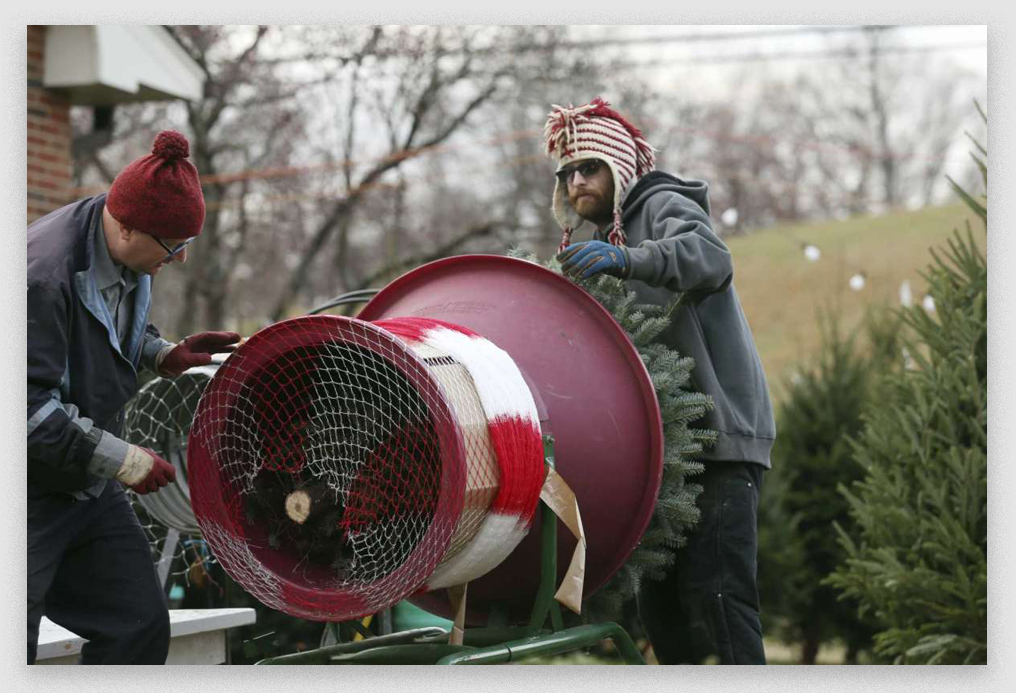
Just a few days into December, John Hamill has received a number of queries from worried callers: Does he still have Christmas trees available at his Roanoke farm? Their concern is prompted by a national Christmas tree shortage, a consequence of the economic downturn of the late 2000s that’s being felt a decade later. But industry experts say holiday revelers in search of a tree should be able to find one. “I tell them it’s not serious enough for panic,” Hamill said. Robert O’Keeffe, a board member of the Virginia Christmas Tree Growers Association, said the recession is to blame for the nationwide shortage. Farmers planted fewer trees when the economy was weak. O’Keeffe said the industry is now in a “game of catch-up.” And given that it takes 10 to 12 years for a Fraser fir — “Cadillac of the Christmas trees,” O’Keeffe said — to grow up to 6 or 8 feet in height, the shortage is likely to continue beyond 2019. “It’s going to be like this for a few years,” he said…
Some residents say Woodmont Commons developers overstepped when they cut down more apple trees from a roadside than originally permitted, but town officials say the vague wording in the master plan allows for the clearing. In August 2013, as the master plan for the mixed-use development was being finalized, a group of residents organized a number of rallies in the hopes of preserving some of the apple trees that lined the roadways. They succeeded when the master plan stipulated that three rows of apple trees be kept on the frontage of Gilcreast Road, along with one row of trees on Hovey Road and Pillsbury Road. But crews hired by Woodmont developer Pillsbury Realty Development took down all but two rows on Gilcreast Road last Tuesday, leaving some residents outraged. Resident Jack Falvey was part of the original group that formed Save Woodmont Apple Trees. Falvey told the Union Leader he believes the developers are taking down more trees than agreed upon and he says they are motivated by greed. “(There were) 10,000 trees and they had to have 100 more,” Falvey said. He said the trees are an important feature of historical and cultural significance and an aesthetically pleasing screen from development…
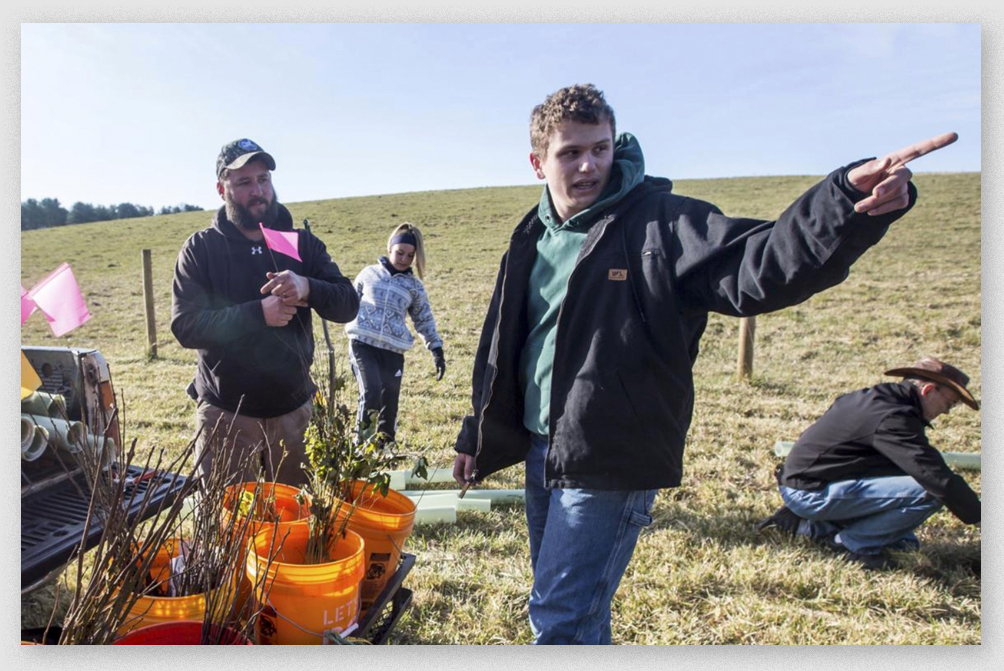
Steve and Rose Harvey brought their kids, Geneveive, 6, and Oliver, 3, from Front Royal to plant trees at a farm in Timberville Saturday (Dec. 7) as part of an effort to have healthier livestock and streams and rivers. But to the Harveys, it was also about teaching their children the importance of being environmentally conscious. “It takes an effort to keep our environment safe and healthy — we can’t be passive about it,” Steve Harvey said. “We are aware of this need and decided we wanted to help.” He said the No. 1 thing people can do to slow down and reverse the damage that is being done is to plant trees. More than 300 trees were planted Saturday at Nico and Barbara Sutmoller’s farm through a project spearheaded by the Shenandoah Valley Soil and Water Conservation District and the Natural Resources Conservation Service, with support from the Chesapeake Bay Foundation.The agencies have worked together on projects like the one at the Sutmollers’ property as part of an ongoing effort to help clean up the Chesapeake Bay watershed, which includes Rockingham County…
While B.C. aims to drastically cut fossil fuel emissions, a new report from an environmental action group says the province should end an even more dangerous contributor to climate change: clearcutting forests. The report released last week by Sierra Club BC found 3.6 million hectares of forest were clearcut across B.C. between 2005 and 2017 — an area larger than the size of Vancouver Island. Those areas are considered “sequestration dead zones” for 13 years after they’re clearcut. That means until newly-planted trees grow and mature, the areas release more carbon into the atmosphere from decomposing matter and soil than those young trees can capture and absorb. After reviewing provincial data, the report found logging in B.C. contributes 42 million tonnes of carbon emissions into the atmosphere. Add on the 26 million tonnes of carbon per year that cannot be captured because of clearcutting, and those emissions outpace the 65 million tonnes of emissions recorded annually in B.C., mainly from fossil fuels…
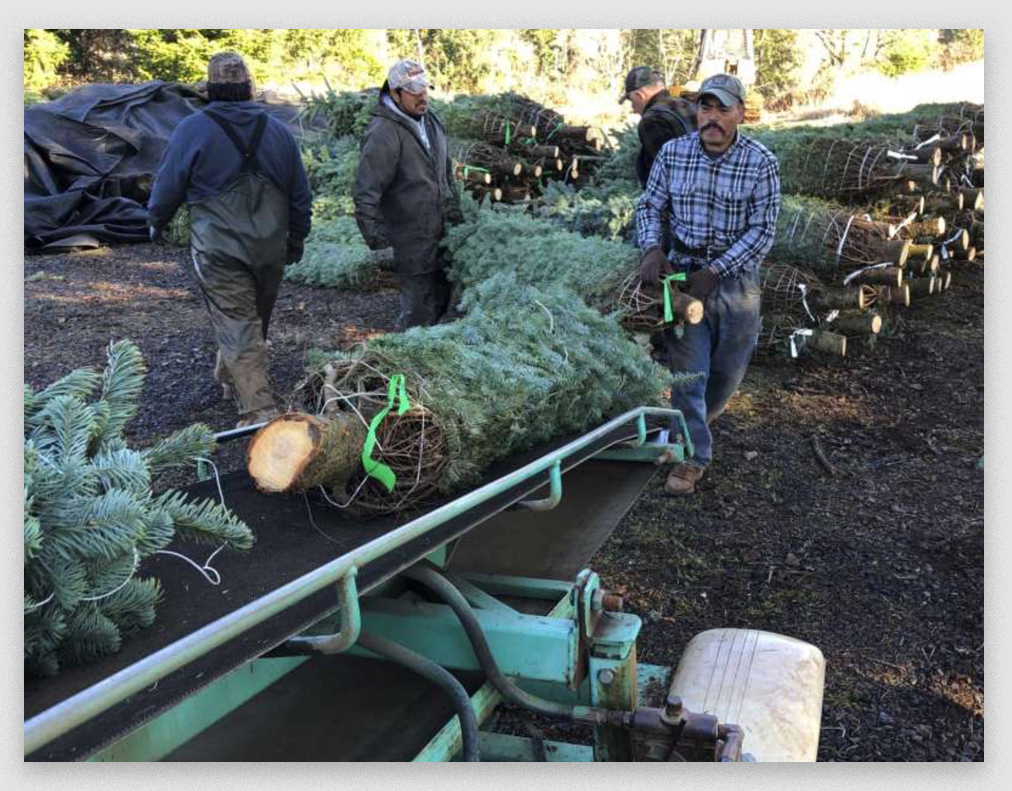
It was nighttime when Pedro Lucas came home, clutching receipts showing he had paid a funeral home to have the bodies of three immigrant laborers returned to Guatemala from Oregon. The three, including two of Lucas’ cousins, were killed when a pickup truck slammed into a van carrying them and 10 other Guatemalans home from work at a Christmas tree farm. Lucas’ father, who arrived in America just seven months ago and sent part of his earnings to his wife in the village of Chacaj, was also in the van and remains in a coma, his back broken. “It’s unknown if he’ll walk again,” Lucas said in Spanish. The Nov. 29 crash shined a light on Oregon’s immigrant farm workers, the driving force behind the state’s $121 million Christmas tree industry, the nation’s largest. “People don’t realize that the majority of this industry is immigrant labor,” said Reyna Lopez, executive director of a farm worker union called PCUN, an acronym in Spanish for Pine Workers and Farmers United of the Northwest. The victims of the crash spent their last day loading Christmas trees onto trucks at Holiday Tree Farms, one of the world’s largest Christmas tree farms. They received paychecks from a contractor that Friday night in Salem and were headed home when the pickup truck crumpled their van. The Oregon Occupational Safety and Health Division is investigating, though a spokesman declined to provide details…
A group of neighbors are fighting to save the trees that line their street, despite a city plan to chop them down to make room for sidewalks. The trees stretch along the 15700 block of Dayton Avenue North were the state Department of Transportation is remodeling one of its regional headquarters. When WSDOT applied to retrofit the building, officials with the city of Shoreline asked that they also spruce up the street out front. Part of that request includes building sidewalks, but 130 trees stand in the way. They’ve been there for decades. “This is a big deal for the people who live here,” said Melody Fosmore, a neighbor who learned about the plan and quickly formed a group called Save the Shoreline Trees. The renovation that WSDOT plans is so extensive that it triggered a provision in Shoreline’s city code requiring on-site and right-of-way improvements, to help maintain the city’s transportation infrastructure…
 APS Physics, December 12, 2019: Wonder Material Grows on Trees
To shape the future, next-generation materials need not be as exotic as topological insulators and metamaterials. Researchers are investigating the potential of nanocellulose—a nanostructured form of cellulose that can be obtained from the humble wood chip—for applications ranging from microfluidic devices to rechargeable batteries. A team led by Liangbing Hu at the University of Maryland in College Park reported at the 2019 Fall Meeting of the Material Research Society in Boston that a material that combines nanocellulose with graphite has mechanical properties that surpass those of steels and of other established structural materials. The recyclable composite could offer an environmentally friendly alternative for building lightweight vehicles, aircraft, and body armor. Hu presented an overview of his quest for replacing traditional materials with sustainable ones based on wood nanocellulose. The cellulose fibers that make up nanocellulose have diameters of between 5 and 20 nm and lengths of several micrometers. They are typically prepared from wood pulp using mechanical methods that rip the pulp’s wood fibers into nanoscale whiskers. “Wood and materials derived from [wood] have a lot to offer,” Hu says, noting that wood-based materials are recyclable, biocompatible, and biodegradable. “These are fantastic properties, but to make these materials successful, we need to show that their performance is superior to that of traditional materials,” he adds…
Professor Thomas Klak is a man with a mission. “We need to reinstill this knowledge in our culture of how important the American chestnut tree is to the eastern United States, and we’re going to do it,” Klak said as he sat in front of three bags of American chestnut seeds from wild specimens in Maine. The professor of environmental studies has been working to speed breed American chestnut seedlings for the last year. He has seedlings in the greenhouse on the Biddeford campus of the University of New England and in a special growth chamber that looks like a huge white refrigerator. In the early 1900s, a fungal blight from Asia was brought to America, presumably accidentally, when smaller Asian chestnut trees were imported. The Asian chestnuts were immune to the fungal blight, but the American chestnuts could not have been more vulnerable. Klak said, from 1904 when the blight was first detected at the Botanical Gardens in the Bronx until 1950, the once prolific tree that grew from Maine to Alabama and as far west as Indiana was wiped out. Four billion trees were killed…

President Trump’s threatened new tariffs on Christmas decorations from China won’t take effect until next year—but that’s no comfort to Mac Harman, who has to do his 2020 holiday shopping now. Mr. Harman is chief executive of Balsam Brands of Redwood City, Calif., which sells artificial Christmas trees made in China. One of the factories that he buys from has given him a Dec. 20 deadline to place orders for next year. That usually isn’t a problem, but Mr. Harman says he can’t estimate demand until he knows whether Mr. Trump is serious about imposing 15% tariffs on an array of consumer goods including Christmas decor, starting at 12:01 a.m. Sunday. “You never know what the next day or the next hour will bring,” Mr. Harman said of the U.S.-China trade war’s head-spinning turns. “We’ve been growing and creating jobs, but two months ago we stopped hiring because we have to assume the tariffs are going into place and we will no longer be growing.” Other companies that import electronics, toys, apparel and other goods that would be subject to the new tariffs share the same predicament. Despite expectations that the tariffs will be delayed, no one is certain of what the president will do. “Everyone is kind of living on the edge,” said David French, the National Retail Federation’s senior vice president for government relations. “I don’t think anyone has a lot of clarity, even inside the administration, of what will happen…”
A new program to plant saplings on private land and sell the resulting carbon credits locally kicks off this weekend. The nonprofit TreeFolks will take a group of volunteers to a landowner’s property in eastern Travis County on Saturday, Dec. 14, to plant 1,500 native Texas saplings, including walnut, bald cypress and a couple types of sycamores, launching the Travis County Floodplain Reforestation Program. Over the course of the current planting season, which runs through March, TreeFolks will plant 50,000 saplings on about 90 acres of land, both private and public, in the county. The group chose eastern Travis County floodplains because “it’s been so degraded through farming and ranching over the last hundred or so years,” said Valerie Tamburri, TreeFolks’ reforestation coordinator. New trees will help prevent erosion, clean water and keep the surrounding area cooler, she explained. But a big reason this program differs from other reforestation efforts is the sale of the resulting carbon credits to the city of Austin. Trees absorb carbon dioxide, a main driver of climate change. By planting acres of new forest, TreeFolks is generating offsets for the carbon produced by driving cars, generating electricity and other activities that burn fossil fuels…
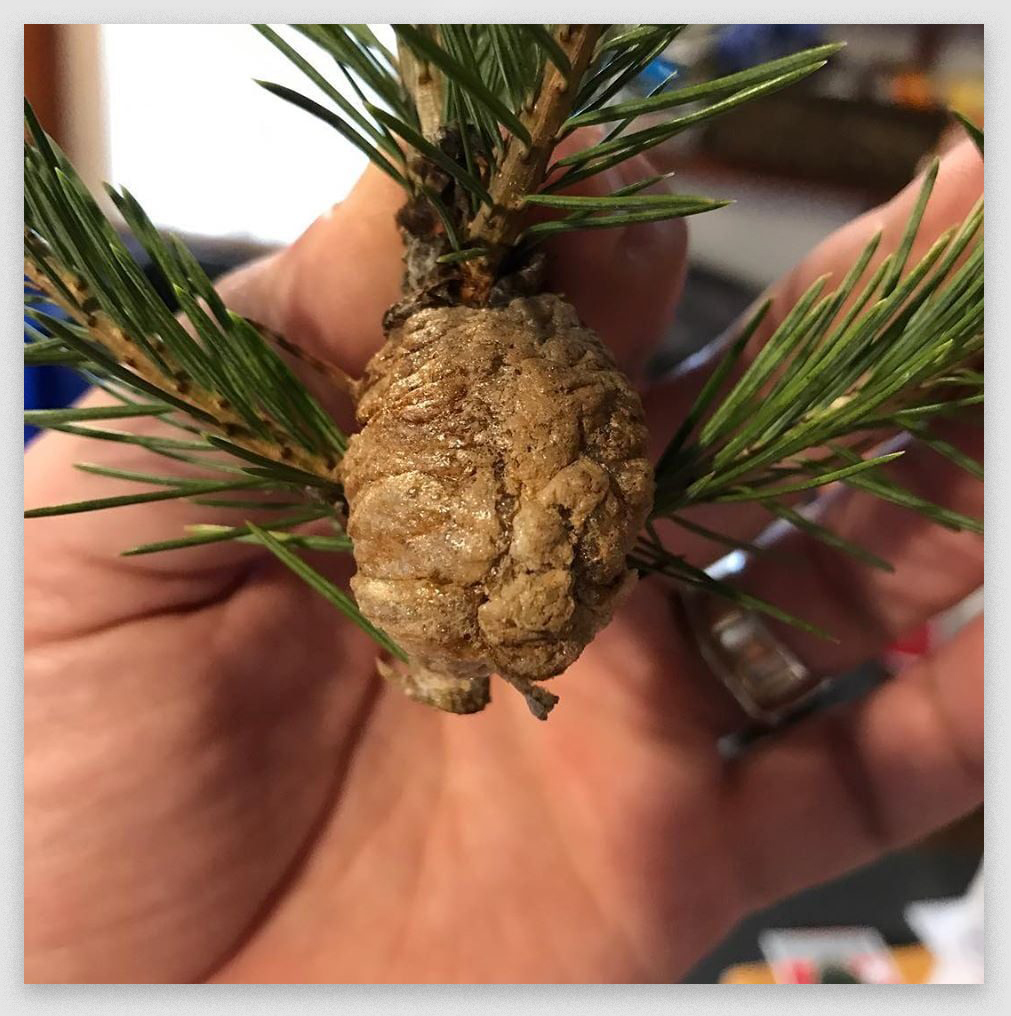
A “public service announcement” published this week by the folks in Erie County, Ohio, warn of a walnut-sized mass on a Christmas tree. “Don’t fret,” the Facebook post reads, in part. “These are 100-200 preying [sic] mantis eggs!” Officials’ advice to anyone who comes across it probably is wise — clip the branch and put it in your garden, though the odds of coming across anything like it isn’t common at all. Snopes.com, citing a horticulture educator at the University of Illinois Extension, said post-harvest pests in Christmas trees are discovered in about one out of 100,000 cut trees. The picture published by Erie County government actually began circulating in 2017, Snopes found, which was about the time a pest control company claimed “as many as 25,000 bugs can live in one tree.” People aren’t likely to count up to that many, but those “Christmas tree hitchhikers” — if there are any in the first place — could include adelgids, aphids, mites or, yes, praying mantids.”You may never experience any problems with Christmas tree pests, or if you have, you may never encounter them again,” writes Chris Enroth at the University of Illinois…
North Coast property owners whose lands include oak or bay laurel trees are on alert. The dreaded sudden oak death that is decimating some species statewide is inching further south from Big Sur toward San Luis Obispo County. Sudden oak death (SOD) could be especially devastating in Cambria, where the town’s rare native forest of Monterey pines has been especially hard hit by bark beetles, fungal infections such as pitch canker and advanced age. The landmark 3,400-acre pine forest also includes many oak trees and bay laurels, both of which are susceptible to SOD. According to http://www.suddenoakdeath.org, the pathogen Phytophthora ramorum, which is known to cause SOD, has had “devastating effects on coastal forests in California and Oregon…”
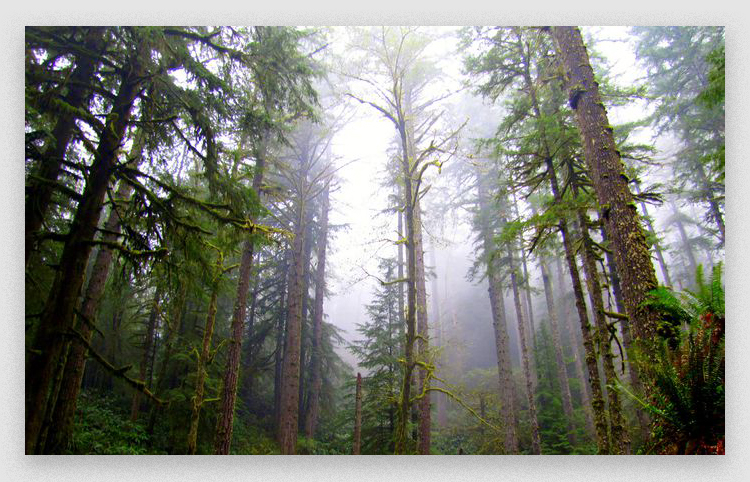
Oregon Department of Forestry officials will meet Wednesday with commissioners from the so-called forest trust land counties, the first such gathering since those counties won a $1.1 billion damage award in a lawsuit against the agency for failing to maximize logging on state forests. The purpose of the meeting is to review the agency’s new vision for managing 613,000 acres of forests in Western Oregon. It could be a lively discussion. The 180-page draft document laying out that vision, called a Forest Management Plan, was six years in the making. It’s inherently controversial because of the competing demands on state forests to provide various economic, social and environmental benefits. Indeed, the last version of the plan and the agency’s implementation of it landed the agency and the counties in court. This version could prove just as contentious. Barely a week after its release, stakeholders from across the spectrum are criticizing the draft plan as lacking the specifics they were expecting from the agency. They say it doesn’t deliver on the agency’s directive to come up with a plan that improves both financial and conservation outcomes. And as it stands, they say, it falls woefully short of something they can support…
A worker for an independent tree company died while on the job in Wakefield, officials said Tuesday afternoon. The 34-year-old man was working around 11 a.m. in a wooded area at a residence near Greenwood Street, according to Wakefield police and fire officials. Authorities got to the scene and discovered the worker had suffered “traumatic” injuries, officials wrote in a statement. The worker was pronounced dead at the scene. His name is being withheld pending positive identification and family notification, officials said. Officials did not release information about exactly how the worker became injured. The name of the tree company was not released. A witness told WCVB News that a tree snapped, throwing the worker into the woods. Wakefield police have secured the Greenwood Street area as the investigation continues. The Occupational Safety and Health Administration and Massachusetts State Police assigned to the Middlesex District Attorney’s office will also investigate the death…
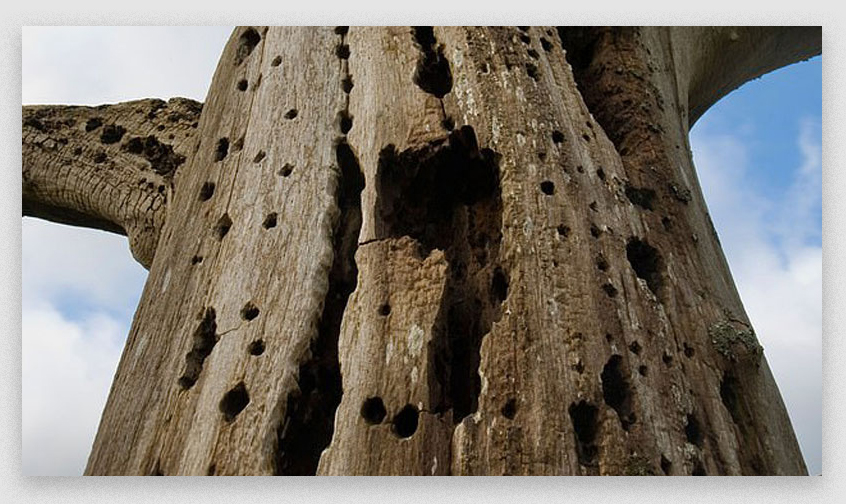
Elm trees could make a comeback after dying in their millions during the 1970s when they were ravaged by disease. Varieties that are more resistant to Dutch elm disease have been identified and could be used to repopulate the country. The Future Trees Trust has found mature specimens around the country that have successfully resisted the fungal infection – and elm saplings have been bred which are not harmed by it. Karen Russell, co-author of a report into the elm, said: ‘It was our second most important timber broadleaf tree after oak. Private individuals and organizations now have a great opportunity to enable the return of elm to our countryside and communities.’ The Daily Mail’s Be A Tree Angel campaign is calling for readers to donate money or Nectar points to help plant trees across the UK – creating a greener country and fighting climate change at the same time. Part of the project is planting 1,000 orchards in 1,000 schools. The report on the elm said European and North American species had little resistance to the disease – a fungus called ascomyta spread by the elm bark beetle…
Between 2012 and 2014, Hairy Man Road – which turns into Brushy Creek Road – had 47 accidents on the road, according to data collected by Williamson County. Only one resulted in a fatal crash, but others led to drivers or passengers getting injured, vehicles getting damaged, and/or trees getting damaged to the point of dying. The county used that data and continued to collect more through 2019 to justify expanding the roadway to two feet on each side to create a shoulder with a rumble strip. “You can add a rumble strip so if your car veered out of the lane, it hit that rumble and – oh! – you wake up. You’re conscious again and you pull back into your lane,” County Commissioner Terry Cook said. The public safety changes to this road are taking place within Cook’s precinct. She added at the heart of this issue, it’s up to drivers to be better. “The county would not have to spend one penny on this road – except routine maintenance – if drivers were responsible,” Cook said. “This is not big government coming in to take out our trees.” However, a Facebook group argues this is not the answer…
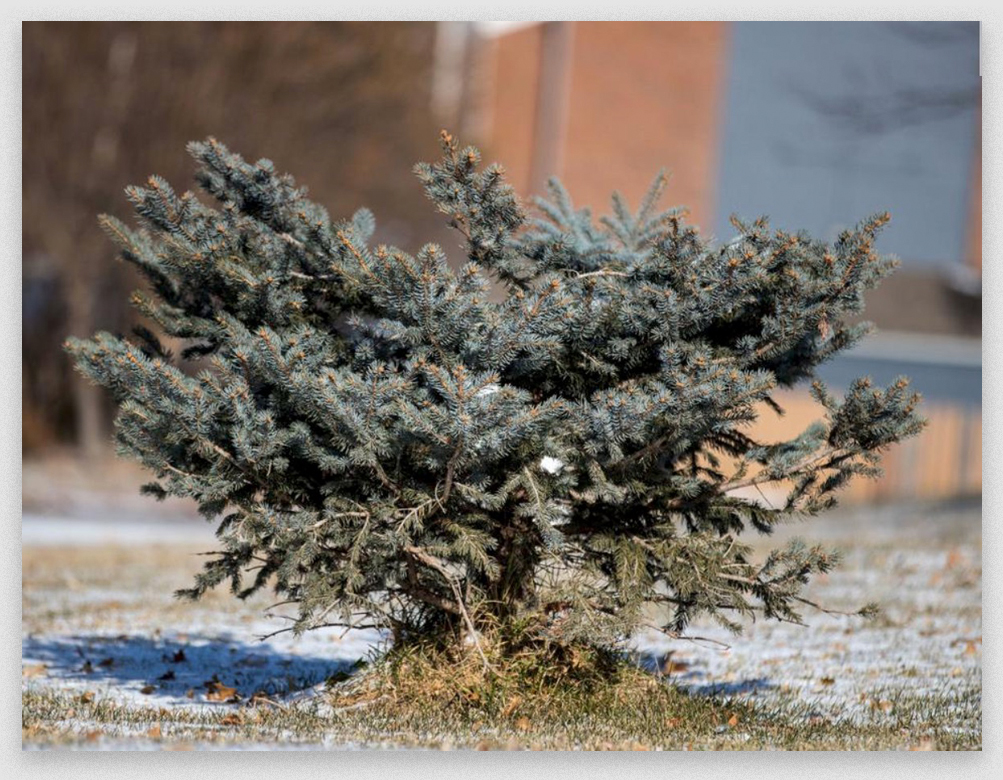
Tree thieves ran off with most of a blue spruce tree they cut outside the Arbor Hall event center. “I’m sure that someone is using it right now as a Christmas tree,” said Molly Pagels, who operates Arbor Hall at 14040 Arbor St. “We have (surveillance) video of them cutting it down, but it was 2:30 in the morning, so it’s hard to see them.” The incident occurred Nov. 28 near a back corner of the hall, which is rented for weddings and other special events. The surveillance video shows two people with a handsaw cutting off the top 6 feet off the tree and carrying it toward nearby apartments. At one point in the video, Pagels said, a car drove by, prompting the thieves to drop the tree and lie on the ground until the vehicle passed. Pagels estimated the value of the tree, planted four years ago, at $250…
B.J. Schaltenbrand recalls the time BeaverJack Tree Service received a request that was out of the ordinary. A woman from Pittsburgh called the Harrison-based company because her parrot had flown 50 feet up into a tree, and she needed help getting it down. “She was in panic. (She said) ‘I can’t get the firefighters. I can’t get anybody here. I need to get this parrot down. He means so much to me,’ ” said Schaltenbrand, who owns the tree and landscape maintenance company. Schaltenbrand contacted one of his climbers — the employees who climb trees to maintain them — with a new assignment: rescue the parrot. “He’s like, ‘Whatever it takes. Let’s go,’ ” Schaltenbrand said of the employee, who rescued the bird and reunited it with its owner. “I think that that was one of the most extraordinary calls that we’ve ever received…”
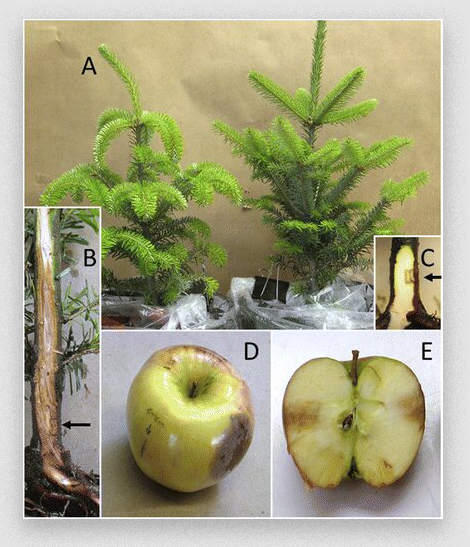
Grown as Christmas trees, Fraser firs are highly prized for their rich color and pleasant scent as well as their ability to hold their needles. Unfortunately, they are also highly susceptible to devastating root rot diseases caused by water molds in the genus Phytophthora. Scientists in Connecticut were conducting experiments testing various methods to grow healthier Fraser trees when they accidentally discovered a new species of Phytophthora. They collected the diseased plants, isolated and grew the pathogen on artificial media, then inoculated it into healthy plants before re-isolating it to prove its pathogenicity. “Once the organism was isolated, the presence of unusually thick spore walls alerted us that this may not be a commonly encountered species,” said Rich Cowles, a scientist at the Connecticut Agricultural Experiment Station involved with this study, “and so comparison of several genes’ sequences with known Phytophthora species was used to discover how our unknown was related to other, previously described species.” In fact, they had discovered a new species altogether. The fact that these scientists so readily discovered a new species of Phytophthora infecting Christmas trees suggests that there could be many more species waiting to be discovered…
Denver, Colorado, KUSA-TV, December 9, 2019: Is planting trees in Denver the natural thing to do?
The Downtown Denver Partnership released its annual report outlining a plan to try to double the percentage of tree canopy coverage in the coming years. But is Denver really supposed to have that many trees? “There’s a lot of things that make it less than ideal for trees,” Mike Bone said. He is a horticulturist and the curator of Steppe Collections for Denver Botanic Gardens. Bone said first, prior to people, trees never thrived on the land that Denver sits on. “We’re smack dab in the middle of the Great North American Steppes,” Bone said. “So, there’s not a lot of trees that are native to this site.” Denver is supposed to be short grass prairie land with trees growing only near water because water is a problem here. “The dry rain shadow of the Rockies makes it very difficult for trees to survive here,” Bone said. The climate is a factor too, he said. “Extremes of hot summers and cold winters and especially when the weather changes dramatically as it does from time to time…”
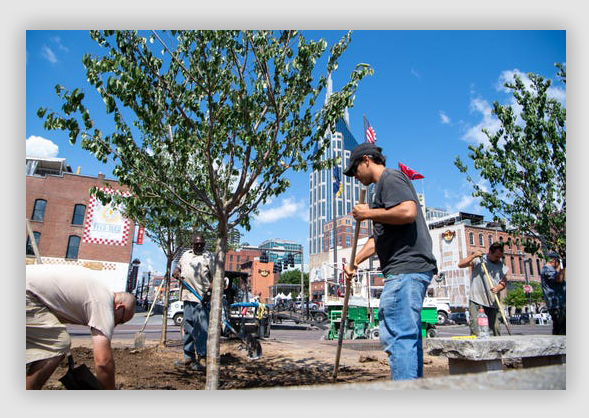
The state’s population of ash trees should have been ruined by now. Instead, the invasion of a tree-killing beetle has dramatically slowed, leaving millions of ash trees still standing. “We got kind of lucky,” said Jeff Hahn, an entomologist with the University of Minnesota Extension Service. Hahn is not declaring victory over the emerald ash borer, which is expected to eventually destroy most of the state’s 1 billion ash trees. But he is noting that on the 10th anniversary of the bug’s arrival, its advance has been slower than was originally predicted. In Michigan, in only 10 years, the beetle wiped out 30 million ash trees, and spread to almost all of its 83 counties. But after a decade in Minnesota, the destruction has been limited to 17 counties, mostly in the metro area and southeast Minnesota. “It’s remarkable that we still have ash trees in the metro area,” said Rob Venette, director of the U’s Minnesota Invasive Terrestrial Plants and Pests Center. The beetle was first spotted in St. Paul in 2009. Its arrival led to fears every ash tree in the metro area would soon be killed. Experts believe that Minnesota’s cold snaps to minus-30 degrees help kill the beetle. Michigan’s winters are more mild — compare St. Paul’s record cold of minus 41 degrees to Detroit’s minus 13…
Finding the perfect Christmas trees is one of the highlights of the holiday season. However, with the recent invasion of the Spotted Lanternfly, many Pennsylvanians are left wondering if they should be hesitant about bringing a possible tainted topiary into their home. The experts at Giroud Tree and Lawn explain what to look for on Christmas trees before buying one. Spotted Lanternfly came from Asia, where natural predators keep the species from multiplying too quickly. Unfortunately, here in the United States, it’s spreading rapidly because those known predators aren’t around to keep it in check. While Spotted Lanternfly have invaded Pennsylvania heavily in the last few years, there’s not much cause for concern on your Christmas Conifer. The PA Department of Agriculture and Penn State have been working closely with the Pennsylvania Christmas Tree Growers Association, and they have been diligently training all tree growers on proper inspection practices. Although the Spotted Lanternfly has been seen on many species of trees, they don’t appear to show an interest in the varieties used for Christmas trees. In a recent article published by the Penn State Extension, Tanner Delvalle, a horticulture extension educator explains, “Christmas trees are not a preferred host for spotted lanternflies, so the probability of finding a spotted lanternfly or an egg mass on Christmas trees is low and should not be a reason for anyone to forego having a live holiday tree…”
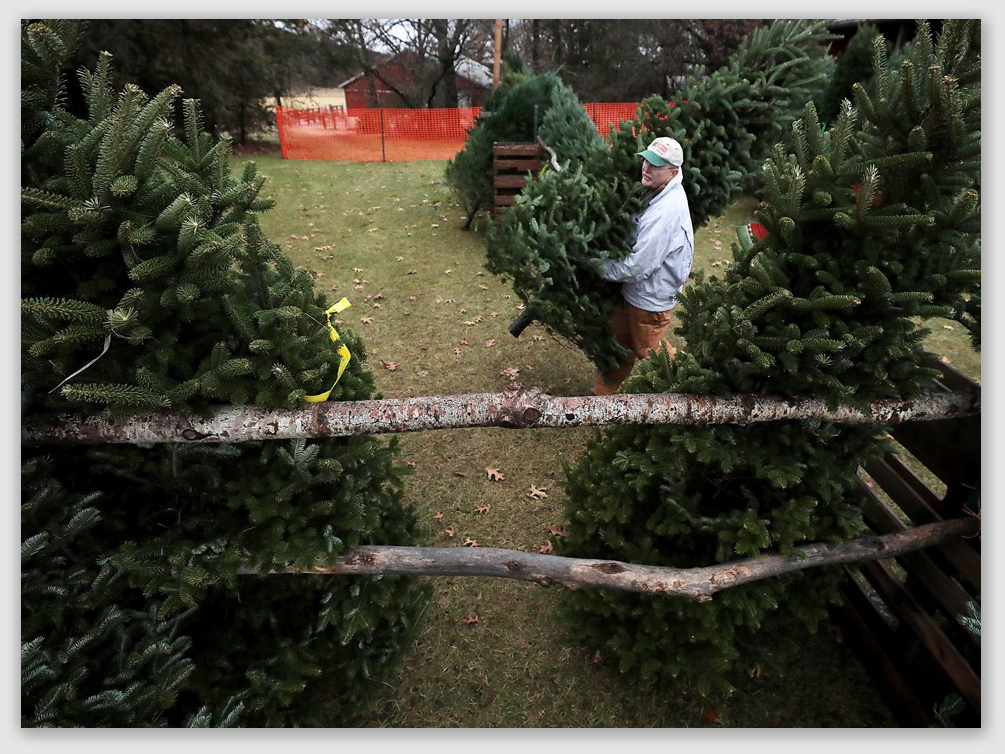
Any tree can be successfully maintained to outlast the holidays, but Ray Guries, professor of forest and wildlife ecology at UW-Madison, said fir trees are easier because they hold the needles best. Fraser, balsam and Douglas firs retain needles better whereas spruce and pine trees are prone to shedding, he said. Laura Jull, associate professor of horticulture at UW-Madison, said balsam firs and Fraser firs are more aromatic. She said any type of spruce tree should be avoided because their needles drop quickly. Buying the freshest tree possible ensures the least amount of needle shedding, Guries said. The longer it has been since the tree was harvested, the drier and therefore more likely it will be to shed the twigs and needles. Guries suggests going to a u-cut farm and harvesting your own tree. Once the tree is home, keep it in a cool place out of the wind before putting it on display, and put the cut-end in water. Before putting it up, cut at least an inch off the trunk to remove the resin seal so the tree can keep taking in water. A fresh tree that has been handled correctly will continue to transpire, which means it is able to conduct water through the stem, branches and needles, Guries said…
New York City, WABC-TV, December 8, 2019: Tree vendor in SoHo selling 20-foot fir for $6,500
A vendor in SoHo Is selling what is likely the city’s most expensive Christmas tree. ‘SoHo Trees’ is offering 20-foot Fraser firs at $6,500 a pop. Other vendors nearby are selling similar trees for less – but not by much. The salesman insists the high tree price – at $325 per foot isn’t fazing buyers. Vendors blame the hefty price tags on a shortage this season of the favored Fraser fir…
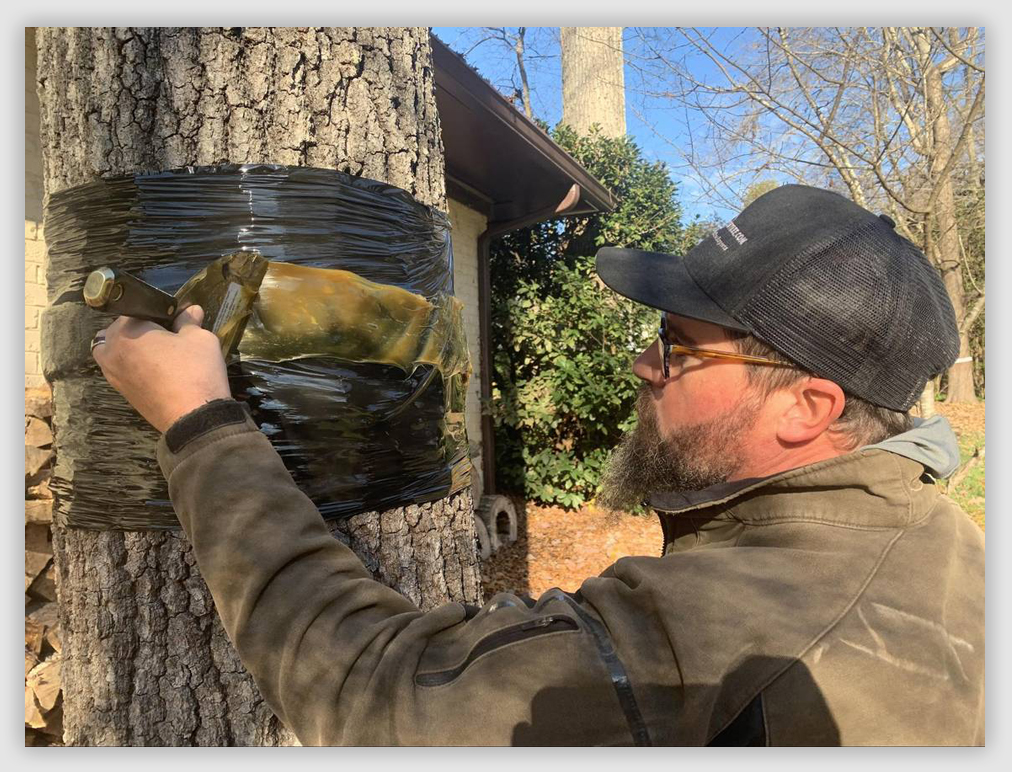
It’s an annual tradition in Charlotte. Cooking up a big Thanksgiving dinner, shopping for presents, decorating for Christmas and — banding your trees to battle the cankerworm. The pesky, lime-green, leaf-eating worm makes itself most annoying in the spring, when millions of them drop from the trees of Charlotte, littering your porch, hitch-hiking on your dog, or even worse, getting caught in your hair. The good news: after spending decades and millions of dollars battling the insect, it appears the city of Charlotte may actually have conquered the canker. [In 2016: 38,948 worms; in 2017, 32,434 worms; in 2018, 4,963 worms; and in 2019, 184 worms.] For those of you who prefer math, that’s a 99.5% decrease. “While we don’t know for certain what the cause is, our best guess is that in back-to-back years, we had several consecutive nights of hard freezes in early spring that may have killed the newly hatched caterpillars at the tops of the trees, as well as the foliage in the trees that they need to feed on,” said Laurie Dukes, assistant city arborist. Besides being a nuisance, the cankerworm is a voracious eater, chowing down on the leaves of the city’s larger trees. The sheer number of worms can severely damage or kill these old and fragile trees…
A holiday commercial from retailer Canadian Tire has tree farmers upset because it positioned artificial Christmas trees as an eco-friendly alternative to cutting one down. Canadian Tire, which has 1,686 locations in the country, released its Christmas commercial a few weeks ago. In the clip, a father and daughter walk through a snowy forest, saw in hand, to cut down a tree for the holiday. After the young girl shows her dad that the trees are home to a wide variety of animal life, he reconsiders and they head inside to decorate an artificial tree for their holiday. Although the advertisement might seem anodyne, tree farmers are protesting the implication that their livelihood is damaging to the environment. Jimmy Downey of Downey Tree Farm & Nursery spoke to CBC News about the clip. He pointed out that the majority of artificial trees are made in China of nonbiodegradable plastics, and even though they can be used for multiple years they still represent a larger carbon footprint in manufacturing, shipping and disposal. “Natural trees live in the environment for 15 years, producing oxygen for us, and they are recycled. Ultimately, they are better for the environment…”
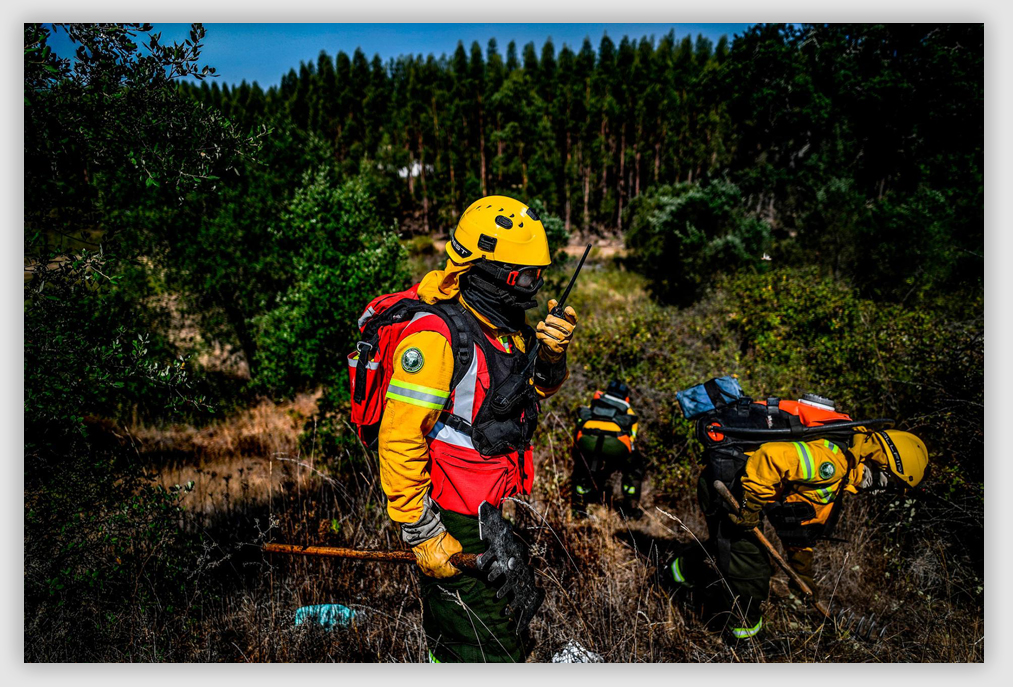
When the speeding BMW emerged out of the smoke of burning eucalyptus trees, heading straight for her firetruck, Filipa Rodriguez had no time to react. “I had time only to think, ‘We’re going to crash,’” she says, massaging the burn marks on her arms, and then the car plowed into them, and the five volunteer firefighters stumbled out from their ruined truck into an inferno. It was high summer in 2017, and they had just crossed into the outer bands of the worst firestorm to ever hit Portugal, a presage for a new age of mega-fire that would soon stalk across landscapes from Spain to Australia. Rodriguez, then 24, stepped outside and her safety goggles immediately melted to her face; as she ripped them off, skin came with them. She blinked through the smoke at eucalyptus trees flying by, burning, in the winds of the biggest flames she had ever seen. Rodriguez was not a professional—like three generations of her male relatives, she was a member of the bombeiros, the volunteer firefighting corps that since the 1950s has served as first line of fire defense for the towns of the rugged, hardscrabble, limestone hills of the Portuguese interior. Every summer all types—doctors, teachers, mail carriers, college students—take their vacations at the local fire station, where they wait round the clock for word of fire…
There’s more to decking the halls with just the right Christmas tree than many people realize. Here are seven hints that can help. Before you head to the lot or store to pick out this year’s tree, you must be certain of where you want to place the tree and the space available. Try to avoid spots near heat sources such as radiators, fireplaces, heating vents and even televisions or sun-drenched windows. Also, try to tuck the tree into a low-traffic area to avoid accidental bumping and possible safety issues. Next, you’ll need to measure the space dimensions you have to work with, bearing in mind that a tree stand will add a few extra inches of height, as will a star or angel to finish the top. If you’re like me and look forward to contributing to the spirit of the season while picking a tree, you can look for charitable lots. One I like to shop at donates all of its proceeds to a children’s hospital. Another option would be to get an extra tree and then donate it to a family that can’t afford one or to an organization that will find that tree the right home. At the lot you will likely see three or four common varieties of trees. Some things to consider when choosing are the color, shape and feel of the tree. Some trees are dark green, and others have gray or white shades. There are trees with tight branching patterns and some with more spaces. One thing to remember is that if the tree looks very full while absent of ornaments, it may be difficult to decorate…

A damning report about the cause of the deadliest wildfire in California history poses a huge setback to Pacific Gas & Electric as it tries to resolve a complex bankruptcy and prove to its customers and elected officials that it takes safety seriously. PG&E repeatedly failed to properly maintain a power line built nearly a century ago even though it cuts through a heavily wooded and mountainous area that experiences strong winds, a 700-page report by the California Public Utilities Commission concluded. A live wire broke from the line, called the Caribou-Palermo, in November 2018 and ignited the Camp Fire, which killed 85 people and destroyed the town of Paradise. The report, which the commission posted on its website over the Thanksgiving holiday with no announcement, could jeopardize PG&E’s future as an independent business. The company was already on probation after being convicted of six federal criminal charges for causing another disaster — a gas pipeline explosion that killed eight people in San Bruno, south of San Francisco, in 2010. Critics of the company, including a group of California mayors and Gov. Gavin Newsom, have proposed selling PG&E to Warren E. Buffett’s holding company, breaking it up, having the state take it over or turning it into a cooperative owned by its customers…
The Wolf Administration is encouraging Pennsylvanians to purchase real Christmas trees this holiday season. Last week, Gov. Tom Wolf and First Lady Frances Wolf were joined by Agriculture Secretary Russell Redding and his wife, Nina Redding, to shop for a Christmas tree at McCurdy’s Tree Farm in Carroll Township, which is a part of PA Preferred, the state’s branding program for locally grown and processed products. “Pennsylvania is home to more than 1,400 Christmas tree farms,” Gov. Tom Wolf said. “Visiting one of these farms is not only a great family tradition, but an opportunity to support your neighbors and Pennsylvania’s economy…”
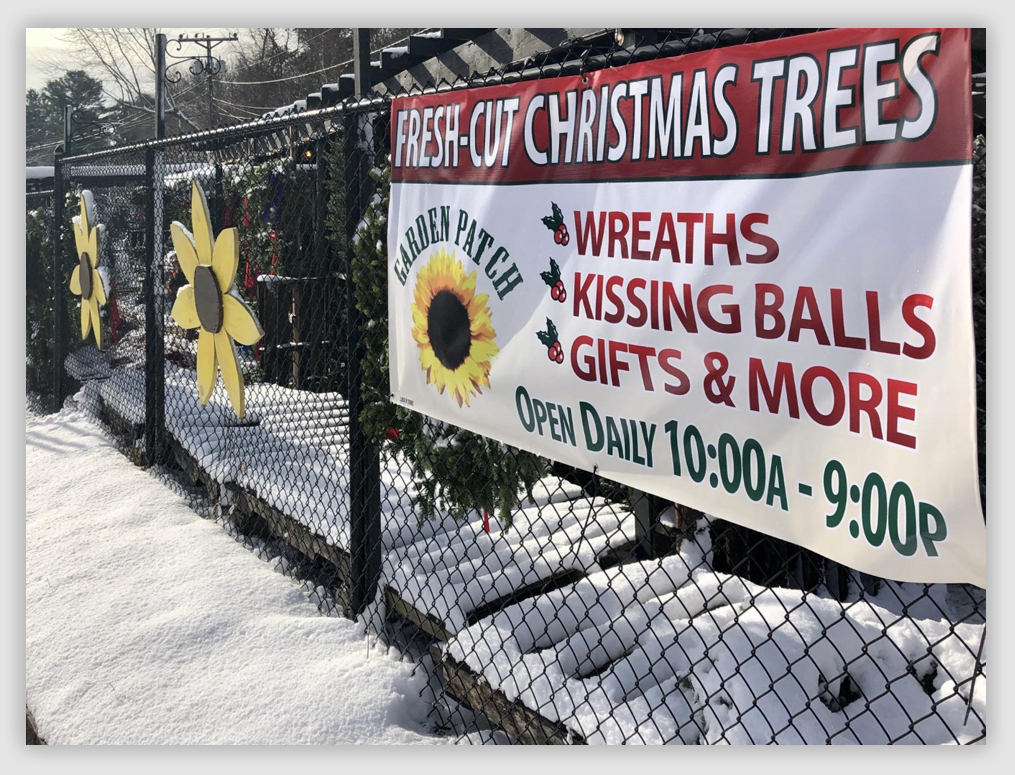
The competition for selling Christmas trees on Route 44 in Taunton and Raynham just became keener. Taunton’s City Council unanimously voted Tuesday night to grant a renewal of a “temporary fixed vendor’s license” to Wolffe’s Christmas Trees and its owner Nicholas Wolffe. Wolffe now has the green light to sell his wares in an open area located at 3 Cape Road, which directly abuts Globe Liquors at 5 Cape Road and is owned by the liquor store’s proprietor. The council voted 4-to-3 the previous week to deny the petition for the vendor’s license. The main objection was a concern about traffic safety at the busy entrance and exit to the site, which also borders Borges Auto Center. Councilor Deborah Carr also objected to the fact that the petition was not included in the weekly agenda packet. “It’s a violation of the open meeting law. We can’t discuss any matter that isn’t on the agenda,” Carr said…
Phys.org, December 4, 2019: Deer and elk can help young Douglas-fir trees under some conditions
Long considered pests by forest managers, deer and elk can help Douglas-fir seedlings thrive under certain vegetation management conditions, a five-year study by Oregon State University shows. The research, published today in the Journal of Applied Ecology, is important because global demand for forest products continues to rise and because wildlife conservation is often viewed as a hurdle to meeting that demand. The findings quantified the effects of intensive forest management on wildlife and wildlife habitat. OSU College of Forestry scientists found that deer and elk can play a key role in controlling the broadleaf vegetation, such as alder and maple, that compete with the “crop trees”—the Douglas-fir seedlings—in the replanted clear-cuts deer and elk heavily rely on for forage. This sort of benefit is called an “ecosystem service.” Deer and elk generally prefer to eat broadleaf and herbaceous vegetation but will eat Douglas-fir seedlings if they’re reachable…
It’s never easy having famous relatives. No matter how distantly you may be related to a celebrity, people will still want a piece of you. Sometimes, even literally. That’s why you won’t see so much as a picture of a certain lifelong resident of the Stanford University campus in California. It’s fully enrolled in a kind of witness protection program … for trees. As the Mercury News reports, this specimen bears witness — at least genetically — to one of the most influential trees of all time: the one that inspired Sir Isaac Newton to come up with the theory of universal gravity. It all began back in 1666 when, by several accounts, the famed physicist was ruminating in the shade of a kind of apple tree known as the “Flower of Kent” in Lincolnshire, England. And then came the plunk that was heard around the world. No, the apple probably didn’t bounce off his head, as later retellings of the story had it. Nature is more subtle than that. Newton would have to sleuth out the workings of gravity on his own. Of course, being a bit of a genius, he didn’t have much trouble identifying a universal force that applies to all things on this planet and beyond…
Store owner Kristi Proffit and a few of her employees had spent hours decorating, as they do each Christmas, when they called it a night on Sunday around 6 p.m. When Proffit opened the store Monday around 5:30 a.m., the tree, the centerpiece of the decorations, was gone. Proffit posted on Facebook about the theft and included video stills of the white truck. The post was shared more than 600 times, and lots of folks got down to business, scouring the area for the truck. “I had a lot of people stop by the store and tell me they were taking time out of their day to look for this vehicle,” Proffit said. The clues they provided to the Surry County Sheriff’s Office helped detectives crack the case. “They just had to go and pick it up,” Proffit said. A detective found the truck and the tree, stuffed the tree in the back of his cruiser and delivered it to the store around 4 p.m. Tuesday…
Ask residents in Tacoma if the city has a lot of trees and most would probably say “yes.” “On this street, we do. I know because I rake the leaves every year,” said Mary Denend, who lives in the city’s Proctor neighborhood. But according to a study by the city, Tacoma has “the lowest assessed tree canopy in the Puget Sound region.” In short, there are not enough trees. Part of the reason is a lack of regulations. “For instance, the city of Tacoma has one of the least heavy-handed regulations around tree protection in the region,” said Michael Carey, Tacoma’s Urban Forest Program manager. The City Council wants to change that and, literally, grow the canopy. An Urban Forest Resolution before the council Tuesday kicks off an action plan to get more trees in the city and keep mature trees alive and thriving. Carey says more trees would mean a number of benefits. “Trees do things like remove air pollutants from our atmosphere. They absorb carbon. They filter through stormwater and help provide cleaner stormwater to our Puget Sound,” Carey said…
The purple-haired leaf peepers certainly don’t arrive by the busloads for North Florida’s fall foliage, but that does not mean we don’t have our own version of colorful foliage. It is more like late fall or winter foliage season. And just because it takes a little longer to develop, does not mean it cannot deliver plenty of vibrant punch on a variety of native trees and shrubs. Our foliage here on the St. Johns River will be turning perfectly brilliant in the coming weeks. The huge hickory that commands the riverfront always astounds us when it turns golden yellow. The sweetgums down by the road are another fall show-off, going from bright yellow to brilliant shades of red to orange and even burgundy. No sugar maple can light a candle to those colors! And the beautyberries are already displaying impossibly purple berries that offer a feast for wildlife. These “edible” berries can be used to make a unique purple jelly that boasts a elderberry/grape flavor with a twist all its own…
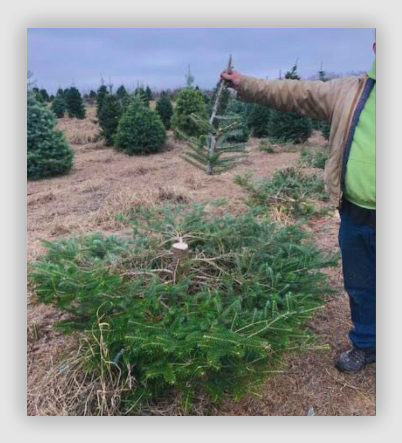 Lansing, Michigan, WILX-TV, December 2, 2019: Tree farms lose money on dishonest tree cuts
When you go to cut your Christmas Tree for the holiday season, you’re usually paying by the foot. Unfortunately some people are finding ways to get around that, and it’s costing tree farms money. If you cut your tree a foot or two from the bottom, you’ll save a little money. But that money you’re saving is hard earned money that tree farm is missing out on. “It’s like stealing. It’s like going to a car lot, putting a dent in it, and saying, ‘this car’s got a dent in it. Aren’t you going to give me a deal on it?’ But people don’t see it that way,” said Damon Glei, owner and president of Glei’s Orchard and Greenhouse. Glei says each of the thousands of Christmas trees he sells takes anywhere from eight to 10 years to make. “And someone does what they did to this tree and leaves a foot and a half of stump on the ground, they quickly turn an 8-foot tree into a 6-foot tree,” he said, gesturing to a tree a customer cut short…\
There are more than 30,000 publicly owned trees in the city of Wauwatosa. All those trees could generate a lot of paperwork when one needed to be taken down. In fact, it used to take about six separate paper forms for a city worker to cut down a tree and plant a new one. A form to approve the removal. A form after the tree was removed. A form to remove the stump. Another form to create a new hole for the new tree. And so on. But Wauwatosa is trying to change that process. It’s now using a geographic information system (GIS) to change how trees are pruned, removed or planted. The city is putting that system to work by cataloging all of the trees that exist on public property in Wauwatosa. This is saving the city time and money, according to Paul Vepraskas, the GIS manager for Wauwatosa “It gives us a good idea of where we can plant trees, what we can plant and how we maintain those trees,” said Vepraskas. “It then saves us time and money in how we manage those trees…”
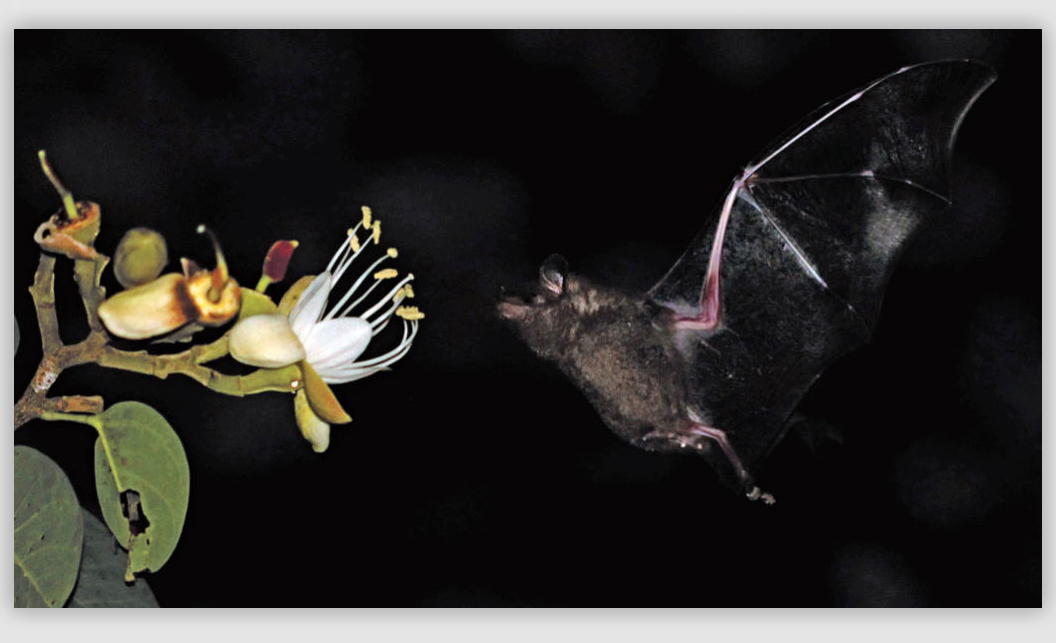 Science News, December 2, 2019: A tree in Brazil’s arid northeast rains nectar from its flowers
It’s night, and plant biologist Arthur Domingos de Melo is looking up at the open, ivory flowers of a tropical, hardwood tree. Though it’s the dry season in the arid, thorny Caatinga region of northeast Brazil, a slow drizzle begins to fall. But not from the sky. Domingos de Melo is under the tree’s canopy, and the “rain” is sweet. Behold Hymenaea cangaceira, a species whose flowers make so much nectar that it overflows and falls in unusually copious and fragrant showers, even though the price of water in this part of the world is steep. Domingos de Melo and colleagues at the Universidade Federal de Pernambuco in Recife, Brazil, had been studying bat pollination of local plants for two decades in the region when, in 2015, one type of bat-pollinated tree struck them as odd. Its nectar, rather than the just the flower petals, was imbued with its own perfume — a phenomenon poorly understood in bat-pollinated plants — and the plant made loads of it. From 2015 to 2018, the team studied a population of H. cangaceira in Brazil’s Catimbau National Park. Each day after sunset during the trees’ reproductive season, between December and March, hundreds of flowers bloom on each tree and drip with nectar before wilting with the dawn…
With fallen trees, missing limbs and holes in the ground, families said living on Modesto’s Ardmor Avenue is like gambling with their safety. “It’s like a nightmare on Ardmor Street because trees are just falling everywhere,” said resident Heidi Fountain. “It’s a concern for me because the trees are over 65 years old. They’re old,” said resident Eldon Glenn. Fountain said one of those trees crashed near her daughter’s car in the last week of November. “We would just like to be able to park our cars, live in our homes and not worry about trees falling,” Fountain told FOX40. Fountain said this time, the fallen timber only scraped the back of her daughter’s car. Her neighbor’s work truck wasn’t so lucky. And in the summer of 2018, neither was her daughter’s brand new Hyundai.“If the trees need trimmed, we shouldn’t have to wait for a disaster next door for you to come trim other trees,” Fountain said…
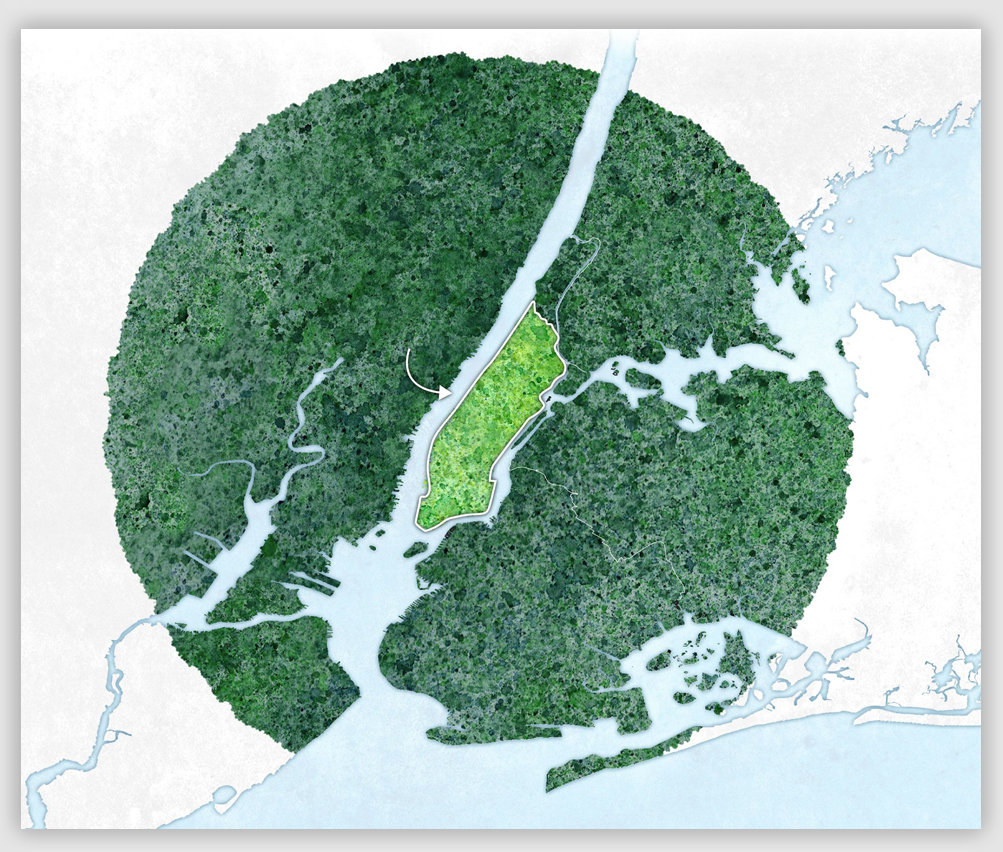
Americans cut down 15,094,678 Christmas trees in 2017, according to the most recent year of data from the U.S. Agriculture Department. Growing all those trees requires about 19.7 square miles of land. That much ground would cover about 50% of Walt Disney World in Orlando, Fla., or 86% of Manhattan. On average, trees are grown on about 6 feet by 6 feet of space, or about 1,200 trees per acre, according to a report by Michigan State University. Christmas tree farms take up 461 square miles in total in the U.S., according to the USDA. That far exceeds the annual cut-tree acreage because it takes multiple years to grow a Christmas tree. How high would all those trees reach? The average height of a cut Christmas tree is 7 feet, according to the National Christmas Tree Association. If stacked on one another, 15.1 million trees would nearly reach Geosynchronous Orbit, where satellites can match the Earth’s rotation…
A thief targeted a Christmas tree lot in Carmel and stole from Girl Scouts. “It was our second day in the tree sale, and it’s not the way you want to start,” said Denisse Jensen, leader with Troop 1898. The trees were unloaded, counted and ready to sell. Then over the weekend, 15 trees disappeared overnight from right outside the Carmel Lions Club. “We realized the trees that were missing were at this end of the area, that was quick access to the alleyway that’s when we realized someone had taken them,” said Jensen. The 15 stolen trees are worth hundreds and hundreds of dollars. The lot is being used as a fundraiser, and the scouts were counting on the money for their high adventure overseas trip and the Gold Award, which is the highest award in Girl Scouts. “You always watch ‘How the Grinch Stole Christmas,’ and it’s like no one would do that, no one would become a Grinch, and then this happens and it’s like why?” said Isabelle Woodward, a Carmel Girl Scout. The scouts and their leaders were talking about possibly canceling plans, and that’s when some sweet strangers took over. Jill Slavin and Beth Mackey are with Club Canine in Carmel. The two women saw a post on social media and knew they had to do something. Slavin and Mackey showed up to the tree lot and paid for 15 trees and didn’t take a single one home…
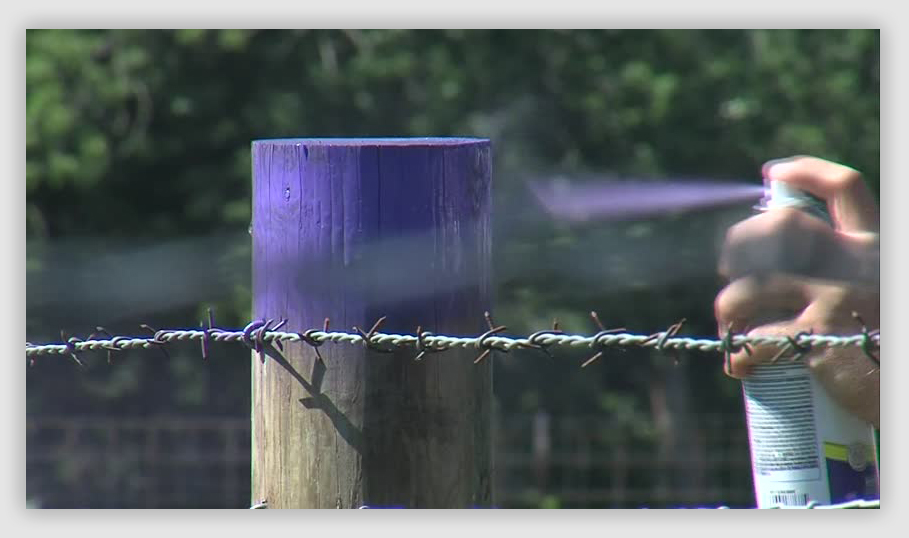
Pennsylvania will allow landowners to legally notify hunters and others that they’re trespassing by painting purple stripes on trees or posts. The bill signed Wednesday by Gov. Tom Wolf is designed to ease a landowners’ task of posting “no trespassing” signs that deteriorate over time. The law takes effect in 60 days. The purple stripes must be vertical lines at least 8 inches long and 1 inch wide. They must be 3 to 5 feet off the ground, readily visible to a person approaching the property and no more than 100 feet apart. The law applies everywhere, except in Philadelphia and Allegheny County. Numerous other states have adopted a purple-paint law, and paint manufacturers have formulated cans of spray paint and brush paint specifically marketed as “no hunting” paint…
Hays, Kansas, Post, December 1, 2019: Months of flooding killed Kansas’ trees and state park tourism
The Kansas Department of Wildlife, Parks and Tourism stands to lose millions of dollars after record spring rains led to park closures, property damage and washed-out roads. In most of Kansas, the rain started in early spring and didn’t stop until the end of June. High water levels at reservoirs (where most state parks are located) inundated campgrounds, boat docks and roads. “We’re not talking about for a week.” Parks Director Linda Lanterman said. “We’re talking six weeks, eight weeks … so the damage is significant until you can get that water down.” The timing couldn’t have been worse for Kansas state parks, which depend upon revenue during what Lanterman calls the “Million-Dollar Months” — May, June, July and August — to stay afloat for the rest of the year. But state parks failed to reach $1 million in each of those months this year. In May, the parks brought in $981,586 compared with $1,065,033 in 2018. The dropoff was even more severe in June, when revenue was $568,743 compared with $1,563,780 in 2018. Understanding how important these months were, several parks managers tried to stay open until campgrounds were inaccessible. Lanterman said she had to tell a few parks they had to close earlier before floodwaters made it impossible to remove cabins and other equipment…

In the U.S. territory of Guam, the Christmas season so far smells like frankincense, myrrh and methyl bromide. The Pacific Daily News reports that Guam’s Customs and Quarantine’s BioSecurity Task Force is filling containers of imported Christmas trees with methyl bromide gas to kill potentially invasive species. Officials say they have treated six containers of more than 2,500 imported trees, wreaths and garlands and expect to treat another seven containers in the coming weeks. The Guam Invasive Species Council approved the fumigation policy in 2016 to keep unwanted pests from impacting Guam’s agriculture, natural resources or the homes of Christmas celebrants. Each container is released after a customs inspection to ensure the treatment was successful…
Orlando, Florida, WKMG-TV, November 26, 2019: Iconic oak trees in downtown Ocala could be removed
Although they’ve grown with the city, Ocala city leaders are looking into the possibility of removing some notable oak trees from the downtown square. The oak trees have been around for decades and are a popular element of the city’s downtown holiday decorations. Peter Lee, Ocala planning director, said the oak trees have grown too big for the square and now, they’re slowly dying because their roots have nowhere to go, especially the large one to the west of the gazebo. “It is really locked in by asphalt,” he said. “Its natural root zone is probably diminished by 80 percent, which is a big part of why the tree is stressed.” Recently, city leaders discussed what do to about the trees, whether it’s replacing them or seeing if they can be repaired. Presentation slides show how the trees are losing their canopy and are continuing to deteriorate at an accelerated rate…
 Forbes, November 26, 2019: Lightning Discovered To Be Main Killer Of Tropical Trees
In the tropics, lightning strikes thousands of trees every day. Lightning frequency here is the highest in the world. The tropics are also home to lush forests with trees that mostly composed of carbon. Understanding tree death is key to figuring out how much carbon is being stored in forests. This information feeds into our understanding of global carbon cycling and how climate change will impact us both now and in the future. Researchers based in Panama and the United States focused on determining the role of lightning in killing large, old-growth trees—trees that are over half a meter in diameter. It was common to assume lightning played a minor role in tree death. Previously, this assumption couldn’t be disproved due to the limitations of tree surveys conducted every 5 to 10 years in addition to rapid decomposition of dead trees in the tropics. At a field site on Barro Colorado Island, Panama, the researchers installed a camera system that allowed them to triangulate lightning strike locations. They would find the lightning strike locations just days after the trees were hit, in contrast to the years that might pass with traditional survey methods. Then, the scientists would re-visit sites regularly for 1 to 2 years following the strike (surveys are still ongoing)…
As the words of its alma mater indicate, the community around Plant High School, which stands “‘neath the pines of Palma Ceia, near the bay’s deep blue,” takes its trees very seriously. Though the trees are safe for now, a plan to renovate the Plant High track had many South Tampa residents firing off emails to the Hillsborough County School District and rallying online to stop what they feared could be the removal of more than 60 trees. In May, Plant High sent a letter to surrounding property owners and neighborhood associations saying, “the school district would like to inform you and the neighborhood association about updates and repairs to Plant High School’s track. Several trees around the track and football field will have to be removed to accomplish this project.” The letter stated the school would host an informal community open house to explain the project. Three people showed up. None of the attendees were satisfied with answers from school officials. “It was a complete waste of time,” said Caroll Ann Bennett, one of the three attendees. “They didn’t know costs. They didn’t know how many trees would be cut. They weren’t briefed on the project. They couldn’t answer a single question…”
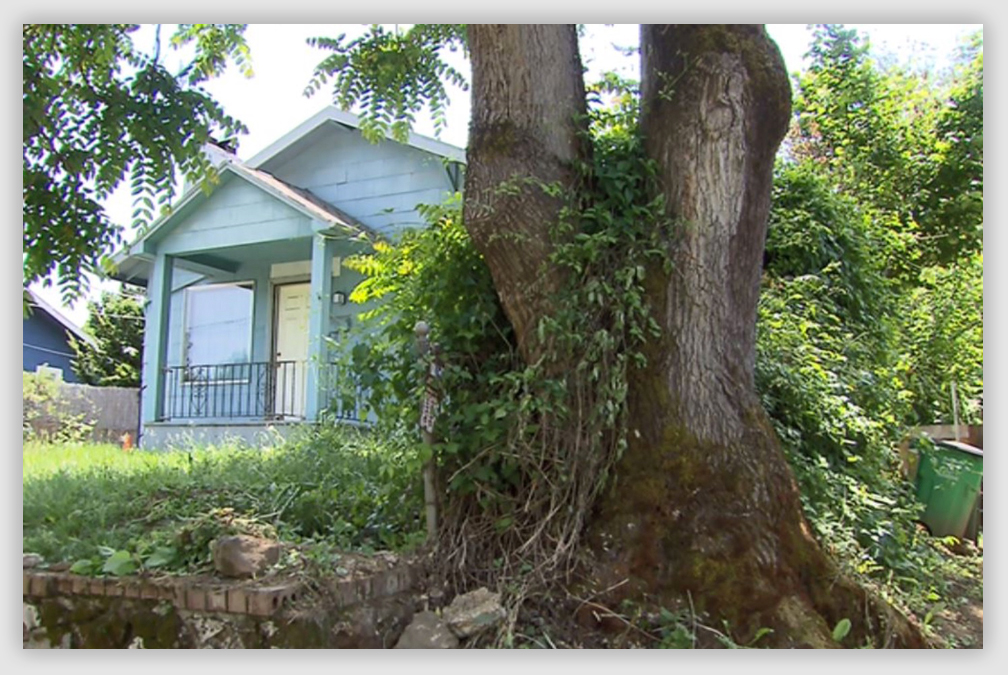
It’s called the Tree of Heaven, but most people think it comes from the opposite place. An invasive predator from below: a tree a local man did not plant is damaging his home, a tree that he believes is not on his property caused him to face repair costs of tens of thousands of dollars. “I am very frustrated because this is all I have,” said homeowner Reggie Williams. “I’ve put my whole life and soul into this.” The Portland resident said through the years he experienced problems with the tree causing damage to his roof. The city required Williams to fix the sidewalk at the base of the tree, but he did not see the underground threat coming to his home’s foundation. His situation can now serve as a warning about something growing in neighborhoods all over the area. It can cause destruction which leaves homeowners on the hook for thousands. It’s been nearly 2 years since Williams realized something was wrong in the basement of his Northeast Portland home. “The cracks run all the way to the back,” he said. “When the engineer got here, she said she seen enough.” According to a February engineer’s report, 2 foundation walls have “cracking that is likely causing the structure to become unstable.” The culprit? The engineer said it is the tree in between Williams’ house and the neighbors. The roots come from what’s known as a “Tree of Heaven” — but don’t let that name fool you. The City of Portland described it as an “alien plant invader.” The Tree of Heaven is on the city’s list of nuisance trees , and there was even a government-backed local group called “Tree-of-Heaven Eradication Now” that declared, “these trees have cracked foundations, shifted pipe, and caused an untold amount of damage…”
It’s beginning to look — and smell — a lot like Christmas at Peter Brooks’ farm. After years of work, Brooks is preparing his first batch of Christmas trees for harvest later this week at his Boulder Brook Farm near Saratoga Lake. To celebrate, he was joined Monday by several other local tree farmers and state Agricultural Commissioner Richard Ball to saw down the first two trees of the season. One tree will be displayed at the Adirondacks New York Welcome Center, while the other will be donated to a nearby CAPTAIN Community Human Services shelter for homeless youth. For Brooks, a first-generation tree farmer, the harvest is the culmination of a five-decade-old desire to start his own tree farm, ever since he spent a summer working with Christmas trees on a farm when he was 18. Brooks said he was encouraged by the industry’s “tremendous potential to grow.” It doesn’t hurt that trees are much easier to handle than livestock: “The great thing about Christmas trees is they don’t try to break out of the fence,” Brooks said…
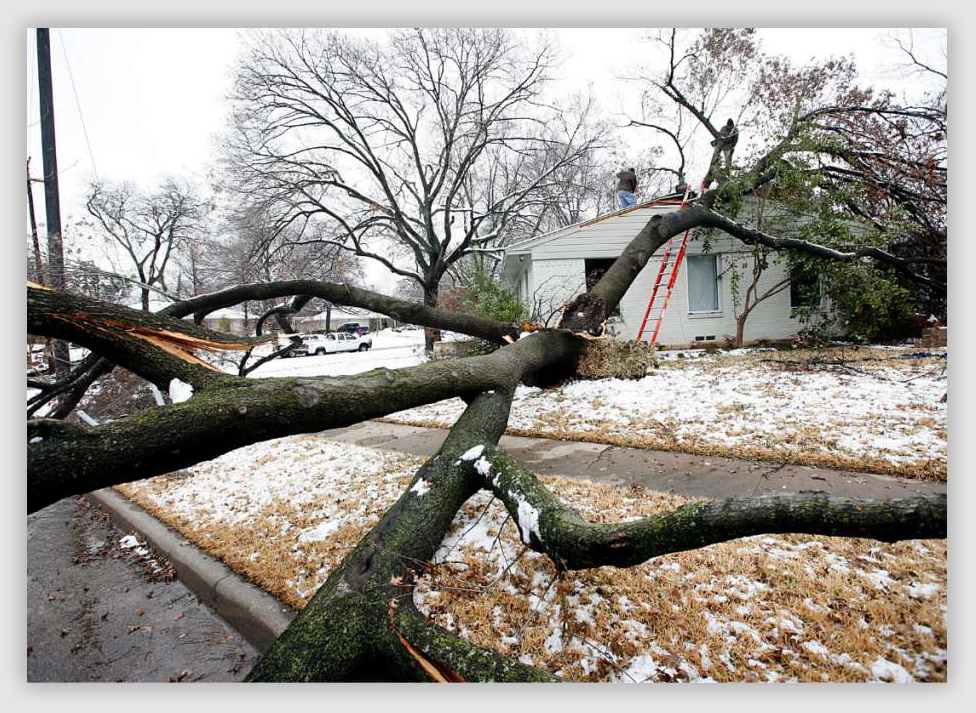 An undocumented immigrant from Maryland is suing a state police agency whose officers turned him over to U.S. Immigration and Customs Enforcement after fining him for improper removal of a tree. José Ricardo Villalta Canales, 31, was helping a relative cut down a dead tree at his home in Rockville on Aug. 7 when he was approached by police from Maryland’s Department of Natural Resources, said attorneys with the Washington Lawyers’ Committee for Civil Rights and Urban Affairs. Villalta, who had no prior criminal record, did not have the appropriate license to cut down the tree, a violation of state law punishable by a fine of up to $500. The police officers allegedly took five minutes to fine Villalta $320, according to the lawsuit filed Monday in U.S. District Court in Greenbelt. But they detained him for more than two hours after making a routine check of a national database to see if he was the subject of any outstanding state, federal or local warrants. The database showed ICE had filed an administrative warrant for deportation, also known as a detainer. Maryland state agencies are supposed to act only on judicial or criminal warrants, the Department of Natural Resources said in a recent letter to state lawmakers who had inquired about Villalta’s case. But the officer acted on the administrative warrant, detaining Villalta until federal agents arrived. He was consequently arrested and has remained in ICE detention in Frederick County for more than three months…
European Union, Horizon, November 26, 2019: Transparent wood: the building material of the future?
When Timothée Boitouzet studied architecture in Japan, where buildings need to survive earthquakes, he realised the next smart material might be one that humans have used for thousands of years – wood. ‘In France, we build more with concrete and stone than wood,’ he said. ‘When I was exposed to Japanese building culture, I realised how you could build fantastic structures with wood. This material that we considered an old material, without innovation, was actually super smart. This got me excited about wood.’ In 2016, Boitouzet founded material science company Woodoo in Paris, France, which retrofits timber to give it new properties. His focus is on transforming the construction industry through replacing steel with wood, for example. Unlike other construction materials, such as stone or concrete which contains sand, wood is a renewable resource, making it an attractive sustainable building material, Boitouzet said. Building more with trees could also help curb the construction industry’s large carbon footprint, which is accelerating climate change. A recent report by the World Green Building Council estimates that 11% of global carbon emissions come from materials and construction processes throughout the building lifecycle. As trees contain carbon, using wood in buildings is a way of storing carbon…
 MLive.com, November 23, 2019: Michigan’s famous Christmas Tree Ship sank 107 years ago today
The shipwreck legend of Michigan’s famed “Christmas Tree Ship” remains shrouded in equal parts myth and mystery. But what we do know is this: 107 years ago today, that worn-out schooner helmed by a man nicknamed “Captain Santa” and weighed down heavily by a load of U.P. Christmas trees bound for Chicago was fighting a mighty battle against intensifying winds and waves of a coming storm. In their final minutes, the Rouse Simmons’ crew had thrown out the schooner’s port anchor into Lake Michigan, hoping to hold her into the wind, archeologists later discovered. In the words of the dive team who pieced together her last tragic moments: “something had gone seriously wrong aboard the vessel.” Overcome by large waves, the three-masted schooner went down hard on the afternoon of Nov. 23, 1912, her bow leaving a 10-foot-deep gash in the bottom of Lake Michigan. Lost with her were 16 souls – her captain, crew, and a group of lumberjacks who were hitching a ride to the Windy City so they could get home for the holidays. For years after her sinking, Christmas trees washed up on the shores of Lake Michigan. Divers a century later found her cargo hold still packed with Christmas trees, some with needles still intact…
The iconic palm trees that line Park Avenue in downtown San Jose are pulling up roots and moving off the street. No, they’re not going to a farm upstate or retiring to a sunny beach somewhere. They’re not heading off to the wood chipper, either — they’re going around the corner to a new home on Almaden Boulevard. According to the city of San Jose, the removal and relocation of the trees is being paid for by Jay Paul Co. The San Francisco-based developer owns two high-profile projects one either side of the strip of palm trees: 200 Park Ave., which recently began construction and will be a 19-story, Class A office tower; and CityView Plaza, a multibuilding complex that Jay Paul plans to demolish and replace with what is expected to be the largest office development in Silicon Valley. “We are covering the expenses upfront and will be reimbursed at a later date,” said Matt Lituchy, chief investment officer of Jay Paul Co., in an email to the Business Journal. Lituchy declined to share the cost of the palm tree relocation project or why the developer decided to front the costs. San Jose city officials were unable to provide details about the reimbursement at time of publication…
 New York City, The Wall Street Journal, November 21, 2019: The Secret Messages of Swaying Trees
Here in London, I regularly run on a path by the Thames that is covered by a beautiful canopy of trees. After a night of howling wind, I often find huge broken branches obstructing my path, casualties of the wind’s violent pummeling. The leafy top of a tree acts like a sail, and the force on the tree as it is caught by gusts of strong wind is enormous. Yet those splintered boughs are the exception, since most trees manage to withstand the storm. The secret to this resilience is simple: Trees sway when pushed. A completely rigid tree would snap in a strong wind, but because wood is flexible, trees behave like upside-down pendulums: The base is fixed, and the top rocks from side to side. Trees will mostly sway at a fixed rate, just like the pendulum in a clock. In both cases, that rate depends on their structure. A longer pendulum will swing at a slower rate, and so will a taller tree. The time it takes for the top of a tree to bend to one side, swing away and then come back again can vary from half a second to 20 seconds. If you were to walk through a wooded area where each tree was labeled with its own natural sway rate, you would quickly notice patterns. Height is the dominant variable, but other parts of a tree’s complex internal structure also play a role. A slender tree will sway more slowly than a one with a thick trunk because the slender branch provides less resistance to movement…
Kansas City, Missouri, KMBC-TV, November 24, 2019: Popular Christmas tree in short supply
Opening weekend, the Fort Osage Farm is busy with families looking for the perfect Christmas tree. “We have Virginia Pine, Norway Spruce, very few Scotch Pines anymore. That’s the one we lost so many of and we decided we’d never plant those again,” said farm owner Bob Luke. Five years ago, a fungus wiped out thousands of those trees on Luke’s farm. “We’re still not back one-hundred percent but we definitely have trees to cut that are nice,” said Luke. “We sold a couple twelve-foot trees for the first time since 2013 so we are coming back slow but, it is coming back.” At Fort Osage Farm customers can cut their own tree or choose from the popular Fraser Firs imported from other states. Luke says Oregon was the largest producer of Fraser Firs until growers ran into a shortage three years ago. Depending on the varietal, it can take a decade to grow a Christmas tree. “When they ran out of trees they started getting trees from North Carolina and Michigan which also ship a large amount of Frasers so they started taking some of their trees which now produced a shortage for everybody on this side of the country.” He says he ordered his trees in February, securing six-hundred for his farm. The shortage has resulted in a slight increase in price. “We are still ten dollars a foot but we’ve added up to seven or eight dollars for a seven-foot tree for the shipping cost that have continually gone up over the years.” After losing so many of their home-grown trees in 2014, Bob Luke and his wife Kim decided to diversify their business by growing elderberries and turning their farm into a wedding venue, White Pine Lodge. “I think farms have to do that you have to change and you have to evolve or its hard to stay in business,” said Mrs. Luke. The farm hosts weddings February through October…
They are iconic to Florida, but palm trees offer little shade to urban heat islands and capture very small amounts of carbon, a greenhouse gas contributing to global warming. South Florida’s palm trees are postcard promises of sighing sea breezes and sandy beaches, but the icon of the tropics may be an impractical adornment in an era of climate change. From the regal royal palm to the sometimes shabby cabbage, the perennial symbol of the Sunshine State offers little shade to baking urban heat islands and captures minimal amounts of carbon — a greenhouse gas contributing to global warming. As city officials look for more ways to cool concrete jungles and balance carbon emissions, the priority for new plantings is often broadleaf hardwood trees, not the idyllic palm. Live oaks can absorb and store 92 pounds of carbon a year with a mature tree’s canopy spanning more than 100 feet. That’s compared to less than one pound of carbon for a royal palm and its compact crown of 15 to 20 fronds. “People coming from up north or other parts of the country are expecting to see palm trees, so I don’t see them disappearing entirely from the landscape,” said Charles Marcus, a certified arborist who wrote an urban tree management plan for West Palm Beach. “But it would benefit most communities if they increased the percentage of hardwoods and I think it’s something cities will have to consider…”
A massive cottonwood holding a bald eagle’s nest has been torn down in Weld County, frustrating neighbors. The tree, off County Road 13 and County Road 34, was torn down by the property owner Thursday. “I was driving down this road this morning, and their tree is gone, the nest gone. And it just makes me heartbroken,” one woman who lives in the area said. “As I saw that, I started to cry because it’s an American icon. I don’t know why you would take anything away from an animal like that.” The news created angst on Weld County social media pages, with some questioning the legality of the move. According to the U.S. Fish and Wildlife Service, a rancher applied for and received a permit, allowing him to remove the tree as part of an irrigation project. It’s illegal under federal law to harm or disturb a bald eagle or its nest without a permit. “In this case, we issued a permit for removal of a nest that was not being used by eagles for nesting,” said Kevin Kritz, a wildlife biologist with Fish and Wildlife. “That’s because it’s outside the nesting season…”
Q: I have an old apple tree that I acquired with my property. Based on the age of the parcel divisions, it’s at least 50 years old. It still produces very good apples, but the trunk has sun scald so badly that half the bark is gone, there are bore holes on every inch of bark, and there are clearly insect infestations in the wood. A large part of one of the main branches fell off this summer. It looks like a combination of rot and insects got it. My question is whether I should cut the tree and start over, or if I can still restore the tree.
A: Based on what you described it may be best to replace the tree. The insect that is boring into the tree is manageable (see this article), however considering the extent of the infestation, as well as the damage to the trunk and rot, it is most likely that the life of the tree is on a timer. It may live for several more years, or it may topple over with the next big storm. How long it survives will depends on how far the rot extends into the trunk. Based on the photo, it looks like the rot is not just on the surface. Having a rotten core in the trunk will decrease the structural stability of the tree, and the wound created by the broken branch may be too large to mend. You may get some more years out of the tree if you can control the borer and ensure that it is irrigated and fertilized properly, as well as prune away dead or infested limbs. However, it may be better to replace it at this point and start with a young healthy tree. It really depends on how much time and energy you want to spend on trying to salvage it, and the extent of the rot…
Grand Rapids, Michigan, WOOD-TV, November 21, 2019: Nation hit with Christmas tree shortage
Come Black Friday, John Vormittag title shifts from farmer to retailer. That is traditionally when business for the second-generation Christmas tree farmer really takes off for the season. But in some parts of the country, a Grinch is lurking on tree farms and lots this year. The most popular Christmas trees are in short supply. Wholesalers are scrambling to find farms that can supply them. “We do not do any wholesale,” Vormittag said. “But we do get a lot of calls. People are calling pretty regularly, looking for trees.” Two factors, occurring years ago, contributed to the shortage. In 2008, the economy was tanking. Many farmers across the country decided to either quit the business or plant fewer trees. For Michigan, drought conditions in 2012 added to the problem. “They like rain once a week or twice a week,” Vormittag said as he inspected a Frasier fir, the most popular species of Christmas trees. Vormittag says 2012 was a “very bad” year for the trees. Since it takes about seven years from the time a sapling is planted until it hits the 6 to 7-foot mark, the point at which most are sold as Christmas trees, we’re just now seeing the impact of the problems of the past. That’s the bad news. The good news? Since Michigan is the nation’s third-largest fresh Christmas tree producers, we get first dibs on the supply…
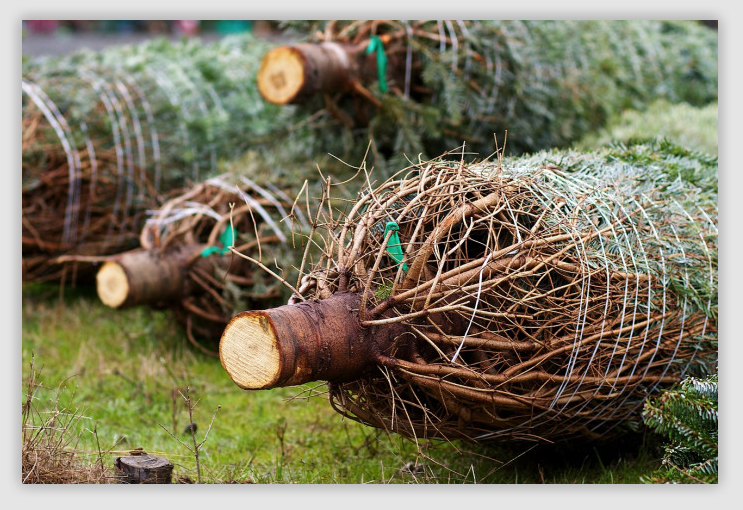 Farm & Dairy, November 20, 2019: Expert: Risk of spotted lanternfly on Christmas trees is minimal
Folks worried that the spotted lanternfly will put a “bah humbug” into their holiday by taking up residence in their live Christmas tree should toss those concerns to the side like used wrapping paper, according to Penn State Extension experts. “Real trees are part of an outdoor ecosystem, and there is always a chance that insects may be brought indoors with a tree, and the spotted lanternfly is no exception,” said Tanner Delvalle, a horticulture extension educator based in Berks and Schuylkill counties. “However, Christmas trees are not a preferred host for spotted lanternflies, so the probability of finding a spotted lanternfly or an egg mass on Christmas trees is low and should not be a reason for anyone to forego having a live holiday tree.” To further quell concerns, Delvalle said that Christmas tree growers follow integrated pest management practices to minimize such risks. And, in the case of spotted lanternfly, growers in the quarantine zone of Berks, Bucks, Carbon, Chester, Dauphin, Delaware, Lancaster, Lebanon, Lehigh, Monroe, Montgomery, Northampton, Philadelphia and Schuylkill counties work with the Pennsylvania Department of Agriculture to meet the spotted lanternfly quarantine requirements prior to the sale of Christmas trees…
I, like so many others, find it necessary to usher in the holidays by picking out a good ol’ Christmas tree and plopping it in a watering basin in my living room. It’s a surefire way to get into the festive spirit — and a live tree fills your home with that fresh forest smell, after all. So this past weekend, I was dismayed when my equally holiday-crazed roommate told me she might not want to get a live tree. Why? Because of spotted lanternflies. My roommate fell prey to a spreading rumor that the dreaded invasive insects are infesting Christmas trees and ruining the holidays. But alas, after some frenzied digging, I’m happy to inform you that this rumor is false: Agricultural experts at Penn State Extension reported this week that the risk of a spotted lanternfly hitching a ride indoors on your Christmas tree is “minimal…” Everyone can now relax…
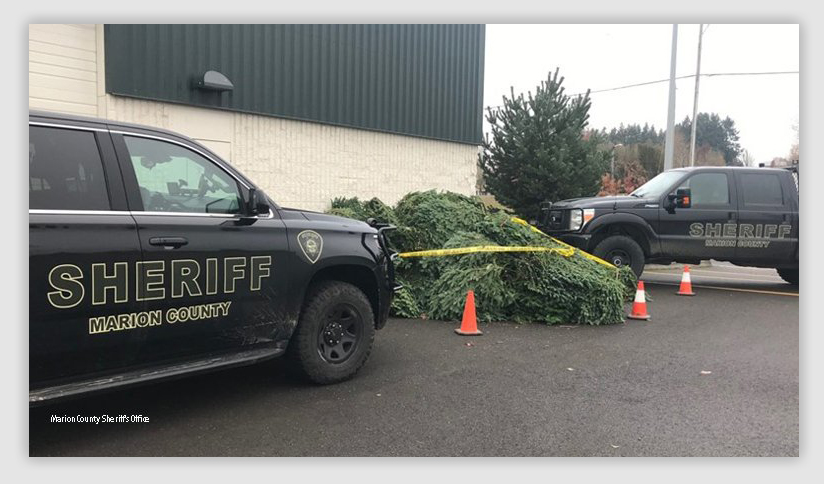
The Marion County Sheriff’s Office seized 3,800 pounds of fir boughs that were unlawfully taken from the Willamette National Forest. The sheriff’s office said Forest Patrol deputies stopped two men on Nov. 12 in a vehicle which was carrying the fir boughs on Highway 22 near Stayton. During the traffic stop, the deputies learned the fir boughs were unlawfully taken and were going to be used commercially for creating Christmas decorations. The men, identified as Jose Lucas Lucas, 42, and Juan Lucas Perez, 31, both from Washington County, were charged with unlawful cutting and transport of special forest products. The sheriff’s office said the illegal harvest and sale of special forest products in the state is a continuing concern. Christmas trees and boughs, cones, bear grass, salal, and firewood are a few examples of special forest products…
Denver, Colorado, KDVR-TV, November 20, 2019: Metro-area Christmas tree lot owners warn of shortage
Owners of Christmas tree lots in the Denver area say there is a shortage of trees this year. The owners say the problem dates back a decade to supplies in states like Oregon and North Carolina. “It’s the perfect storm,” said Tyler Sherwood, who owns Jolly Christmas Trees, which has locations in Stapleton and Aurora. “The perfect storm of recession eight years ago and topography: diseases in Oregon with some of their trees.” Sherwood says he has trucked in about 1,400 trees from Michigan to make up for the shortage, so he is confident there will be enough Christmas trees this year and beyond. “It takes a long time for the market to recover,” Sherwood said…
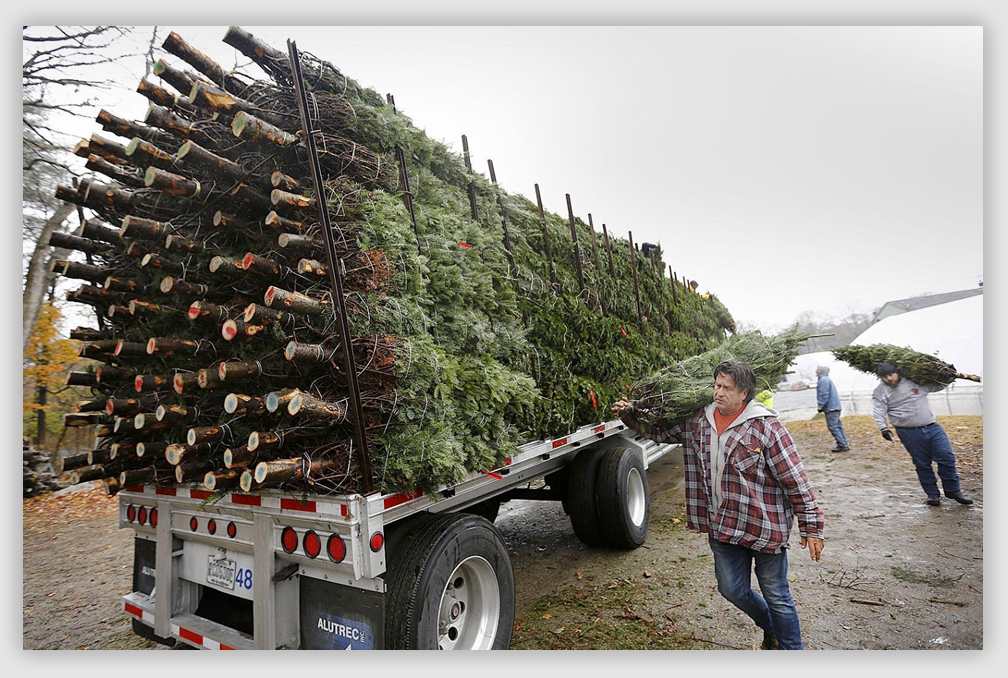
Half a dozen workers unloaded trees from a logging truck and sorted them by height at That Bloomin’ Place on Tuesday as owner Jeff Smeed inspected the trees through the plastic netting. “These are little five and sixers, but I can tell they’ll be gorgeous,” said Smeed. With Thanksgiving on Nov. 28 this year, Christmas tree sellers are getting their stocks ready for a shorter-than-usual selling period before the big day. Smeed, however, doesn’t see this as too big a problem. “It’s a condensed timeline, four weeks instead of five. It’ll mean more intense days getting set up,” said Smeed, who prefers an unusually short selling season over an unusually long one. He said that last year, when there was an extra week between Thanksgiving and Christmas, he was begging for more trees from his suppliers. “I was out of wreaths, trees, everything, and there were still 10 days until Christmas,” he said…
The Tennessee Environmental Council planted hybrid American Chestnut trees at Panther Creek State Park Tuesday. It’s part of an effort to bring back the once thriving tree in a new way. The trees once dominated our region, but a foreign disease and blight wiped them out in the early 1900s. Now, every hole shoveled and every sapling planted is a step in the right direction for the American Chestnut tree. Johnny Boling volunteered to come from Norris to Morristown to help plant the hybrid plants. “Naturalists have been trying to replace the trees that died about 100 years ago but nothing has worked over the years,” Boling said. The hybrid sapling may be small initially, but by the time it’s fully grown it could be close to 100 feet. Cynthia Hernandez, the program coordinator for the Tennessee Tree Project, said the tree will hopefully grow considerably in five to 10 years. “It’s been said to comprise 25 to 30 percent of the forest,” Hernandez explained of the native version of the tree. “So the forests today look a lot different than they did say 100 years ago.” The planting at parks across the state is an experiment to see if the hybrid version of the chestnut tree can grow and survive…
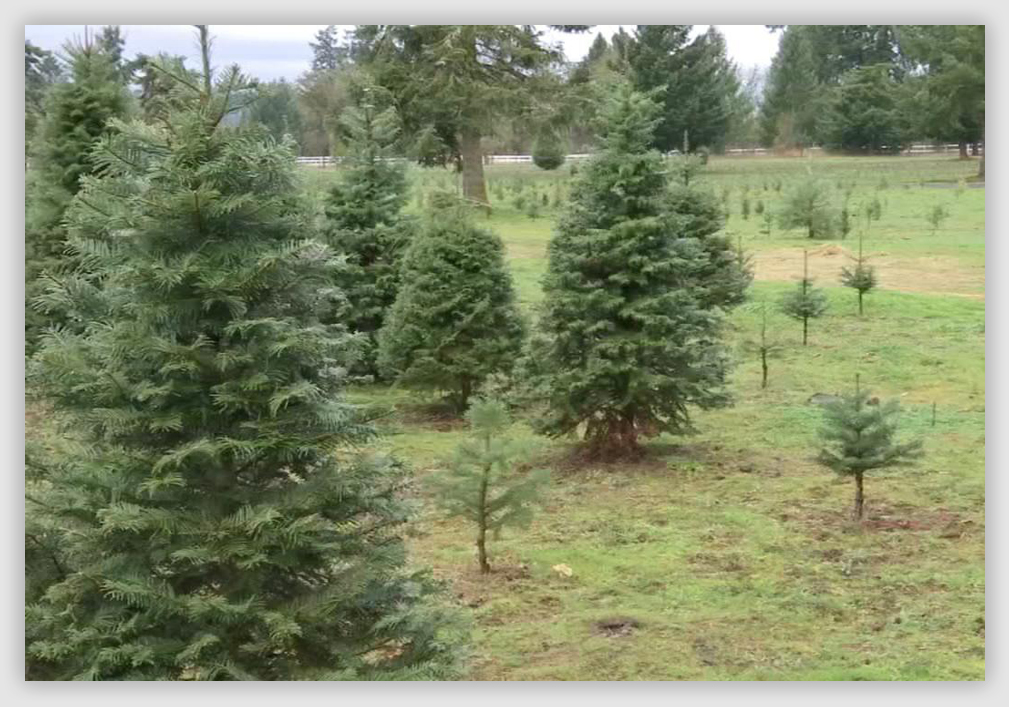
An historic Christmas tree farm won’t be open this year for tree-cutting season. Kirchem Farm closed this season due to a shortage of fully grown Christmas trees. If you look around the farm, you’ll see lots of potential Christmas trees. But there’s just one problem. “It’s probably six feet to the tip or little under, and it’s not very full,” Kirchem Farm Co-Owner, Cher Tollefson, said. Many of the trees aren’t ready yet to be adorned with ornaments and sit in living rooms. “This tree’s tall enough, but it also needs to fill out, it needs to be a little more full up here,” Tollefson said, showing FOX 12 the trees. “And if you look around they’re kind of all that way.” For the first time in nearly 30 years, families won’t be able to choose their favorite tree at the historic farm. “Our trees just need a year to catch up,” Tollefson said. Tollefson says the shortage is due to a couple of factors, including a seedling shortage in the mid 2000s and scorching summers…
Volunteers planted several hundred Sequoia saplings in a Bellevue park Saturday as part of the city’s effort to increase its tree canopy. Bellevue plans to plant approximately 1,000 Sequoia trees in parks and open spaces this fall to aid efforts to boost the city’s tree canopy to 40%. On Saturday, 30 volunteers planned to plant approximately 300 two-foot tall saplings in Wilburton Park. The other trees will be planted at Ardmore, Kelsey Creek and Airfield parks, and Forest Park Meadows Open Space. The city says aerial imaging shows its tree canopy has shrunk from 45% in 1986 to 36% in 2017 when it leveled off. Steady development, including construction of the East Link light rail, poses a risk to Bellevue’s trees. To combat the problem, PropagationNation, which locates and propagates Sequoia and Redwood trees, donated $8,000 worth of Sequoia trees to the city. Although they aren’t native to Seattle, Sequoia trees were chosen, because they’re fast-growing, pest-resistant, and drought-tolerant. Over the last five years, native trees like western red cedar and western hemlock, have had a higher mortality rate due to drought stress, according to the city …
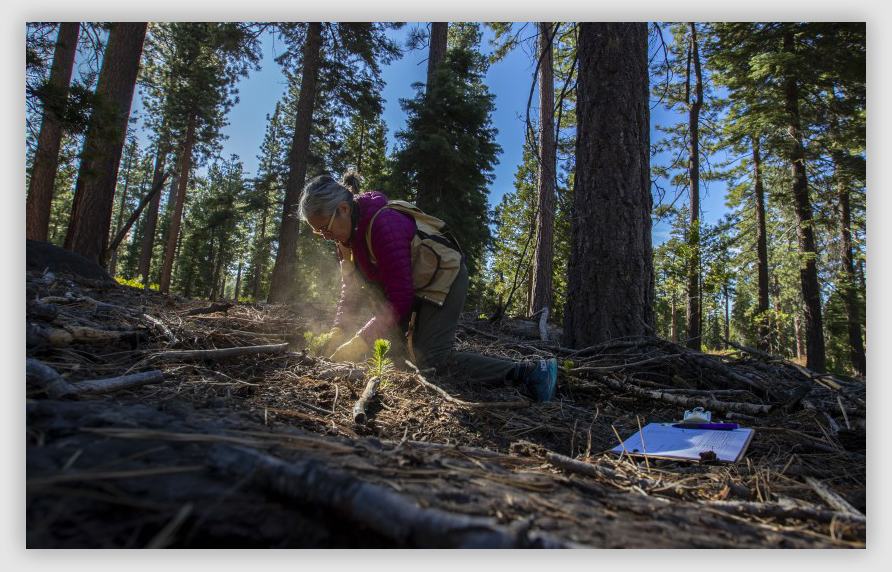
The sugar pine, with its foot-long cones and feathery branches that stretch out high above the forest, used to be one of the most common trees standing guard over Lake Tahoe’s clear waters. But drought, bark beetles and climate change have ravaged this beloved conifer, whose population was already diminished by logging, development and other human activities. From 2012 to 2016, drought and bark beetles killed more than 129 million trees in California, most of them conifers in the Sierra Nevada. On the drier, south-facing slopes on this basin’s north side, sugar pines were hit especially hard as mountain pine beetles attacked the water-starved trees, tunneling through their bark until many of them died. “You had literally side-by-side sugar pines, one alive, one dead,” said UC Davis forest biologist Patricia Maloney. But it’s not the dead trees that interested Maloney. It was the survivors…
A tree inventory and survey is under way as the first part of a multi-phase process to restore Brook Park’s ailing tree canopy. According to Certified Master Arborist Chad Clink of Bartlett Tree Experts, Brook Park’s tree canopy is less than 19 percent, “one of the lowest (for) municipalities in Cuyahoga County.” “This is about getting a baseline for what your tree population looks like, and then starting to think strategically about putting trees in the right places so they are assets in the long haul,” Clink explained to City Council at the Nov. 6 caucus, held just prior to its regular meeting. Brook Park Economic Development Commissioner Scott Adamsworked with Clink to secure a recently awarded $27,000 grant as part of the county’s Healthy Urban Tree Canopy Grant Program. A significant part of the restoration will involve the main municipal campus, known as the City Center, where a main park, playground, recreation center, branch library and Brook Park City Hall are located…

Imagine your lush, tropical yard wiped out, killed by an insect creeping throughout the Palm Beaches and Treasure Coast. Homeowners are losing thousands of dollars in landscaping. “I miss the nice, big green tree,” said Valeria Fabiani, a homeowner. Fabiani used to have a window with a view. “There’s a tower that I don’t like and I was trying to cover it,” said Fabiani. She wanted to create a palm tree oasis in her backyard. “It started looking like this one. The leaves would yellow and the branches would get completely dry,” said Fabiani. “Once it gets the disease, it’s too late. If it’s infected, it has to be removed,” said Michael Zimmerman, the owner of Zimmerman Tree Services. The insect, a type of plant hopper, is the carrier of a disease known as lethal bronzing…
Phys.org, November 18, 2019: Scientists uncover resistance genes for deadly ash tree disease
New research has identified the genetic basis of resistance to ash dieback in UK trees, opening up new avenues for conservation. Researchers from Queen Mary University of London and the Royal Botanic Gardens, Kew sequenced the DNA from over 1,250 ash trees to find inherited genes associated with ash dieback resistance. The study, published in leading journal Nature Ecology & Evolution, showed that resistance is controlled by multiple genes, offering hope that surviving trees could be used to restore diseased woodlands, either by natural regeneration or selective breeding. Professor Richard Nichols, author of the study from Queen Mary University of London, said: “We found that the genetics behind ash dieback resistance resembled other characteristics like human height, where the trait is controlled by many different genes working together, rather than one specific gene…”
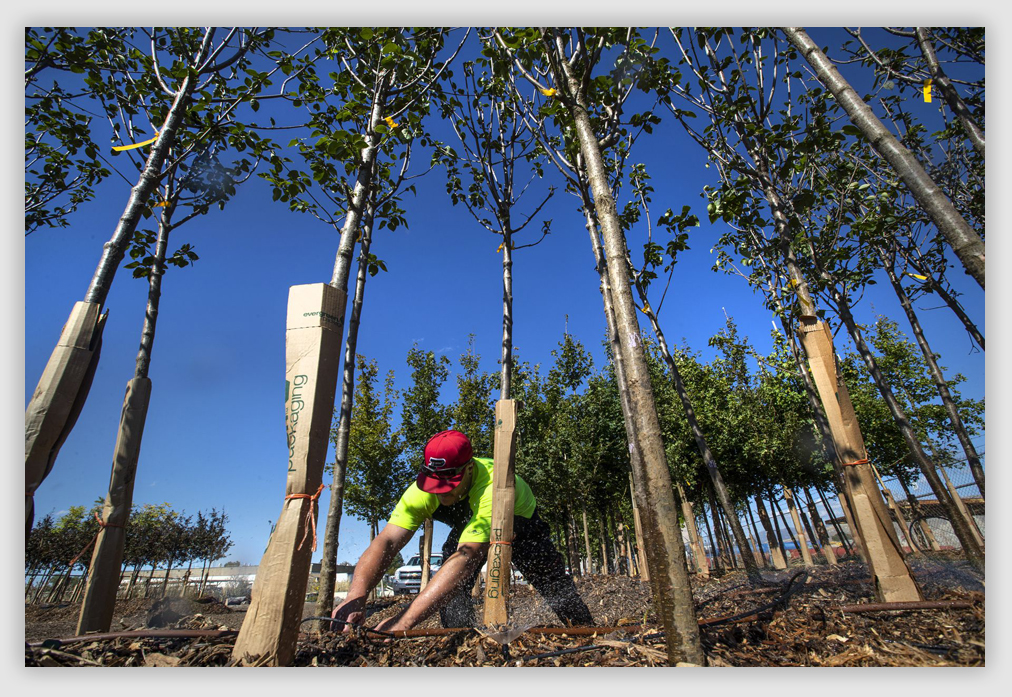
Two hundred trees don’t look like many, standing in a fenced enclosure, the majesty of the Wasatch Mountains behind them. Not many, that is, unless you’re among the city’s urban forestry staff who unloaded them, wrestling a seemingly endless supply of 20-gallon containers from the semi-truck that carried them from the Oregon nursery that raised them. At 7- to 10-feet tall each, they’re tricky for arborists who place them carefully on a Bobcat, then hurry alongside as they’re moved to the enclosure, to be lifted again and lined up by types. Viewed across the city’s Public Services Department yard, it’s hard to sense the scale they’ll achieve when they’re planted around the city, where some may live 100 years and grow 60 feet tall. Thinking that trees are just pretty is like reading a book jacket instead of the book. Those skinny trunks, resembling spindly legs of adolescent runners, may one day support a canopy that lowers temperatures warmed by city-hot asphalt, scrubs air, filters water, reduces flooding and shelters readers, strolling seniors and kids playing hide-n-seek. They may even slow mental decline…
An ohia tree-killing fungal disease local to Hawaii was discovered spreading on Oahu after wildlife officials conducted an aerial survey of the island forest, state officials said. State Division of Forestry and Wildlife officials tagged 41 more trees that could be ailing from rapid ohia death after first discovering an infected tree in the summer, the Honolulu Star-Advertiser reported Friday. Dozens of trees need to be tested for the disease, but the area is rugged and difficult to reach, state protection forester Rob Hauff said. “It will probably take several months because they are all in different places,” he said…
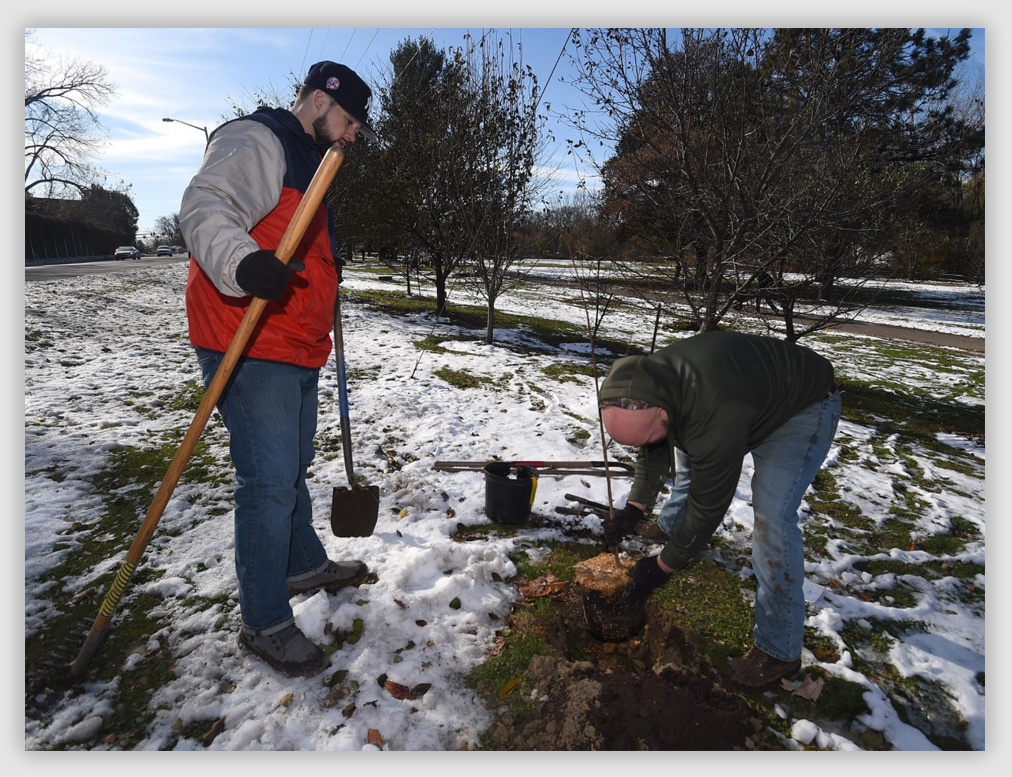 Erie, Pennsylvania, Times-News, November 17, 2019: A new generation of trees
Vernon Peterson said he has always considered the stretch of Erie’s Bayfront Parkway as it passes West Eighth Street and Frontier Park “kind of the welcoming mat” to the city and its bayfront. Peterson, the executive director of the Lake Erie Arboretum at Frontier, expects the view to be even more welcoming in time, thanks to a cooperative effort involving donations of time and money that replaced a row of dead and dying trees with a variety of new ones. Work wrapped up Saturday on planting 31 trees along the Bayfront Parkway in city-owned Frontier Park to replace over 30 mature trees that were removed during the spring. The old trees, planted decades ago to serve as a noise barrier, were removed because some had been topped, others had grown into the overhead power lines, some were infested with insects and most of the pines had a fungus that weakened their immune systems, Peterson said. L.E.A.F. first partnered with Penelec parent company FirstEnergy, and the city of Erie to remove the trees. FirstEnergy agreed to cut down and stump the trees and remove the debris, which was a big cost savings to the city, Peterson said…
The province will spend months collecting more public feedback on how old-growth trees should be protected or cut down in yet another round of engagement over new rules for forestry and conservation in B.C. The Old Growth Strategic Review follows a similar consultation process, intended to result in the overhaul of B.C.’s forestry rules to better protect ecosystems, maintain jobs and reconcile with First Nations. The overhaul was a central plank of the NDP’s election platform in 2017. However, conservationists say the review is a stalling tactic and argue new legislation is needed now to slow the cutting of B.C.’s huge trees, some as old as 800 years. Andrea Inness, a campaigner with the Ancient Forest Alliance, says the planned meetings are another delay to meaningful action such as announcing increased protections for old growth forests. “They are kicking the ball down the field,” she said…
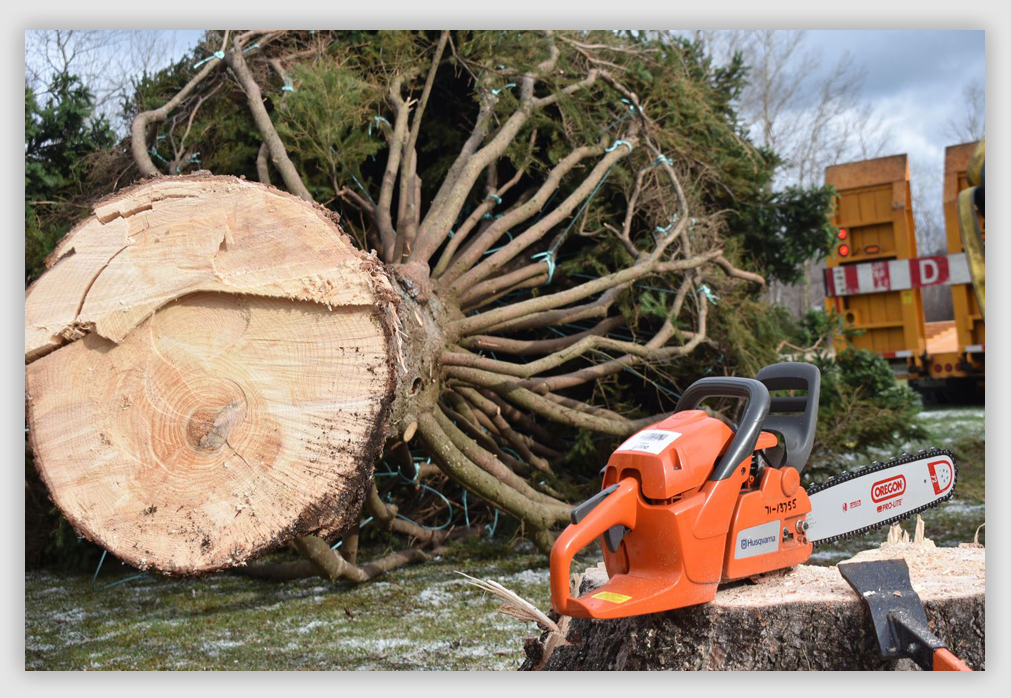
It was a festive atmosphere in Pictou County on Tuesday as hundreds of people gathered in a wide ring around a 45-foot white spruce. This tree, on the property of Desmond Waithe and Corina Saunders, will soon be Boston bound. “My sister lives in Boston,” said Theresa Benoit, who had traveled up from Antigonish to be there to see the tree come down. “I’m going to call her tonight and tell her that I’ve seen the tree getting ready to go.” Since 1971, Nova Scotia has sent the city of Boston a Christmas tree to thank it for the support and aid for Halifax after an explosion 102 years ago killed 2,000 people and left the city in ruins. This year, the Nova Scotia Department of Lands and Forestry chose the 60-year-old spruce from Pictou County to make the 684-mile southbound journey. “I’m certainly going to miss the tree,” Saunders said. “It’s a beautiful tree.” There were free coffee, snacks, and games for all the students who had come from school to take part in the festivities. The smell of wood smoke and sage permeated the chilly air, mixing with the scent of fresh snow that had fallen hours earlier. Before the tree was cut, the crowd heard speeches from Lands and Forestry Minister Iain Rankin and from Ryan Woods, commissioner of parks and recreation for Boston, where the tree will arrive on Dec. 5 for a tree-lighting the same day on Boston Common, the oldest public park in the United States…”
A small beetle that kills giant oak trees has been found near the San Bernardino County mountain community of Wrightwood, and officials are placing the blame on imported firewood. The goldspotted oak borer, native to Arizona, was first found in San Bernardino County last year in Oak Glen. It was also found in the Sugarloaf area near Big Bear City this summer. The insect was detected in recently-killed California black oaks in Wrightwood and confirmed by a U.S. Forest Service entomologist. A news release from the Forest Service points the blame for all three infestations on borer-infested oak firewood brought into the areas. Officials urge the public to avoid transporting infested oak firewood into uninfested areas. Any places with coast live oaks, black oaks or canyon live oaks are vulnerable, including San Bernardino mountain communities and surrounding national forest lands, according to the Forest Service. While the San Bernardino and Angeles national forests, CalFire and local agencies are developing a plan for response in the county, at-risk communities are asked to familiarize themselves with the threat and report any suspected activity at gsob.org…
 Science, November 14, 2019: A mysterious disease is striking American beech trees
A mysterious disease is starting to kill American beeches, one of eastern North America’s most important trees, and has spread rapidly from the Great Lakes to New England. But scientists disagree about what is causing the ailment, dubbed beech leaf disease. Some have recently blamed a tiny leaf-eating worm introduced from Asia, but others are skeptical that’s the whole story. Regardless of their views, researchers say the outbreak deserves attention. “We’re dealing with something really unusual,” says Lynn Carta, a plant disease specialist with the U.S. Department of Agriculture (USDA) in Beltsville, Maryland. American beech (Fagus grandifolia), whose smooth gray trunks can resemble giant elephant legs, can grow to almost 40 meters tall. It is the fifth most common tree species in southern New England and in New York state—and the single most common tree in Washington, D.C. Its annual nut crop provides food for birds, squirrels, and deer…
Science Daily, November 14, 2019: Ash Dieback: Better news for European ash trees
For the past decade the outlook has been gloomy for European ash trees devastated by Ash dieback and facing the threat of more invasive pests. Now the latest scientific research brings better news. It reveals that European ash has moderately good resistance to the Emerald Ash Borer (EAB) a beetle which has severely affected ash species in the USA and some parts of Russia. Tests on a selection of ash species show that European ash — while not immune to initial attack by the EAB — has the resources to restrict the beetle’s development. The study finds that the frequency with which larvae of the EAB developed to later stages in European ash was much lower than in the highly-susceptible black ash. But European ash had similar resistance to that of Manchurian ash which co-exists with the beetle in East Asia. Previously, researchers were concerned that if EAB arrived in Britain, any native European ash trees that hadn’t succumbed to ash dieback may be finished off by the beetle…

Lee County homeowners who lost their citrus trees to the state’s failed canker-fighting campaign more than 15 years ago have won their case — again. Although the homeowners have won repeatedly in court, the Florida Department of Agriculture and Consumer Services has refused to pay the money. On Wednesday, Florida’s Second District Court of Appeal in Tampa ordered the department and its commissioner to immediately pay the millions owed to nearly 12,000 households in Lee County, with interest — upholding a Lee Circuit Court judge’s order to hold them accountable more than a year ago. While he’s hopeful the latest ruling will result in full payment, Robert Gilbert, a Coral Gables attorney who represents the homeowners, isn’t so sure. “I think that they will ask for the court to reconsider their decision and come up with all sorts of mumbo-jumbo about how the court got it wrong,” Gilbert said…
Rodents are making themselves at home in an overgrown tree. Neighbors in Ocean Beach aren’t exactly thrilled about rats living in the ivy-covered tree. Of course, there’s also the anxiety about what could happen on a windy day that makes the tree shake. “It could slip down and crush the homeowner,” said Kitty Belmonte, who lives just west of the palm tree. “We’ve got everything that lives up there [like] mice, rats, opossums, raccoons [and] skunks,” said Chris Taylor, who lives east of the tree. So, is this tree the city’s responsibility? News 8’s Shawn Styles looked into it. News 8 reached out the San Diego County Vector Control and the City of San Diego. The city did contact News 8 and said that planting invasive plants like ivy on city property is illegal, thus, the ivy is not its responsibility. The city will send a notice to the tree owner to remove it within 30 days…
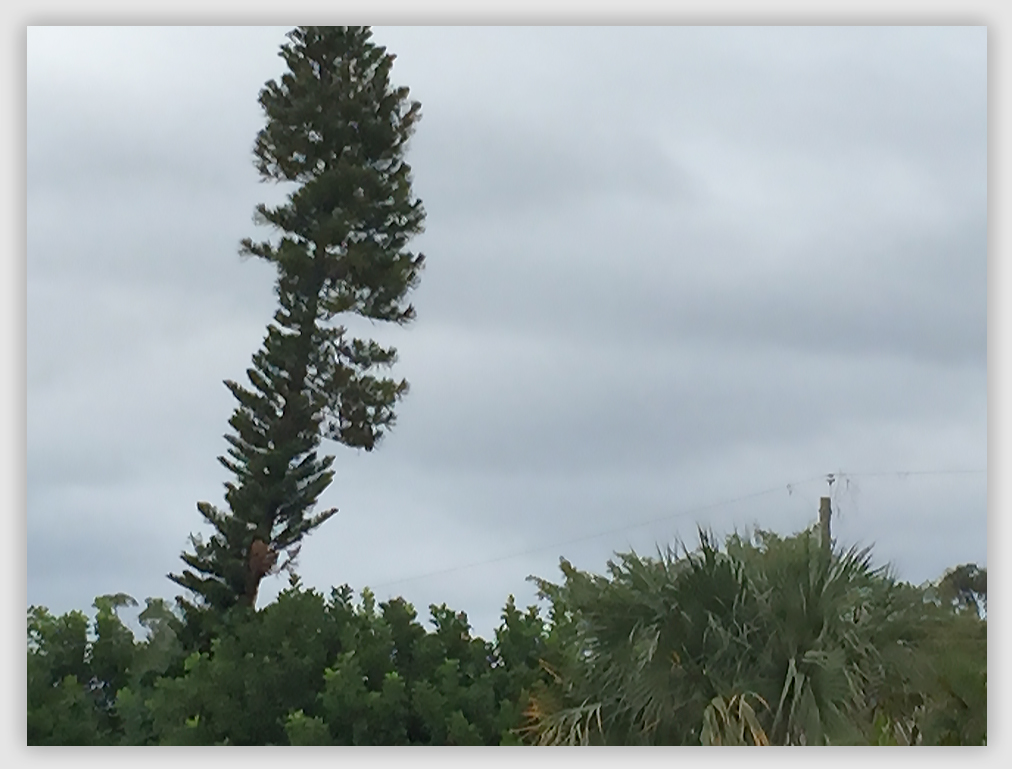
Darryl Raulerson is concerned. Every time he walks in his backyard in St. Petersburg, he sees a tree scraping against the Duke Energy power lines. He thinks to himself, it’s only a matter of time. “When we get a bad storm or something, it’s going to come down and obviously take down the lines with it,” said Raulerson. “It’s been leaning like this for quite some time… It’s getting to the point right now where I’m getting worried with it.” So Raulerson called Duke Energy. Duke sent out a crew and workers told him the tree was fine. There was nothing to be worried about. Raulerson followed up and called Duke back and felt like he was getting blown off. “It sounded to me like he just didn’t care. He just wanted to talk to me on the phone and get me off the phone,” said Raulerson. “That’s that.” So he called 8 On Your Side. News Channel 8’s Chip Osowski called Duke Energy and the company issued this statement, saying in part, another crew will come back out to his home and reevaluate the situation: “The safety of our customers and line workers is a top priority for Duke Energy. We received the customer’s complaint on Nov. 3 and visited this morning (Nov. 13) to investigate, within our 10 business day timeline for non-immediate concerns. A vegetation management coordinator, who is also a certified arborist, inspected the tree that is located on a nearby neighbor’s property and also reviewed additional spans of power lines in the general area. Through a visual inspection from the ground, the coordinator found there to be no structural defects or damage that would cause an immediate threat to our lines. As such, it currently meets our reliability and safety specifications…
They’re here on business. Urban foresters Mark Bays and Riley Coy walk the paths at Will Rogers Park in search of a couple of big elms they heard about. “First, you have to go up and hug the tree,” smiles Bays, the Oklahoma Urban Forestry Coordinator. Together, they measure diameter, crown spread, and height. Their efforts provide a tiny sliver of a new and much larger picture. “You can imagine all the trees and whatever size they are,” Bays says. The Oklahoma Forestry Service, the Association of Central Oklahoma Governments, and the Oklahoma City Community Foundation got together for a first-of-its-kind survey of trees across more than 500 square miles of the metro. They used satellites and thousands of tiny plots to get a picture of more than just fall colors. Bays explains, “We see that it’s a mosaic of trees. It’s open space and prairie grass and woodlands…”
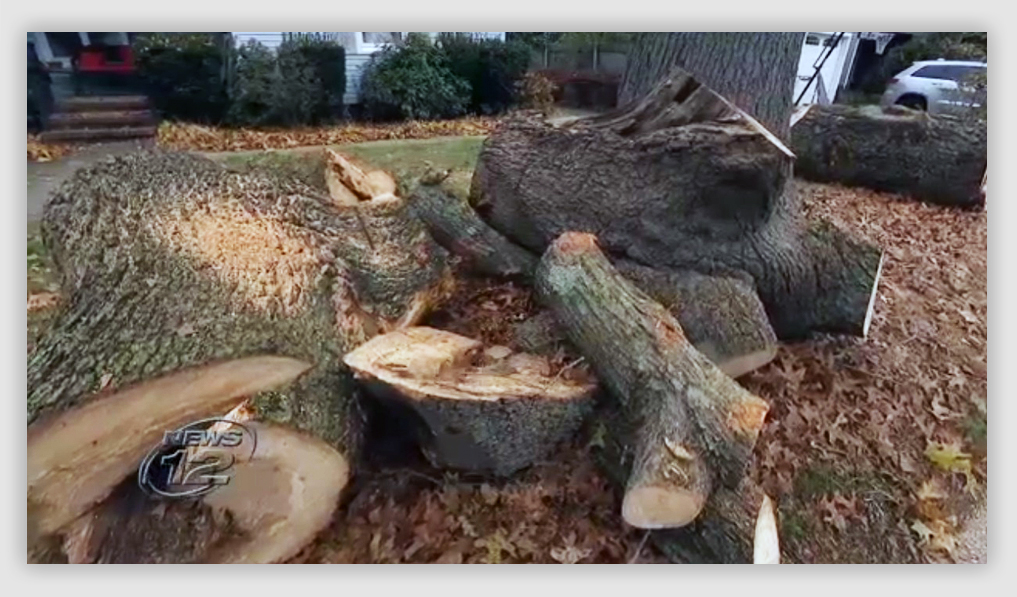
An 85-year-old woman says she was essential trapped in her home after PSEG Long Island trimmed a tree outside her house. Alice Cammiso, of Merrick, says she called a landscaper for an estimate to remove a 90-foot-tall tree. She says the landscaper told her first to call PSEG Long Island and have them trim the tree around the wires first. Cammiso says the crew showed up unannounced Monday morning and they ended up taking off the whole top of the tree. News 12 is told the mess blocked off the driveway and Cammiso’s daughter, Wendy Camestro, says that there was wood piled up to the top of her porch. She says Cammiso was unable to get out of her house due to the mess. Cammiso and Camestro say it took several calls to PSEG Long Island and some local officials, but PSEG Long Island did send a crew to cart away most of the mess. Prior to PSEG Long Island coming to the house to trim the tree, Cammiso signed an agreement with the utility that says in part, “In order that I may remove the tree safely, I authorize PSEG’s contractor to trim clearance to the conductors. I understand it is my responsibility to dispose of the brush and wood that results from the contractor’s trimming…”
Two teens have been indicted on murder charges Tuesday in connection with the death of a photographer who was struck and killed by a large tree branch in early September in Hocking Hills, according to reports. WCMH Channel 4 reports Jaden Churchheus, 16, and Jordan Buckley, 16, are charged with murder, aggravated murder, and reckless homicide. They are being charged as adults after being arrested in early October. Both are accused of pushing a 74-pound log off of a cliff that struck and killed Victoria Schafer, 44, as she took photos near Old Man’s Cave in Hocking Hills State Park on Sept. 2. Initial reports indicated Schafer had been killed by a falling branch. But officials with the Ohio Department of Natural Resources say they began investigating the two teens after receiving information that they might be involved in Schafer’s death. Investigators with the Hocking County Sheriff’s Department obtained a confession from the two teens about their involvement in Schafer’s death, according to reports. Schafer reportedly was taking senior photos of six high school seniors when the incident occurred…
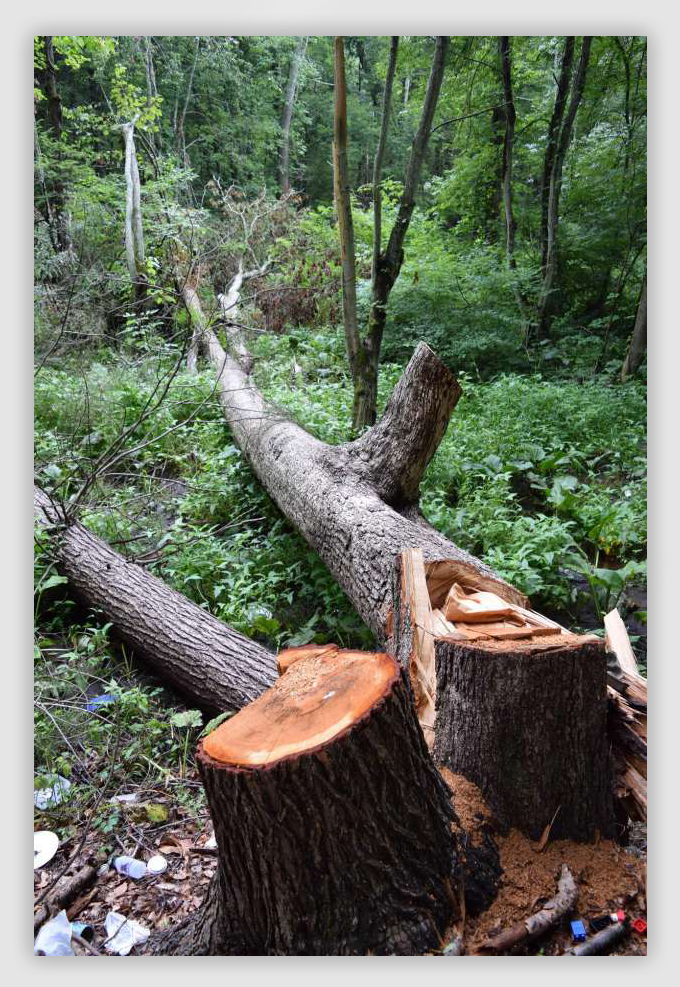
The man who chainsawed the historic “Door Tree” in Hamden was granted a supervised diversionary program Tuesday in Superior Court, enabling him to avoid jail time and have the charges dismissed in two years if he complies with the program’s conditions. Curtis Pardee, 64, of Adeline Street in New Haven, apologized to the people of Hamden during the court session but not to his brother, David, who was known as “Mr. Door Tree” because of his love for the 200-year-old white oak with a doorway-like arch. Pardee told Regional Water Authority police he destroyed the tree because he hates his brother. Superior Court Judge Thomas V. O’Keefe Jr. noted the tree “meant a lot to a lot of people, including the defendant’s brother.” O’Keefe also spoke about his own love of trees, including a pine tree and an apple tree that had stood in his front yard. O’Keefe acknowledged some people might be upset with his granting the request by Pardee’s attorney Frank Riccio that Pardee enter the program rather than serve time in prison. But O’Keefe said, “It’s the right thing to do.” O’Keefe noted Pardee “has struggled with mental health issues his whole life. This program will be good for him and everybody else. It will help him deal with his illness…”
Resilience, November 12, 2019: Trees in the Field: Taking Farming to a New Dimension
Stephen Briggs scans the horizon where dark clouds are looming. He finished the grain harvest the day before, but the straw still needs to be baled and he’s not keen on rain just yet. But it does look as if a thunderstorm is heading our way, the wind has picked up and suddenly drives a cloud of dust towards us – it’s the soil from a neighbour’s field that has just been ploughed, explains Briggs. “Look at that,” he says, “that’s why I have planted all those trees.” Whitehall Farm lies just south of Peterborough; the land here is flat and the soil fertile. In 2007, Stephen Briggs and his wife Lynn were chosen from out of 85 applicants to be the new tenants of this 102 hectare Cambridgeshire County Council farm. Normally a tenancy is up for renewal every three years, not a good option for the Briggs who wanted to switch to an organic farming system. However, the landlord got behind the idea and granted them a 15-year tenancy, which has just been renewed for another 15 years. Neither Stephen nor Lynn Briggs come from farm families. Stephen’s background is in engineering. When he found out he didn’t particularly like his job in the car industry, he decided to retrain. He studied agriculture, did a Master’s degree in soil science and eventually used his Nuffield scholarship to research agroforestry. Lynn, too, is a soil scientist…

Sudden Oak Death (SOD), a deadly disease for oak trees, is on the rise in California. According to a survey conducted by UC Berkeley scientists, the number of infected trees has almost doubled since 2018. Matteo Garbelotto, the director of the UC Berkeley Forest Pathology and Mycology Laboratory, has been involved in conducting the survey of 14 California counties (stretching from Humboldt to Monterey) for the past 12 years. This year, two aspects of the results stood out to him. “We found this year the most sharp increase ever in the number of trees affected,” said Garbelotto. However, this was expected due to the wet winters we’ve had in California for the past two years — the spores spread faster with significant rainfall. What was really unexpected was the scope of where they were finding the outbreaks. “I saw a lot of outbreaks that we had seen before in the 12 years of our program, but I saw all the outbreaks being expressed at once this year,” he said. In previous years, some outbreaks would decrease while others would flare up — this year, every outbreak flared up. “This patterns shows me that the organism has really spread into the ecosystem of Coastal California. Now it’s already established everywhere, and it flares up when the weather is favorable… “
One hundred miles from his Central Avenue bakery, Manolo Betancur pulls into the parking lot of a Latino grocery store in Sparta, a little mountain town where Christmas grows all year. He’s been traveling from Charlotte to the North Carolina hills weekly for nearly a decade, delivering fresh bread to the migrant workers who harvest Fraser firs and make wreaths you see in Walmart or Publix. Next door to the grocery is a bank. Recently a divider rose between the two parking lots. “They didn’t like all of the Latinos pulling in here and they put this fence here,” Manolo says. “But man, if it weren’t for all of these immigrants, this industry wouldn’t exist. There’s not enough hands.” He opens the back hatch and starts to unload long, plastic containers of pastries, bread, and donuts. Inside the store, customers can purchase everything from wallets to bananas to cowboy boots to a kids’ drum set for $39.99. The owner, Rosalba Caro… smiles and waves. She’s known Manolo since he dropped in one day in 2009 and asked her to try his food. She liked it and ordered some, then more, and now it’s 10 years later… This is Sparta’s busiest season. North Carolina ranks second in the United States for number of Christmas trees harvested each year. We’ll soon be number one, probably. Oregon, long the nation’s leader, has seen its production drop more than 25 percent since 2012, from 6.5 million trees to 4.7 million. North Carolina remained steady, though — 4 million trees in 2017 compared to 4.3 million in 2012. Fraser firs take seven to eight years to grow, and some struggling farms stopped planting after the 2008 financial collapse. That means in 2019 the tree-growing business is only beginning to emerge from the downturn…
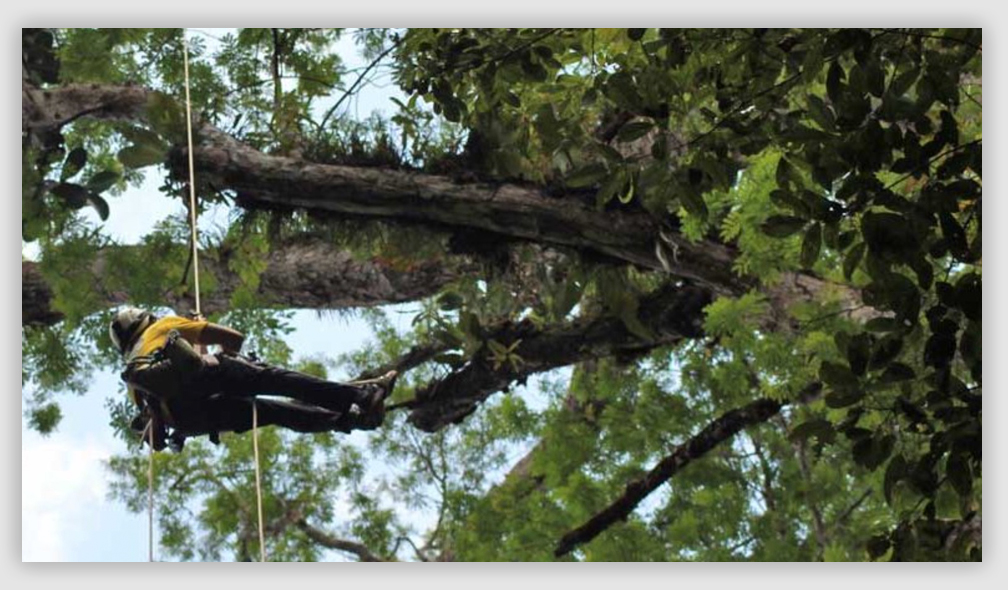 Mongabay.com, November 11, 2019: LIDAR technology leads Brazilian team to 30 story tall Amazon tree
A combination of scientific curiosity and chance has led a research team that was creating a detailed forest biomass map of the Brazilian Amazon to a unique discovery: a tall tree for the record books. An individual red angelim (Dinizia excelsa Ducke), discovered in a remote area on the border of Pará and Amapá states, is 88.5 meters (more than 290 feet) tall — the equivalent of a 30 story building. It is the tallest canopy tree ever found in the region, which averages tree heights of 45 meters (147 feet). The discovery, news of which was first published this August in Frontiers in Ecology and the Environment, occurred while INPE (the National Institute for Space Research) was working on the map — meant to improve Amazon biomass estimation methods, and to enhance carbon emission estimation models due to land use change. Biomass mapping provides one means for calculating and verifying how much carbon dioxide a country emits due to soil changes brought by land use modification. “As a signatory to climate agreements, Brazil is committed to producing carbon emissions and sequestration reports. A biomass map… [tells] how much carbon is stored in a certain area, and how much is emitted in the event of a fire or deforestation, for instance,” Eric Bastos Gorgens told Mongabay; he is a researcher at the Federal University of the Jequitinhonha and Mucuri Valleys (UFVJM) and member of the INPE biomass project team…
An elderly Hawaii man died after falling into a 22 feet-deep lava tube in his yard, police said. Lava tubes are natural underground channels that allow lava to pass beneath the surface of a lava flow—sometimes miles from the eruption site. After the lava drains away, it can leave behind massive caves under the earth. Police arrived Monday at the elderly man’s home in Hilo in response to reports that he “had not been seen or heard from in several days,” according to a police statement Wednesday. Police found that he had fallen through “a soft area of ground into a lava tube on his property.” Police Maj. Robert Wagner told news outlet Big Island Now that the victim appeared to be “trimming some branches in his yard” before the incident occurred…

Planting trees around landscapes near factories and other pollution sources, is found to cut down air pollution by 27 per cent, a more viable and cheaper option than using technology. The study published in the journal Environmental Science & Technology, highlighted that it is the plants and not technologies for cleaning the air near a number of industrial sites, roadways, power plants, commercial boilers and oil and gas drilling sites, that too in cheaper ways. In fact, researchers found that in 75 per cent of the counties analyzed, it was cheaper to use plants to mitigate air pollution than it was to add technological interventions – things like smokestack scrubbers – to the sources of pollution. ‘The fact is that traditionally, especially as engineers, we don’t think about nature; we just focus on putting technology into everything, said lead author Bhavik Bakshi, professor of chemical and biomolecular engineering at The Ohio State University. ‘And so, one key finding is that we need to start looking at nature and learning from it and respecting it…
Denver, Colorado, KCNC-TV, November 6, 2019: Get Your Permit To Cut Down Your Own Christmas Tree
Christmas tree cutting permits for the Arapaho and Roosevelt National Forests are available now online through the U.S. Forest Service. Permits are $20 per tree. Households are allowed to cut up to five trees. The Denver/Front Range Christmas Tree Cutting areas are within the shortest driving distances from several cities along the Front Range, including Ft. Collins, Denver and Colorado Springs, CO. The Denver/Front Range Christmas Tree Cutting areas are within Arapaho & Roosevelt National Forests, Pike National Forest and the White River National Forest…
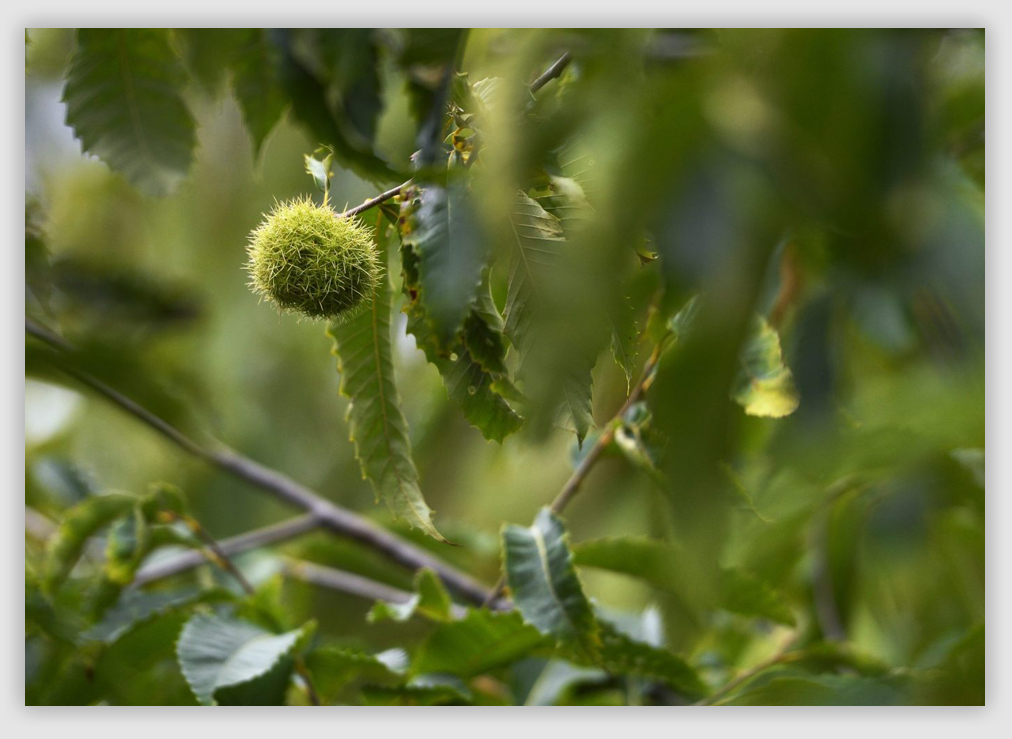
Chestnuts harvested from high branches on a chilly fall morning look typical: they’re marble sized, russet colored and nestled in prickly burs. But many are like no other nuts in nature. In a feat of genetic engineering, about half the chestnuts collected at this college experiment station feature a gene that provides resistance to blight that virtually wiped out the American chestnut tree generations ago. Researchers at New York state’s College of Environmental Science and Forestry will soon seek federal clearance to distribute thousands of modified trees as part of a restoration effort — a closely-watched move that could expand the frontier for genetically engineered plants beyond farms and into forests. The precedent-setting case adds urgency to a question scientists have already been grappling with: Should genetic engineering be used in the wild to help save or restore trees? Opponents warn of starting “a massive and irreversible experiment” in a highly complex ecosystem. Proponents see a technology already ubiquitous in the supermarket that could help save forests besieged by invasive pests…
Plenty of Atlantans spend time on highways, speeding or inching or swerving along. But many people spend a lot of time near the highways, too: at their homes, schools or workplaces. And that’s not great for their health. In addition to greenhouse gases that cause climate change, car and truck emissions have been linked to heart and lung problems. So a Georgia State University public health professor is studying how effectively trees can help filter out some of that pollution…
 Yahoo News, November 4, 2019: Study: Alien grasses are making more frequent US wildfires
For much of the United States, invasive grass species are making wildfires more frequent, especially in fire-prone California, a new study finds. Twelve non-native species act as “little arsonist grasses,” said study co-author Bethany Bradley, a University of Massachusetts professor of environmental conservation. Wherever the common Mediterranean grass invades, including California’s southern desert, fires flare up three times more often. And cheatgrass , which covers about one-third of the Intermountain West, is a big-time fire promoter, Bradley said. “I would not be surprised at all if invasive grasses are playing a role in the current fires but I don’t think we can attribute to them directly,” Bradley said. University of Utah fire expert Phil Dennison, who wasn’t part of the study but says it makes sense, said, “In a lot of ways, California was ground zero for invasive grasses. Much of California’s native perennial grassland was replaced by Mediterranean annual grasses over a century ago. This study doesn’t look at invasive grasses in the areas that are burning in California, but invasive grasses are contributing to the fires there…”
London, UK, Independent, October 28, 2019: Amazon deforestation could be stopped by ‘miracle tree’
Amid devastating wildfires and clearances for agricultural land in the Amazon, a tree species that can help keep soil fertile could provide a sliver of optimism for the grave situation in the rainforest. The inga tree – also known as the ice cream bean tree – can not only grow on the very poor soil left by destructive slash and burn land clearing, but can ultimately improve the soil and make it fertile enough for other species to return. Meanwhile, the beans can be sold by farmers, leaves from the trees can be fed to cattle, and they can be coppiced to create firewood – giving people several reasons to invest in growing them…
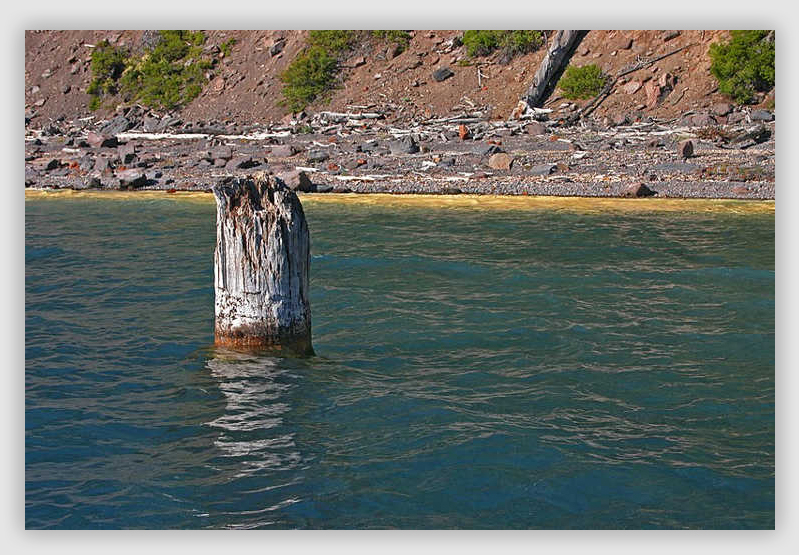
A floating tree stump known as the “Old Man of the Lake” has been bobbing in the blue water of Oregon’s Crater Lake for at least 120 years, baffling scientists with its upright orientation and allegedly even controlling the local weather. The first account of the Old Man of the Lake dates back to 1896, when geologist and explorer Joseph Diller described a splintered and bleached white log floating vertically in Crater Lake. Five years later, Diller observed that the unusual log had moved 400 meters from the location it had originally been spotted at. Further research would show that the Old Man of the Lake is able to move more than four miles in just one day, despite lacking any apparent means of propulsion. How it’s able to do that is still a mystery, but it’s only one of many. Carbon dating suggests that the Old Man of the Lake is at least 450 years old, at least 120 of which it spent bobbing in the water of Crater Lake, the deepest lake in the United States, and the ninth deepest in the world. Experts believed the log, most likely a hemlock, wound up in the water following a landslide, but as to why it remained upright instead of floating horizontally, no one has a definitive answer. The laws of physics state that a floating object of uniform density will always have its center of mass as being higher than its center of buoyancy, which is why tree logs float horizontally, but the Old Man of the Lake is different. Despite being 9-meters-long, with a diameter of about 61 cm, it’s been bobbing vertically for the last 120 years…
Ranch manager Farron Sultemeier calls the mesquite a blessing and a curse. The San Antonio Express-News reports this most iconic of Texas trees is a blessing because the beans provide late summer feed for cattle and wildlife, as well as being a welcome shelter and shade from the burning sun. And the curse? Mesquite spreads ridiculously fast and is almost unstoppably invasive. “They’ve got such a deep root system that if you cut one down, it grows back stronger and more fiercely,” said Sultemeier, who manages ranches in Uvalde, Kendall, Mason and Gillespie counties. “Given the chance, they can get so thick they cut off grazing land.” Texas mesquites also produce thorns sharp enough to injure livestock and puncture a car tire. And they grow so gnarly and twisted, the wood is virtually useless for anything other than the outdoor pit where it imparts a bold smokiness to meat — a signature of Texas barbecue. But that soon may change with two new and improved mesquite trees developed by California-based Altman Plants, which operates a sprawling, 500-acre wholesale nursery on the far West Side. These experimental trees — only about 2,000 exist so far — grow erect, spineless and fast, while still being able to survive and thrive the in harsh, semi-arid climate of South Texas. Altman Plants recently shipped about 150 of its two experimental hybrids — dubbed Mojave and Sonoran — from California to the San Antonio nursery where they’ll be propagated. Specimens should be available for purchase within a year. These trees grew from seeds resulting from the cross pollination of two patented parents, one a rare and thornless Texas mesquite, the other a cold-hardy mesquite from Argentina that also was thornless…
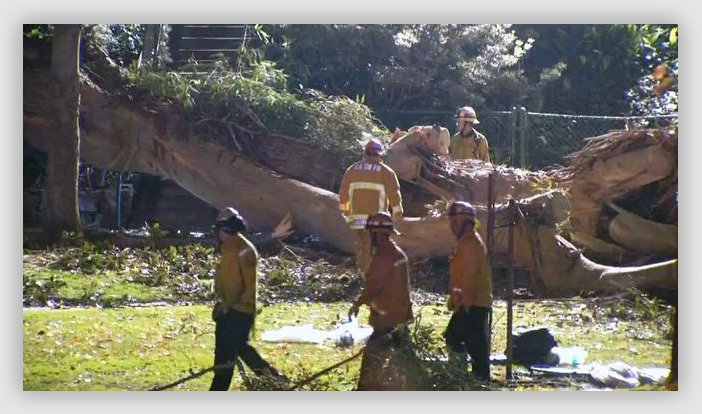
Family members of a 61-year-old woman fatally hit by a falling 80-foot tree at her daughter’s 2016 wedding party in Whittier can take their lawsuit against the city to trial, a second judge has ruled. Norwalk Superior Court Judge Margaret Miller Bernal issued her ruling Wednesday. Judge Kristin S. Escalante handed down a similar ruling May 17, but the city submitted a second dismissal motion June 14, stating in its court papers that they contained facts that “arise from new circumstances and new evidence that the city was not previously able to raise regarding the location of the subject tree in an unimproved area of Penn Park.” Neither a public entity nor a public employee is liable for an injury caused by a natural condition of any unimproved public property, the city argued in its court papers. But lawyers for the relatives of the late Margarita Mojarro maintained in their court papers that the area in which the tree was located was “clearly improved, developed and actively maintained” by the city and its tree-care company. “This isn’t even a close call,” the plaintiffs’ attorneys stated in their court papers…
Columbia, Missouri, Daily Herald, October 31, 2019: Protester continues freezing vigil in tree
A nature activist said her resolve has grown stronger as she began day four of a sit-in protest against the use of eminent domain for a pedestrian trail. Following a night of temperatures in the 20s with snow and freezing rain, It’s Our Wild Nature chairperson Sutu Forte early Thursday remained in her tent pitched on a platform about 20 feet up in a Red Oak standing in the path of the proposed Shepherd to Rollins Trail. She remains committed to staying there until the city halts plans for a paved trail through the group’s property, she said. “I was told yesterday (Wednesday) by a number of old friends, you have to come down, this is wrong, it’s not going to help the cause,” Forte said. “I said I appreciate your concern, but I know what I’m doing. I will be here until I am physically removed. I have to. I promised the forest. These trees are more important than me and not many people were taking them seriously until now.” Mayor Brian Treece on Thursday praised Forte, a Juilliard graduate and accomplished pianist, for years of performing for the benefit of the community. City officials and many others are concerned for her safety as she sleeps outside in below-freezing temperatures, he added…
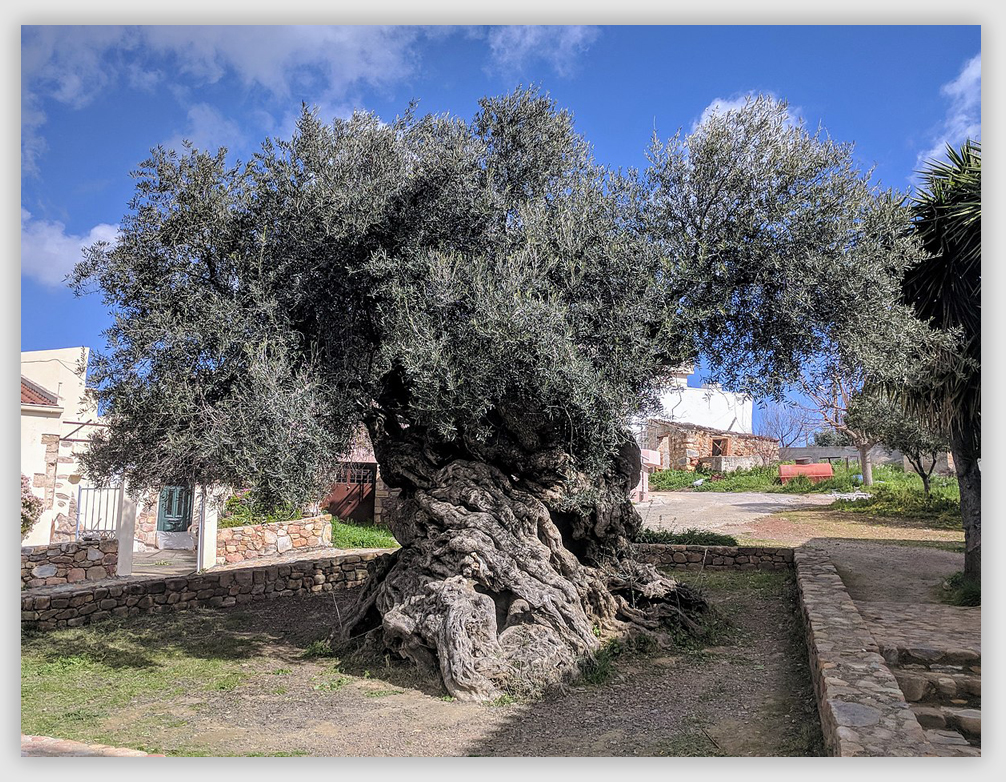 Euactiv.com, October 31, 2019: New scientific research offers hope for overcoming olive tree killer
A number of promising results from innovative EU funded research presented at a recent scientific conference suggest that we might be one step closer to beating the olive tree killer Xylella fastidiosa. The conference, which was held in Corsica and involved around 350 plant health specialists from around the world, focused on ways in which science can help find solutions to the plant pest that is wreaking havoc across Europe. Xylella fastidiosa is a bacterial disease which is decimating olive groves across Europe. First detected in Italy in 2013, it started to spread rapidly across Southern Europe. It has now been identified in France and Spain, where the area currently affected by the disease amounts to more than 134.000 hectares since October 2016. Some of the developments presented at the conference involved the innovative use of technology for monitoring the spread of this disease. The latest advancements from European research projects working on Xylella included the final results from the Horizon 2020 Pest Organisms Threatening Europe (POnTE) Project, a four-year project designed to protect Europe from emerging pests…
Chicago, Illinois, Sun-Times, October 31, 2019: Report: Poor planning makes tree trimming costly
Chicago is trimming fewer trees at a higher cost because city crews rely on 311 requests, instead of proactively using a grid system to trim trees on a regular basis, Inspector General Joe Ferguson concluded Wednesday. Ten years ago, a consultant hired by the Department of Streets and Sanitation concluded that switching to a grid system — already used for garbage collection and graffiti removal — could reduce travel times by 35 percent, cut costs by 60 percent and increase the daily productivity of tree trimming crews by a whopping 147 percent. That would reduce a “significant backlog” that has forced parts of the city to wait ten years for tree trimming services. On Wednesday, Ferguson chided the Department of Streets and Sanitation for ignoring the Monitor Group’s “overwhelming findings in favor of a grid-based approach” and continuing to trim trees only in response to 311 requests…
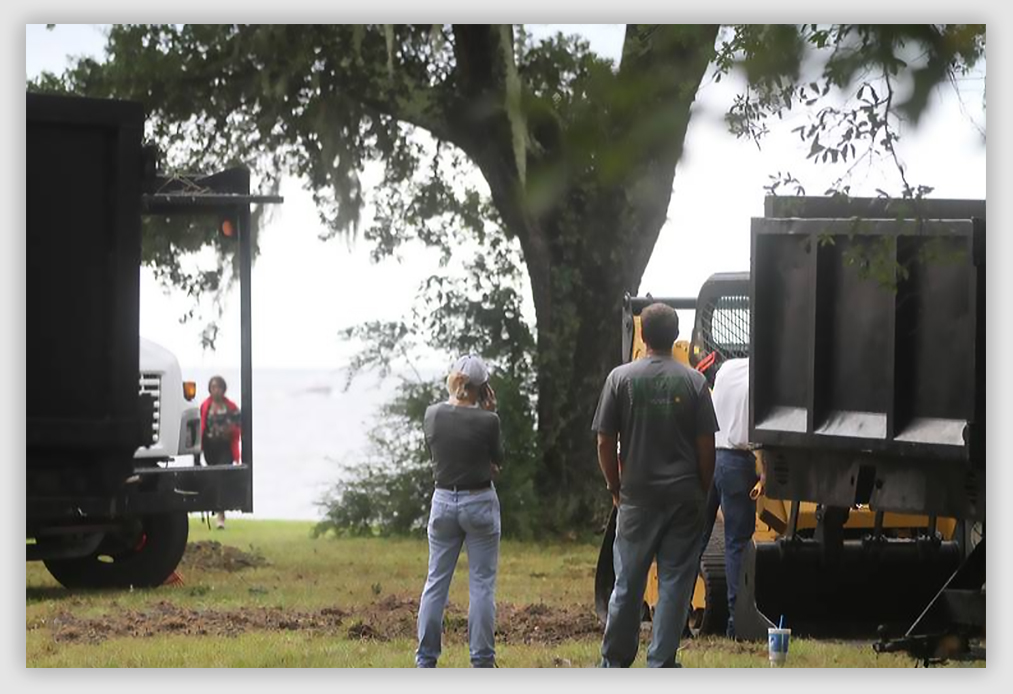
With removal crews in place Wednesday morning, the demolition of three Live oaks on a Front Beach property was suddenly halted. A stop-work order was filed by the City of Ocean Springs after crews were ready to cut down the trees as early as 7:30 a.m. Workers told the Sun Herald that they had received the permit to work that morning, but were quickly stopped and left around 9:30 a.m. to move on to other jobs. The Sun Herald was there Wednesday morning when tree-removal crews covered the property. They were accompanied by neighbors, representatives from the city and police who said they were “there to maintain the peace.” Jaklyn Wrigley, a local lawyer who lives across the street and has been fighting the trees’ removal, told the Sun Herald she got a phone call about the crews early Wednesday morning. “Fortunately, the City quickly put a ‘stop work’ order in place, and the crews ceased their efforts to remove the trees,” she said. “They were not successful in removing the trees this morning.” Wrigley said a new injunction is being finalized and will be filed later today. The first injunction was filed in Jackson Circuit Court October 28 against the original property owners Julius and John Frank Bosco, but they learned after Tuesday’s meeting that ownership has now transferred to Debra Littlepage…
PG&E revealed Wednesday crews found 118 instances of damage that could have started fires on its lines from wind and tree branches during the Oct. 9 power shutoff. The utility said 74 lines were damaged by vegetation. Officials say that includes 44 instances that would have likely caused arcing, or a spark, if the lines were energized. PG&E also said during patrols, crews identified vegetation issues that pre-dated the Oct. 9 PSPS, which were not included in the filing Wednesday. All of the instances of vegetation damage that PG&E believes would have caused arching can be found here. According to PG&E, some of the locations where the 44 instances of damage occurred had not been inspected for over a year. The utility identified an additional 41 instances of damage that appeared to be caused by wind or extreme fire conditions, causing a broken tie wire. PG&E said 12 of those instances would have caused arcing…
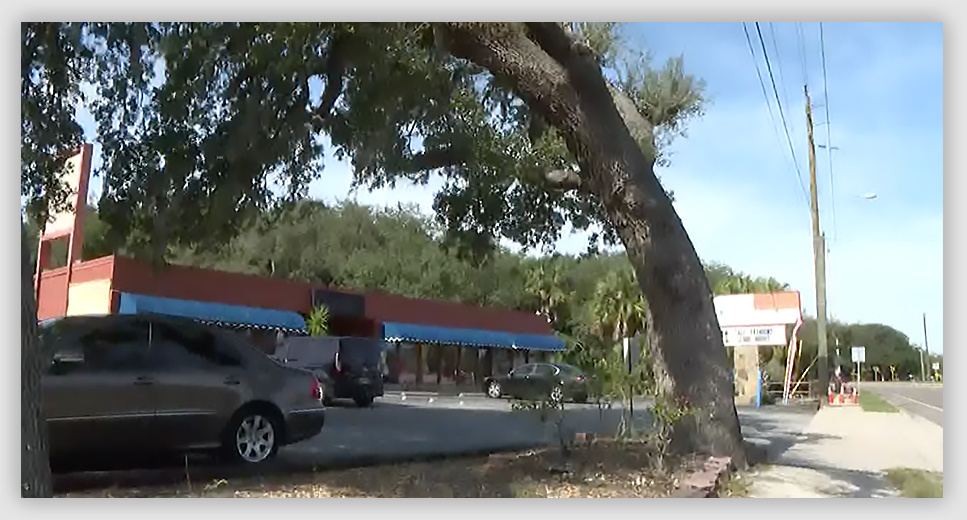
“It’s majestic,” Matt Cafiso said as he pointed to the live oak tree in front of his St. Augustine business, Christe Blue. Tuesday, he saw a road crew on Anastasia Boulevard by his property. “They started ripping up the sidewalk here,” he said. It’s part of a Florida Department of Transportation routine sidewalk maintenance project. He asked one of the crewmen about the project and eventually, “he says, ‘We’re going to have to pull your down your tree.'” Cafiso was stunned. “It caught me off guard a little,” he said. “It’s a healthy tree. He told me, ‘It’s causing the sidewalk to buckle over there.’ And I said, ‘It’s a beautiful, old tree. And with everything going on in this town, with all the growing and building so quickly, why would we tear down a beautiful tree like that?'” So Cafiso called the Florida Department of Transportation. He also looked at his land map, and he believes the tree is on his property. ‘I’m just trying to find out what’s going on,” Cafiso said. “So I won’t be surprised and find people cutting down the tree one day.” DOT supervisors visited Cafiso Wednesday. They said they won’t take down the tree… for now. But they say they will have to address the issue later on. Cafiso is skeptical, and he worries the state will take the tree down eventually…
Houston, Texas, Chronicle, October 30, 2019: What is ball moss doing to your tree?
Over the years, readers have asked about ball moss when they’ve spotted the gray-green spiky tufts perched on the branches of live oaks, crape myrtles, vitex and other trees. What is it, and will it harm trees? Ball moss (Tillandsia recurvata), an epiphytic bromeliad, is a flowering, seed-producing air plant. Like the related Spanish moss, it’s not a true moss. Yes, experts tell us ball moss is not a parasite that feeds on trees, rather it uses branches for support while absorbing water and nutrients from the air. I’ve heard no one quibble with this, and I’m convinced because the clumps also live clinging with their pseudo-roots or holdfasts to nonliving structures, including utility lines and screens…
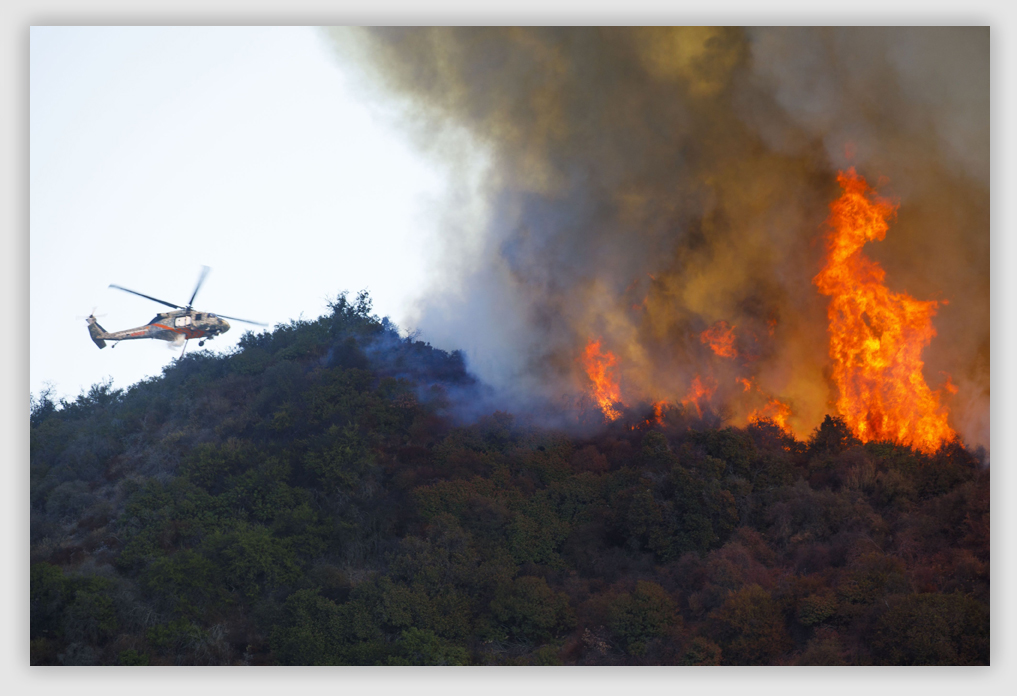
Sparks from power lines, after they were hit by a tree branch, may have ignited the Getty fire, Los Angeles city officials said Tuesday afternoon, Oct. 29. Investigators are looking into whether a dried eucalyptus tree branch found hanging from a telecommunications line underneath LADWP power lines was the cause of the fire that broke out early Monday, Oct. 28, near the 405 Freeway, according to a statement from the utility. The branch, which hung near the origin of the blaze near 1901 N. Sepulveda Blvd., is thought to have caused sparks in the power lines that ignited nearby brush, officials said. Mayor Eric Garcetti also informed reporters Tuesday afternoon of the results of the city’s preliminary investigation. “This was simply put an act of God,” Garcetti said. A motorist’s dash cam also caught the initial spark, officials said…
Houston, Texas, Chronicle, October 29, 2019: Value of trees disputed in land condemnation in Katy
Three Fort Bend County property owners met Monday, Oct. 21, as members of a Special Commission appointed by Fort Bend Count-Court at Law 3 to conduct a hearing after which they awarded $44,000 in damages to a Katy man in a condemnation lawsuit filed against him by the North Fort Bend Water Authority. Mark L. Merrell, attorney for the NFBWA, filed the civil lawsuit in July stating that the authority needed a 20-foot wide permanent easement along the front of five acres owned by Robert Fontenot on Roesner Road “to acquire, establish, develop and construct pump station facilities, ground storage facilities and water line facilities for the transportation and delivery of water.” The water authority is working to meet state standards to switch from groundwater to surface water to reduce subsidence. That effort includes the Luce Bayou Inter Basin Transfer Project which involves the transfer of water from the Trinity River to Lake Houston. That surface water will be treated by the city of Houston Northeast Water Purification Plant, which is under expansion. North Fort Bend Water Authority is partnering with the West Harris County Regional Water Authority to build a surface water supply project that would bring that surface water from the plant to West Harris County and North Fort Bend. From there, transmission lines — such as that proposed across Fontenot’s property — would be built to serve water customers…
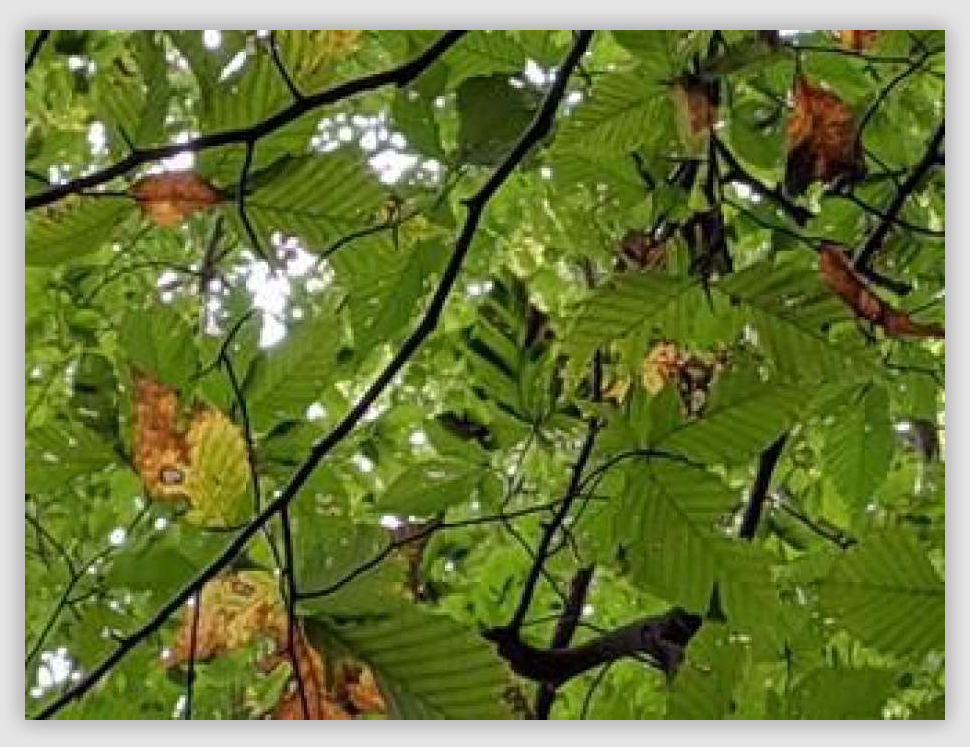 Laredo, Texas, Morning Times, October 30, 2019: CT beech trees affected by new pest
Scientists from the Connecticut Agricultural Experiment Station have identified beech leaf disease on American beeches at three locations in Greenwich, New Canaan, and Stamford. This disease, which can kill trees within seven years of detection, was first discovered in 2012 in Ohio, and later found in Pennsylvania, western New York, and Ontario, Canada. With surveys underway to assess the extent of the disease in Connecticut, the disease appears to be limited to Greenwich, New Canaan, and Stamford. The disease is caused by a nematode, Litylenchus crenatae, a type of roundworm, subspecies mccannii. Symptomatic leaves tested positive in July. The nematode appears to cause disease only on American (F. grandifolia) and European beeches (F. sylvatica). The symptoms on beech foliage, best observed from below looking up into the canopy, are characterized by dark striping between leaf veins. How the disease develops, is spread, and how it may be controlled are the subjects of ongoing studies…
The battle for the fate of three Live oak trees turned the city hall boardroom into a courtroom for more than four hours Tuesday. At a special meeting, the Board of Aldermen voted 5-2 to deny the appeal of the Tree Committee’s decision in June allowing the removal of three Live oaks at 209 Front Beach Drive. That means the trees can be cut down. Aldermen Robert Blackman and Michael Impey voted in favor of the appeal. It’s a saga that’s been going on since February, and both sides were presented in front of a packed board room. One side, led by Chief Justice of Mississippi’s Supreme Court Mike Randolph who owns property next door to the home, believes the trees should be saved. Randolph brought before the board multiple “expert witnesses” including an arborist, community members, lawyers and multiple architects…
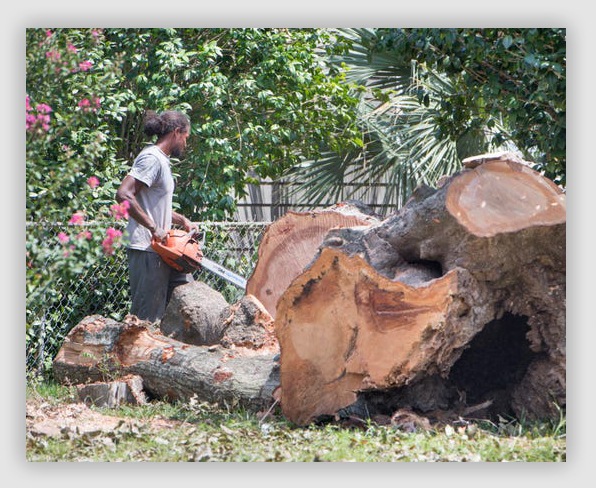
The city of Pensacola already has much stronger tree protections than Escambia County, but Councilwoman Sherri Myers is concerned it’s not enough. So Myers asked her appointee on the city planning board, Laurie Murphy, to put forward a proposal to strengthen the city’s tree protection ordinance. Murphy, who is also executive director of Emerald Coastkeepers, presented her proposal Thursday to the city planning board. “There’s been a lot of clear cutting,” Murphy said. “We don’t have a lot of canopy left.” Myers said she believes a change is needed because lots are continuing to be clear cut for new developments. “What concerns me is we’re not preserving trees that could be preserved, and we’re not incentivizing business (to preserve trees),” Myers said. The proposal redefines protected “heritage trees” from trees with a diameter of 34 inches to trees with a diameter of 12 inches. It also expands the list of protected tree species to include longleaf pine trees. In addition, the proposal increases the number and size of trees that must be replanted if a protected tree is to be removed…
Shipments of oyster-shell shaped insects are being brought to Missouri on nursery trees. Unfortunately, instead of a pearl, an exotic, plant-thirsty, armored scale called the Japanese Maple Scale (Lopholeucaspis japonica) resides underneath the protective waxy covering. They can be hard to spot since outwardly they don’t look like an insect at all. Lacking the typical traits of six legs, wings and wiggly antennae, they are a motionless, legless bead that attaches onto the trunk and branches. Looking at a single scale – it doesn’t appear that they possess the capacity to create a nuisance, but they are continuously feeding on the plant’s nutrients that flows just beneath the bark with their piercing sucking mouthparts. Strength in numbers make this minute insect a formidable pest that will instigate twig and branch dieback, thinning canopy, and a gradual decline in the health of trees and shrubs. Unlike its name, Japanese Maple Scale (JMS) feeds on more than just the Japanese maple. In fact, they are not picky eaters as the scale’s known host range includes trees and shrubs in more than 45 genera in 27 families. It infests many of the most common nursery and landscape plants in Missouri including red maple, lilac, dogwood, redbud, pear, crabapple, cherry, magnolia, hornbeam, honey locust, stone fruits, birch and broadleaf evergreens like holly and firethorn. It initially arrived on the east coast, but is rapidly expanding its range with the help of infested nursery stock. JMS was first observed in Missouri in 2013 on some hornbeams that were direct shipped to St. Louis from a nursery in Tennessee. However, it is being found more commonly in nurseries all over the state as many more shipments of infested plants are being received. Missouri Department of Agriculture inspectors look for and stop sale infested plants, but you should be on the lookout for this pest as well. Japanese Maple Scales’ wide host range is not the only challenge of this emerging pest. Since armored scales are typically small and blend well with the plant bark, they are frequently overlooked. Because of this, scouting for the pest is an essential step to spot the scale when the population is low…
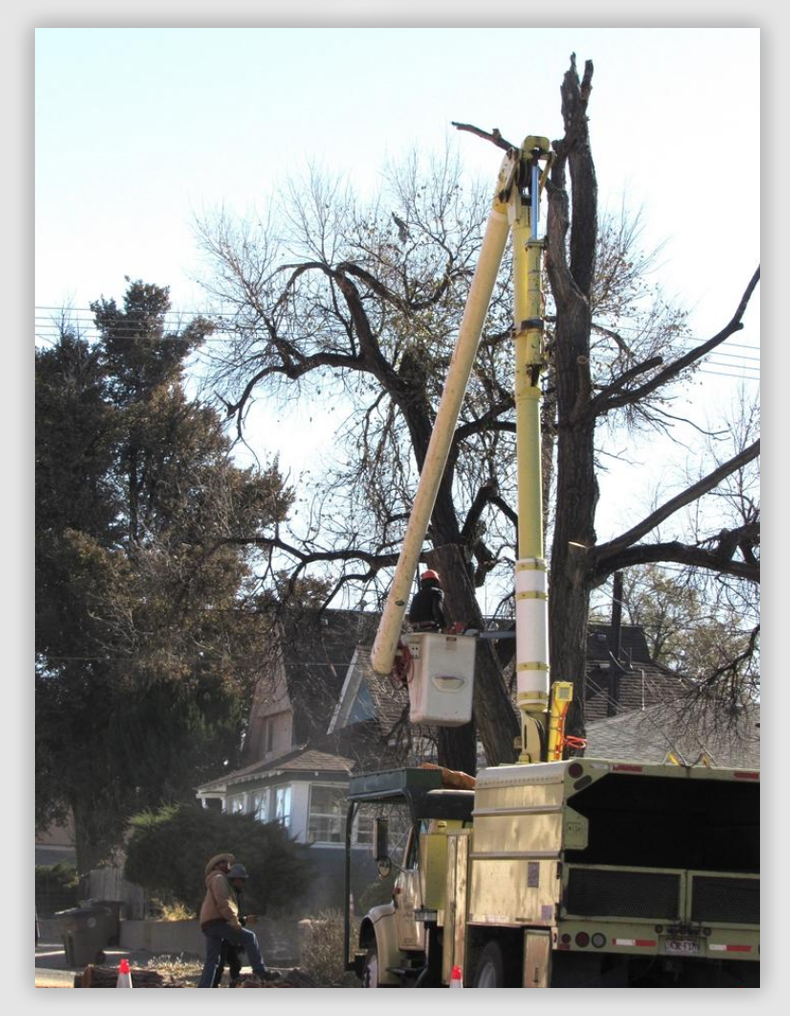 La Junta, Colorado, Tribune Democrat, October 28, 2019: Some trees in La Junta will be coming down
La Junta has been designated as a Tree City, U.S.A., and is proud of the designation. However, our climate and the age of the trees lining the streets has become a major problem in recent years. The city has a revolving maintenance program every three years: trees, commercial sidewalks, residential sidewalks. This is a tree year. “The city will pay half of the cost of tree removal for trees that qualify,” said Brock Hinkhouse, Parks and Recreation director. To qualify, the tree must be within 11 feet of the curb. Many of the trees being removed this year were part of an unseasonably early freeze a couple of years ago. Unfortunately, we had an early freeze this year, too, so it’s a good thing the program is ongoing…
On Monday, Sierra Vista Tree Service in Redding said it has certainly stayed busy since the winds rolled into the Northstate. Most of their work has come from storm damage, but on Monday one homeowner put in a different request. Instead, Sierra Vista Tree Service was asked to begin trimming their trees, to help prevent future damage from occurring. David Papcke, Owner of Sierra Vista Tree Service says preemptive actions can help remove weak branches and expose damage from a previous storm. “So, they had us come to pollard it, but in the process of doing that we found broken limbs that were from the last storm, that they didn’t know were there,” Papcke said. Papcke says loose branches can easily be shaken loose from high winds, causing them to fall and do damage to your property…
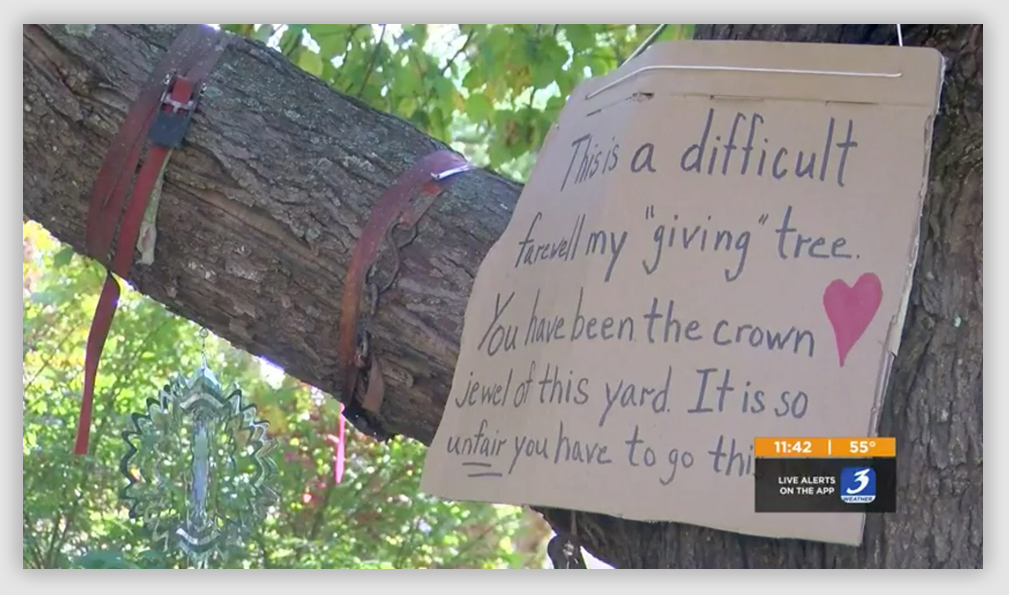
LG&E is chopping down hundreds of trees across Indiana and Kentucky to protect the power grid, but some homeowners are fighting back. Debra Reynolds is about to lose 15 trees in her New Albany backyard because they are over 10 feet tall and in the right of way of a transmission line. Her friends call her backyard ‘Shangri-La’. “Nothing will replace what I’ve developed and cultivated over the years,” Reynolds said. Reynolds has been working on creating a paradise in her yard for 21 years. She has a story for every tree, but their days are numbered. “I’m just really sad and I’m helpless,” Reynolds said. “I feel really powerless, it just makes me sad.” The trees’ fate marked with a pink ribbon. “I’m concerned about the after effects what it’s going to do to my property value, my heating and cooling bills, my utility bills, I’m going to lose all my buffer to the sound and light pollution of Charlestown Road,” Reynolds said. LG&E sent Reynolds a letter in July that any tree over 10 feet will have to be cut down. The electric company says it’s part of an enhanced federal requirement to maintain the vegetation around transmission lines. The right of way runs right up to Reynolds back porch…
Bend, Oregon, Bulletin, October 27, 2019: Troubled pine trees could get help with DNA research
High in the mountains around Bend, undergraduate college students and plant geneticists have been busy collecting needles from whitebark pine trees for a research project that could help save the threatened tree species. Although still in its preliminary stages, the project will eventually allow researchers to evaluate the genetic health of whitebark pine populations and be a potentially effective tool to control the negative effects of white pine blister rust, according to project leader Seth Ganzhorn, a Natural Resources and Environmental Science instructor at OSU-Cascades. Whitebark pine is Central Oregon’s highest elevation tree species and has considerable influence on local water resources, affecting where snow is distributed on mountains during winter. Shade thrown by the trees keeps higher elevation snowpack intact through summer, allowing a more continuous water supply during the dry summer months. But many of the trees are fighting for survival due to a host of threats, including climate change, beetle infestations and the effects of white pine blister rust, a non-native fungus…
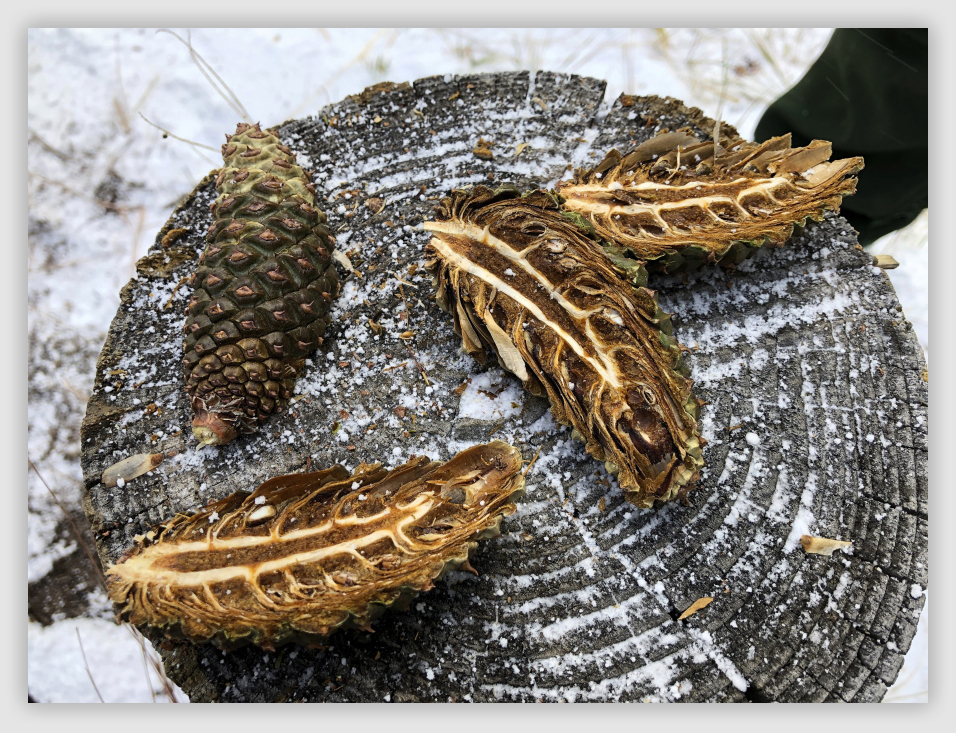
With snow ready to fall, the scramble was on to collect as many ponderosa pine cones as possible. A crew outfitted with spurs, ropes and hard hats scaled hefty tree trunks and used long clippers to snip branches loaded with the prickly orbs. The cones being gathered in the Jemez Mountains of northern New Mexico represent the fruits of a bumper crop. Every decade or so, the trees turn out more seeds to ensure future propagation as a hedge against hungry predators and whatever other hurdles nature might throw at the species. The cones will be dried, their seeds cleaned, sorted and grown into seedlings that can be used to reforest fire-scarred hillsides. Similar work is ongoing in Colorado, South Dakota and other places in the U.S. West. With warmer temperatures, more frequent drought and the severity of wildfires on the rise, scientists say seed collection and reforestation efforts are becoming more important. “We’ve had so many large, high-severity fires in the state, and without our intervention there is a possibility that some of those areas will never be forests again,” said Sarah Hurteau with The Nature Conservancy in New Mexico. “What we’re trying to do is collect the seed to help reforest these areas. This is a huge effort.” The goal: 1 million seeds…
A South Carolina coroner says a tree trimmer has died in a 20-foot (6-meter) fall from a bucket truck. The State reports 59-year-old Lewis “Buck” Mcdonald Jr. of Wellford was “ejected” from the bucket truck while on the job. The Spartanburg County Coroner’s Office said in a statement obtained by news outlets Thursday that part of the truck was lifted when the man was thrown from it. Coroner Rusty Clevenger says Mcdonald wasn’t wearing a harness. Mcdonald died Wednesday night at the scene in a residential area about 12 miles (19 kilometers) northwest of Spartanburg. The coroner’s statement says an autopsy and toxicological examination will be administered as is standard following work related deaths…
The cutting of Christmas trees across several national forests in the Southwest will be allowed under an order issued by a U.S. district judge in the fight over a threatened owl. That includes a tree from the Carson National Forest that will be felled and displayed outside the U.S. Capitol over the holidays.The tree-cutting along with prescribed burns and other projects were put on hold following an earlier ruling in a case that alleged the U.S. Forest Service failed to consider the effects of thinning and logging on the Mexican spotted owl. Forest officials said the initial ruling essentially prevented all timber management activities on five forests in New Mexico and one in Arizona. Environmentalists argued that interpretation was overly broad…
Counterpunch.com, October 25, 2019: Fire and Logging Myths
A conventional narrative is that wildfires in the western U.S. are unprecedented and more extensive than in the past. This increase in fire acreage is attributed to “fuel build-up,” presumed to be the result of successful fire suppression. However, such assertions lack context. Compared to the past, we still have a fire deficit. For example, according to the Boise Interagency Fire Center between 1900 and 1940, there as many as 50 million acres burned annually[1]. One of the largest wildfires in historic times, the 1910 Big Burn, raced across 3.5 million acres of northern Idaho and western Montana occurred in this period, long before anyone can argue there was “fire suppression” contributing to fuel build-up. During the period between the 1940s and late 1988, when Yellowstone burned, there were few large fires due to Pacific Decadal Oscillation—an ocean current that brought cooler, wetter weather to the West. The lack of large blazes during these decades is attributed to “successful” fire suppression; however, it was also a period of cooler and moister climate. Nature was “successful” at putting out blazes…
You can thank the dwindling daylight for autumn’s festive garb. The reds and yellows are mainly a reaction to the days getting shorter, said Dennis Adams, a forester with the University of Nebraska-Lincoln Extension, in a UNL article on the phenomenon. As daylight decreases, so does the amount of chlorophyll produced by trees. Chlorophyll is a green pigment necessary for photosynthesis, or how plants absorb energy from light. It’s also not the only pigment in trees — trees can also contain carotene (orange), xanthophyll (yellow) and anthocyanins (reds and purples). In the summer, chlorophyll is readily replaced as it’s broken down and nutrients are sent to the trunk; in the fall, not so much. When that happens, only yellow pigment remains in the leaves, giving us those familiar colors. It’s also why the leaves die and fall off the tree. Most often, we’ll see yellow and orange, carotene and xanthophyll. As for the brilliant reds and purples, they’re often a result of a tree having more food than it can store, which causes a reaction with excess sugar to create anthocyanins, according to Adams…
As soon as next month, the Portland City Council will consider closing a redwood-sized loophole in the city’s tree code. It won’t be soon enough to stop Jordan Schnitzer from chopping down hundreds or even thousands of trees that surround one of the city’s most controversial properties: the vacant Wapato Jail. Currently, developers face restrictions when they want to cut down trees on residential lots. Broadly speaking, they must preserve at least a third of existing trees, with particular emphasis on trees 36 inches or more in diameter. But most industrial and commercial properties are exempt from such rules. Developers of property with such zoning can clear cut any trees. It’s a loophole environmentalists have railed against since the city wrote its tree code in 2011. The proposal to close the industrial-commercial loophole struck like a lightning bolt at the Sept. 24 meeting of the city’s Planning and Sustainability Commission. At that meeting, Oriana Magnera—a member of the commission who also works for Verde, a social justice nonprofit in Cully—surprised her colleagues by pushing successfully to recommend the City Council end the exemption…

It took just three days for a crew to cut down a tree in Highland Park that was more than 150 years old. The Big Pecan Tree was famous for the 5,000 Christmas lights strung across its branches around the holidays. Residents and visitors alike considered it a wayfinder and a town treasure. The 75-foot-wide tree was chopped down on Monday because, as a town of Highland Park news release stated, it had “succumbed to age and disease.” “Due to its large size and fragile state, removal of the tree is necessary for the safety of residents and traffic in the area,” reads the statement. We’ve reached out to Mayor Margo Goodwin for further comment. The tree was planted long before Highland Park was established as a town. According to Highland Park records and a documentary made by KERA, Dallas resident Joseph Cole cared for the tree when its trunk was the diameter of a pencil, in 1865. The timing of its demise is bittersweet, as aging trees in nearby Preston Hollow were uprooted after tornadoes ripped through Dallas on Sunday night…
Waverly, Iowa, Courier, October 23, 2019: County settles less-than-clear-cut tree dispute
Black Hawk County will pay homeowners after road crews cut down trees on their property. Members of the county Board of Supervisors voted 3-2 Tuesday to pay Grant and Annette Duncan $15,500 to avoid a court battle over the matter resulting from a paperwork error more than three decades old. Workers cut down eight trees on the Duncan property in November while cleaning up ditches in Beaver Hills at the request of residents in the area. County Engineer Cathy Nicholas said the county had paid the previous property owner $681 for a permanent easement when Skyline Drive was paved in 1987. So the county workers thought they were entitled to cut down the trees in the easement area. But the county later learned it had failed to record the easement even though it had recorded similar easements on adjacent properties for the Skyline Drive project. The Duncans believed they owned the trees because the easement wasn’t on their abstract. “From our experience, this was just a fluke,” Nicholas said. “For whatever reason, that one small area wasn’t recorded…”
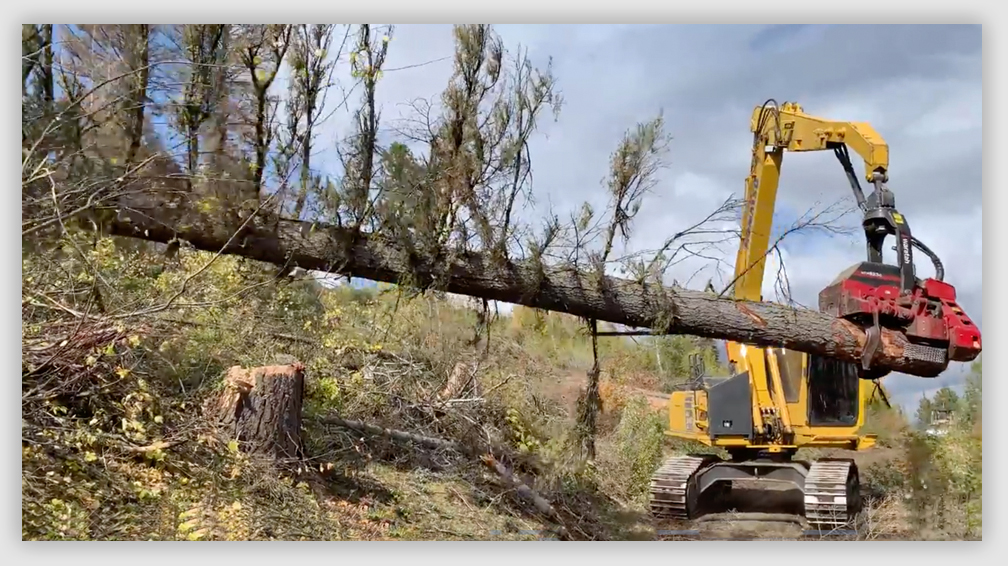 Boise, Idaho, Statesman, October 23, 2019: Logging trees affected by tussock moths
Trucks loaded with trees damaged by the tussock moth infestation in the Packer John State Forest are making their way to area sawmills. The Idaho Department of Lands sold nearly 2,000 acres of dead and dying timber as part of two salvage sales …
The city of St. Louis plans to spend $1 million to get rid of 2,000 potentially dangerous trees. A contract was awarded Wednesday to a private tree removal company whose work will supplement ongoing tree maintenance by the city’s Forestry Division. Mayor Lyda Krewson says residents often raise concerns about dead or dying trees near their homes, cars and sidewalks. She says removing them will make neighbors safer and more pleasant. Plans call for the trees to be removed by next summer. Most are in public right-of-way. The mayor’s office says the city plans to replace as many of the trees as possible with new, healthier ones…
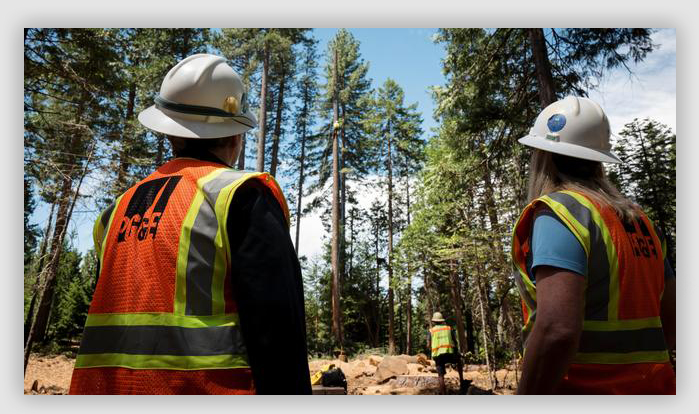
As more PG&E power shutoffs loom, a federal judge has given PG&E until the end of the month to account for the more than 100 problems apparently missed by its inspectors and tree trimming crews before the massive shutdown revealed them earlier this month. U.S. Judge William Alsup set an Oct. 30 deadline for the company to specify where trees hit its lines or where equipment failed during the shut offs. He also ordered the company to indicate whether the damage could have led to arcing – the lightning-like event that is the typical cause of an electrical fire — had power not been shut down to the targeted 35 counties starting on Oct. 8. Alsup’s order calls for the company to “explain how many of those instances occurred on lines not yet cleared for vegetation versus lines that have been cleared. “Separately, state how many infrastructure failures were found during the inspections after the [shutdowns], how many of those failures would likely have produced arcing, and how many of those failures had been inspected within the last 12 months…”
Reuters, October 22, 2019: Scientists question mass tree planting as climate change panacea
The potential for a global tree-planting drive to curb climate-change risks has been overestimated, scientists warned, flagging issues with maps and data used in a recent study and urging greater efforts to cut heat-trapping emissions by other means. In July, researchers at the Crowther Lab, based at Swiss university ETH Zurich, published a study suggesting the best way to keep climate change in check would be to replant trees on destroyed forest areas the size of the United States. But in a response letter published in the same journal Science on Friday, scientists at the University of Bonn and Nairobi-based research centre World Agroforestry said there were limits on the number of trees that could be grown on lands included in the initial study. Eike Luedeling, a professor at the University of Bonn’s Institute of Crop Sciences and Resource Conservation, told the Thomson Reuters Foundation that reforestation should not be seen as a substitute for curbing emissions from using fossil fuels. “Yes, we can all plant trees… and if we still keep emitting carbon dioxide like crazy, we will not have solved anything – we just bought a little bit of time,” he said…
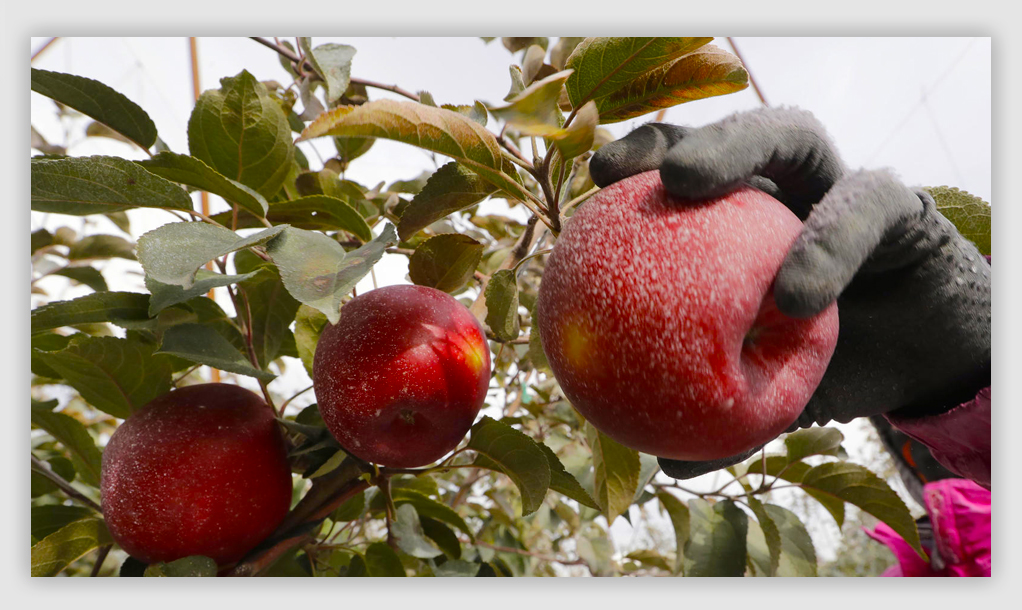
They call it the Cosmic Crisp. It’s not a video game, a superhero or the title of a Grateful Dead song. It’s a new variety of apple, coming to a grocery store near you Dec. 1. Cosmic Crisp is the first apple ever bred in Washington state, which grows the majority of the United States’ apples. It’s expected to be a game changer. Already, growers have planted 12 million Cosmic Crisp apple trees, a sign of confidence in the new variety. While only 450,000 40-pound boxes will be available for sale this year, that will jump to more than 2 million boxes in 2020 and more than 21 million by 2026. The apple variety was developed by Washington State University. Washington growers, who paid for the research, will have the exclusive right to sell it for the first 10 years. The apple is called Cosmic Crisp because of the bright yellowish dots on its skin, which look like distant stars…
Tree roots may seem like a really boring subject, I know. However, trees are the anchors and framework of our landscape. They provide shade, breeze, spring flowers, fall colors, homes for creatures (wanted and unwanted) and in some cases food for us. Getting trees established takes many years so their care is so important. Ever heard the phrase, “The roots of trees are like a mirror image of the tree itself”? In most cases, that is simply not the case. Some species of trees do have a taproot system, such as oak, pine and conifers, but most have a fibrous root system. In areas with ample moisture, they will develop less of a taproot system. Approximately 75% of a tree’s root system is in the top 18 inches of soil. That is amazing. The roots of a tree can extend horizontally 3 times the distance of the drip line. The drip line is the extent of the canopy’s reach. For example, let’s say you have a maple tree, and from the trunk to the drip line measures 20 feet. The roots, then, will extend 60 feet from the trunk all the way around…
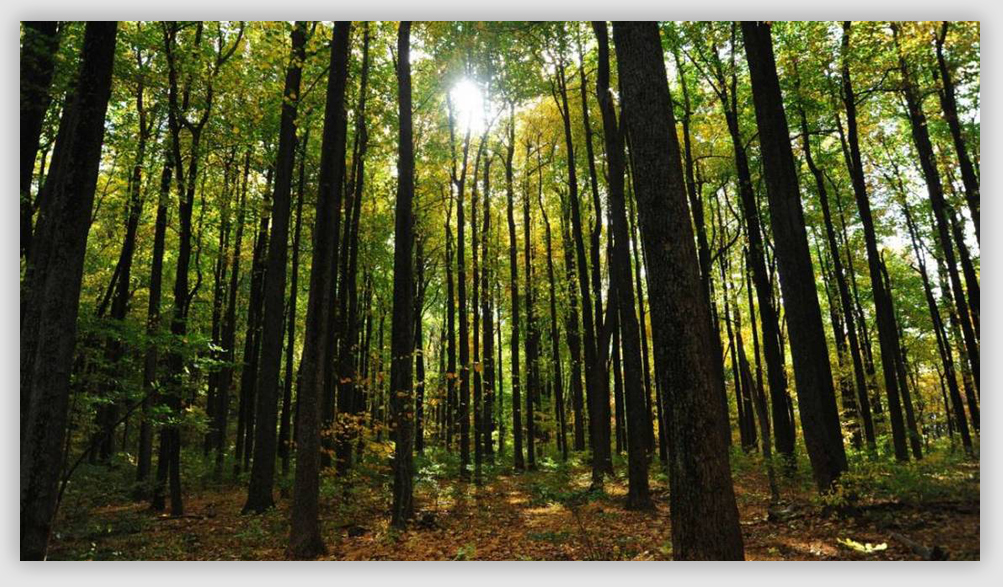
The Charlotte City Council approved new regulations Monday that give developers flexibility in placing trees on urban sites, despite concern from some environmental activists. The new rules, passed in a 9-2 vote, would apply to redefined “urban zones,” largely in uptown and along the light rail, and allow trees to be planted on rooftops, planters, plazas or other locations to meet city requirements. The changes also allow for tree areas that are essentially urban parks with amenities like landscaping and pathways. The amendment to the tree ordinance comes as officials have said it would be difficult to meet a 2011 goal of having 50% tree canopy cover by 2050. Instead, the city plans to focus on neighborhood-specific metrics. Preserving the tree canopy Charlotte is known for is becoming more difficult as large swaths of land are developed across the city. City officials say the rules approved Monday will make it easier for developers to meet the tree save requirements for projects in urban areas, where space is tight. The city also says the changes will result in no net loss of trees required under the ordinance…
On May 4, 2016 at 6:30 a.m. Justus Booze left his home. He never returned. The 23-year-old started his first day for Countryside Tree Service at a job site in Guilderland, N.Y. Booze was hired for the job after a friend discussed it with him, according to media reports. He had not been trained to safely use the company’s wood chipper. However, he was directed to feed materials into the machine. Booze became entangled in the chipper’s moving parts and was fatally injured. OSHA immediately opened an investigation into the incident. In a filing dated Sept. 16, 2019, a Administrative Law Judge William S. Coleman affirmed the initial citations and ordered Watson to pay $66,986 in penalties. According to the decision, Watson told OSHA officials that he knew the victim was “green” and “never had any experience in doing tree work.” He continually acknowledged Booze’s inexperience, stating that it has been his “concern all day long” and that the victim was hired to “basically rake” and to be “a helper and cleaner…”
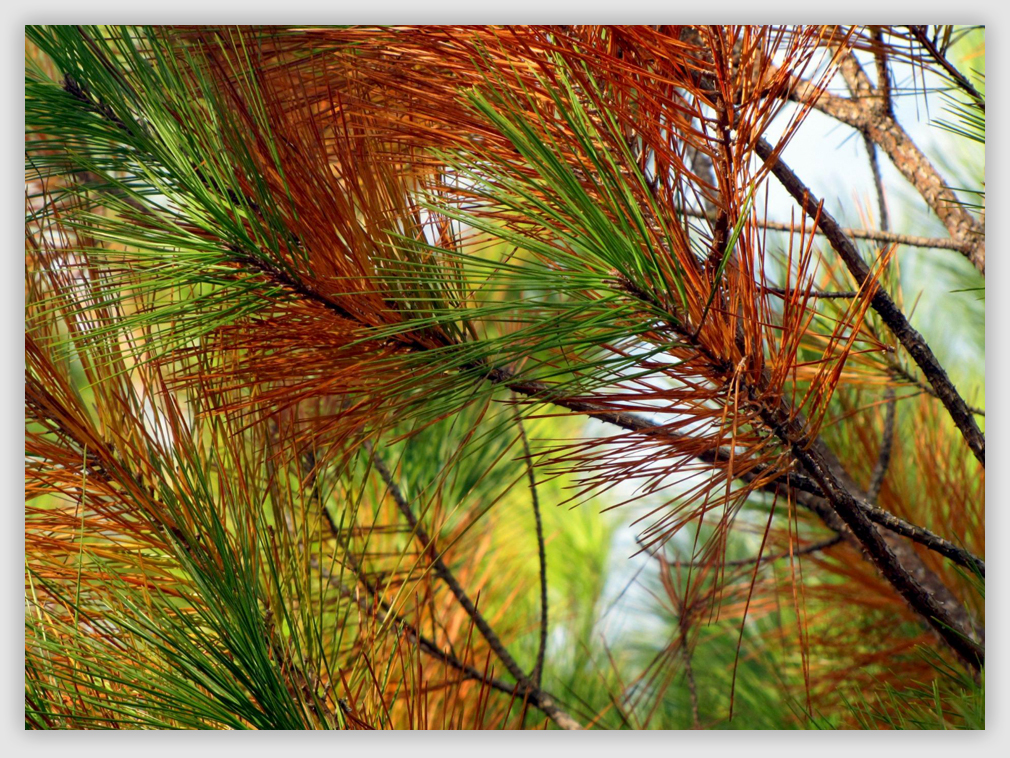
Many people are noticing dead or dying pine trees in Northwest Florida. Upon closer inspection, evidence of pine bark beetles may be found. These beetles are secondary, attacking pines that are already injured, damaged or stressed. Recent hot, extended dry weather has been a factor. Lightning strikes, damage that occurs during developing lots and subdivisions, even use of some lawn herbicides and irrigating too much can all result in weak, injured pines. Pine bark beetles are attracted to injured, weak, damaged trees. We can’t do anything to prevent these events. But we can possibly prevent some other man made injuries to pines that potentially result in pines becoming vulnerable to beetle attack. The Ips engraver beetle and the black turpentine beetle infest pines as a result of construction injury. This can occur after construction of a new subdivision or home where existing pines were injured from raising and lowering the grade, where roots were paved over or cut, where water movement was altered, where there is compaction from heavy equipment, etc. This type of injury is prevented, not cured…
Flooding from torrential rains caused by cyclones and monsoonal storms, as well as other catastrophic events, are responsible for moving huge amounts of fresh wood to a watery grave deep under the ocean, according to Earth scientists. Their research, published in the Proceedings of the National Academy of Sciences on Oct. 21, shows the first-ever evidence that trees may travel thousands of miles from their mountain homes to settle in the vast sediments extending under the sea from river mouths. An international research team led by Sarah Feakins, associate professor of Earth sciences at USC Dornsife College of Letters, Arts and Sciences, examined core samples taken from the ocean floor over a thousand miles offshore from Bangladesh, in the Bay of Bengal. Once at the target point at sea, the U.S.-operated research ship R/V Joides Resolution, which is part of the International Ocean Discovery Program, extended a drill mechanism more than two miles down from the ocean’s surface to its floor and drilled more than a half a mile down into the sediments…
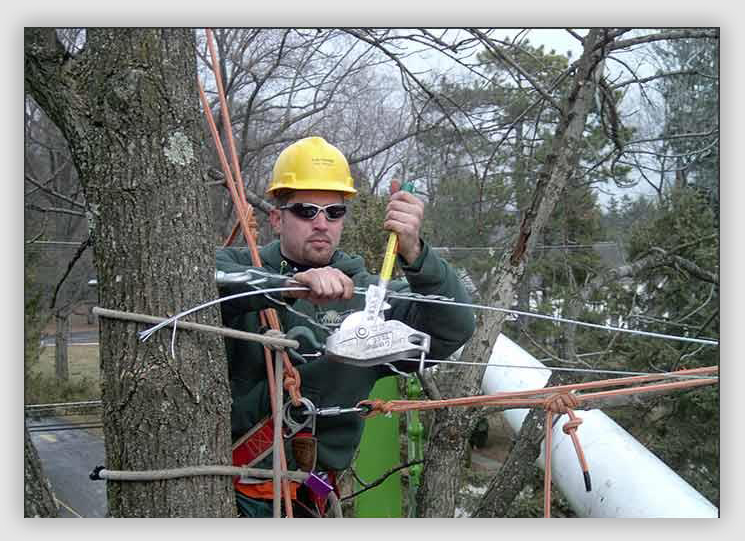
Heavy winds and rough weather can lead to trees splitting apart and dangerous falling limbs. The time and money it costs to clean up these disasters can be astronomical! The experts at Giroud Tree and Lawn explain why cabling a tree now can prevent huge costs in the long run. There are a few reasons why homeowners may need to have a tree cabled: Co-dominant Leaders: If a tree has two or more main leaders or trunks, it may be at high risk for splitting apart. The area where the leaders divide is often a major weak spot for a tree. Overextended, Weakly Attached Limbs: Sometimes a limb that extends from the main trunk may experience aggressive growth. If this limb becomes too big, the weight becomes too much for the trunk to bear and the limb snaps. If caught in time, this limb can be cabled to the main trunk which will ease the weight distribution and prevent breakage. Some trees are just more susceptible to breakage: Just about any tree with weakly attached limbs or more than one main trunk is at risk for splitting apart or losing major limbs. Check out this report by the University of Illinois which highlights which trees are more at risk for breakage than others. Oftentimes, homeowners have no idea that a tree is a threat, which is why trees should be inspected by an ISA Certified Arborist on a regular basis. The arborist may recommend cabling to prevent a disaster later. Here are some reasons why…
A beetle that is endangering a species of tree found throughout New York City, including Staten Island, could cost the city millions of dollars. Ash trees — a common native tree species in this area — are being eaten by insects known as emerald ash borers. The New York City Department of Parks and Recreation is currently implementing a two-year plan, which began in April 2018, to inspect every ash tree on city property. Although the city Parks Department was unable to specify the exact cost to treat the trees, the program is being funded with $1.7 million annually, according to a spokesperson. “As this is an on-going pest management program, we cannot provide the [exact] total cost of treatment,” explained Charisse Hill, a department spokesperson. The average cost for removing and replacing an ash tree is $4,100 per tree. The cost of pre-treating a healthy tree is approximately $125 per tree, according to the Parks Department…
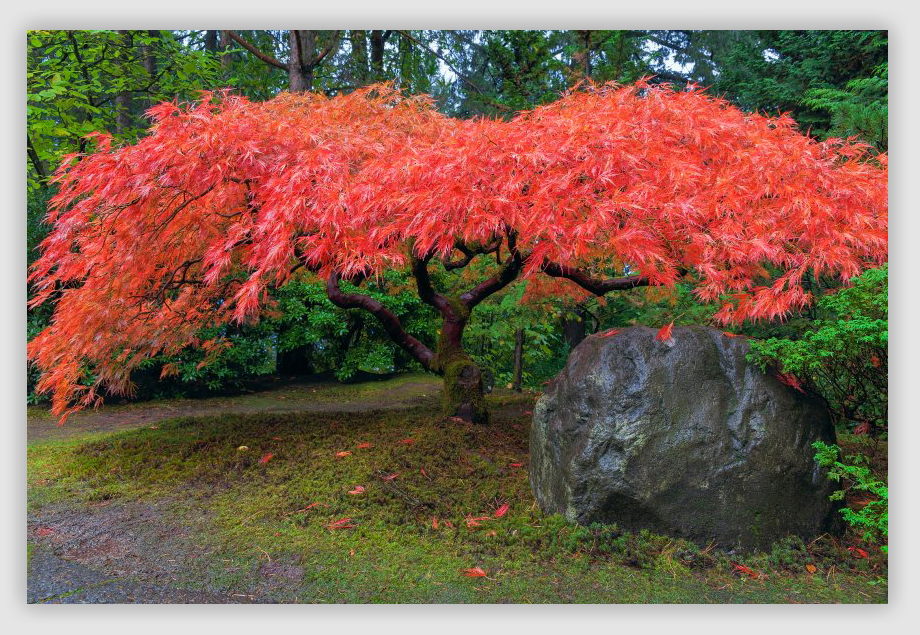
A well-cared for tree requires some pruning, whether to enhance its natural shape to reveal its character; to control its size in relation to its surroundings; to increase or control flower and fruit production; or to remove dead, unsightly or unsafe limbs. There are recommended times to prune most trees. For example, fruit trees should be pruned when they are young, to keep them a manageable size and to create strong limbs that can support lots of future fruit. Pruning most fruit trees is best done in the winter when the trees are dormant, but not all fruit trees are the same. Before grabbing the pruning shears, check out the California Backyard Orchard to learn how to properly prune and care for fruit trees. Deciduous trees, like fruit trees, are best pruned when dormant. Limbs are not weighted down with heavy leaves, and the structure of the tree is easier to see. While it’s tempting to prune a young tree to shape, it might be best to wait two or three years for the tree’s root system to establish. When pruning a tree, don’t remove more than one-third of its size. If your tree is drought-stressed, do minimal pruning and remember, there is no need to use wound-sealing products…
Weather.com, October 18, 2019: Are the Trees Near Your House a Hazard?
Having trees around your house is a wonderful thing. They produce oxygen, provide shade in the warmer months, diminish noise pollution and can boost curb appeal. But when a tree becomes a hazard, meaning it could potentially fall on your property or lose limbs during a strong storm, it needs to be dealt with quickly and carefully. Not sure how to tell if a tree is a hazard or not? Here are some red flags to look out for and what steps you can take to keep your property safe from tree-related damage. At various times throughout the year, especially after a big storm, it’s a good idea to give the trees on your property a thorough check. The first and easiest thing to look for is if any of them are in danger of falling over. If you’ve got any trees that are leaning extremely in one direction or another, or have cracked soil at the base, you’ll want to call an arborist who can help you prune the tree so its weight is distributed more evenly. Bracing the tree trunk with cables attached to stakes on either side is also an option…
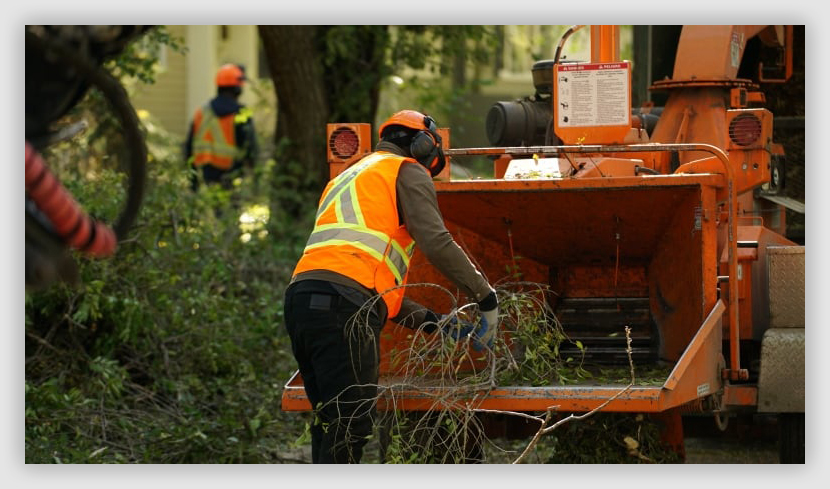
A City of Winnipeg forester isn’t mincing words when it comes to the state of trees following last week’s snowstorm. The damage is “absolutely devastating,” said Martha Barwinsky, following a storm that brought strong winds and wet, heavy snow, which felled trees and knocked out power for days in some cases. “With that added weight of the freezing rain and the wet snow and … with the winds, of course that resulted in significant damage,” she said Thursday. Officials estimate at least 30,000 city-owned trees were affected by the storm. That doesn’t count trees on private property. The storm caused so much damage that it may be up to three weeks before the city can start focusing on removing tree debris from public property, Barwinsky said…
An administrative law judge has ordered a tree service operator to pay a $66,986 fine for not properly training a worker who got ensnared in a wood chipper and killed his first day on the job. William Coleman, an administrative law judge with the federal Occupational Safety and Health Review Commission, upheld citations issued three years ago by the Occupational Safety and Health Administration against Tony Watson, who operates as Countryside Tree Service in Schenectady. Justus Booze, 23, was pulled into the wood chipper’s rotating blades and killed May 4, 2016, during his first day working for Watson. Booze had no prior experience working for a tree service and had been given no training on how to operate the wood chipper, according to OSHA. Nevertheless, he was allowed to feed tree parts into the machine as part of a five-man crew, including Watson, removing large trees from in front of 215 Placid Drive in Guilderland, OSHA said…
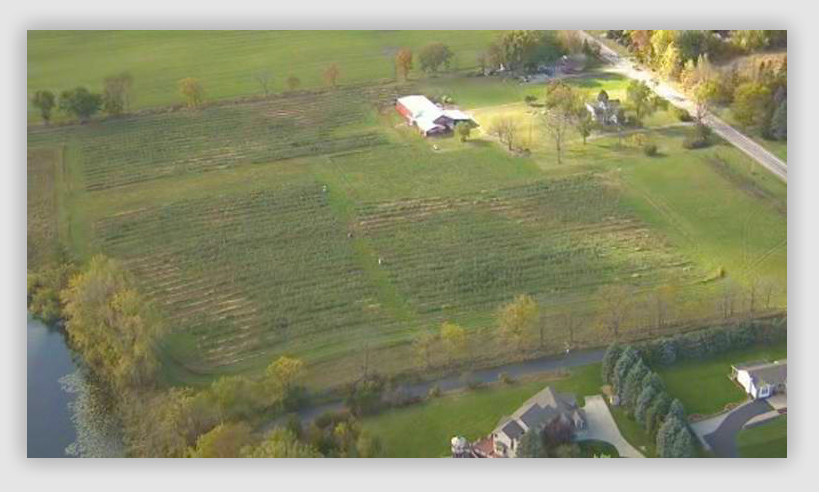
The owners of an apple orchard in Fenton said thieves stripped the apples off 5 acres’ worth of trees, stealing about 7,000 pounds of apples in total. Officials said a farm in Linden that is owned by Spicer Orchards in Fenton was targeted between Oct. 6 and Oct. 10. The owners check on their crops every four days, so they know the apples were stolen in that timeframe, according to authorities. Matt Spicer, one of the owners of the business, said 7,000 apples translates to about $14,000 or $15,000. There were trail cameras out in the orchard, but they are used during hunting season, so they point away from the crops, Spicer said. Owners found tire tracks in the grass that suggest two or three trucks were used, officials said. The apple orchard doesn’t have insurance because this has never happened before, Spicer said…
Trees have extraordinary powers. They provide shade, cool the local climate, draw carbon dioxide from the air, and can repair and replicate themselves while running on little more than sunlight and rainwater (Pokorný 2018). They also contribute numerous goods and services like fruit, wood and soil improvement with a wide choice of species and varieties suitable for different needs and conditions. But such powers should be wielded with care. On the 5th of July 2019 Science published an article by Jean-François Bastin and colleagues titled “The global tree restoration potential”. In it, they explain how, without displacing agriculture or settlements, there is enough space to expand the world’s tree cover by one-third or around one billion hectares. Such increased forest would eventually reduce atmospheric carbon by about a quarter. A lot could be said about this proposition, much of it supportive. But in a brief comment piece just published in Science, colleagues and I highlight some reservations along with some even bigger opportunities. We focus on water…
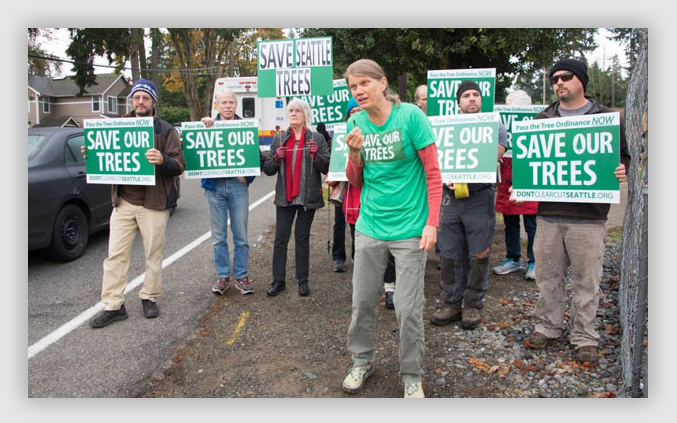
There is unrest in the forest. There is trouble with the trees. For the people need space to live, yet they still need clean air to breath. Don’t Clearcut Seattle is bringing its tree-saving activism across the border and into Shoreline where that community is also racing to keep up with the region’s growth and housing needs. This week, the group protested in front of a plot of land where new homes are planned, not far from a yet-to-be-built light rail station. “We are very concerned about the development practices that are going on in Seattle right now, there is very little protection for mature, healthy trees,” said Annie Thoe with Don’t Clearcut Seattle, aka Neighborhood Treekeepers. “Large groves of trees are being clearcut. If you look at this recent site on 145th NE and 1st Avenue, an enormous amount, at least 40 big, mature trees, were taken, an entire grove was taken… A dense plan of townhouses are going in there,” she added. “These are not affordable houses. They are expensive townhouses that will go in. As far as I can tell from the site plan, they are supposed to be required to replant trees. But this has been upzoned, so they don’t have to replant, apparently. And many of the developers that are cutting trees are not replanting…”
A 24-year-old member of a tree trimming crew died Monday morning after falling approximately 60 feet from a tree in Crownsville. Anne Arundel County Fire Department officials said the man, who it did not identify, was working in a tree at the back of a home in the 300 block of Aston Forest Lane in the Herald Harbor neighborhood. Firefighters were called to the address about 10:44 a.m. after the man’s coworkers found him on the ground, a fire department said spokesman said in a release Wednesday morning. They said no one witnessed the fall. Paramedics determined the man was in cardiac arrest and tried unsuccessfully to revive him. The fire department did not identify the company involved. The incident is being investigated by Maryland Occupational Safety and Health…
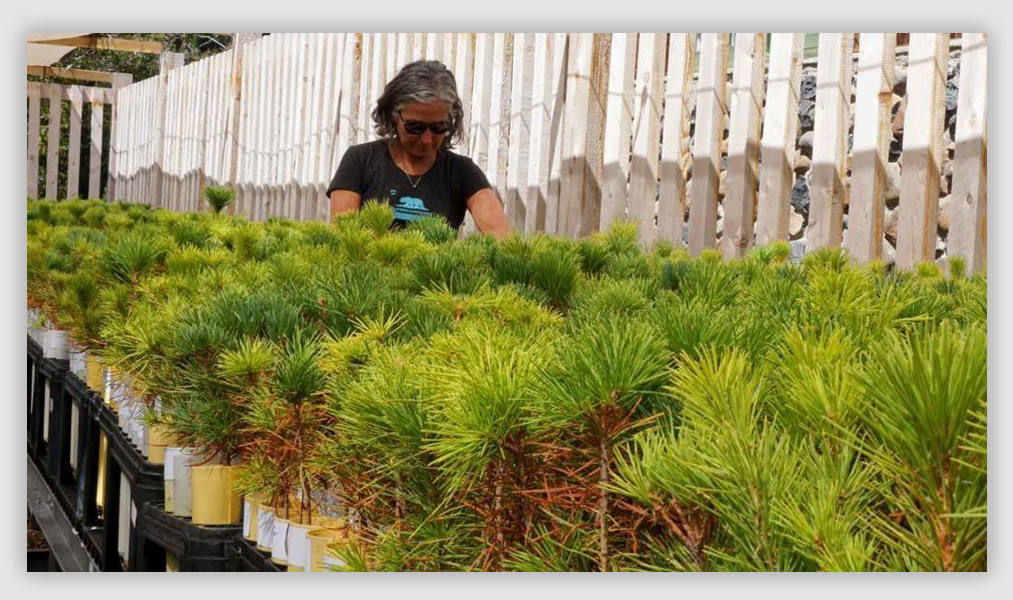 NPR, October 16, 2019: Trees That Survived California Drought May Hold Clue To Climate Resilience
When California’s historic five-year drought finally relented a few years ago the tally of dead trees in the Sierra Nevada was higher than almost anyone expected: 129 million. Most are still standing, the dry patches dotting the mountainsides. But some trees did survive the test of heat and drought. Now, scientists are racing to collect them, and other species around the globe, in the hope that these “climate survivors” have a natural advantage that will allow them to better cope with a warming world. On the north shore of Lake Tahoe, Patricia Maloney, a UC Davis forest and conservation biologist, hunts for these survivors. Most people focus on the dead trees, their brown pine needles obvious against the glittering blue of the lake. But Maloney tends not to notice them. “I look for the good,” she says. “Like in people, you look for the good, not the bad. I do the same in forest systems.” Maloney studies sugar pines, a tree John Muir once called the “king” of conifers. “They have these huge, beautiful cones,” she says. “They’re stunning trees…”
Cleveland will commit up to $1 million each year over the next 10 years toward replenishing the city’s tree canopy, Mayor Frank Jackson announced Wednesday. Jackson made his announcement in remarks opening the Sustainable Cleveland 2019 Summit – the 10th in a 10-year initiative geared toward bolstering sustainability and creating a healthier and more vibrant city. Jackson said the efforts were spawned from a conference he attended at Case Western Reserve University a decade ago that looked at what might be done to address the impact of the recession. “What I took away from that is … how do we create an economy that operated in such a way that it had a social compact for the well-being of the people,” Jackson said. It became apparent, Jackson said, that any solution would have to include sustainability – creating a green city on a blue lake. “That’s where it started,” he said…

Environmentalists are calling on the state to protect Joshua trees, as climate change and habitat destruction threaten the iconic Mojave Desert plant. The Center for Biological Diversity on Tuesday, Oct. 15, petitioned the state Fish and Game Commission to list the Western Joshua tree as a threatened species under the California Endangered Species Act, which would go beyond existing laws aimed at protecting the plants on public and private lands, said Brian Cummings, the center’s conservation director and Joshua Tree resident. “The Joshua tree, particularly with the exponential growth of attendance at Joshua Tree National park, has become an international icon,” Cummings said. “It’s unfortunately becoming a symbol of our failure to address climate change…”
Heavy snow in Montana has cost a city tens of thousands of dollars in cleanup work after widespread tree damage. Great Falls Tribune reported Monday that a record-setting September snowstorm brought more than 19 inches of snow to Great Falls causing trees to bend and break. City officials say the 16-day cleanup effort cost more than $23,000 after eight forestry workers accumulated 130 hours in overtime on top of 557 regular hours. Foresters say that doesn’t include hours and costs of Park and Recreation Division workers who cleaned up trees in city parks and a city-hired contractor who worked 13.5 hours. Foresters say cleanup of downed branches and the trimming of damaged limbs are expected to wrap up Monday, the same day foresters are scheduled to begin leaf pickup…
I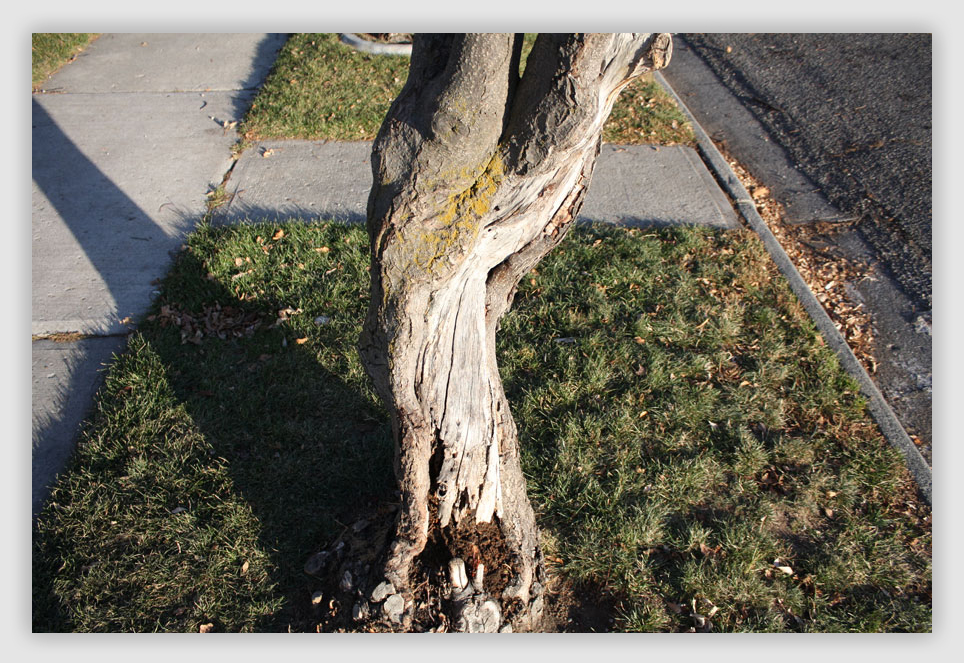 daho Falls, Idaho, East Idaho News, October 15, 2019: Now is the time to prevent sunscald damage on trees
Sometimes known as “southwest injury”, sunscald on trees is damage to the bark on the side of the tree facing the sun, which in our area is the southwest. Sunscald can occur in both the summer and winter time and be caused by many environmental factors. Sunscald is identified by the bark on the trunk and lower limbs cracking and the bark dying, with dead brown wood being exposed after the damage occurs. This sunscald damage can be an opening into the tree for fungal diseases and insects to start to infest and hurt your tree. Sunscald damage happens in a few different ways. In our area, the damage is primarily done in late winter (February to March) when the south side of trees will warm up from the sun during the day, causing the fluid in the bark to start flowing, and then as evening arrives the temperatures drop dramatically and this fluid freezes and damages the bark. There may be several episodes of thawing and freezing within a winter that can create this damage, but ultimately the temperature fluctuations can have a negative impact on the tree. Most of the damage occurs on the trunk, while sometimes damage can occur on the lower branches as well. Sunscald can also occur during the summertime when trees are topped or heavily pruned exposing bark that had previously been shaded from direct intense sunlight. Planting trees that had been in a semi-shaded nursery into a full sun scenario can induce sunscald, as well as planting trees next to a light-colored pavement which reflects both heat and light onto their bark can cause this problem…
Knoxville, Tennessee, WBIR-TV, October 15, 2019: How to predict peak fall foliage in the Smokies
It definitely feels like fall and some of you may be ready to see some fall foliage. The prolonged heat and drought from August through early-October has things looking green and summer-like in much of East Tennessee but experts are not giving up on a shot at decent fall colors. The end of September is when East Tennessee historically starts enjoying its fall colors before they peak in mid-October. The vibrancy of the colors depends on how much sugar is in the leaves. Here’s how it works: During the spring and summer, leaves act as a factory making the food necessary for the growth and survival of the tree. Chlorophyll is the main player in that process, and chlorophyll makes the leaf look green. In fact, there is so much chlorophyll that it hides the other colors present. Inside of a leaf are other pigments that look yellow and orange but a couple of things need to happen for these colors to be revealed. The first is day length. In the fall, shorter days trigger the tree to stop making food. Leaves are sealed off from the branches, and any extra sugars are left behind…

California prides itself on being a global leader on climate change, but last week’s unprecedented power outages have raised questions about how progressive environmental practices contributed to putting two million residents in the dark. The lights were back on Monday in Northern California even as Pacific Gas & Electric acknowledged that more power outages are likely to avoid sparking the disastrous wildfires that torched the state in 2017 and 2018, a stunning turn of events in the world’s fifth-largest economy. “What’s the most important commodity in the world? It’s electricity,” said Max Fuentes, a utility consultant in Sacramento. “Without it, you’re a Third World country. Well, right now, California is starting to act like a Third World country.” Democratic Gov. Gavin Newsom heaped blame for the rolling blackouts on PG&E, the beleaguered electrical utility that filed for bankruptcy in January, citing its failure to maintain and improve transmission lines on its 70,000-mile service area. “This is not from my perspective a climate change story as much as it is a story about greed and mismanagement over the course of decades,” Mr. Newsom said at a Thursday press conference. “[It’s about] neglect, and a desire to protect not public safety but profits.” PG&E faces as much as $30 billion in legal claims after its lines were found to have ignited 2017 and 2018 wildfires, including the Camp Fire, the deadliest wildfire in state history, but critics like Rep. Tom McClintock, California Republican, said that focusing on the utility doesn’t tell the whole story. PG&E lines may have provided the spark, but decades of mismanagement on state and federal forests left millions of dead and dying trees ready to erupt, thanks in part to environmental policies and legal challenges aimed at curtailing tree-cutting…
When one local company failed to complete a job right for an elderly woman, several others stepped up to get it done. The roar of chainsaws and a wood chipper were about all you could hear Monday afternoon in 83-year-old Esther Buzard’s backyard. “I just seen an old woman in need, and we just figured we’d come out and take care of it for her,” said Bobby Wilson, the owner of National Tree Care LLC, based in Higginsville, Missouri. On Friday, FOX4 told viewers how Esther paid Lexington-based United General Contracting $1,150 to cut up a downed tree and haul it off. The company never finished the job. “It does make us all look bad and we’re seeing it more and more, and we’re kind of getting fed up with it,” Wilson said. Wilson saw the story and wanted to help Esther. He brought nine of his employees, equipped with the tools needed to the do the job right — and did just that. “We just wanted to come in here and take charge of this and get it done,” he said…
Is it time to thin out my trees and cut off the lower limbs? No, and it never will be. It is a good time to prune, but pruning too much is the most common pruning mistake I see. Few landscape trees need major pruning or “thinning” every year. Trees can be severely damaged by over-pruning. Plus, it looks bad. Landscape trees can be pruned any time of the year, but the best time is from fall to late winter. Pruning is part science and part art. Don’t try to change the character of a tree and don’t remove lower limbs to raise the canopy for more light to turf. Low-growing limbs exist for a reason. It’s very unnatural to strip tree trunks bare. Remove dead, diseased or damaged limbs and the weakest of crossing limbs. Remove limbs growing toward the center of the tree and limbs that are dangerous or physically interfering with buildings or activities…
A fungal tree disease, which has destroyed millions of trees in the United States, has been detected in Utah for the first time. “We were sick to our stomachs thinking about what it might be,” arborist Jerry Auble said as he stood along the banks of the river in Ogden Canyon. It’s something he never thought he would see in Utah. “I wanted to cry,” Auble continued as he stared up into the trees. A few months ago, he was standing in this same spot, but he had a different view. “There’s a good 50 to 70 trees right there that have been… they’re done, they’re dead,” Auble said. “This is a slow-moving forest fire.” Auble is an International Society of Arboriculture-certified arborist who specializes in tree diseases and diagnosis. His day-to-day is spent handling landscaping related calls for a local lawn, tree and pest control company in Layton called Harmon and Sons. But his expertise was called into play in mid-July when he was called out to a home in Ogden Canyon to give a second opinion on a patch of dead and dying American Elm Trees along the riverbank. “There was kind of a concern that the vines were strangling the tree, but as we looked more and more, it was like… no, that’s an insect issue,” Auble said…

Two teenage boys have been arrested and charged with causing the Sept. 2 death of Chillicothe woman by dislodging a tree branch that fell on top of her at Hocking Hills State Park, the Ohio Department of Natural Resources said. The boys, who are 16 and 17 and both from Logan in Hocking County, were taken into custody by the ODNR on Thursday. Both are charged with delinquency counts of reckless homicide and are being held in a juvenile detention facility in Lancaster. ODNR was not releasing the juveniles’ names. Victoria Schafer, 44, was on the stairs near Old Man’s Cave in Hocking Hills State Park around 5:30 p.m. on Sept. 2 when she was struck by a falling section of a tree branch that came from a cliff above. She was pronounced dead at the scene. Investigators soon found evidence indicating that the incident was not a natural occurrence. “I appreciate the public’s valuable contributions to this case and the perseverance and determination of the investigators,” said ODNR Director Mary Mertz…
The tree canopy of Land Park is a marvel by most measures. Like a crown, London plane trees and even occasional redwoods rise well above rooftops to shade the well-tended streets and houses during Sacramento’s scorching summers. More trees can be found in Land Park than in almost any other neighborhood. And it affords benefits both seen and unseen by the naked eye — better health, for one, and quality of life. But there aren’t many Land Parks in Sacramento. In fact, only about a dozen neighborhoods have tree canopies that come close to the neighborhood south of downtown, according to a city-wide assessment. Critics say the line that divides those places often comes down to wealth. Communities with a higher-than-average number of trees are places like Land Park, East Sacramento and the Pocket also have the largest concentrations of high-income households, data shows. Meanwhile, low- to moderate-income areas like Meadowview, Del Paso Heights, Parkway and Valley Hi have fewer trees and less shade…
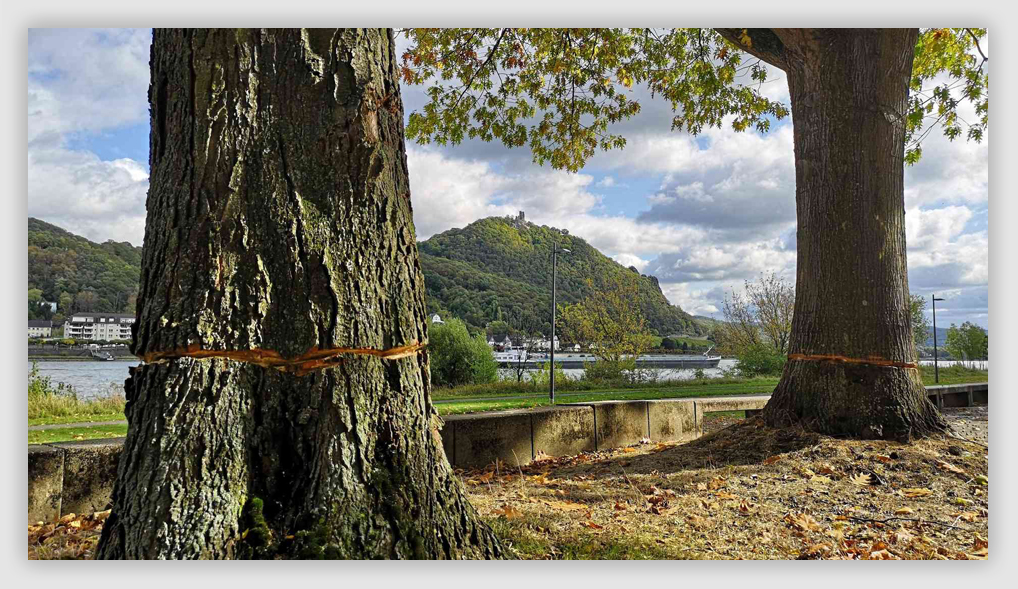
Nobody knows exactly when it happened – probably it was a nighttime operation in the cover of darkness. Culprits damaged two stately old trees on the riverbank in Mehlem. The damage is so severe that the trees cannot be rescued. As reader Peter Stünkel and another man reported separately to the GA, these are two large trees near the Senior Center Steinbach – at the end of Rüdigerstraße. Both had been cut into all the way around the circumference with chainsaws. “It is simply unbelievable that people do something like this,” said Stünkel. Dieter Fuchs, head of the Office for Urban Parks, is astonished because the loud chainsaw must have been clearly audible. Indeed, the city was informed of the incident. “We were made aware of it by a citizen who sent an e-mail on September 30,” said Kristina Buchmiller of the city press office in response to an inquiry. An American oak with a trunk circumference of 2.23 meters and a honey locust tree with a trunk circumference of 2.03 meters were affected. After a look at the tree register of the city, Fuchs found out that the oak is estimated to be 85 years old. The tree, also called red oak, is native to North America. When harvested, the hard wood is used in the furniture industry, in boat building and for ties in railway construction. The honey locust tree on the Rhine is around 60 years old. It originated in eastern North America and grows to a height of 20 meters. The bark was cut up to a width of about three centimeters, deep into the sapwood, with a chain saw. “Both trees were completely cut through. As a rule, (a tree) with such damage can no longer recover,” said Buchmiller…
My earliest experience with a snag happened when I was a college student rambling through a longleaf pine-turkey oak sandhill forest. I discovered a Brown-headed Nuthatch coming and going from a small cavity in a dead turkey oak tree that stood no taller than me. It was easy to watch and photograph at that height. That experience sold me on the value of snags. Next week’s Apalachee Audubon Society program on Oct. 17 will feature storyteller extraordinaire Jim Stevenson on “Life in a Dead Tree.” Snags, either standing dead trees or partially dead trees, provide cavities for nesting birds such as woodpeckers, owls, chickadees, bluebirds, titmice, wrens, nuthatches, wood ducks and others. In addition, snags provide habitat and food for all sorts of other creatures from beetles to frogs to denning mammals like raccoons and opossums. They also serve as perching and roosting sites. When snags fall to the ground, they are called logs and further provide habitat for fungi, spiders, beetles, termites, ants, grubs, worms and snails, not to mention the reptiles and amphibians, birds, mice and other mammals that feed on them. Decaying logs are essential to the health of our forest and backyard soils and nutrient cycling…
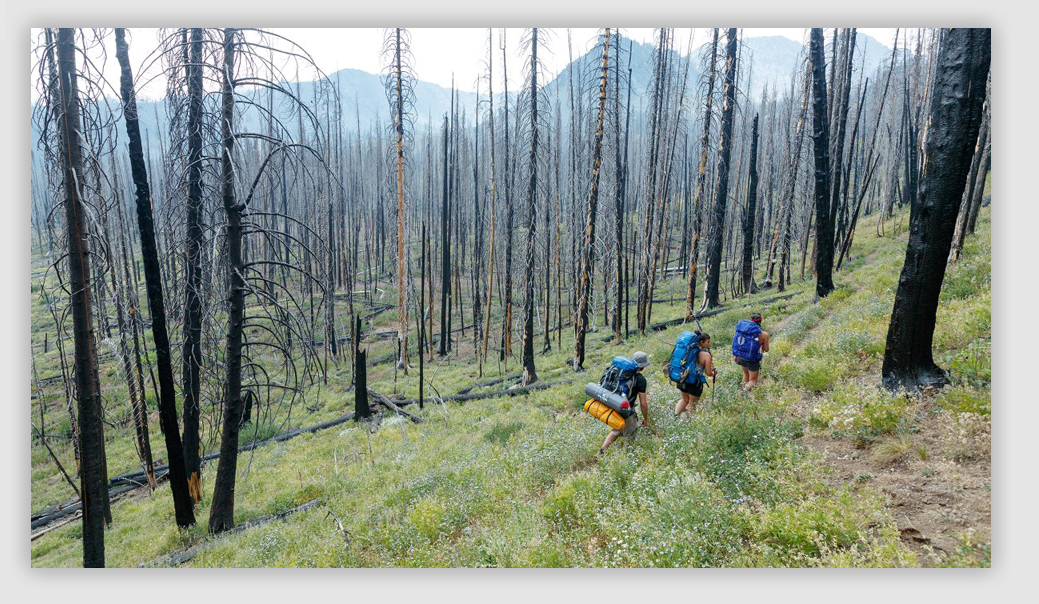 Outside, October 9, 2019: Hikers: Beware of Falling Trees
It’s the kind of freak accident that nobody thinks could happen to them. In late August, the Skamania County Sheriff’s Office in Washington State received a broken cell-phone call. A tree had fallen and struck Finn Bastian, a 28-year-old from Germany, while he was hiking on the Pacific Crest Trail. As emergency responders rushed to the scene, Bastian’s condition deteriorated. Search and rescue managed to bring Bastian to the trailhead, but he died there after CPR failed to revive him. The tragedy happened two weeks after another tree stuck and killed Beth Skelley, 56, as she slept in her tent on the Colorado Trail. Falling timber killed a hiker on the Appalachian Trail in 2015 and again in 2018. And two kids died in Yosemite Valley, California, when a limb from an oak tree fell onto their tent, also in 2015. There are no exact statistics kept on the number of Americans killed by falling trees, so it’s difficult to know for sure if the problem has gotten worse, and if so, how much worse. You’re still far more likely to die driving to the trailhead than you are from a falling tree, says Wesley Trimble of the American Hiking Society. But it turns out, these tragedies may not be isolated incidents. “A lot of forests are suffering, whether it’s from pine beetles, other invasive species, or diseases that are causing trees to die off,” says Trimble. “The likelihood of trees falling down is a much lower possibility when there is a forest full of healthy trees, and there are a lot of unhealthy forests, especially along the Colorado Trail and Pacific Crest Trail…”
The response to the PG&E public safety power shut off from customers and elected officials has been swift and full of frustration. “It’s not fair to make everyone else pay the price of PG&E’s long term and chronic negligence,” said Mark Toney, the executive director of The Utility Reform Network or TURN. Toney is echoing the frustrations of many PG&E customers who are finding themselves in the dark during the PSPS. “If PG&E had spent the money we gave them on trimming the trees and maintaining the power lines safely, we wouldn’t be in this position,” said Toney. Toney says the shut off should be a last resort according to the public utilities commission. PG&E continues to say they don’t take this decision lightly and community safety is the priority. A spokesperson also said the company’s been working on improvements. “Vegetation management, making sure our wires are clear of vegetation, also includes hardening our system for the future,” said Ari Venrenen, a spokesperson for the utility. But, in its latest filing to a federal judge, PG&E says it’s completed less than a third of its tree trimming work this season…”
Elegant. Graceful. Prized in traditional Chinese medicine. In its native China, home to a productive silk moth. Yet tree-of-heaven … isn’t. Brought to this country in the 1700s as a horticultural specimen and shade tree, tree-of-heaven (Ailanthus altissima) is one of North America’s most invasive tree species. It grows incredibly fast, seeds prolifically and even releases a toxin into the soil that inhibits the growth of other plants. Tree-of-heaven, also called ailanthus, is one of 38 species on Ohio’s invasive plant list. But while you won’t find it for sale at your local nursery, the tree is abundant in and around Yellow Springs. “There is a lot of tree-of-heaven around town, and it especially likes to grow beside buildings and in open areas,” according to Macy Reynolds, president of the YS Tree Committee. Often planted as an urban tree, ailanthus is famous, or infamous, for its ability to grow anywhere — up through the merest cement cracks. That hardiness is celebrated as a metaphor for human resilience in the 1943 novel, “A Tree Grows in Brooklyn.” The tree in question? Tree-of-heaven, pervasive across New York City. But ecologists aren’t quite so enamored of ailanthus’ toughness. Most common in urban areas, disturbed soils and forest edges, tree-of-heaven can also take advantage of gaps in mature forests, displacing native tree species. And because it’s a prolific seeder, the tree growing in your yard could end up, borne by wind and water, in one of our local woods…
Members of a newly revamped shade tree commission have asked city council to pass a controversial ordinance that would require property owners to get commission approval before cutting down any tree on a tree lawn or along a roadway. Commission Chairman Sam Troy at council’s work session Tuesday began a presentation by expounding on the virtues of planting trees in a community, citing a litany of health, environmental and economic benefits. Troy said council can help by taking an inventory of trees on the streets in their districts and approving funding for the city to buy trees for planting. Just as important, Troy said, is passing a shade tree ordinance similar to those in Kingston and Forty Fort. Troy said a previous shade tree commission “did succeed in planting a lot of trees” but “foundered and failed because they got frustrated” when council members at the time refused to pass a shade tree ordinance proposed in 2005…
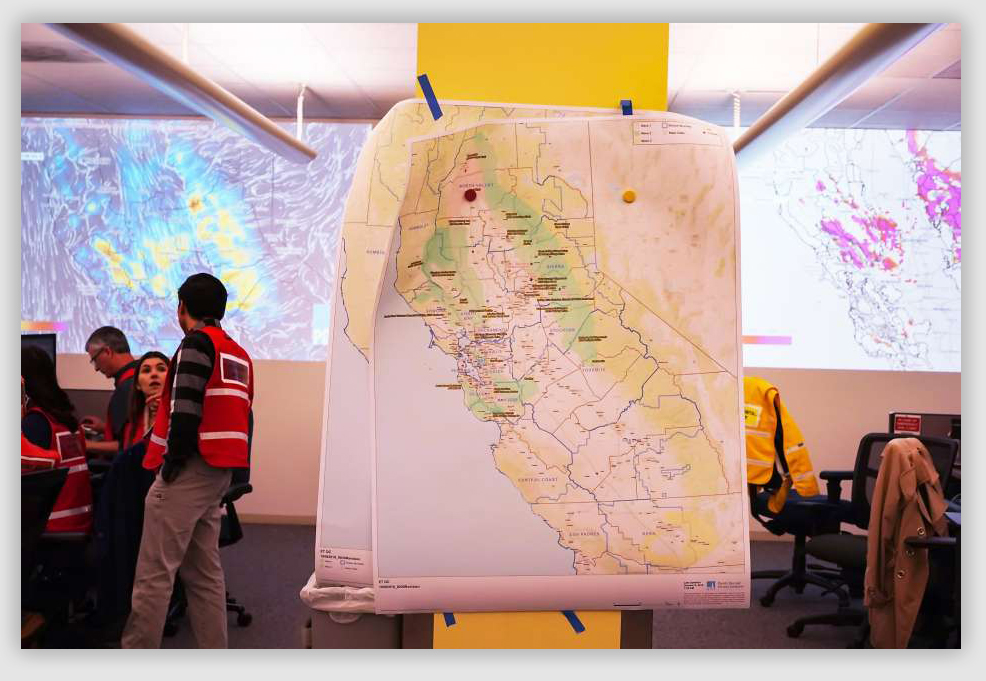
Pacific Gas and Electric Co. began shutting off power to parts of California on Wednesday in its biggest preemptive action to avert another destructive wildfire like those which took dozens of lives and destroyed thousands of homes over the past two years. The utility said it would shut off power to 800,000 customers in Northern and Central California in waves, beginning with the northernmost areas and moving south. The blackout was not expected to strike the Bay Area until around noon but more than 5,000 customers in Solano County were shut down just after midnight, and nearly 600 customers in Marin County were shut down as well. Other areas where electricity was shut off included parts of Glen County, Tehama County, Yuba County and Nevada County. For PG&E, the shut-offs will mark a high-stakes test of a program the now-bankrupt company developed after being implicated in two years of catastrophic infernos. The crisis has raised fundamental questions about whether PG&E can deliver power safely to its customers amid a warming climate…
For the past five years, Lauren Collins and her family have lived in the same house in South Wash Park. “We’ve put a lot into this house, it was a fixer upper,” she said. Last year, the lot next door was bought and new neighbors began to build. “They excavated right on the property line and these are 100 year old trees,” she added. Pictures show the construction was done by the builder, but Collins is worried about her trees. “Then in January is when they started showing this. The bark started coming off, the sap started dripping down from parts of the tree so we called an arborist,” she said. The arborist told them the tree is structurally damaged. “My family, we feel like we’re stuck,” Collins said. The law says any roots or branches that cross the property line are available to be trimmed. Collins is worried about liability from her tree if it dies and falls on her house or somewhere else. “We have lost a lot of sleep over this issue,” she added…
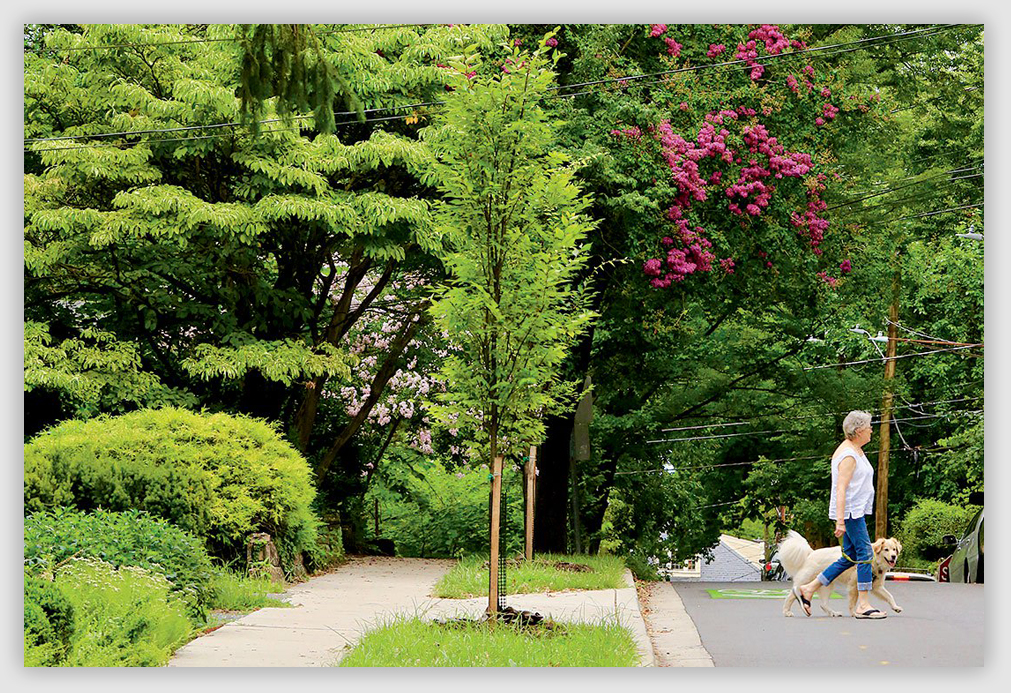 Washington, D.C., The Washingtonian, October 8, 2019: Inside Takoma Park’s Ongoing Tree War
A leafy DC suburb has recently found itself in a kerfuffle about its trees. At the root of the tension: Takoma Park’s strict foliage ordinance, which it enacted in 1983. According to the rules, residents must obtain a permit from the city’s urban forest manager (yes, that’s a real position) before cutting down any tree, even on private property. If a hard-to-win permit is granted, the homeowner must, in the case of a live tree, either replant it or pay a fee that’s used to plant replacement saplings elsewhere in Takoma Park. Such is life in this tree-hugging community, long a bastion of progressive values and general crunchiness. But lately, some residents have been chafing at the rules. Now the city council is in the process of revising the ordinance so that it will be “more user-friendly, less bureaucratic, and feel a little less punitive,” says council member Kacy Kostiuk. The man tasked with enforcing the city’s complex processes is urban forest manager Jan van Zutphen, who arrived in 2017. Something of a local Lorax, van Zutphen speaks for the trees—to a greater extent than previous holders of the position, some residents say. To others, however, he’s just doing his job. “People tend to be in favor of certain environmental regulations,” says van Zutphen, who thinks more education and outreach might help locals better understand what he does. “[But people find it] a little harder when it applies to themselves—myself included…”
An infestation of insects that have the ability to quickly kill healthy Douglas fir trees is on the move in British Columbia and the Ministry of Forests says it has now been found further north than ever before. A statement from the ministry Tuesday said an infestation of tussock moth has been found in trees in the western Cariboo, just south of the community of Alkali Lake. The pest is usually found in more southern parts of the province, such as Kamloops and the Okanagan. They can kill a large Douglas fir in just one to two years during a severe infestation, according to the ministry. Tussock moth caterpillars feed on the needles of the Douglas fir, stripping limbs, which appear scorched as they die. Trees weakened by the moth are more susceptible to beetle attacks…
Thousands of magnolia trees in Long Beach are in danger because of beetles that have invaded the area. Walking or driving down Magnolia Avenue in Long Beach, you’re sure to notice that something is a little off. “Sometimes when you’re just walking, it kind of sticks to your shoe, and it’s really like gooey,” said homeowner Melissa Roxas. The magnolia trees are dying. They’re drying up and turning black. More than 1,000 magnolias across the city of Long Beach are infested with a pest, known as the Tuliptree Scale. The pests suck up the trees sap, and in some cases, kill the trees. Long Beach City Council members are now working to find a fix. In a meeting Tuesday, they are expected to discuss the cost to remove and replant all infected trees, what further treatment options exist, and a cost estimate for water blasting all affected sidewalks. Neighbors say the problem has been going on for a few years. “My husband has looked into it. He’s called the city,” said Roxas…
Diane Stevenson questioned why an Ocean Springs employee was cutting tree branches and it escalated to where she was arrested and handcuffed. Stevenson, 73, was arrested on a charge of disorderly conduct for allegedly harassing a public works employee for trimming the trees at Fort Maurepas Park. The arrest happened around 11:30 a.m. Thursday after the public works’ employee called his supervisor to tell him someone was upset and screaming about him trimming the trees at the park. The report the police filed and the version of what Stevenson said happened are decidedly different. According to the police report, a public works employee was in the middle of doing the job when Stevenson walked up and started “screaming and telling him he needs to stop cutting trees…”

With just 20 percent of the city’s land covered by trees, Philadelphia has one of the smallest tree canopies of any of the major cities in the Northeast. This is troubling when you factor in the fact that, according to NASA GISS and the NOAA, the average global temperature has steadily risen since 1998 with the last five years being the hottest on record. One way to combat rising temperatures and environmental shifts is to plant more trees, a mission that the Pennsylvania Horticultural Society has undertaken with their Tree Tenders program. Additional trees and plant life not only have obvious aesthetic benefits but improve air quality, shelter wildlife, prevent stormwater runoff, and keep city streets cooler. Research also shows that trees have additional health benefits such as reducing mental fatigue, reducing anxiety, and combating obesity by promoting more outdoor play time for children. To help restore the region’s tree canopy, PHS’s Tree Tenders planted just over 1,600 trees in Philadelphia and Southeastern Pennsylvania in 2018. This year, the team has already planted 771 trees and will be adding another estimated 857 trees during their fall seasonal tree planting weekend on November 16th and November 17th…
Some folks in Jones County say they have concerns about a power company spraying chemicals on plants near power lines on their property. Tri-County EMC says they maintain a 30-foot-wide right of way by mowing, trimming, and spraying near the power lines to control vegetation that grows there. Jasen McCall has lived in his home in Gray for about six years. “I love the fact that my wife and I can take walks with our dog down our driveway and just be able to enjoy the nature that it is,” McCall said. In the last few months though, he says the nature he grew to love has died. “I noticed that there were several dead spots along our driveway here mainly underneath the power lines,” McCall said. Greg Mullis with Tri-County EMC says the company works with another company called NaturChem to spray the herbicides to keep trees, brush, and other growth from interfering with electric service in the county. “We encourage them to never plant or try to put landscaping under those power lines because of safety and reliability,” Mullis said…
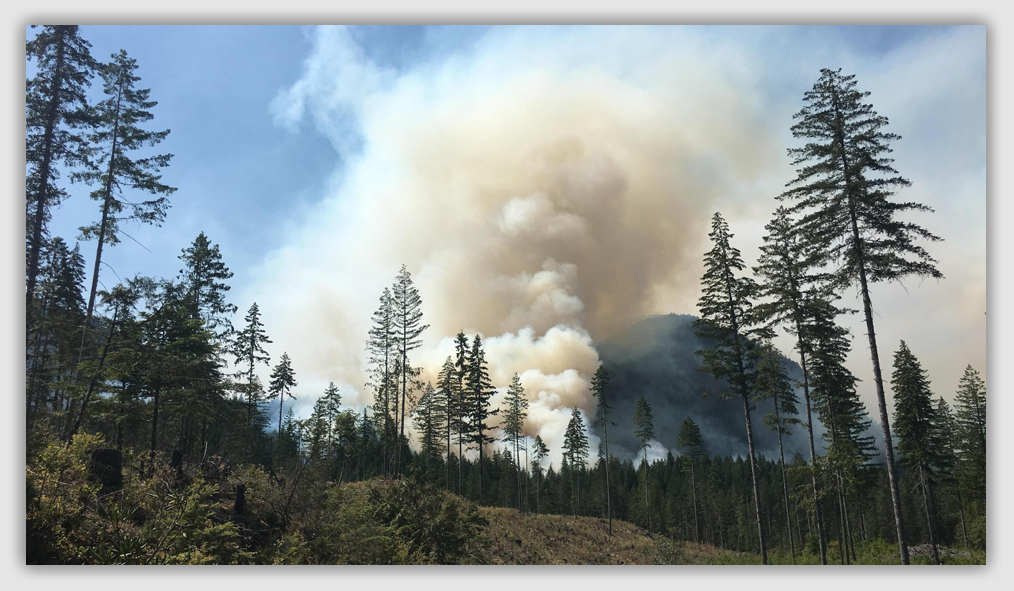 Quatz, October 6, 2019: Tree thieves are the scourge of national forests
The name “Maple Fire” doesn’t quite do it justice. In August 2018, a wildfire razed 3,300 acres of ancient forest in Washington state—burying Seattle in smoke and costing taxpayers $4.5 million before firefighters were able to extinguish the flames. But the cause of this devastating blaze is even more bewildering: Two bungling criminals who were allegedly attempting to steal a big, beautiful old tree. According to a recent indictment by the US justice department, the duo had planned to illegally fell a bigleaf maple in Olympic National Forest, only to find themselves thwarted by a huge bee nest in its branches. After failing to wipe out the pesky bees with wasp killer, they doused the nest in gasoline and lit it on fire. Though they tried to extinguish them with water bottles, the flames quickly spread. The charges highlight the increasingly expensive problem for national forests posed by tree thieves. Wood from bigleaf maples fetches a handsome price. Thanks to the aesthetic appeal of its unusually wavy grain, this “figured wood” is coveted by mills that use it to make guitars. Though essential parts of local ecosystems, these high-value trees are thinly guarded by overstretched national forest law enforcement officials. That makes them easy prey for chainsaw-wielding poachers…
They’re big. They’re beautiful. And they’re in danger. There is a mad dash right now to save our region’s ash trees, no thanks to a shiny, tiny bug. “People from the Midwest are certainly familiar with emerald ash borer,” said the city of Fort Worth’s forester Rustin Stephens. “It’s new to us.” The emerald ash borer, a beetle with a vibrant green shell, has killed millions of ash trees since 2002, when the bug was discovered in Michigan. In 2018, WFAA profiled an 11-year-old boy named Sam Hunt, a nature lover who found the green beetle in Fort Worth. “I just thought it was crazy,” he told us then. “I never thought I could find anything like that.” The state forest service confirmed it was the first proof of the borer in North Texas. Stephens said he and others are grateful the boy made the discovery; he assumes the bug had been here for years before. Stephens said since the discovery, Fort Worth has worked to proactively treat its ash trees, but because it can take years for the symptoms to show up, he fears the worst…
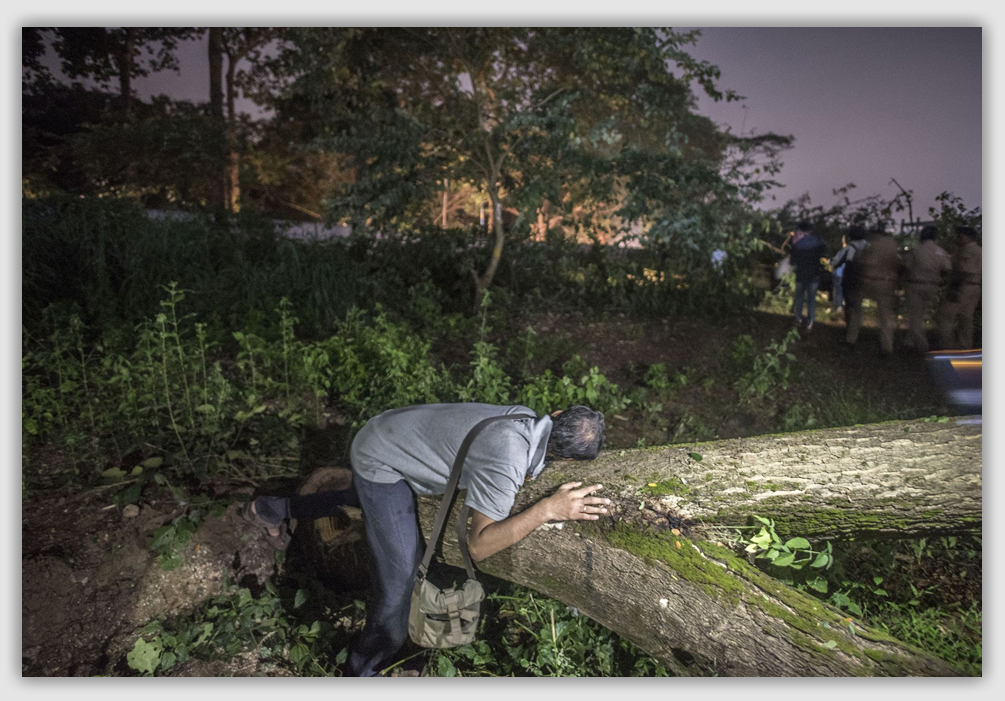 Bloomberg, October 6, 2019: Cutting 2,700 Trees for Mumbai Metro Project Ignites Protests
India’s Supreme Court ordered a halt to the felling of trees in an area frequented by leopards and vulnerable birds, after the plan to clear the area and build a depot for Mumbai Metro Rail Corp. ignited protests and triggered an outcry from the main ally of Prime Minister Narendra Modi’s party days before state elections. No more trees must be cut until a special bench hears the matter on Oct. 21, the Supreme Court said after an emergency hearing on Monday. Authorities began chopping down about 2,700 trees marked for clearance late on Friday, within a few hours of a Bombay High Court ruling that the area, known as Aarey in suburban Mumbai, wasn’t a forest. Activists alleged the action violated rules that stipulate a 15-day window — which MMRC denies — and rushed to the spot only to be evicted by police. “This is sheer arrogance. They think they can run the city the way they want,” said Zoru Bhathena, a petitioner in the case. The tussle underscores the difficulties Mumbai faces as one of the world’s most densely populated cities tries to upgrade critical infrastructure for citizens. Built mostly on land reclaimed from the sea, its colonial-era drainage system is increasingly insufficient to prevent flooding, eight people die on average each day on its overcrowded trains, and the few surviving patches of mangroves or forests like Aarey are losing out to shantytowns or developers…
Under a giant oak tree in front of her daughter’s Bayshore Boulevard home, Sandra Bates says more than a dozen trees were chopped down a week ago two lots over. “These trees are hundreds of years old,” said Bates, a volunteer for the Advocacy group Tree Something Say Something. “Once the trees are gone they’re gone. You can’t glue them back together,” said Chelsea Johnson, another volunteer for Tree Something Say Something. A new state law passed in July says a private property owner doesn’t need a permit if they have an arborist deem the trees “dangerous”. Johnson believes the law is being used by developers as a loophole to cut down whatever they want. She’s concerned about the environmental impact. “You can stop building projects that don’t have the proper permits but apparently you can’t stop trees from coming out that don’t have the proper permitting?” Johnson asked. “We’re seeing Tallahassee dictate what is precious to Tampa…”
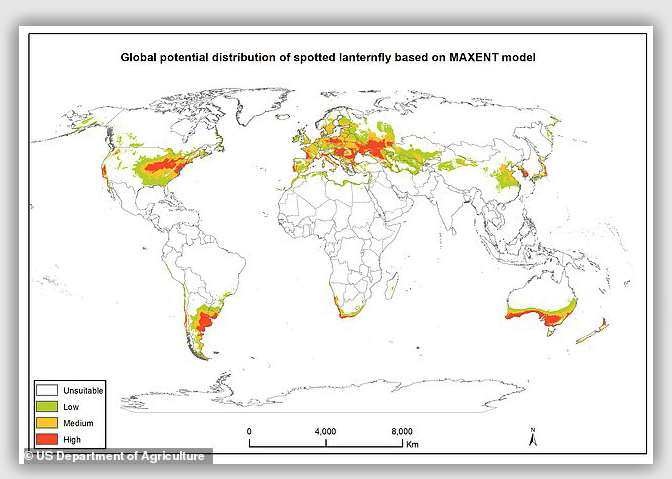
Plant-destroying spotted lanternflies are spreading around the globe, a study has warned. The insects, which are native to China, are a pest to dozens of plants and trees. They can trigger sap leakage, wilting, leaf curling and dieback and the US Government tells people to kill them on sight. And a map drawn up by the Department of Agriculture has revealed regions where the bugs are at risk of spreading to next. The UK has been designated a ‘medium risk’ area, along with much of Eastern Europe, while the eastern US and California are deemed to be high risk, along with parts of France, Portugal, Italy, Russia and Ukraine. As well as damaging garden plants the lanternflies can ruin farmers’ crops, too, such as almonds, apples, blueberries, cherries, peaches, grapes and hops. They also wreck hardwood trees including oaks, walnuts and poplars. And in addition to causing physical damage, they excrete a sugary substance called honeydew which encourages a mold which is harmful to plants.Lanternflies, which can lay 30 to 50 eggs each time they breed in the autumn, have already become a problem in some parts of the US. Pennsylvania, New Jersey, Virginia and Delaware have all reported growing numbers of the critters…
Tree and fruit growers won’t be happy to hear the findings of a new habitat-modeling study by scientists at the U.S. Department of Agriculture — the invasive spotted lanternfly still has plenty of suitable habitat, should it continue to spread. The spotted lanternfly, Lycorma delicatula, has been reported to attack grapes, apples, cherries, and several other fruit and timber tree species. In its native habitat, the species is kept in check by natural predators. But in places like New Jersey and Pennsylvania, the invasive species can severely damage trees. To figure out where the spotted lanternfly might show up next, scientists built a model to compare its native habitat in Asia with the habitats the insect has invaded in New Jersey and Pennsylvania. Scientists used the model to analyze the suitability of other habitats in the United States. According to the findings, published Thursday in the Journal of Economy Entomology, there are still plenty of places in North America for the invader to go. Simulations suggest the spotter lanternfly would find much to like about most of New England and the mid-Atlantic, as well as large swaths of the central U.S. and Pacific Northwest…
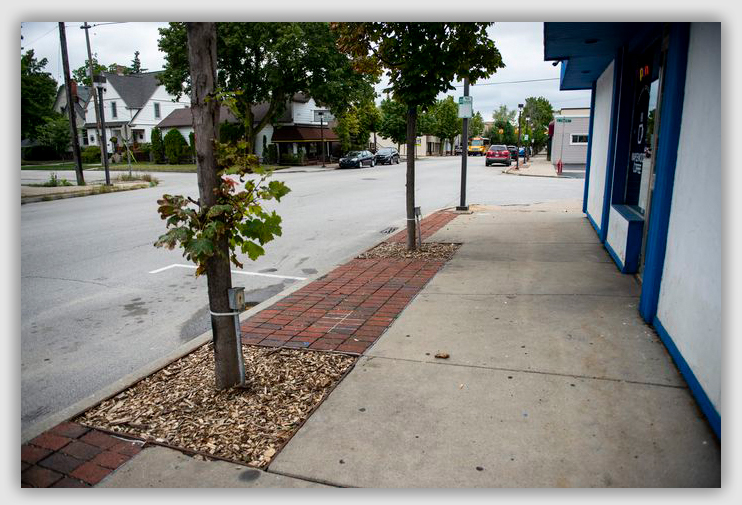
A central Pennsylvania restaurant owner must replant a sidewalk tree in front of his eatery even though he claims it would be bad for business, a Commonwealth Court panel has ruled. And, the judges decided, he must pay for the planting, too. That ruling, set in an opinion by Judge Patricia A. McCullough, marks Joseph Yannone’s third and perhaps final defeat in a legal battle with the Bloomsburg Shade Tree Commission. The fight began after the commission allowed Yannone to cut down a tree that was in front of his Tri Pi Pizzeria in the first block of East Main Street in April 2017. The deal called for Yannone to plant a new tree within six months. He didn’t. Yannone appealed to the state court after a Columbia County judge backed the shade tree commission’s order requiring him to replant. Yannone claimed a new tree would interfere with the outdoor dining facililties he installed after the old one was removed and would block the sign for his pizzeria. He argued that sidewalk trees are tripping hazards, damage the pavement and attract bugs. Also, he said, dog owners tend to let their pets relieve themselves on the trees…
Labiotech.eu, October 4, 2019: This Biotech Genetically Engineers Trees to Produce Biofuels
The looming threat of climate change is increasing the pressure to reduce our consumption of fossil fuels. New technologies to produce fuel from plants provide an alternative, but the shifting climate could also disrupt crop growth, compounding the problem. SweTree Technologies aims to tackle the issue by engineering trees to have higher yields of biomass and to resist temperature changes. “Genetic engineering is one powerful tool in solving the challenge to grow more biomass,” Christofer Rhén, SweTree’s CEO, told me. To find out which genes they want to target, SweTree first makes mutant strains of trees that lack a specific gene and observe the effect this has on traits such as wood formation and speed of growth. Since its founding in 1999, the company has studied over 1,500 genes. So far, Swetree has selected 25 candidate genes to modify in tree species such as spruce. To manufacture these modified trees, SweTree is now building a pilot facility aimed at producing 20 million plants annually by five years’ time. SweTree’s facility will be able to produce multiple types of trees, such as poplar and eucalyptus, depending on customers’ needs…
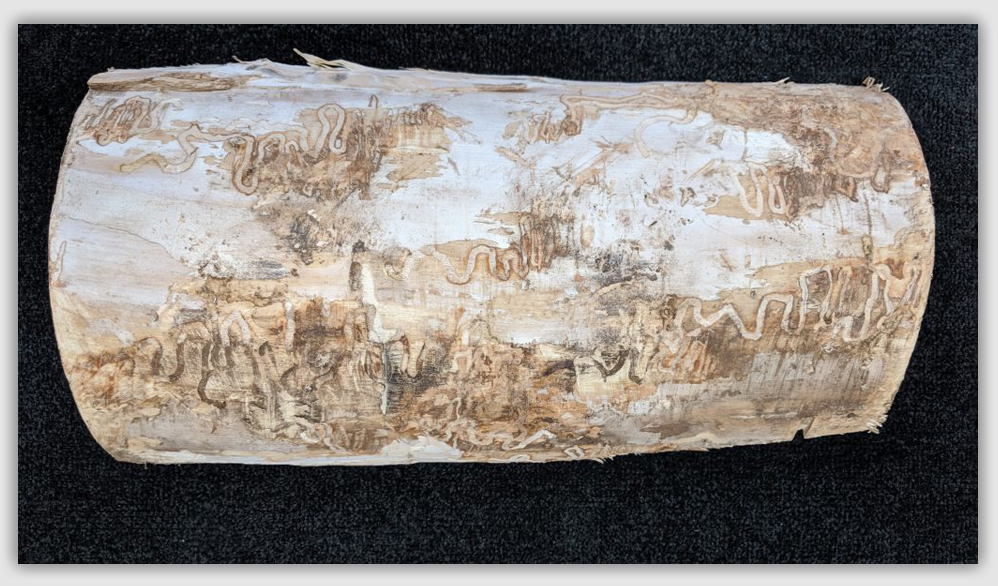
A destructive beetle that is a threat to about 15% of Greeley’s trees has been confirmed in Larimer County, according to a news release from the Emerald Ash Borer Response Team. Officials found emerald ash borer near Berthoud in Larimer County, the first in the county and the third confirmation of the pest in Colorado outside a federal quarantine. The pest attacks ash trees, typically killing them within two to four years after infestation. There are about 15,000 ash trees in Greeley, and officials estimate ash trees make up about 15% of all urban and community trees in the state. The infested tree near Berthoud was located on private property, less than three miles southwest of the town, the release states. Foresters are inspecting nearby trees to determine the extent of the infestation…
Earth’s hydroclimatic variability is increasing, with changes in the frequency of extreme events that may negatively affect forest ecosystems. We examined possible consequences of changing precipitation variability using tree rings in the conterminous United States. While many growth records showed either little evidence of precipitation limitation or linear relationships to precipitation, growth of some species (particularly those in semiarid regions) responded asymmetrically to precipitation such that tree growth reductions during dry years were greater than, and not compensated by, increases during wet years. The U.S. Southwest, in particular, showed a large increase in precipitation variability, coupled with asymmetric responses of growth to precipitation. Simulations suggested roughly a twofold increase in the probability of large negative growth anomalies across the Southwest resulting solely from 20th century increases in variability of cool-season precipitation. Models project continued increases in precipitation variability, portending future growth reductions across semiarid forests of the western United States…
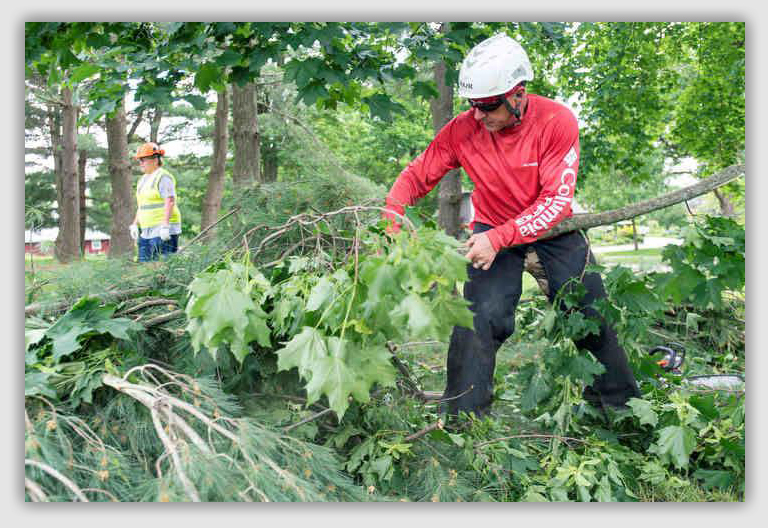
The city of Urbana is looking to citizens to donate money to replace trees lost in a late spring tornado. A release Wednesday from the city said the F-1 tornado that hit southwest Urbana May 26 cost the city more than $131,000 to clean up. Another $22,000 will be needed to replace the 64 trees lost that Sunday morning. Vince Gustafson, a deputy director in public works, praised the efforts of city employees who quickly responded to the storm that severely impacted two residential areas. It’s estimated they put in about 1,543 hours on clean-up. “Now we are faced with replacing the damaged and destroyed trees in order to maintain our urban forest,” said Mayor Diane Marlin, whose own neighborhood was affected by downed trees, damaged fences and roofs. “We had made excellent progress addressing the tree-planting backlog following losses due to the emerald ash borer,” she said. “The tornado has set us back. Many community members benefitted from the city’s efforts to remove debris — even the substantial amount of debris that came from private property. Now we are asking the community to help…”
Marylanders with black walnut trees on their property are asked to donate extra walnuts to the Maryland Department of Natural Resources. The Maryland Forest Service will use the walnuts to grow and plant trees along creeks, rivers, and streams as part of the state’s tree-planting program, aimed at enhancing habitat and water quality throughout the Chesapeake Bay Watershed.
Citizens can drop off walnuts – in bags, boxes, or containers – at either Gambrill State Park in Frederick County or the U.S. Department of Agriculture Natural Resource Conservation Service office in Washington County. Anyone with questions should contact those locations directly. Black walnut trees are easy to identify by the large round nuts that drop after the leaves fall in autumn. Black walnuts are fairly common in Maryland and may live for up to 250 years. They are the most commonly planted nut tree in North America, partly because most seedlings germinate from nuts buried by squirrels…
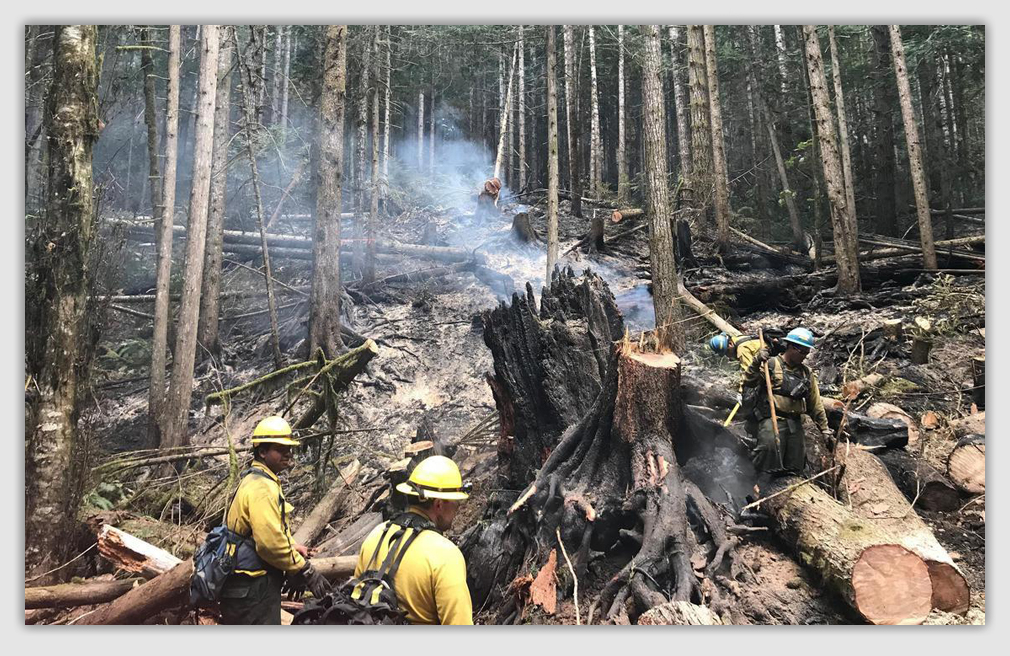
A quick check beneath the bark of the bigleaf maple confirmed that the campers had finally tracked down what they were looking for. The towering tree with enormous, fanlike leaves was different from others growing within Washington state’s Olympic National Forest – it contained highly prized wood worth hundreds, if not thousands, of dollars. But before the maple could be illegally chopped down and hauled out of the protected area last year, the timber thieves found themselves facing an unexpected complication, according to a federal indictment unsealed Monday. A colony of bees had made the valuable tree their home, which meant that felling it was now “difficult or impossible,” the indictment said. Instead of giving up, federal prosecutors say the tree poachers attempted to get rid of the bee nest – which proved to be a costly mistake. Their bumbling efforts allegedly sparked a forest fire that burned out of control for several days last fall, scorching 3,300 acres of federal and state land, according to a news release from the U.S. attorney’s office in the Western District of Washington. Known as the Maple Fire, the blaze cost $4.5 million to extinguish, the release said. Justin Andrew Wilke and Shawn Edward Williams were charged with multiple federal felonies related to their alleged scheme to steal bigleaf maple trees from the sprawling national forest west of Seattle, officials said Monday…
Litle Rock, Arkansas, Democrat-Gazette, October 2, 2019: Heights’ tree rules on LR board agenda
Tree preservation rules for Little Rock’s Heights neighborhood are set to go before the city board for final approval tonight. The Little Rock Planning Commission voted unanimously in April to recommend an ordinance establishing a design overlay district encompassing the neighborhood to the Board of Directors. The new regulations would affect anyone constructing a new residential unit or making an addition of more than 600 square feet of foundation area on the property. If the proposed ordinance passes, such property owners and developers will either have to maintain the existing trees on the property or plant one new 2.5-inch caliper tree per 40 feet of street frontage, or retain one tree 12 inches or greater. A group of Heights residents, concerned that an influx of development would jeopardize the tree canopy that they say makes the area unique, began working to develop proposals for regulations. The Heights Neighborhood Association participated and recommends approval of the ordinance. Others have expressed concerns about the ordinance infringing on property rights…
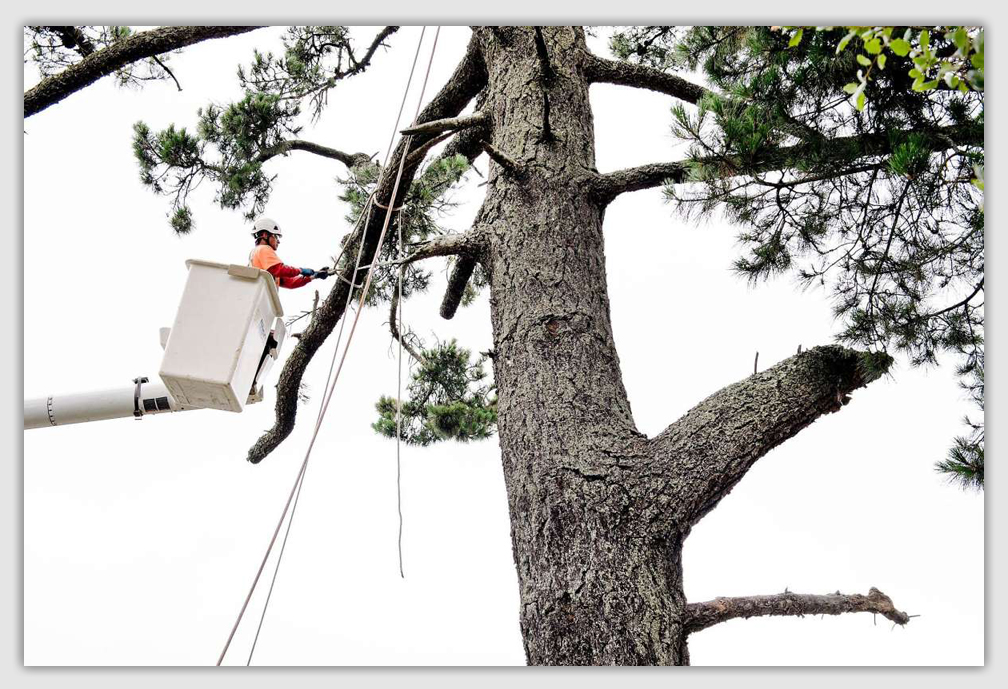
As the most dangerous part of California’s wildfire season continues, Pacific Gas and Electric Co. says it has finished only about 31% of the aggressive tree-trimming work it planned this year to prevent vegetation from falling on power lines and starting more deadly infernos. PG&E told a federal judge Tuesday that as of Sept. 21, the company had completed 760 miles out of the 2,455 miles of power lines where it intends to take extra steps to cut back vegetation. The company said its ability to meet the tree-trimming target by the end of the year depends on whether it can “significantly increase the number of qualified personnel engaged” in the effort. PG&E’s filing came two weeks after its latest appearance before U.S. District Judge William Alsup, who is overseeing the company’s probation arising from the 2010 San Bruno gas pipeline explosion. Alsup has taken a keen interest in PG&E’s vegetation management because the collision of trees and branches with electric lines is a major source of wildfires in the company’s service territory. That’s how many of the October 2017 fires in the North Bay’s Wine Country began, and the state linked all but one of the major blazes from then to PG&E equipment. Fire victims’ lawyers maintain PG&E caused the remaining fire, a dispute that is set to go to trial in January…
Tree stands in fire-prone forests could soon get some relief. Scientists at Stanford University have developed a gel-like liquid that acts as a flame retardant. Researchers suggest the material could be used to protect vulnerable trees in wildfire-prone areas, as well as reduce the frequency and severity of wildfires more broadly. Scientists described the material’s potential this week in the journal PNAS. “This has the potential to make wildland firefighting much more proactive, rather than reactive,” senior study author Eric Appel, an assistant professor of materials science and engineering in the Stanford School of Engineering, said in a news release. “What we do now is monitor wildfire-prone areas and wait with bated breath for fires to start, then rush to put them out…”
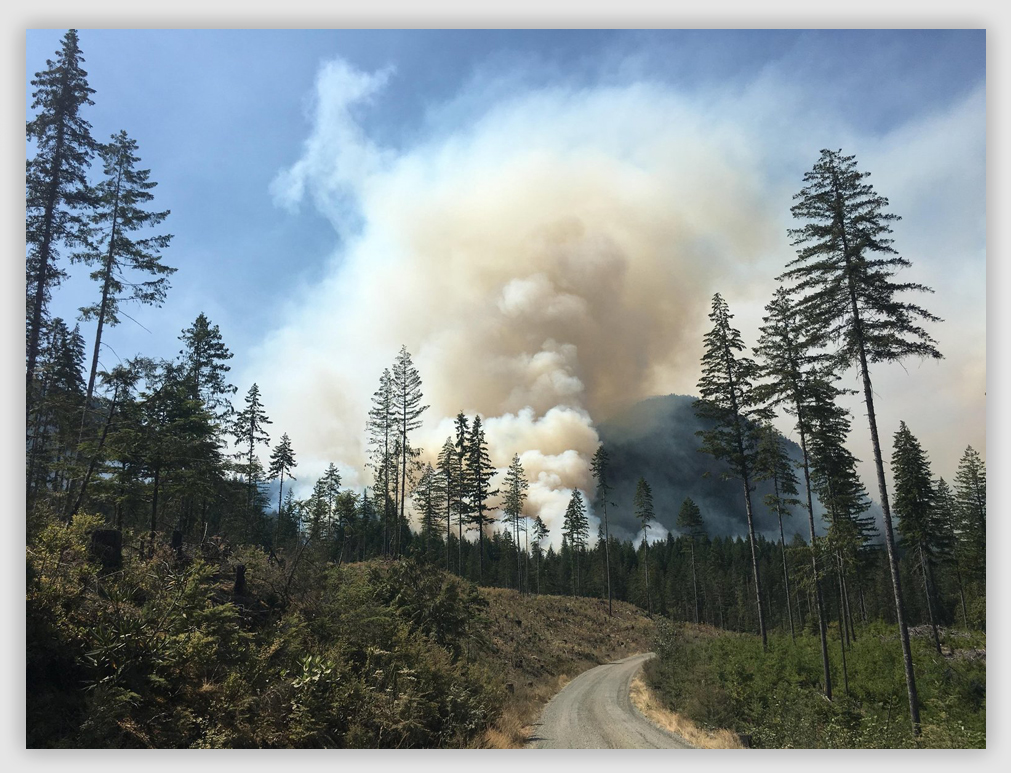
Think of it as a different sort of sting operation. Two former Hood Canal-area residents have been indicted on eight federal felony counts stemming from an effort to burn a bees nest that was interfering with their attempts to illegally harvest a valuable maple tree in the Olympic National Forest. Their attempt to burn the beehive resulted in a forest fire that consumed 3,300 acres and cost $4.5 million to fight, according to an indictment unsealed Monday. The indictment alleges that, between April and August 2018, Justin Andrew Wilke and Shawn Edward Williams were involved in cutting down and selling old-growth big-leaf maple trees on public land. These trees often contain what is called “figured” wood, which is coveted by luthiers for its often spectacular grain used for guitars, violins and other stringed instruments. The indictment alleges that in August 2018 the men attempted to take a large maple tree in the Olympic National Forest that contained a bees nest, making it particularly tricky to cut down. Their solution was for Wilke to pour gasoline on the nest and light it on fire. The blaze quickly ran out of control — despite their efforts to douse it with water bottles — and the resulting conflagration, known as the Maple Fire, burned out of control for several days, according to the federal charges…
D.J. Gomes and his logging crew were working in California’s wine country last fall, helping clear vegetation away from power lines and reduce the ever-growing wildfire risk. While they were gone, fire came for their hometown. The disaster that followed, the Camp Fire, killed 86 people and virtually leveled Paradise, where Mr. Gomes’s house was one of the few spared. His loneliness has started to ease as stores reopen and displaced neighbors move into new modular homes. But getting back to work has been more complicated. Mr. Gomes owns Crossfire Tree & Vegetation, one of many companies that have been contractors for utilities like Pacific Gas & Electric in fire-prevention work. State law makes the utilities liable for fires caused by their equipment, increasing the urgency of trimming trees and maintaining the power grid. But contractors face liability, too, if fires are traced to what they did or failed to do. And that is making it harder to get the insurance needed for the work. “Every year I go to renew, it’s a huge fight,” Mr. Gomes said. Despite his company’s safety record, “they keep increasing the amount of insurance they want you to have…”
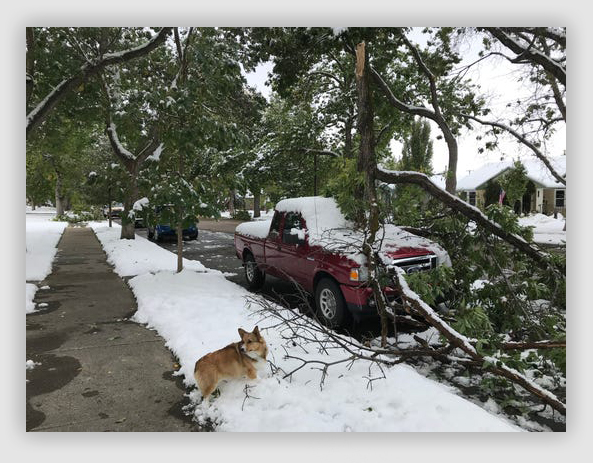
Tree damage caused by the weekend snowstorm is among the worst city forester Todd Seymanski has ever seen. “I’m going to say close to 50 percent sustained either minor or major damage,” Seymanski said of trees in the city’s tree boulevard district. Two boulevard trees were lost in the storm, he said. The weather event is among the top two or three in terms of damage to trees, Seymanski said. Previously, an August snowstorm and a 70 mph north wind event caused widespread damage. A combination of factors caused tree branches to succumb from a snowstorm that dropped 19.3 inches of snow on the city Saturday and Sunday, Seymanski said. The snow was heavy, and it was accompanied by wind, and it hit when leaves remained on the trees. “If it had happened three weeks from now, it wouldn’t have been a problem,” said Seymanski, noting that the leaves allowed snow to accumulate in the trees, with the weight too much for some of them…
This year’s weather has not been kind on many of Ohio’s crops, from an early, very wet spring to a hot dry fall. That is now wreaking havoc on some of the state’s trees. “This is pretty uncommon to see this entire groups of trees here dropping so many leaves,” said Tedd Bartlett, District Manager of Davey’s Tree Expert Company. Bartlett said much of the area is experiencing the same problems with trees, including early changes of color. However, he says, we won’t be seeing as much of the yellow, orange, and red in the foliage, but a lot more brown, dead leaves on the ground. “We’ve had an early, wet spring, compounded by a late, dry, summer, early fall. What we are seeing is the effects of this prolonged drought that we’ve had for the last three to four months,” he said. There are some steps you can take to keep your own trees healthy, Bartlett said, including practicing “deep watering,” adding enough water to tree roots so that it will be absorbed into the roots. That will help, but Bartlett says, we’re still in for a season of trees drooping a bit more than usual.
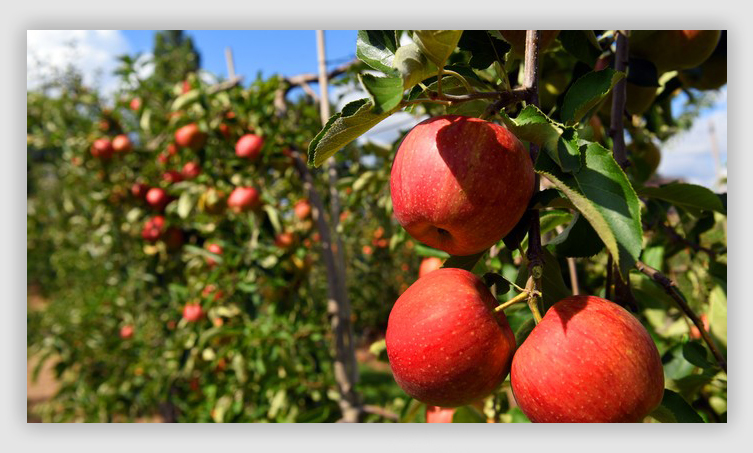
If we hear the phrase “five-figure apple theft,” most of us are gonna immediately assume that it referred to a smash-and-grab at a high-end retailer, or a well-coordinated crime that involved, like, three pairs of AirPods. But when $27,000 worth of apples-with-a-lower-case-a were stolen sometime last week, it was a completely no-tech crime that presumably just involved shaking the shit out of a bunch of trees. According to WSBT, someone—or several someones—let themselves into Williams Orchard in La Porte County, Indiana, and they stole every single fruit from more than an acre’s worth of apple trees. Jon Drummond, who bought and re-opened the orchard less than a month ago, told the station that, in total, more than 50,000 apples were taken. “To be able to see an entire block of trees, nearly cleanly picked, when just days earlier there were thousands and thousands of apples on them, we just couldn’t even fathom it,” he told the station. Drummond said that the missing apples were discovered last weekend. The victimized trees are all at the back of the orchard, and Williams thinks that the perpetrators literally just put bins or tarps on the ground and shook the trees hard enough to knock the apples loose. He said that whoever targeted that area is probably going to make applesauce or cider but, dude, 50,000 apples’ worth of applesauce sounds like A LOT of applesauce…
City Manager Mark Schwieterman told council recently that the issue has been worked on for several months. One of the proposed changes involves updating the definition of “blight” so it matches what is in the Ohio Revised Code definition. If approved, the new codes would help address the problem of boarded up properties when they are cited for violations. “We have clarified the section on boarded structures, to avoid any confusion that a structure being boarded would be in compliance, and that is not the case.” he said. “That is simply the minimum standard and they (property owner) still have to make full repairs and corrections to the property.” The city will also remove high-risk trees if an owner does not take care of the problem in a timely manner. But the issue of dealing with nuisance properties is something the city now wants to put a priority on. The proposed addition to the city code would give police another tool to combat issues such as prostitution and drug crimes that endanger the health and safety of the community, Police Chief Chip Protsman said…
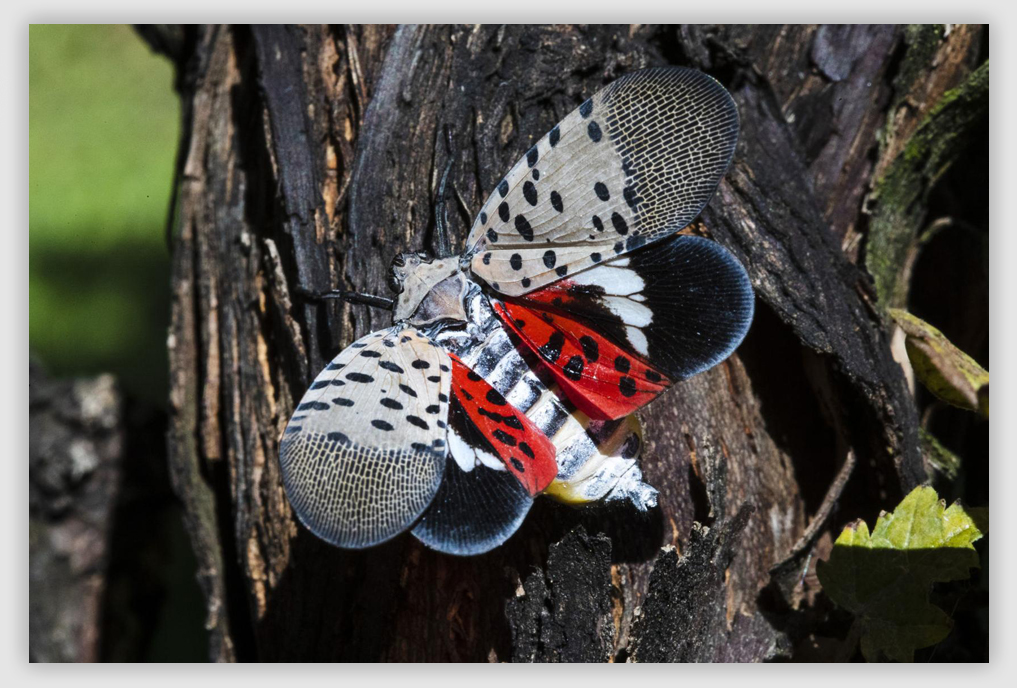
Spotted lanternflies have entered into their adult and egg-laying stages of their life cycle. The egg-laying phase will continue until December, according to the Penn State Ag Extension. The eggs will develop over the winter and spring, eventually hatching around May. By December, most of the adult spotted lanternflies will have died off, and only the eggs will survive through the winter, according to the Pennsylvania Department of Agriculture. According to the Penn State Ag Extension, the lifecycle of a spotted lanternfly follows the following pattern: – September to December: Adult spotted lanternflies lay their eggs; – October to June: The eggs develop and the lanternflies grow; – May to June: The lanterflies hatch, reaching nymph stage; – July to September: Lanternflies reach the fourth instar, which is the stage right before they turn into adults; – July to December: Lanternflies reach full adulthood. If you see an adult spotted lanternfly on a tree, or elsewhere, don’t be afraid to squish them. It is an invasive species from Asia that attacks trees and crops…
Minnesota agriculture officials monitoring for the possible spread of a fungus-like organism that has killed millions of oak trees on the West Coast say it has not yet been found in the state. But they remain on the lookout for a disease that could harm the state’s iconic oak trees. The Minnesota Department of Agriculture put out a call in August to anyone who purchased rhododendrons this year, to be on the lookout for sick plants. Rhododendrons infected with the organism — called Phytophthora ramorum — were found this year in Iowa, Indiana and Illinois. The shrubs can be a carrier for the disease that causes sudden oak death. Minnesota did not get a shipment of the infected rhododendrons, but officials asked that anyone in the state who purchased or planted rhododendrons this year to watch for leaves with large, brown blotches, as well as young green stems and shoots that turn brown and shrivel…

People who rely on wood stoves to heat their homes in the winter are scrambling to find other options after a U.S. District Court halted tree cutting on large swaths of national forests in the Southwest over concern about a threatened owl. “We have some elderly people that we have been serving for decades and they totally rely on this wood and on us, and it’s causing me to panic wondering if I’m going to be able to keep these senior citizens warm, these widows,” said Della Barrone, an owner of Olguin’s Sawmill in Taos, New Mexico. The U.S. Forest Service said Thursday it has suspended timber sales, thinning projects, prescribed burns and the sale of firewood permits as a result of a recent court order in a 2013 case in which environmentalists accused the agency of failing to track the population of Mexican spotted owls. U.S. District Judge Raner Collins said the Forest Service and the U.S. Fish and Wildlife Service have had more than 20 years to get a better handle on owl populations in all five national forests in New Mexico and Tonto National Forest outside metropolitan Phoenix. The six forests combined have more than 8,900 active permits for fuelwood gathering that include personal and commercial use. More than half of those permits are in Carson and Santa Fe national forests in northern New Mexico…
Atlanta, Georgia, WAGA-TV, September 26, 2019: Don’s Tree Experts owner busted on theft charges
Frustrated homeowners celebrated the arrest of the owner of a DeKalb tree-cutting service they blame for leaving their yards an eyesore and public danger. Members of the DeKalb County Sheriff’s Fugitive Squad took Angela Hodges into custody Tuesday, three months after a series of criminal theft warrants were issued against her. The charges involve four different homeowners who claim Hodges took money upfront to take down trees or remove stumps, then failed to show up to do any work at all. One complainant said he paid Hodges $5000. Many others filed civil suits against Hodges after she cut down the trees but then failed to come back to remove the debris. People like Patricia Callahan. “This is not a yard,” she told me as we walked through a backyard littered with giant logs and heavy branches. “I should make money for the movies the way my yard is looking.” Disaster movies? “Disaster movies,” she agreed. “Real scary ones that I don’t watch…”
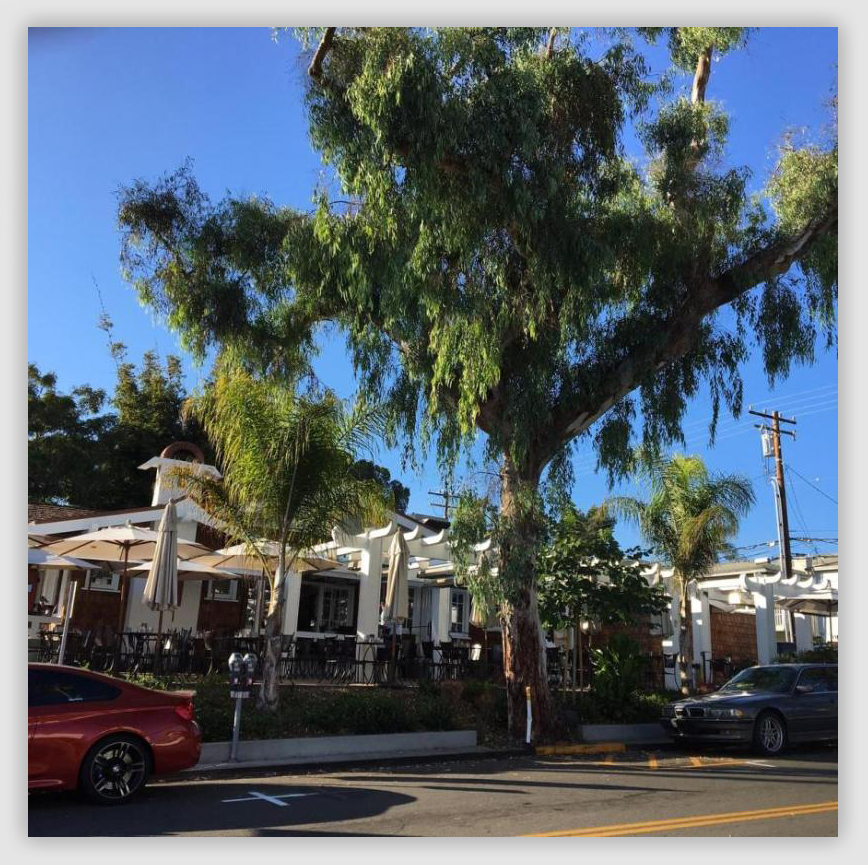
An ailing 50-foot red gum eucalyptus tree in front of the popular Urth Caffe in Laguna Beach will be cut down in a few weeks after city officials spent nearly three years and thousands of dollars trying to save it. On Tuesday, Sept. 24, the City Council agreed to remove the dying tree and have an appropriate tree for the space planted. “I think we’ve done as much as we can do,” Mayor Bob Whalen said. “It’s clear it’s moving into poor health.” The city-maintained tree on Aster Street has been under special city care since 2015 after restaurant personnel alerted officials to its declining health. The restaurant serves hundreds on weekends, often with long lines of people often waiting outside, and asked that the towering tree be removed because of the threat to public safety. The City Council – just after adopting new guidelines for public trees in 2016 – opted to try and save the eucalyptus after speaking with two arborists. The experts then predicted it would likely need removal within a decade, but community members rallied to have the city find an alternative…
Horse chestnut trees, whose conkers have been collected and treasured by generations of children, are among scores of European trees at risk of extinction. The latest assessment from the International Union for Conservation of Nature (IUCN) Red List also reveals three species of whitebeam recently discovered in Somerset are critically endangered at a European level. The European Red List of trees, which covers all 454 species of native trees, found more than two-fifths – 168 species – are under threat of dying out in Europe. More than half (58%) of the trees that are endemic – which are only found in Europe – are under threat, the assessment shows. Craig Hilton-Taylor, head of the IUCN Red List Unit, said: “It is alarming that over half of Europe’s endemic tree species are now threatened with extinction.”Trees are essential for life on earth, and European trees in all their diversity are a source of food and shelter for countless animal species such as birds and squirrels, and play a key economic role. “From the EU to regional assemblies and the conservation community, we all need to work together to ensure their survival…”
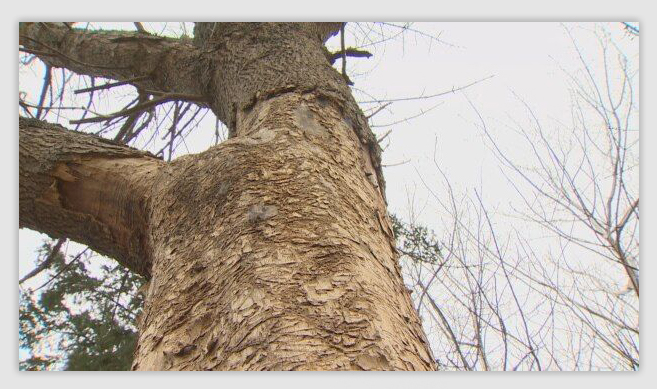
An inventory of city trees has led to the discovery of hundreds of ash trees — a species the city thought was completely wiped out during an emerald ash borer infestation which began in the 2000s. The inventory began in June and about 500 ash trees have been found to be still standing. “EAB went through the region in 2003, 2004,” said city forestry analyst Gaspar Horvath. “At that time, the inventory tells us we had something like 7,000 large, mature ash trees. Most of those died.” According to Forests Ontario, the emerald ash borer’s spread cannot be stopped — as beetles travel up to 10 kilometres each year. Since 2002, millions of trees in the Great Lakes region have been destroyed by the invasive species. “We essentially lost all the ash trees,” said Horvath. “Or so we had thought.” There are about 100,000 trees in Windsor, something Horvath called a “highly valuable asset.” In order to protect that asset, the city conducts an inventory. By the time the inventory is complete, Horvath estimated there could be about 1,000 ash trees in Windsor…
Nature Research, September 26, 2019: Tree height explains mortality risk during an intense drought
Forest mortality is accelerating due to climate change and the largest trees may be at the greatest risk, threatening critical ecological, economic, and social benefits. Here, we combine high-resolution airborne LiDAR and optical data to track tree-level mortality rates for ~2 million trees in California over 8 years, showing that tree height is the strongest predictor of mortality during extreme drought. Large trees die at twice the rate of small trees and environmental gradients of temperature, water, and competition control the intensity of the height-mortality relationship. These findings suggest that future persistent drought may cause widespread mortality of the largest trees on Earth…
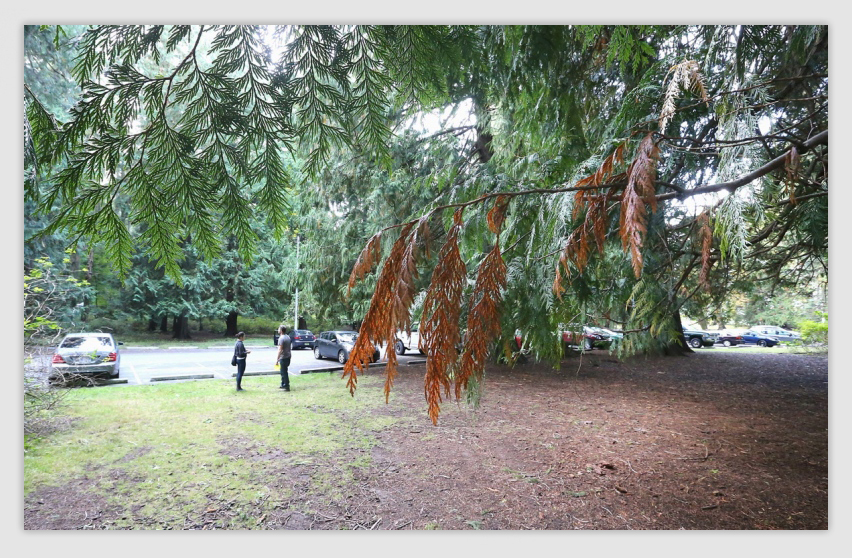
Recent summers with drought-like conditions have damaged Vancouver Island trees, especially cedars. “We are noticing clear, identifiable ‘flagging,’ ” said Andrew Burger, manager of park operations in Saanich. “That’s what we call it when you start seeing all the needles going brown. “This year we’re noticing actual complete die-off of a lot of cedars in our parks, like Mount Doug and some of our bigger, forested parks.” Dryness last winter also contributed to the die-off, he said. Peter Constabel, a University of Victoria biology professor and director of the Centre for Forest Biology, called cedars the “canary in the coal mine” for drought damage. “Cedar is the first one that we notice,” he said. “It’s the most sensitive, the most susceptible.” Last year, experts pointed to the damaging effect of drought on western red cedar — B.C.’s official tree — and Parksville reported a “devastating loss” of cedar trees in its parks. “We still see cedars [affected], especially driving up and down the Island Highway and just going up-Island a little bit,” Constabel said. “We see lots of them seem to be dying…”
The planting of 250,000 grapefruit trees with a $25 million investment in St. Lucie and Indian River counties is planned to begin in March. The 1,500-acre venture, announced Tuesday by Gov. Ron DeSantis and citrus leaders in a waterside banquet room of the Quail Valley River Club in Vero Beach, is expected to increase the Florida grapefruit crop by 15 percent, said Andy Taylor, Peace River Citrus Products senior vice president and chief financial officer. The ambitious project is the first major grapefruit planting since citrus greening and hurricane damage wiped away most of the state’s grapefruit groves, citrus business leaders told the audience of about 50 guests Tuesday. The groves are expected to begin producing fruit three years after their planting, Taylor said. Growers predict the trees will be “fully productive” by 2025…
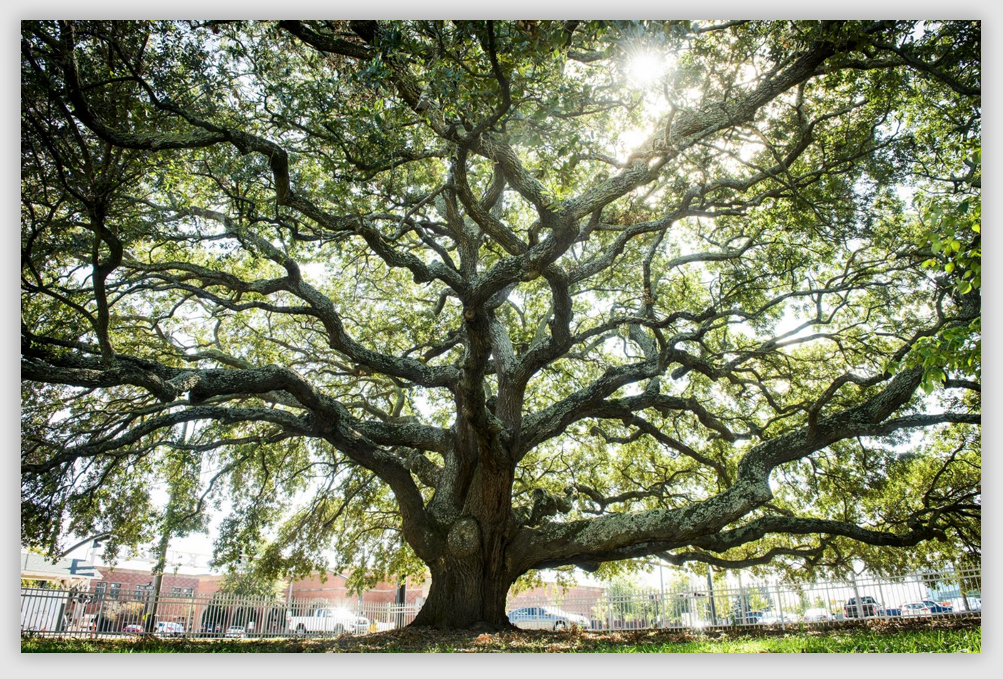
It will be cheaper for developers to cut down large trees that could be more than 100 years old under an amendment to an ordinance approved by the Fayetteville City Council on Monday night. The council approved the amendment even though the city’s Planning Commission and staff recommend against it. A citizen’s task force recommended that they approve it. Since May of 2018, a task force led by retired Gen. Al Aycock has been discussing proposed modifications to the city’s Unified Development Ordinance. The vote in favor was 9-1, with councilwoman Tisha Waddell dissenting. The proposed change to the city’s UDO will reduce the removal fee for “specimen trees” from $100 to $50 per caliper inch. The city’s UDO ordinance defines a specimen tree as any healthy tree with a caliper measurement meeting or exceeding 30 inches. City staff expressed its concerns about cutting down more of these trees. “Depending on the tree species, a specimen tree at 30-inch diameter would be close to if not exceeding 100 years old,” said Taurus Freeman, the city’s planning and zoning divisional manager in a report to the council…”
A Wisconsin man died while on a hunting trip, after lightning struck a tree and caused a branch to fall on his tent. Chris Perow of New Berlin died instantly during the accident in Idaho on Wednesday, September 18, according to a GoFundMe Page set up to raise money from a memorial and to support his family. Perow was with his brother-in-law at the time. The 33-year-old left behind his wife Lauren Perow, whom he married last June, and their two sons Hunter and Everett. Police told Q13 Fox the lightning caused the branch to fall from the tree as Perow slept. “There was no suffering,” his GoFundMe page stated…
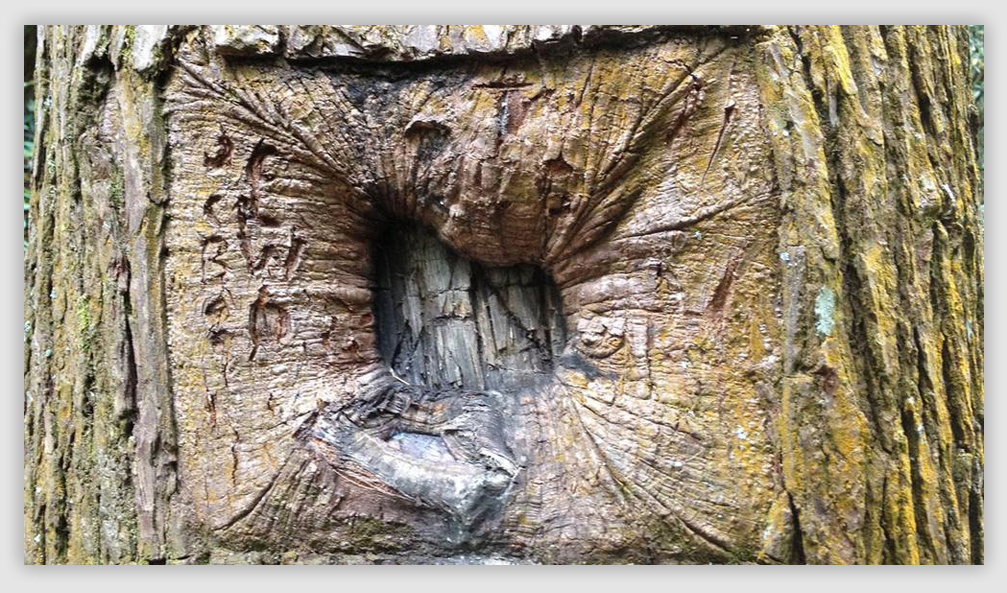 Atlanta, Georgia, Journal Constitution, September 24, 2019: Help your tree recover from bark damage
Q: I had my front yard dug up because of a collapsed sewer line. The backhoe damaged a 6-inch square of bark on one side of my mature dogwood tree. Is there anything I should do to ensure better survival of the tree? Steven Grego, DeKalb County
A: Unlike mammals, which heal an injury by covering over it, trees deal with damage by forming a layer of dense cells inside the tree around and under the wound. Oxygen contacting the damaged cells stimulates the tree’s protection response to proceed as quickly as possible. The best help for your tree is to clean the edges of the scrape with a razor knife, removing any loose bark. Do not apply wound dressing or paint. Water regularly to reduce stress and place mulch under the tree to keep the soil cool…
Karen Wood died hanging laundry in her backyard in November 1988. Megan Ripley died walking with her brother behind her family’s home in December 2006. Karen Wrentzel died digging for gemstones on her property in October 2017. Each woman died without knowing a hunter was on her land because he never needed to ask to be there. Each woman died because that hunter thought he saw a deer and shot her instead. Maine has long allowed hunters to use private property without permission unless posted signs explicitly tell them to stay away. The deaths of the three women are flares in the simmering debate about whether that tradition needs to change. The issue came up again this month at the sentencing hearing for Robert Trundy, the hunter who shot and killed Karen Wrentzel. But every attempt to rewrite the law to require hunters to get permission has so far failed. And those who have followed the debate over decades say they still don’t think the state is ready for such a dramatic change. “That would be very controversial,” said George Smith, the longtime former president of the Sportsman’s Alliance of Maine. “I don’t think it would ever pass. Troy Ripley, whose 18-year-old daughter was killed by a hunter in 2006, said his own views on public access have evolved over time, and he no longer believes a statewide requirement to post private land for hunting would be the best option. But he wants state officials to talk about what other reforms might actually be possible in Maine…
 Alton, Illinois, The Telegraph, September 23, 2019: Changing tree colors might not be seasonal
In Illinois, most trees do not begin to change colors for the season until October. Although some early color may be beautiful, this may be a sign of health issues. “A branch or two here and there — or some yellow leaves in the canopy — are not always cause for alarm,” said Ryan Pankau, a horticulture educator with University of Illinois Extension. “But if the majority of your tree’s canopy is changing color early, it may be a cry for help.” Trees that change color early are typically exhibiting a plant response to some kind of environmental stress. The first step to helping your tree , Pankau said, is to identify the problem. Consider any recent changes to the tree’s growing space, including soil disturbance. Next, inspect the base of the tree for damage from animals or machinery, or a “girdling root” encircling the trunk and strangling the root system. “In some cases, the damage a tree has experienced may be irreversible,” said Pankau. “Unfortunately, extensive trunk damage cannot be repaired.” Also inspect the canopy for any clues, such as unusually small or deformed leaves. See if the annual growth from last year (identifiable on twigs by locating the previous year’s terminal bud scale scar) is significantly less than past years? “I have most commonly observed this issue in newly planted trees which are under transplant stress for several growing seasons,” Pankau said. The first few years after being transplanted are tough times in a tree’s life. Added stress this time of year in the form of hot, dry weather can be the impetus for a tree’s call for help…
An Island tree removal company says it can’t keep up with the number of calls it’s been getting since post-tropical storm Dorian hit P.E.I. Jerry Arsenault, the owner of Branch Manager Tree Service, said he’s had more than 1,000 calls since the storm. “They just keep coming and it’s kind of overwhelming,” he said. “You just can’t keep up.” Arsenault said his company is putting non-urgent calls on hold at the moment so it can focus on more pressing cases like trees that have fallen on houses and power lines. “We had a lady that was crying one day … she couldn’t get back into her house,” he said. “We had to rush over … there was a big poplar [tree] leaning over the house.” Arsenault said he won’t be able to get to any calls considered non-urgent until around December. “Before the storm, the calls were mainly somebody wants a tree trimmed or a tree gone before the winter,” he said…
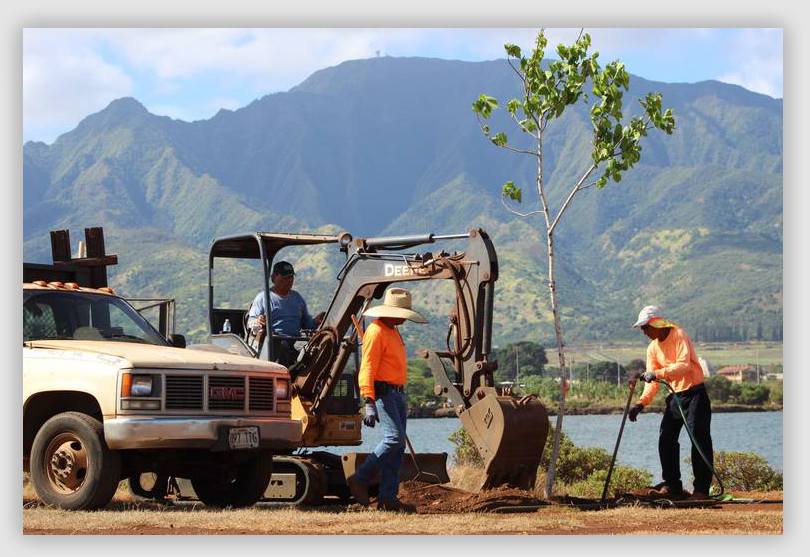
City parks officials say that three milo trees that were among dozens planted at municipal beach parks along a stretch of Oahu’s North Shore this month were stolen. The three milo trees, which were planted at Haleiwa Alii Beach Park, were stolen on either Sept. 14 or 15. The estimated cost of the stolen milo trees is $3,500, and they will be replaced, city officials said. Meanwhile, the Honolulu Department of Parks and Recreation has filed a police report, and the crime is being investigated as theft in the third degree. The three trees were among 72 that were planted at three beach parks — at Kaiaka Bay, Haleiwa Alii, and Haleiwa beach parks. Among them are a variety of species, ranging from monkeypods to hau and heliotrope. The planting of the trees — a $165,500 contract awarded to Island Landscaping and Maintenance Inc. — is part of Honolulu Mayor Kirk Caldwell’s initiative to plant 100,000 treesby 2025, and to increase the urban tree canopy cover to 35% by 2035…
The Cuyahoga County Urban Tree Canopy Grant Program is investing nearly $1 million in tree planting and maintenance projects around Northeast Ohio. This includes the City of Brooklyn receiving $41,535 toward its ongoing efforts. “As a first-ring suburb, our tree canopy has been declining, so we thought this a great opportunity to add more money to what we are putting into not only our parks, but also the tree lawns throughout the city,” Mayor Katie Gallagher said. “Tree plantings are good for the environment, your health and property value. Also, with the emerald ash borer (infestation) in the park and throughout the city, I think we took down more trees than we put up,” she said. “This will give us kind of that push to recoup those trees that we lost over the years.” Mike Foley, director of the county’s Department of Sustainability, said that while many cities proposed plans for future planting and maintenance, Brooklyn — which has achieved Tree City USA status for roughly 30 years — already had its program in place…
 Houston, Texas, Chronicle, September 22, 2019: What is all this rain doing to my trees?
Thursday afternoon, street flooding trapped arborist Matt Petty of Davey Tree at his Memorial Park-area office. As he and his crew waited for the water to subside, he spoke by phone about the problems our trees can expect.
Q: For a tree, how bad is a flood like this?
A: A day or two of flooding isn’t a problem. Most trees in Houston are pretty well adapted to our climate. We have a wet season, and that weather pattern isn’t new to plant species that have been here for thousands of years.
Q: What happens then?
A: If the soil stays wet continuously — if water fills all the air pockets in it — then there’s no oxygen around the trees’ root zone. In anaerobic conditions like that, you start getting pathogens and root rot.
Q: Would my tree fall over then?
A: Not immediately. Root rot eats away at the tree slowly. It might fall over two months later, or sometime the next year.
Q: How can I tell if my trees are in trouble?
A: You might not see signs. “Zombie trees” can have root rot but look healthy. But under stress — drought or excessive heat or heavy wind — they die suddenly or fall over. They don’t have a healthy root system to sustain them. It’s a good idea to have an arborist inspect your trees regularly — say, twice a year. Look for someone certified by the ISA, the International Society of Arboriculture. Unless you need an official written report, most places in Houston will do a basic inspection for free…
When California’s historic five-year drought finally relented a few years ago, the tally of dead trees in the Sierra Nevada was higher than almost anyone expected: 129 million. Most are still standing, the dry patches dotting the mountainsides. But some trees did survive the test of heat and drought. Now, scientists are racing to collect them and other species around the globe in the hope that these “climate survivors” may have a natural advantage, allowing them to cope with a warming world a bit better than others in their species. On the north shore of Lake Tahoe, Patricia Maloney, a UC Davis forest and conservation biologist, hunts for these survivors. Most people focus on the dead trees, their brown pine needles standing out against the glittering blue of the lake. But Maloney tends not to notice them. “I look for the good,” she said. “Like in people, you look for the good, not the bad. I do the same in forest systems…”
 Lincoln, Nebraska, Journal Star, September 22, 2019: Trees thirsty going into winter
It’s been hot! And windy. In unwatered portions of the landscape you may be seeing cracked soil — a good indication conditions are dry. In fall, warm dry days with cool nights usually lead to great fall leaf coloration, but dry fall conditions have a downside, too. Fall is a time for plants to replace the moisture reserves lost during our hot dry summer periods. But if these same conditions continue in fall little recovery is possible. Drought-stressed trees are more susceptible to secondary attack by insect pests and disease problems, such as borers and cankers, which can cause tree death. One common symptom of drought stress is leaf scorching, a uniform yellowing or browning of the edges of leaves on broadleaf plants or the tips of evergreen needles. However, even trees that don’t exhibit leaf scorch can be experiencing periodic drought stress. Healthy trees, receiving adequate water, are much more resistant to pest problems. Trees and shrubs not fully hydrated going into winter are also prone to winter desiccation, a common type of winter injury that occurs when the amount of water lost by plants exceeds the amount picked up by the roots…
London, UK, BBC, September 22, 2019: Climate change: 800 years tracked using oak tree rings
It reveals a picture of summer rainfall stretching back more than 800 years. Periods of prolonged extreme weather coincided with historical accounts of famines and droughts. The researchers said the data presented “huge lessons” about the potential impacts of climate change on society. Core samples were taken from hundreds of oak trees across the UK, in a project led by the University of Oxford and Swansea University. The trees grow a new ring each year and are particularly sensitive to how wet it has been during the summer months. The widths of the rings were studied, as well as the chemistry of the wood. It allowed the researchers to access what they describe as a natural archive of climate information, going way beyond the records held by the Met Office – which only cover a few hundred years…
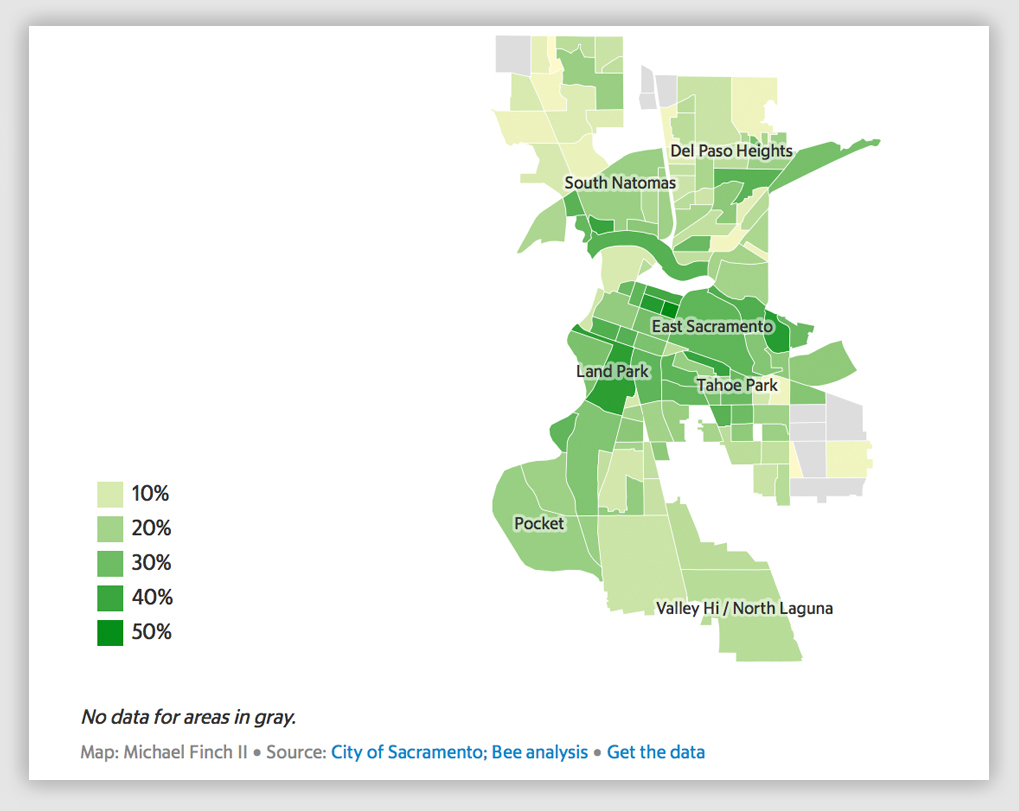
The unfinished subdivision in north Natomas looks just like any other, propped up along the banks of a man-made lake. But one strip of land here may be key to the livelihood of Sacramento’s urban forest, a place where scientists are growing the trees of the future. Researchers from the UC Cooperative Extension are wagering on 12 tree species planted near the lake to see if they can withstand the effects of a changing climate. In the future, Sacramento is expected to experience an increasing number of hot and dry days that could unleash a new rash of pests and diseases — both threats to urban trees. The researchers are looking to places with harsher terrain than California’s inland valleys as a template for the future: Australia, west Texas and Oklahoma. In Sacramento, they have planted trees at three other sites and a control group on the campus of UC Davis. Urban forester Kevin Hocker stopped at Fisherman’s Lake on a weekday in July to survey the small Canby oak, a tree native to Mexico with emerald-colored leaves that can sprout as tall as 50 feet. The oak grows fast and upright and tolerates extreme heat. “We’re giving it a shot and so far it looks great,” Hocker said. “It’s pretty promising…”
A Nashville woman living in The Nations returned home upset last week. The woman said she went out for a quick errand. When she returned, she found the limbs on her trees hacked off. When the 67-year-old Banks looks at her front yard now her heart breaks. “My property means a lot to me,” Banks said. “I was given no notice that there were going to be any tree trimmers or cutters within the area. I just feel like somebody invaded me.” Banks told News4 she takes care of her yard and when her limbs get too long, she treats them properly. In the past Banks also said she’s received notices in advance if NES is worried about her trees. News4 reached out to NES. In a statement, NES said it found the trimming necessary and said dogs in her front yard prevented them from notifying her…
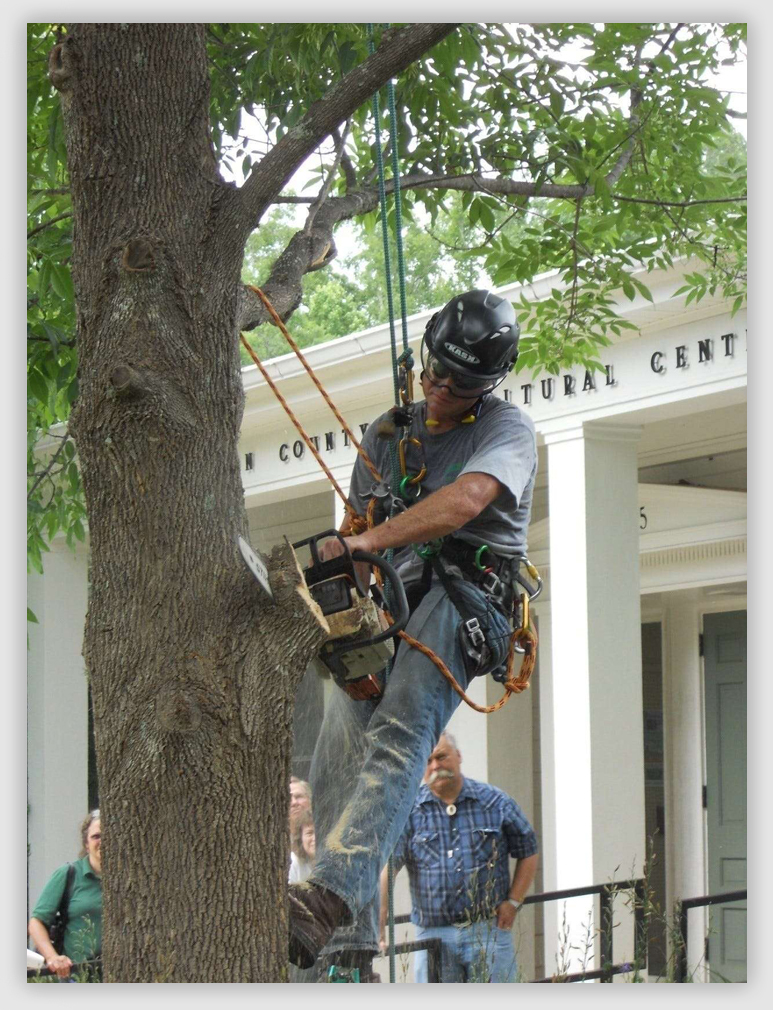 Tallahassee, Florida, Democrat, September 19, 2019: Know what to look for when hiring a tree service
Our summers are pretty busy in the tree world. Because our summers are long, hot, and humid, we have an ideal location to grow a lot of diverse things. This includes not only the trees themselves, but things that attack our trees, like pine beetles, fungi, and many types of bacteria. With all this thriving biology, you can find yourself in the unfortunate situation where you have to remove a tree. As you probably already know, it can be quite expensive to have a tree removed. A simple web search will provide you with many tree service companies, but how do you know if you’re getting a professional or just someone with a chainsaw? Below are some best practices to ensure a less-stress tree care experience. First, what is an arborist or a tree surgeon? Arborists and tree surgeons are titles that require no training. However, a Certified Arborist, one who has been certified by the International Society of Arboriculture (ISA), is a professional who has demonstrated a basic knowledge of tree care through the completion of a comprehensive exam on tree trimming, care, and removal…
The eight majestic willow oaks flourished for decades. Kids played hide-and-seek among their trunks. They shaded nearly a hundred years of first kisses, long talks and lazy afternoons. And they were the silent witnesses to the drug deals, the arguments, the shootings and the homicides, too. Still healthy, strong and thick-trunked, these eight sentinels of D.C.’s turbulent history — among the finest urban heritage trees in the city — will be lumber soon. Development, you know. Glass towers and quartz counters. Outrage? Of course! Nearly a thousand emails flooded the inboxes of city leaders this week when the tree people spoke up for the trees. These are heritage trees, after all. That means, according to a law enacted in 2016, these babes get special status because their girth is at least 100 inches around. Yes, in the tree world, thick means power…

A North Korean man who felled a tree in an area designated for slogan-inscribed trees in August has been sentenced to a correctional labor camp for five years, Daily NK learned on Wednesday. The man, who is a miner in the city of Kumdok, South Hamgyong Province, cut down the free for firewood, according to a Daily NK source based in the province. The tree the miner cut down did not have an inscription on it, the source added. Daily NK sources in the area have confirmed that the area with slogan-inscribed Korean larch trees is located over two kilometers away from a residential area in Kumdok. A forest management official later found the stump of the tree the man had cut down and alerted local security and police officials. Their investigation led to the arrest of the man…
The shot hole borer doesn’t look or behave like a killer. Yet the insect — about the size of a sesame seed — could be a lethal threat to Sacramento’s urban forest. It’s already decimated hundreds of thousands of trees across at least six counties in Southern California. Many fear the rest of the state could be next. Scientists are mobilizing to find ways to slow the shot hole borer’s advance. Fast solutions have not been easy to find. State lawmakers recognized the seriousness of the risk and directed $5 million last year to the Invasive Species Council of California to eliminate the beetle. In the last decade however, the insect has proven a strong foe and become one of the state’s most unwanted invasive critters. Its progress in Southern California has been steady enough for other regions to be concerned. “It’s not here yet,” said Ray Tretheway, executive director of the Sacramento Tree Foundation, “but the arborists and urban forest managers always tell us that it’s inevitable that it will be here someday.” Two variety of the shot hole borer are present in California: the polyphagous, which loosely translates to excessive desire to eat, and the Kuroshio that is more common in San Diego County. While some pests desire one type of tree, the shot hole borer can survive in at least 64 different kinds — mostly trees that grow near riversides like willows, cottonwoods and sycamores. The Sacramento region, concentrated at the intersection of two rivers and a vast waterfront parkway, could be a prime target…
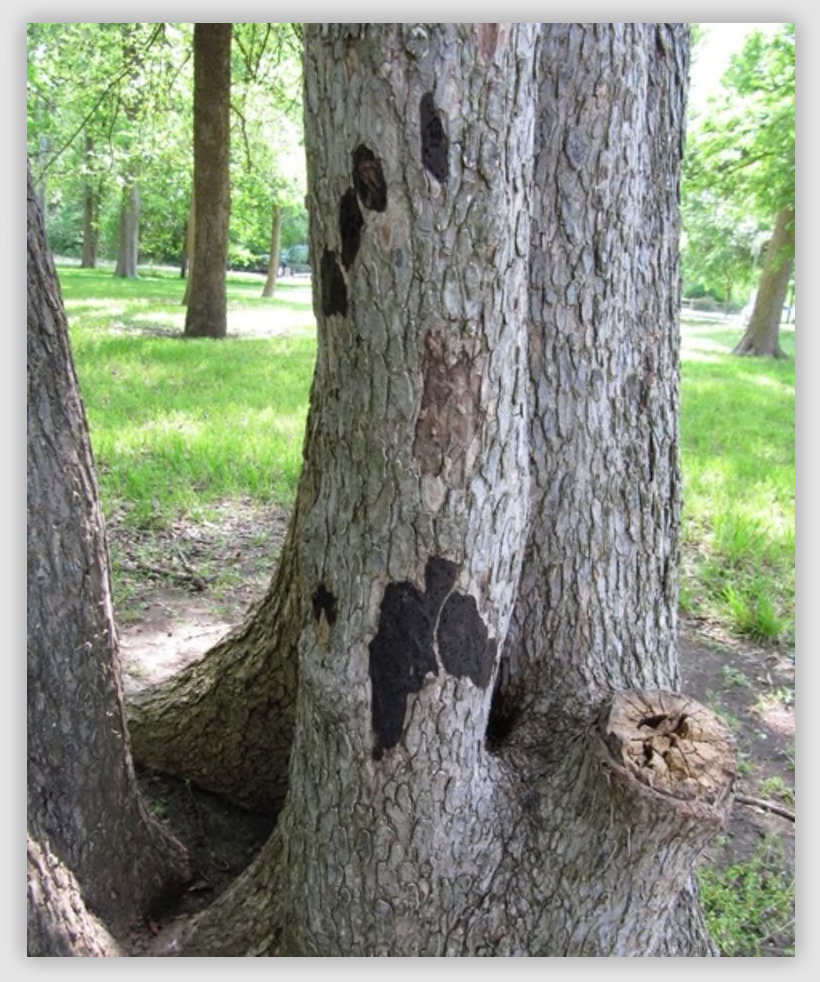
Hypoxylon canker in trees is a scary-sounding thing, right? It is a fungal disease that is common on many hardwoods. An opportunistic fungus, Hypoxylon atropunctatum, causes it. Red oaks are more susceptible than trees in the white oak group like bur, chestnut, chinquapin and white oak. It can also be found on elm, pecan, hickory, maple and sycamore. It usually manifests as black or gray splotches where bark has been sloughed away. Here’s the most important part of the story, though: Hypoxylon canker is never the cause of problems in a tree. It is basically unable to cause serious disease in healthy trees, but it can quickly colonize weakened trees, especially those with dying bark and wood resulting from other issues. Hypoxylon is never causal. It simply sets up shop in sick trees that are weakened by drought, root disease, mechanical injury, soil contamination, construction damage or being too deep in the ground. These true causes of stress enable this opportunistic fungus to produce cankers on branches and trunks. Perfectly healthy trees can even develop this canker on lower limbs that have been shaded out by dense canopies, but that’s not a serious threat to the overall health of the tree…
Twenty-eight trees fell. Now, Tampa wants to make sure everybody hears it. In the battle over who should have final say when it comes to removing trees from private property, the city of Tampa is fighting back. With a new state law barring local governments from regulating tree removal seemingly on their side, the property owner of a rundown South Tampa mobile home park had more than two dozen trees chopped down in August. But now Tampa officials are issuing some of the largest fines in city history against the owner and the tree removal company involved. The city is seeking fines in excess of $800,000 from Miller & Sons and Life O’Reilly, or $15,000—the maximum allowable fine under state law—for each of the 28 trees chopped down from both parties for a total of $420,000 each. Tampa city attorney Gina Grimes said the fines are a result of the irreparable damage that’s been done but contends the city is in full compliance of the new state law…
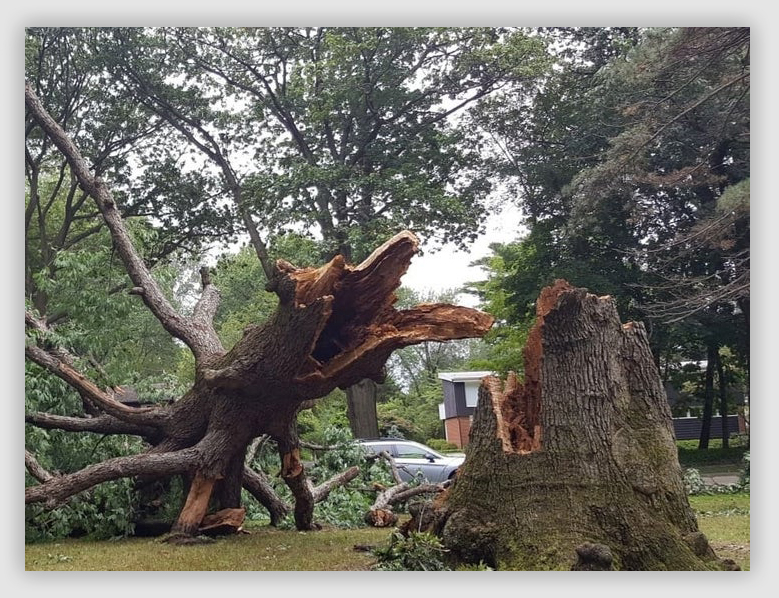 Shaker Heights, Ohio, Patch, September 18, 2019: 300-Year-Old Tree Falls In Ohio
When a devastating storm tore through the east side on Friday night, it felled a tree that predated Ohio (as a state) and Cleveland (as a city). The White Oak had lived through droughts, blizzards, presidents, wars and the founding of the nation. It could not, however, outlive a microburst with 100 mph winds. Friday’s microburst, an intense downdraft during a thunderstorm, tore branches from trees, downed power lines and left thousands of people without power. Streets flooded, intersections closed and police did their best to manage traffic in the dark. A tree fell at the Nature Center at Shaker Lakes and landed on power lines, leaning against the transformer. Trails were blocked, the wildflower garden was smashed by fallen limbs, and one of the biggest and oldest trees in the region was snapped at its base. The White Oak was a point of fascination for the Doan Brook Watershed Partnership, which had done research on the age of the tree, going so far as to conduct a coring, Nick Mikash, a natural resources specialist at the Nature Center, said. A coring removes a sliver of a tree to determine its age and history…
Q: Why does the city not provide some system that keeps important traffic signs visible: For example, stop signs at Oaklawn Avenue at Coliseum Drive and at Talison Drive and Thornhill Lane, a yield sign at Coliseum and Robinhood Road, and “do not pass” signs along Robinhood and Country Club roads are all obscured by trees and foliage. It’s no wonder there are lots of former car parts strewn about city intersections.
A: “We do have a system in place and try to address these issues as we are made aware,” said Keith Finch, director of vegetation management for the city. “However, there are many signs distributed about the City of Winston Salem and it is hard to keep track of all of them.” The best way to make the city aware of concerns like this is through CityLink 311 or 336-727-8000, or using the CityLink app. “When we receive these reports, we investigate and either clear the sign in house or send a letter to the owner of the vegetation that is blocking the sign, asking them to cut back the limbs, vines, etc.,” he said. As to the specific intersections you identified in your email, he thanked you for bringing those sign issues to their attention. “We will address these issues you have mentioned in a timely manner,” he said…
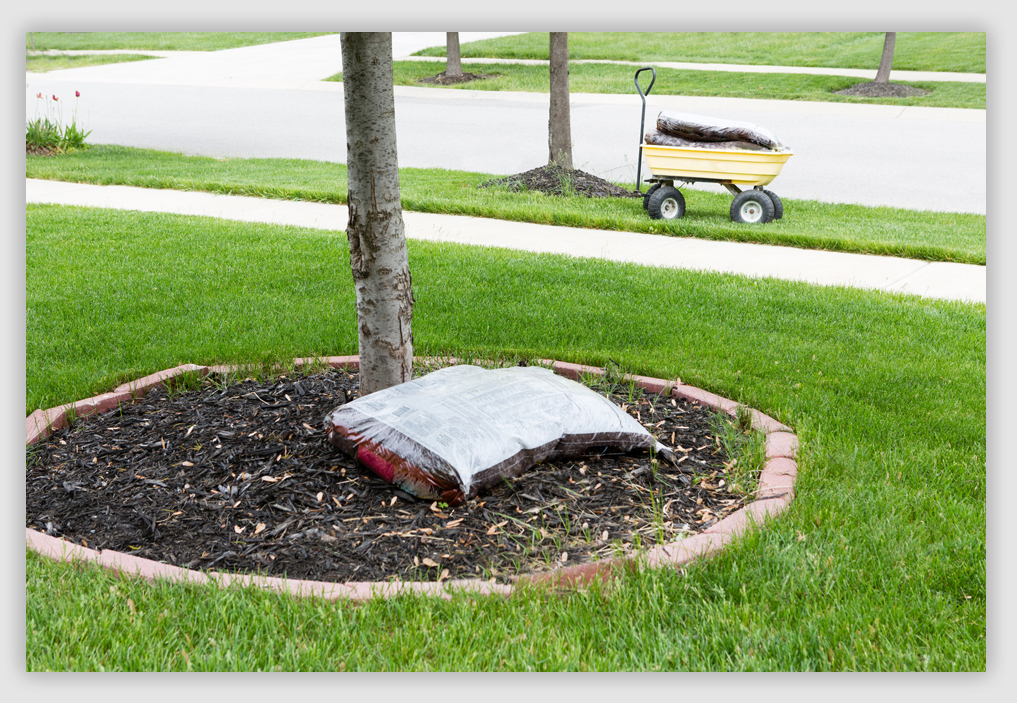 Seattle, Washington, Times, September 18, 2019: Tips to help trees thrive all year
Seattle summers are brief, but increasingly, hot and getting hotter. Your trees and other greenery aren’t any more used to these temperatures than you are. But there are several ways to keep your trees healthy and happy, as well as methods to make sure they aren’t dying from the heat. Summer is a great time to see how your tree is really doing, says Jacob Rogers, a certified arborist who works at Eastside Tree Works. First, clear the deadwood. It helps keep your yard safe and your tree healthy.“ The winter’s good to prune the trees because that’s when the trees are dormant,” Rogers says. “In summertime, it’s good to take the deadwood out, because it’s easy to tell what’s dead or what isn’t.” Conifers with no leaves or needles are dying or dead, especially if those branches on the end of the canopy are dry, are an indication of a dead or dying tree. This clearing of deadwood also helps keep your house safe. “It’s a really good way to help fireproof your tree,” Rogers says. “If you collect a bunch of deadwood, especially like in a conifer, like a spruce next to your house, that’s all kindling that can go up really easily…”
The city of Dallas wants to plant 5,000 new trees in the next few years to make up for trees lost in June storms. A program to plant trees in 12 Dallas parks is called Branching Out and park officials are seeking donations to help irrigate the new trees through the Dallas Parks Foundation and Texas Trees Foundation. “Every time we do plant new trees in our parks, we have to make sure there is irrigation because we want the majority, if not all the trees to survive,” Dallas Parks Assistant Director Oscar Carmona said. “The first couple of years are the most important for a tree’s survival, and water is the most important thing for a tree to survive.” A separate city of Dallas program with a similar name called “Branch Out Dallas” offers residents free trees to plant on their property. A dozen or so trees the city planted at the Martin Luther King Jr. Community Center a year ago are an example of how not to help trees thrive. The MLK trees evidently have no irrigation system. “They’re barely hanging on. They’re not being taken care of. For growth, they need water,” neighbor Sherika Hardman said…
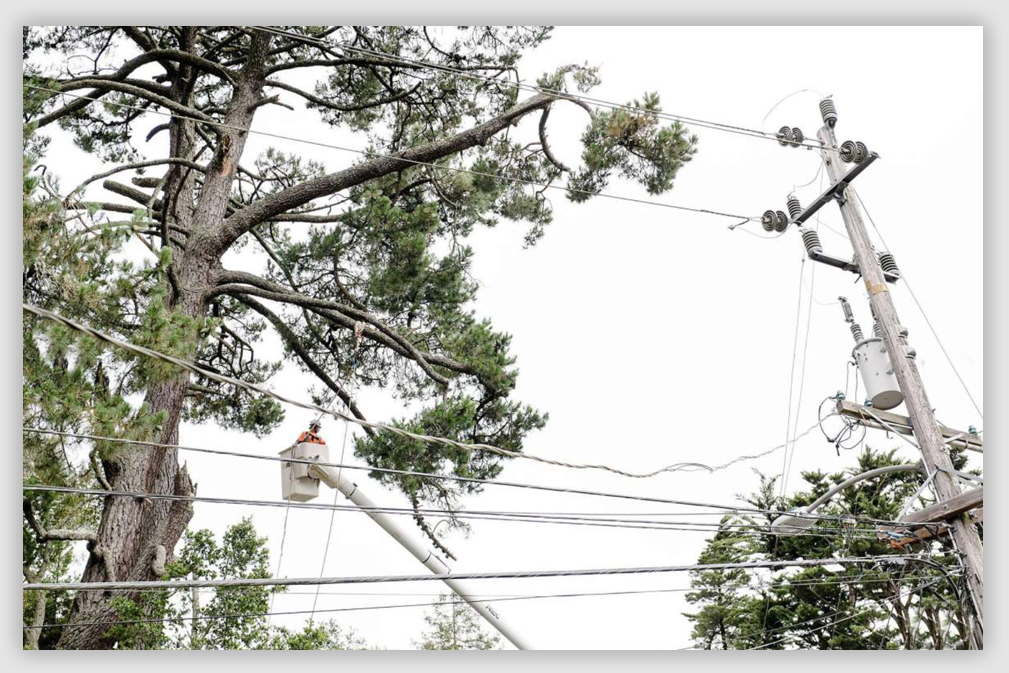
An attorney for Pacific Gas and Electric Co. defended the company’s tree trimming to a federal judge Tuesday, describing its efforts to prevent more wildfires by heavily clearing vegetation around power lines as necessary and unprecedented in reach, even while conceding some major flaws in the program. PG&E admitted to U.S. District Judge William Alsup that its contractors have failed to cut or fell every tree that could collide with electrical equipment and ignite a fire, but the company blamed a lot of that on the broadly increased scope of the program. The PG&E lawyer also said the software that contractors use to track their vegetation management work does not always accurately show the location of power lines. Alsup, who is overseeing PG&E’s probation from the 2010 San Bruno gas pipeline blast, set the San Francisco hearing because of a recent critical report from the company’s court-appointed monitor. In the report, the monitor said his team found PG&E contractors had overlooked “numerous trees” and identified “substantial record-keeping issues related to the Company’s pre-inspection and tree work processes…”
Associated Press, September 17, 2019: Reward offered in death of woman struck by piece of tree
A group is offering a $10,000 reward for information leading to the arrest and conviction of anyone involved in the death of a woman hit by a falling piece of tree at an Ohio state park. Forty-four-year-old Victoria Schafer was struck Sept. 2 near Old Man’s Cave at Hocking Hills State Park and died at the scene. Authorities initially believed the part of the tree that hit the Chillicothe woman fell on its own but the Ohio Department of Natural Resources later said it had evidence indicating there may have been foul play…

When Jim and Judy Davis moved to their property in Granite Falls two and a half years ago, the trees in their 25-acre forest were healthy. Then the hemlocks started to turn brown. Now, “if we were to walk this path completely — it’s about a quarter of a mile — this is what you would see,” Jim Davis said, “just dead tree after dead tree. “It’s just a feeling of sadness and helplessness.” So the Davises called in Kevin Zobrist. “I feel like I’m always coming out to a crime scene, you know: another dead tree, another one lost, coming out to investigate,” Zobrist said. Zobrist is a forestry professor at Washington State University. He said this isn’t just a problem on the Davis’ property. “When I drive up and down the highways around western Washington, I just see dead and dying hemlocks all up and down the roads,” Zobrist said. “We first noticed it right around 2016, and now I just see it everywhere.” And it’s not just hemlocks. Western red cedars and big-leaf maples are struggling as well. All three species are native to western Washington. Zobrist isn’t the only one seeing this: KUOW’s listeners have been writing in to ask about why they’re seeing so many dead trees. Zobrist thinks the answer lies in climate change…
Volunteers with the Richmond Tree Stewards pruned trees in heavy traffic areas and where folks frequently walk in hopes of making neighborhoods safer Saturday. Dana Marshall said the group’s tree care and pruning work helps the city, which is unable to tend to all of Richmond’s numerous trees. “They’re in the parks and have the big equipment,” Marshall explained. “So with the pruning we can really help and sort of fill a void that’s a little more challenging for the city to do on its own.” That is because city crews tend to focus on larger, dead trees. The tree stewards help with smaller limbs on healthier trees, like the one Marshall clipped in Church Hill. “Right now I’m cutting these limbs, there’s some limbs up here that could drop on cars,” Marshall said. “Assuming maybe a school bus could [drive] under here. It’s for the safety of people and vehicles, but it’s also for the tree…”
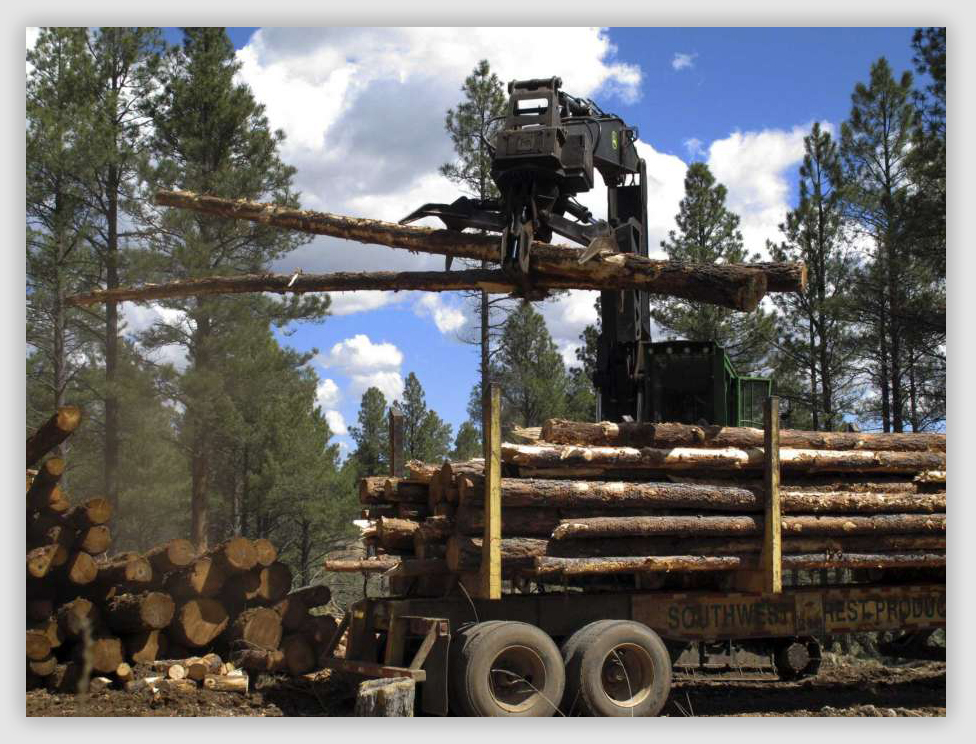
The U.S. Forest Service, faced with the slow pace of forest thinning, is seeking proposals to remove dense stands of trees in a wide swath of Arizona to help prevent wildfires. The work is part of the Four Forest Restoration Initiative, the largest project of its kind within the Forest Service. It eventually will cover 3,750 square miles (9,712 square kilometers) along a prominent line of cliffs that divides Arizona’s high country from the desert. The bidding opened Monday for work on up to 1,278 square miles (3,310 square kilometers) in parts of the Kaibab, Coconino, Apache-Sitgreaves and Tonto national forests. The proposals are due Dec 16. Contracts would be awarded in April. “The intent of the RFP is to support existing industry, attract new sustainable industry and to significantly increase the pace and scale of forest restoration while creating jobs, restoring our forests, protecting communities and downstream water supplies,” regional forester Cal Joyner said in a statement. Those keeping tabs on the project have been frustrated by the pace of the work done so far. The Forest Service set a goal of having 78 square miles (202 square kilometers) mechanically thinned each year, but only about a third of that has been done on average. “We all know how underwhelming the results of 4FRI have been,” Coconino County Supervisor Art Babbott said at a recent science conference in Flagstaff…
Phys.org, September 18, 2019: Tree-planting to offset carbon emissions: no cure-all
A few euros, a couple of mouse clicks and a tree is planted—as air travel is increasingly becoming a source of guilt, consumers and companies are looking for other ways to ease their conscience and reduce their carbon footprint. But as more polluting industries join efforts to offset their carbon emissions, the effectiveness of the approach is open to debate, with some critics suggesting that tree-planting schemes are nothing more than a fig leaf. Once marginal, the offset movement has even reached the arch-enemy of environmentalists: big oil. Shell has ploughed $300 million (270 million euros) into forest plantations to reduce its carbon footprint by 2-3 percent, Italy’s ENI has set an objective of zero net emissions via its forestry investments, and France’s Total plans to set up a special “business unit” next year to spend $100 million annually on compensation efforts. Beyond the grand statements, carbon offset schemes basically follow the same, simple mechanism…
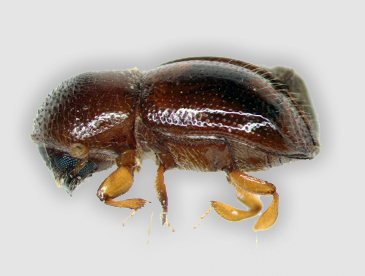
Howard Sumka is stunned at how fast a mature hickory on his property line with Sligo Creek Park went from leafy green to completely dead in a few short weeks. “It’s heartbreaking,” Sumka said, as he showed WUSA9 the telltale powdery sawdust residue piled at the base of the stricken tree. The sawdust was produced by a common tree-boring insect called the Ambrosia beetle. The tree, like many others in Silver Spring, Takoma Park and similar neighborhoods, was attacked as it struggled to recover from two seasons of extreme weather according to University of Maryland Entomologist Dr. Michael J. Raupp. Such trees are now dying in large numbers more quickly than ever, Raupp said. “We’re in an extraordinary situation, with record rainfall back in 2018, the wettest year on history here in Maryland,” Raupp said. “You pile on top of that now, the hottest July since records have been kept. You’ve had two major stressors. You’ve got trees that are balanced on a knife’s edge and it’s simply not going to take a lot to push them over the edge. And what’s putting them over the edge is these Ambrosia beetles.” Raupp said mature “veteran” trees are most at risk, particularly oaks…
Local and state officials are scrambling for funding to help remove hazardous burned trees from the areas where people are starting to rebuild. The challenge is not new to California’s fire-prone communities. But the scale here is so large that it is butting up against the limits of what federal authorities are allowed to do after a disaster. Local and state officials are currently negotiating with the Federal Emergency Management Agency to reimburse the removal of at least some of the trees. If they get the millions of dollars they hope will help, it would set a precedent for recovery from catastrophic wildfires in residential areas. Meanwhile, residents are looking up and getting scared. Foresters estimate that the Camp Fire burned half a million to a million trees, turning many into public hazards. The rate of tree mortality could be at least 80 percent. “I want to rebuild, but I don’t feel that I can really start because I don’t want to put myself or workers in danger,” said Pete Samuel, a longtime Paradise resident. “I’ve seen enough trees fall down in this town that I know what can happen. I’ve seen people get killed. Is that what it’s going to take?” A burnt oak recently fell on his neighbor’s vacant lot, just on the other side of his fence. Another one across the road is leaning dangerously to one side. Its leaves, once green, have started to die off…
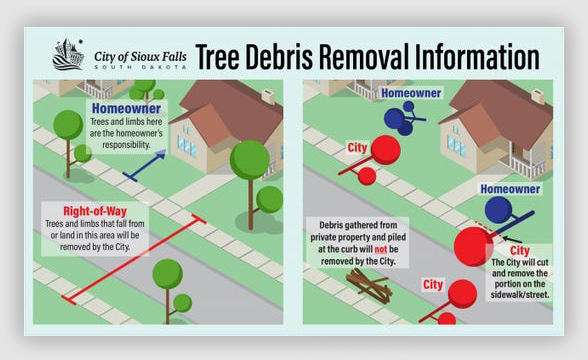
With Tuesday’s storms resulting in damage to trees all around the city, it’s important to know what you’re responsible for cleaning up and what the city will take care of. According to a release from the city, tree debris that have fallen into the public right-of-way — on a sidewalk, boulevard or street — will be cleared by the city. Any tree debris on private property is the responsibility of the homeowner. In the event that a tree has fallen on private property that reaches across into the public right-of-way, city crews will cut the tree at the sidewalk and clean up the debris in the public space. The homeowner is responsible for the remaining tree debris.The city emphasized that debris gathered and placed on the curb will not be removed by the city, and should be disposed of by the homeowner…
Professionals from local tree service companies will unite at the South Florida National Cemetery west of Lantana for a volunteer day of service dedicated to U.S. military veterans. Saluting Branches, Arborists United for Veteran Remembrance is a nonprofit organization that donates tree care at veteran properties. Celebrating the fifth annual day of service on Wednesday, Sept. 18, more than 3,000 tree industry professionals and other volunteers across the nation will donate a full day by doing what they do best — caring for trees. “We join with tree care companies around the country to honor our nation’s veteran’s by providing free tree care services,” said Sonny R. Peppers, director of South Florida National Cemetery. “Together we make these cemeteries safer, more beautiful resting places for those veterans who gave the ultimate sacrifice for our country.” Participating local companies are yet to be announced, said event organizer Michael Zimmerman of Zimmerman Tree Service in Lake Worth Beach. “I look forward to giving back and taking care of the place where those that gave their life have their final resting place,” one previous volunteer said…
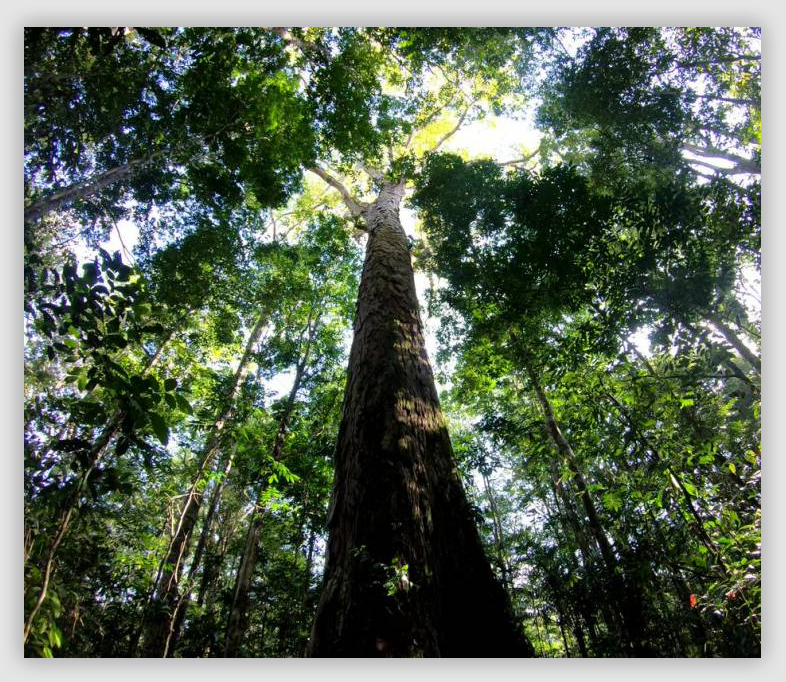
Sometimes even the largest natural wonders can remain hidden from human view for centuries. The Amazon is a dense place, full of life with new species of flora and fauna being discovered every other day. Now, using the same technology that takes driverless cars from A to B, we—led by Eric Gorgens and Diego Armando da Silva, and along with colleagues from Brazil, Swansea, Oxford and Cambridge—have discovered the tallest tree in the rainforest. At 88 meters tall (288 feet), it dwarfs the previous record holders by almost 30 meters (98 feet). And it’s not alone either. The Guiana Shield of north-eastern Amazonia, which accounts for nearly nine percent of the world’s remaining tropical forests, may contain lots of these gigantic trees. With each one able to hold as much carbon as an average hectare of rainforest, our discovery means that the vast jungle may be a greater carbon sink than previously thought. We didn’t just stumble upon these trees while strolling in the forest. Between 2016 and 2018, Brazil’s National Institute for Space Research coordinated a project to laser scan large swaths of the Amazon. This project scanned 850 randomly distributed patches of forest, each 12km (7.4 miles) long and 300 meters (984 feet) wide. Seven of these patches contained evidence of trees taller than 80 meters (262 feet)…
Cuyahoga County on Wednesday announced $950,000 in awards to cities and other organizations as part of County Executive Armond Budish’s five-year plan to help restore the county’s tree canopy. The awards range from $11,000 to $50,000 and are being provided to 26 cities, community development corporations and other civic groups to help them lay groundwork for future tree planting. Budish rolled out the plan during his 2019 State of the County speech as part of his Climate Change Action Plan. He cited a 2013 county assessment that found the tree canopy covers 110,000 acres — about 38 percent of county land. But 371,000 more acres are available for potential tree cover…
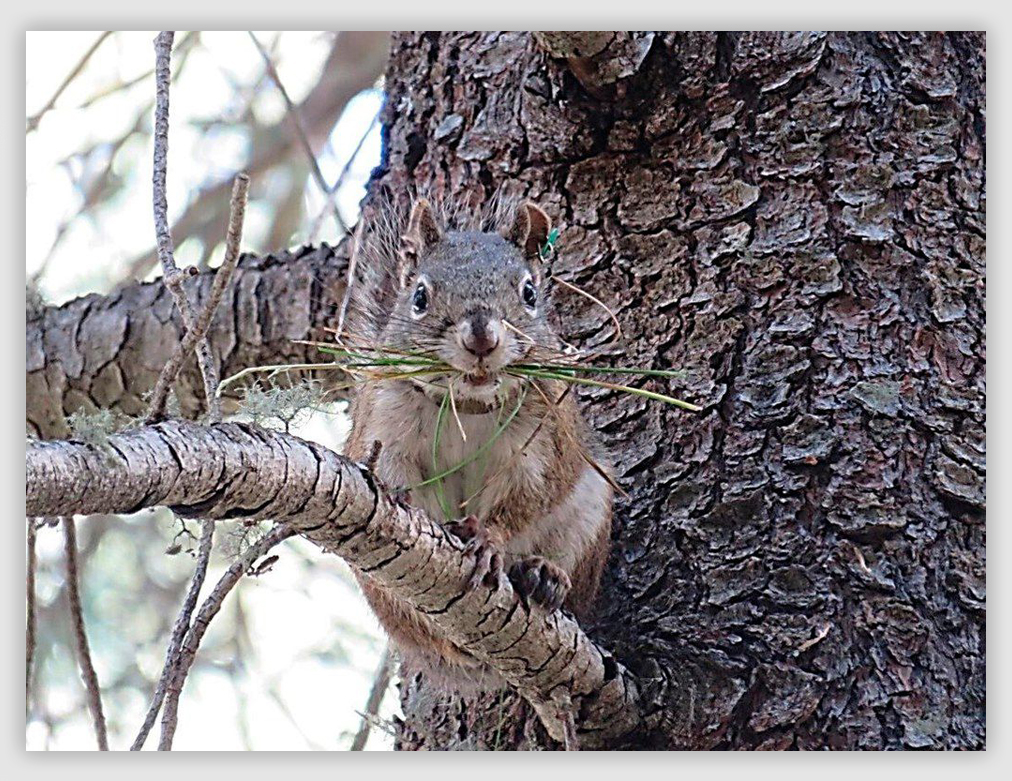
The person who figures out how to eliminate squirrel damage deserves a fortune. There are no foolproof solutions, but there are some relatively effective solutions to some of the damaging habits of these pretty little beasts. Squirrels like to eat maturing fruits and nuts. Me too. Repellents don’t do well, so for some damage control, put netting over the plants. It’s often too much trouble and sometimes ineffective, but it’s about all we have. The squirrel’s precision gnawing to get the tasty black walnut meat is fascinating. The symmetry of the work is impressive. Bark eaten from trunks and limbs of Japanese maples, redbuds, fruit trees and other thin-barked trees is easier to control. It’s reported that squirrels chew on tree branches to sharpen and clean their teeth. That’s probably not true. They can sharpen their teeth by rubbing them together. The real reason for this damage is the attractiveness of the sugar accumulations in the tree. The solution is to uncover the root flares of the trees and apply the rest of the Sick Tree Treatment. Once healthy again, the trees won’t be so attractive to munch on…
Beetles that feast on spruce trees have invaded Denver’s parks and now crews are cutting down infected trees, starting Wednesday in Cheesman Park. On Wednesday morning, two crews cut down three trees, and they have plans to remove nine more by the end of the week, Cynthia Karvaski, a Denver Parks and Recreation Department spokeswoman, said. In all, parks officials have found 74 infected trees in city parks. The trees have been invaded by the Ips engraver beetle, a species that burrows beneath bark to feed on a tree’s nutrients and lay eggs. The beetle infestations occur in nine-or ten-year cycles and cause trees to die, creating the risk of branches falling and putting people and property in danger. The beetles are drawn to trees that are newly planted, sick or simply weak. “The trees have been stressed from drought,” Karvaski said. “Once they’re infested, there’s no treatment. And it spreads…”
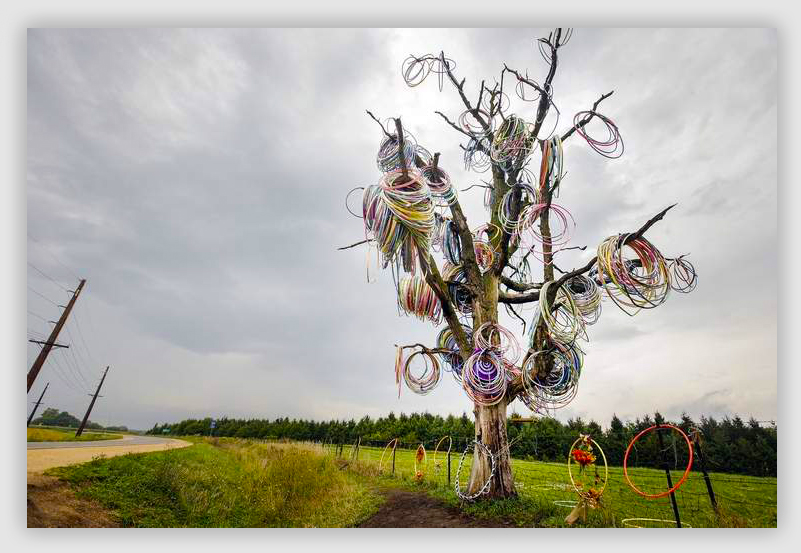
Fans of one of Eastern Iowa’s most whimsical tourist attractions are hoping against hoop it will be saved. The Hula-Hoop Tree, a scraggly, leafless tree decorated with hundreds of the plastic hoops, for years has brought onlookers to the small community of Amber, home to about 35 houses. People have memorialized birthdays and wedding anniversaries at the tree. A Facebook page with over 3,200 followers is devoted to it. But now there are concerns about dangers the Hula-Hoop Tree poses. Jones County supervisors are scheduled Tuesday morning to hear a report from their attorney about liability questions. It was about 2015 when the first hoops appeared in the tree. Now there are hundreds of them. There are a lot of stories about how hoops came to be in the tree, said Bobby Krum, president of the Amber Community Club. But he is partial to the story about a group of employees from Monticello that started throwing hoops in the tree on payday. “It’s helped put Amber back on the map,” Krum said. “It’s whimsical. A nice, feel-good family event. People can throw hoops, make a wish.” While Krum fully supports the tree and what it brings to the community, it was the Amber Community Club that brought its concerns over safety to the supervisors, he said…
Elm-lined streets were once ubiquitous in America. The trees’ success throwing beautiful, shady canopies over urban environments made them one of the most popular to plant in the country. Then a nightmare hit the elm streets. Dutch elm disease, caused by a fungal pathogen spread through bark beetles, took the U.S. by storm starting in the 1930s. Millions of trees were taken out, and no effective cure has been found. But did elms survive in Hampton Roads? Local reader Merrily Dethier-Best wondered recently and submitted the question to The Virginian-Pilot’s Glad You Asked initiative. “Once they were so prominent and then they were gone,” she wrote in an email to The Pilot. “I know I am looking back a very long time ago, but they were a lovely shade tree.” American elms are still present in the landscape, said Katlin Mooneyham, forest health specialist with the Virginia Department of Forestry. But they’re always at risk. There are three native elm species in Virginia: American, winged and slippery. They’re all highly susceptible to Dutch elm disease, which is still present throughout the Eastern Seaboard…
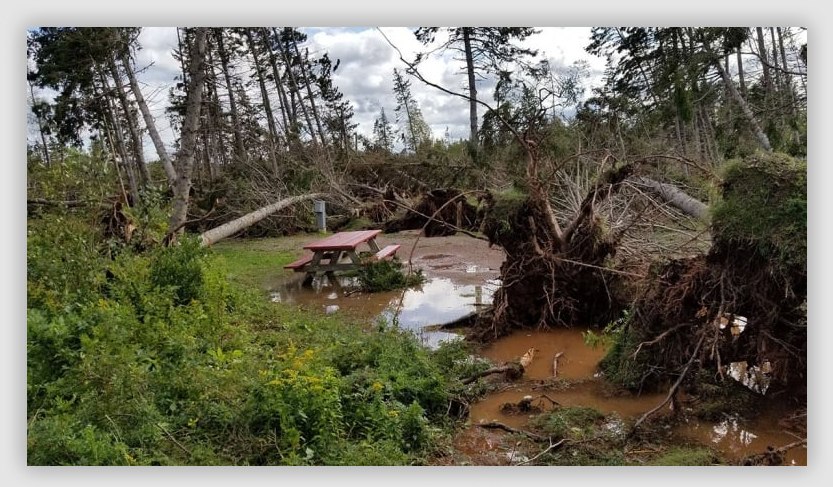
About 80 per cent of the trees in the Cavendish area of P.E.I. National Park were lost after suffering damage from post-tropical storm Dorian, Parks Canada says. It also estimates about two metres of coastal erosion in the park after the storm. Parks Canada has yet to fully assess the damage caused by the storm, said spokesperson Annette Campbell. “Upon first assessment, it was determined that there is extensive damage to the coastal forest in the Cavendish part of the park, with approximately an 80 per cent loss of trees,” she said in a statement. The area most affected is the west side of the park in Cavendish. Damage to infrastructure is also being evaluated at this time…
Under a new initiative, Cedar Rapids will forgo competitive bidding for annual tree planting in favor of forming a partnership with a Marion nonprofit — Trees Forever — to handle most plantings in public rights of way and foster a youth employment program. Initially, about 10 local teenagers ages 14 to 18 are expected to earn $10 an hour planting, caring for and watering trees through the program called Growing Futures. Similar programs operate in Des Moines, Indianapolis and Atlanta. “More trees will survive and I love the training program to this and everything about it,” Cedar Rapids Mayor Brad Hart said Tuesday before voting for it. The City Council, at its regular meeting Tuesday, approved the plan unanimously. The agreement pays Trees Forever $125,000 a year for five years, or $625,000 total, and calls for the planting of at least 2,150 trees in that time. Some additional tree plantings outside the scope of the contact — such as those tied to major road repairs — is also expected…
“Lingering ash.” That’s what the U.S. Forest Service calls the relatively few green and white ash trees that survive the emerald ash borer onslaught. Those trees do not survive by accident, and that may save the species, according to Penn State researchers, who conducted a six-year study of ash decline and mortality. The research shows some ash trees have varying degrees of resistance to the strangely beautiful, invasive beetle from Asia. The study is unique because it took place at a plantation of ash trees planted on Penn State’s University Park campus in the mid-1970s. “We found that genetic variation exists in trees from around the country, and through time—especially as the emerald ash borer population collapses because host trees are rapidly disappearing—the resistance that we observed will likely ensure the survival of the species,” said Kim Steiner, professor of forest biology, College of Agricultural Sciences…
Big Apple officials are offering homeowners some re-leaf. The city will announce Tuesday that it will no longer issue violations for sidewalk damage caused by city-owned trees, the Daily News has learned. Assembly Speaker Carl Heastie and Mayor de Blasio reached a deal to address the growing backlog of sidewalks damaged by street tree roots and agreed that going forward, the city, not homeowners, will be responsible for fixing them. Heastie said residents of his Bronx district have been up in arms over liens and violations issued for cracked and uneven walkways in front of their homes. “This has been a huge quality of life concern for my constituents who have invested their savings in purchasing a home, only to be hit with this liability through no fault of their own,” Heastie told The News. Going forward, liens will no longer be imposed on one, two or three family properties where sidewalk damage is caused solely by city trees. The city is also ramping up its efforts to take care of problematic pavement across the five boroughs…
When your favorite tool is a hammer, every project looks like a nail, and apparently, a similar rule holds true for local government. When said government’s favorite tool to get its way is threatening residents with ruinous, unconstitutional fines, its response to every problem is to threaten them with even larger, more ruinous—and more unconstitutional—fines. It’s time that the court puts a stop to it. Two years ago, brothers Gary and Matt Percy removed scrub brush from their property in order to plant Christmas trees for a Christmas tree farm. The township of Canton, Michigan, decided to fine the brothers almost $500,000—more than the property is worth—for removing “trees” (defined as anything with a 2-inch wooded stem) without a permit. The brothers fought back by going to the local news media, and eventually, filing a civil rights lawsuit arguing that Canton’s tree ordinance is unconstitutional. Canton responded with increasingly aggressive acts of harassment against the Percy brothers. Shortly after the Percys went to the media, Canton began sending threatening emails chastising them for talking to reporters. Canton also called in several frivolous complaints against the Percys’ business, A.D. Transport Express, with state and county agencies—all of which were dismissed. When that failed, Canton began sending local code-enforcement officers to A.D. Transport (which had operated safely there for 25 years) to search for potential code violations. Such blatant retaliation for the exercise of civil rights violates the First Amendment, so the Percy brothers filed a separate federal civil rights lawsuit to stop the ongoing harassment in hopes that they could operate their business in peace while they litigate the tree-ordinance claims…
A hearing was held Monday discussing whether old, historic trees can be cut down on a piece of land where development is not allowed. The hearing involves the Peconic Land Trust, a well-known and well-respected land preservation organization, and an Amagansett man named Randy Lerner. Lerner bought a 6-acre parcel of undeveloped land. Two days later, he started clearing the property of trees. The Land Trust got a court order stopping the cutting of the trees, arguing that it violates terms of the sale. But the property owner argues that the land is what’s called an “agriculture preserve,” and that he’s got the right to clear trees to farm the property. Attorney Anthony Pasca says Lerner farms other properties in Amagansett and cleared the trees so he could farm this land. “If you are a farmer and you have an agricultural reserve, you don’t have to notify anybody,” said Pasca. “So there’s no permission required to go ahead and farm the land, there’s no permission needed from the town. They want you to farm the land…”
About an hour into the neighborhood gathering, Mayor George Cretekos had had enough. Cretekos strode to the front of the meeting area at St. Paul’s Lutheran Church while residents bickered loudly, and called for calm. The issue that had the crowd so riled up? Trees. More specifically, the city’s plans to remove about 155 trees from Crest Lake Park as part of a $6.4 million park redesign. The park is at its 60 percent plan stage; final design plans could be put before the city council as soon as this fall. Located at Gulf to Bay Boulevard and Lake Drive, untold numbers of vacationers headed to Clearwater Beach pass Crest Lake Park on their way. It’s near the gateway to downtown. But just a few years ago, citizens complained that the 38.5-acre park, which should be a display of the city’s natural beauty, had fallen into disrepair. In 2013, a few days after a 22-year-old man was stabbed to death near the park, one resident wrote a letter to the Tampa Bay Times calling Crest Lake a “refuge for the homeless and a hunting ground for the violent.” The park’s revitalization has become one of Cretekos’ signature initiatives. That was the context for the Aug. 28 Skycrest Neighborhood Association meeting, where residents asked officials a variety of pointed questions about the plans for the park: about its new bathroom, whether to add more benches and about the new sand volleyball court. Dozens attended the gathering, including the mayor, City Manager Bill Horne and at least three 2020 city council candidates. But in an era of rainforest infernos and bleak climate change assessments, the tree removals loomed largest at the meeting…
Even as Boulder County foresters press on in their fight against the invasive emerald ash borer harming the local tree population, officials acknowledge it is a losing battle. But it is one lovers of ash trees don’t have to walk away from empty-handed, even as sickened trees are in line for removal or have already been sawed to stave off the infestation. Woodworkers like Evan Kinsley, who several years ago started the Boulder-based business Sustainable Arbor Works, have turned to ash trees to supply their furniture and art crafting practices as a way to maintain the local benefit provided by the species slated for a countywide death at the hands of the insect. Emerald ash borer has already dramatically altered the composition of forests across the middle and eastern regions of the country. “It’s a privilege to be able to work with a local hardwood like ash,” Kinsely said…
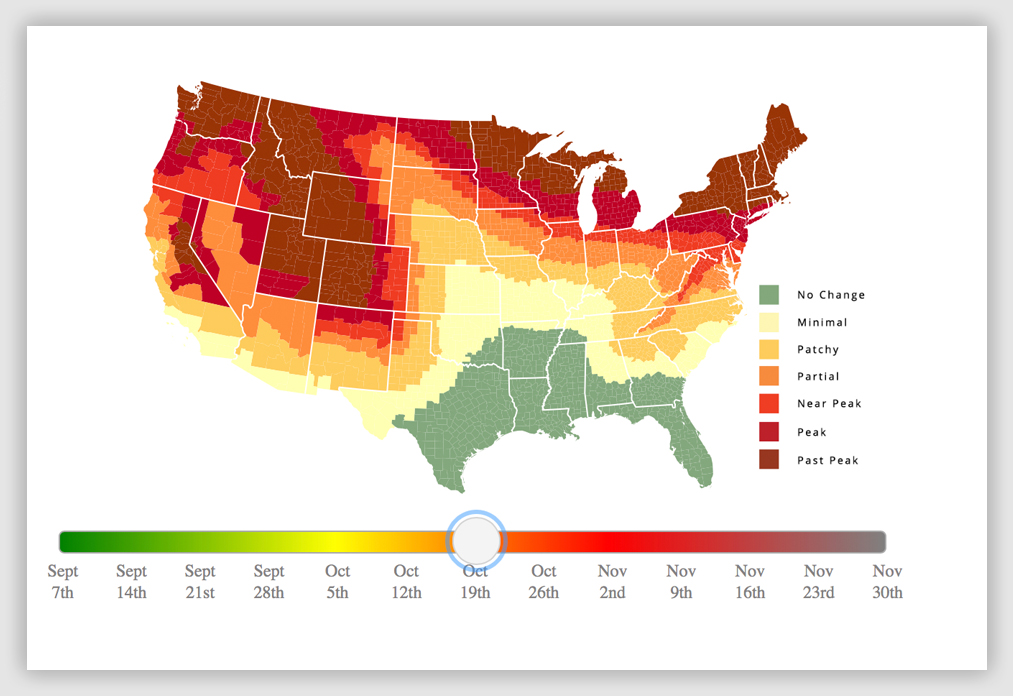
The heat may still feel relentless in your town, but rest assured, fall is coming. Sweltering temperatures won’t stop you from dreaming in flannel. People posting “hot girl summer” photos can’t prevent the onslaught of pumpkin-spice-everything. Whether you’re ready for summer to be over or not, you must accept the passage of time, so might as well take a trip to see one of the planet’s most beautiful natural phenomena: the breakdown of chlorophyll. What’s essentially leaves starving has made way for the spinoff phenomenon known as leaf-peeping — a breed of tourism exclusively about finding fall foliage, admiring it and photographing it. Cue the 2019 Fall Foliage Prediction Map on SmokyMountains.com, a site promoting tourism in that region. The interactive tool is one of the most helpful resources to reference as you plan your autumnal adventures. “We believe this interactive tool will enable travelers to take more meaningful fall vacations, capture beautiful fall photos and enjoy the natural beauty of autumn,” data scientist and SmokyMountains.com chief technology officer Wes Melton said in a statement…
Wellington, New Zealand, Newsroom, September 9, 2019: The unpopular tree sucking carbon from our air
To measure how much carbon is in a tree, you first have to kill it. You slice up the trunk, branches, twigs, leaves and roots and dry the dismembered tree parts in an oven. Then you weigh them. “It takes a long time,” says Euan Mason, a professor at the University of Canterbury’s School of Forestry. “I did some in 2012 with two students, and in six weeks I think we did 25 trees.” Sacrificing trees like this is expensive, but researchers need these measurements. Typically, about half a tree’s dry weight is carbon, which you can multiply by roughly 3.7 to work out how much carbon dioxide the tree has sucked from the atmosphere. Once enough trees of different ages and species have been dissected, the results are used to help build computer models estimating how much carbon is in a hectare of living forest, or an entire country’s worth of trees. Forest owners can use models like this to see how much money they can claim for carbon credits under the Emissions Trading Scheme. Similar estimates tell the Ministry for the Environment that New Zealand’s forests removed 24 million tons of carbon dioxide equivalent from the atmosphere in 2017, enough to offset 29 percent of the country’s greenhouse gas emissions. Most of this CO2 was absorbed by Pinus Radiata, a species much-loved by commercial foresters for its astonishing rate of growth, but seemingly little-loved by anyone in the general population…

The Camp Fire left a staggering million trees dead or dying — at least — and the logs have almost nowhere to go. Because Butte County has a dearth of local sawmills and biomass power plants, the high costs of transporting logs hours away is hampering the removal of burned trees. That raises the hazard for those returning to the burn scar: there are at least 400,000 trees at a high risk of falling in Paradise and Magalia, according to a survey by Sierra Timber Services. So local officials are now considering a slate of options to process the trees locally, from restarting a biomass power plant in Oroville to building a wood-powered heating and cooling system in Paradise. “As a Fire Safe Council, we know that there has always been a hindrance in that you have to take the product somewhere,” said Jim Broshears, the Butte County Fire Safe Council’s treasurer. “And not only will this mass from the Camp Fire have to be dealt with, urgently, but so will the ongoing mass we need to get out to get the forest in a healthy condition.” The shortage of local tree processing sites is part of a statewide trend. The number of sawmills in California has gone down from around 100 a couple decades ago to 25, said Rich Gordon, the president and CEO of the California Forestry Association. That’s because there are fewer timber sales…
Bloomberg News, September 5, 2019: Cocoa Trees Are Being Ravaged By a Disease With No Known Cure
It’s a nightmare scenario for a cocoa farmer: walking through your plantation you spot some red-veined leaves. Maybe it’s a big lump on one of the branches. You know immediately the tree is doomed, infected by the deadly swollen-shoot disease. Even worse, the plants around it are probably contaminated too, but you can’t be sure because the symptoms can take years to appear. Swollen shoot is unique to West Africa, where about three-quarters of the world’s cocoa is grown. The disease was identified nearly a century ago, yet scientists say a cure is years away and early detection methods are only just being introduced. This year, a devastating outbreak in the world’s No. 2 cocoa grower is renewing urgency to find a solution. Ghana has cut its crop forecast by 11% this season because of the disease, people familiar with the matter said previously. About 16% of the country’s cocoa crops are infected, according to George Ameyaw, a senior scientist at the Cocoa Research Institute of Ghana…
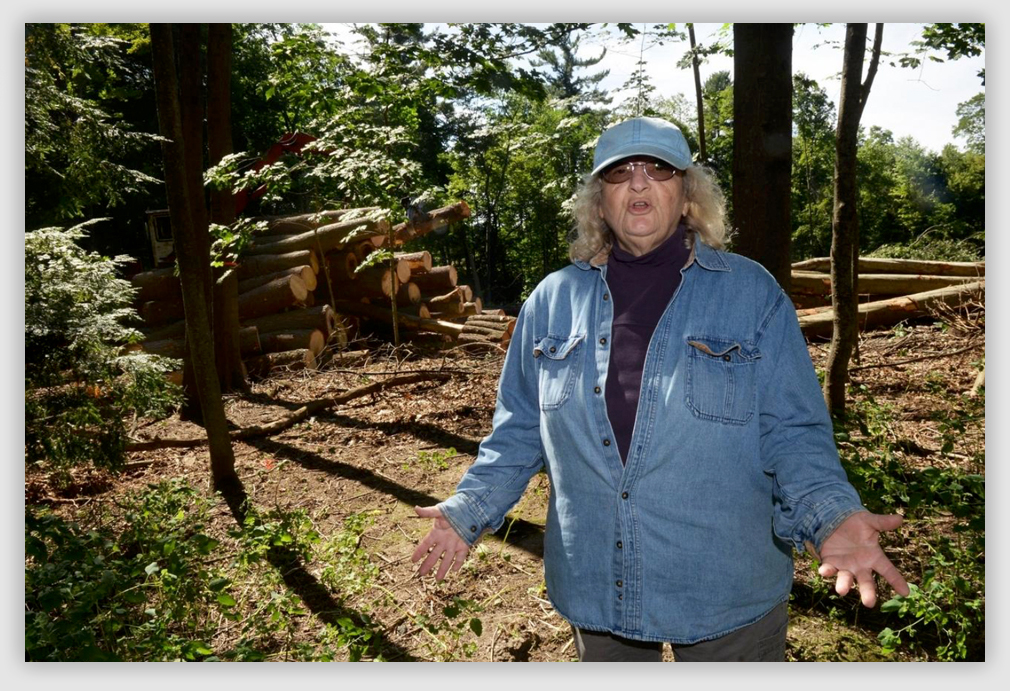
Local residents were upset about the clearing of trees and other greenery near the intersection of Fisher and Elm streets Thursday, but city officials say there’s nothing unlawful about the activity and the private property owner and contractor involved have all the necessary permissions. Sandra Cohen, who lives at 34 Fisher St., close to the site cleared, said she thought the work was “disgusting” and “ridiculous.” She and other residents of the neighborhood also expressed concern for wildlife that called the land home. “It’s gigantic, and those trees are never coming back,” Cohen said, describing the clearing. According to Assistant City Manager Chris Parker, less than an acre of land is being cleared in conjunction with an ongoing city project to reconstruct roads and sidewalks in the area of Belknap, Fisher, Elm, Summer and Hamilton streets. The project, tentatively slated for completion some time in 2020, is similar in scope and design to the 2015 reconstruction of Silver Street. However, Parker said, the city isn’t responsible for clearing the land off Fisher and Elm streets, nor did the city order it. Rather, Parker said, it’s the result of a private agreement between the land’s owner and the company performing the city’s project, Severino Trucking Co…
Quebec City workers will be cutting down at least 1,000 trees in parks and along city streets because of an “unexpected” surge in the emerald ash borer population. Despite its efforts to control the spread of the green beetle, city officials said the insect has now been found in 32 of its 35 neighborhoods. Of those, around a dozen are now considered at an “epidemic” level, including Cap-Rouge, Montcalm, Saint-Jean-Baptiste and Vieux-Québec. Suzanne Verrault, the city’s executive committee member responsible for the environment, said the surge is pushing the city to “intensify its efforts” to not “lose control.” The ash borer, which has few natural predators in North America, lays its eggs under tree bark. The larvae then restrict sap circulation, killing mature trees. The city first discovered the presence of the Asian insect in 2017 and put in place an action plan for 2018-19 to limit its transmission, at a cost of about $1.5 million per year. But despite those efforts, the growing number of beetles in the area is forcing the city to cut down 1,000 trees by the end of 2019. Another 1,000 could be cut down in wooded areas by 2020…
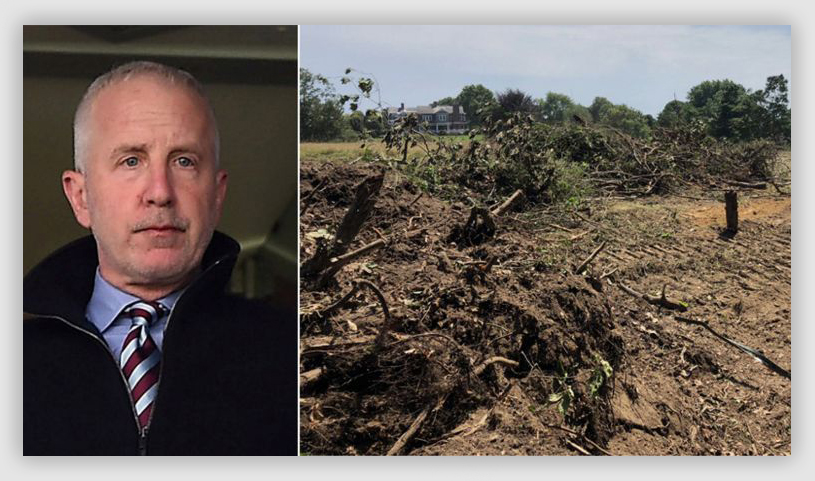
An Amagansett property owner caused at least $100 million in damages when he cut down about 100 trees last month on land that is protected for conservation, according to the Peconic Land Trust, which is suing him over the matter. The land trust holds an agricultural easement on the property and is asking the court for $1 million per tree felled. 341 Town Lane LLC, whose principal is Randy Lerner, an investor and a former owner of the Cleveland Browns, purchased the property on July 31, according to court filings. Days later Lerner hired a landscaping company to remove 75 to 125 mature white oak, American beech, holly and sassafras trees, some of which were 100 feet tall, the land trust claims. Peconic Land Trust said the clearing, reported by several residents including Alec Baldwin, violates the conservation easement placed on the property in 1995. The agreement prohibits the removal of trees, shrubs and vegetation, although there are exceptions, such as the removal of dead trees. “Defendant’s conduct was undertaken with such wanton recklessness and dishonesty as to imply a criminal indifference” to the obligations of the easement, reads an amended complaint electronically filed Aug. 28 in state Supreme Court. Lerner, who according to Forbes has a net worth of $1.1 billion, does not dispute that he had the trees cut down. But his interpretation of the easement states that he was within his rights to do so because he was clearing the land for farming. He said in court filings he was preparing the land to potentially farm fruit trees, crops like corn and potatoes, cover crops and “horticultural specialties…”
A dead tree is a topic of debate between the city-parish and a property owner for more than two months. Kim Scarton’s records show that she called the city-parish’s 311 call center about a dead tree behind her fence line on June 26, 2019, and took down a work order. But it wasn’t until 2 On Your Side got involved did she receive an answer from the city-parish about who it thinks should take responsibility. “We requested removal, we got a work order number and they said they’d be in touch,” said Scarton. A couple of weeks went by. Scarton says her neighbor called the city-parish after a tree behind her house was damaged during Tropical Storm Barry. On July 15, 2019, she says a representative from the South Drainage Department came out to investigate and told her the trees were not on their properties, but in the city-parish servitude. On July 23, 2019, two city-parish arborists visited Scarton’s home. “We were told they’re on city property and they’ll be recommended for removal,” Scarton said. After following up a few times, Scarton said she didn’t hear anything. Then on August 24, 2019, a branch fell from the tree onto Scarton’s roof. Estimates to repair the damage exceed $3,500. “So we contacted the city the following Monday to let them know this is an urgent matter, we’ve been telling them the tree is a safety risk,” she said. “It’s damaging our home, it’s damaging our fence, no response…”
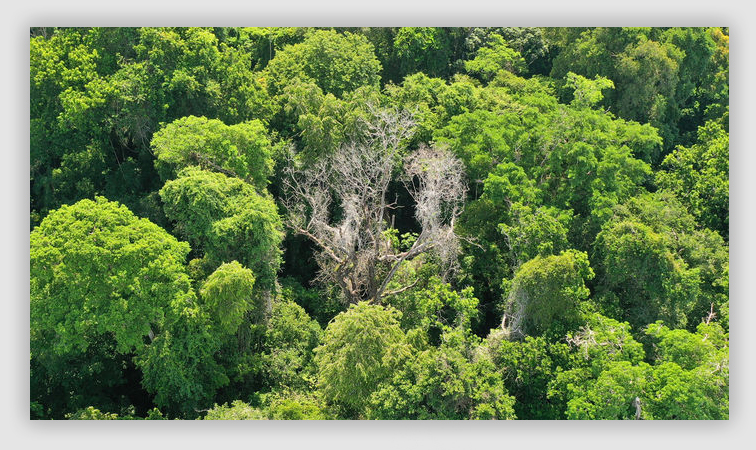
The biggest trees, standing tall through storms and harsh winters, may look invincible. But a series of recent studies analyzing the effects of lightning, drought, and invasive pests on forests indicates that for trees, size is not strength, and forest giants are disproportionately vulnerable. “There’s always been an underlying assumption that large trees are somewhat buffered from environmental stress,” says Andrew Barton, a forest ecologist at the University of Maine in Farmington. This new work “suggests that this might not be true.” And with all three stresses likely to grow, big trees could become a particularly weak point in beleaguered forests, says forest ecologist David Lindenmayer of Australian National University in Canberra, whose work has shown that the loss of large trees puts entire ecosystems at risk of collapsing. Large trees are also major storehouses of carbon—one estimate suggests they hold 50% of a forest’s carbon—and their deaths release it into the atmosphere, which could exacerbate climate change. It makes sense that lightning targets the biggest trees, but the extent of the toll has emerged only now, from a project on Barro Colorado Island, in the middle of the Panama Canal. In temperate regions, lightning blackens tree trunks or burns a tree down when it strikes, so it’s easy to see its effects. But in tropical forests like the Panama one, which has been studied for decades, lightning leaves no obvious marks, possibly because the trees carry more water, although a struck tree may still die weeks or months later. But Steve Yanoviak, an ecologist from the University of Louisville here, and colleagues recently outfitted the science station on the island with cameras and sensors, so they can triangulate lightning strikes and look for downed vegetation and other subtle signs a tree was struck. Yanoviak’s postdoc Evan Gora then keeps tabs on the struck tree and its neighbors to document any declines. To date, the project has pinpointed 70 lightning strikes, Gora reported last month at the annual meeting of the Ecological Society of America here. Each strike kills an average of five trees and damages 16 more as the bolt’s electricity hops from one tree to another…
Undark.org, September 4, 2019: Are We Overestimating How Much Trees Will Help Fight Climate Change?
Bob Marra navigated his way to the back of a dusty barn in Hamden, Connecticut, belonging to the state’s Agricultural Experiment Station. There, past piles of empty beehives, on a wall of metal shelves, were stacks of wooden disks — all that remains of 39 trees taken down in 2014 from Great Mountain Forest in the northwest corner of the state. accounted for.” These cross-sections of tree trunks, known as stem disks — or more informally as cookies — are telling a potentially worrisome tale about the ability of forests to be critical hedges against accelerating climate change. As anyone following the fires burning in the Amazon rainforest knows by now, trees play an important role in helping to offset global warming by storing carbon from atmospheric carbon dioxide — a major contributor to rising temperatures — in their wood, leaves, and roots. The worldwide level of CO2 is currently averaging more than 400 parts per million — the highest amount by far in the last 800,000 years. But Marra, a forest pathologist at the Experiment Station with a Ph.D. in plant pathology from Cornell University, has documented from studying his fallen trees that internal decay has the capacity to significantly reduce the amount of carbon stored within. His research, published in Environmental Research Letters late last year and funded by the National Science Foundation, focused on a technique to see inside trees — a kind of scan known as tomography (the “T” in CAT scan.) This particular tomography was developed for use by arborists to detect decay in urban and suburban trees, mainly for safety purposes. Marra, however, may be the first to deploy it for measuring carbon content and loss associated with internal decay. Where there is decay there is less carbon, he explains, and where there is a cavity, there is no carbon at all…
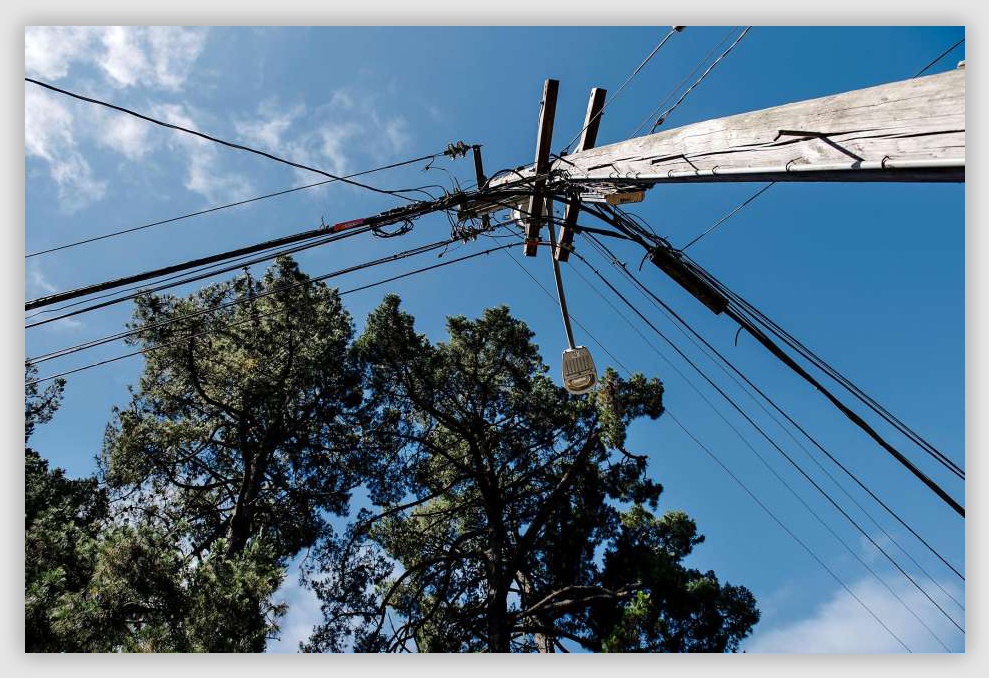
Pacific Gas and Electric Co. told a federal judge Tuesday that flaws in its tree-trimming program described recently by a court-appointed monitor were consistent with the company’s own internal findings and it has already sought to rectify the problems. The bankrupt utility said in court papers required by U.S. District Judge William Alsup that it has instituted new training for vegetation-management contractors and now requires power line inspectors to take a “competency test.” PG&E has also sought to enhance its record-keeping by improving the way contractors use a software program to track their work, the company said. Alsup is overseeing PG&E’s probation arising from the 2010 San Bruno pipeline explosion and has taken a strong interest in the safety of the company’s electric system due to its role in the 2018 Camp Fire and 2017 Wine Country wildfires. The judge last month ordered PG&E to respond to a report from the monitor that identified shortfalls in the company’s enhanced tree-trimming program. PG&E contractors were “missing numerous trees,” causing the company to fall short of its goals and meaning that “the quality of the completed work is questionable,” the monitor’s report said…
Honolulu, Hawaii, KHON-TV, September 3, 2019: New law to ease Albizia anxiety
Albizia trees create beautiful canopies across Hawaii’s scenery — but the introduced species is responsible for millions and millions of dollars in damage. A new law will allow property owners to enter vacant lots to get rid of the trees. If you look at the vacant lot next door and worry that those towering albizia trees could come crashing down onto your property — this new law was written with you in mind. Hawaii island Senator Russell Ruderman, who represents Puna and Ka’u, says, “So if you live next door to a vacant property and there’s albizia just out of control, overhanging your driveway, your house, your garage, or, if you’re … the utility and want to do the same, you can go through this process now to legally enter the property for the purpose of controlling the albizia.” During and after tropical storm Iselle in 2014 — Ruderman said, “About 90 percent of the damage was from Albizia trees. So we became very aware, we always knew it was a potential hazard and then it became a very real hazard.” The law requires: A certified arborist to confirm the albizia threat; At least two attempts to contact the landowner; and notification of neighboring property owners…
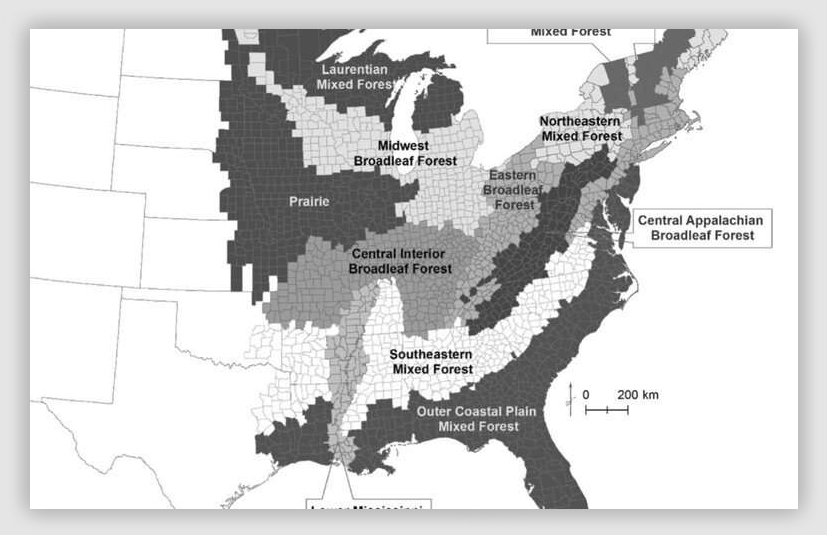 Phys.org, September 4, 2019: Deer browsing is not stopping the densification of Eastern forests
Selective browsing by white-tailed deer has been blamed by many for changing the character and composition of forest understories in the eastern U.S.; however, its impact on the forest canopy was previously unknown. Now, a new study led by a Penn State researcher suggests that while deerbrowsing has impacted tree regeneration in the understory, it has not had much of an impact on forest canopies—and in fact likely has slowed the forest densification process slightly. “Forests in the region are becoming increasingly dense, and that is a major ecological problem,” said Marc Abrams, professor of forest ecology and physiology in the College of Agricultural Sciences. “Indeed, deer can be thought of as an agent slowing down the densification problem, albeit not very effectively.” Abrams, who has spent most of his 40-year career studying how and why forests in the eastern U.S. have changed over the last few centuries, has assessed the role of increasing deer populations on reducing or eliminating tree regeneration in many forests…
A dead pine tree marked for removal by the city last year is still posing a hazard for joggers, bikers, and neighboring residents. A popular sidewalk route near Millard South needs constant cleanup, according to homeowner Emil Radik. “This branch was on the walking path this morning,” said Radik. Radik often cleans the path along Q Street for students walking to school. “If one of these branches up here comes down and some kid is walking by and it hits them, they’re going to get hurt then the city is going to be liable for it,” said Radik. According to Radik, the tree has been dead for two years and even though the city has trimmed it, the tree should be removed entirely. “Anybody that walks this way, somebody is going to get hurt with all these falling branches,” said Radik…
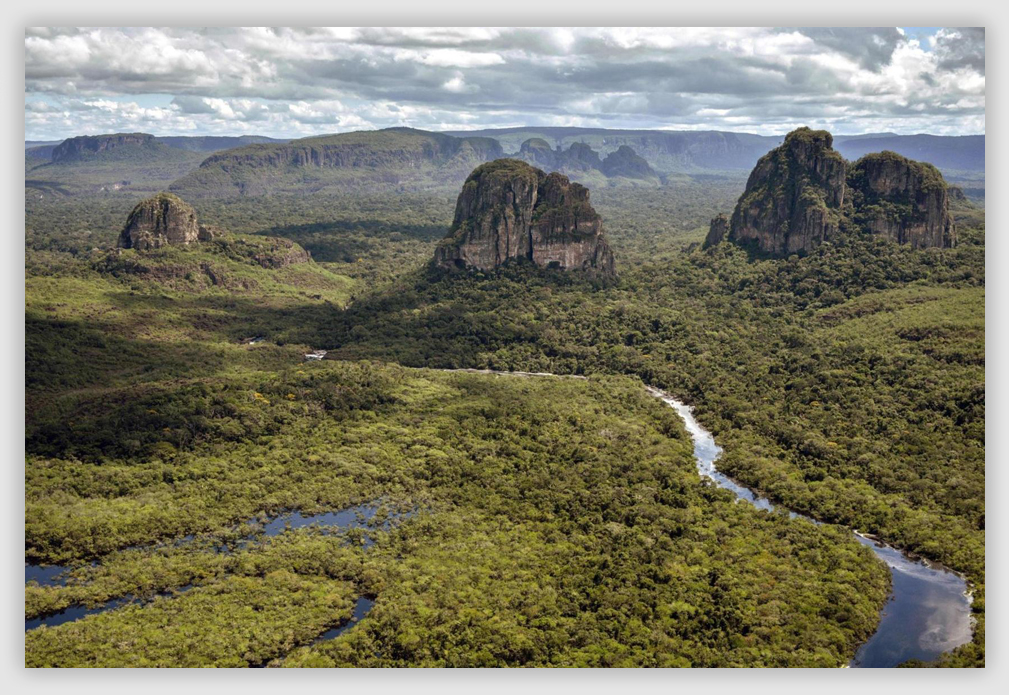 Honolulu, Hawaii, KMOV-TV, September 2, 2019: US cities are losing 36 million trees a year
If you’re looking for a reason to care about tree loss, the nation’s latest heat wave might be it. Trees can lower summer daytime temperatures by as much as 10 degrees Fahrenheit, according to a recent study. But tree cover in US cities is shrinking. A study published last year by the US Forest Service found that we lost 36 million trees annually from urban and rural communities over a five-year period. That’s a 1% drop from 2009 to 2014. If we continue on this path, “cities will become warmer, more polluted and generally more unhealthy for inhabitants,” said David Nowak, a senior US Forest Service scientist and co-author of the study. Nowak says there are many reasons our tree canopy is declining, including hurricanes, tornadoes, fires, insects and disease. But the one reason for tree loss that humans can control is sensible development. “We see the tree cover being swapped out for impervious cover, which means when we look at the photographs, what was there is now replaced with a parking lot or a building,” Nowak said. More than 80% of the US population lives in urban areas, and most Americans live in forested regions along the East and West coasts, Nowak says. “Every time we put a road down, we put a building and we cut a tree or add a tree, it not only affects that site, it affects the region…”
A 55-year-old man died Monday evening after falling from a tree he was attempting to trim ahead of Hurricane Dorian’s arrival, according to Ocoee authorities. Ocoee Battalion Fire Chief Edwin Youman said the crews responded to the home on Suzette Drive at 6:22 p.m. The man had climbed about 15 feet into the tree with a chain saw and as he was attempting to position himself to cut branches he fell, according to Youman. The victim was not using a ladder, Youman said. According to the 55-year-old’s family he was cutting a tree limb to make sure it didn’t fall on the home. Family members say he was a grandfather and a hard worker. The death marks the second in Central Florida Monday as people prepare for impacts of Category 4 Hurricane Dorian…
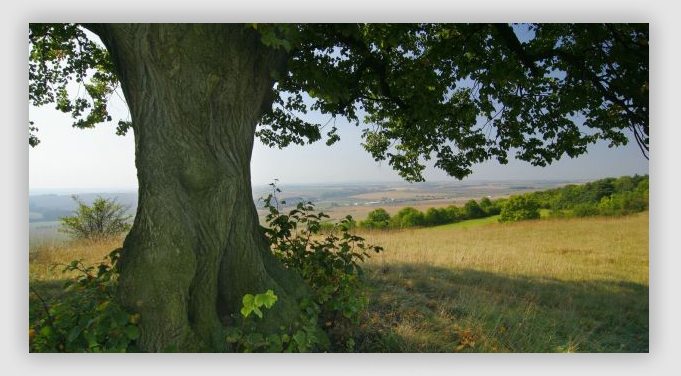
Irish officials said this weekend that the country will plant around 22 million new trees across the country each year until 2040, hoping to one day have at least 440 million in the ground to help combat the worst effects of climate change. The ambitious targets were first reported by the Irish Times on Saturday, which notes that targets for new forestery were part of the government’s climate action plan released in June, but specific numbers of trees weren’t released. The sweeping proposal hopes to see Ireland transition to net-zero carbon emissions by 2050 through a series of measures, including a new carbon tax, increased investment in renewable energy and shift in agriculture and land use. “The climate action plan commits to delivering an expansion of forestry planting and soil management to ensure that carbon abatement from land-use is delivered over the period 2021 to 2030 and in the years beyond,” a spokesperson for Ireland’s Department of Communications, Climate Action and Environment, told the outlet. “The target for new forestation is approximately 22 million trees per year. Over the next 20 years, the target is to plant 440 million.” The Irish Times noted that the initiative has already faced some opposition from farmers, who will need to be convinced to set aside some of their land for the trees to meet the government’s targets. But the government has championed the climate plan as an imperative step to safeguard the country’s economy against the worst impacts of global warming…
If a tree falls in Springfield, does it make a difference in people’s lives? For Springfield residents like Susan Allen and Mary Frances, the answer is an emphatic “yes.” At city council meetings and in letters to the editor over the past year, two have made the case for the importance of maintaining mature trees, from their environmental benefits to how they aid in storm water retention and help homeowners conserve energy. “I mentioned in my city council presentation that (my husband and I) had a mature tree in our backyard, an ash tree,” Allen said. “And it died and we took it down and put in a new tree. But when we had the storms in spring, then we got water in our basement. It’s just mature trees act kind of like a sponge in collecting all of that water. So if trees are taken down around the city, it’s important to re-plant, but it takes a tree awhile to grow.” As trees — whether due to storm damage, disease or decisions made by property owners — come down across the city, the pair have been among the most vocal proponents of the city reviving its long-dormant tree commission. And after several months of intense lobbying, their efforts have paid off. In mid-August the Springfield City Council approved the appointments of seven people to serve on the rechristened Urban Forestry Commission, which will meet for the first time in a few weeks. The commission will also include three non-voting members: Public Works director Nate Bottom or his representative, CWLP chief utility engineer Doug Brown or his representative; and city arborist Jeff Reim…
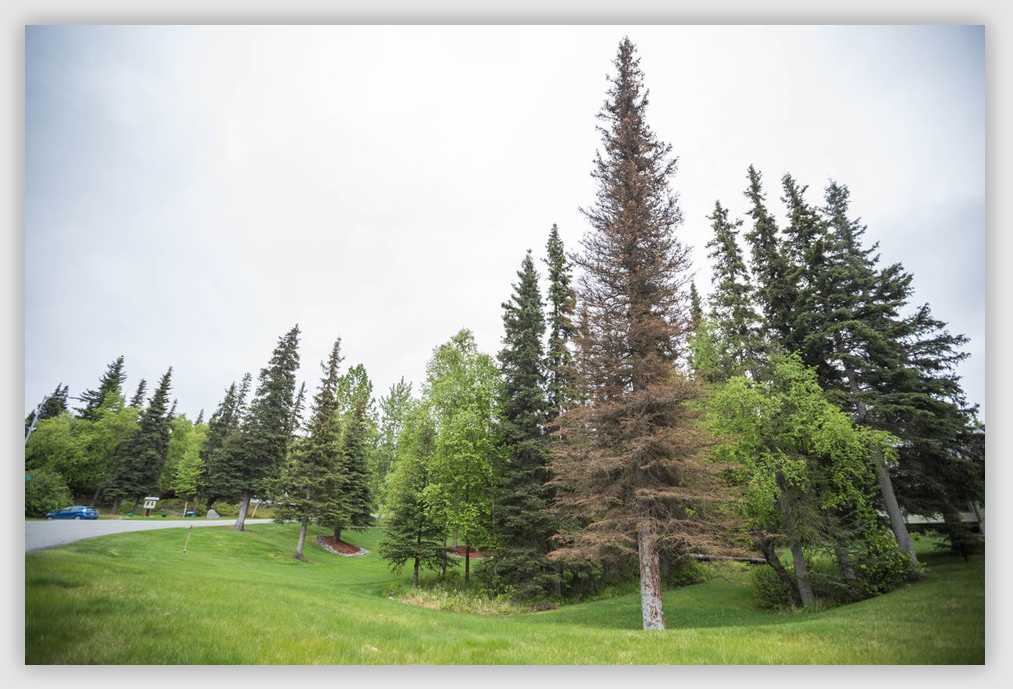
I am getting crushed by emails asking what to plant once beetle-killed spruce trees are removed. Impacted readers are devastated, many emotionally (and well they should be), by the loss of so many large trees. I get it. We have had one heck of an unusual summer. Unusual? That is summary-talk for birch leaves withering, massive lilac leaf roller attacks, aphid invasions and leaf miners where there are no aphids. Then there are the record leaping (and breaking) temperatures. Oh yeah, add an unimaginable lack of rain in August instead of the normal annual deluge. Note too, we did not receive much in July. And there are reddening spruce needles throughout the area, the likes of which we never thought we would see. It is one thing to see acres of dead spruce along the highway, but in the middle of town? You all know know what has to happen. First, get moisture into the ground around plants, especially trees and shrubs. Keep the mower high and consider skipping mowing altogether. You have an excuse…
A German tourist was killed Tuesday on the Pacific Crest Trail northwest of Trout Lake after a tree fell and struck him, according to the Skamania County Sheriff’s Office. A search and rescue team moved Finn Bastian, 28, of Preetz, Germany, to a trailhead and performed CPR, but their revival efforts were unsuccessful, according to a news release from the sheriff’s office. Skamania deputies received a patchy cellphone call at 4 p.m. about an injured hiker on the Pacific Crest Trail. The caller estimated they and two other hikers were about 1½ miles north of Forest Road 23, which accesses the east side of the Gifford Pinchot National Forest. Deputies subsequently received a second call about an emergency transmitter activation originating from the same hikers. Search and rescue crews were dispatched along with a helicopter capable of hoisting people. One of those crews reached Bastian and identified him by his passport…
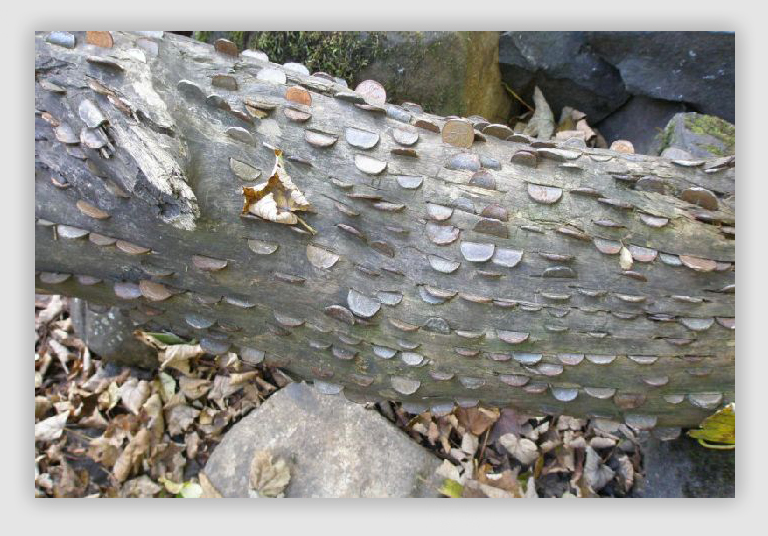
National Trust for Scotland said it had found growing numbers of coins embedded into trees at its properties. A spokesman said: “More people have been hammering coins into trees and stumps at Dollar Glen and The Hermitage due to a growing ‘fashion’ to make votive offerings for wishes. “We wish you wouldn’t do it, especially to live trees as it harmful.” NTS urged people to donate their coins to the conservation charity instead. The tradition of the ‘wishing tree’ has been observed in Scotland for hundreds of years with a sacred tree usually found close to a holy well. One of the most celebrated trees could be found on Isle Maree on Loch Maree, where pilgrims travelled to attach their offerings. In the late 19th Century, the tree was covered in hundreds of nails and ‘countless pennies and half pennies’. One account of the tree said: “The effect is that the tree for about eight or nine feet up from the ground is covered with metallic scales. “The scaly covering forms armour something like what is depicted on a dragon. “Visitors go there to see the tree and hammer in coins and probably wish a silent wish before leaving.” The tree, which was also visited by Queen Victoria, later died due to the damage to the bark. It is understood that the tree suffers copper poisoning after coins are pushed through its surface…
Orlando, Florida, WOFL-TV, August 29, 2019: Orlando: Don’t trim your trees before Dorian
The City of Orlando concerned about debris that can become very problematic during a hurricane. Waste crews urging people not to trim trees because they won’t be picking up the branches before the storm. “We are advising doing any last minute maintenance for this storm,” said Joseph England, Sustainability Project Manager, City of Orlando. “Yard waste that is not collected and at the curb becomes a potential hazard for blocking storm drains,” said England. That contributes to dangerous flooding, he added. “We want you to make sure that you bring all your yard waste back, bring it close to your house, as long as it’s near or close to your house bagged or bundled, you’re not going to have any issue when it comes to wind or anything that relates to the storm,” said England…
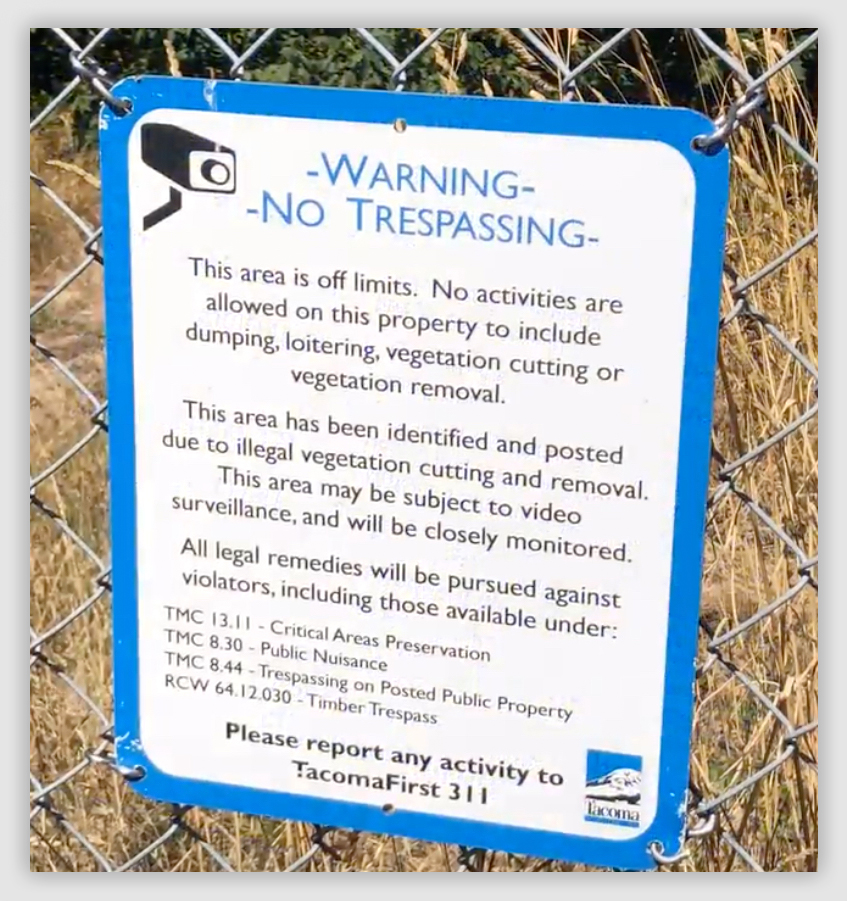
Think twice before cutting that tree near your yard — it could be illegal. Tacoma city workers have started monitoring what they see as a problem: timber trespass. It’s the illegal cutting, pruning or removing of vegetation from a property you don’t own, according to Washington state law. It usually occurs when public property is located next to private property. “Trees and vegetation are often cut for private views or to make more yard space (i.e. lawn, extra parking, storage),” Désirée Radice, environmental specialist with the city’s Open Space program, said in an email. “Occasionally trees are cut for private use – burning or woodworking — but this occasion appears to be less prevalent.” Take, for example, the community around Mason Gulch in Tacoma’s North End, where many have views of Commencement Bay. The city estimated it has spent $500 to post signs and cameras around the site, warning of trespassing and illegal cutting. This summer, the city sent out mailers to 49 households surrounding Mason Gulch as a preemptive measure, asking residents to help stop the illegal activity. It’s the second time the city’s mailed notices in the area. “City property in this area has been the target of illegal cutting in the past,” Radice said…
Perhaps more than anywhere else in Miami, the streets of Coconut Grove are dappled with sunlight and shadow. Look overhead and you’ll see why. Here, the tree tunnels that stretch over highways and streets are the fabric of the community. They’re like the cafecito windows of Little Havana. Or the beaches that line the coast. These green sentinels have seen Miami grow from backwater village to major metropolis. Sometimes they’ve been spared from the bulldozer and the winds from a hurricane. Sometimes they haven’t. The fate of Coconut Grove’s lush canopy seems to be constantly hanging in the balance. Biologist Christopher Baraloto is leading the Miami Urban ReLeaf Coalition, a network of local partners mapping and monitoring trees in Miami’s verdant enclaves. The initiative recently launched in Coconut Grove, where the International Center for Tropical Botany is based at the Kampong, a collaboration between FIU and the National Tropical Botanical Garden (NTBG). The Kampong is the historic home of famed botanical explorer David Fairchild and now an urban oasis with more than 1,000 species of fruit trees, palms, plants and teaching collections for botanical study…

The Casper City Council is considering adopting tighter regulations on arborists after a man died recently in a tree-felling accident. City Attorney John Henley could not say when the incident occurred but said the city had been working on the new ordinance for several weeks. Henley said at Tuesday’s work session that local arborists were consulted in writing the new ordinance. Of those consulted, most asked for strengthened regulations on their profession, he said. In a memo to the council, Henley wrote, “The vast majority of the tree companies asked for increased training requirements, certification by the International Society of Arboriculture and (to) maintain significantly higher liability insurance and Workers’ Compensation insurance.” Those arborists who were consulted also asked that a certified arborist be present during “aerial operations” (like trimming high tree branches). The ordinance would not restrict private property owners from taking down trees on their own property. The council was positive toward the ordinance but stressed personal responsibility in ensuring companies have adequate qualifications. “People and our public still need to ask the right questions,” Councilman Stephen Cathey said…
After Joseph Morales, an electrician from Chicago, moved to Emeryville this past winter, he found himself wondering: What’s with all the palm trees in the Bay Area? Like Joseph, they didn’t originate here. But they’re all over the place. Not that Joseph minds. “They remind me of vacation,” he says, “having a good time with a cold drink and sitting under a palm tree.” Then again: “Northern California doesn’t really seem to be the ideal location for palm trees. I’m expecting hot weather and sun and beaches. And there’s just palm trees and mountains and cold water. So it just seemed weird.” You can spot dozens of species of palms around here, but only one in the state is native. Washingtonia filifera, the California palm or desert fan palm, prefers the arid region hundreds of miles farther south — closer to Palm Springs — over the mist of the Bay Area. Many of the other species you see in California have names hinting at distant origins: the Canary Island date palm. The Chinese windmill palm. The Mexican fan palm. How’d they get here? Foreign palms were originally brought to California’s Spanish missions in the 1700s for religious services the Sunday before Easter, says Joe McBride, a professor emeritus of landscape architecture and environmental planning at UC Berkeley…
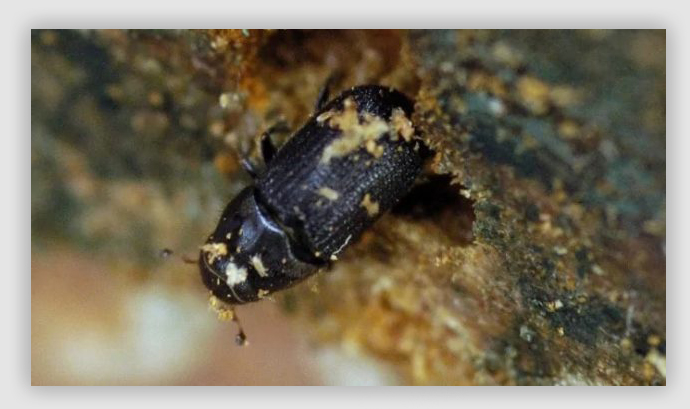 Radio Canada, August 27, 2019: New study shows trees attacked by insects warn their relatives
Unlike the tree-like Ents in the Harry Potter film that have a language, trees don’t actually talk of course, but new research shows they do have a way of communicating with each other. It is the first study to show above ground tree-to-tree communication. The communication is by airborne chemicals released by pine trees when they are attacked by pine beetles which are often a deadly threat to the trees… The study out of the University of Alberta showed lodgepole pine trees attacked by the mountain pine beetles emit volatile chemicals that warn other trees of the danger. The study was published in the journal Science of the Total Environment… The nearby trees, alerted by the chemical signal from the attacked tree, then begin producing defensive resin sap which can kill the beetles if they attempt to burrow into their tree…
A viewer reached out to the Morning Insiders asking for help after part of a neighbor’s tree fell on her house, and neither he nor his insurance company would help pay for the damage. CBS 2’s Lauren Victory dug in and discovered a little-known fact about homeowner’s insurance. “Unfortunately for me, this tree’s not on my property, or the moment I moved in, I would have had it removed,” Samantha Lambros said. The tree has been dead since Lambros moved into her home in south suburban Bradley. In June, as storms and strong winds rolled through, a large hunk of the tree landed on top of her home, puncturing the roof in three spots. Damage estimates ranged from a few hundred to thousands of dollars. She asked her tree-owning neighbor to do the right thing and pay for the damage, but he refused. Her State Farm agent gave her bad news as well. “Unfortunately, unless I got their information, I couldn’t make a claim against them,” she said. Even after getting her neighbor’s insurance information, Lambros hit another dead end in the form of a letter. “Our insured has elected not to have this claim investigated. Therefore we are closing our claim file,” the letter informed her. Despite warning her neighbor about the dead tree before the storm and even offering to help pay to have it removed, Lambros can’t file a claim against her neighbor’s policy. The only person who can file a claim involving a piece of property – trees and all – is the property owner. Janet Patrick, with the Illinois Insurance Hotline, said if a neighbor refuses to file a claim in a case like this, a homeowner can file a lawsuit or seek help from their own insurance company…
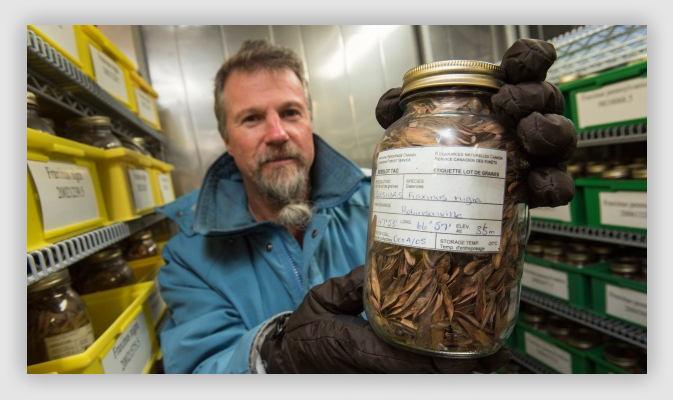
An invasive insect from Asia is expected to kill almost every ash tree in Canada, but Donnie McPhee has a plan to preserve the species. Co-ordinator for the National Tree Seed Centre in Fredericton, McPhee is asking Canadians to help him find mature stands where seeds can be gathered and later stored for future generations in the centre’s deep-freeze vaults. “We’re looking to protect the genetic diversity of the species,” McPhee said in an interview. “We’re looking for natural stands of trees that are in seed …. We want Canadians to be our eyes — to let us know they’re out there.” And the time is right to start the search because the white ash and black ash — two of the most common species — are expected to produce a bumper crop of seeds this fall. The centre’s website provides details on what to look for, but seed collecting should be left to experts. “We’ve already had people showing up with big bags of ash seed … but it’s too early in the season,” McPhee said. Larvae of the emerald ash borer, a small beetle with an iridescent green hue, have already killed millions of trees in Canada and the United States, and the pest’s population is still growing…
As the hot summer sun beats down on the south and west sides of exposed tree trunks, there can be some damage. Bark can overheat, sunburn and crack. Unfortunately, there is some bad advice out there about what to do to prevent this damage. Wrapping the trunks of new red oaks, maples, Chinese pistachios and other thin bark trees with paper tree wrap is not the proper answer. It is mistakenly said that covering trunks with wrap will prevent insects (including borers), diseases and sunburn. The truth is, the wrapping will actually provide a better environment for the diseases to get started and for the insect pests to set up shop. It also causes an artificial condition similar to your skin when a bandage is left on too long, and more damage can be done when the wrapping is removed and the bark is re-exposed to sunlight. One simple thing that would help solve sunburn issues is for growers to put a red dot on the north side of the tree so the garden center and homeowner or developer could keep the same sunlight orientation when the tree is planted…
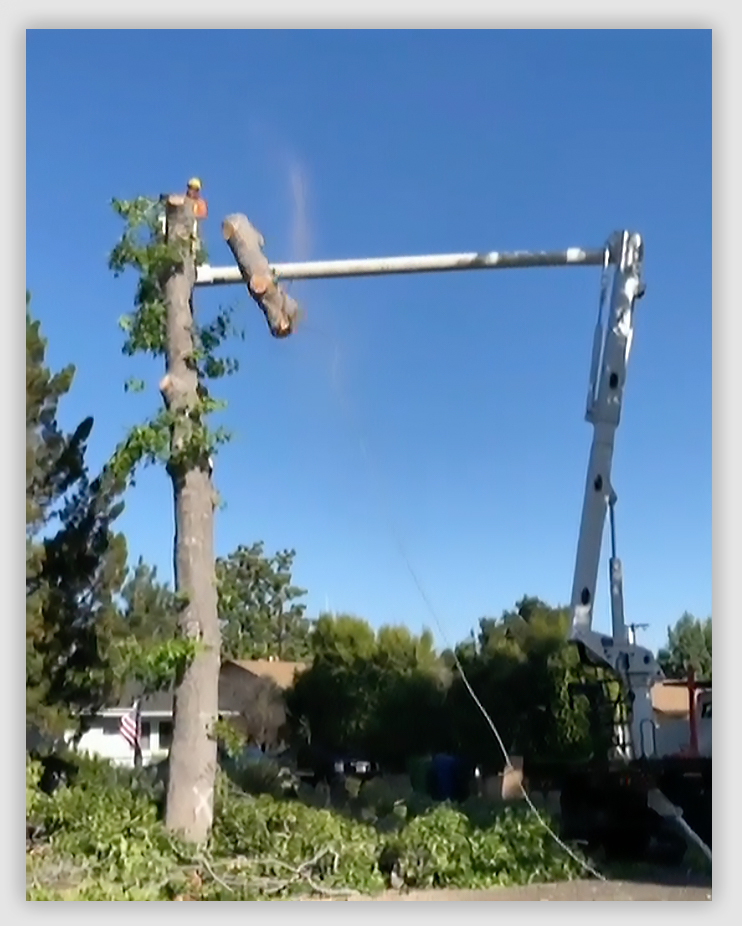
Some residents of a Sherman Oaks neighborhood are mad that trees that for decades have provided shade to homes on Sunnyslope Avenue were cut down over the weekend. In all, 11 were chopped down on the west side of the street. Bob Holmes has lived in this neighborhood for more than 35 years. He’s one of the residents who protested, asking the city not to cut down the trees. The one in front of his house was spared because he’s maintained it over the years. He says “to see them all go in such a large number and to feel the heat right now. It’s just heartbreaking.” City crews were back Monday removing stumps and debris left from this weekend’s tree removal. Residents say the live trees were cut down for fire prevention and so the city can comply with the Americans with Disabilities Act because the 11 removed trees had damaged the sidewalks. Jacky Surber, with the group Angelenos 4 Trees, says “they can repair the sidewalk and save the trees. Santa Monica only took out three trees last year. In the whole year we have it charted where they (Los Angeles) took out over 1,000 trees…”
If you’re looking for a reason to care about tree loss, the nation’s latest heat wave might be it. Trees can lower summer daytime temperatures by as much as 10 degrees Fahrenheit, according to a recent study. But tree cover in US cities is shrinking. A study published last year by the US Forest Service found that we lost 36 million trees annually from urban and rural communities over a five-year period. That’s a 1% drop from 2009 to 2014. If we continue on this path, “cities will become warmer, more polluted and generally more unhealthy for inhabitants,” said David Nowak, a senior US Forest Service scientist and co-author of the study. Nowak says there are many reasons our tree canopy is declining, including hurricanes, tornadoes, fires, insects and disease. But the one reason for tree loss that humans can control is sensible development. “We see the tree cover being swapped out for impervious cover, which means when we look at the photographs, what was there is now replaced with a parking lot or a building,” Nowak said. More than 80% of the US population lives in urban areas, and most Americans live in forested regions along the East and West coasts, Nowak says…
Residents of a Vancouver Island neighbourhood battling to contain the destructive roots of invasive ornamental trees are demanding the town act to remove the species and are questioning why it was allowed to be planted in the first place. The roots from black locust trees have been ripping up driveways, choking pipes and sprouting unsafe roots in yards, according to Ladysmith, B.C., resident Chris Fritsch. “I have no idea why [the developer] chose that tree. It’s not found anywhere else in town,” said Fritsch, who lives at the corner of Halliday Place and Fourmeaux Crescent. The trees were planted when the area was developed for housing 15 years ago. The non-profit Tree Canada deems the black locust a “tree killer,” with roots that can grow extremely quickly even in poor soil, as they contain nitrogen-fixing bacteria. They introduce more nitrogen to the soil, inviting other non-native plants to invade the area. The tree reproduces through suckers in its roots, producing a dense concentration of new trees that can overshadow and kill other young plants, Tree Canada says…
After more than 16 years of discussion, Borough Council voted unanimously to enact a tree ordinance, at a recent conditional use hearing. “We’re just trying to do our part in West Chester to reforest our urban environment,” Jeff Beitel, chair of the borough’s tree commission said Monday. “Trees are the lungs of the world. “The more trees, the better the air quality.” The ordinance states that residents are not able to eliminate tree wells in the public right of way. If a street tree, or tree in the right of way is condemned the homeowner will pay half of the cost for removal. Previously the resident was responsible for the whole cost. Heritage tree owners who request it, will receive a rebate on their storm water protection fee, on a sliding scale for up to a $250 annual refund. A heritage tree must have a minimum diameter of 24 inches at four and a half feet above the ground and not on the list of excluded trees. The borough’s arborist will need to okay the type of pesticide used and a professional will need to apply it in areas within the tree drip line or tree protection zone. The borough hopes to add 1,000 trees to the canopy. “With the canopy declining it’s a way for us to keep trees as a part of the infrastructure,” longtime tree commission member Karen Slossburg said. “Trees are beautiful, they save us a lot of energy and they keep us happy…”
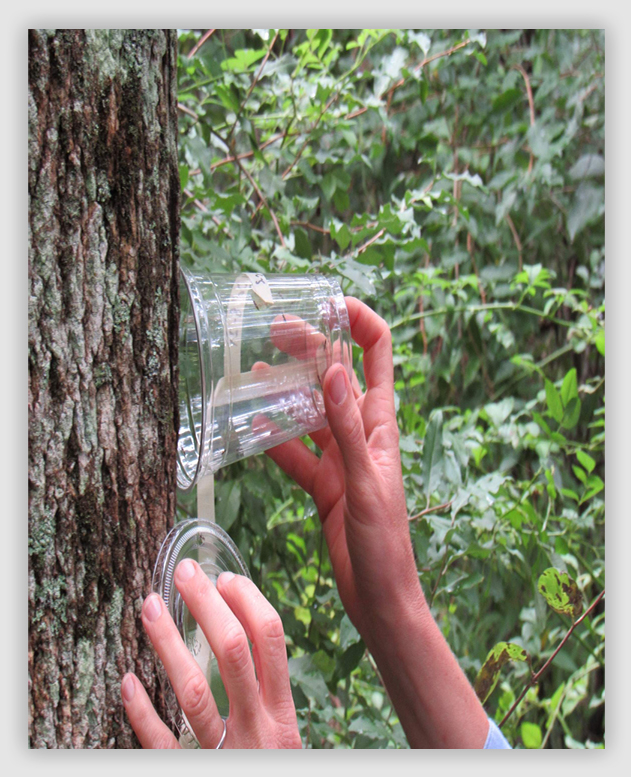
Three species of a small wasp that can attack the eggs of the emerald ash borer were released by National Park Service biologists within the Delaware Water Gap National Recreation Area this past weekend. The borer, an invasive beetle from Asia, is capable of killing a full-grown ash tree within a couple of years and has been found in several locations in Sussex County in the past two years. The release was in the Mosier’s Knob area, just below the Walpack Bend of the Delaware River and across the river from Worthington State Forest where the New Jersey Department of Agriculture recently released its own biological agents to stem the invasion of the pest. Kara Deutsch, chief of resource management for the park, said the emerald ash borer has been found on both sides of the river. The choice of Mosier’s Knob for the release came at the recommendation of regional NPS experts. The wasps, known in scientific circles as “parasitoids,” were supplied by the United States Department of Agriculture’s Animal and Plant Health Inspection Service (APHIS) and came from the Plant Protection and Quarantine (PPQ) EAB Parasitoid Rearing Facility in Brighton, Mich…
A continuation of the “NeighborWoods” project with Trees Atlanta will mean as many as 1,000 new trees for Sandy Springs over the next five years, the city announced. Trees Atlanta planted 74 trees in Sandy Springs during the first, pilot year of the Front Yard Tree program, officials said. The City Council has approved continuing the initiative for five years, with up to 200 trees planted a year. The city will allocate to the program up to $50,000 each year from its fee-supported Tree Fund. Trees will be planted in city rights of way, parks and on private parcels. Residents can request up to three front yard shade trees, planted within 35 feet of the right of way. “Each tree is estimated to cost $250 for a 15-gallon tree, inclusive of one-on-one consultation with a Trees Atlanta staff member, planting, mulching, pruning and pest/fertilizer treatment, as necessary,” the city said…
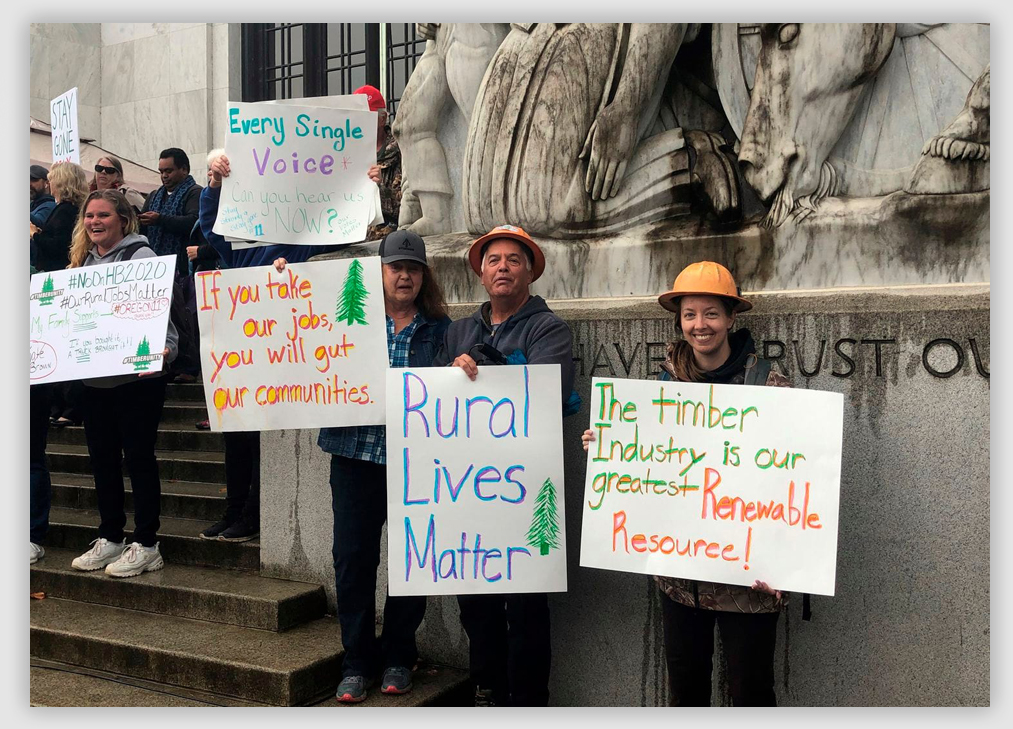
This month, the Trump administration announced changes to the Endangered Species Act (ESA) that would now require the government to consider economic effects before listing a species as threatened or endangered. This move sparked stories about all the species pulled from the brink of extinction by the ESA. The law was a massive success, journalists and environmentalists claimed, and these new changes threaten to undo many of the gains in species protection made over the last four decades. But missing from most of the coverage of the rule changes were the voices of people who had often paid a steep price for those success stories: loggers put out of work by the Spotted Owl’s ESA listing in 1990 or ranchers whose herds had been attacked by grey wolves. These men and women who work in resource extraction industries actually care deeply for the land and have a long and proud tradition of fighting to protect nature. Yet they are siding with the Trump Administration over the ESA rule changes. And that’s the result of decades of environmentalists ignoring the economic consequences of the ESA on these populations. Rather than fighting these loggers and miners, environmentalists who care about saving the ESA would be wise to listen to their criticism. As history shows, the environmental movement has been far more effective when it has included rural people and worked to balance their economic concerns with protecting nature…
The state says an ash tree-killing pest found in some areas of the Vermont is spreading in Grand Isle County. Vermont’s agriculture agency and the state’s Department of Forest Parks and Recreation say emerald ash borers were found in two traps in Alburg in early August. That’s the second town in the county where the pest has been confirmed. The emerald ash borer has killed millions of ash trees in North America. The pest, which is native to Asia, was first found in Michigan in 2002. It was discovered in Vermont in February of 2018 and has been confirmed in five counties since then.The state is reminding Vermonters to be sure that a purchase or transportation of log length of split firewood will not spread the invasive beetle…
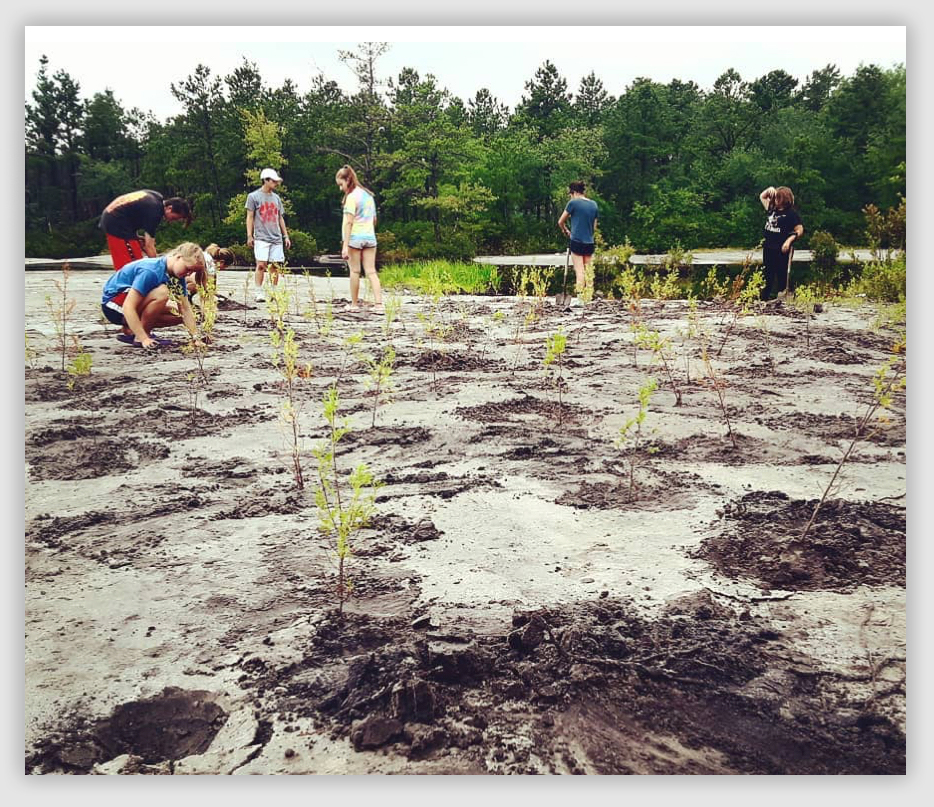
A group of teenagers planted 400 trees in Burlington County in an effort to preserve the Pine Barrens wetlands, but just days after the group effort, the trees were destroyed by off-road vehicles and replaced with trash. Ten teens from the YMCA Pines Groundbreakers Service Group had spent hours planting the 400 Atlantic white cedars in the Bucks Cove Run Preserve in Pemberton Township on Aug. 8 The YMCA, in partnership with the Pinelands Preservation Alliance, were attempting to revive the a portion of the Pinelands and protect the habitat for the endangered species that call the area home, including the Pine Barrens tree frogs. The area been destroyed previously by off-road vehicles, such as ATVs, Burlington County Times reports. Pinelands Preservation Alliance posted to Instagram, “We planted 400 Atlantic White Cedars today with @ymcaofthepines in a wetland area that was severely degraded by off-road vehicles.” Not long after area was restored, James Howell of the Pinelands Preservation Alliance found 4×4 tire tracts, burning trash, and all 400 trees destroyed that following Monday. He had returned to the area in order to install barriers…
Seattle, Washington, Times, August 22, 2019: What to consider before you top that tree
Tree topping is the practice of removing an entire top portion of a tree, including parts of the trunk, leader branches, as well as small branches. It is a practice going back a hundred years or more, started in the Pacific Northwest and mostly used by loggers. Loggers topped trees to create high rigging points so large firs and cedars could be removed more easily. It was once considered a way to make the trees safe in high winds, but has since been abandoned by most arborists or tree service companies, especially as the science and understanding around tree physiology has grown. “Any legitimate tree service will not top a tree that hasn’t already been topped,” says Jory Cuttitte of Eastside Tree Works. “It’s just an outdated practice.” Cuttitte says it can be necessary to top a tree if the tree already has been topped, as that shaping has to be continuously maintained. Once you top a tree, you will always have to top the tree. Because tree topping removes the top of a tree, it sprouts new “leaders” and branches, and essentially grows another “top.” “If you don’t retop it regularly at that point, all of those branches up top that are making those new tops, it creates what we would call a cavity. All the water starts to collect in between all those new branches where that cut was made. And the tree will start to decay downward from there,” Cuttitte says. “It’s just a matter of time before that tree is going to completely die…”
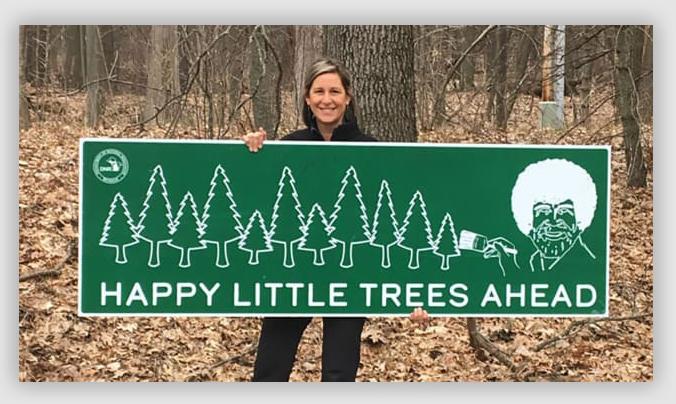 CNN, August 22, 2019: What do Bob Ross and Michigan have in common? Happy little trees
If taking time to enjoy nature in Michigan’s state parks wasn’t relaxing enough, you can now add a little Bob Ross to your experience. For its 100th birthday, the parks system is partnering with Bob Ross Inc. to help the “happy little trees.” Michigan’s “prison grow” program will be renamed in honor of the famous American painter and his tagline, according to a statement. Through the program, prisoners learn horticulture skills by growing trees from seeds collected by volunteers. The trees are transplanted into state parks and other areas in need of reforestation. Beloved artist Ross made his television debut in 1982 on his show “The Joy of Painting,” which reached over 400 episodes before he retired. Even though Ross died in 1995, his show and its impact on communities have lived on through memes, parodies and art classes. Michelle Coss, volunteer and donor coordinator for the Michigan Department of Natural Resources’ Parks and Recreation Division, said the idea came from the recent revival of Ross’ popularity; her own daughter had been watching the show online. Coss said the agency called Bob Ross Inc. to get permission to use his tagline, and the company gave a resounding yes…
Phys.org, August 21, 2019: Fungus fuels tree growth
The fungus Mortierella elongata enjoys a dual lifestyle; it can thrive in the soil as a saprophyte, living off decaying organic matter, or as an endophyte, living between a plant’s root cells. The fungus is almost always found among and within poplar trees, and in an effort to understand its influence on the plant, a team of scientists studied what happens to the tree’s physical traits and gene expression when the fungus is present. Black cottonwood, or poplar, (Populus trichocarpa) is the fastest growing hardwood tree in the western United States, making it an energy feedstock of particular interest to the U.S. Department of Energy (DOE). By better understanding how poplar responds to its intimate associations with endophytes—a group whose effects on plants are still not well understood—scientists can better fine-tune their engineering efforts of both plants and root microbiomes to grow energy crops more efficiently. To interrogate the close partnership of endophyte M. elongate and poplar, a team led by Hui-Ling (Sunny) Liao of the University of Florida collected forest samples of poplar and soil from Washington and Oregon. The cuttings included genotypes from the DOE BioEnergy Science Center (BESC), predecessor of DOE’s Center for Bioenergy Innovation (CBI) at Oak Ridge National Laboratory. To see how the fungus affected poplar growth, the team compared poplar cuttings grown with and without an inoculation of the M. elongata strain PM193 added to a diluted soil mixture, publishing the results in Molecular Plant-Microbe Interactions. The results were striking. Adding PM193 caused poplar cuttings to grow about 30 percent larger by dry weight than without PM193. By contrast, using a different endophytic fungus, Ilyonectria europaea, had no effect on growth. Liao’s team partnered with the U.S. Department of Energy (DOE) Joint Genome Institute (JGI), a DOE Office of Science User Facility, through its Community Science Program in order to get M. elongata and I. europaea genomes sequenced and annotated for this study…
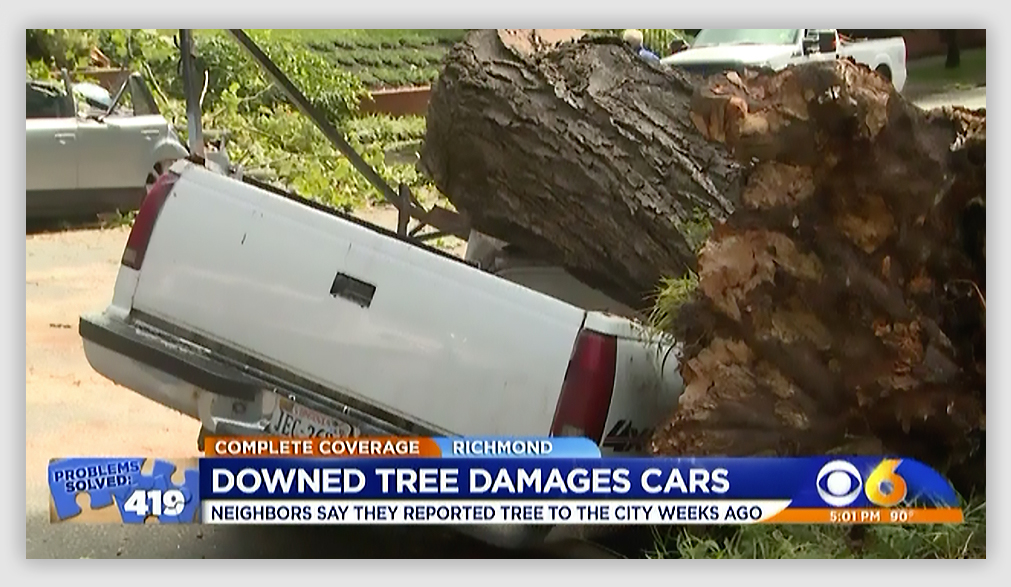
The maple that smashed two vehicles in Richmond’s Westover Hills neighborhood was on the city’s list of trees to be removed. Strong storms toppled the maple, which crashed onto a truck and an SUV near the intersection of Peterborough and New Kent Roads just before 8 p.m. Tuesday. “The rain and wind came up very suddenly. I heard the snap and then the car alarm went off,” the SUV’s owner told CBS 6. “A little bit of sadness over the car. I loved the car, but it’s replaceable. That’s why we have insurance.” He said his neighbor relied on his truck for a cabinet making business. Homeowners stated they notified the city about the tree after fears it may fall on cars or homes in a strong storm. “A big chunk of it was already dead and hanging over the street,” they stated…
A man was electrocuted while trimming a tree in Huntington Beach over the weekend. The incident happened in the backyard of a private residence, Orange County Coroners’ officials said in a news release. Firefighters went to the 8000 block of Seaport Drive, and found a man unresponsive in a palm tree, Huntington Beach Fire Battalion Chief Eric McCoy said. The man made contact with a high voltage power line and was later pronounced deceased by paramedics, McCoy said. Coroner’s officials identified him as Donato Lopez Gonsalez, 39, of Costa Mesa. He worked as a tree trimmer, McCoy said…
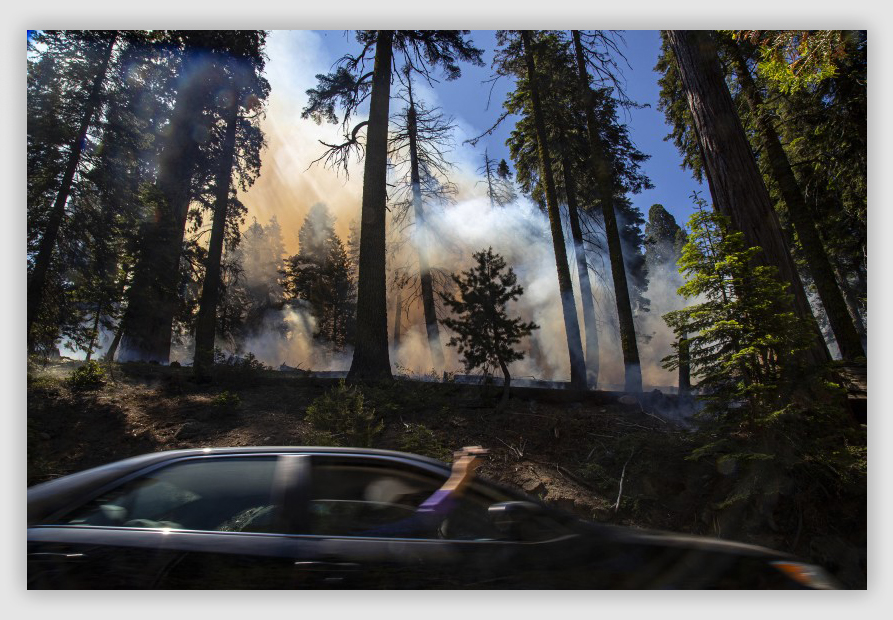
Gawking tourists hung halfway out their car windows, cameras aimed at firefighters and flames along the shoulder of Generals Highway. Typically by this point in the summer, fire officials are dealing with multiple blazes across California , including ones that brush up against this area of Sequoia park. But so far things have been remarkably calm — giving firefighters time to prepare with prescribed burns and offering a respite, however brief. After two years of devastating wildfires that burned more than 1.8-million acres in 2018 and 1.2-million acres in 2017, as of Sunday only 51,079 acres have burned this year across state and federal lands in California. Late spring rains, cooler summer temperatures and fewer extreme wind events, among other factors, have combined to help keep the state from burning uncontrollably, experts say…
A tree-killing beetle has been confirmed in a Colorado city despite preventative efforts. The Denver Post reports that the Colorado State Forest Service announced the first confirmed case of the emerald ash borer in Broomfield County outside of a federal quarantine area. Experts say the insect was first discovered in September 2013 when the quarantine area was created in Boulder County. Experts say the beetle has been confirmed in Gunbarrel, Longmont, Lafayette, Lyons and Superior since the insect was first found in the state. Experts say it’s unknown whether the insect arrived naturally or through human transportation…

A bacterial disease is killing palm trees across the state, and arborists in St. Johns County say it’s become a problem locally. Lethal bronzing was originally discovered in Texas and made its way to Tampa in 2006. Now, it’s wiping out palms from the Keys to Jacksonville. Danny Lippi, master arborist and consultant of Advanced Tree Care in St. Augustine, said he’s diagnosed about a dozen cases over the last couple years. “We’ve been doing this for 20-plus years, and this is by far the most dangerous and aggressive palm disease we’ve ever seen,” Lippi said. “This is a scary one. This has the potential to wipe out thousands of palms.” The disease is caused by a bacteria-like organism called phytoplasma, which is thought to be spread from tree to tree by piercing-sucking bugs. The insects inject the bacteria into the palm when feeding on sap, and the bacteria spreads to the base of the tree, clogging its circulatory system. Unable to get the nutrients it needs, the tree dies within a few weeks or months. Cases are popping up in more than 30 Florida counties, according to the University of Florida’s Institute of Food and Agricultural Sciences. While the disease has been spreading for more than a decade, it was only recently discovered in St. Johns County in 2018…
New London, Connecticut, The Day, August 19, 2019: New London group wants more tree-lined streets
The newly formed group known as New London Trees has a vision of the New London of yesteryear, when the streets were lined with elms and canopies of shade trees. The elms are long gone, but New London Trees, through an urban forestry project, is attempting to restore the city’s tree population through community plantings, education and advocacy. “Everybody started getting really concerned about what is happening to our tree-lined streets,” said group member Caroline Driscoll. “We want our trees back.” The fledgling group’s first effort is overseeing the replanting of nine trees along the center median on Governor Winthrop Boulevard. The current mix of aging dogwoods, cherries and crabapples are slated for removal because they have become “public hazards,” said New London Tree Warden David Denoia, the parks and grounds manager for the city’s Department of Public Works…The trees will be replaced with shade trees that will grow much taller and eventually provide shade…

The National Park Service is using IV-like needles to save the beloved trees lining the National Mall and surrounding parks in Washington, D.C., that are infected by Dutch elm disease. The fungal disease has spread this year to around 200 classic American elm trees on the Mall, the grassy expanse that is home to the iconic monuments of the nation’s capital. Dutch elm disease does not cause any harm to people, so visitors need not worry. Dutch elm disease is a fungoid killer that is spread by the way of bark beetles. An infected tree has immediate symptoms that include wilting suddenly and leaf colors changing from green to yellow to brown. “The fungus grows and clogs the branches that bring water into the tree until eventually, the tree dies,” said Nina Bassuk, professor at the Urban Horticulture Institute in Cornell University. The park service uses hospital-level precision when taking care of its leafy patients. Using IVs that are sanitized between trees, park service workers make a minimally invasive scission in order to treat the tree, according to Jason Gillis, park arborist for National Mall and Memorial Parks…
The final draft of Venice’s tree protection ordinance, which would govern permits to remove plants and trim trees, will be reviewed by the Venice Planning Commission at a public hearing Tuesday. The city is facing an Oct. 1 deadline on the expiration of an interlocal agreement with Sarasota County, which currently handles tree permits in the city. A draft of the ordinance, which made its debut at a workshop, included the possibility of extra property tax relief for property owners who have Heritage and Venetian trees on their land. That has changed in the final draft, which now includes language that would award up to $250 per year to property owners to cover the cost of trimming a “Venetian Tree” on their land. Venetian Trees, according to the ordinance, are “trees of native or non-native species that have significance, desirability, or utility to the community.” Banyan trees, such as those found in Heritage Park, are not native, but would be considered Venetian Trees under the ordinance…
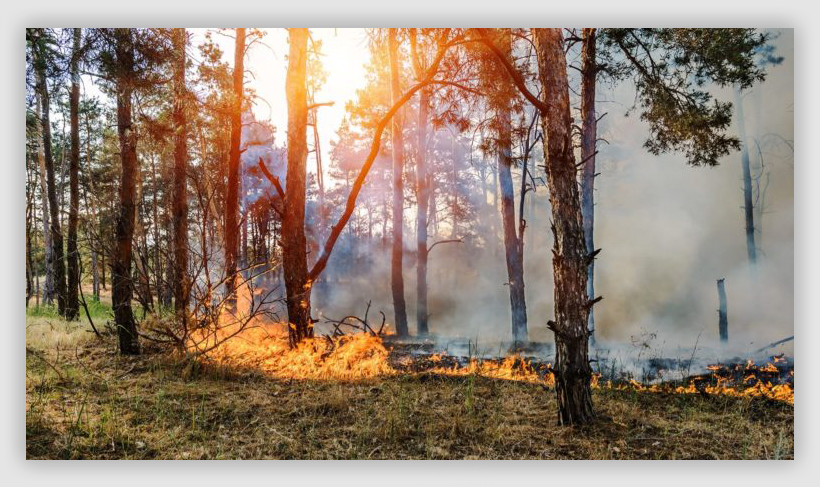
PG&E Corp.’s court-appointed compliance monitor concluded the utility isn’t trimming trees that pose wildfire threats in high-risk areas of California and didn’t train its contractors properly. The monitor, Mark Filip, on Wednesday wrote to U.S. District Judge William Alsup, saying he uncovered “significant, actionable findings,” including record-keeping deficiencies. Inspections are “not only revealing individual trees that are missed, including three active wildfire threats in high-risk areas, but they also reflect gaps in processes, for example, contractor training,” the monitor said. The findings risk infuriating Alsup, who has repeatedly admonished PG&E over its failures and recklessness, and strained to arrive at a punishment that will spur the company to strengthen its fire-prevention efforts. That the monitor has uncovered hazards PG&E arguably should’ve found on its own doesn’t bode well for the utility, or its new Chief Executive Officer Bill Johnson, at a Sept. 17 hearing the judge scheduled to discuss Filip’s findings. The monitor is reviewing PG&E’s wildfire-mitigation efforts, after the company’s 2016 conviction stemming from a gas-pipeline blast that killed eight people. Filip’s job is to ensure PG&E doesn’t violate the terms of its probation and to scrutinize its business practices more broadly…
A prosecutor wants to know why a University of Alabama fan who pleaded guilty to poisoning landmark oak trees at Auburn University isn’t making court-ordered restitution payments. Harvey Updyke was ordered to appear in court Oct. 30 to explain himself, Lee County District Attorney Brandon Hughes told WRBL-TV. Updyke served more than 70 days in jail in 2013 and was ordered to pay about $800,000 in restitution after admitting to poisoning trees at Toomer’s Corner in Auburn. Fans traditionally rolled the trees with toilet paper after a win, but the original oaks died after being doused with herbicide. Updyke has paid less than $5,000 and often misses payments, Hughes said.”We have been keeping an eye on his payments or more specifically, his non-payment, and he has made exactly two payments for a total of $200 in the past year. Because of that, we have been looking for him for close to a year, and we finally found him…”
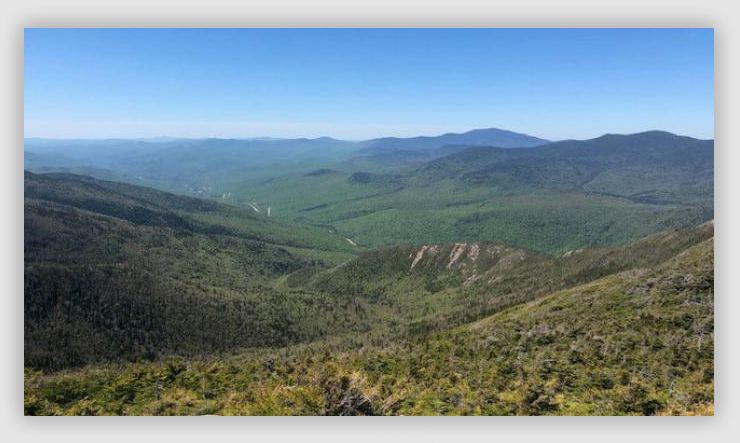
New research from the University of New Hampshire finds the increase in carbon dioxide emitted into the atmosphere by human activity and fossil fuels is altering the way forests grow and use water. Scientists found that trees respond to this rise in CO2 by using it to grow faster or by conserving water, depending on whether water is abundant or scarce. Scientists previously suspected the increase in atmospheric CO2 levels would cause trees to lose less water, but this new research provides a more complicated story…
We are the City of Trees. It’s a name we take pride in until a tree comes crashing down and ruins your day and your car. This week, a huge branch snapped off of a tree on F street and landed on several cars. The people who snapped photos of the branches on the cars said it’s happened before with the same set of trees. A lot of neighbors on the Nextdoor App said this has happened to them too.They’re frustrated because their cars are either non-driveable or has major damage while they wait for their insurer and the City of Sacramento to review their claims.”Some [branches] can be 18 inches wide and 35 feet long and extremely heavy and can cause damage or death,” said Attorney Ed Smith, a Sacramento tree injury lawyer and founder of Autoaccident.com. Smith handles several cases of tree injuries a year. “They are fairly frequent. A lot of the cases depend on how much rainfall there is, how many storms there are, conditions of drought can cause the trees to rot and age faster and consequently the branches to fall,” Smith said…
The city is about to approve a $180,000 settlement with a woman whose car was crushed by a tree on city property as she drove past it. On May 5, 2017, Milagros Medina was driving with her grandson on Martin Luther King Jr. Avenue. Suddenly, a laurel oak tree on a small plot of city-owned land near Tuskawilla Drive fell on the passing car. Medina seriously injured her neck. Her grandson, who was 8 at the time, suffered minor injuries, the Clearwater Police Department said. In December 2017, Medina sued the city, claiming the tree falling was “caused by improper inspection and maintenance.” Adam Talley, an attorney hired by Medina, said he could not comment until the case was completely resolved…
A tulip poplar that once stood tall on the Blue Ridge Parkway has fallen, the victim of a vandal whose cuts went too deep for the tree to survive. Large sheets of bark were ripped from the tree, the trunk of which measured about 2 feet in diameter. A representative of the National Park Service confirmed Aug. 9 that it had been removed because the amount of damage done to it would have been lethal. “We cut the tree down as it would soon become a dead tree hazard that we did not want to have to respond to at a later date when it created a new safety hazard,” Chief Ranger Neal Labrie said in an email. The tulip poplar was located at Rattlesnake Lodge trailhead on Ox Creek Road, in Weaverville…
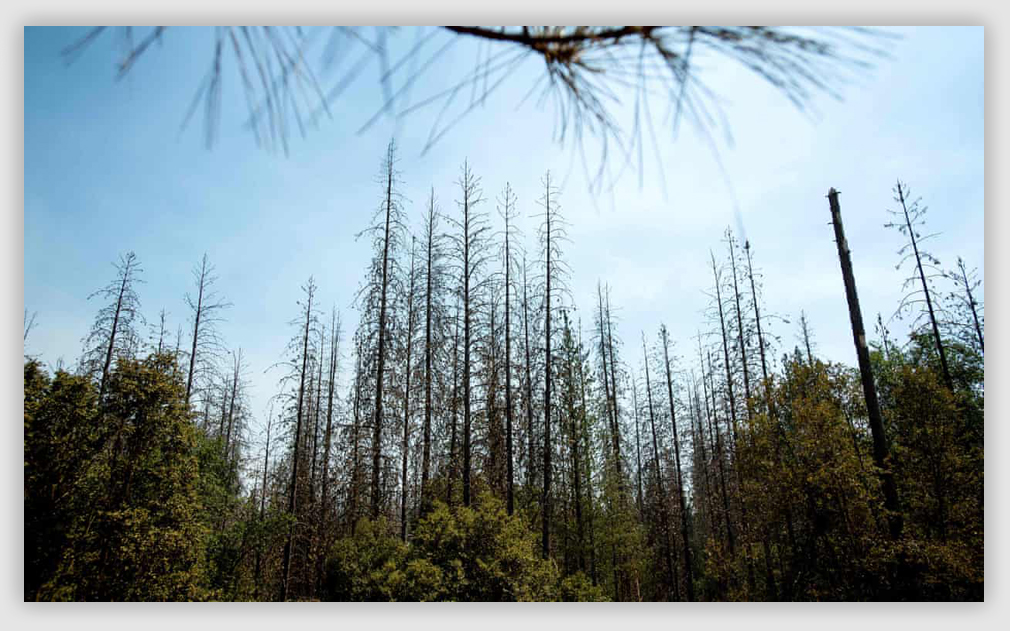
About 40% of all forests across the US are at risk of being ravaged by an army of harmful pests, undermining a crucial resource in addressing the climate crisis, new research has found. Tree-damaging pests have already destroyed swathes of US woodland, with the American chestnut virtually wiped out by a fungal disease and elms blighted by Dutch elm disease. About 450 overseas pests that damage or feed on trees have been introduced to US forests due to the growth in international trade and travel. A PNAS-published study of the 15 most damaging non-native forest pests has found that they destroy so many trees that about 6m tons of carbon are expelled each year from the dying plants. This is the equivalent, researchers say, of adding an extra 4.6m cars to the roads every year in terms of the release of planet-warming gases. This situation is set to worsen, with the spread of pests due to threaten 40% of the US forest biomass. Such a scenario would “have a devastating impact on the forests”, said Songlin Fei, a forestry expert and report author at Purdue University. “It is turning forests from storers of carbon to a carbon source. The best way to control these pests it through inspections and quarantine – once they are in the system it’s hard to stop them. For many trees it’s too late…”
Wichita’s tree canopy is declining, and the city’s quality of life with it, forestry officials say. Wichita loses an average of 5,000 trees a year, Gary Farris, Wichita city arborist said. The City’s forestry department works to remove dead and diseased trees from public areas, and attempts to replace them with new trees, Farris said, but they are limited to planting an average of 1,500 to 1,800 new trees a year due to their annual budget of about $384,000. The department does have a nursery where they grow tree seedlings, but because it takes seedlings three or four years to mature enough for transplantation, they often buy older trees in bulk from vendors, said Troy Houtman, director of Park and Recreation. The main forestry concern facing the city, state and nation, is the declining urban tree canopy, Farris said. “That’s not sustainable,” Farris said. “We’re on a downward slope, and should we be concerned about that? Absolutely.” An urban tree canopy is the amount of land in urban areas that is covered by trees when viewed from above. A good tree canopy can benefit an area’s ecosystem and quality of life covering a range of issues — including clean air and water; intercepting rainfall and pollutants; lowering air temperature, heating and electricity costs, and promoting “a clean and healthy environment,” Farris said…
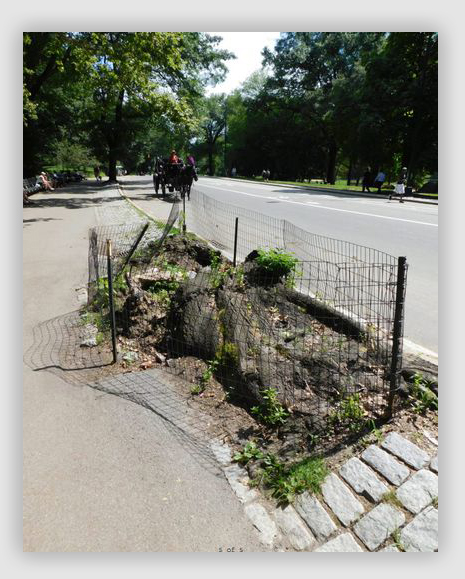
The trunk is junk! The Central Park Conservancy says the base of a 75-foot elm tree that fell on a mother of three should be uprooted — but the woman’s attorney is blocking the historic greenspace from planting a new sapling. The towering tree that nearly paralyzed Anne Monoky on Aug. 15, 2017 is in two pieces — stored on Randall’s Island and in Central Park — as her $200 million suit against the city proceeds. But the elm’s jagged stump is still in the ground on Center Drive near W. 62nd St. In new court papers, attorneys for the city and a Central Park landscape manager ask a judge to allow them to dig it up and plant a new tree, overruling claims by Monoky’s attorney that the stump and tree well may need “additional testing.” “The site as it presently exists is unnatural, unattractive and therefore inconsistent with the aesthetic we work to achieve in the park,” John Dillon, the vice president of landscape management for the Central Park Conservancy said in a sworn statement. The unsightly stump is surrounded by fencing. “The fence and the open tree well also attract and retain trash and other debris. Consequently, the area requires frequent maintenance by Central Park Conservancy staff to prevent it from becoming a trash can that attracts vermin,” Dillon said…
A West Virginia student found her Fiat 500 thoroughly destroyed early last week when a tree that was being cut down close to where it was parked fell on top of it. What just might be more noteworthy than the flattened Fiat, however, is one bystander’s recorded reaction to it all. Brought to our attention by WSAZ, it happened last Monday morning in the town of Huntington when a city crew was attempting to cut down a tree that had reportedly been giving the neighborhood grief for quite some time. Billy Tatum, who was apparently playing cards on his porch watching the crew work, told the news outlet that one of the tree’s limbs was blown off during a storm several weeks prior, hitting the windshield of a parked truck. It appears the tree was not done with vehicular destruction because when the city workers cut the thing down, it landed right on top of the Fiat city car that was parked nearby and owned by a female Marshall University student. “It sounded like a beer can getting flattened,” Tatum told a news camera. “It just was ‘crunch.’ I hate to say it, but it was kind of cool, you know? What guy doesn’t like destruction. That’s why we go to demolition derbies, but hey, the bottom line is that’s that poor girl’s new car, and she can’t get to school now…”
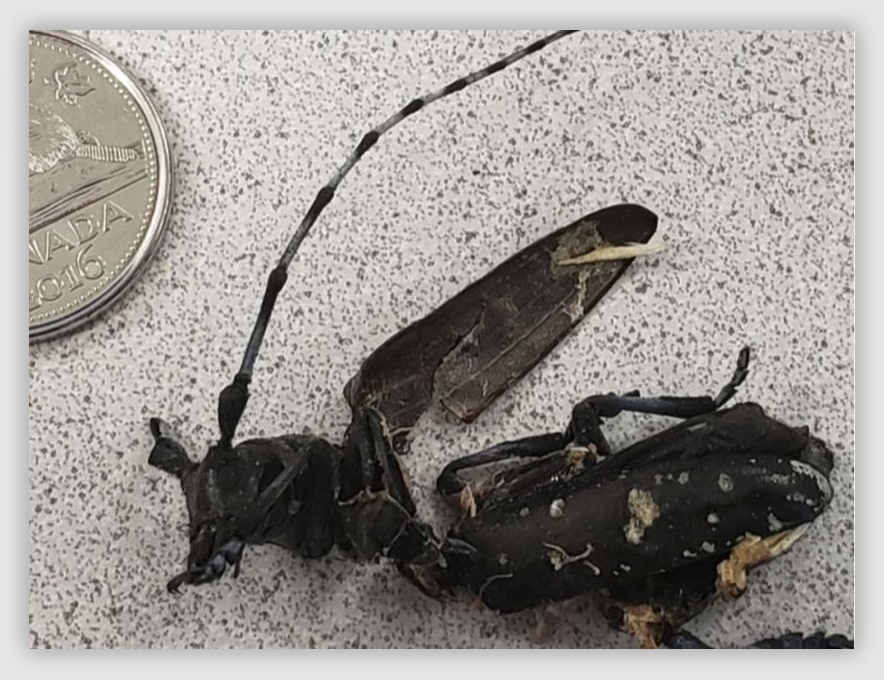 Edmonton, Alberta, Journal, August 11, 2019: Tree ravaging Asian longhorn beetle spotted in Edmonton
The first confirmed sighting of the Asian longhorned beetle in Edmonton happened in May after being spotted coming out of a pallet of wood in a warehouse, before getting the chance to ravage the city’s trees. The pesky bug has the potential to wreak havoc on elm and ash populations, although maple is its preferred meal. It was fortunate someone spotted the beetle so quickly, Mike Jenkins, a pest co-ordinator with the city said. “This is something we need lots of eyes out there looking for these insects,” he said. “All of the infestations in North America for this beetle, so far, have been found not by people like me … they’ve all been found by other people.” The city has approximately 298,000 publicly owned trees with green ash making up the majority followed by American elm and Blue spruce, according to the Urban Forest Management Plan. This is not the first time the beetle was spotted in Canada. The first reported case happened in 2003 in the Toronto area. Nearly 29,000 trees had to be destroyed to keep the insect from spreading. A second sighting was reported in 2013 and is currently being eradicated…
Officials believe they may have found one of the missing trees planted in New Mexico from seeds taken to the moon during the Apollo 14 mission. KOAT-TV reports former New Mexico first lady Clara Apodaca and a naturalist identified last week a tree they believe to be one of those planted in the state four decades ago. Apodaca and the naturalist say a Douglas Fir located in a grassy area north of the state capitol in Santa Fe is a moon tree. Apodaca helped plant it. The discovery comes after the Albuquerque station reported that officials where the trees were planted decades ago said they have lost track of the trees. Moon trees were grown from 500 seeds taken into orbit around the moon by former U.S. Forest Service smokejumper Stuart Roosa during the 1971 mission…
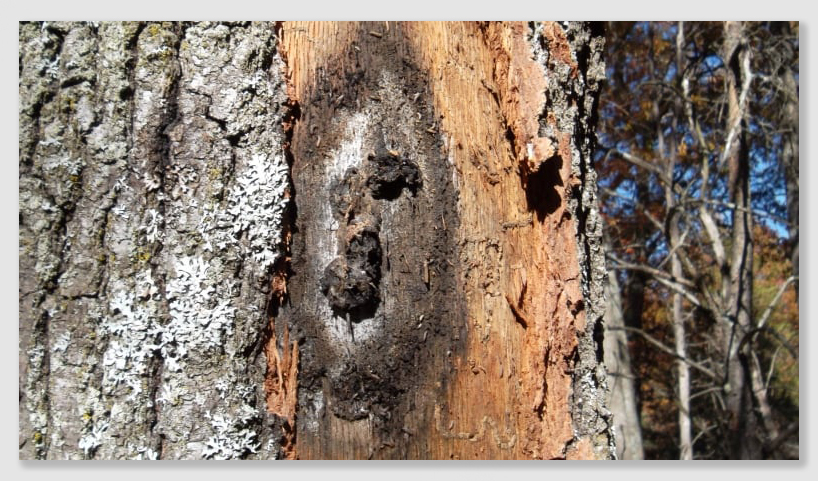
Some of the state’s trees may be in danger of disease. New Hampshire forestry officials are concerned about a new oak tree-killing disease that may be making its way to the Granite State and the public is being asked to watch for danger signs. Oak Wilt disease has been in the Great Lakes region for decades but recent outbreaks in Albany and Long Island, New York have New Hampshire officials on alert. Red oaks — which have pointy-tipped leaves — are most susceptible to the disease and can die within a few weeks to six months of being infected. White oaks — which can be identified by round-tipped leaves — are less vulnerable. Oak Wilt is a fungus that affects the vascular system of most oak species, stopping the movement of fluids throughout the infected tree, which then quickly dies of dehydration. The disease is spread over long distances through the transportation of infected logs and firewood. Over short distances, it is spread through root grafting as well as by beetles that ingest sap from infected trees and then travel to other trees. Once an oak tree is infected with the disease, it cannot be saved. It is possible, however, to control and eradicate the disease’s spread to other trees, making it critical to find outbreaks early…
Midland, Texas, Daily News, August 9, 2019: Some tree issues caused by our blunders
When we see plants struggling to survive our thoughts often go to what insect or disease is causing the problem. We then proceed to the local garden center to find out what would be good to spray on our plants to rid them of their insects and disease encounters. Our garden centers pesticide aisle becomes a drug store for our ailing plants. But what happens if the health of our plants isn’t caused by an insect or disease but by our own blunders. I have discovered that most of the time unhealthy trees are the result of human activities. It is just like our bad health is often caused by not washing our hands, eating the wrong foods, actually inhaling smoke or walking in front of traffic. All these activities are detrimental to your health. There are activities we do that stress out our trees and cause them poor health. Since these health complications are not caused by a biological agent the term for these problems is abiotic diseases. Because there is no insect or disease present abiotic diseases can be difficult to determine. Also the cause of an abiotic disease could have happened many years previous. I have seen trees die because of a lightning strike 12 years earlier. Because it may take many years to show symptoms of abiotic diseases, many times it is too late to save the tree from dying. This makes it more important to be cautious and prevent abiotic diseases…
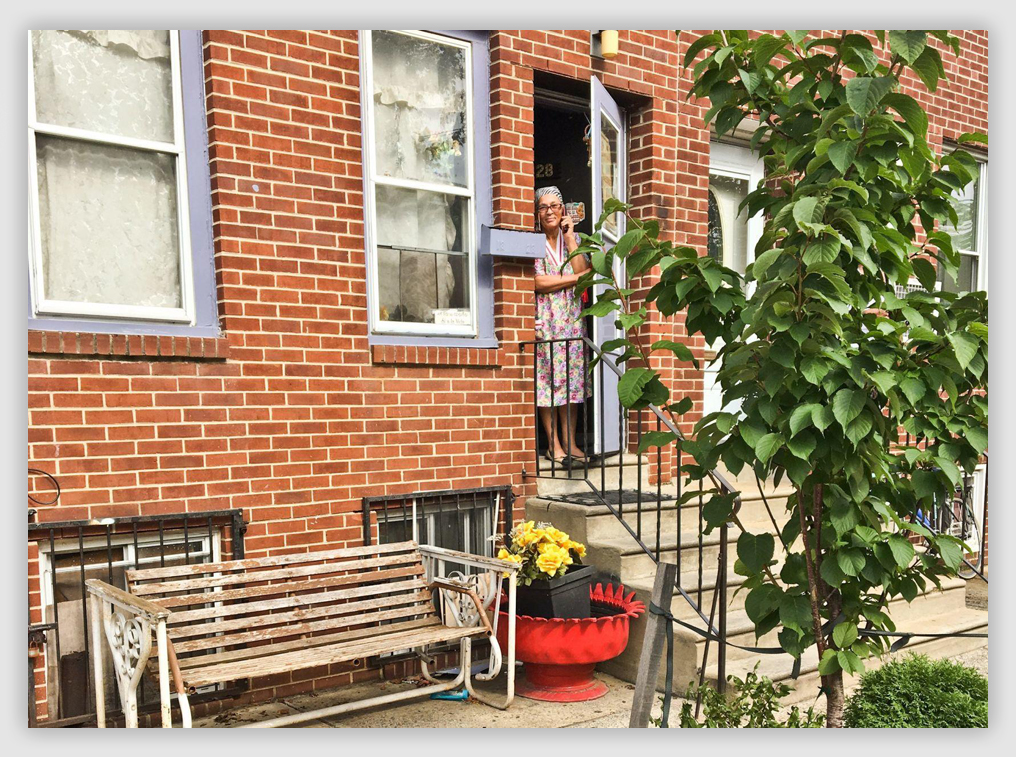 Philadelphia, Pennsylvania, Tribune, August 8, 2019: Not in my sidewalk: Debunking Philly tree myths
Trees aren’t generally controversial. They usually look nice, they provide shade and improve the air and water quality. Scientists say they even make people happier. But when it comes to planting a tree on the street, many Philadelphians say — nuh uh, not in my sidewalk. Angel Santiago is one of them. He loves trees, he says. Without the leafy tree next to his Kensington row home, he would probably need to run his AC all day. Yet, plant a sapling in front of his house? Nope. “It would be beautiful,“ Santiago said, until “the tree is fully grown, and then the roots are growing out, and the concrete is lifted up. Who covers that charge, who takes on that expense?” He describes the conundrum facing urban tree owners in existential terms. “But then again, you can’t cut the tree because it belongs to the city. So it’s a catch-22,” he said…
Providence, Rhode Island, Journal, August 8, 2019: Tips for planting a tree properly
First, and most important, I check the position of the trunk of the tree in the pot. In the wild you will notice that trees bulge out at the base, creating what is termed the “trunk flare.” This must be visible above ground after planting. I recently planted a couple of blue spruce trees on a nice cloudy day, and want to share with you what I did. First, and most important, I checked the position of the trunk of the tree in the pot. In the wild you will notice that trees bulge out at the base, creating what is termed the “trunk flare.” This must be visible above ground after planting. Too often, trees purchased at a nursery have the trunk flare covered with soil in the pot. Little seedlings are plucked from the ground and popped into pots without paying attention to the trunk flare. But, if the trunk flare and the bottom of the trunk itself is buried, the tree will not thrive or survive. Why is this so important? Because unlike the roots, the trunk is not resistant to soil microorganisms that cause rot. Within six to 10 years — just when a tree should be well established — the vital cambium layer in the trunk rots and the tree sickens and slowly dies. If you planted a tree in the past and wonder if you did it right, look at the top of the tree. Trees suffering from trunk flare rot will have few leaves at the top of the tree — what is called tip dieback. Deciduous trees will turn color well before others of the same species in the fall…
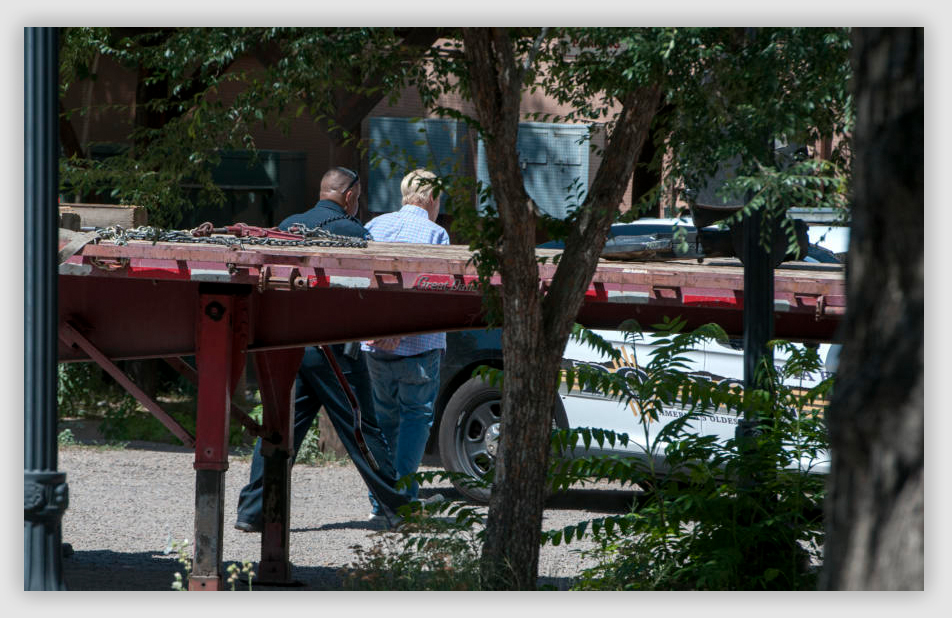
A man who was arrested after he tried to block the felling of an old tree in downtown Santa Fe denies that he ever hit anyone during the incident. James Thomas, who goes by Steve Thomas, was charged Tuesday with one count each of trespassing and battery for allegedly disrupting work to bring down the huge cottonwood known as “Willy” that shaded the historic Sena Plaza courtyard for decades. But Thomas denies hitting anyone, and a police report says the alleged victim didn’t have any marks to indicate he was hit. “I’ve never had any charge of anyone being assaulted by me,” Thomas told the Journal Wednesday. “Nobody was ever scratched.” A Santa Fe Police report says officers responded to Sena Plaza after a dispatcher said a man was pulling on ropes tied to workers cutting down the tree and had also tied himself to the tree. An officer got to the scene and detained Thomas. Thomas owns a tree-saving business, Tree Doctor 911 based in Albuquerque, and claims the tree just needed maintenance to keep branches from falling off and potentially hurting patrons of La Casa Sena restaurant and other businesses on the courtyard instead of having to be cut down…
NPR, August 7, 2019: A Mysterious Disease Is Killing Majestic Beech Trees In American Forests
A mysterious disease is killing one of the nation’s most majestic trees. The beech is an important anchor species of mature forests, but scientists suspect a microscopic worm is attacking them.
ARI SHAPIRO, HOST: A mysterious disease is killing one of the most majestic trees in American forests – the beech. Known for its smooth, gray bark, the beech is an important anchor species. No one knows exactly what is causing beech leaf disease. A team of tree scientists is narrowing down the list of possible culprits. From member station WKSU, Jeff St. Clair reports on a botanical whodunit.
JEFF ST CLAIR, BYLINE: It’s a long slog to a bluff overlooking the Grand River in Lake County, Ohio. It was here in 2012 that Lake Metroparks biologist John Pogacnik first noticed something was awry.
JOHN POGACNIK: It just looked different. You could tell right away something was up.
ST CLAIR: What he saw was sunlight.
POGACNIK: Beech are usually a tree that create a lot of shade, and these are no longer doing that.
ST CLAIR: A slight breeze shakes the thinning canopy overhead.
POGACNIK: This tree right here is a really good example. You could see it’s probably 20 foot tall, and there’s probably 50 leaves on it…
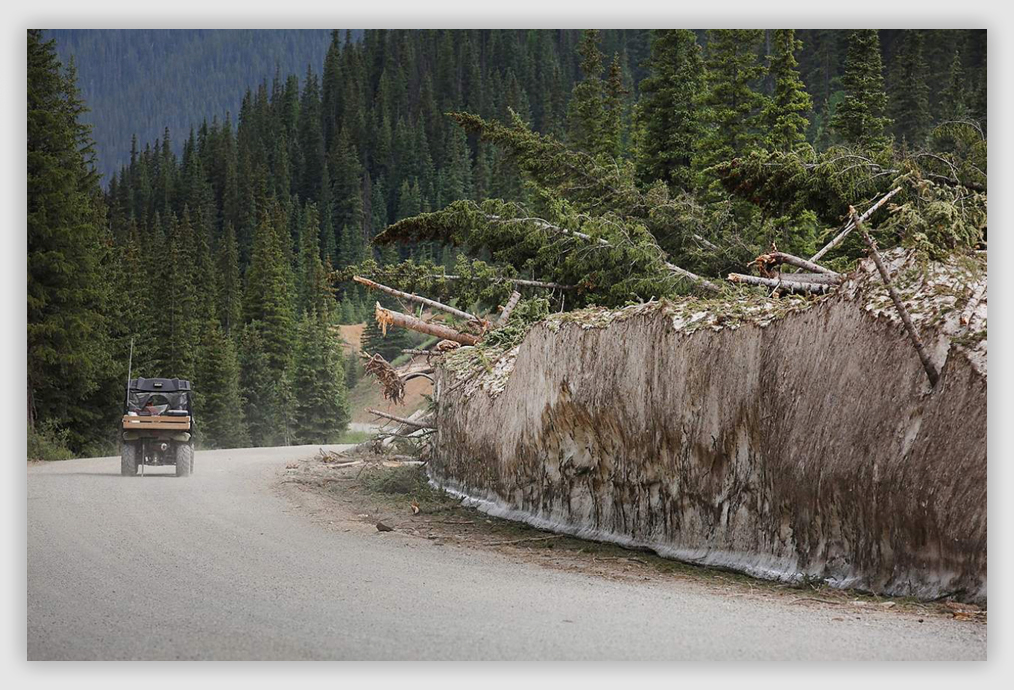
After a winter that brought down an onslaught of avalanches, the Bureau of Land Management has come up with a unique way to get it all cleaned up: free firewood collection permits. “It’s a win-win for both us and the public,” said Brant Porter, spokesmen for the Bureau of Land Management. The BLM recently announced free permits available for cutting and collecting firewood from avalanche slide paths on public lands along the Alpine Loop Backcountry Scenic Byway in Hinsdale and San Juan counties. “The Alpine Loop sustained historic levels of avalanches over the course of the winter, and as a part of that, those avalanches have left all sorts of wood and debris and rocks,” Porter said. “This effort will help us get some of that debris out of the area.” This winter, nearly 1,000 avalanches were reported to the Colorado Avalanche Information Center in the San Juan Mountains. And that’s just slides that were observed and reported…
Imagine what the summer heat would feel like without the cooling shade of your backyard trees. If you appreciate your trees, August is the time to show them how much you care. Take a few minutes to check your trees for Asian longhorned beetles and the damage their larvae leave behind. “August is Tree Check Month – the best time to spot the round, drill-like holes made by the Asian longhorned beetle,” said Jeff Zimmer, acting director of the Michigan Department of Agriculture and Rural Development’s Pesticide and Plant Pest Management Division. “These destructive pests have invaded areas of Ohio, New York and Massachusetts, causing the removal of over 180,000 trees. In order to prevent this in Michigan, we are asking everyone to look for and report signs of the Asian longhorned beetle.” The Asian longhorned beetle is on Michigan’s invasive species watch list because it poses an immediate or potential threat to the state’s economy, environment or human health…
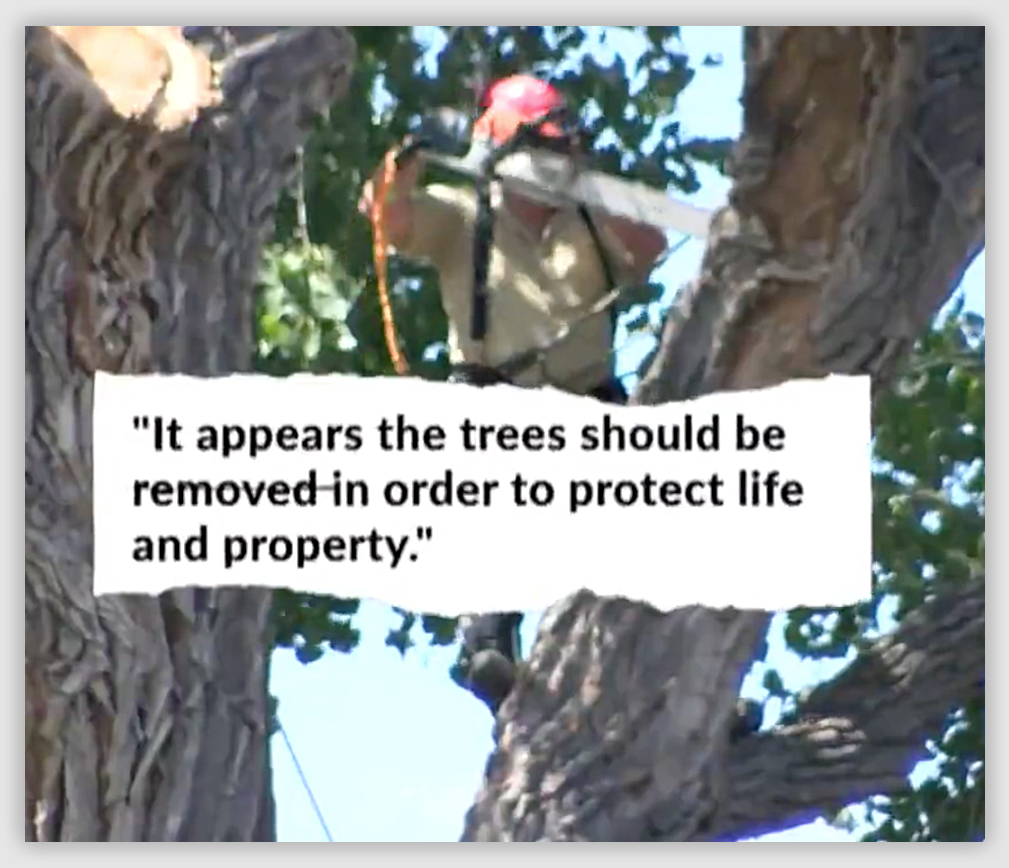
Some call it a piece of Santa Fe history, others call it a liability. A cottonwood tree that has been standing for decades was cut down Tuesday. It brought anger, frustration and even some getting arrested. “This is a disaster. This is something that is a call to war,” Steve Thomas said. It’s been standing in the Santa Fe Plaza for at least 70 years, maybe even longer. “It’s a very nice shady spot to sit and enjoy a meal or a cocktail,” Santa Fe resident Mark Klapmeier said. “This tree is a gem in our city,” former Land Use Manager Lisa Martinez said. But now, the owners of the property it stands on are cutting it down because they believe it’s a liability. “The potential risks, outweigh the benefits at this point,” a city worker said. In a letter from the city, the Parks Division Director says the trees continue to drop large limbs more frequently. In fact, a branch broke off just last August. “There had been a windstorm, a branch had fallen, pinned a lady,” Martinez said. Regardless, Steve Thomas, a tree doctor himself, says this tree is healthy and could’ve been saved. “This is the biggest disaster I’ve seen so far,” said Thomas…
The family of Thomas Moszynski, who was killed while cutting down a tree in Amherst, has filed a $5 million wrongful death lawsuit against the general contractor who hired Moszynski to do the work. Moszynski, 38, died Dec. 11, 2018 while working on a construction project at 31 Flat Hills Road in Amherst. His father Andrew Moszynski, of Easthampton, filed a lawsuit in July in Hampshire Superior Court against developer and engineer Joseph Aimua and his company, Joslad and Associates. Messages left for Aimua by phone and email Tuesday afternoon were not immediately returned. He has not yet filed a response in court. Aimua’s attorney is on vacation and could not be reached. Aimua, the construction supervisor and engineer who designed the project, had built a single family home at the property, which was owned by his company. Aimua hired Craig Malanson, who runs an excavating business, to excavate and install a sewer system at the site. Moszynski worked for Malanson. According to the complaint, Aimua had already built the home and made the decision not to remove the tall trees nearby before construction. After building the house, Aimua decided to cut down the trees to avoid any potential damage to the home…
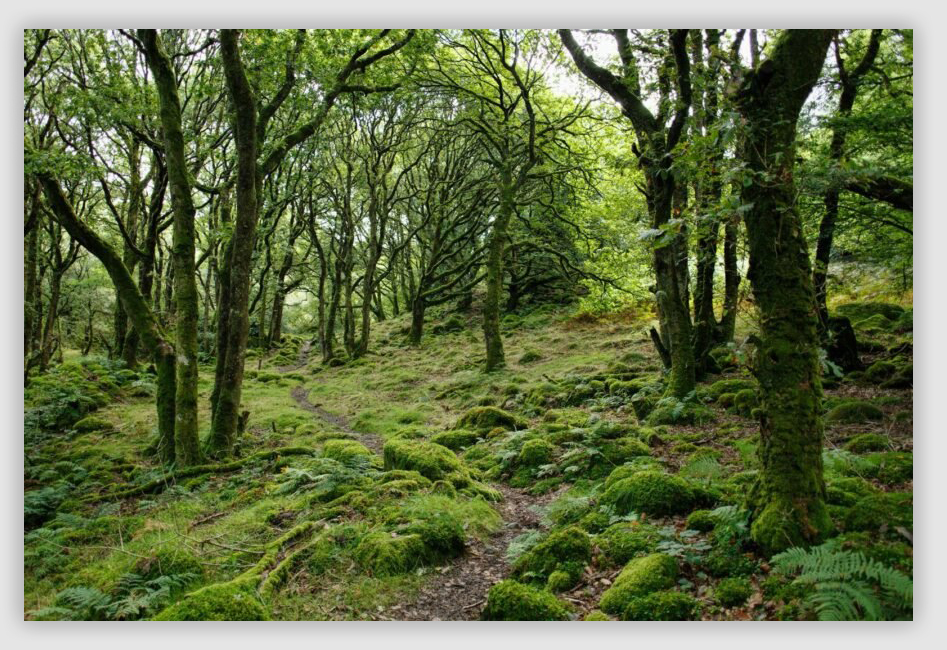 Inhabitat, August 6, 2019: See the forest for more than the trees — why reforestation isn’t working
We can all agree planting a tree is good for the environment — right? According to a recent study in Nature, the global crusade for reforestation as a remedy for climate change is largely missing the mark. So where did it go wrong? The new evidence reveals that most of the countries with large-scale tree-planting programs are actually developing tree plantations, which might help the economy but fail to sequester the carbon that the countries originally pledged to. In 2011, the international Bonn Challenge was announced as an ambitious plan to plant 150 million hectares of trees by 2020. In 2014, more than 100 nations signed on under the New York Declaration of Forests, increasing the target to 350 million hectares by 2030. Unlike many lofty development goals, most countries are actually on track to exceed their promises, at least at first glance. In fact, the world actually has more forest cover now than it did in 1982. So, what’s the problem? Well, the majority of countries have been using the incentives and global momentum to back monoculture farms and counting trees that will be logged within years in their Bonn Challenge totals. According to the assessment, 45 percent of trees planted were species that will be quickly harvested for paper production. Another 21 percent were tree farm species, like fruits, nuts and cocoa. Only 34 percent of trees planted were part of so-called “natural forest,” even though the original intention of the Bonn Challenge was that all hectares planted should be natural forest…
Pensacola relied on an arborist’s opinion to deny a permit to cut down a heritage tree in the North Hill neighborhood, but it was revealed in court Monday that the arborist wasn’t technically licensed when he said the tree shouldn’t be cut down. The city is suing property owners Larry and Ellen Vickery to stop them from cutting down a live oak in the back of their property at 605 N. Spring St. to make room for a house on the empty lot. The suit has become a test case for a new Florida law that states local governments cannot prevent the removal of trees on residential property. The law requires that property owners get documentation from a licensed arborist or landscape architect stating the tree is a danger to people or property in order to remove it. The Vickery family got that letter and submitted it to the city in July, sparking the city’s lawsuit, which was filed in the First Judicial Circuit Court. Before the new law went into effect, the Vickery family applied for a permit to remove the tree and several North Hill residents and others appealed to the city that the removal of the tree be stopped…
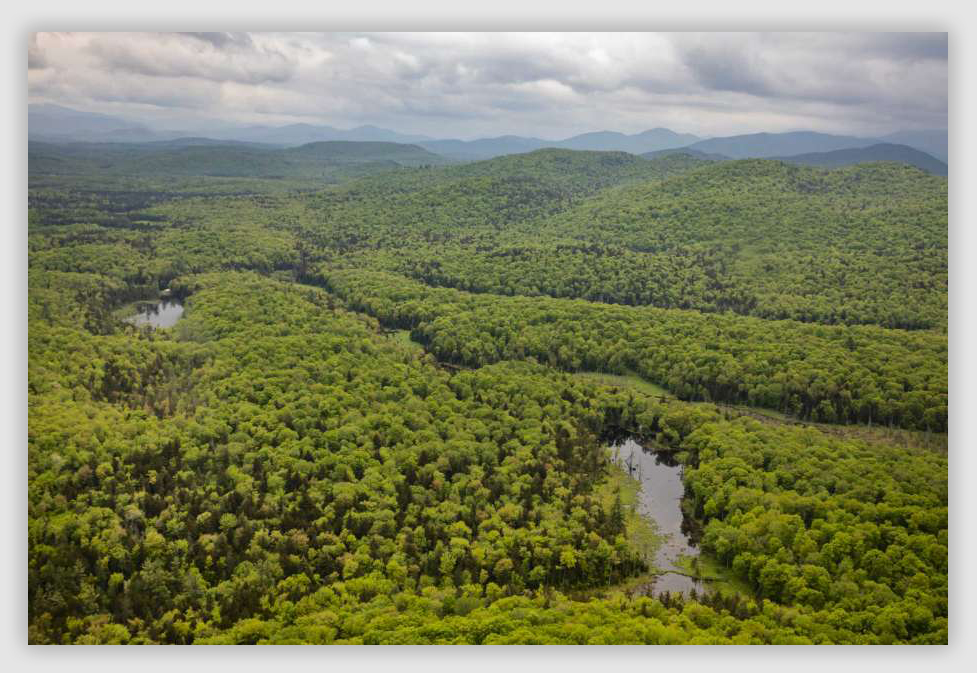
A longstanding Adirondack tradition is under moratorium this summer due to recent court ruling that helped redefine what it means to be a tree. Each summer for decades, hundreds of volunteers would spread out across the Adirondack Forest Preserve to maintain and keep the region’s numerous hiking trails clear.But a big part of that effort is potentially on hold now, in light of the court ruling that state Department of Environmental Conservation officials have interpreted as putting limits on the cutting of saplings that can grow up in and along the region’s footpaths. “Stewardship projects that involve tree-cutting planned for this year are being reassessed in light of the court decision that limits tree cutting on the Forest Preserve. DEC is reviewing the decision and considering its options going forward,” the agency said in a prepared statement on Monday. “It has impact on the work that both the Adirondack Mountain Club takes on and any of the other stewardship groups,” said Wes Lampman, AMC chief operating officer…
Palmer Township’s rope-swing tree at Penn Pump Park was cut down for safety reasons, the township’s administration announced at Monday’s supervisors meeting, and fans have taken to social media to protest its demise. Facebook posts noted that generations of locals have swung off the tree into Bushkill Creek. “Thousands of us know that tree,” a poster said. Other comments ranged from “tree of memories” to “It’s a shame,” to “This is so sad,” to “Evil.” One poster, not as dejected, noted, “It’s a tree … It’ll be OK.””It was a safety hazard,” Township Manager Robert Williams said at Monday’s supervisors’ meeting. Williams said the decision to cut down the tree was made after talks with township police and other staff members…
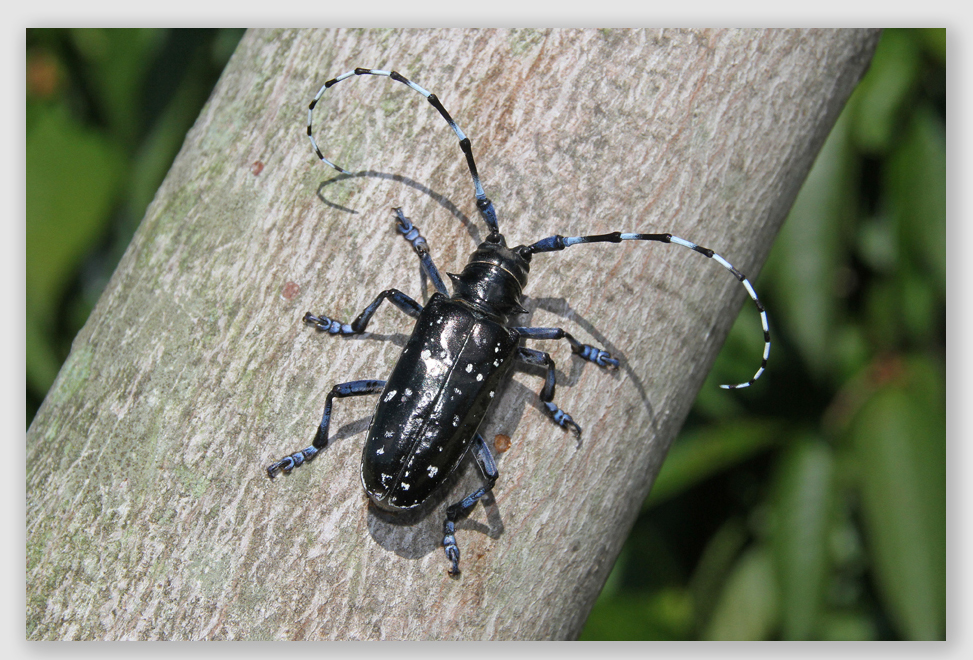
An invasive tree-destroying beetle could hitch a ride to Michigan aboard out-of-state firewood, threatening Michigan’s maples and other tree species. There are currently outbreaks of Asian longhorn beetle in Ohio, New York and Massachusetts, requiring the removal of about 180,000 trees, according to a Michigan Department of Natural Resources. While the Asian longhorn beetle has not yet been detected in Michigan, state officials are urging residents to check their trees for signs of damage and to avoid transporting firewood. The Asian longhorn beetle is thought to have come to the United States as stowaways in shipping material like wooden crates or shipping pallets from Asia. Transportation of firewood and lumber across state lines is thought to have helped its spread around the country, Michigan Department of Natural Resources Invasive Species Communication Coordinator Joanne Foreman said. The beetle is similar to emerald ash borer in that it burrows into trees and can cause severe damage or death of the tree. The Asian longhorn beetle targets a variety of different tree species, with a particular preference for maple — which are widespread in Michigan…
According to Cherry Valley professional botanist Normand Helie, the trees in state forests need to be fertilized — naturally or artificially — if they’re to be strong. “Without adequate nutrition from forest soils, our trees are limited in sequestering carbon for long term storage in their heart wood,” said the plant and soil scientist. Once, during Colonial times, the state’s white pines were designated as the “king’s pines.” Back then, white pine trees were tall and strong enough to serve as masts for ships. The colonists were very aggravated by this White Pine Act, which prevented individuals from harvesting the tree. Those colonists wouldn’t recognize the inferior strength of today’s white pines. Today’s nutrient-depleted soils produce white pines that if used as masts, would break with the first severe winds stressing their sails. When a forest has its trees cut down, it removes nutrients that would be eventually recycled to keep a forest healthy. Helie noted that the Auburn Sportsman’s Club’s forest, like so many others in New England, has been clear-cut several times. How much does nutrient removal hurt…
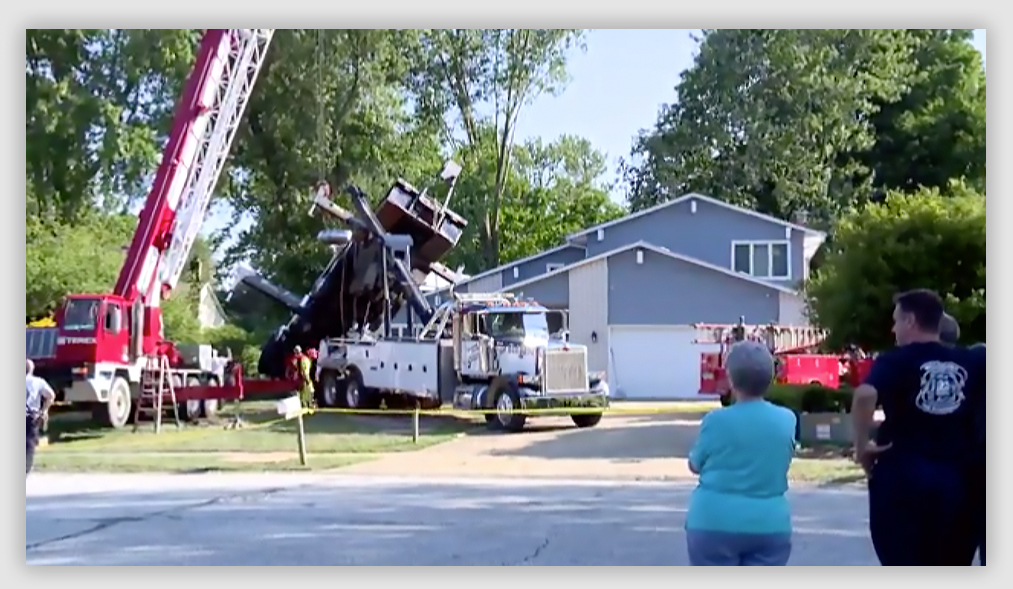
A crane, being used for tree trimming, toppled onto a neighbor’s house in Willoughby. “I was standing at the sink, getting a glass of water when I heard a loud boom,” said 85-year-old Janet Dudek of Willoughby. A crane came crashing down onto her house on Crown Court just after 2 p.m. Friday afternoon. “I thought we had another earthquake until I saw the boom across my roof and laying in the yard,” said Dudek. Emergency crews rushed to the scene. Amazingly, no one was hurt. “I just saw the crane go down. The operator extended it out too far he said. It fell and he jumped out quick,” said Lucas Lazare, witness. A crowd of neighbors gathered to watch as a second crane and a tow truck were brought in to help remove the initial one…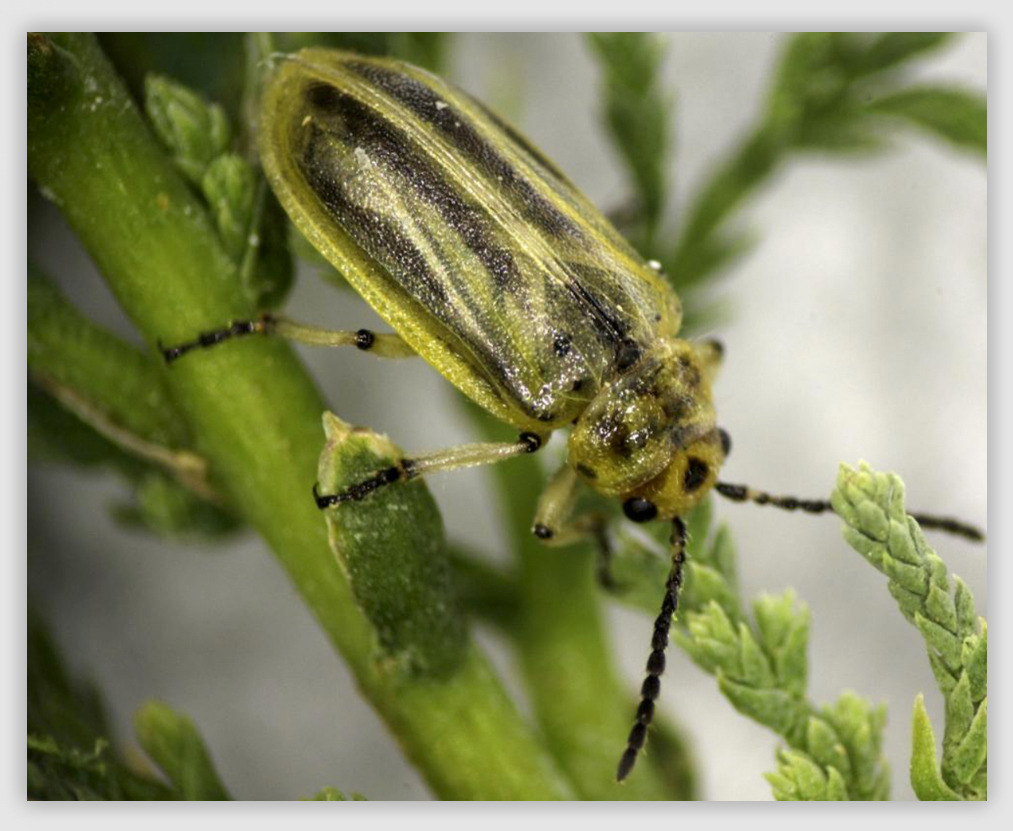
Houston, Texas, Chronicle, August 3, 2019: Tree-killing fungal disease found in Hawaii
A fungal tree disease has been discovered on Oahu, a report said, making it the fourth Hawaiian island where rapid ohia death has been recorded since its discovery in 2014. The Hawaii Department of Land and Natural Resources found the disease on a dead ohia tree about three miles (five kilometers) from Honolulu, the Star-Advertiser reported Thursday. The discovery prompted additional air and ground surveys to determine how widespread it is. “We’re taking this very seriously,” state protection forester Rob Hauff said. Ohia trees are considered a keystone species that provide a habitat for endangered species and are important to Hawaii culture…
Waco, Texas, Tribune, July 26, 2019: Tiny beetles munch through endangered songbird habitat
Matt Johnson treks along an Arizona riverbank and picks out a patch of yellow-tinged tamarisks. He sweeps a cloth net across the trees, hoping to scoop up beetles that munch on their evergreen-like leaves. He counts spiders, ants and leafhoppers among the catch and few beetles or their larvae. “Their numbers are really low,” the Northern Arizona University researcher said. That the tiny beetles brought to the U.S. from Asia in an experiment to devour invasive, water-sucking tamarisks showed up at the Verde River in central Arizona is no surprise. But it’s further evidence they’re spreading faster than once anticipated and eventually could pervade the Southwest U.S, raising the risk for wildfires and allowing less time to uproot the tamarisks, also called salt cedars, and replacing them with native trees. Without those efforts, drying foliage can spark wildfires and an endangered songbird that nests in tamarisk might not have a home…
I have addressed this topic in the past but have recently noticed more companies that are removing the lower and inner branches of trees. This practice is called “lion’s tailing” because it removes all lateral branches on main stems, leaving foliage at the ends like the puff of hair at the end of a lion’s tail. Lions tailing is not a recommended pruning practice. It was done for several years with the thought that removing branches from the lower canopy would reduce wind-load and as a result reduce the chance of branch breakage. While this seems to make sense to some, it does not hold true. In fact, removing viable branches on the inner canopy shifts the wind-load to the top of the tree instead of the mid canopy. This shifts the point of maximum stress higher in the tree and onto smaller branches that are more prone to breakage under the wind load. You can test this theory by putting rags on the eyelets of a fishing rod. If you distribute the rags between on all of the eyelets and wave the rod you will feel how the load is evenly distributed. If you place rags only on the tip and wave the rod you will feel pressure on the rod is closer to the tip which increases leverage and moves the point of highest tension closer to the tip where the rod is thinner and has less strength…
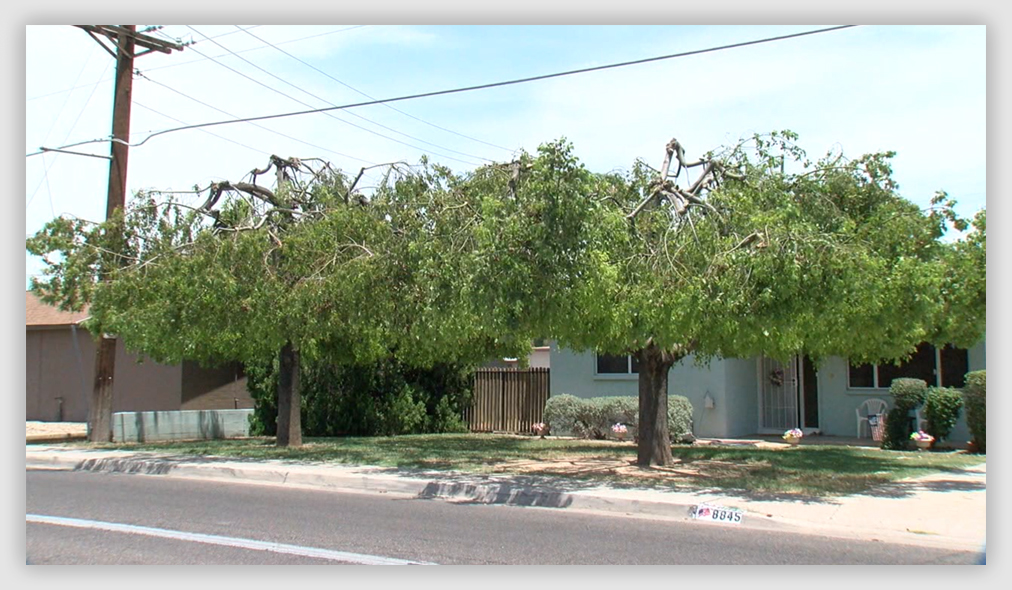
For more than 50 years, Connie Baggesen has counted on trees in her front yard to provide much-needed shade to her west-facing house. She says she came home one day in July to a couple of eyesores after tree trimmers with Salt River Project cut off more than ever before. “I just couldn’t believe that they had done them this extreme,” she said. “They went down to trunks and big branches.” She’s afraid the trees are dying, so she complained to SRP. They sent out an arborist. “He agreed that it was extreme,” she says. SRP says it was doing its job. The utility’s website says it uses “directional trimming” to train trees to grow away from overhead lines. A spokesperson tells ABC15 the arborist “determined that the trees are not in danger of dying…” but because of Connie’s concerns he offered to cut them down and remove the wood…
After three years and numerous complaints to the city, New Brighton resident Julie Lewis is convinced the sidewalk in front of her home will never be fixed without her having to hand over some serious cash. The raised sidewalk, caused by tree roots from a city tree in front of her home, doesn’t allow the gate to her property on Scribner Avenue to open or close all the way. Lewis has been unable to use her driveway for years because of the gate’s inability to open. “It brings down our property values; it’s bringing down my property value. It just makes the neighborhood look bad,” Lewis told the Advance outside of her home. She’s also concerned about what she says is a looming threat of a lawsuit, should somebody fall and injure themselves on the raised sidewalk. Lewis has made six complaints to the city Parks Department since 2016 for root/sidewalk issues. Her sidewalk was inspected in August 2016, the Parks Department said, and was deemed eligible for its Trees & Sidewalk Program; it received a 74/100 rating…

Mayor Eric Garcetti announced Thursday the appointment of Los Angeles’ first forest officer, a position that will oversee urban forests in an effort to plant 90,000 trees by 2021. “Every tree we plant can help stem the tide of the climate crisis, and when we expand our urban forest, we can sow the seeds of a healthier, more sustainable future for communities across our city,” Garcetti said. The mayor appointed Rachel Malarich, a certified arborist, to the post. According to the mayor’s office, Malarich has spent more than 12 years working to increase tree canopy in urban areas throughout Southern California, devising strategic management plans to expand urban forests and promoting community engagement. She spent more than a decade with Tree People, where she served as the director of forestry for more than three years, and worked as the assistant director of environmental services for Koreatown Youth and Community Center. Malarich is Tree Risk Assessment Qualified by the International Society of Arboriculture. “Rachel has the vision, experience and expertise necessary to lead the work of lining our streets with more trees and building a greener tomorrow,” Garcetti said…
Science Daily, July 31, 2019: Climate change alters tree demography in northern forests
The rise in temperature and precipitation levels in summer in northern Japan has negatively affected the growth of conifers and resulted in their gradual decline, according to a 38-year-long study in which mixed forests of conifers and broad-leaved trees were monitored by a team of researchers from Hokkaido University. The findings demonstrate how climate change has changed the forests’ demography and caused a directional change in the region, from being sub-boreal conifer-dominated to cool-temperate broad-leaved tree dominated. Climate change as evidenced by, for example, an increase in the number of downpours and super typhoons, is impacting our daily lives. Forest ecosystems around the world are not exempt from this, but there are many issues to still clarify, such as species-specific responses to climate change and their mechanisms. The present study published in Forest Economy and Managementis only one among several studies conducted based on a long-term monitoring of data. The researchers investigated more than eight thousand individual trees in 17.5-hectare primeval reserve areas (Osashima and Panke) inside Hokkaido University’s Nakagawa Experimental Forest situated in Hokkaido in northern Japan from 1979 to 2016. The team monitored their growth rates, mortality and recruitment (the process by which seeds establish themselves in an area and grow into mature individuals) rates and then analyzed the influence by climate change…
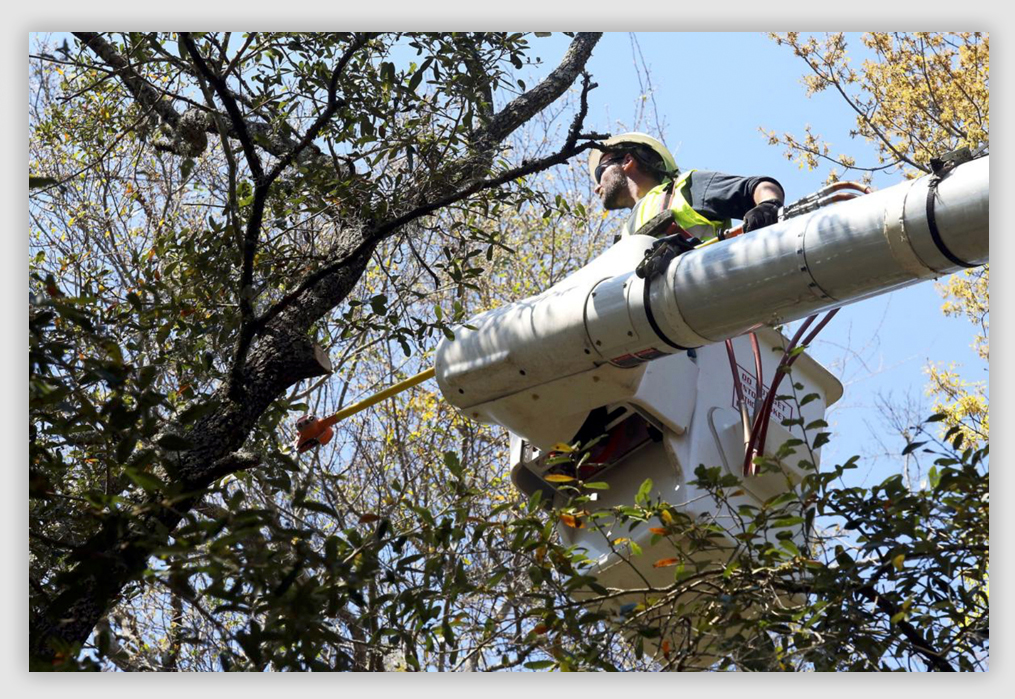
Some James Island residents will have their grand live oak trees trimmed by Dominion Energy in the fall, and town officials are prepping for the worst. Last week, Town Council discussed the possibility of having a certified arborist present when Dominion does maintenance work to make sure the trees stay in shape. The discussion comes after residents in Mount Pleasant and Charleston created tree agreements with the utility after dozens of residents complained about haphazard trimming. “It’s not like a bad haircut,” James Island Town Councilman Garrett Milliken said. “It takes a while to grow back.” Milliken said the discussions were inspired when a particularly bad amount of tree trimming happened in the spring in West Ashley and Riverland Terrace, which even prompted an investigation by the city of Charleston. While state-wide legislation has been filed by state Sen. Sandy Senn, a Charleston Republican, it has not gotten traction in Columbia…
Ft. Myers, Florida, WBBH-TV, July 30, 2019: Phony tree trimmers burglarize home in Golden Gate
The Collier County Sheriff’s Office is warning residents to be aware of distraction burglaries after investigating a burglary in Golden Gate on Monday. In a Facebook post, the Sheriff’s Office wrote senior citizens are generally targeted in these types of burglaries. Criminals typically pose as tree trimmers, appliance repair workers or contractors pointing to a problem on residents’ roofs. The burglary that is currently being investigated involves a man and woman posing as tree trimmers who tricked their way into a home on 39th Street Southwest. A man showed up at the home on Friday and negotiated tree trimming work with the homeowner, Chet Seecharan, then returned Monday with another woman. Seecharan’s relatives answered the door and were led into the backyard by the woman to mark trees that needed trimming while the man entered the home and stole the owner’s jewelry…
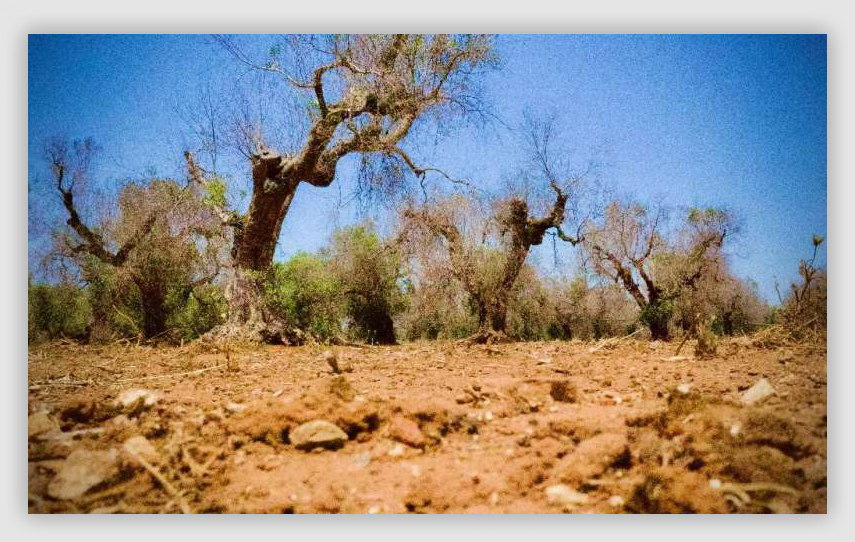 Phys.org, July 30, 2019: Glimmer of hope as Italy battles ‘olive tree leprosy’
Working in an arid Italian field of crumbly soil, agronomists are battling a rampant bacterium that has already infected millions of olive trees and could threaten the entire Mediterranean basin. Xylella fastidiosa, which has no known cure, has devastated ancient olive trees in Italy’s southern Apulia region and beyond, causing 1.2 billion euros ($1.3 billion) of damage to the world’s second olive oil exporter after Spain. Since 2013, the disease has torn through Apulia’s olive groves, leaving thousands of skeleton-like trees in its wake, and little hope for farmers. Once Xylella fastidiosa bacteria—carried by tiny sap-sucking insects known as spittlebugs—take hold, blocking the tree’s ability to absorb water, the plant is doomed…
The daughter of a landscaper who plummeted 50 feet to his death while trimming trees in La Jolla wants her father to be remembered for the passion that he put into work and his family. Noe Valle, 39, was tending to a palm tree on Neptune Place between Kolmar Street and Gravilla Street when he fell just after 11 a.m. on Sunday, the San Diego Police Department said. His daughter, Vanessa, said she had plans with her father that evening but now can only remember the moment she found out her father would not be coming home. “My heart broke into two right away,” she told NBC 7 in an exclusive interview on Tuesday. “It was just a shock. I couldn’t even believe that my dad had passed away; it was so unexpected.” She said it was not unusual for her father to be working on the weekends. He held two different jobs and typically worked long hours seven days a week but it was something that he enjoyed…
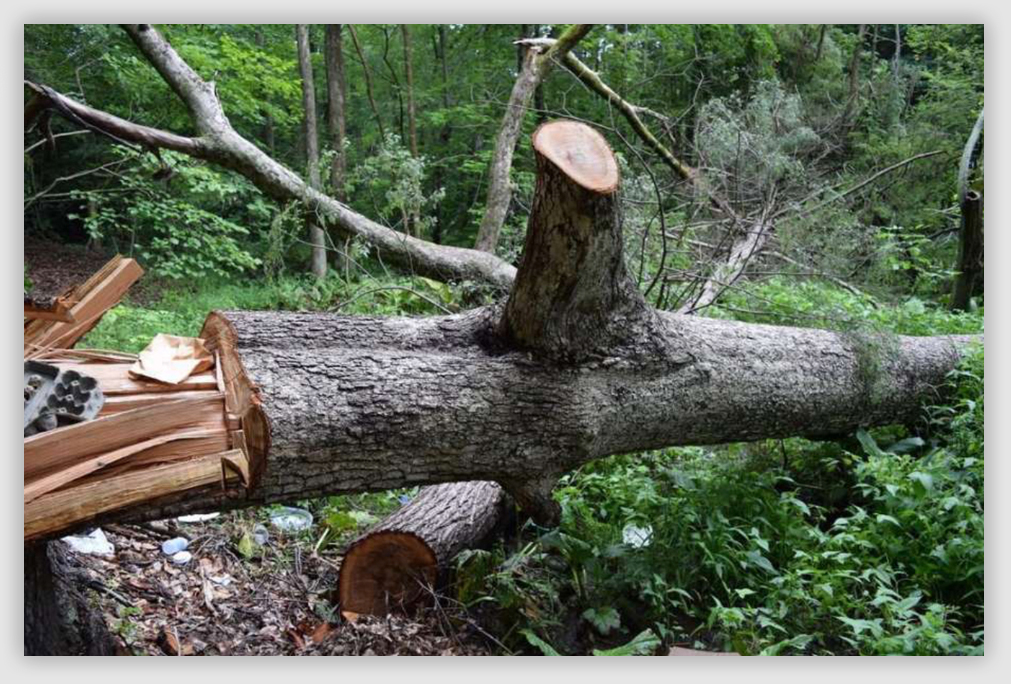
Authorities are searching for vandals who destroyed a 150-year-old white oak tree known as the “Door Tree” in Hamden, Conn. on July 17, the Hamden Historical Society said in a statement. The tree, a local landmark named for its unusual arch-like shape, was found knocked down and cut to pieces. It is not clear when the destruction occurred, officials said. The Regional Water Authority, which owns the land where the tree stood, has offered a $1,000 reward for information leading to the arrest of those responsible. An additional award from a private donor brings the reward to $2,000, the water company said. The tree has been photographed as far back as 1898 and has been featured in the Ripley’s Believe It or Not! television show. The tree was in “exceptionally” good health and likely would have lived many more years, the company said. “We have heard from hundreds of people saddened by the news of the Door Tree,” said RWA spokesman Dan Doyle. “It’s a saddening and tragic loss…”
An 18-year-old bicyclist died after hitting a tree on the greenway at Crabtree Boulevard and Culpepper Lane in Raleigh. It’s unclear what caused the woman to hit the tree but Raleigh police said they’re not ruling out foul play. Raleigh police said they got dispatched to check in with Wake County EMS at 7:40 pm Saturday night. Bicyclists who use the trail said it’s hilly and curvy. If you are a regular cyclist or hiker, Wake County EMS Assistant Chief Jeffrey Hammerstein has these suggestions: • Be aware of your surroundings; • Know your location, especially access points; • Have a cell phone or communication device with you; and • Wear a helmet. “It’s important for people to always be aware of what their access point was and which way they traveled from that access point,” Hammerstein said…

Phys.org, July 29, 2019: Increasing tree cover may be like a ‘superfood’ for community mental health
Increasing tree canopy and green cover across Greater Sydney and increasing the proportion of homes in urban areas within 10 minutes’ walk of quality green, open and public space are among the New South Wales premier’s new priorities. Cities around Australia have similar goals. In our latest study, we asked if more of any green space will do? Or does the type of green space matter for our mental health? Our results suggest the type of green space does matter. Adults with 30% or more of their neighbourhood covered in some form of tree canopy had 31% lower odds of developing psychological distress. The same amount of tree cover was linked to 33% lower odds of developing fair to poor general health. We also found poorer mental and general health among adults in areas with higher percentages of bare grass nearby, but there’s likely more to that than meets the eye. Our research involved tracking changes in health over an average of about six years, for around 46,000 adults aged 45 years or older, living in Sydney, Newcastle or Wollongong. We examined health in relation to different types of green space available within a 1.6 kilometre (1 mile) walk from home…
While most business owners are aware they have a legal duty to maintain their premises in a safe, hazard-free condition, some fail to understand or accept the fact that this includes trees on the property. Trees provide shade, are good for the environment, but unless properly maintained, some are killers, notably eucalyptus. So, what would a business owner face if one caused damage to property or injury? Would their insurance always cover the claim? I’ll answer those questions in a moment, but first meet “Eric” who lives under the threat of a neighbor’s massive eucalyptus tree crashing onto his office or into a power transformer just feet from the tree, potentially causing a fire. “Our small accounting office is next to an auto body-repair shop that is on land dotted with eucalyptus trees. Some are dead and one scares the living daylights out of me, as branches are in electrical wires that run from the power pole to both of our offices. “The tree is massive, it is taller than the pole! I have repeatedly phoned and warned my neighbor that the tree is dangerous and will kill someone if it falls, or start a fire, setting the neighborhood ablaze, but he just ignores me. What should I do at this point?” San Diego-based attorney Evan W. Walker has had a great deal of experience with these types of cases. He began his analysis with an explanation of why eucalyptus trees are so dangerous. “Giant eucalyptus drop heavy branches, earning them the nickname ‘Widow Makers.’ They are prone to falling because their shallow, spreading root system does a poor job of steadying the tree. Add to that high winds from a storm, and you’ve got a recipe for trouble with a eucalyptus that has not been properly maintained,” he points out…
 Quartz, July 28, 2019: When tree planting actually damages ecosystems
Tree planting has been widely promoted as a solution to climate change, because plants absorb the climate-warming gases from Earth’s atmosphere as they grow. World leaders have already committed to restoring 350m hectares of forest by 2030 and a recent report suggested that reforesting a billion hectares of land could store a massive 205 gigatonnes of carbon – two thirds of all the carbon released into the atmosphere since the Industrial Revolution. Many of those trees could be planted in tropical grassy biomes according to the report. These are the savannas and grasslands that cover large swathes of the globe and have a grassy ground layer and variable tree cover. Like forests, these ecosystems play a major role in the global carbon balance. Studies have estimated that grasslands store up to 30% of the world’s carbon that’s tied up in soil. Covering 20% of Earth’s land surface, they contain huge reserves of biodiversity, comparable in areas to tropical forest…
Threatened by infestations, climate change and competing demands for space, Madison’s tree canopy will shrink with “potentially disastrous results” unless the city invests more in its trees, a new report says. After nearly two years of study, the city’s Urban Forestry Task Force is making a series of recommendations — some with potentially significant price tags — to nurture and dramatically increase the area covered by trees from 23% to 40% of Madison’s 80 square miles. Already, the city has had to deal with infestation by the emerald ash borerthat’s forcing the removal of thousands of trees, as well as disease, climate change, loss of mature trees to development, road salt, and cramped space for planting and growth in the public right of way…
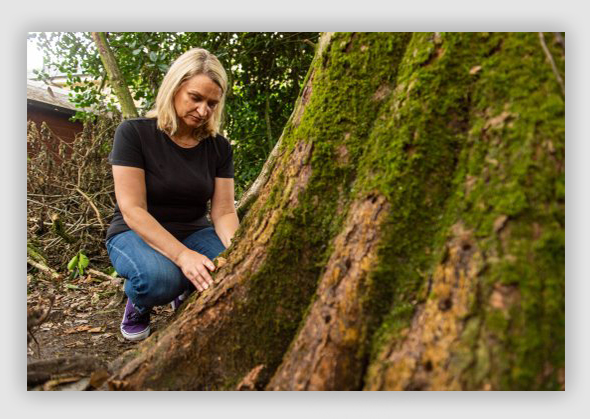
A woman has discovered dozens of holes drilled into the base of her tree and she believes a neighbor may be to blame. Jill Sarchet, 51, became suspicious when leaves on the 200-year-old sycamore turned brown. She discovered around 50 holes drilled into the base of the 100ft tree at the end of her home in Worsthorne-with-Hurstwood, near Burnley, Lancashire. It is thought a trespasser is sneaking into her property under the cover of darkness and injecting poison into the holes. Arborists now say there is a very high chance the tree, which is protected by a Tree Preservation Order Council, will die. Mother-of-two Mrs Sarchet said: ‘This behavior is totally unwarranted and unnecessary. ‘This is one of the oldest and most important trees in Burnley and has been here a lot longer than the person responsible for this. ‘The whole situation has left me extremely distressed…
Whether it be by helicopter trimming, tree cutting or use of herbicide, local utility Blue Ridge Energy says its vegetation management program tries to find the best solution for everyone. The program is designed to clear the right of way for its more than 8,300 miles of power lines and usually starts with a telephone call. “Before vegetation is trimmed or treated, members are contacted in advance by telephone,” Blue Ridge Energy’s Renee Whitener said. “If we cannot reach a member to speak with them or leave a voice mail, a post card is sent to make them aware of the planned vegetation management.” Whitener said these notifications include a contact number for customers to ask questions, and that in all cases, the utility has been able to find a compromise. “We try to come up with a good solution for the member and make sure that the right of way is maintained for the reliability of members’ electricity as well as the safety for the linemen…”
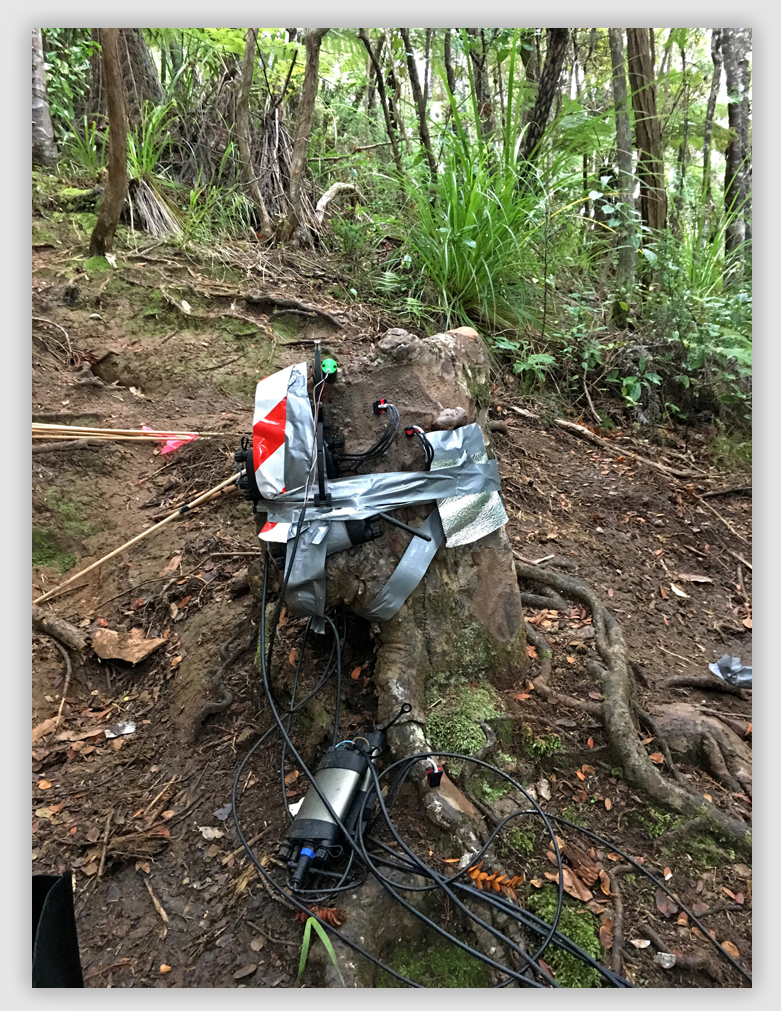 New York City, The New York Times, July 25, 2019: Tree Stumps Are Dead, Right? This One Was Alive
In a rain forest near Auckland, New Zealand, a leafless kauri tree stump rises a few feet off the ground. These trees can become giants: The country’s biggest, Tāne Mahuta, or the “Lord of the Forest,” has grown 168 feet high, with a 115-foot canopy. But this stump is just a stump, so unassuming most would pass it by. One day, two ecologists from Auckland University of Technology spotted it on a hike. “A normal person would just think it’s dead. It looks dead to a point, but if you look a bit closer, you can see living tissue,” said Sebastian Leuzinger. “We both said to each other, ‘It’s clearly not dead. How does it live?’” Naturalists have observed living tree stumps in New Jersey, the Sierra Nevadas, British Columbia and elsewhere. But for more than 150 years, how the stumps survived without leaves for photosynthesis was a mystery. Dr. Leuzinger and Martin Bader discovered that the kauri stump lives by sharing water with neighboring trees. Most likely, they’re connected through an underground plumbing system formed when their roots naturally fused, or grafted, together, the researchers reported in a study published Thursday in the journal iScience…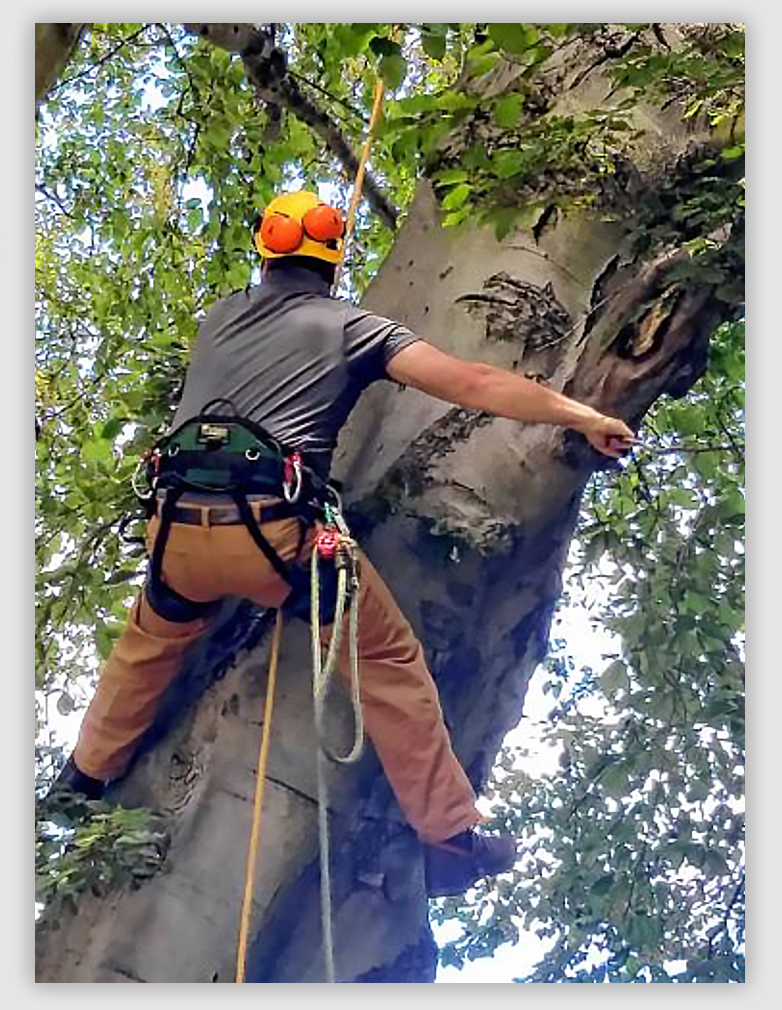
A Pensacola lawsuit could be the first test case for a new Florida law that prevents local governments from regulating tree trimming or removal trees — even “heritage” trees — on residential property. The city of Pensacola is suing the owners of a vacant lot to stop the removal of a heritage tree. Property owners Larry and Ellen Vickery started the process to build a home on a vacant lot at 605 N. Spring St. in the North Hill neighborhood and wanted to remove a live oak tree at the back of the lot to build their planned house. The tree in question has a diameter of more than 60 inches. Trees larger than 34 inches are considered “heritage” trees under the city’s ordinance and have additional protections even on residential property. Some of the Vickerys’ future neighbors wanted the city to protect the tree. “Our concern is that this is a healthy 200-plus-year-old tree that’s been part of our neighborhood longer than our houses have been here,” Sarah O’Niell, a North Hill resident said…
The doctor has good news for the gorgeous, 141-year-old patient: Tests have come back and so far, everything is OK. “We’re still dissecting the information, if you will, but the first preliminary results are that things look good,” said Joseph Davis, an arborist for Bartlett Tree Experts. Davis is one of several tree experts who spent part of Wednesday examining, both from the ground and from high up in the branches, a huge copper beech tree that was planted as a sapling in 1878 on what is now the Kimball-Jenkins Estate in Concord. The tree is well known – it’s a common backdrop for wedding photos – but one of its three massive leaders from the tree fell during a storm in 2007. That led to worries that other parts might fall and damage buildings, especially the nearby Carriage House. Bartlett Tree Experts examined it back then and pronounced it safe, but the estate thought it was time to check again. “There was a pocket of rot that we just couldn’t see then,” said Ryan Linehan, general manager of the historic site. “Since it has been over 10 years I had them back out. Technology has come a long way since 2007…”
A cool start with some flashes of extreme heat with consistent rain — the summer of 2019 has been a little off-kilter, which has been affecting the insects of Iowa, in turn. Two types of insects, Japanese beetles and thistle caterpillars, have been especially abundant and havoc-wreaking throughout the month of July due to separate anomalous weather events. Japanese beetles generally break out for six to eight weeks in early June, but due to the cool weather at that time, the adult beetles arrived in en mass around the beginning of July. These beetles can cause a grade deal of damage when it comes to linden and crabapple trees, fruit-bearing trees and grapevines (which can pose issues for vineyards) along with other foliate flora. So if a beloved tree or bush has suddenly turned brown party through the summer, these beetles are likely to blame. It’s likely too late to treat for them, but luckily the damaged has passed and it’s not permanent. “For deciduous trees, Japanese beetles feeding on the leaves is disfiguring and stressful,” said Donald Lewis, an entomologist at Iowa State University, “but not fatal…”
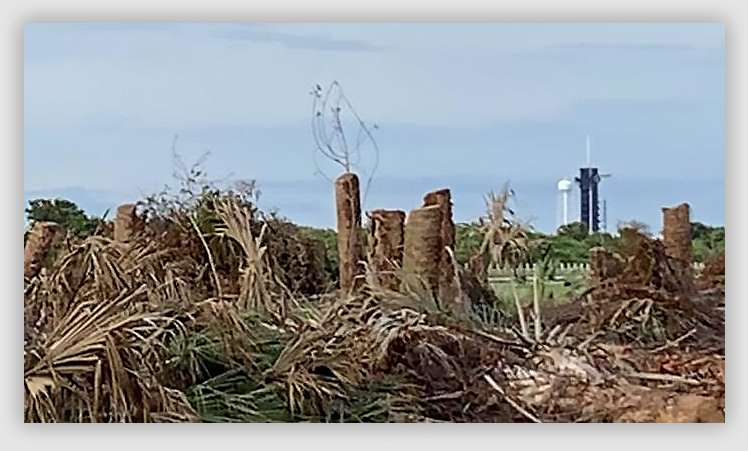 NASA has cut down trees on more than 385 acres of Kennedy Space Center in Florida to allow a better view of launch pads where human spaceflight is set to return after a lull of many years. The last astronauts to launch into space from the site were aboard space shuttle Atlantis in 2011. Since then, trees have grown so thick that the view from the press site a few miles away is totally obstructed. On Wednesday, when the media arrived for a SpaceX launch, they noticed a change: a clear view of launch pads. “It looks like it did during the Apollo days, which is a great thing,” said photographer Julian Leek, 65, a freelancer who has worked for such outlets as Ladies’ Home Journal and the Miami Herald over the years. “Back then you could see the pads and the concrete, and now it’s a gorgeous view again. Over the years, the vegetation has been growing and growing,” Leek said. A tree-cutting contract for $80,207 recently was awarded to CORE Engineering and Construction of Winter Park, Fla., according to federal records…
When a contractor drilled into a water line in a South Florida city last week, more than 200,000 people in Fort Lauderdale were left without water. City officials were stumped on how to fix the problem, but repair crews came up with a quick solution. Workers were able to keep the city’s water flowing Thursday by using a tree limb as a temporary plug to prevent water from gushing out, the Sun-Sentinel reported. Workers were able to encase the pipe in concrete to stop the water from escaping. “I thought they were very resourceful. They needed a quick fix,” Fort Lauderdale Mayor Dean Trantalis told the newspaper. “The contractor used a wooden plug from a tree,” city spokesman Chaz Adams told the Sun-Sentinel. Rob Hernandez, Fort Lauderdale’s deputy city manager, told the newspaper that when wood interacts with water, it “swells up, forming a plug like a cork.” “The pipe was in good condition other than the area around the hole,” Adams told the Sun-Sentinel. “Once the wooden plug was in place, straps were wrapped around the pipe and over the plug to secure it in place…”
As you dodge sunbeams on a hellaciously hot and humid summer’s day, it’s worth remembering that you have a constant friend willing to take a photon to save you. We refer of course to the humble tree, so seemingly passive and yet so instrumental in getting us through high summer. If its beauty were not enough, or its ability to mitigate greenhouse gases, the shade the tree provides is a real measure of relief from excessive summer heat. It can feel 15 degrees cooler beneath an old oak or maple, and a stand of them can create their own breeze as they forge their own microclimate. In an age of universal air conditioning, the sheltering value of a tree has become less obvious, along with the unperceived phenomena that allow it to ride out the heat wave in a way that we could not. Our forebears understood the value of getting to leafier, higher ground, even before expanses of asphalt and concrete created the heat islands of the modern city. Chip Tynan, horticulturist at the Missouri Botanical Garden, said once-leafy boulevards in St. Louis have had their trees removed in advance of their slow death by the emerald ash borer. “It has created a whole lot of very hot streets,” he said…
Phys.org, July 24, 2019: Picky pathogens help non-native tree species invade
Walk into a forest comprising only native trees, and you probably notice many different tree species around you, with no one species dominating the ecosystem. Such biodiversity—the variety of life and species in the forest—ensures that each species gets a role to play in the ecosystem, boosting forest health and productivity. However, when non-native trees invade, they form dense groups of a single species of tree. This bucks conventional wisdom because, in theory, pathogens—microscopic disease-causing organisms—should prevent this from happening. Trees have many natural enemies, such as herbivores and insects that nibble on their leaves. But their main foes are invisible to the naked eye. In older forests especially, fungal pathogens evolve to attack the seedlings of certain tree species and, over time, accumulate in the soils around the adults, hindering the growth of their seeds. Seeds that fall far away from their parent typically survive better. The pathogens thus help dictate where native trees can grow and prevent some species from dominating others. This effect is part of the Janzen-Connell hypothesis, a widely accepted explanation for the promotion of biodiversity in forests. The theory was developed in the 1970s by ecologists Daniel Janzen and Joseph Connell, who said that species-specific herbivores, pathogens, or other natural enemies make the areas near a tree inhospitable for the survival of its seedlings. If one species becomes too abundant, there will be few safe places for its seedlings to survive, thus promoting the growth of other plant species within one area…
Eugene, Oregon, Register-Guard, July 23, 2019: Drought-stricken trees die in and around Eugene
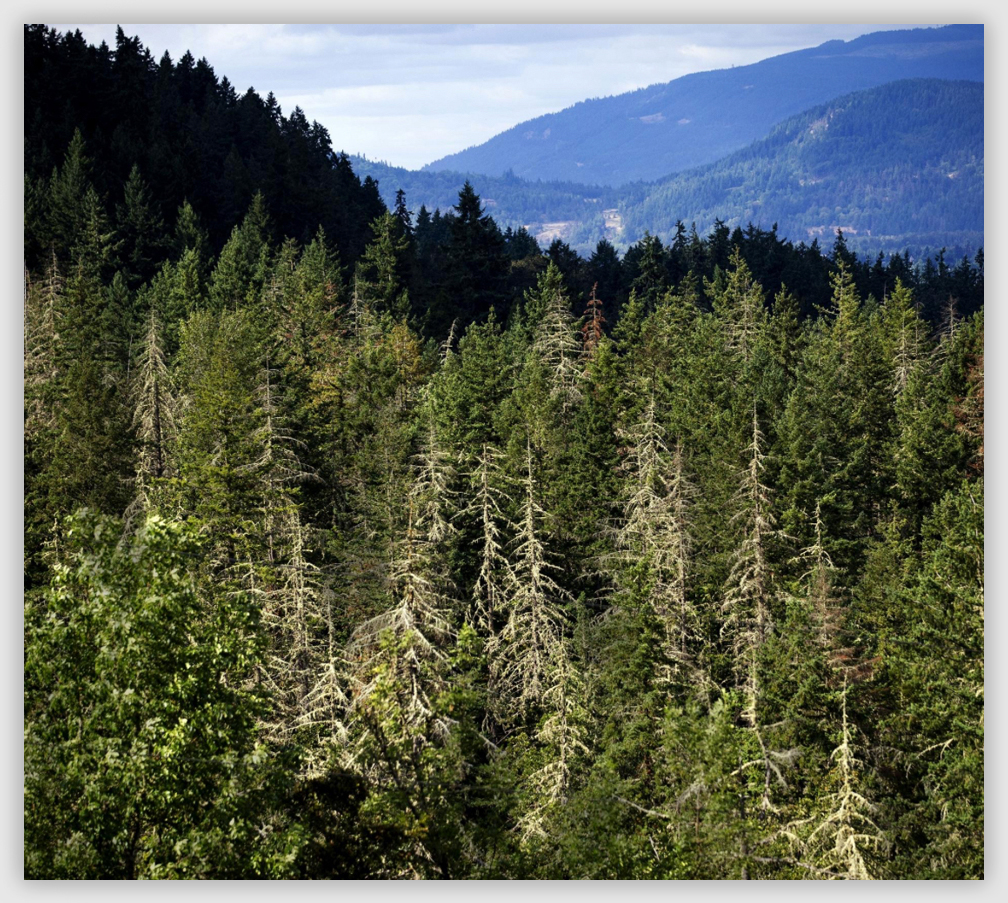 A string of hot, dry summers has taken a toll on trees in Eugene and surrounding forests in Lane County — and that has foresters and other people who regularly work with or around trees taking notice. “Those of us who do pay attention to trees are getting pretty — no other word for it — freaked out,” said Scott Altenhoff, city of Eugene urban forestry management analyst. “With fire danger, with disease — we’ve been seeing dieback in our forests and trees that historically have done very well (that) are just showing signs of stress.” Drought is killing Douglas fir, Oregon’s signature tree species, as well as grand fir in the Willamette Valley, according to Oregon Department of Forestry research reported earlier this week by the Statesman Journal. State scientists also told the Salem newspaper that drought may be contributing to declines in maple and cedar. Dead trees can be seen along 30th Avenue near Lane Community College, in the south hills, in Hendricks Park, and around other parts of Eugene, Altenhoff said. City officials don’t have a tally of how many trees have been affected by drought so far, but Altenhoff has encouraged planners to institute a monitoring program…
When a neighbor’s tree falls over your property line, yell TIMBER, then call your insurance company. Home owners policies cover tree damage caused by perils like wind and winter storms. Most policies cover hauling away tree debris if the mess is associated with house damage; some will cover cleanup even if no structures were harmed. Your neighbor is responsible when a tree falls over your shared property line only if you can prove he was aware that his tree was a hazard and refused to remedy the problem. Regardless, your insurance company restores your property first, and later decides whether or not to pursue reimbursement from the neighbor or his insurer if the neighbor was negligent in maintaining the tree. Write a letter to your neighbor before his dead, diseased or listing tree falls through your roof or over your property line.The letter should include…
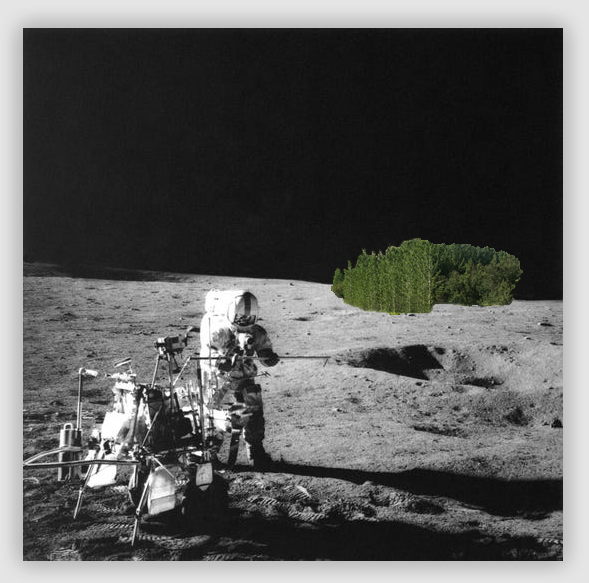
Five trees planted in New Mexico from seeds taken to the moon during the Apollo 14 mission and given to the state by NASA have all died or been forgotten, according to officials at the locations where the trees were planted decades ago. Officials at New Mexico sites where the trees were planted decades ago admit their agencies since have lost track of the trees and some of them likely died with little notice, KOAT-TV in Albuquerque reports. Moon trees were grown from 500 seeds taken into orbit by former U.S. Forest Service elite parachuting forest firefighter Stuart Roosa during the 1971 mission. Roosa and the seeds orbited more than two dozen times around the moon. NASA said the seedlings were planted throughout the U.S. and elsewhere around the world after Apollo 14 returned to Earth. The trees were meant to honor Durango, Colorado-born Roosa, who died in 1994…
Having been contacted by Orinda City Council Member Amy Worth, Pacific Gas and Electric Company has found the money to respond to concerns regarding dead and dying trees near local power lines. In the past PG&E would trim such trees, but removal of the trees was the responsibility of the homeowner or the city upon whose property the tree was located. Now, PG&E says that they will remove such trees, and will haul away the debris left behind, such as the large piles of debris left behind McDonnell Nursery in Orinda. “We’ll take care of that too,” said Tom Guarino from PG&E Public Affairs to Mayor Inga Miller and Worth, who raised the issue during a presentation by Guarino at the July 16 Orinda City Council meeting. According to Tamar Sarkissian, PG&E spokesperson, the new policies also apply to Lafayette and Moraga as well as other high fire threat areas. Crews of contractors have been actively removing trees and debris, taking care to follow regulations regarding the safety of bees and nesting birds, she noted. Guarino also said that the company is looking at locating a Community Resource Center inside the Orinda Community Center, which would also provide a place where Orinda residents could cool off or recharge devices during a power outage…
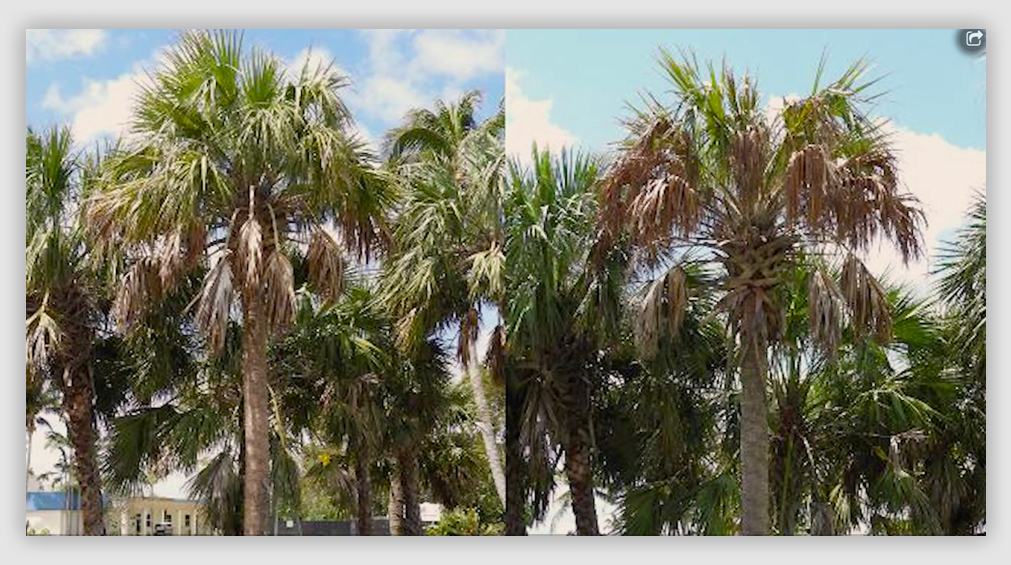
Palm trees in line our streets and yards while adding a tropical touch to our region, but could a bacterial disease prevalent in South and Central Florida be targeting the palm trees in our back yard? Lethal bronzing is the name of the bacterial disease that can kill large numbers of palm trees at once. First discovered in the Tampa area over a decade ago, it has now spread to Alachua County. “The disease was originally called Texas Phoenix Palm Decline and it was named that in Texas,” said Larry Figart, an urban forestry agent with the University of Florida-Duval County Extension Service. Figart said the disease is caused by a bacteria-like organism called phytoplasma, which can spread from tree to tree – in part thanks to some help from an insect called a planthopper. Plant hoppers, also known as leafhoppers, are small and often on the move. “They roughly are a quarter of an inch to a half-inch long,” he said. “And what they have are piercing-sucking mouth parts.” Using their mouths, Figart said, planthoppers attach themselves to leaves, remove the sap and move onto another tree, where the cycle repeats. So whatever the insect has is carried from tree to tree…
Corvallis, Oregon, Gazette-Times, July 21, 2019: Oregon State University pauses old growth logging
The head of Oregon State University’s College of Forestry has ordered a temporary stop to the cutting of older trees on the college’s research forests after some ancient trees were felled. The Gazette-Times reports the move came after questions were raised about a logging operation near Corvallis that took down multiple trees more than 200 years old, including one Douglas fir that may date back to 1599. Interim Dean Anthony Davis announced the moratorium in a college memo July 12, about a month after a logging operation was conducted near Sulphur Springs in the McDonald-Dunn Research Forest. Davis says they made a mistake in carrying out the harvest by not considering the future research and ecological benefit of the older trees…

Jefferson County commissioners are digging in for a “tooth and nail” fight against a major power line project slated to carve through the rural tight-knit community, amid concerns from a predominantly black neighborhood in its path. The Thompson Valley neighborhood, on the north side of Interstate 10 near the intersection of the Florida-Georgia Parkway, stands in the path of the 176-mile transmission line project by utility giant NextEra Energy. People there are concerned that the company is taking advantage of people as it develops its preferred path for the seven-county power line. Last week, commissioners in the only county in Florida without a stop light unanimously approved a proposed alternate route for the project…
Prolonged periods of rain and over-saturation of tree roots can cause root rot, which can impact a tree’s ability to consume water and nutrients. Soil saturation also makes it difficult for roots to breathe. Tree Pittsburgh Director of Urban Forestry Matt Erb said a lack of oxygen can cause roots to die or become infected by bacterial or fungal pathogens and that cause root rot. Root rot is when roots decay, ultimately causing the death of a tree. “If you have a tree that’s already stressed due to storm damage at the top of the tree or an insect or a disease problem, when that tree gets flooded that additional stress is compounded … That stressed tree is more likely to get root rot,” Erb said. Erb said root rot could be a factor in landslides because the root no longer holds onto soil. “A lot of hillsides are forested, and there are large, mature trees there, and those trees are coming down with the soil,” he said…
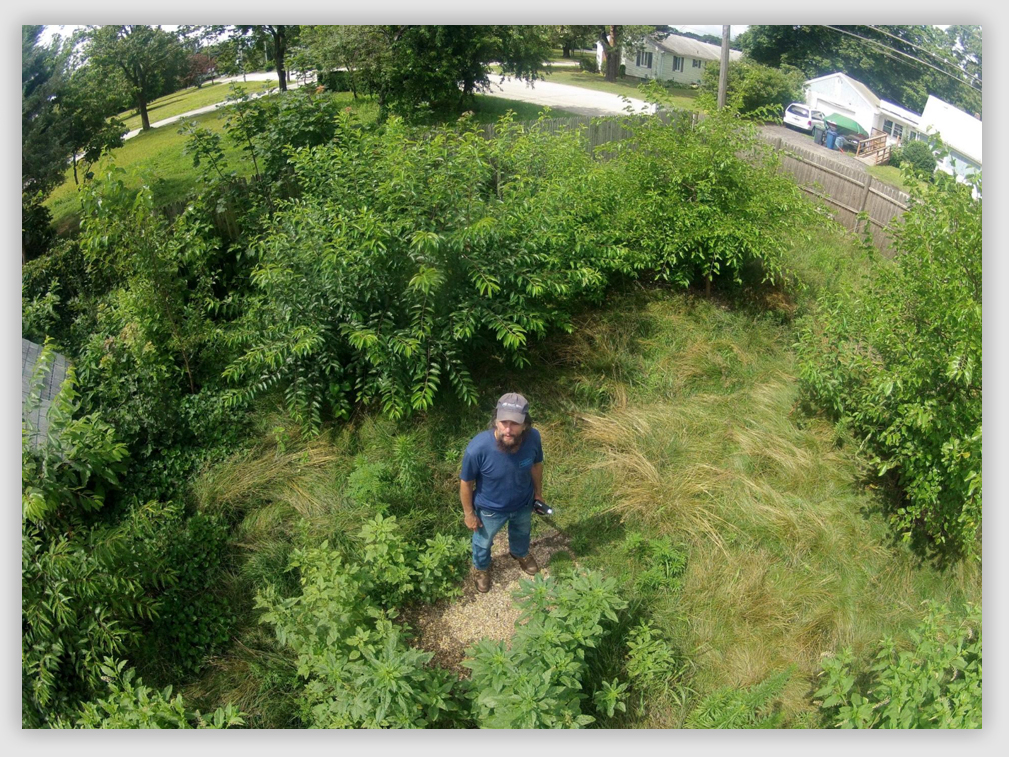
Lawrence Morra likes his trees. And he likes the squirrels and birds that make them home. That is why Morra was so upset in 2017, when the state Department of Transportation at the behest of the Rhode Island Airport Corporation felled nine mature trees on his property as part of the runway extension project. “It was like an emotional bomb was dropped on me,” Morra said July 12, two years to the date the trees were cut down. Morra filed suit this month in U.S. District Court, alleging that the state violated his due process rights by cutting down the trees without fair and just compensation. He is seeking the money he says he is owed, as well as payment for the pain and suffering it caused. His complaint puts his losses at “easily upwards” of $1 million. Though he received $19,000, “It won’t even touch what they did,” he says. Morra’s parents — the late Frank and Argentina Morra — had the Cape-style house at 190 Cole Ave. in Warwick built in 1951 while his mother was pregnant with Lawrence, he says. The trees held memories of his childhood. He planted the blue spruce out front with his father. The silver maple in the backyard, with a trunk so wide it was hard to get his arms around, he planted for his mom. “The squirrels loved it,” he says. Then there was the Norwegian maple and the oak tree. Gone. Morra says Dan Porter, vice president of planning for the Airport Corporation, approached him in 2015 to offer him the fair market value for his home. Porter showed him a map that indicated four trees needed to come down…
Fenton, Michigan, Tri-County Times, July 21, 2019: Tough jobs: tree trimmer
John Hoffman’s chainsaw buzzes, spitting sawdust onto Oak Street 40 feet below. Finally, it cuts through the 10-inch-thick maple tree trunk, leaving the 3,200-pound, 30-foot-tall section floating above him, secured by a heavy crane. On Thursday, July 18, crews with Mosher Outdoor Services set up around 8 a.m. on E. Rockwell and Oak streets to take down several maple trees. Most are crisscrossed with utility lines, and the city of Fenton is paying to have them removed. Tree trimming is one tough job requiring specific knowledge and certifications to be safe on the job. Lining the streets are the crane, wood chipper, bucket truck and trailers with other equipment, like a Ditch Witch for dragging fallen branches across the street to be shredded. Workers use hand signals to communicate and safely operate, and work around heavy equipment. “We conduct a safety/tailgate meeting prior to the start of every job to discuss specific hazards and how the job will be completed,” Nathan Mosher said. “Communication is key during the removal process for the crew…”
 Doha, Qatar, The Peninsula, July 21, 2019: Iceland tries to bring back trees razed by the Vikings
Before being colonised by the Vikings, Iceland was lush with forests but the fearsome warriors razed everything to the ground and the nation is now struggling to reforest the island. The country is considered the least forested in Europe; indeed, forests in Iceland are so rare, or their trees so young, that people often joke that those lost in the woods only need to stand up to find their way. However, it wasn’t always that way. When seafaring Vikings set off from Norway and conquered the uninhabited North Atlantic island at the end of the ninth century, forests, made up mostly of birch trees, covered more than a quarter of the island. Within a century, the settlers had cut down 97 percent of the original forests to serve as building material for houses and to make way for grazing pastures. The forests’ recovery has been made all the more difficult by the harsh climate and active volcanoes, which periodically cover the soil with lava and ashes. According to a report published in 2015 by the United Nations Food and Agriculture Organization (FAO), forests now only cover 0.5 percent of the island’s surface. The lack of trees means there isn’t any vegetation to protect the soil from eroding and to store water, leading to extensive desertification despite the country’s far northern location…
Springfield, Missouri, KOZL-TV, July 21, 2019: Tree thought to be extinct found in the Ozarks
The Ozark Chinquapin is a tree that was thought to be extinct for many years because of a fungal disease. It’s now resurfacing in the Ozarks. “Part of the reason why people thought they’d become extinct is they couldn’t find them,” said Tim Smith with the Ozark Chinquapin Foundation, a foundation focused on preserving the trees. “So how can you tell if a tree is an Ozark Chinquapin? “If you look at the leaf it’s kind of a long slender leaf nice, bristle tips that come out,” Smith said. In addition to the leaves you can also find burrs with spikes on the tree as well. The tree is more than just your average tree found in the Ozarks. It can provide a lot of food for wildlife. “What’s so special about the Ozark Chinquapin is it has a very high food source,” said Smith. “It has more protein, more carbohydrates than a White Oak Acorn which, is considered our number one food source for wildlife right now. “While these trees are found in the Ozarks, the foundation is keeping their location a secret. “Yeah we keep it top secret,” Smith said. “These seeds, especially the cross-pollinated seeds, are more valuable than gold because we’re trying to find something that is 100 percent pure and money can’t buy it…”
The Metro Council on Tuesday passed a new ordinance that attempts to slow some of the Nashville’s rapid tree loss from development. The legislation requires commercial developers to replace or plant more trees during construction and gives incentives for saving large trees on commercial projects, which include office, retail, apartments and condominiums. It stops short, however, of bolstering tree regulations for lots with single-family homes and duplexes. Nashville has been grappling with the side effects of the unprecedented real estate development over the past few years: increased traffic, construction sites blocking sidewalks, displacement of low-income renters, and the loss of thousands of trees. From 2008 to 2016, officials from Metro Water Services estimate the city lost 918 acres of tree canopy — the equivalent of 695 football fields…
Peoria, Illinois, WMBD-TV, July 17, 2019: Tree service workers take precaution in excessive heat
With excessive heat in the forecast several people are looking for ways to stay cool, especially tree workers. Bennett and Sons Tree Service employees have a job to do regardless of the temperature, but they take appropriate measures to make sure they are safe. Vitamin B-12 is one supplement workers use in the heat. It’s a tablet that helps keep the body functioning correctly. Workers also wear, dry-wicking clothing, attire made of a material that keeps them cooler. Bennett said he makes sure that his employees take breaks and stressed that their health is most important…
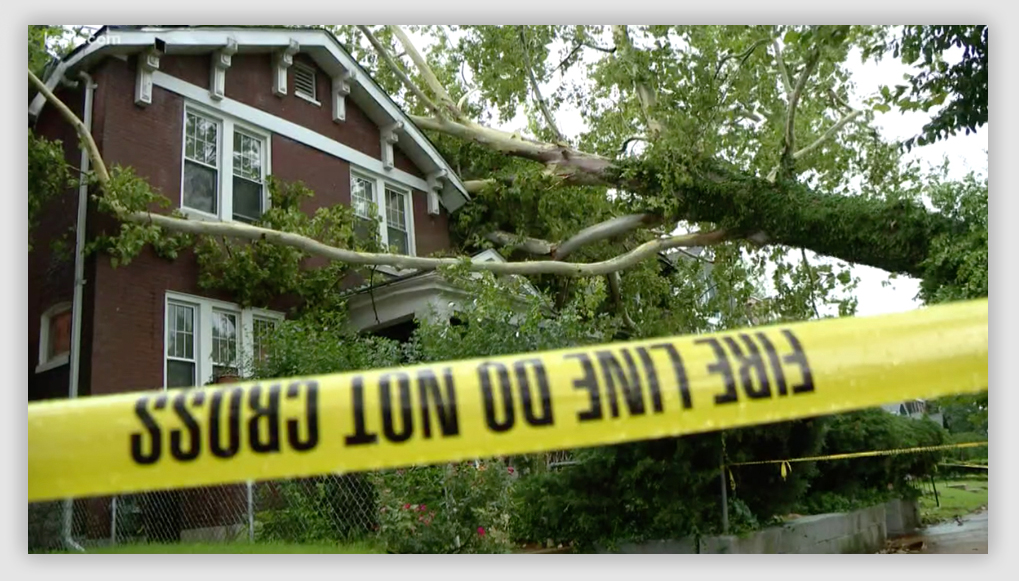
When the 100-foot-tall tree in Roosevelt Hawkins front yard fell Wednesday night, there was no mistaking something was wrong. “We heard it, and the house was shaking,” Hawkins said. But this was a day Hawkins knew was coming and warned the city. “I have called the city forestry department for two-and-a-half years trying to get these trees taken care of out here,” Hawkins said. “And we called again last month, Nothing. They only said, ‘We got you on the list.'” When we tell Hawkins he’s likely at the top of the list now, he only says “I hope so” with a chuckle. The tree landed with the bulk of its weight on Hawkins’ home, but branches affected the structures on either side too. Now his neighbor, Barbara Harris, worries she might be next as a large tree leans towards her home. “These trees are too big to be in the neighborhood,” Harris said. “They are too big and too old.” Harris said she reported the trees in front of her home as recently as three months ago since branches keep breaking off…
Science News, July 17, 2019: Planting trees could buy more time to fight climate change than thought
A whopping new estimate of the power of planting trees could rearrange to-do lists for fighting climate change. Planting trees on 0.9 billion hectares of land could trap about two-thirds the amount of carbon released by human activities since the start of the Industrial Revolution, a new study finds. The planet has that much tree-friendly land available for use. Without knocking down cities or taking over farms or natural grasslands, reforested pieces could add up to new tree cover totaling just about the area of the United States, researchers report in the July 5 Science. The new calculation boosts tree planting to a top priority for gaining some time to fight climate change, says coauthor Tom Crowther, an ecologist at ETH Zurich. The study used satellite images to see how densely trees grow naturally in various ecosystems. Extrapolating from those images showed how much forest similar land could support. Plant a mix of native species, he urges. That will help preserve the birds, insects and other local creatures. The analysis revealed space to nourish enough trees to capture some 205 metric gigatons of carbon in about a century. That’s close to 10 times the savings expected from managing refrigerants, the top item on a list of climate-fighting strategies from the nonprofit Project Drawdown, a worldwide network of scientists, advocates and others proposing solutions to global warming…
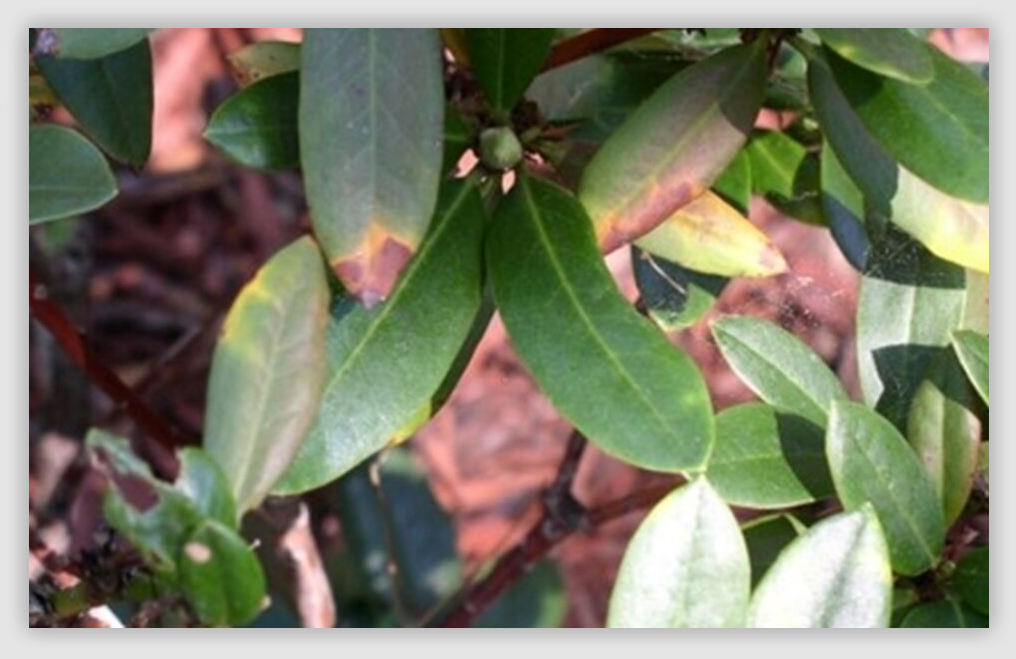
The Ohio Department of Agriculture (ODA), in coordination with USDA Animal and Plant Health Inspection Service, detected a sudden oak death caused by rhododendron plants shipped to Walmart and Rural King stores throughout the state. Both retailers have agreed to initiate a voluntary recall of plants from their stores. It was recently confirmed that Ohio is one of several Midwest states that have received infected plant material. Approximately 1,600 rhododendron plants from the infected nursery were shipped to Ohio retailers. This shipment went to at least 17 other states. Gardeners and homeowners who have recently purchased a rhododendron from Walmart or Rural King should monitor the plant for signs of disease, including leaf spots and shoot dieback. It is also advised that Ohioans who purchased rhododendrons or lilac plants from these stores between March and May of this year should dispose of them to prevent further spread of the disease. Plants can be destroyed by burning, deep burial or double-bagging the plant, including the root ball, in heavy duty trash bags…
Is this a case of the contractor removed the wrong tree? Larry Dixon said he was surprised to find a city hired a tree contractor at his West Jacksonville home removing his Pecan tree. “I’m very frustrated,” Dixon said. Dixon said his battle with the city’s Municipal Code Enforcement Division began in March. He said he contacted the city about two trees in the city’s right-of-way because they look like they’re dying. He said that’s when he was given a citation for the dead branches on his maple tree. “I reported their trees and they gave me a citation for mine, that is correct,” said Dixon. In April, his citation was referred to abatement. Last Thursday a city contractor showed up and removed his pecan tree, not the maple with its dead branches. “I said ‘stop that’s the wrong tree,'” Dixon said. “It is the wrong tree. The tree did not have a dead leaf on it.” Five days after cutting down the tree, the same the contractor was back removing the debris…
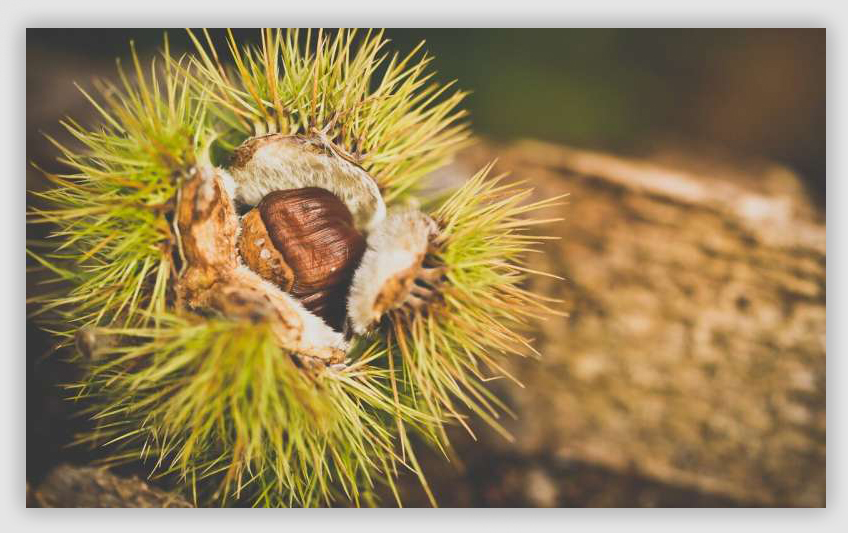 Phys.org, July 16, 2019: Should we resurrect the American chestnut tree with genetic engineering?
The wild chestnuts around this leafy college town used to grow in such great numbers that locals collected the nuts by the bushel and shipped them off to New York City for a small fortune. These days, though, it can be hard to find a single tree thanks to a devastating blight imported from Asia in the late 1800s. “Every fall, I look for the burs,” said Neil Patterson of the Tuscarora Nation, a Native American tribe that has lived in the region for centuries. His ancestors depended on the trees for food and medicine. But in 10 years of searching, he’s never found the spiny pods that hold the chestnut’s prized fruit. Soon, scientists at the SUNY College of Environmental Science and Forestry here could change that. They say they’ve found a way to resurrect the chestnut by giving it a gene from wheat that shields it from the blight’s poison. If the federal government gives its blessing, these genetically engineered trees could be ready to plant in a few short years. It would mark the first use of the technology for ecological restoration, and probably not the last…
Volunteers are stepping up to help a single father of four in KCK. He hired a man to cut down a tree, but the tree fell on his house. Now thanks to viewers it could soon be a problem solved! Outside, you could see a man hammering wood where none previously stood. Inside, volunteers were in each bedroom of the house repairing the walls and patching holes. AJ Reese is happy to see his home is a construction zone after FOX4 viewers saw his story. “I just started receiving calls after they saw it for the second or third time,” Reese said. “They saw the story, and I just started receiving calls. Over 25 calls of people that want to come and help and give them their all.” Reese has until July 25 to make the home safe for his four sons, or the city will force him to leave because the building was deemed unfit after the incident. “Getting in and helping someone when they’re down and out and need it, you know that’s just the thing to do,” retired construction worker Jack Reed said. “Come help,” Roberto Chavez, owner of Chavez Renovation, said. “It’s just donating time that you’ve got plenty of…”

From the oaks of Coconut Grove to the mahoganies of the Upper Eastside, the trees in Miami give each neighborhood a distinctive flair. So, for years, the City of Miami — which is designated a Tree City USA by the Arbor Day Foundation — has passed myriad regulations protecting the canopy and preventing residents from chopping down trees without significant approval. That could soon change: Earlier this year, the Florida Legislature passed a bill to bar local municipalities from regulating tree removals on residential properties. House Bill 1159, also known as the Private Property Rights Protection Act, went into effect July 1. Under the new legislation, municipal governments are not allowed to require any permits, notice, or approval from residents who wish to remove dangerous trees from their properties. All a homeowner needs is a report from a certified arborist or landscape architect who says the tree poses a danger. Current Miami law says that unless residents can prove a tree is dangerous, they have to pay for a number of surveys and mitigation practices that some consider far too onerous. “My clients have to spend thousands of dollars just to remove one tree from their property,” says Ron von Paulus, a certified arborist and the owner of Big Ron’s Tree Service. “They need to get a land survey, a tree survey, a tree risk assessment, and still have to mitigate by planting trees or donating to the tree trust fund. That’s already over $3,000…”
Phys.org, July 16, 2019: Joshua trees facing extinction
They outlived mammoths and saber-toothed tigers. But without dramatic action to reduce climate change, new research shows Joshua trees won’t survive much past this century. UC Riverside scientists wanted to verify earlier studies predicting global warming’s deadly effect on the namesake trees that millions flock to see every year in Joshua Tree National Park. They also wanted to learn whether the trees are already in trouble. Using multiple methods, the study arrived at several possible outcomes. In the best-case scenario, major efforts to reduce heat-trapping gasses in the atmosphere would save 19 percent of the tree habitat after the year 2070. In the worst case, with no reduction in carbon emissions, the park would retain a mere 0.02 percent of its Joshua tree habitat. The team’s findings were published recently in Ecosphere. Project lead Lynn Sweet, a UCR plant ecologist, said she hopes the study inspires people to take protective environmental action. “The fate of these unusual, amazing trees is in all of our hands,” she said. “Their numbers will decline, but how much depends on us…”
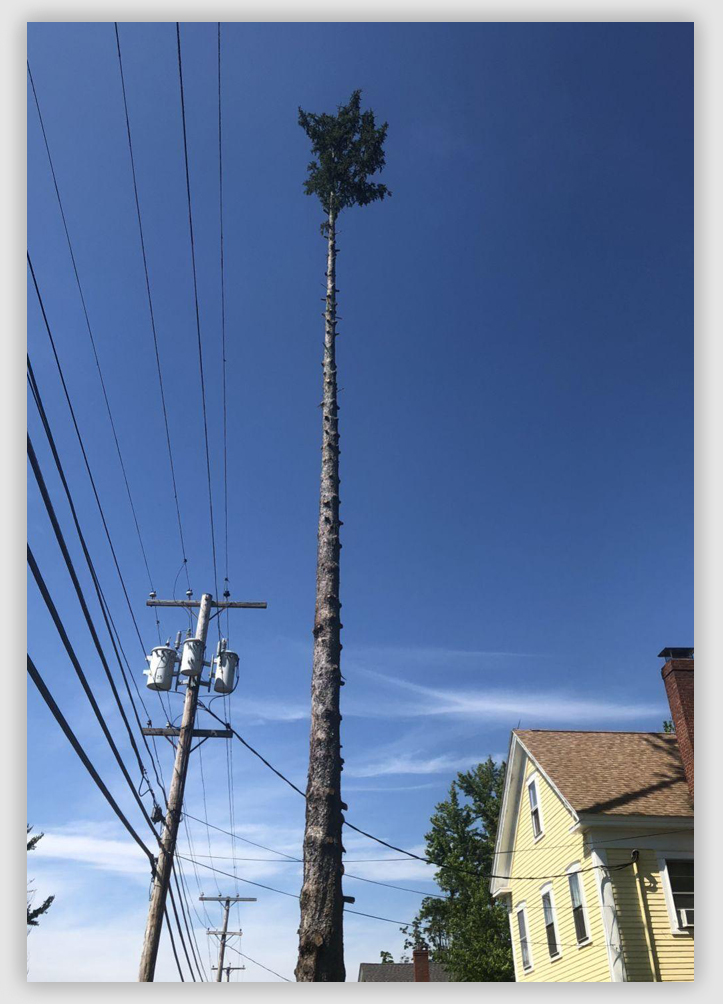
The towering spruce tree on Mark Cyr’s Main Street property has passersby doing a double-take. The tree was recently stripped of its branches as Unitil prepares to have it removed before it threatens nearby power lines, but crews couldn’t reach the top. With all of the branches gone and the tip left untouched, the tree looks more like a palm tree. “People walk by and look at the palm tree,” Cyr said. The tree transformation on Cyr’s property at 159 Main St. happened about a month ago. At the time, the tree-cutting crew didn’t have a bucket that could go high enough to reach the top. The rest of the branches were cut, but workers had to leave the top alone until they could get a truck with a bucket that would extend that far. The result was a palm tree that makes traveling Main Street feel more like cruising a street in Florida, especially with the summer heat that’s gripping New Hampshire and is expected to worsen later this week. “When a spruce like that needs to be removed, the typical practice is to remove all the limbs first and take the tree down in chunks; this makes it much easier to safely control the removal and keep branches falling in unexpected directions, like onto the lines of other peoples’ property,” said Unitil spokesman Alec O’Meara…
The wild chestnuts around this leafy college town used to grow in such great numbers that locals collected the nuts by the bushel and shipped them off to New York City for a small fortune. These days, though, it can be hard to find a single tree thanks to a devastating blight imported from Asia in the late 1800s. “Every fall, I look for the burs,” said Neil Patterson of the Tuscarora Nation, a Native American tribe that has lived in the region for centuries. His ancestors depended on the trees for food and medicine. But in 10 years of searching, he’s never found the spiny pods that hold the chestnut’s prized fruit. Soon, scientists at the SUNY College of Environmental Science and Forestry here could change that. They say they’ve found a way to resurrect the chestnut by giving it a gene from wheat that shields it from the blight’s poison. If the federal government gives its blessing, these genetically engineered trees could be ready to plant in a few short years. It would mark the first use of the technology for ecological restoration, and probably not the last. Across the country, forests face growing threats from invasive pests, diseases and climate change. Elm, ash, oak, hemlock and whitebark pine are all dying in huge numbers…
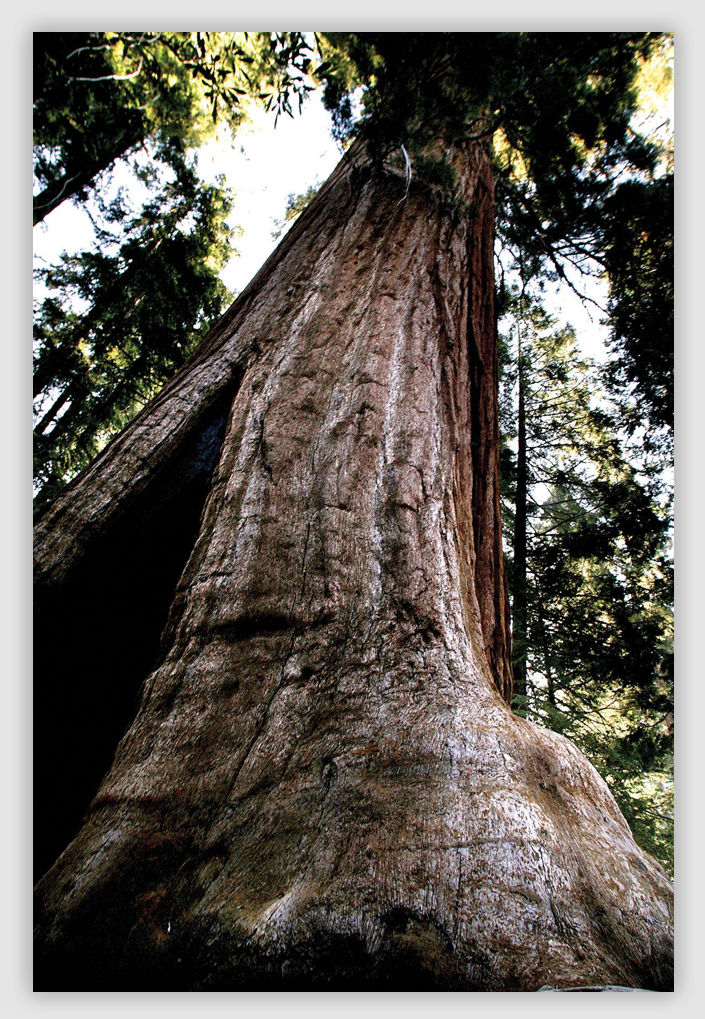
A massive tree die-off in both the Sierra and Sequoia national forests have caused officials to revise a plan meant to save the parks as climate conditions have worsened. Across the state, about 147 million trees lie standing dead, according to a report by the U.S. Forest Service, with about 1.4 million acres of the destruction concentrated in both national forests. A drought starting in 2011, combined with mismanagement of the forests by the Forest Service, left trees vulnerable to intense fire hazards and bark beetle infestations, the report said. Around 2015, “the Sequoia and Sierra National forests began seeing die-offs at an alarming rate,” the report said. “Scientists are monitoring the massive tree die-off in the Sierra Nevada and warn that climate change impacts over the next decade will increase the threat of ongoing mortality in the region.” The Forest Service is in the process of devising two plans meant to restore the parks to healthy ecosystems. Its current management plan was last updated in 1990, and park officials consider it to be out of date. Among other flaws, the agency’s policy of suppressing fires within the parks allowed both Sequoia and Sierra forests to become too overgrown, which increased the risk of catastrophic wildfires and beetle infestations, according to the Forest Service’s own report…
Low-hanging tree branches are a big cause of concern for a West Lawn homeowner. After months of asking the city for help, signs were put up and the service was scheduled. But the work still did not get done at 65th and Hamlin, where a trio of trees with branches draped over Eddie Guillen’s property. Orange no parking notices were posted on these trees indicating work would be done to trim the branches, days later, tickets were issued, the signs were removed, but these tree branches are still untouched. “How long? How many more months?” Guillen questioned. The West Lawn homeowner told CBS 2 he’s been asking the city to trim them since April, before something bad happens. “One of the branches falling down, hitting the house,” Guillen said…
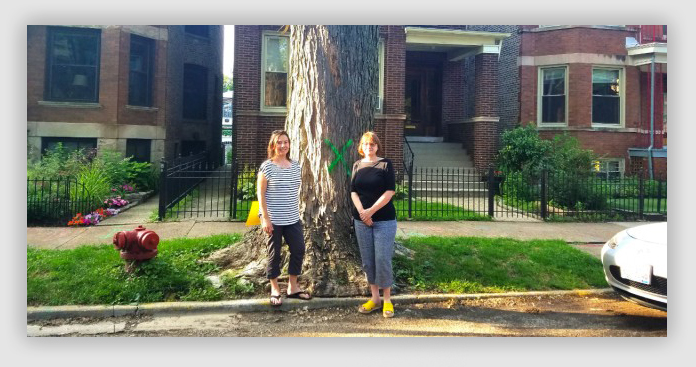
Andersonville neighbors Tamara Schiller and Lesley Ames were heartbroken when they got the letter from their alderman on June 18. It read: “After exhausting all options and alternatives, the Department of Water Management has determined that the trees on Balmoral, Summerdale, Berwyn and Farragut listed below will have to be removed…” The two neighbors had been working for months to protect the trees from removal by the water department for infrastructure work. The letter from Chicago Ald. Harry Osterman, 48th Ward, felt like a final defeat and the certain loss of some of the neighborhood’s biggest and oldest trees — more than a dozen on adjoining blocks. But, by early July, they got word that Mayor Lori Lightfoot’s office had put a temporary hold on the tree cutting to await the outcome of a proposed state rule change due for a hearing on July 16. If accepted, it would explicitly offer municipalities less disruptive repair methods. In Chicago, the proposed rule change could save more than 100 trees across the city slated to be removed this summer. This inspired Ames to write a letter of her own to Lightfoot on July 3…
Virginia is trying to protect its longest river by launching a new program to plant 900 acres of trees, shrubs and other vegetation along waterways. Gov. Ralph Northam announced Friday an initiative to plant forested buffers in the James River watershed between Lynchburg and Richmond. The Virginia Department of Forestry is partnering with the James River Association on the project, which is part of a $15 million, multi-year plan to improve the river’s quality. The buffers slow flood water, filter runoff, and provide shade and shelter to wildlife. The 340-mile long James is fed by 15,000 miles of tributaries…
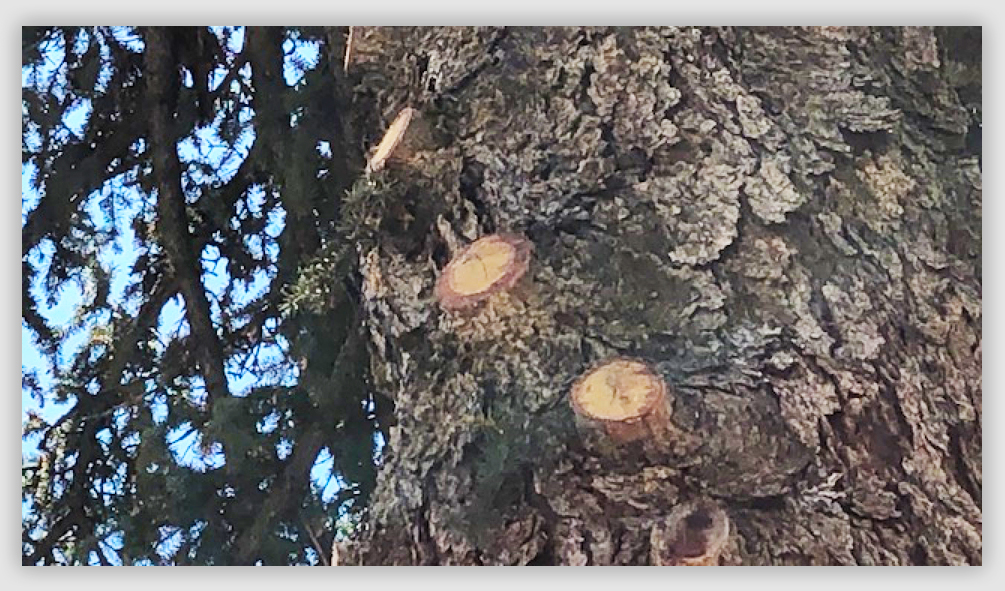
The pounding of hammers and whirring of saws constantly echo throughout the Potter Highlands Historic District, where several homes and duplexes are under construction. Longtime resident Michele Gabriel is trying to get acclimated to the noise, and to other impacts. “I grew up in this neighborhood,” she said. “I lived in the house (catty corner) that got torn down.” She told Contact7 that a tall evergreen tree in her front yard has become a victim to that growth. “When my husband asked me this morning if I knew our tree had been trimmed, I said, ‘no,'” she said. Ms. Gabriel was stunned when she looked up and noticed that multiple branches had been removed on the south side of the trunk, leaving a gap about two stories tall. “It’s been mutilated,” she said. “It’s asymmetrical now and just unsightly…”
In 2013, Protect the Adirondacks filed a lawsuit challenging the legality of New York state’s plan to cut trees in the Forest Preserve and build nearly 27 miles of snowmobile trails. The New York Appellate Court issued a split decision recently, ruling that while building the trails did not violate the state constitution, the planned destruction of timber did. The New York state Constitution’s Article 14 states that Forest Preserve lands “..shall be forever kept as wild forest lands…nor shall the timber thereon be sold, removed or destroyed.” Protect the Adirondacks had filed suit against a DEC plan to construct snowmobile trails, arguing it would mean cutting more than 25,000 trees, or timber, at least three inches in diameter. The Appellate Court determined that construction of the trails would result in “…an unconstitutional destruction of timber in the Forest Preserve.” Executive Director Peter Bauer says the ruling is important because only two other decisions over the past 75 years have set precedent for tree cutting on the Forest Preserve. “This case actually expanded upon and provided greater definition for the protection of trees on the Forest Preserve. Those trees need protection. The Constitution doesn’t say what trees are protected and what trees are not protected or that only some trees are protected or some trees are not protected. The Constitution says the trees on the Forest Preserve are protected. Of course the state of New York can cut trees for its management activities but in this case cutting 25,000 trees went over any reasonable standard…”
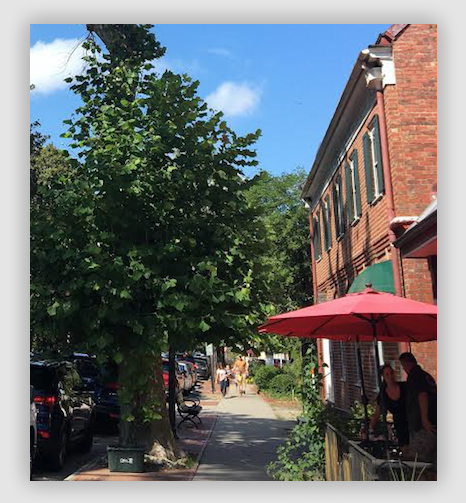 Southern Pines, North Carolina, Pilot, July 11, 2019: Sycamore Tree Stump Granted Clemency
The loss of a century-old sycamore tree in downtown Southern Pines was inevitable. The massive branches had deteriorated over time, damaged by bacterial leaf scorch, a condition common to sycamores in this area. On Sunday at dawn, a professional tree removal service will remove everything down to the eight-foot mark. The sycamore stump — with its textured bark and rumpled roots — will then be reborn to serve a new purpose, said Suzanne Coleman, who oversees the town’s Welcome Center and is spearheading a grassroots initiative to convert the spot into a new Free Little Library site. Coleman was inspired by Sharalee Armitage Howard, an artist and librarian from Coeur d’Alene, Idaho, who turned a 110-year old cottonwood stump in her yard into a tiny library. The project involved carving bookshelves into the stump, then adding lighting, a small door and a shingled roof. Earlier this week, she reached out to Southern Pines Town Manager Reagan Parsons and said he accepted her proposal…
As part of the rewrite for the city of North Port’s tree protection regulations, the City Commission has decided to base the ordinance on Sarasota County’s. The city is working to maintain 35% tree coverage within the city limits — including private property, parks and other public land. A survey of tree coverage within the 1997 city limits using i-Tree Canopy, which can be found at canopy.itreetools.org, estimated that in 1995, tree coverage was at 41.2 percent. That year was chosen because an aerial photo from 1997 was not available. In 2019, the tree coverage in that same area was only 35.6%. That survey does not include two major annexations — Warm Mineral Springs Park and Taylor Ranch, where the West Villages is being developed. While North Port’s draft ordinance is modeled after Sarasota County’s, ordinances for three other platted communities — Deltona, Key Biscayne and Port St. Lucie — were also reviewed…
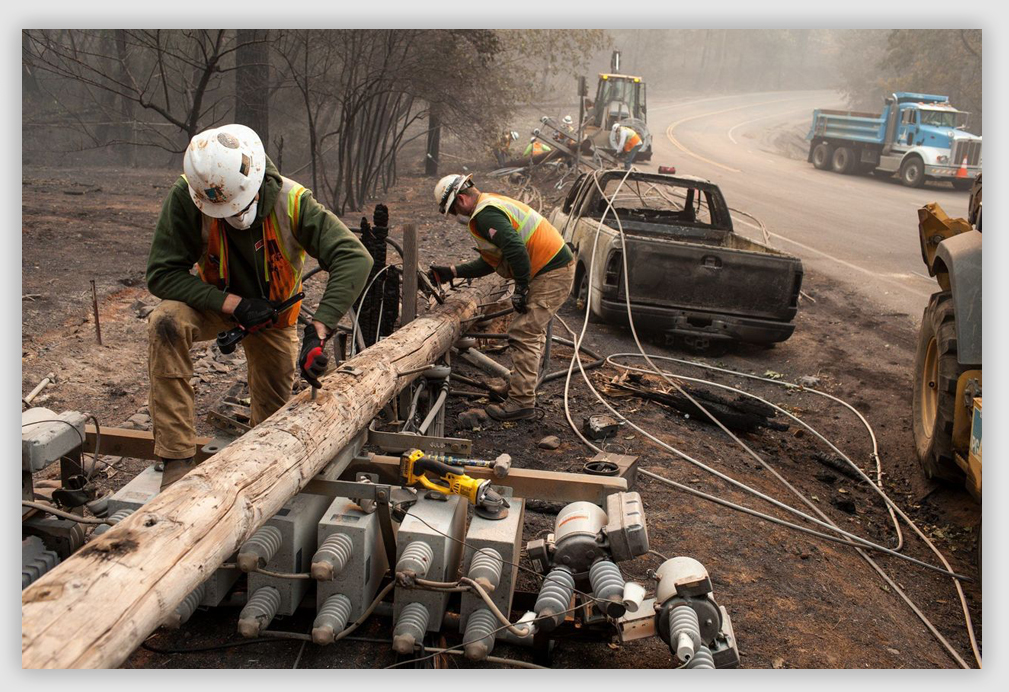
Documents obtained by The Wall Street Journal under the Freedom of Information Act and in connection with a regulatory dispute over PG&E’s spending on its electrical grid show that the company has long been aware that parts of its 18,500-mile transmission system have reached the end of their useful lives. The failure last year of a century-old transmission line that sparked a wildfire, killed 85 people and destroyed the town of Paradise wasn’t an aberration, the documents show. A year earlier, PG&E executives conceded to a state lawyer that the company needed to process many projects, all at once, to prevent system failures—a problem they said could be likened to a “pig in the python.” Even before November’s deadly fire, the documents show, the company knew that 49 of the steel towers that carry the electrical line that failed needed to be replaced entirely. In a 2017 internal presentation, the large San Francisco-based utility estimated that its transmission towers were an average of 68 years old. Their mean life expectancy was 65 years. The oldest steel towers were 108 years old…
Standing water can damage or drown tree roots after about a week, warns an arborist from Chesapeake Bay, Maryland. “Trees breathe through their roots, like you and I breathe through our lungs,” said Lou Meyer, assistant district manager of the Davey Tree Expert Company. “A full week of standing water — that’s when you need to get really concerned.” Oversaturated soil can asphyxiate and kill a tree, lead to root rot or prevent an appropriate intake of nutrition. To help prevent flooding, consider getting or adjusting downspouts on your home to redirect water away from a tree. Other options include creating a small berm of soil around the tree to divert water, or installing a French drain system or dry well to slowly absorb water underground…
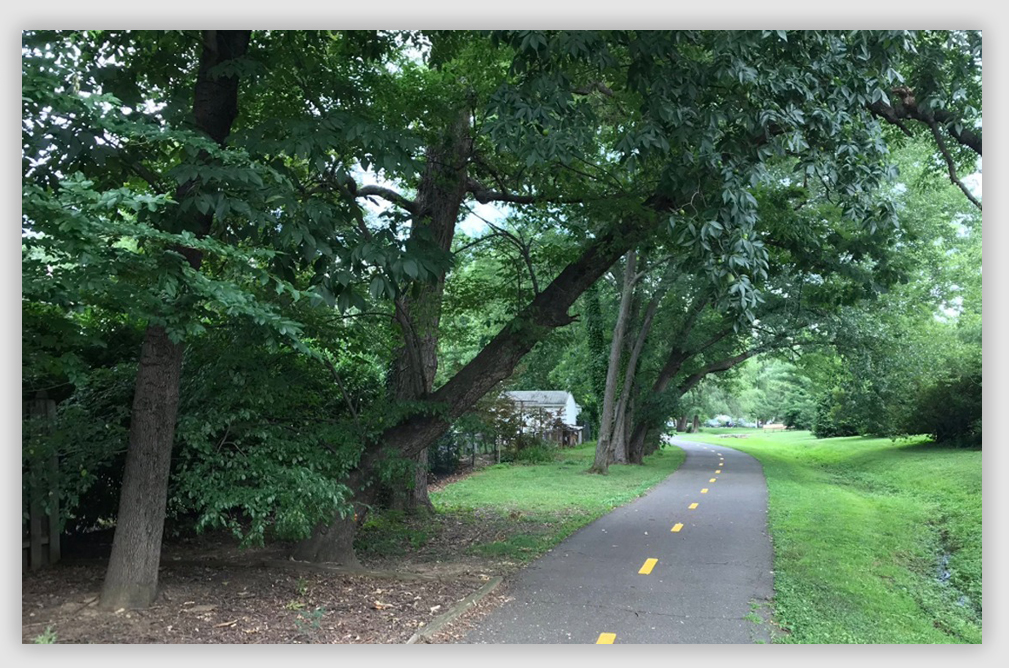
FOX 5 obtained county Parks and Recreation Department work orders that show numerous complaints about low-hanging or falling limbs on a path just weeks before a woman was killed there last month. The woman, 67-year-old Louise Peabody, died after a limb from an 80-foot oak tree fell on her on June 27 at Lucky Run Park off South Walter Reed Drive. In the days after Peabody’s death, Arlington County officials told FOX 5 the most recent complaint was received in May 2018, but now a county spokeswoman says that information was not as detailed as what FOX 5 uncovered through a public records request. A complaint on June 6 documents “a partially fallen tree over the trail.” County officials say they respond to tree complaints regularly and maintain they never got a complaint about the tree that killed Peabody. They also say they examined the limb and determined it was healthy…
A Lake Norman property owner is suing Duke Energy for ordering him to remove his $10,000 dock and halt the planned construction of a $342,000 home — all because his landscapers mistakenly cut down a tree, he says in a federal lawsuit. Douglas Ehmann says in the lawsuit that “as a result of the inadvertent cutting of one tree,” Duke “unilaterally, capriciously, and unfairly revoked” his pier permit for five years and “ordered a hold” on a building permit for the home. The property is off N.C. 73 in the Tranquil Cove subdivision in Huntersville. Ehmann claims in the lawsuit that spite might also be involved: The Duke Energy official who revoked his dock permit lives just across the cove from his land “and has developed a personal animosity” toward him, according to the lawsuit, which does not elaborate…
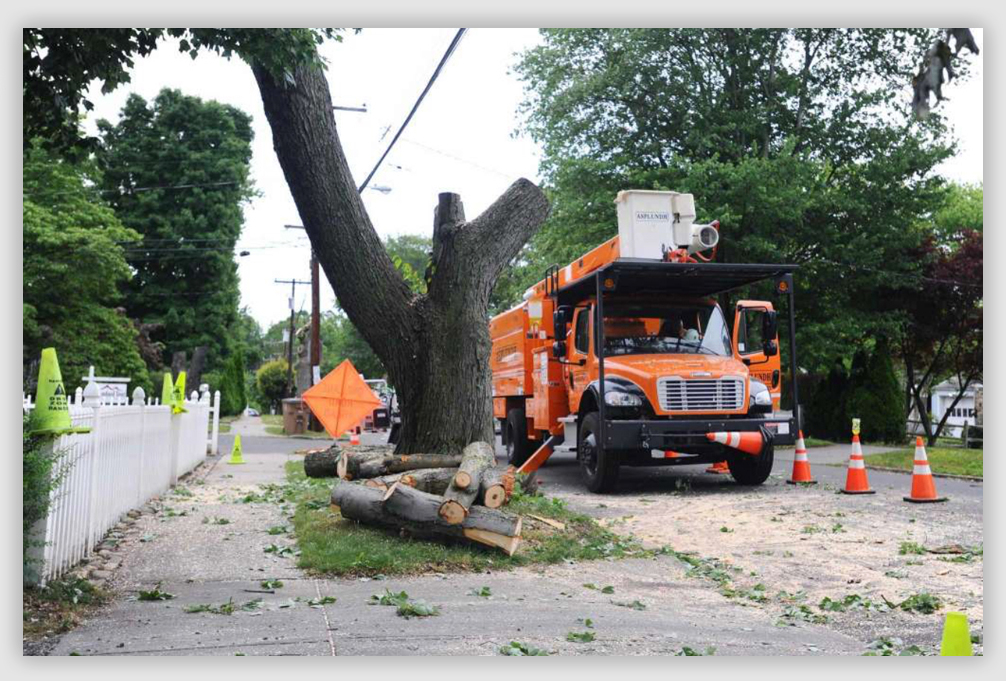 Norwalk, Connecticut, News-Times, July 2, 2019: Redding resident sues Eversource over tree cutting
A resident has filed a complaint against Eversource because she says the company overcut the trees in town and is worried the same thing will happen this summer. The trimming was done as part of the company’s standard four-year maintenance cycle in 2015. At the time, a lot of residents complained the work was done too aggressive, especially along scenic roads, while town officials said it was needed to keep trees from falling on power lines. In her complaint filed Monday, resident Nancy Burton called the 2015 effort a “massive tree-cutting campaign” that removed sides of trees that were at least 30 feet tall along many roadways. A judge denied her request to delay the trimming for this current management cycle on Monday. Though Eversource officials are still reviewing the complaint, the company has voluntarily suspended the tree trimming work near her home, said Tricia Taskey Modifica, Eversource’s Connecticut media relations manager. “The work scheduled to be done in the front of Ms. Burton’s property is crucial as we’ve identified trees that are coming in contact with our electric lines,” Taskey Modifica said. “It’s also important to note, our vegetation management practices are designed to meet the stringent guidelines approved by our regulators to ensure proper clearances between limbs and power lines, and to maintain safe operation of our system and reliability for our customers…”
New York City’s Parks Department takes months to inspect tree-damaged sidewalks and more than a year on average to fix them, an audit has found. The department took an average of 419 days — or roughly a year and two months — to repair sidewalks busted by tree roots in the 2017 fiscal year, with one fix taking more than a decade to finish, according to the audit City Comptroller Scott Stringer released Monday. Those repairs came along with lengthy waits for inspectors to even check out the damage, the audit found. It took the Parks Department an average of 101 days to inspect sidewalks in response to homeowners’ service requests — more than triple the department’s own 30-day target, the comptroller’s office says. “Our street trees are some of our most vibrant neighborhood markers, yet New Yorkers often have to wait more than a year for basic maintenance,” Stringer, a Democrat, said in a statement. “That delay could be the difference between an accident and a safe walk or passage for a stroller or a wheelchair. We can’t wait until the worst happens…”
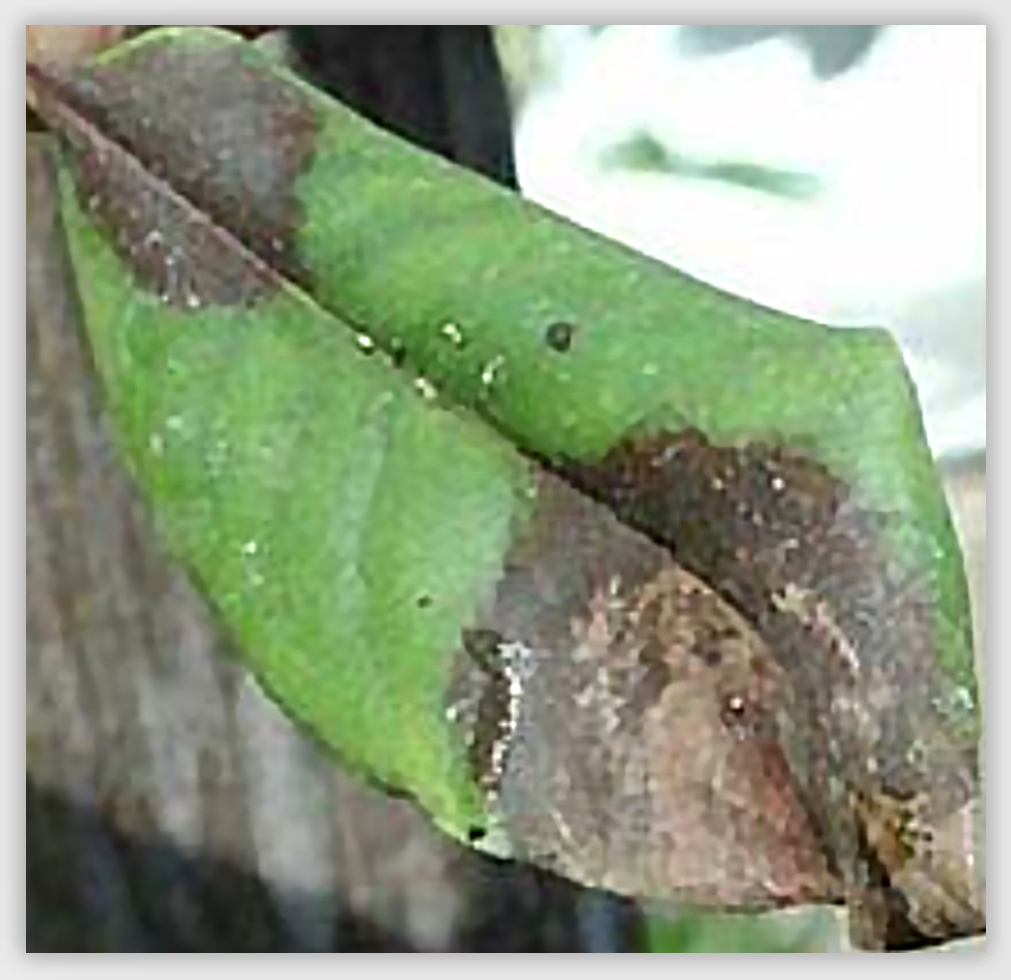 Rockford, Illinois, Register Star, July 2, 2019: Pathogen that kills oak trees found in Freeport
A pathogen that has ravaged large tracts of oak trees and native plant species in Oregon, California and Europe has been discovered in Stephenson County. The pathogen causes Sudden Oak Death, a disease that fatally infects the trunk of oak trees and non-lethally affects other types of trees. It’s been confirmed in ornamental plants at 10 Walmart locations across the state, including Freeport, according to a news release from the Illinois Department of Agriculture. “The pathogen, Phyopthera ramorum, can cause both a blight and sudden death, depending on the host,” Diane Plewa, diagnostician at the University of Illinois Plant Clinic, said in the release. “Because (the pathogen) has only been detected on non-oak hosts, the disease Ramorum blight has been confirmed in Illinois but not the disease Sudden Oak Death. Currently, there is no evidence that any oak trees in Illinois are infected at this point.” Department of Agriculture staff members began testing plants in late May, and a number of varieties of rhododendrons and lilacs have since been confirmed as carriers of the disease, though the disease can infect more than 100 different plant species. Plants that are confirmed carriers are being kept by the Illinois Department of Agriculture for later disposal, or have been destroyed on site…
DeKalb County officials have ordered a Michigan-based developer to stop work on a 100-acre lot off Moreland Avenue, where they say thousands of trees were cut down without the proper permits. Channel 2 Action News reported that earlier this year, the county alerted property owner Crown Enterprises to several possible environmental law violations. DeKalb’s Department of Planning and Sustainability warned of fines of up to $2,500 per day, and showed photos of illegal tree harvesting. “I can’t understand, number one, how a company could have so little regard for the environment and so little regard for the law,” Carol Hayes, the elected district supervisor for DeKalb Soil and Water Conservation, told Channel 2. She said Crown did not have permission or permits to disturb more than 50 acres on the site, which is near the South River in southern DeKalb County…
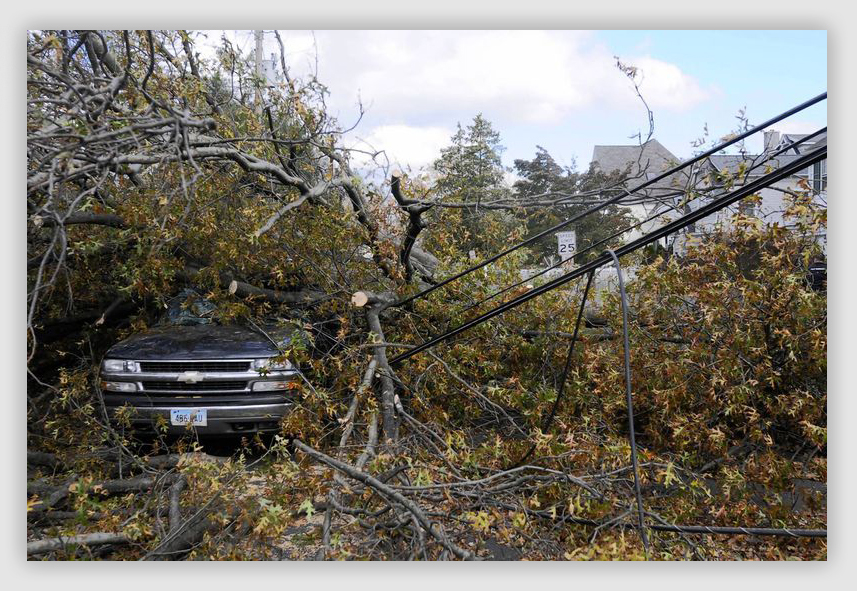 Hartford, Connecticut, Courant, July 1, 2019: Man killed by falling tree limb in Fairfield
Fairfield Police said a man is dead after a tree limb fell on his vehicle Sunday afternoon. David L. Schmerzler, 54, of Fairfield was struck by the falling limb just after 2 p.m. as he, his wife and daughter were driving down Sturges Highway. Police said a large tree limb from a Sassafrass tree landed on the vehicle. Police said Schmerzler was unconscious when they arrived on scene and transported to Norwalk Hospital. He was pronounced dead at Norwalk Hospital at 3:18 p.m. Schmerzler’s wife, Donna, sustained minor injuries. It is believed that the tree limb broke off as a result of strong winds Sunday afternoon. Over the weekend, two days of powerful thunderstorms pummeled southern Connecticut downing trees and power lines. The damage at Sherwood Island State Park in Westport was so extensive that state officials were forced to close the popular park Sunday for repairs…
The temperature was flirting with triple digits when Rob Johnson pulled into a parking spot about as far from the front of the Lowe’s store as a customer could get. Johnson didn’t mind the walk to the front door of the home improvement store at College Center in east Bakersfield. Finding a well-shaded parking spot was easily worth the inconvenience. “When you park in the sun, the car’s like an oven when you get back in it,” he said. “I look for shade. Every time.” At River Run Plaza at Coffee Road and Olive Drive, Kulwant Singh Sangha used the same strategy. He parked beneath a tree with a healthy shade canopy, even though it was in mid-lot, a bit of a walk to the Albertson’s. “I see people parking $100,000 cars in the sun. I like the shade,” he said. It’s a dance that’s played out in parking lots all over Bakersfield during the scorching summer months. The shaded spots are like gold, and some shoppers will cruise until they find one. Unfortunately, large shade trees are too often a rare luxury in the city’s myriad commercial parking lots…
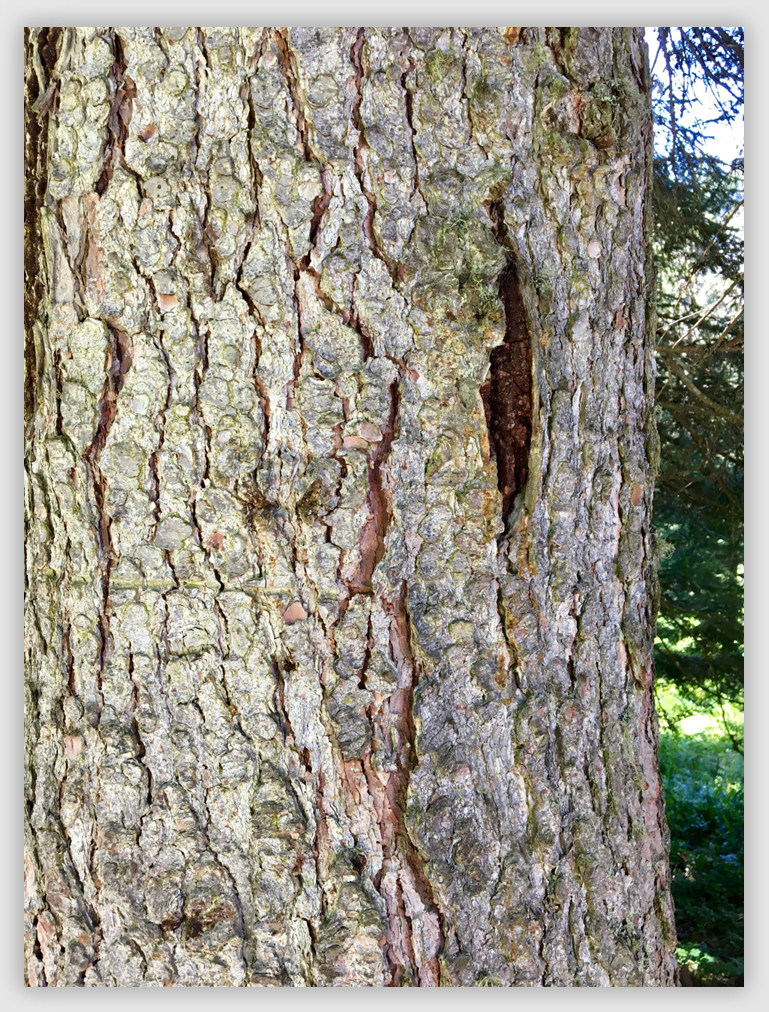
Q: I have a small, 4-foot-tall maple in my yard that has a crack in the bark on the southwest side. The crack is vertical and at least 8 inches long. Do I cover this crack with paint or pruning sealer to prevent an infection? Some of the bark appears to be loose. I do not think the crack was there in the fall. What caused it? Can I prevent more cracks in the future?
A: Cracks on young trees with thin, smooth bark are common. If what you say is correct, the crack happened over the winter. Extreme cold weather makes the bark and wood in the trunk contract. Then sun warms the south, west or southwest side of the tree and the bark expands before the wood underneath. The bark is ripped away from the contracted wood, but the damage doesn’t appear until the trunk grows in circumference. Now, you’ve got a crack. In most cases, damage is not severe. The phloem and xylem that transport moisture and nutrients up and down the tree run vertically. If the crack ran horizontally, it would be devastating. Trees do not get infections, but moisture and insects can collect under the bark can, to the detriment of the tree…
For the humans, some of the foliage growing among the trees in Loomis Park are invasive species that shouldn’t be there. For the herd of goats grazing there, that foliage is lunch, dinner, breakfast and snacks. The Hungry Herd, owned by Doug Bartels, of Lytton, made its first appearance at the park along the Des Moines River last year. This year, there are 33 goats including nine kids. Last year’s herd was 68 goats including 16 kids. Lori Branderhorst, Fort Dodge’s director of parks, recreation and forestry, said the goats are a great way to get an area cleared out economically and environmentally. “It’s $2.75 per head per day,” she said. “It’s a pretty economical way to get work done. It’s pretty much a non-budget project…”
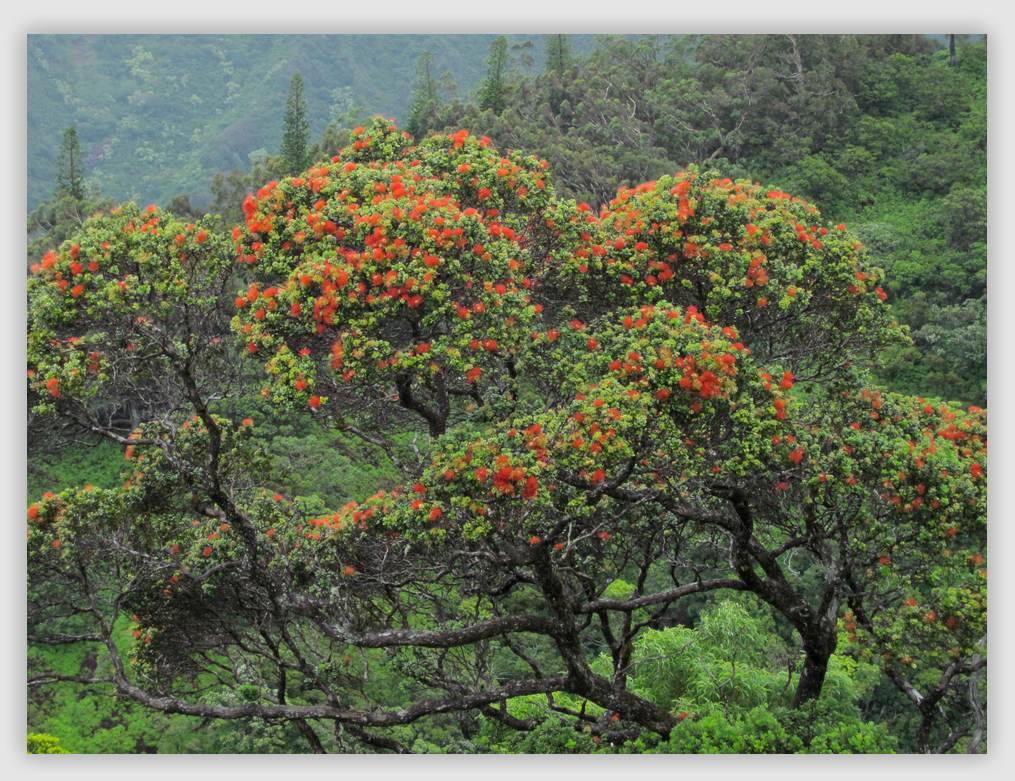
A deadly fungus threatens one of Hawaii’s most beloved and important species, the ʻōhiʻa tree, and those believed responsible for introducing the threat to the tree in the first place are now being asked to help save it — tourists. The native ʻōhiʻa is sacred to Hawaiians as a cultural touchstone and ecological underpinning for the state’s lush forests and abundant wildlife. The flowering evergreens that can tower to 85 feet comprise 80 percent of the state’s canopy, covering 1 million acres, and its nectar sustains birds and insects found nowhere else on Earth. Now, public agencies and private citizens are trying to avoid biological and economic catastrophe by proclaiming war against a deadly fungal disease coined “rapid ʻōhiʻa death,” or ROD, that is swiftly destroying the trees. What’s more, invasive species like the miconia tree, native to North and South America and called the “green cancer” of Hawaii’s forests, are choking out the ʻōhiʻa…
Chicago, Illinois, Tribune, June 29, 2019: Don’t pile it on when mulching around a tree
To help a tree or shrub, spread mulch over its roots the right way — as a layer, not a mountain. “All too often, you see mulch heaped up around a tree’s trunk,” said Sharon Yiesla, plant knowledge specialist at The Morton Arboretum in Lisle. “It looks sort of like a volcano. And it’s bad news for the tree.” The heaped-up mulch makes the tree’s bark vulnerable to insects, diseases, burrowing rodents and rot. Bark may look tough, but it can easily be damaged. If the bark is penetrated, disease-carrying organisms can enter the tree. “A pile of mulch traps moisture and creates perfect conditions for pests and pathogens,” Yiesla said. Small animals can burrow through it to chew the bark. Too-deep mulch also can block oxygen and water from getting into the soil to reach the plant’s roots. Unfortunately, “volcano mulching” is very common, even in some professionally tended landscapes. “Homeowners see it everywhere, so they may assume it’s the right way to mulch,” she said. “It’s not…”
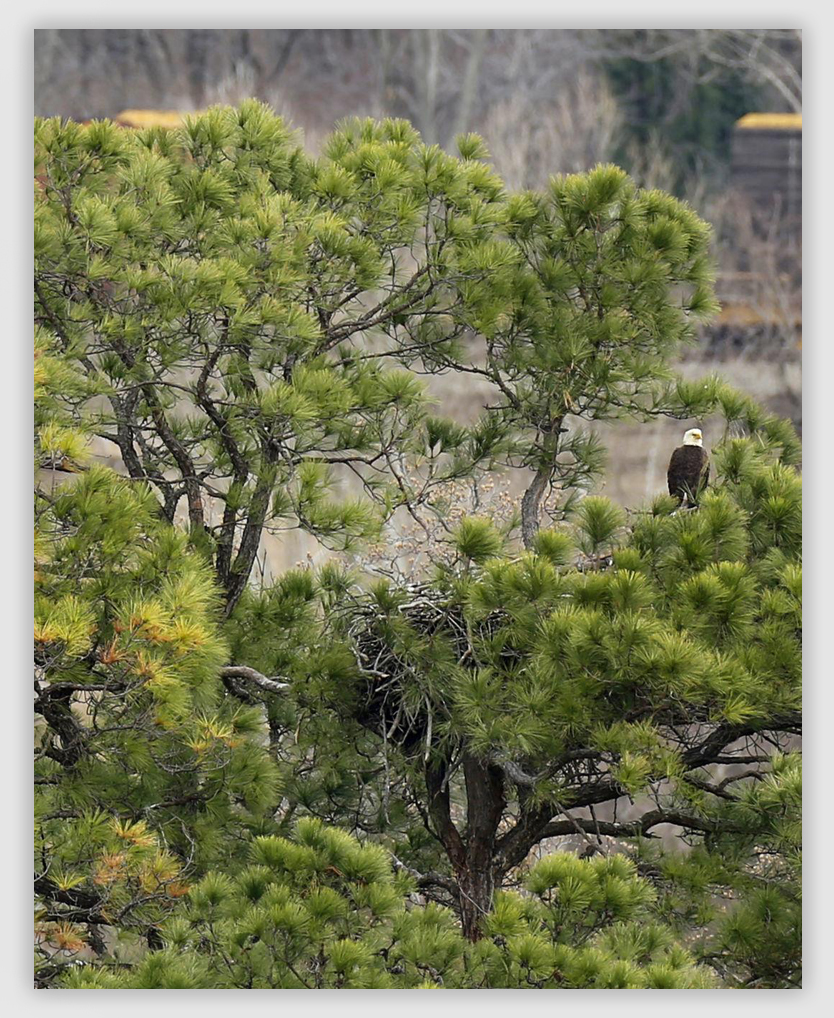
A Mechanicsville man who cut down a tree with an eagle’s nest in it last year pleaded guilty in federal court Friday to a misdemeanor charge of taking a bald eagle nest. Edwin A. Mills, 63, was fined $1,000 by U.S. Magistrate Judge Roderick C. Young, a punishment recommended by both the government and Mills’ lawyer. The maximum punishment is one year in jail and a $5,000 fine. Details were not available, but Mills’ lawyer, Robert A. Peay, said the tree was located on private property on a Mills’ family farm near the 160-acre Hollyfield Solar facility in King William County. Peay said Mills was concerned for the safety of two small dogs owned by his daughter, who was living on the property last year…
Q: Our community has many large, mature and beautiful trees, one of which is on my property, but has now died. The association denied my request to remove the tree, even though I received a report from a professional that the tree was dead. With it being hurricane season, I am worried that a strong storm will cause the tree to fall on my villa. Does the board need membership approval to remove a dead tree within my property line? S.B., Naples
A: It would be very unusual for the governing documents to require membership approval to remove a tree. There is no law that requires membership approval to remove a tree. Moreover, if you are in a condominium, the Division of Condominiums gives boards broad latitude to alter landscaping without approval of the membership. In this case, if you have not already done so I would suggest that you provide the report regarding the tree to the association and request that they either remove the tree or give you permission to remove it. If they fail to do either and the compromised tree does fall and damage your home, the association could be deemed negligent for failing to correct the problem. Also, keep in mind some counties require a permit to remove trees, so you should check with your county on that issue…
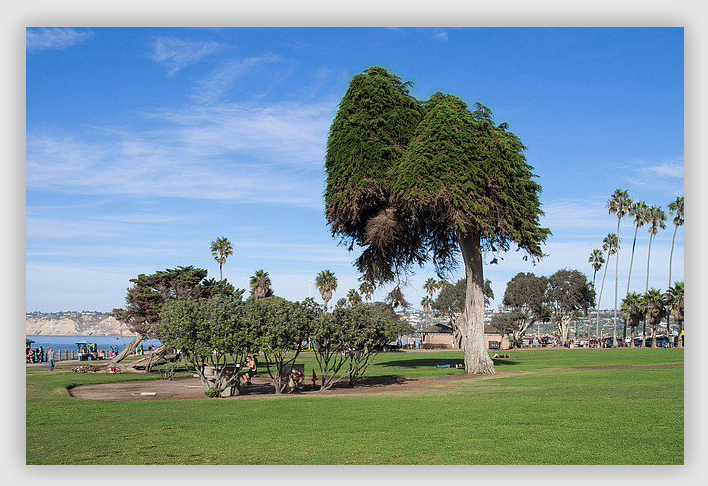 San Diego, California, San Diego Reader, June 26, 2019: San Diego’s unsupervised tree trimming
The ungraceful demise of La Jolla’s semi-famous Lorax Tree may be only the beginning. San Diego’s urban forest has grown increasingly unruly, and much of the blame lies with not knowing what’s going on among the branches at the top of the city’s organization tree, says a new audit. “According to the most recent estimate of the street tree inventory, there are over 200,000 street trees in the public right-of-way,” per a May 31 report by interim city auditor Kyle Elser. “Just over 20 percent of the street trees are some type of palm tree, and the other 80 percent are considered shade trees.” Vested with the responsibility of taking care of most of that greenery is the Urban Forestry team of the city’s Street Division, with an annual goal of trimming 44,000 trees by way of a $2.4 million outsourcing contract. But the city “does not have sufficient contract administration to provide assurance that the vendor responsible for tree maintenance is meeting contractual obligations.” In addition, “invoice documentation provided by the Contractor for palm trees does not provide sufficient documentation of work performed to determine whether tree maintenance was billed at the correct rate…”
Washington, D.C., Post, June 27, 2019: Woman killed by falling oak tree limb in South Arlington park
A falling oak tree limb struck and killed a woman Thursday afternoon as she walked along a path in a South Arlington park, county officials said. The limb fell from an 80-foot tree in the Lucky Run Park, a narrow wooded stretch that runs alongside South Walter Reed Drive near Route 7. Firefighters responded to the scene about 1:45 p.m. and took the woman to a hospital, where she was pronounced dead, authorities said in a statement. Officials did not release the woman’s name. “Arlington County is heartbroken that a community member was struck by a falling tree limb in a park this afternoon. Our condolences and thoughts are with the family,” the statement said. The path is surrounded by residential properties and connects to a network of paved paths frequented by walkers, runners and bikers…
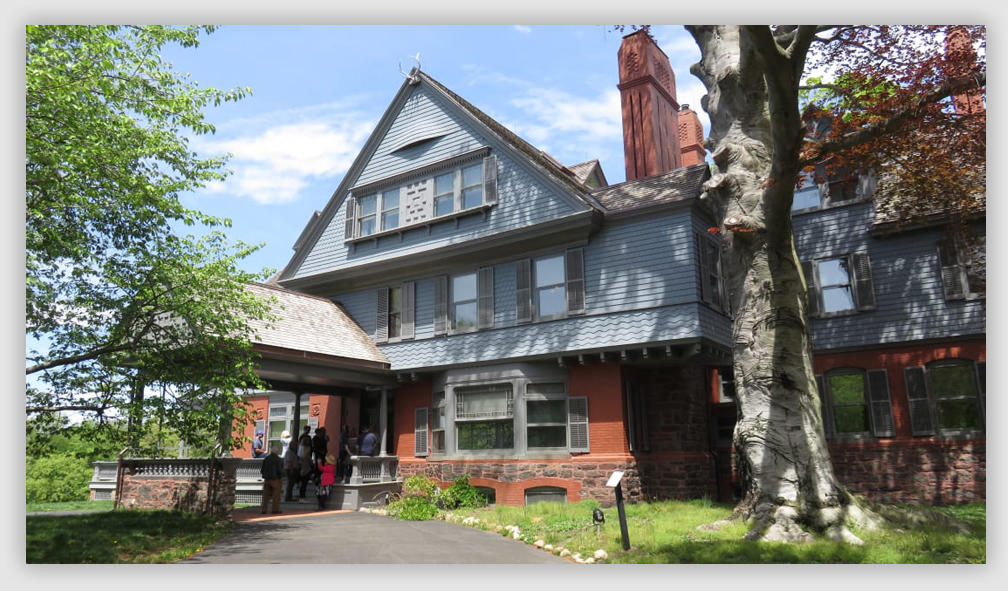
Sagamore Hill, the former home of Theodore Roosevelt and a current property of the U.S. National Park System, contains many of the game trophies the president hunted and collected during his lifetime. Until recently, it was also home to a living reminder of Roosevelt’s love for nature: A giant copper beech tree he planted at the estate in the 1890s. As CBS New York reports, the tree has been chopped down after developing a fungal disease. Located on Long Island, New York, Sagamore Hill was Roosevelt’s home from 1885 until his death in 1919. He spent summers there with his family during his presidency, which earned it the nickname the “summer White House.” In 1894, Roosevelt planted a copper beech tree near the entrance of the Queen Anne-style home. It was a small reflection of his dedication to environmentalism: As president, he would set aside 200 million acres of land for national forests and wildlife refuges. Today Sagamore Hill is a National Historic Site, and Roosevelt’s tree had recently started posing a threat to visitors. Aged 125 years and diseased, the tree was approaching the end of its life, so site officials made the decision to take it apart branch by branch and remove it from the property…
Phys.org, June 27, 2019: Trees for water quality credits
The more naturally verdant an area is, the more likely it will contribute to the general health of the habitats and the organisms in and around it. Sometimes, though, tracing these qualities to specific benefits can be a challenge. However, in a study published in the journal PLOS ONE, Arturo Keller, a professor of environmental biogeochemistry at UC Santa Barbara, presents a hard link between reforestation of marginal, degraded or abandoned agricultural land and significant benefits in water quality. This relationship, he argues, lends itself toward a program that incentivizes facilities that discharge pollutants, and local farmers to plant trees for water quality credits. “While we have intuitively known that reforestation can be a very positive action, to date, determining how much bang for your buck you can get in terms of water quality has not been reliably quantified,” said Keller, the study’s lead author and a faculty member in the Bren School of Environmental Science & Management. “Here we present an approach for identifying areas where reforestation will be most effective for improving water quality, using a widely available USDA model and data sets that anyone can access.” For this study, Keller and co-author Jessica Fox, from the Electric Power Research Institute (EPRI), focused on a section of America’s bread basket—the Ohio River Basin, more than a third of which is engaged in agriculture, and a water source for millions of people…
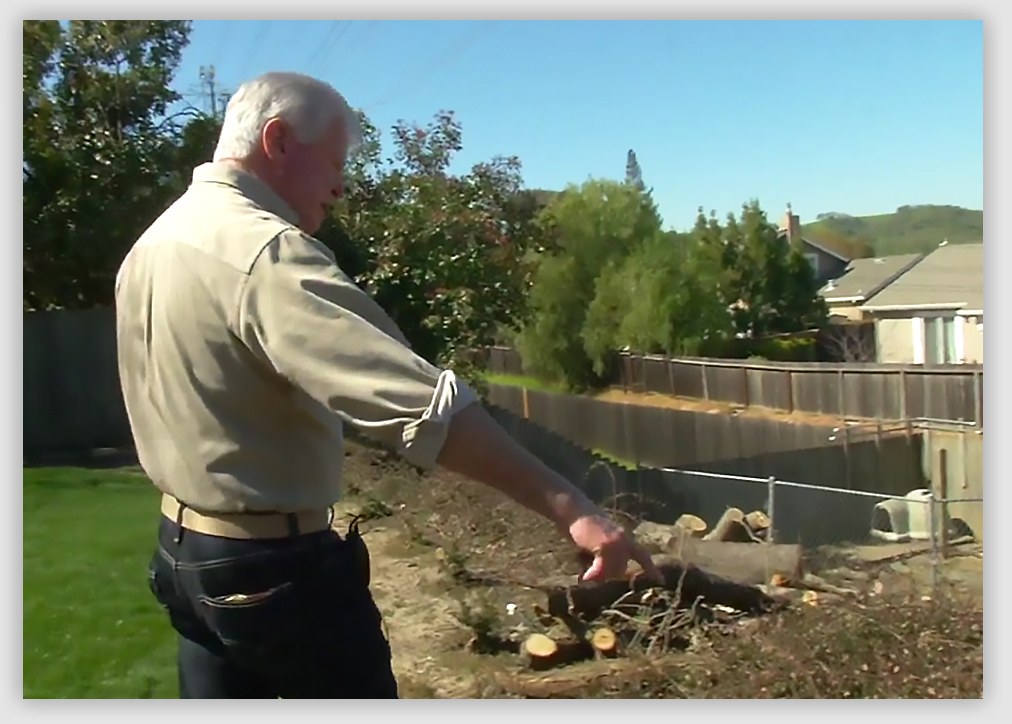
A Pleasant Hill man is outraged after he says a PG&E crew lead him to believe they were entering his yard to trim his trees to keep them safely away from power lines. He was shocked to later discover they had cut two trees down. Was this a case of miscommunication, or a major mishap on the part of the utility? Patrick Alexander walked toward the area where his two 70-year-old blue oak trees once stood. A stump is the only evidence of one of those trees. What’s left of the other tree is buried under debris. “Here’s where my grandchildren had swings. Here’s where my great-grandchildren had swings. Here’s where my wife and I sat under the tree,” said Alexander. PG&E power lines hang over his backyard in Pleasant Hill. The utility had determined Alexander’s tree were coming too close to the power lines and wanted to take action as part of its fire mitigation efforts. They came to his home back in February, unannounced. “I told them I first wanted to have my arborist come out – and satisfy me,” said Alexander. He said PG&E agreed to wait before cutting back his trees, but the next day a crew returned. “They let themselves in my gate and they were up cutting the tree,” Alexander said. Alexander stopped them, informing them he had an agreement that the utility would wait to give him time to talk to his tree expert…
Tree canopies in Nashville neighborhoods are pretty, but there is one big problem: strong winds could take the trees down and bring power lines with them. NES crews were called to a home in a deeply wooded area of Green Hills with a mature tree was hanging on a power line. What was preventing that tree from falling down — taking a power line and transformer with it — was another tree. It demonstrates the problem NES faces every time powerful storms blow through the Midstate. Tad Thompson is a supervisory lineman for NES. Thompson and an army of lineman hold their breath when a storm hits; you can almost count on a tree going down on a power line. “It’s gonna [sic] be a continual problem. I don’t know if we’ll be able to clear every tree from every power line,” Thompson said. When NES tree contractors come through a neighborhood, they are often met by angry homeowners who don’t want their mature trees trimmed or cut down. However, since the trees are often close to power lines, they have to come down, or else it could spell more power problems. “If this tree gives way, it’s gonna bring the line down, break a power pole, and transformer, and that’s more time with power outages,” said Thompson…
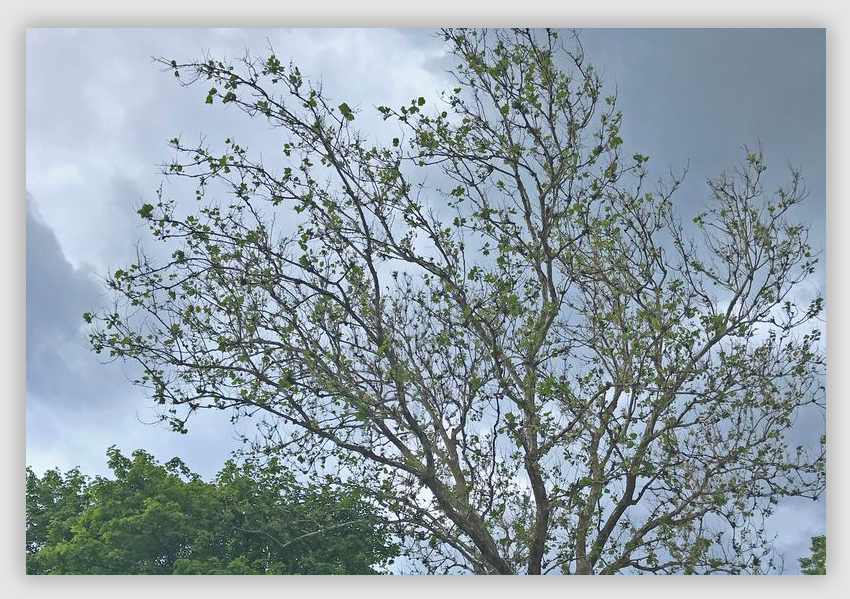 Chicago, Illinois, Tribune, June 26, 2019: Sycamore trees dropping leaves likely have anthracnose
Q: My sycamore trees look absolutely terrible, with very few leaves growing yet — they seem to have been dropping off over the last few weeks, making a mess in the garden. Is there something that I can do to help these trees? I do not remember them being affected so much in past years.
A: Your sycamores are most likely infected with anthracnose, a common disease present in Illinois each spring. Anthracnose is a foliar disease caused by several species of fungi with spores that infect newly emerging leaves of susceptible species, such as sycamores, maples, elms and oaks. The intensity and duration of each year’s infection depends on weather conditions. The disease, which becomes active in spring, can be very bad when cool, wet spring weather persists, as it has this year. The soft, new growth during the two weeks after buds begin opening is most susceptible to infection. The unseasonably cool temperatures this year slowed the growth down and extended this vulnerable period of time. Then the continued cool and wet weather has allowed for secondary leaf infection. Older leaves, drier conditions and warm temperatures restrict disease development…
Rye, New York, Patch, June 26, 2019: Con Ed Removing Rye Homeowners’ Hazardous Trees
The 2019 hurricane season began June. 1. And Con Edison officials are flashing back to the long, cold power outages from the severe back-to-back snow storms in March of 2018. “With hurricane season underway, Con Edison is expanding its efforts to partner with Westchester homeowners in a pilot program to identify and remove damaged and diseased trees on their property that could threaten power lines during storms,” officials of the utility company said Tuesday. Some Rye homeowners are part of the project. The impetus? Those two storms in March 2018 caused outages for more than 155,000 Westchester County Con Ed customers, many of them for many days. (Many Westchester residents in the northeastern corner of the county also suffered power outages — they were customers of NYSEG.) The storms also resulted in the largest restoration effort in Con Ed’s history after Superstorm Sandy, company officials said…

An invasive, plant-hopping pest that hitches rides on trucks and other vehicles is spreading along busy transportation corridors in the mid-Atlantic region, threatening billions of dollars worth of commodities including grapes, hops and hardwood. Truckers are being drawn into the fight to contain the spotted lanternfly as temperatures warm, spurring hatched eggs to develop into red-and-black winged adults. Carriers picking up or delivering freight in quarantined parts of Pennsylvania, New Jersey, Delaware and Virginia are being required to get permits certifying they have been trained to recognize and eliminate the insect, and in some cases could be fined for not meeting the demands. While quarantines have been imposed to contain the spread of other pests, regulators say the spotted lanternfly poses a unique threat. Native to China, it feeds on a range of crops, weakening plants and excreting a sticky residue called honeydew that draws other insects and promotes the growth of sooty mold that can damage trees…
An eleven-year-old Girl Scout died after a tree fell on her at Camp Koch Monday morning. Girl Scouts of Southwest Indiana released a statement Monday night about the incident. “There is nothing we take more seriously than the safety and well-being of our girls and volunteers,” according to the release to media. “We have closed Camp Koch while we work with our camp officials, as well as local law enforcement, to investigate the incident and will release more information as available and appropriate. During this difficult time, the entire Girl Scout family mourns the loss of one of our girls, and we ask for privacy for the individuals and their families as they grieve and mourn this tragic loss.” Central Dispatch received a call around 11:30 a.m. that a tree had fallen on campers. Several other campers and volunteers were injured as well, according to the statement. In total, two juvenile and two adults were victims of the incidents, Perry County Sheriff Alan Malone said. Perry County Sheriff Alan Malone said all four victims were taken to various hospitals with unknown injuries…
Phys.org, June 24, 2019: Trees’ water-use strategies can intensify droughts
Nature, said Ralph Waldo Emerson, is no spendthrift. Unfortunately, he was wrong. New research led by University of Utah biologists William Anderegg, Anna Trugman and David Bowling find that some plants and trees are prolific spendthrifts in drought conditions—”spending” precious soil water to cool themselves and, in the process, making droughts more intense. The findings are published in Proceedings of the National Academy of Sciences. “We show that the actual physiology of the plants matters,” Anderegg says. “How trees take up, transport and evaporate water can influence societally important extreme events, like severe droughts, that can affect people and cities.” Anderegg studies how tree traits affect how well forests can handle hot and dry conditions. Some plants and trees, he’s found, possess an internal plumbing system that slows down the movement of water, helping the plants to minimize water loss when it’s hot and dry. But other plants have a system more suited for transporting large quantities of water vapor into the air—larger openings on leaves, more capacity to move water within the organism. Anderegg’s past work has looked at how those traits determine how well trees and forests can weather droughts. But this study asks a different question: How do those traits affect the drought itself?
Houston, Texas, Chronicle, June 24, 2019: Man dies after tree falls on his boat in southern Missouri
A 22-year-old southern Missouri man drowned after a tree fell on him while he was on the Current River. The Missouri State Highway Patrol says Levi Mayberry died Friday when the tree hit a boat he was on about 10 miles (16.09 kilometers) north of Van Buren. He is listed on the report as the driver of the boat. Two other people from Van Buren were taken to a hospital for treatment of moderate injuries. Carter County Coroner Eric McSpadden pronounced Mayberry dead Friday evening. The coroner said the accident occurred when storms with strong winds were blowing through the area…
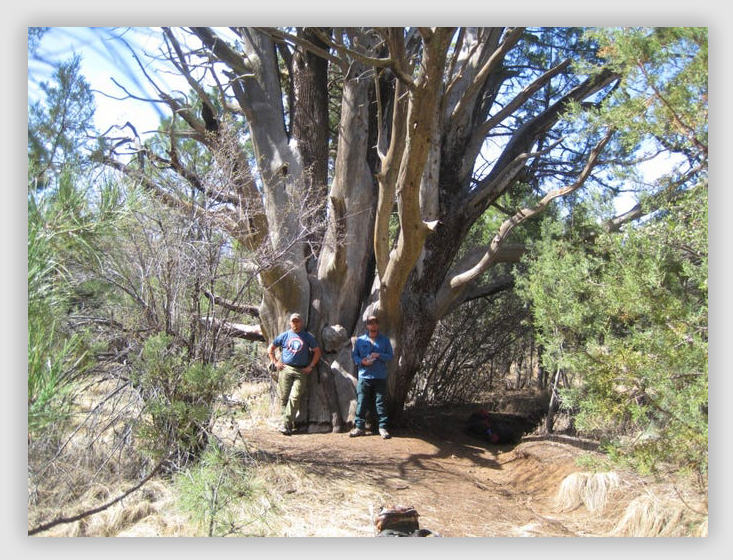
Medusa. Mother. El Viejo. This ancient tree in the Tonto National Forest has gone by many names. Its exact age isn’t known, but experts with the Tonto National Forest estimate it is between 600 and 1,000 years old. The Medusa Mother Tree, an alligator juniper named for the flakiness of its bark, has survived many fires in its lifetime, signified by the scars on its branches. This week, firefighters worked to make sure the Woodbury Fire, which has now burned almost 80,000 acres in the Superstition Wilderness, didn’t cut its life short. “They did take extra efforts to put some protection measures in place in the area, and they think that was successful,” said Kay Beall, a fire information officer. The tree sits approximately 4,900 feet into the Superstition Wilderness in a wide, flat valley near Reavis Ranch, according to the Tonto National Forest. Reavis Ranch was named after Elisha Reavis, better known as the Hermit of the Superstition Mountains…
The 13-year old boy killed on a camping expedition by a falling tree shouted to warn his friends just before he was struck, his father said Sunday. Graham Caverhill said police have told him his son, Tai, managed to yell out a warning to his friends just before the tree came down on him. “I console myself that it’s tragic, but there is nobody to blame because the boys were just being boys out doing what boys should be doing,” said Caverhill.“They were in the woods, exploring and having a great time. They weren’t sitting at home on their phones,” he said. “Tai was with his friends and he yelled out to help them,” he said. Tai Caverhill, a Grade 8 student at Lansdowne Middle School, died on Thursday during a three-day school outing to Camp Barnard near Sooke. Gusting winds are suspected of knocking over a tree, pinning him. When emergency workers arrived they found him not breathing. Despite resuscitation attempts Tai was pronounced dead at the scene…
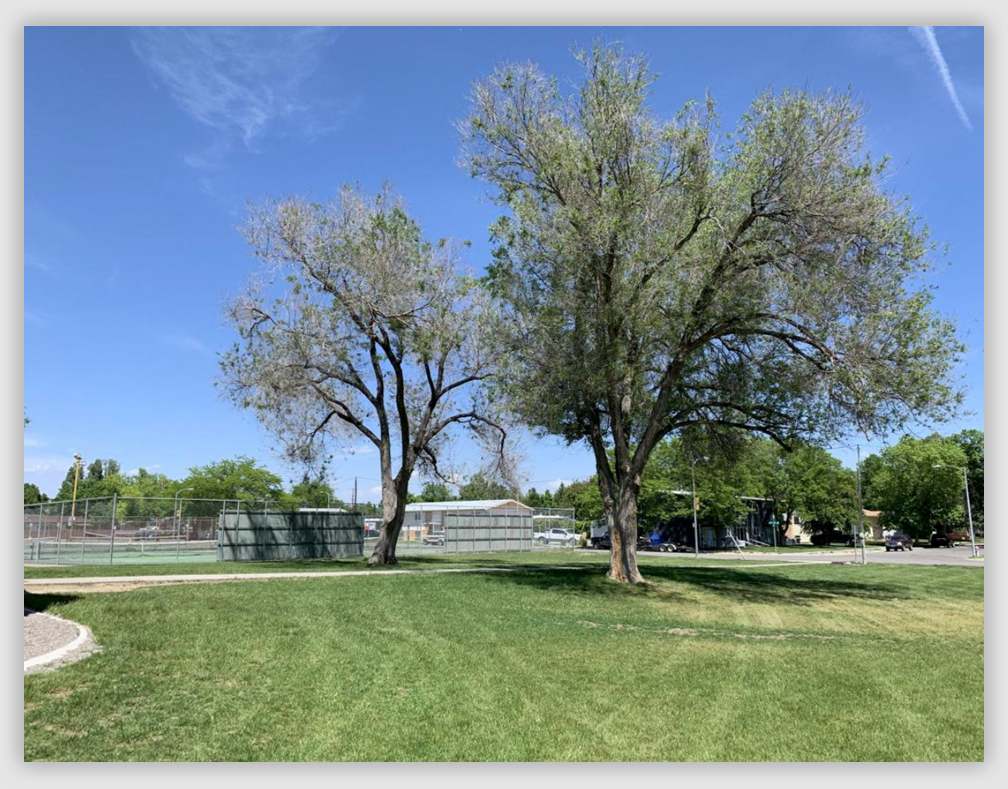
It was a hard winter for the trees, too. In particular the Siberian elms around Billings are struggling to bounce back after a winter that saw extended sub-zero temperatures, and before that, a particularly dry fall. “A lot of them got knocked back pretty hard,” said Steve McConnell, city forester for Billings. “You’d think a tree with Siberian in its name would do a little better.” The worst cold snap of the winter hit in February, which went on to become the second coldest February on record for Billings. And it hit fast. The high on Feb. 2 was 52. The high on Feb. 4 was 3 below. In fact, February saw 19 days of below-zero temperatures — sometimes down into double digits. On six of those days the high never rose above zero. It was so cold that the sub-zero temperatures stretched into the first five days of March. Before that, Billings had a warm, dry fall, which left the Siberian elms a little weaker than they normally would have been going into the winter…
Using satellite imagery and infrared cameras, American University scientists are researching which tree species are the best at cooling us off. “Trees are our natural air conditioning system,” said Professor Mike Alonzo, who leads the AU research team. The findings will help determine which trees hold the most water and keep their leaves the longest in a downtown environment, where miles of sidewalk bake in the sun amidst rising global temperatures. “But then you have to think, all of the people coming in every day to be in the city are experiencing massive amounts of heat, and with our climate getting warmer, you’re gonna have more heat exhaustion, more heat stroke and a lot of potential health issues,” said Dr. Jessica Sanders, an urban forestry researcher at Casey Trees, a nonprofit aiming to protect trees in the District. AU researchers are taking measurements in city parks and using satellite imagery to assess which trees should be planted where. “We want trees that are gonna be robust to the hot, noisy, chaotic environment in which they live,” Alonzo said…
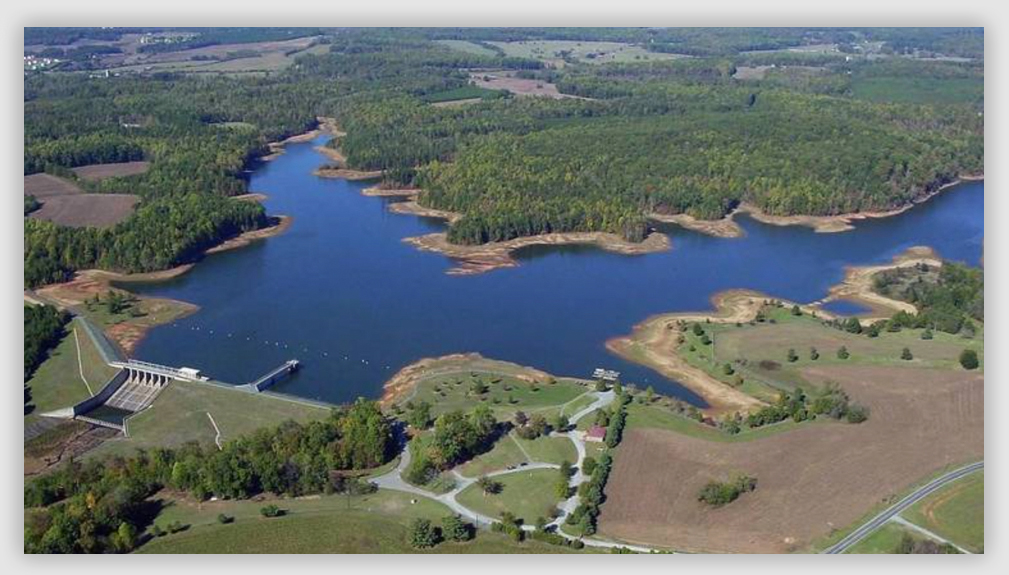
Conserving vast acres of forestland has helped OWASA provide Chapel Hill and Carrboro with decades of clean drinking water, while keeping plant and wildlife habitats intact. So when the Orange Water and Sewer Authority announced it was going to thin, clear-cut or burn roughly 1,900 acres of forest in 2010, hundreds of rural Orange County residents forced the utility to hit the brakes. Many were already wary of the nonprofit utility, which owns roughly 3,700 acres in Orange County, including 2,400 acres of forestland and three current or future drinking water reservoirs. The rocky relationship stretches back to the early 1980s, when farmland and properties were taken — under threat and one by eminent domain — and flooded to build the 500-acre Cane Creek Reservoir. Critics of the forestry management plan wondered why OWASA would risk water quality by bringing in heavy equipment and herbicide. They suspected the real reason was the money that lay in harvesting the timber…
A tree trimmer was rescued Thursday evening in San Marcos after becoming stuck in a 60-foot-tall palm tree for over an hour. The man became pinned between the tree trunk and his safety lines when the crown of the tree he was trimming fell on him. He was bent backward and trapped until firefighters were able to get a ladder truck to him and pull the 100-pound crown of the tree off him. SDGE was asked to remove power lines to allow the large ladder truck to get close enough to rescue the man. The tree trimmer, who is believed to be 61-years-old, was transported to Palomar Hospital’s trauma center and is expected to fully recover…
Tammy Layton planted the Bradford pear tree on her Clark Avenue treelawn 19 years ago to honor her deceased parents. Last month, construction crews with the Ohio Department of Transportation (ODOT) were cutting down trees on the south side of Clark between W. 25th and Quigley to make way for a new water main as part of a larger streetscape improvement project. Layton made the local news when she hugged her tree and threatened to tie herself to it to prevent its destruction. “This is a perfectly healthy tree,” she told Fox 8. “They can just trim it. There’s no reason to cut it down.” She was assured by ODOT that a city arborist would inspect the tree to determine whether or not it could be saved. At issue, evidently, were the tree’s roots. To make way for the water lines, ODOT said it would have to hack away below ground, and the damage to the roots could destabilize the tree and cause it to topple. As of Tuesday evening, the tree was still standing. But according to ODOT, an arborist with the City of Cleveland has inspected the tree and informed Tammy Layton that it will have to go…
Pointed questions from former Savannah City Manager Michael Brown turned what might have been a sedate meeting about tree policy into a more spirited discussion about civic priorities. Held at the Massie Heritage Center and organized by the Friends of Massie, Wednesday evening’s panel “A Conversation About Trees” featured Gordon Denney, City of Savannah Greenscapes Department Director; Paul Daniels, board chair of the Savannah Tree Foundation; and Philip Perrone, member of the Savannah Park and Tree Commission citizen board. Denney received the bulk of audience questions as well as the most direct questioning from Brown, who left Savannah city government in 2010 and was in the audience as a member of the public. Brown asked Denny how many diseased or unwanted trees are currently being removed by the City each year. “We’re looking at 900 to a thousand,” Denney replied…
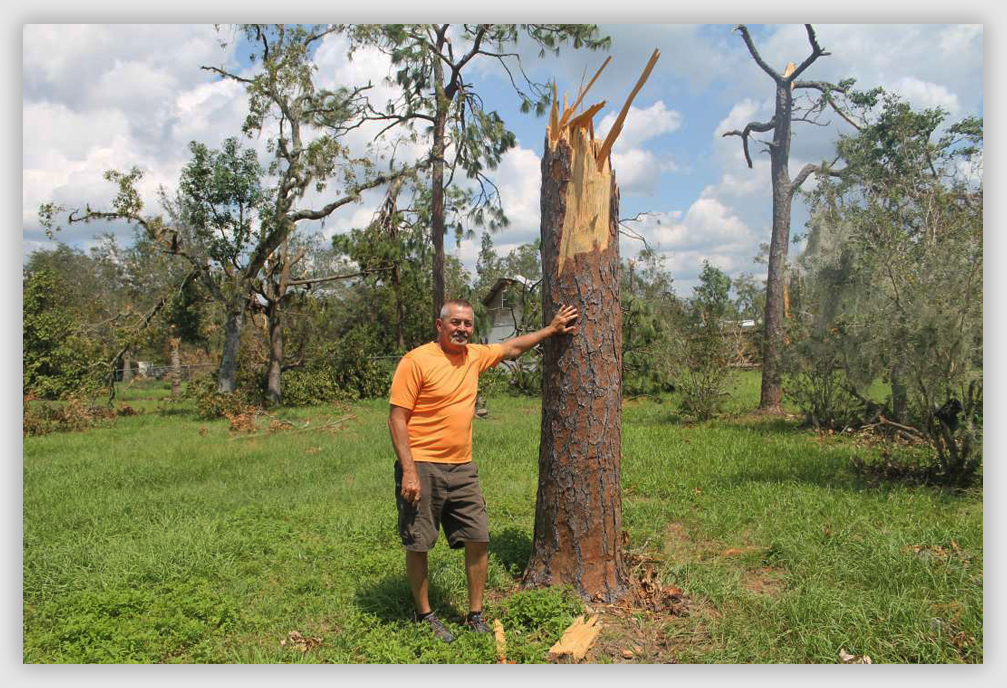 Orlando, Florida, WMFE Radio, June 19, 2019: Tree-removal bill could change the look of The Villages
A bill on Governor Ron DeSantis’s desk could give residents of the Villages more power to cut down trees on their property. Residents who want to remove a tree bigger than four inches in diameter have to apply to the Architectural Review committee to get it removed. The bill would change that. According to the Villages news dot com, the bill came about after a resident was seriously injured when her golf cart hit a rope that was being used to remove a tree. Neither the homeowner, nor the company removing the tree had the proper permits for the extraction. If Governor DeSantis signs the bill, residents will only have to consult an arborist, or tree surgeon, before removing a tree…
Brian Fitts has lived in his home for more than a dozen years. The Greensboro house is one of many surrounded by trees on Wilshire Drive. It’s impossible to drive the neighborhood without being smothered in shade by the giant trees. One of those trees is now causing a bit of unrest for Fitts, “It’s a monster,” said Fitts. The massive tree sits in the backyard about 15 feet from the house, “To be honest I like the tree it provides shade, so my air conditioner doesn’t have to run all day,” said Fitts. The concern Fitts has deals with Duke Energy and the pruning of the tree, “I feel like they should have a hand in how we resolve this threat,” said Fitts. The tree has been consistently pruned on one side for years to insure power lines are not impacted. Branches on the side of the tree that would hang over the lines are pruned when needed to insure they don’t hang over the lines and cause a more serious issue, “I understand what they (Duke Energy) are doing but it’s dangerous to my home,” said Fitts…
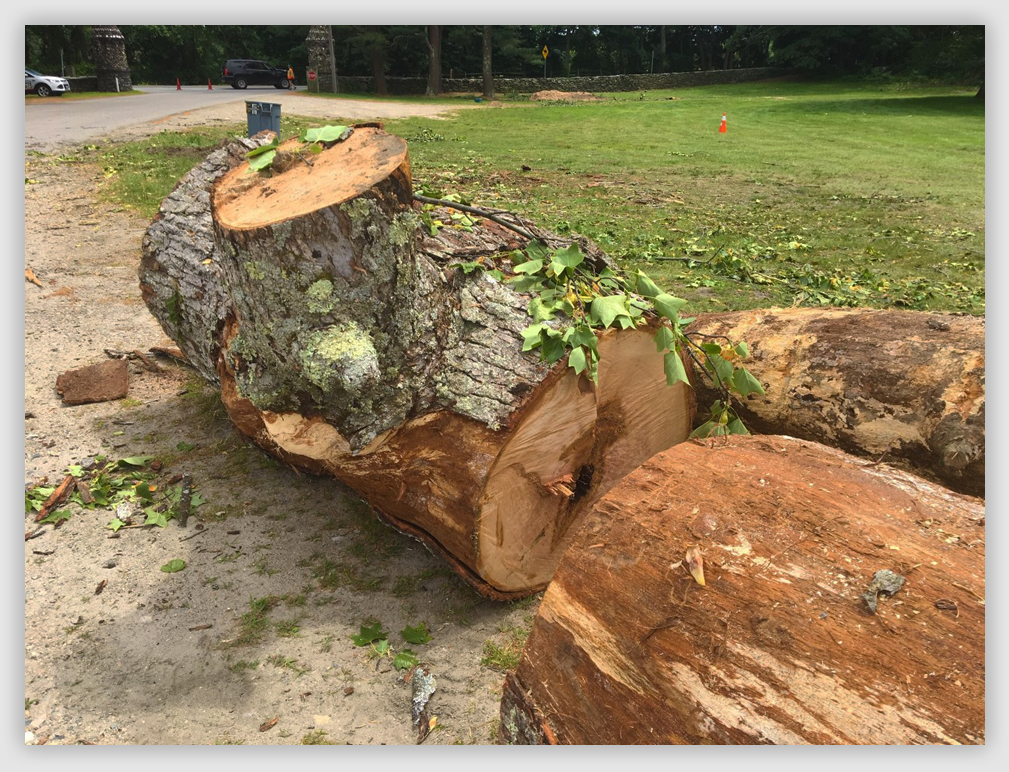 Providence, Rhode Island, WPRI-TV, June 19, 2019: Hazardous trees at Goddard Park to be removed
The Rhode Island Department of Environmental Management is scheduled to remove several dead, decaying and hazardous trees at Goddard Memorial State Park in Warwick Monday, according to officials. Officials say DEM is taking important steps to ensure the safety and well being of park visitors. A self-described “tree lover who appreciates all that trees do to make our lives better,” DEM Director Janet Coit said even removing trees that “have lived well past their expected age span – and their structural integrity – brings pain.” Coit added, “we are removing these trees, however, because they are a threat to public safety. I want to assure the public and frequent visitors to Goddard Memorial State Park that DEM will work closely with the Rhode Island Historical Preservation and Heritage Commission in developing a plan to re-vegetate the Mansion field area.” A declining maple near the porta potties and a beech with a history of breakage are also included in the trees scheduled to be removed, officials say…
It’s called The Emerald City. But Seattle is down to its last big trees. Two of them live on Eleanor Owen’s parking strip. “The tree was probably planted in 1908. And I was born in 1921. It’s got a few years on me,” Owen said, referring to one of her two enormous chestnut trees. Both are considered ‘exceptional’ – meaning their trunks measure more than 30 inches in diameter. Dominic Barrera, executive director of Plant Amnesty, helped the 98-year-old measure her trees the same way he’s measuring a big deodar cedar near his office in Magnuson Park: It’s part of a campaign called The Last 6000. ‘We’re calling it a tree census of sorts,” said Barrera. This tree census is a citizen science project that invites Seattleites to tally their trees. “The name ‘The Last 6000’ is based off a 2016 aerial tree canopy study that suggested that there were 6338 exceptional trees left in the city. And that was kind of a striking number to us. Because it seems pretty low,” Barrera explained…
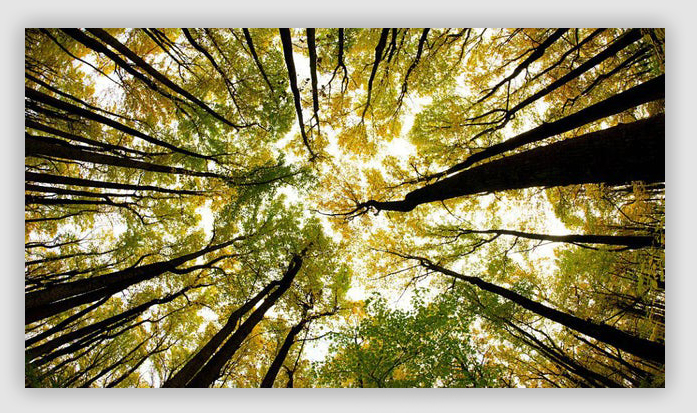 Washington, D.C., The Hill, June 14, 2019: Like bourbon? Restore white oak trees
June 14th marks National Bourbon Day, and I hope Americans across the country raise a glass to this classic American tradition. But what about the National Bourbon Days 20 to 30 years from now? I hope this celebration continues year after year, but that may depend on Congress’ support of an unlikely issue: the restoration of white oak trees. You might be wondering, ‘what does white oak have to do with bourbon?’: All bourbon must, by federal law, be aged in new, charred oak barrels. Wood from American white oak trees is the preferred and traditional material used for this process. In fact, almost all of the color and more than half of the flavor of a Kentucky bourbon or Tennessee whiskey comes from white oak. The bourbon industry is not the only industry that relies on white oak trees. In addition, white oak goes into flooring, cabinets, furniture and more. White oak forests also provide important wildlife habitat for wild turkey, deer, grouse and many other species. But due to the popularity of bourbon, combined with ecological challenges and more, the demand for white oak logs is outpacing the regeneration of new young white oak trees for the future…
A U.S. Forest Service trail crew cleared scores of burned tree trunks off two popular trails on Basalt Mountain earlier this month — opening areas in the heart of the Lake Christine Fire last summer. The Mill Creek and Ditch trails are open to hikers, mountain bikers and equestrians. The entire 1.6-mile Mill Creek Trail was within the fire perimeter, said Katy Nelson, wilderness and trails program manager for the Aspen-Snowmass Ranger District. The five-person trail crew was able to use chainsaws on the downed timber because Basalt Mountain isn’t in designated wilderness, where mechanized uses aren’t allowed. Nevertheless, it was tough work because of the high concentration of deadfall and the risk of standing, dead trees falling. The fire hollowed out numerous trees and left the shells standing. They can be precarious in the wind. The small crew is facing a mammoth challenge this spring and summer — clearing downed timber in the burn scar and from numerous avalanche chutes that ran last winter throughout the district. Some of the most popular trails in the Maroon Bells-Snowmass Wilderness are blocked by trees knocked down by the slides and stacked like matchsticks. “They have an incredibly tough job,” Nelson said. The crew devoted time to the Basalt Mountain trails when they could this spring, balancing needs with other high-priority areas…
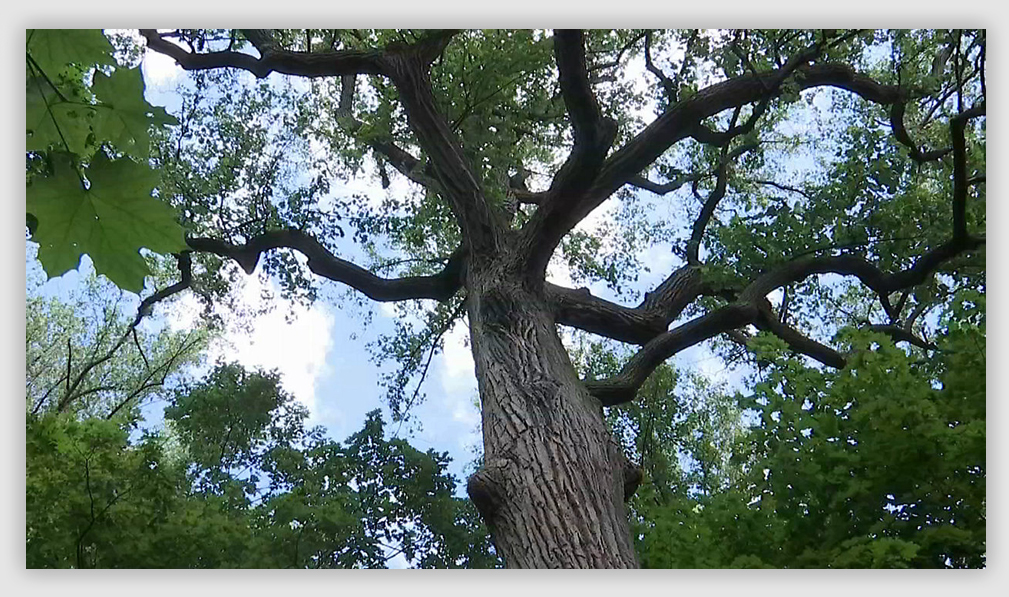
Just feet away from the Cross Island Parkway stands the city’s oldest resident. It’s so old, in fact, it was already here in the 1600s, when New York was a Dutch settlement called New Amsterdam. “To know that this tree has existed [since] before the United States became a nation is astounding,” said Urban Park Ranger Sergeant Victor Yin. It’s doubly astounding because Tulip Trees, as a species, typically live between 100 and 200 years in an urban environment. The Parks Department calls it “The Alley Pond Park Giant,” and based on historical documents, they believe it is 364 years old. By the time one of the founding fathers crossed its path, it had already planted its roots. “George Washington walked through here,” said Urban Park Ranger Nadilyn Beato. The tree has certainly stood the test of time, but most New Yorkers are oblivious to its history…
Lincoln, Nebraska, Journal Star, June 16, 2019: Time is now to thin fruit on trees
Fruit trees in the home orchard often set abundant crops if spring pollination conditions are good, and most home gardeners do not thin fruit trees enough or at all. Only 10% of peach flowers are needed for full crop set, and peaches are particularly prone to branch breakage under heavy crop load. Very heavy fruit loads aren’t ideal for several reasons. First, fruit size is smaller when very large crops develop on a tree. Also, when trees experience very heavy fruit production one year, they often have light production the following year. This condition is called biennial or alternate bearing. The large amount of nutrients needed to develop a large fruit crop limits the resources available for next year’s flower bud development. Reducing fruit during the heavy production years helps avoid the development of alternate bearing cycles. Finally, as heavy fruit loads near maturity the weight can cause branch breakage…

In the spring of 1999, Elizabeth Chesnut and Mary Shaw moved into their new home on a tree-lined street on the southeast side of Atlanta. They loved the front and back yards, which featured two red oaks, a poplar, a Catalpa and several dogwoods. The abundance of trees was a big factor in their decision to buy a home in the area. In the spring of 1999, Elizabeth Chesnut and Mary Shaw moved into their new home on a tree-lined street on the southeast side of Atlanta. They loved the front and back yards, which featured two red oaks, a poplar, a Catalpa and several dogwoods. The abundance of trees was a big factor in their decision to buy a home in the area. Trees offer many benefits — clean air, energy conservation, reduction of greenhouse gases — but living in metro Atlanta, which has one of the largest and highest-quality urban forests of any major metro area in the U.S., brings unique challenges when environmental and human impacts turn beloved trees into a potential hazard…
Changes could soon be on the way for the city of Montgomery’s tree ordinance. Assistant to the City Administrator Dave McCorquodale presented a report to the council regarding a draft with updates to the ordinance, which will go before the council again for a vote on June 25. McCorquodale said the ordinance aims to limit indiscriminate cutting of trees in advance development and to preserve existing trees of certain species. “Again, you can travel from this room, 90 seconds in any direction and be outside of our city limits,” McCorquodale said. “And, that is really our competition in terms of being able to build and attract businesses to our city, to help grow the city, is not competing with an adjacent city — we’re competing with the county that has absolutely no constraint. This ordinance really does strike a middle ground between what we get as a city and what the residents get in terms of quality of life with also being able to be viable as a commercial builder or land owner in the city…”
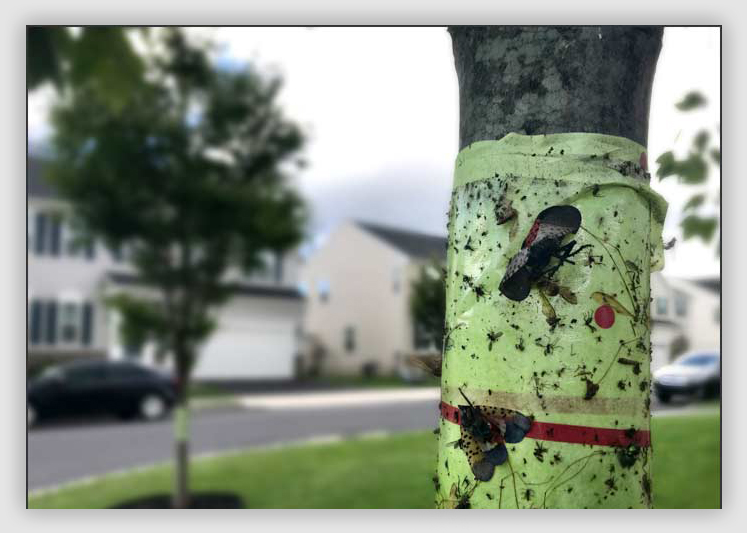 Digital Journal, June 16, 2019: How to Capture and Destroy Spotted Lanternfly Nymphs
The Spotted Lanternfly is a destructive insect that has officially invaded Philadelphia, Bucks and Montgomery Counties! All winter long, their eggs lay waiting for the warm weather, and the Spotted Lanternfly Nymphs have already started to emerge. The experts at Giroud Tree and Lawn share what to look for and how to capture and destroy these destructive insects. These insects eat tree sap and then excrete droppings of a sweet, sticky substance called Honeydew. The honeydew will coat the tree, the base of the tree, and anything underneath the tree, including cars, hardscapes, and decking. Then, black, sooty mold grows on the secreted substance. The combination of honeydew and black, sooty mold has an unpleasantly sour stench and is very difficult to remove from surfaces. Even more unsettling, the secreted honeydew attracts stinging wasps! Wasps can’t resist the tantalizing smell of the honeydew, and they will swarm a property for a taste. Homeowners are struggling to rid their yards of stinging wasps, and it’s particularly a problem for children playing in the area…
Cincinnati, Ohio, Business Courier, June 16, 2019: Panel declines to save Lytle Park trees
Cincinnati’s Zoning Board of Appeals voted unanimously Friday against saving four, mature trees in Lytle Park, turning back an appeal by some nearby residents who said the Historic Conservation Board failed to follow the city’s guidelines when it OK’d their removal in March. Supporters of the London plane trees are expected to take the case to the Hamilton County Court of Common Pleas… Western & Southern, located near the park, wants the trees gone as a part of a $2.9 million overhaul of the park, of which the company is expected to fund up to $1.8 million. The city’s parks department also backs the trees’ removal, although neighbors have produced emails they received through a public records request showing the department wanted to keep the trees until the insurance giant dangled its contribution to Lytle Park’s overhaul…
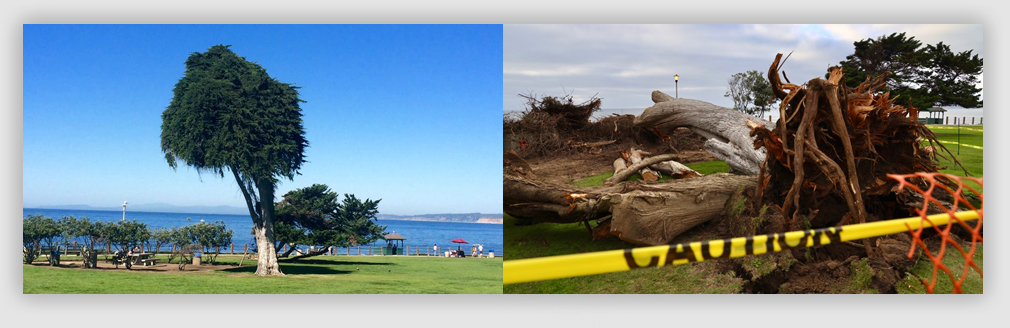
A Monterrey Cypress known as the “Dr. Seuss Tree” or “The Lorax Tree” toppled over early Thursday morning in La Jolla. The unique shaped tree has been theorized to be the inspiration for the colorful trees in “The Lorax,” written in 1971 by Dr. Seuss. Seuss, whose real name was Theodore Geisel, lived in La Jolla from 1948 until he died in 1991. The tree is located in Ellen Browning Scripps Park near La Jolla Cove. The tree had become a tourist destination for Seuss fan around the world. As of Thursday night the tree was still lying on the ground. The cause of the fall is under investigation…
Jacksonville, Florida, WJAX-TV, June 13, 2019: Trimmer seriously injured in 50-foot fall from tree
A tree trimmer who fell from a pine tree Thursday morning while doing work on a property in Northwest Jacksonville was hospitalized with serious injuries. The homeowner told News4Jax that the man was in “pretty bad condition” after falling an estimated 50 feet. He was taken to a hospital by Jacksonville Fire and Rescue Department personnel just after 9:30 a.m. Homeowner Duncan Jackson said everything was going well, but the workers couldn’t finish the job Wednesday because of the weather. He said they were only back working for about 30 minutes Thursday when the man fell. “It came forward and it seemed like a piece of the tree went backward and slapped him right off the tree and he came flying down,” Jackson said. Jackson said the tree service was hired by the city to cut down the tree as the city prepares to cut a new ditch along the property line…
There are rules to protect historic homes and buildings, but in many places no such laws exist to preserve magnificent towering trees. Carol McCullough learned that the hard way, when two large trees were removed from the lot next door in Evanston to make way for new construction. “To me, it was heart wrenching that they were torn down,” McCullough said. McCullough was surprised to learn in Evanston, unless the land is two acres or larger, and preparing to subdivide, residential property owners are allowed to remove any tree on their property, even tall impressive ones that might be saved somewhere else. “I think that’s why people live here, is because of the trees,” she said. In Illinois, there is no statewide law regarding the removal of trees, leaving a hodgepodge of ordinances that vary from municipality to municipality…
Cincinnati’s Zoning Board of Appeals will hold a hearing Friday morning to decide the fate of four 50-year-old London Plane trees in Lytle Park. Former federal prosecutor and current Porter Wright attorney Kathleen Brinkman filed an appeal against the Cincinnati Conservation Board’s decision made in March to allow the removal of the trees. The trees were previously protected because they are located in a historic district. Western and Southern donated $1.6 million to the Cincinnati Park Board to renovate Lytle Park and the removal of the trees was part of the agreement made between the two parties. The park board already spent the money, so park board commissioner Kevin Flynn said he doesn’t believe the agreement can be changed now. Brinkman believes Western and Southern should not be able to control the fate of the trees, as they are public property. She said the park board failed to do its duty to protect the trees…
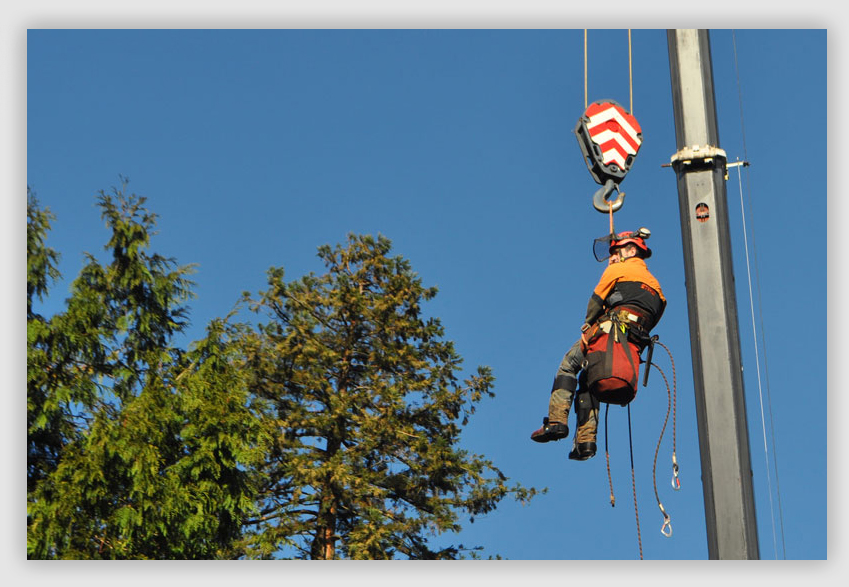
When asked which trees are vulnerable to a hurricane, Oliver Bevins of Bevins Tree & Crane Service said, “Every kind of tree is vulnerable in a hurricane. If a homeowner is concerned about a tree, perhaps it threatens the house, the power lines or could block the driveway, the best thing to do is call a tree expert. I recommend getting a certified arborist to look at the tree. We have one on staff. A certified arborist can tell if a tree is diseased or weakened even if it looks healthy and can advise the homeowner on how to protect himself and his property.” “Tree work is dangerous. We put safety first. I’ve spent countless hours in classes on safety and I pay my staff to attend them as well. Tree work is not the place to go Cheap Charlie.” Bevins started helping his dad as a child in the family logging business in the Adirondacks in New York. He felled his first tree at the age of twelve. By the time he left his dad’s company in his early twenties, he was adept at scaling tall trees and working a chainsaw…
The tree-clearing Percy brothers and their legal defender, the Texas Public Policy Foundation, have filed a federal lawsuit against Canton Township. It’s the third lawsuit stemming from Gary and Matt Percy’s battle with Canton Township over a tree ordinance that the brothers’ Texas attorney says violates property owners’ constitutional rights and imposes excessive fees. This time, foundation attorney Chance Weldon said the Percy brothers have a First Amendment retaliation suit against the township and several township representatives. He claims township officials harassed the brothers and their businesses after local news outlets shared their story about clearing trees for a Christmas tree farm. Township representatives have been demanding about a half-million dollars for Canton’s tree fund as compensation. Harassment, according to the federal complaint, included the township sending code enforcement officers to the Percy brothers’ other businesses to search for possible code violations not tied to the clearing…
Italian biologists, laboratory workers and government officials under investigation for failing to stop the early spread of an incurable and catastrophic plant infection from Central America that is killing tens of thousands of olive trees in southern Italy will not face criminal charges, but the scientific investigation continues. In May, Italian prosecutors in Lecce closed a 3½-year-long preliminary investigation into how the deadly bacterium known as Xylella fastidiosa arrived and then spread throughout Puglia. (In America it’s also responsible for the Pierce’s disease attacking California’s vineyards.) The bacterium, called by some the “ebola of olive trees,” threatens to infect the rest of Europe. Puglia is a gorgeous region known for its food and beaches, and its old and productive olive trees. The region makes up the sweeping boot-heel of the Italian peninsula. It is Italy’s biggest, though overlooked, olive oil producer, with much of that production coming from the area devastated by Xylella. The investigation into Xylella is far from over. The Lecce prosecutors transferred their findings to colleagues in Bari, Puglia’s capital city, who now will examine how European Union and Italian funds were used to fight the disease. This preliminary criminal investigation grew out of a chorus of allegations that Italian authorities mishandled the response to the outbreak of Xylella fastidiosa, whose presence in Europe was announced in October 2013…
Westfield, New Jersey, Patch, June 12, 2019: Westfield Steps Up Tree Protection
In a move designed to counterbalance development in town, the Westfield Town Council voted unanimously to adopt an updated version of the Town’s Tree Preservation Ordinance on June 4. “The goal of this ordinance was to be more proactive about protecting our trees, particularly with regard to the ongoing development in Town,” said Mayor Shelley Brindle. “These more stringent requirements are being implemented with an eye toward thoughtful preservation throughout Westfield, including neighboring property notification requirements, increased fees for removal applications and penalty fines, and mandated donations to the tree trust fund above a certain removal threshold…”
Looking for an older story we covered? Check out our Old News.
 New York City, The New York Times, June 11, 2019: Would You Like to Spend Forever in This Tree?
Death comes for all of us, but Silicon Valley has, until recently, not come for death. Who can blame them for the hesitation? The death services industry is heavily regulated and fraught with religious and health considerations. The handling of dead bodies doesn’t seem ripe for venture-backed disruption. The gravestone doesn’t seem an obvious target for innovation. But in a forest south of Silicon Valley, a new start-up is hoping to change that. The company is called Better Place Forests. It’s trying to make a better graveyard. “Cemeteries are really expensive and really terrible, and basically I just knew there had to be something better,” said Sandy Gibson, the chief executive of Better Place. “We’re trying to redesign the entire end-of-life experience.” And so Mr. Gibson’s company is buying forests, arranging conservation easements intended to prevent the land from ever being developed, and then selling people the right to have their cremated remains mixed with fertilizer and fed to a particular tree…
The tree responsible for every Washington navel orange — including the ones that gave the Inland Empire its first prominence as a citrus center — is getting new, longer-lasting protection from the disease that’s devastated the orange industry elsewhere. The cover over the parent navel orange tree at the corner of Arlington and Magnolia avenues in Riverside will hang over the steel structure that workers began installing in March, replacing a temporary cloth protection that officials admitted was “not beautiful.” The new screen is a synthetic material made by the company Econet. The screen’s lifespan is five to eight years, but it will be inspected regularly before that, said Georgios Vidalakis, professor and director of the citrus protection program at UC Riverside. “This one will buy us a few years so the city can design a more elegant structure like you see in arboretums — maybe a wood hexagonal pavilion that will be aesthetically more pleasant,” Vidalakis said. “Unless in the next few years we find a solution…”

French President Emmanuel Macron downplayed the death of an oak tree he had offered President Donald Trump last year on Tuesday, saying people shouldn’t read symbols into everything and that he would send the American leader a new tree. The two men celebrated the special relationship between the United States and France during Macron’s state visit in April 2018 to Washington by planting the oak sapling on the grounds of the White House. It was put in quarantine because of fears parasites on the tree could spread to others on the White House property. U.S. officials this weekend said it had died, prompting a flurry of social media posts comparing its death to the difficult relationship the two leaders have had since that visit. Macron is at odds over the American’s unilateralist approach to trade, climate change and a nuclear deal with Iran. “We will send him another; it is not a tragedy,” Macron told Switzerland’s RTS network on the sidelines of an International Labor Organization meeting in Geneva. “Do not see symbols where there are none — the symbol was to plant it together…”
Many of the landscape trees adorning urban cityscapes in Southern California are at or close to the end of their lifespans. While several species of oak, maple, crape myrtle, ficus, magnolia and other common shade trees have a life expectancy of 50-80 years or longer in unstressed environments, few reach their full potential in cities and urban areas. Why? In order to accommodate growing populations, cities have large areas of paved concrete and asphalt surfaces that create ‘urban heat islands (UHI)’.These hard surfaces absorb large amounts of heat that builds up during the day and is released at night, leading to much higher night temperatures in cities than in surrounding areas. The good news is that trees offer many benefits that offset the impacts of UHIs. Cities with larger tree canopies are a testament to this fact and have fewer adverse impacts from UHIs than do cities with low tree canopies…
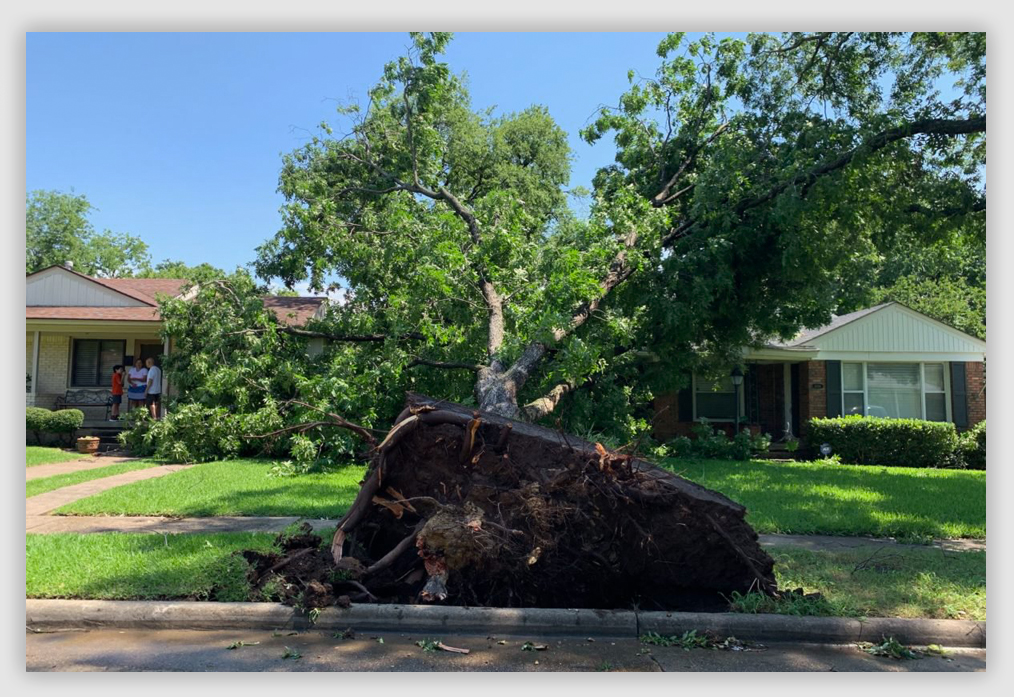
A half hour of torrential storms did a lot of damage to the trees of Dallas Sunday afternoon. After the 70 mph winds subsided, photos began to circulate on social media of large trees completely uprooted, branches strewn on the streets, and cars and homes crushed under the weight of massive trunks. And, on top of that, more than 200,000 people are without power 24 hours later and it could be days before it’s turned back on. Janette Monear, the president and CEO of the nonprofit Texas Trees Foundation, said it’s hard to know exactly how many trees were lost in the storm, but she estimates hundreds, if not thousands. Matt Grubisich, Texas Trees’ director of operations and urban forestry, says the storm highlights the need for better urban forestry management in Dallas to avoid planting trees in sensitive areas, like next to power lines. Homeowners may not think too much about the trees on their property until one collapses in their yard or on their roof. But there are precautions to ensure trees on properties remain sturdy during high winds and are dealt with properly should they fall…
Severe weather sometimes brings with it wind gusts capable of exposing just how weak trees and limbs are around your property.
Now that we are into severe weather and hurricane season, you may want to take a close look at what’s around your home, and what may come crashing down in the next storm. WTOC spoke to a certified arborist on Monday to learn more about why you should consider having a visual inspection of trees near your home every couple years, along with a pruning plan every three to five years. A visual inspection might reveal weaknesses in trees that you might not notice until it’s too late, like one instance for a homeowner in Effingham County. “Luckily, it didn’t completely crush it. It kind of gave it a glancing blow that crumbled part of the side, but we can still get in there.” Jonathan Hathaway said there weren’t any real tell-tale signs that he recognized that something was wrong with the tree next to his shed, until it snapped in half during a storm within the last week, revealing rot inside…

Paleobotanist Scott Wing hopes that he’s wrong. Even though he carefully counted each ring in an immense, ancient slab of sequoia, the scientist notes that there’s always a little bit of uncertainty in the count. Wing came up with about 260, but, he says, it’s likely a young visitor may one day write him saying: “You’re off by three.” And that would a good thing, Wing says, because it’d be another moment in our ongoing conversation about time. The shining slab, preserved and polished, is the keystone to consideration of time and our place in it in the new “Hall of Fossils—Deep Time” exhibition that opens June 8 at the Smithsonian’s National Museum of Natural History. The fossil greets visitors at one of the show’s entrances and just like the physical tree, what the sequoia represents has layers. Each yearly delineation on the sequoia’s surface is a small part of a far grander story that ties together all of life on Earth. Scientists know this as Deep Time. It’s not just on the scale of centuries, millennia, epochs, or periods, but the ongoing flow that goes back to the origins of our universe, the formation of the Earth, and the evolution of all life, up through this present moment. It’s the backdrop for everything we see around us today, and it can be understood through techniques as different as absolute dating of radioactive minerals and counting the rings of a prehistoric tree. Each part informs the whole…
Corporate Knights, June 10, 2019: Trees and the laws of supply and demand
Worldwide, Interpol and the United Nations Environment Program estimate the value of the yearly trade in illegal harvested timber at between US$30 billion and $100 billion, or 10-30% of global wood trade. About 7.3 million hectares of forest – an area the size of Panama – is lost every year to deforestation, according to the UN’s Food and Agriculture Organization. At the current pace, the Earth’s tropical rainforests will be gone within the next century. An alternative development model is clearly needed for countries like Papua New Guinea (PNG) that struggle with rule of law and corrupt governance, in order to meet UN Sustainable Development Goals and lift Papua New Guineans out of poverty while ensuring environmental integrity. Much will depend upon China, not only because of its strengthened trade relations via the Belt and Road Initiative but also because it is the destination for PNG’s raw logs. Beibei Yin, the China policy and advocacy senior advisor for Global Witness, says China should extend its own sustainability policies to PNG. China has invested US$350 billion into programs like forest conservation and erosion reduction as well as poverty reduction to protect its own natural resources and adopt a more sustainable and long-term development model. “But China hasn’t broadened its ambitions overseas yet,” Yin says…
 Washington, D.C., The Guardian, June 9, 2019: Trump and Macron’s symbolic friendship tree ‘has died’
The tree planted by Donald Trump and his French counterpart, Emmanuel Macron, at the White House as a symbol of their countries’ ties has died, according to multiple media reports in France. The oak was given as a gift to the US president during Macron’s visit in 2018. In a tweet at the time, Macron said: “100 years ago, American soldiers fought in France, in Belleau to defend our freedom. This oak tree (my gift to @realDonaldTrump]) will be a reminder at the White House of these ties that bind us.” Relations between the two leaders have since frayed – over issues ranging from Iran to trade – and, it appears, the tree has fared little better. Le Monde first reported its demise last week, quoting a French diplomatic source, which was later confirmed by Le Figaro. The French president offered the young oak to Trump on the occasion of a state visit to Washington in 2018…
Traverse City, Michigan, Record-Eagle, June 10, 2019: Tree rules budding
Regulations aimed at protecting Traverse City’s tree canopy are budding as a committee hones their recommendations. Trees larger than six inches in diameter would get special consideration in the city’s multifamily, commercial and industrial zoning districts. That’s how tentative ideas from city commissioners, planning board members and employees would have it. City Planner Russ Soyring is a member, as are commissioners Brian McGillivary, Tyler Bevier and Chairwoman Linda Koebert. All four sought and got input from other planners on those ideas at a recent meeting. Planning commissioner Anna Dituri was absent. Anyone cutting two trees larger than 24 inches in diameter at breast height would need a land use permit, Soyring said. Same goes for cutting 10 or more trees 6 inches in diameter at breast height. Zoning ordinances would also require a site plan review for any development that would require clearing more than 20,000 square feet of woody vegetation, Soyring said. Anyone building new or expanding existing structures would need to comply, according to a summary from Soyring. The time and money a hearing would take could deter such clearings, Soyring said. “I think based on conversations historically, people would like to avoid coming to the planning commission if they can,” he said. Exemptions for those in one- and two-residence neighborhoods from all save a few of the regulations could change, Koebert said — they’d need at least one tree per 4,000 square feet of property under rules discussed Tuesday…
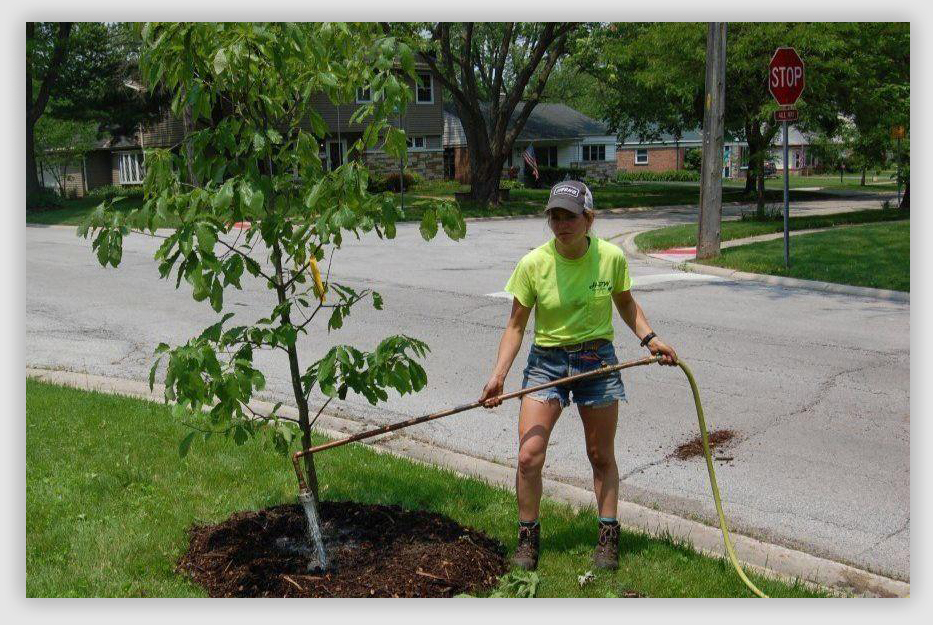
Area communities have had to grapple with a devastating loss of ash trees in recent years might now have to struggle with dying maple trees. Bryon Doerr, landscape maintenance supervisor for the village of Homewood, said his crews are in the process of removing about 500 dead or dying maple trees. “It’s going to be an ongoing process,” he said. But Doerr was able to make some headway in replacing some of those trees last weekend thanks to a grant of free trees through the nonprofit environmental conservation group OpenLands. Members of the village’s public works crew teamed up with staff and volunteers from OpenLands to plant 48 trees along village parkways. Many of the trees were planted along Spruce Road, where homeowner Rosemary Browning said many ash and maple trees had been cut down in recent years. She said she’s very happy a chinquapin oak tree was planted in the parkway in front of her house. “I love trees,” Browning said. “Only God can make a tree. Trees speak their own language. They dance in the breeze. And they add lot color and lots of life to an area.” Down the street another resident said she also was happy a new tree was planted in the parkway in front of her house to replace a Norway maple that had started dying two years ago…
Greg Levine is ready with his list: “Everything from East Atlanta to Ormwood, Candler Park, Lake Claire, Virginia Highlands, Morningside, Poncey Highlands is starting to see tear-downs and tree removal, the Old Fourth Ward has critical issues, Midtown, Buckhead.” Levine goes on. “West End and Adair Park, and Sylvan Hills neighborhoods are starting to talk about putting big homes in now and removing the trees when they remove a small home.” Levine is co-Executive Director at Trees Atlanta, which advocates for preserving existing trees and replacing those lost to development. He says that list encompasses city neighborhoods with tree cover – otherwise known as canopy – under threat due to development. “It’s not going to be a positive outcome for the city if we don’t really figure out a good way to fix this,” Levine tells WSB Radio. It’s a reference to Atlanta’s laws meant to protect trees. For the first time in 20 years, the Tree Protection Ordinance is getting a fresh look for a re-write. Last week, the city hosted four public meetings for input ahead of the crafting of a draft later this summer. The threat to Atlanta’s old, prominent shade trees says Levine, is development – whether single-lot or high density – ramped up in recent years. “The (current) ordinance allows for trees to be removed and money just being put into a (recompense) fund. That’s good because it helps slow people removing trees when they develop a property, but what it doesn’t do is get them necessarily to redesign or design a project that actually saves more canopy,” says Levine…
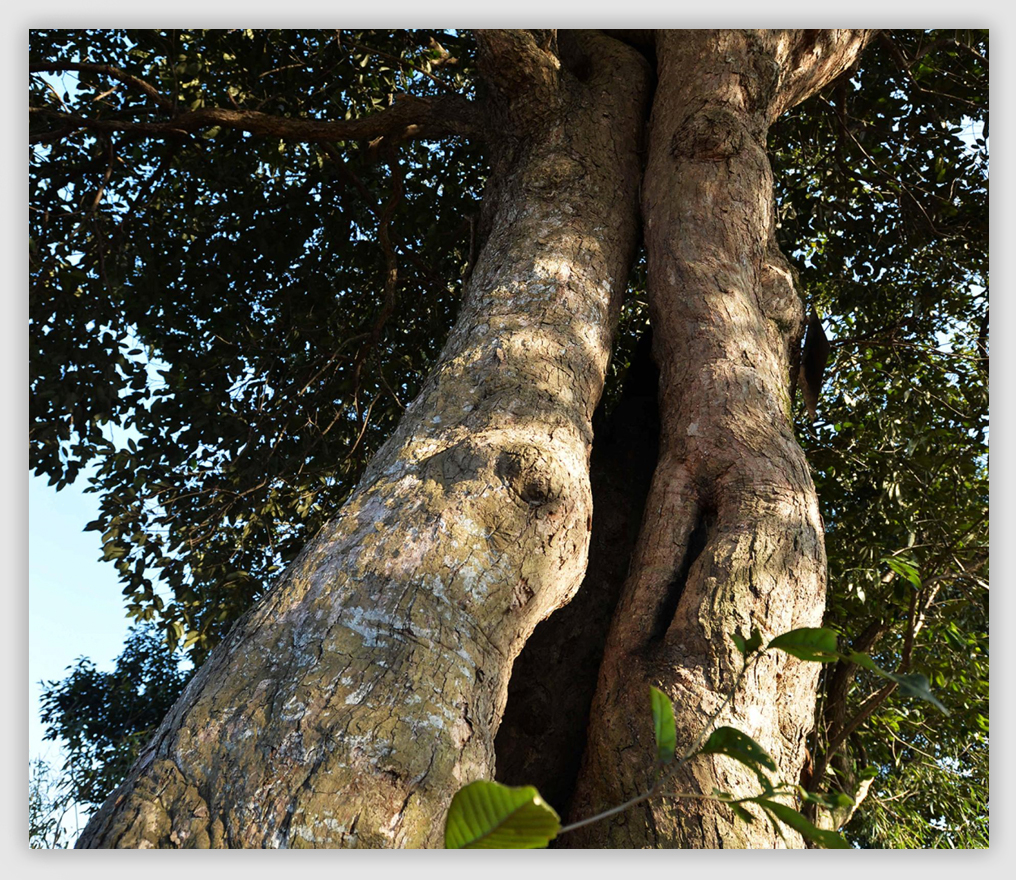 National Geographic, June 6, 2019: Prehistoric tree is first of its kind found below the Equator
Millions of years ago, a volcano erupted in what’s now the Patagonia region of southern Argentina, leaving behind a huge caldera. Water accumulated in the crater, and eventually it became a lake teeming with countless plants, insects, and other life-forms. Over time, these creatures fossilized deep within the lake’s layers of mud and ash, creating a kind of geological jackpot for today’s paleontologists. Now, the ancient lake has yielded a particularly exciting treasure: fossils of a 52-million-year-old tree that is the first of its kind found in the Southern Hemisphere, suggesting the plant evolved there. Fruit and leaf fossils from the site, called Laguna del Hunco, belong to a still-living genus of trees called Castanopsis, or chinquapin, that today is found largely in the mountain rainforests of Southeast Asia. Castanopsis is very similar to its close relative Castanea, or chestnut, producing edible nuts and “incredible, showy spikes of flowers,” says Penn State paleobotanist Peter Wilf, part of the team that describes the find today in the journal Science. The discovery helps scientists better understand the life history of an economically and ecologically important plant group…
A young woman raced to evacuate her family after a tree got uprooted and was seconds away from falling onto their home on Thursday in Fresno. Three homes were damaged by that one pine tree – nearly 100 feet tall – that collapsed in Central Fresno near Pine and Barton. Two will need extensive repairs to four or five of the rooms. The woman, Amaisai Mesa, helped save her mom’s life. “I just heard this loud thump and cracking sound. I looked out the window, the tree’s down. I’m screaming at my brother – ‘The tree is down! the tree is down!'” she said. Mesa was at home with her three brothers when the tree uprooted and fell onto her neighbor’s home. “We come out of the house, we get away from the power lines and we’re thinking, ‘This tree is going to come down’…”
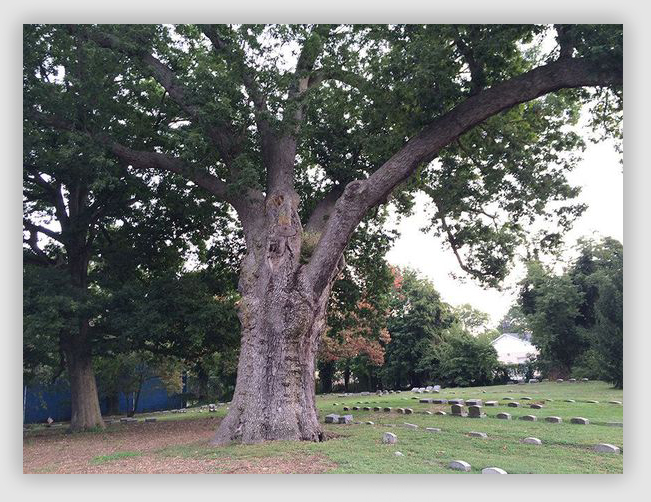
One of New Jersey’s oldest and recognizable symbols is no more. The Salem Oak Tree, estimated to be between 500 and 600 years old, uprooted and collapsed Thursday. When news of the tree’s demise spread across social media, residents from in and around Salem came to the tree’s site, took pictures, and shared memories of the iconic tree. Cars traveled from both ends of Broadway, trying to find parking spaces to park their cars and walk up to see the fallen tree for their very eyes. One unidentified man became emotional , saying seeing it go down was like seeing a part of the City of Salem go down. Another woman had hopped the fence, hoping to get a glimpse of the tree up close, but was told to get back over the red brick wall that showed faded remnants of moss and ivy that had once lined it. The Salem Oak Tree meant that much to the residents of the city and Salem County…
Recent storms revealed possible hidden dangers lurking in our yards. Our beloved trees could be showing signs of defects. Unfortunately, a tree defect claimed the life of a local resident. Discovering all the issues that could lead to failure is not possible. Luckily there are visual signs to help you detect potential problems. Taking a few minutes to evaluate your trees may help save your property and loved ones. Here are a few visual clues. Tree bark is a protective layer like our skin. Absence of bark and exposed wood are signs of a tree in trouble. Once the bark layer is lost, moisture and decay occur. Missing bark means that the cambium, or growth layer of the tree, is dead. The cambium layer is the only living part and the lifeline of a tree. Under the cambium layer is dead wood. Its purpose is to support the tree. Once exposed, the wood begins to lose its strength…
The Laguna Beach City Council on Tuesday unanimously approved an updated policy to simplify the public tree-removal process, which in some cases has required multiple arborist opinions and site meetings. “We spent a significant amount of time administering our current policy,” said Shohreh Dupuis, assistant city manager and public works director. In the last three years, the city has had to remove more than 100 trees, Dupuis said, partly because of storm damage. Some of those cases required extensive disease testing and arborist visits, costing up to $5,400, as well as the expense of 40 to 60 staff hours, she added. The new policy would remove some of those steps. For a public tree to be removed, it would have to meet criteria that it is damaging public or private improvements, is diseased, dead or dying, or represents a fire hazard…
A woman’s mobile home has been destroyed after a large tree fell through it during a tornado. Now she’s looking for help to move forward. Cindy Bankston says she was lying in her bed when it happened. “All I heard was glass shattering everywhere,” she said. “My bedroom wall was leaning against my head.” As her eyes adjusted to the darkness, she saw the large tree trunk inches from her face. Bankston says she feels blessed to be alive, but being on a fixed income isn’t sure where to turn next. That tree blew over during the same EF0 tornado that took out part of Bear Creek Western Store. Bankston received some assistance from the Red Cross and has started a fundraiser to help raise recovery funds. A church has also offered to help raise funds. “I do know that I need help, I need help to get this tree removed,” said Bankston…
Marilyn Dove rents a home on the 800 block of Sea Ranch Drive in Santa Barbara. Outside her home, within the street’s 35-foot setback, stand several towering, 60-year-old trees, pine and eucalyptus. The trees, everyone acknowledges, are poorly managed and pruned, and the foliage is thin, but they are healthy. So Dove was stunned to learn that the city’s street tree advisory committee and Parks and Recreation Commission both voted to have the trees cut down — at the request of neighbors, and with the support of the property owner. “These trees have just undergone a tremendous stress of drought and survived it,” Dove told the City Council on Tuesday. “A lot of what you are seeing is stress, and with the rain and everything, you can see those trees come back and be beautiful.” We’ll never know. The City Council on Tuesday voted 5-1 to deny Dove’s appeal of the removal. Councilwoman Kristen Sneddon voted no, and Councilman Randy Rowse left the meeting before the final vote…
Selfgrowth.com, June 5, 2019: How to help trees recover from transplant
Even though we take a lot of care while transplanting trees, they tend to get stressed as they adjust to their new homes. This is what arborists call transplant shock and this term encapsulates the whole range of problems the plant can experience after they are transplanted. It is tough for trees when they are going through transplant shock but it is not something they cannot bounce back from. All that is needed is for you to know the symptoms and the recovery techniques and sufficient time. Some telltale signs of a tree in shock are leaves dropping, leaf scorch, premature fall color, brown leaf tips, stunted flower and twig growth, budding in late spring, or branch dieback. Trees in shock and dead trees are deceptively similar. There exists an easy way to tell the difference. Pick a twig from the tree and scratch it with a pocket knife or with the finger. If the twig is bright green and moist underneath, your precious tree is alive…
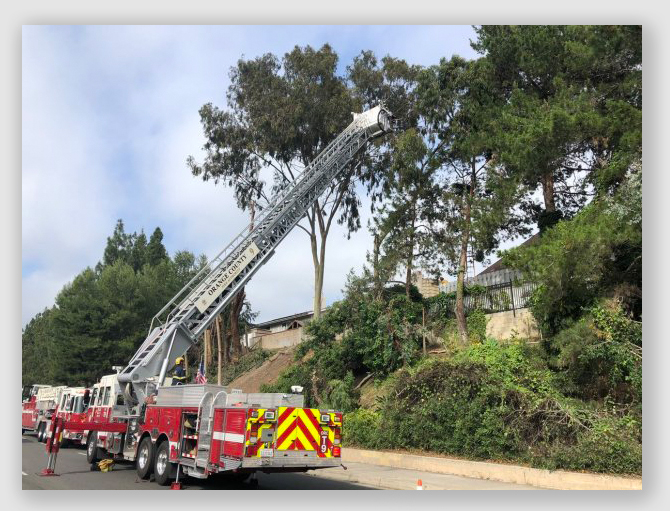
A tree trimmer who was apparently injured by falling branches while working in Laguna Hills died on Tuesday, June 4. A resident spotted a man who appeared to be injured in a tree near 25481 Barents, and called authorities at 4:31 p.m., Orange County Fire Authority Captain Tony Bommarito said. Responding paramedics found one man trapped by heavy limbs in a eucalyptus tree and hanging unconscious from a harness. The tree trimmer appeared to have been seriously hurt when at least one large branch fell on his head or neck, Bommarito said. He may have died before an ambulance could arrive. A crane was needed to remove the branches trapping the man so that firefighters could bring him down from the tree, officials said in a Tweet at 6:01 p.m. The man’s identity was not immediately released. He did not appear to be a city employee, and may have been working for either himself or a private company, Bommarito said…
Reading’s town forest has a problem. There are too many trees and some of them must go. When last we heard from the Town Forest Committee the eight-member committee was warning residents about the dangers of dog feces. That was last September in a message to residents who walk their dogs in the town forest. Tuesday night at the Select Board meeting the committee, led by chair Bill Sullivan, introduced a task that the town can no longer avoid. Reading’s town forest needs thinning. Back in the 1930s, the town planted trees as part of a project to harvest the wood. That was done for some time but when it ceased, Reading’s forest started looking more like a corn field. As board member John Halsey said, “It doesn’t look like a forest and it never really has.” Today the trees are too close together and the result is unhealthy trees. It’s also a safety risk as the trees become more vulnerable to environmental stresses. A healthy forest has small, medium, and large trees. Reading’s forest is a collection of unhealthy large trees… a forest of corn stalks…
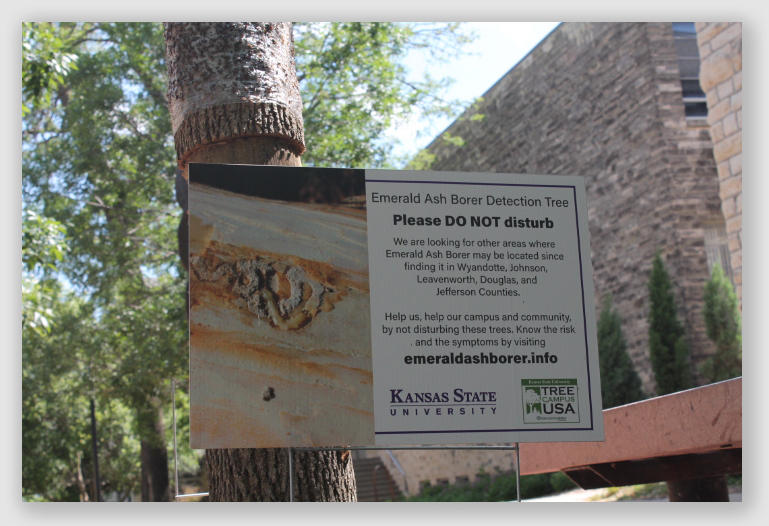
Kansas State has already begun the process of removing ash trees in anticipation of the spread of the emerald ash borer beetle, an invasive insect species whose larvae are destroying ash tree populations across North America. If you’ve been on campus recently, you may have noticed a handful of ash trees on campus (specifically around Dole, Kedzie and Shellenberger halls) with the outer layer of bark scraped off in a ring around the base, with a sign warning not to disturb it. These “girdled” trees are sacrificed in order to detect potential EAB infestation. While the girdled trees on campus did not yield any signs of the EAB in 2018, K-State has taken a proactive management plan to reduce the effects that the invasive insect will inevitably have on the university…
NPR, June 4, 2019: Getting Fire From A Tree Without Burning The Wood
A scientist walks up to a cottonwood tree, sticks a hollow tube in the middle and then takes a lighter and flicks it. A jet of flame shoots out from the tube. It seems like a magician’s trick. Turns out, there’s methane trapped in certain cottonwood trees. Methane is the gas in natural gas. It’s also a powerful greenhouse gas. So how does it get inside towering trees like the ones on the campus of the Oak Ridge National Laboratory in Tennessee? “The wood in this particular species naturally has this condition called wetwood, where it’s saturated within the trunk of the tree,” says the lighter-flicking scientist, Oak Ridge environmental microbiologist Christopher Schadt…
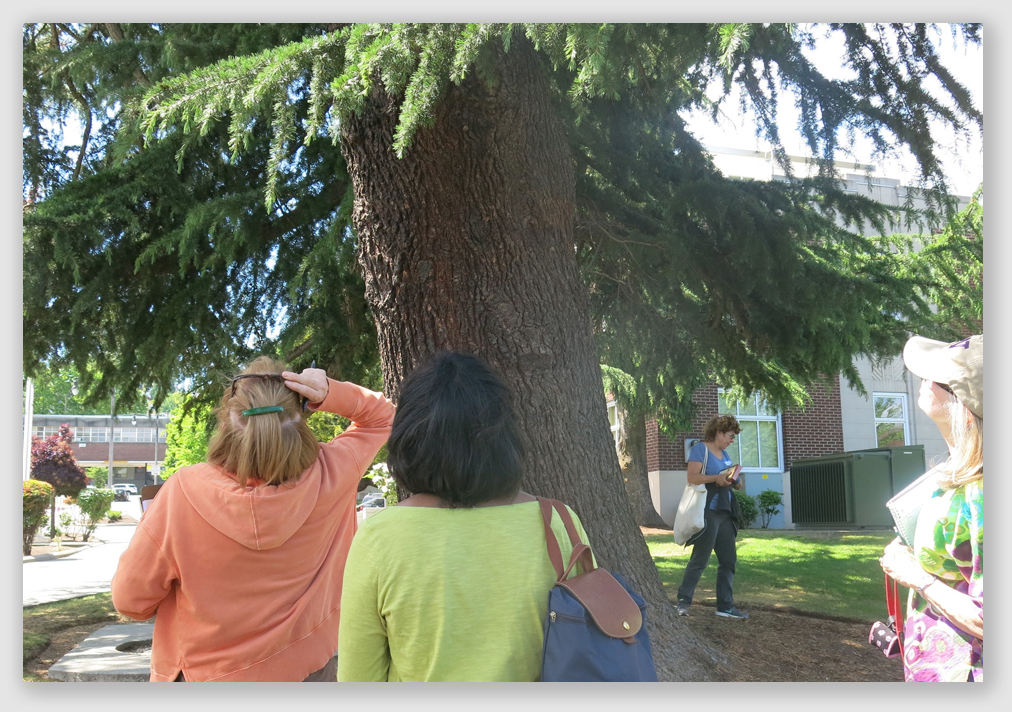
Efforts to update Seattle’s tree regulations fizzled last year. New legislation is expected to be unveiled in coming weeks by the Seattle City Council. Advocates say the most important thing Seattle can do now is retain the trees it currently has, especially in more environmentally stressed neighborhoods. The group Plant Amnesty is encouraging the public to photograph and help map Seattle’s remaining big trees: any tree that is 30 inches wide or more – basically the width of a front door. They believe there are roughly 6,000 left that fit this description in the city. Dominic Barrera is Plant Amnesty’s Executive Director. He said living near South Park, he’s grateful for trees that provide a buffer from warehouses and Boeing Field. “Looking at that juxtaposition of the industrial district and then a few trees that protect us from it just really shows how important these trees are for everybody,” he said. “Especially those of us living in those environmentally tarnished areas.” The Seattle City Council proposed a new tree ordinance last year, but tree advocates were disappointed that it appeared to weaken protections for “exceptional” trees – the big trees that help most with cooling, carbon emissions and stormwater. Ultimately nothing passed. Councilmember Sally Bagshaw plans to introduce a new version of tree legislation this summer, with input from the city’s Urban Forestry Commission…
Escambia County is looking for the public’s input on its tree protection standards. Currently, the county’s tree ordinance applies mostly to commercial developments with very few protections for trees in place for residential developments. nThe county’s planning board agreed in March that the tree protections needed to be updated, but wanted everyone who has an interest on the issue to have an opportunity to weigh in before it started proposing changes to the county’s tree ordinance. The county’s Natural Resources Management Department put together a 13-question online survey to ask the public how they feel about tree protection and suggestions for updated tree protection standards…
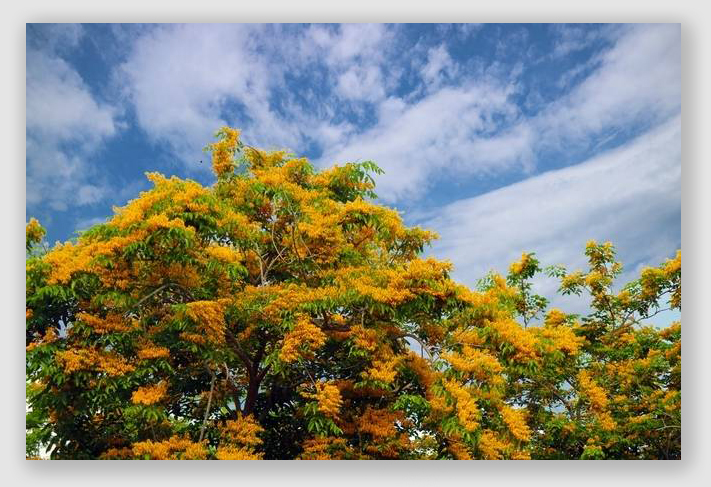 Popular Science, June 3, 2019: The Philippines wants to make planting trees a graduation requirement
You don’t need to be a Shel Silverstein superfan to know that trees offer many gifts. Our wooden neighbors sequester carbon, a climate-altering greenhouse gas. Even the smallest sapling filters the air, taking in particulate matter pollution and releasing life-giving oxygen. Trees even cool things down; together, shade and evapotranspiration (where water moves from Earth to the atmosphere via evaporation) can cool summer air up to 9 degrees. That’s why legislators in the Philippines proposed a new graduation requirement: Before leaving elementary school, high school, and college, every student in the island nation must plant 10 trees. The bill passed the House of Representatives on May 15, but has no counterpart in the Senate, making its future uncertain. That hasn’t stopped proponents from making headlines around the world for their ambitious perennial planting goals. If the “Graduation Legacy for the Environment Act” passed into law, the government would be responsible for everything from producing seedlings to monitoring the growth of the trees. Students would get involved at the midway point, by doing the actual planting…
If you’ve spotted ominous red stickers or red tape on several of the trees lining the streets of your leafy neighbourhood and wondered what’s going on, we have some sad news for you. These are warning signs to the public of an infestation of polyphagous shot hole borer (PSHB), a beetle that’s decimating trees across the country. Hailing from Southeast Asia, this pest was officially discovered in SA in 2017, in the Pietermaritzburg Botanical Gardens — it’s since spread to every province except Limpopo. Sixteen academics from eight universities met late May in Pretoria to focus on the crisis. This includes microbiologist and beetle expert Professor Wilhelm de Beer from the University of Pretoria. De Beer explains 10 things you need to know about the beetle’s catastrophic impact on our country’s historic, exotic and indigenous trees…
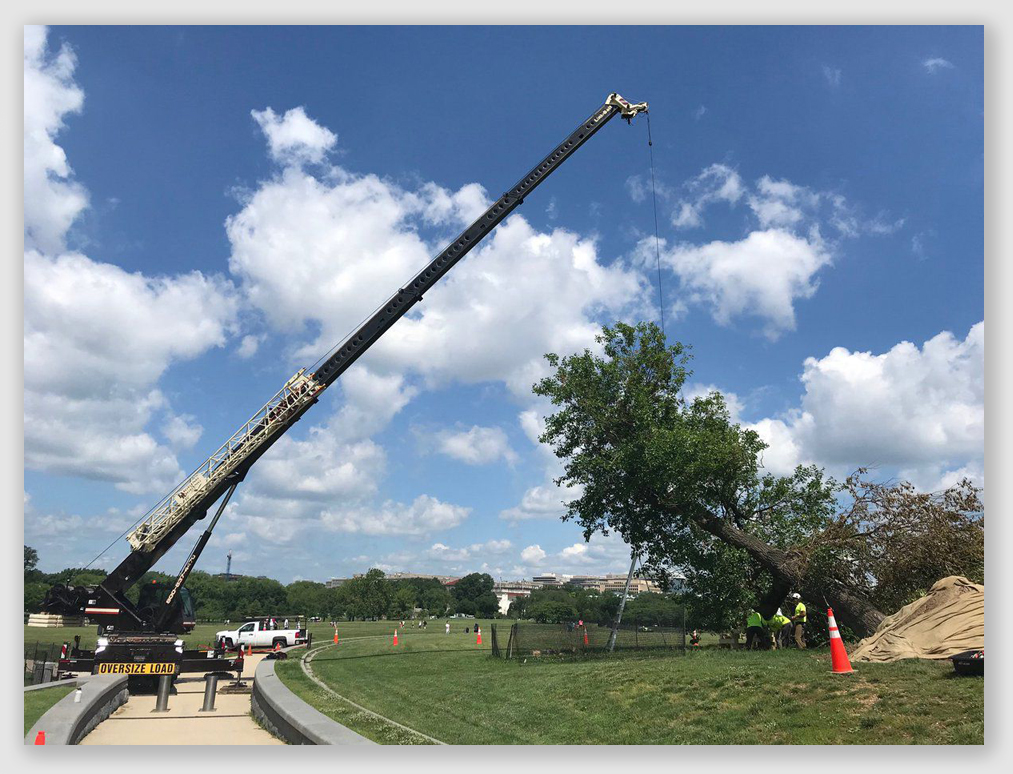
That old mulberry tree on the grounds of the Washington Monument that was knocked down twice by the stormy winds of May has been uplifted yet again, the National Park Service said. Wind and rain pushed it over May 12. It was propped up on May 22 but bowled over the next day. However, neither the tree nor the Park Service appeared ready to give up, and on Friday, the Park Service said, it was “back up again.” Dating to about 1890, the tree has become a sentimental favorite as a silent backdrop over the decades for historic events and tourist photos. If it might seem sentimental to say that this tree has “seen” history ( trees are generally considered inanimate) it is no stretch to say that history has seen it. It stands on the southwest corner of the monument grounds, and is, except for a companion tree, all alone there…
Dubai, UAE, Gulf News, June 3, 2019: ‘Earthworm dilemma’ has climate scientists racing to keep up
Cindy Shaw, a carbon-research scientist with the Canadian Forest Service, studies the boreal forest — the world’s most northerly forest, which circles the top of the globe like a ring of hair around a balding head. A few years ago, while conducting a study in northern Alberta to see how the forest floor was recovering after oil and gas activity, she saw something she had never seen there before: earthworms. “I was amazed,” she said. “At the very first plot, there was a lot of evidence of earthworm activity.” Native earthworms disappeared from most of northern North America 10,000 years ago, during the ice age. Now invasive earthworm species from southern Europe — survivors of that frozen epoch, and introduced to this continent by European settlers centuries ago — are making their way through northern forests, their spread hastened by roads, timber and petroleum activity, tyre treads, boats, anglers and even gardeners. As the worms feed, they release into the atmosphere much of the carbon stored in the forest floor. Climate scientists are worried. “Earthworms are yet another factor that can affect the carbon balance,” Werner Kurz, a researcher with the Canadian Forest Service in Victoria, British Columbia, wrote in an email. His fear is that the growing incursion of earthworms — not just in North America, but also in northern Europe and Russia — could convert the boreal forest, now a powerful global carbon sponge, into a carbon spout…
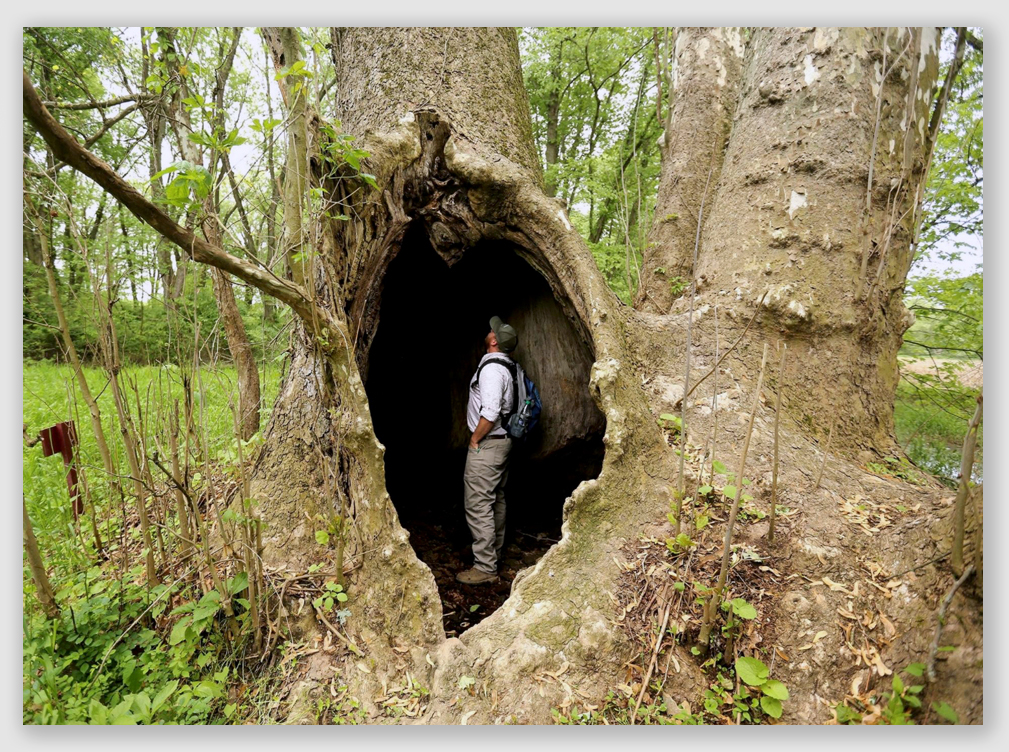 Wooster, Ohio, Daily Record, June 3, 2019: Jeromesville tree tops state’s largest tree database
Sparse leaves on outstretched branches provide scant shade for the tall grass below. Sunlight beams down through patches of spotty green like a kaleidoscope. About 50 feet away, a tributary of the Jerome Fork of the Mohican River slowly winds through farmland, separating the tree from adjacent fields of crops. Birdsong provides nature’s background music. Large, bulbous burls on this wilderness sentinel cover scars of trauma, adorning the trunk. The gnarled trunk of this massive American Sycamore, which is at least two centuries old, measures 436 inches in circumference, and the tree stands 88 feet tall. A portion of the trunk is hollow — a cavity measuring more than 8 feet tall. “These big trees, you don’t see a whole lot of them. So when you do, you really appreciate them. You want to document them,” said Alistair Reynolds, a forester for Ohio Department of Natural Resources who coordinates the Ohio Big Tree Program. “There’s also a scientific component here, too. We try to maintain a database of the largest trees…”
The forest once tore this town apart. In the northwest corner of California, the Trinity Alps tumble down to Weaverville, a community of around 3,600 people. Below the subalpine mountains, the basin has a more Mediterranean climate, and summers are dry as a bone. Most of Trinity County is federal land, including two national forests. Their complex landscape of oak woodland is thick with manzanita brush, mixed with chaparral and dense, creeping pines. In the northwest corner of California, residents assumed local control of the forest through an agreement with the federal government. ‘We assume it’s someone else’s responsibility at our peril,” said Nick Goulette, director of a local land stewardship group. ‘We have to save ourselves.’ Tensions over clear-cut logging and the fate of spotted owls once turned the county into a battleground, sharpening a sprawling argument to a fine point in the 1990s. You either wanted to exploit the forest or protect it. Things have changed. As trees across the Shasta-Trinity and Six Rivers national forests have become drought-stressed and overcrowded, basically all but asking to burn, it’s the forest that has brought people back together. Now, a locally driven partnership forged to make a small community forest healthier is kindling a wider push for resilience and reducing fire risk across the entire county. Community members say a key strategy will be preventing what are often high-intensity wildfires by implementing lower-intensity prescribed burns to eradicate chip-dry tinder and grasses…
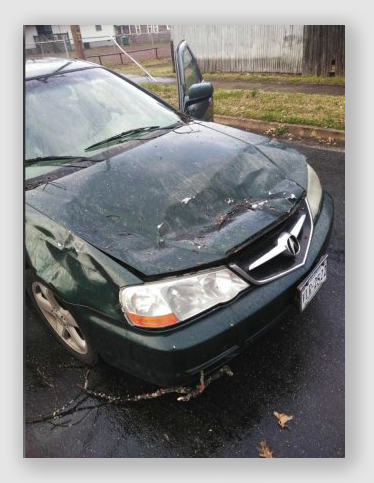
A Richmond man reached out to CBS 6 Problem Solvers after his car was destroyed by a falling branch from a city tree. Angelo Pleasants says he filed a claim with the City of Richmond, but it was denied. “The city just didn’t care… They just didn’t give it a thought, honestly,” said Pleasants on his encounter with the city. He filed a claim in March when a huge limb fell off a city tree and onto his car as he drove by. “Smashed my car. Broke the passenger window out. Broke the sunroof. Smashed up the hood and side panels,” said Pleasants. The incident didn’t surprise neighbors living near the intersection of Gordon Avenue and E. 22nd Street. Ray Corker says he is concerned that the tree and a few others in the area are a safety hazard. “It’s rotten, it’s rotten… You can tell it’s rotten,” Corker said of the tree. “They’re always falling, tree limbs falling… Landing on people’s cars…”
A tree trimmer pointed a gun at a husband and wife who refused his services, telling them, “I’m a fast shot” and “I never miss,” according to the Ormond Beach Police Department. Police said the couple was leaving their home on Knollwood Estates Drive in a street legal dune buggy on April 29 when a man, later identified as 29-year-old Alan Emert, approached them and tried to solicit tree services. David Tanner told Emert that he needed to leave the property because they weren’t interested in his services, adding that Emert should tell his boss and coworkers not to come back to the home. “I said, ‘I don’t need any tree work and go back and tell your boss that nobody is welcomed on my property again.’ I said, ‘The next guy that comes out here is liable to get shot,'” Tanner said. Emert then got angry, telling the couple that he’d never been to the residence before, according to the report. Police said the man told Emert that the next person who illegally enters his property would be shot, at which point Emert grabbed a black semiautomatic pistol from behind his back and pointed it at the couple and said, “I’m a fast shot” and “I never miss.” “He says, ‘Really? Well, I’m here now,’ and he gets his stance like he’s at the target range and reaches behind his back and pulls a gun out. He’s squared off in the middle of my driveway. I mean, he had me,” Tanner said. “He had the drop, you know? He got the quick draw you might say…”
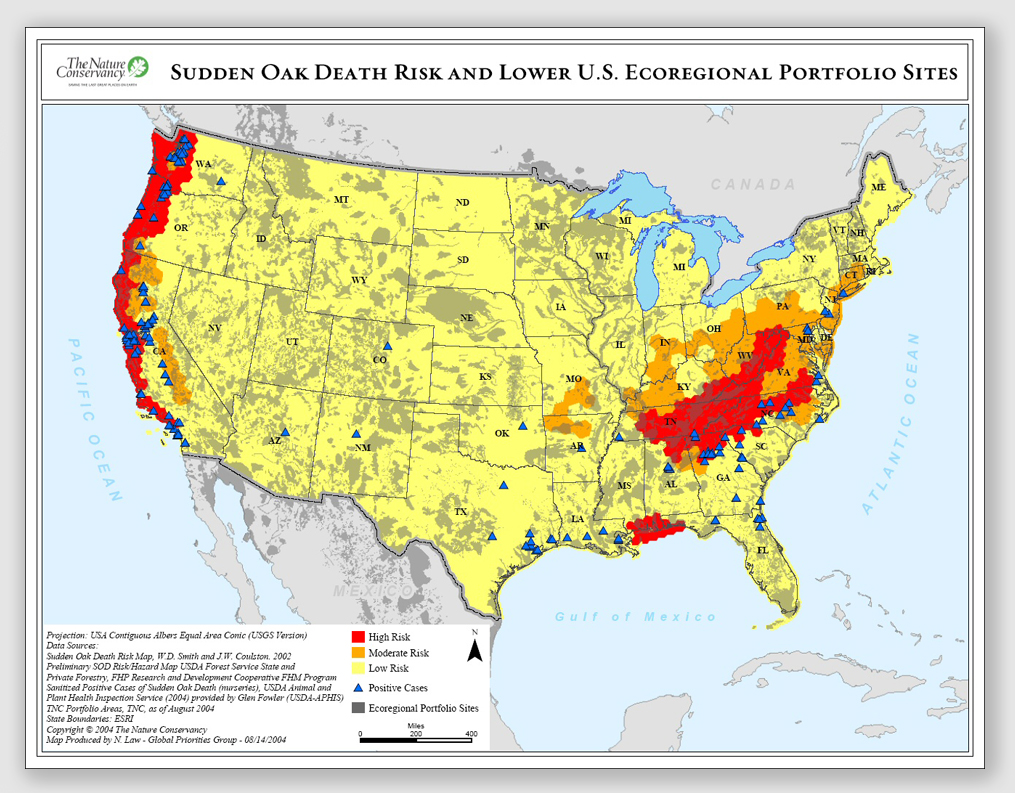
After a dangerous disease that could prove fatal to Indiana’s oak trees was discovered in the state last week, officials now are saying that the problem is “bigger than [they] realized.” The fungal pathogen called sudden oak death was detected in several varieties of rhododendrons being sold in what was first believed to be in about 30 stores across the state. That number has now tripled, and infested material was sent to more than 70 Walmarts and 18 Rural Kings in Indiana. What’s more, it’s been discovered that the infected plants were delivered to nine other states, according to Megan Abraham, director of the DNR’s Division of Entomology & Plant Pathology. She would not say what other states have been affected, but did say all are states where sudden oak death has not yet been established. IndyStar has contacted the U.S. Department of Agriculture for information on the other states. Still, Indiana has the most locations with infested plants of all the states, Abraham said. “We are still in the thick of this,” she said, “and we are making it our top priority…”
Science Daily, May 29, 2019: Thinning forests, prescribed fire before drought reduced tree loss
Thinning forests and conducting prescribed burns may help preserve trees in future droughts and bark beetle epidemics expected under climate change, suggests a study from the University of California, Davis. The study, published in the journal Ecological Applications, found that thinning and prescribed fire treatments reduced the number of trees that died during the bark beetle epidemic and drought that killed more than 129 million trees across the Sierra Nevada between 2012-2016. “By thinning forests, we can reduce water stress and make forests more resilient to drought and climate change,” said the study’s lead author, Christina Restaino, a postdoctoral scholar at UC Davis in the Department of Environmental Science and Policy when the study was conducted. The study also indicated that current rates of treatment are not sufficient to reduce the impacts of hotter droughts and large-scale bark beetle outbreaks. Expanding the use of managed fire under moderate fire-weather conditions, along with strategic thinning and prescribed burn treatments, may increase resilience across the forest, the researchers said…
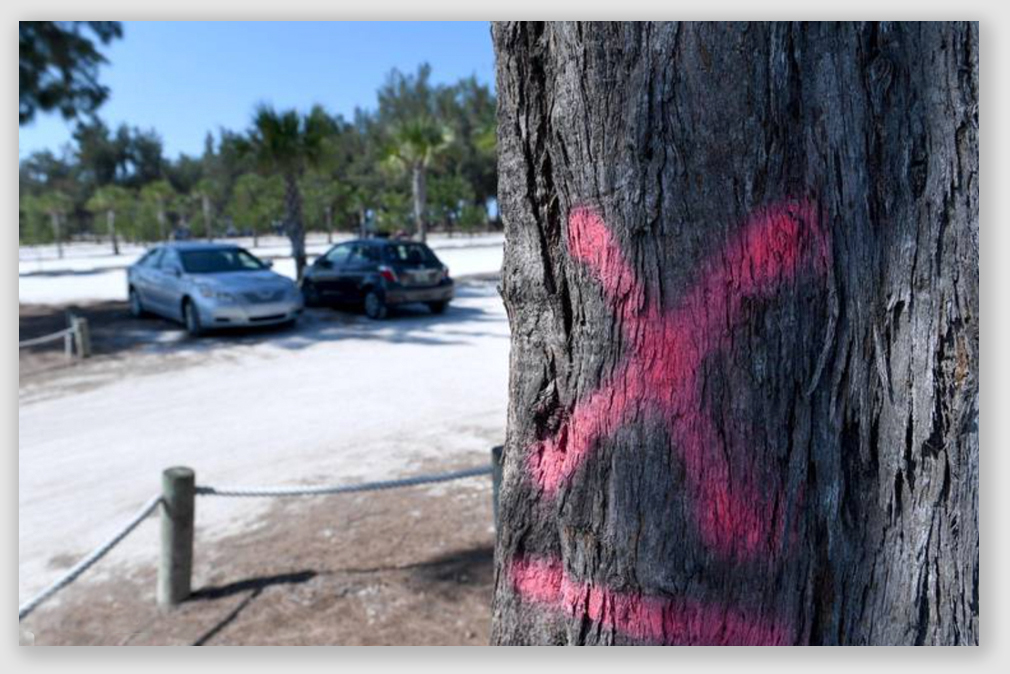
The days of lounging in the shade at Coquina Beach are in danger after county workers labeled some of the trees at the popular beach for removal amid parking and drainage improvements. Construction on the revamped parking lot in the city of Bradenton Beach began about two months ago, but visitors and city officials are worried about plans to knock down the Australian pines near the picnic area. As of Tuesday afternoon, trees in the work area had been tagged with red X’s to denote their removal. Those plans were put on pause, County Administrator Cheri Coryea said at a Tuesday afternoon commission meeting.Bradenton Beach Mayor John Chappie, a former county commissioner, urged the board to reconsider demolition plans at Coquina Beach. “Australian pine trees, despite their designation as an invasive species and nuisance tree, do provide, in fact, tremendous benefits to our residents, visitors, as well as the birds and the wildlife,” Chappie told the board. “This is the right plant in the right location, and it really is, folks.” When Public Works and Parks and Natural Resources officials discussed the project with the Board of County Commissioners in September, they promised to keep tree removal to a minimum. “We’re only removing trees in areas where it’s absolutely necessary,” Chad Butzow, interim director of public works, said at a commission workshop in September. At that same meeting, parks director Charlie Hunsicker noted that the Australian pines are an invasive species, and while the county had previously opted to remove them from newly acquired county parks and preserves, they agreed to keep using them in the future for shade and recreation…
A dangerous disease that can kill oak trees has been detected in plants that have been sent to 10 states across the U.S., including Indiana. More than 70 Walmarts and 18 Rural Kings received rhododendrons infected with sudden oak death in the last several weeks. The fungal pathogen has killed large tracts of oaks along the West Coast, and both federal and state officials are now working to contain it from spreading in Indiana and other affected states. Here is what you need to know about sudden oak death and what to do if you believe your tree might be infected. Sudden oak death is a forest disease affecting oak trees that is caused by a fungal pathogen called Phytophthora ramorum. It is most common along the West Coast, as it enjoys damp, cool and windy conditions. This disease is different than oak wilt, which can be found in the Midwest…
A national championship trophy is rooted in the heart of the Radford University campus. The white basswood sitting across the quad from McConnell Library is the largest known tree of its kind in the country, according to American Forests, an organization dedicated to advancing the conservation of forests. It is one of two national champions in Virginia, according to the group’s website. The other is a mulberry white in Albemarle County. Trees are scored based on three different measures: height, circumference and canopy width. A tree gets one point for every foot of height, one point for every inch of circumference, and 1/4 point for every foot of canopy width. John Kell — a Radford University biology professor who has been cataloging and mapping the campus’ trees since the early 2000s — said the basswood is approximately 91 feet tall and has a circumference of around 15 1/2 feet. It garnered 296 points when it was named a national champion in September, 30 points more than the tree at a botanical garden in Missouri that it unseated…
The city of Atlanta is updating its laws protecting trees for the first time in 20 years, and it wants residents’ input on the plan. June 3 through 6, the city will host four meetings – one in each quadrant of the city – including one in Buckhead. The Buckhead meeting will take place June 6 from 6:30 to 8 p.m. at Trinity Presbyterian Church, 3003 Howell Mill Road NW in Atlanta. The remaining meetings will be held: June 3 from 6 to 7:30 p.m.: Metropolitan Library, 1332 Metropolitan Pkwy. SW in Atlanta; June 4 from 6:30 to 8 p.m.: Church of the Master Presbyterian, 3400 MLK Jr. Drive in Atlanta; June 5 from 6:30 to 8 p.m.: Neighborhood Church, 1561 McLendon Ave. NE in Atlanta, “(The Atlanta) City Council is watching closely,” deLille Anthony, chair of the Buckhead Council of Neighborhoods’ Buckhead tree canopy committee, said in a news release. “If a large crowd shows up at these meetings, Atlanta leaders will get the message that people are ready for a change as development escalates in Buckhead and across the city. About 77% of Atlanta’s tree canopy is on single-family lots which is why residential properties must be protected…”
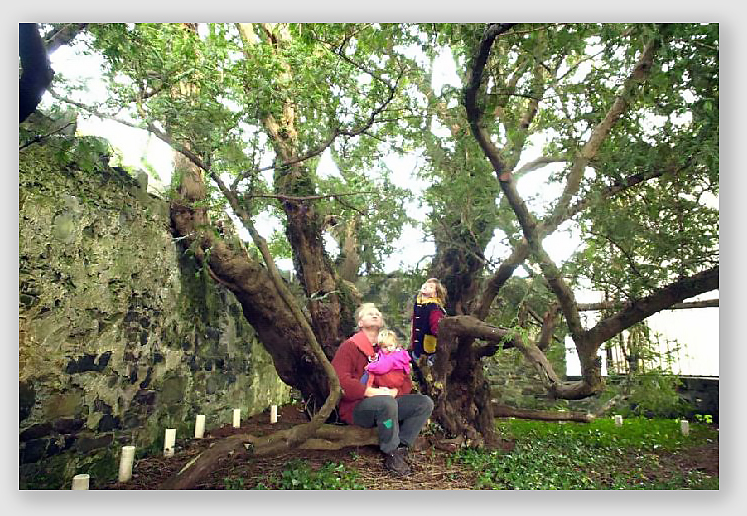
A Scottish tree that is believed by some to be the oldest in Europe could be dead in fifty years – because tourists keep ripping off its branches and keeping them as souvenirs, environmentalists have warned. The Fortingall Yew in Perthshire is thought to be between 3,000 – 5,000 years old – but has a life span now of just half a century, campaigners say. The yew tree, which is the oldest in the UK and stands tall inside the Fortingall Churchyard in Perthshire, has been left in increasingly bad health because of tourists. They are chopping the branches off to keep for themselves, according to reports. Despite now being surrounded by a cage in the kirkyard, tourists visiting Fortingall have allegedly been taking cuttings from the ancient yew. She said: “They are attacking this poor tree, it’s stressed, and whether that’s the reason this poor tree is not doing very well at the moment, we don’t know.” Neil Hooper, the tree warden for Fortingall, said they can’t tell how many visitors have attacked the tree, but “certainly some needles, twigs, even bits of branches have been torn off”…
After a late spring snow storm in Colorado Springs, a lot of people have tree limbs they want to get rid of. A lot of 11 News viewers have reached out to us asking what’s going on at Cottonwood Creek Park. People are dumping their branches there even though there is a road block. The city says the area is only for city use. It’s for tree limbs Parks and Recreation are clearing out from city property. It is not open to the public. Police tell 11 News that dumping any tree limbs or shrubs there is a violation of city code. If you’re caught, you will get hit with a $60 ticket. Downed trees on private property are the responsibility of the owner. The city will not remove branches or debris from trees on private property or material that is moved to the sidewalk…
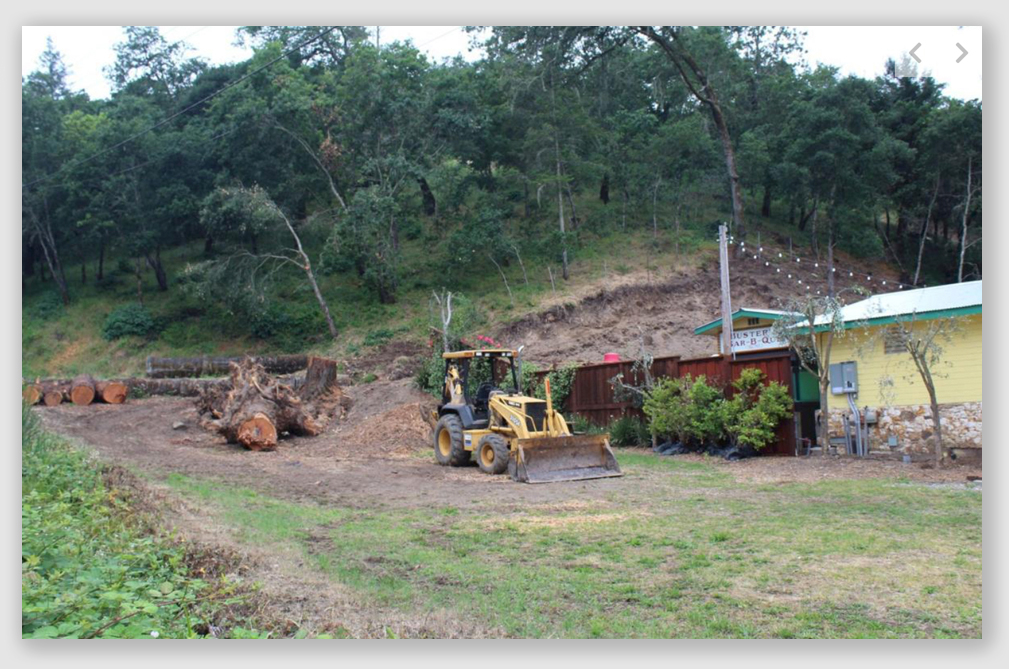
Months after Buster’s Southern BBQ owner Charles Davis was at odds with the city over permits for a new music arbor, he is now in a dispute with the city over a permit that was issued to remove three trees in the back of the property. Davis said his insurance carrier required him to remove the dead and diseased redwood trees because they were in danger of dropping branches and dead limbs on customers at the indoor/outdoor restaurant, and causing a liability. He was issued a permit by the city to do so in April. However, on inspecting the work last week, the city was surprised to find Davis had also removed the huge stumps and moved a lot of dirt in the area. “Every time we issue a simple permit he takes it and goes a mile further,” said Brad Cannon, city building official. The city red-tagged the project and Davis was initially given two weeks to supply more information to the city about the project. According to Cannon, the city was not sure what Davis was planning to do. “It has something to do with a retaining wall,” he said…
Call it a small-scale arborcide. The great tree massacre of Rivington Street continues with the loss of another. This time, the planting just west of Eldridge. It’s now a fresh stump. Thanks to the city’s extensive tree-tagging initiative (“NYC Street Tree Map”), we have a better understanding of its identity. It was a Callery Pear that boasted a trunk diameter of 18 inches. Across the street, meanwhile, the culprit of its demise sits in plain view. That roadwork; related to the new subway ventilation plant, whose work has plagued Sara D. Roosevelt for the last couple years. Indeed, the MTA remains committed, despite prior community opposition (and fears of destroying M’Finda Kalunga Garden), to constructing a new subway ventilation plant beneath Forsyth Street. Installing this machinery was deemed “a critical life safety project” as the operating M line equipment was built in 1962 and is apparently “too small and one-directional to be useful anymore,” according to the agency…
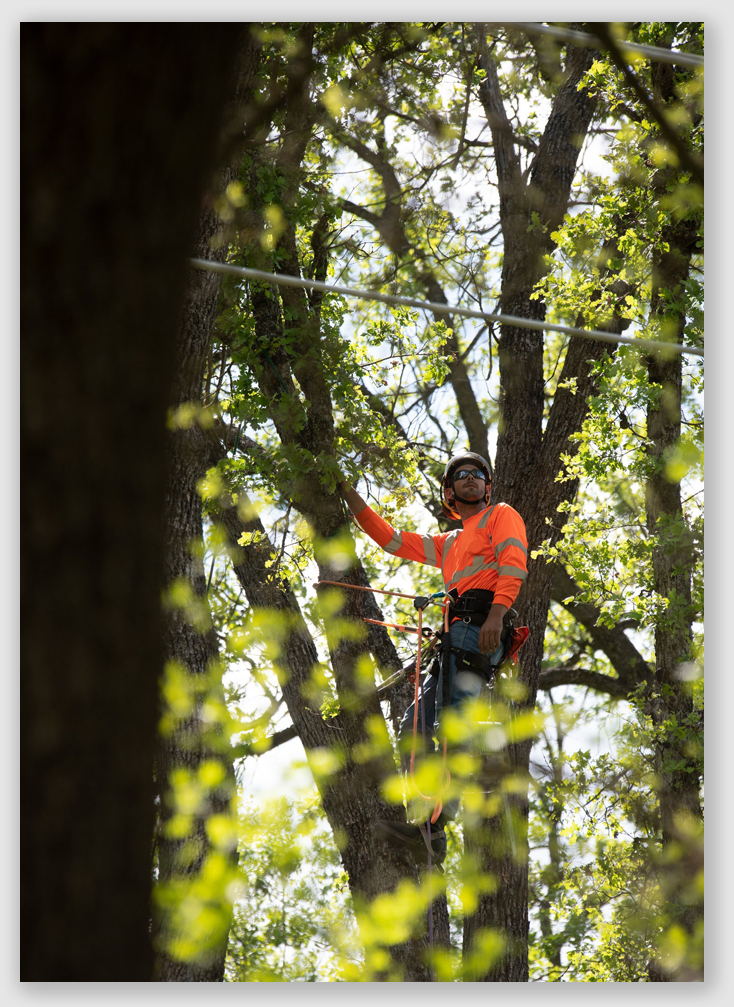
Pacific Gas & Electric has a big problem. Its equipment keeps coming into contact with dry trees and shrubs and starting devastating wildfires. So the company is scrambling to trim or cut down hundreds of thousands of trees across its vast Northern California territory. But it has another problem: finding people to do that work. Beyond the tight labor market, there is the challenge of enlisting a certain kind of worker for the difficult and dangerous job. To trim trees well, especially the 200-footers in the Sierra Nevada forests, contractors must be strong and agile, and able to handle fear and adrenaline surges. When all goes well, “it’s like Cirque du Soleil up in the trees,” said Jose Mercado, founder of the Hispanic Arborist Association, who climbed trees professionally for more than two decades near Los Angeles. “You’re in the best physical condition of your life.” When things go wrong, the consequences can be deadly. Since 2017, the Labor Department has tracked 127 deaths related to tree work nationally, including 20 in California. Among the top causes of injury or death are strikes by branches, electrocution and falls. PG&E and other utilities farm out tree work to a network of contractors. Those businesses, in turn, cast a wide net to find qualified workers, with entry-level wages starting at $15 an hour…
Greenville and Centerville residents are enraged about Delmarva Power crews “aggressively” trimming trees along Del. 52 (Kennett Pike). The butchered trees and their remains have opened up views of private property and ruined areas along the picturesque drive northwest from Wilmington to Pennsylvania. “You don’t go on somebody else’s land and cut down their trees,” attorney and Kennett Pike resident Richard Abbott said. After angry calls from residents and the Kennett Pike Association, the power company has agreed to walk the area with a local arborist and notify residents when tree removal is planned, Delmarva Power’s spokesman Timothy Stokes said. Abbott, who had trees cut down on his own property and also represents another resident along Del. 52, said the Delaware and Maryland electric company cut down several of his client’s trees and destroyed dozen of others. “I just want them to be a little less like Edward Scissorhands,” Abbott said…
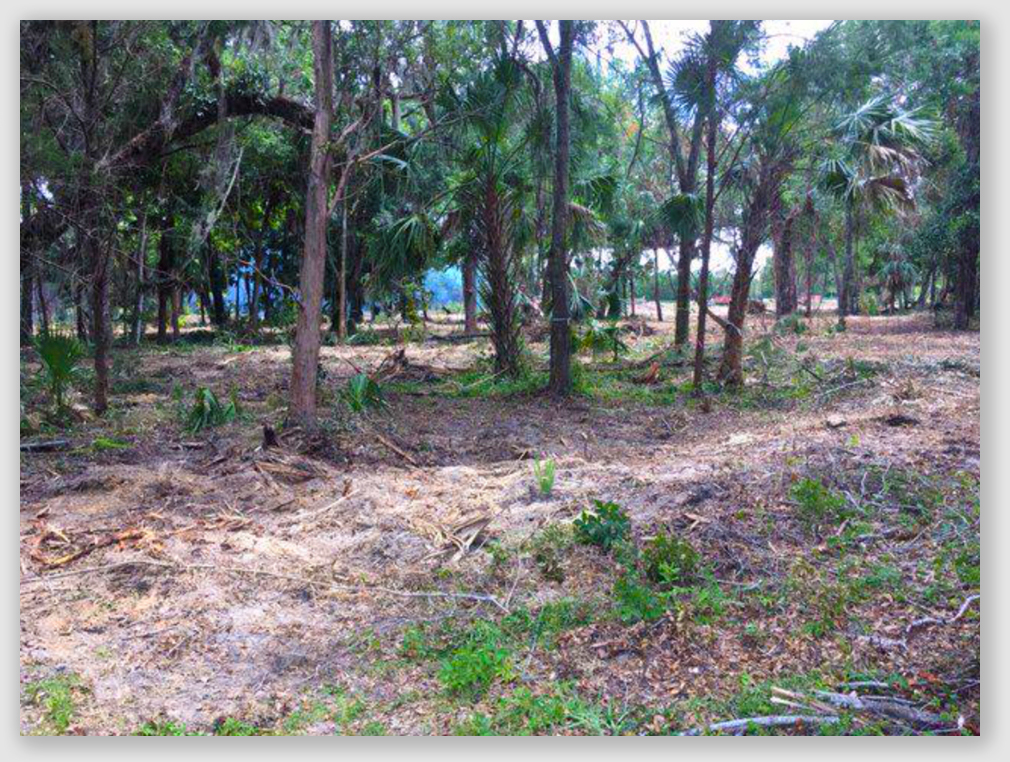
A Homosassa businessman who was cleared in February by Citrus County commissioners of illegal tree-removal allegations was cited this week for essentially the same thing. Citrus County Code Compliance accused Vision VI Investments LLC of illegally removing trees on property adjacent to the Riverhaven community on Halls River Road. Principal Byron Rogers, who also co-owns Crump Landing at the former KC Crump’s site, will hear the allegations at a June 19 special master hearing. According to the county code, he faces a fine of up to $15,000. Rogers could not be reached for comment. Frank Fazioli, who lives in Riverhaven nearby, said he called the county’s code compliance division when he saw trees being removed from the property. “I’ve complained several times, as a matter of fact,” Fazioli said. “This county commission has rolled over and let them do what they wanted…”
Wander into the woods in most places in the eastern United States and you’re likely to come across a towering trunk with sandy-colored, diamond-shaped ridges rising to bare forking branches and little holes peppering the bark, signaling where small, green beetles have crawled out and flown away after doing their dirty work. This decaying monument is — or rather, was — an ash tree. Its kind will not be back in your lifetime, perhaps ever. If you live in the other half of the country, just wait a few years. The emerald ash borer is coming for your trees, too. Humans are setting in motion a mass extinction of life, only the sixth in Earth’s 4.5 billion-year history. A recent United Nations report put this in stark numerical terms: As many as 1 million plant and animal species are at risk of annihilation. Such an astronomical figure, while intended to impress, can actually make the threat hard to relate to…
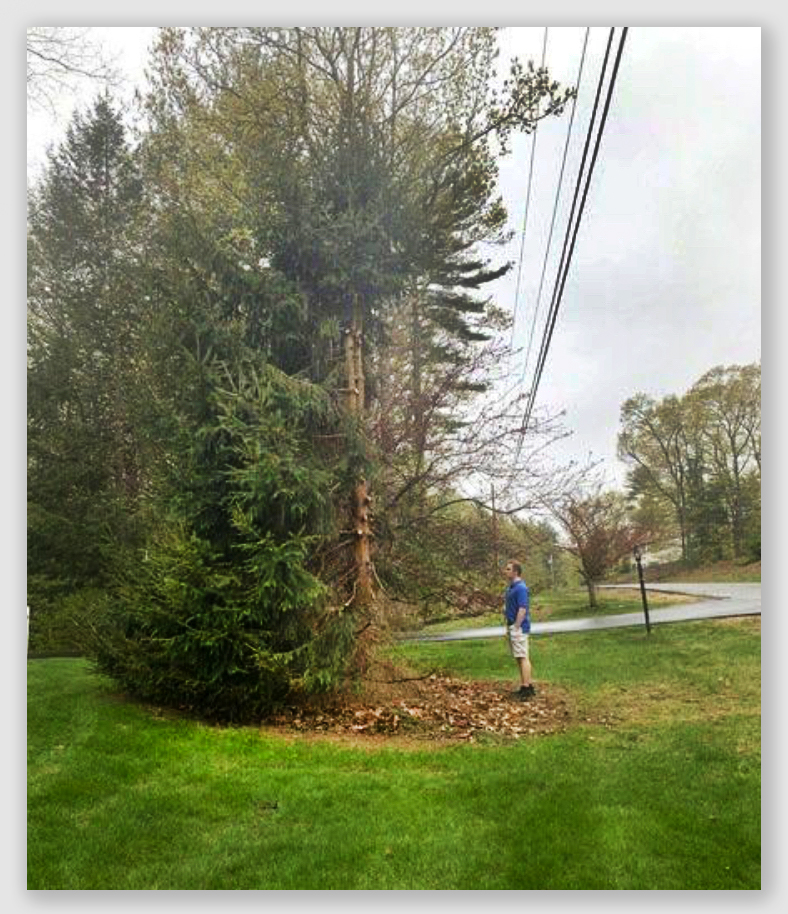
When Martin Cannard heard tree trimming outside of his home recently, he didn’t think anything of it — until his 16-year-old son Sebastian alerted him that something was wrong. When Cannard saw the family’s beloved 18-year-old Christmas tree in the front yard, he saw it had been shaven down beyond repair. “The tree looked like it had a mullet,” Cannard said of the tree, which had been cut by contractors with the New Hampshire Electric Cooperative. “It just seemed like a really odd thing to do.” The nearly 20-foot-tall tree was untouched at the crown, but all of its branches were removed in the front. According to Cannard, the top of the tree is about 10 to 15 feet lower than the powerline. Cannard contacted arborists for NHEC to find out why the tree was cut the way it was. According to Cannard, an arborist said the tree would have been cut differently if it were him, adding that trimming a few feet off of the top and some on the side would do. Cannard called the company soon after the tree was trimmed to cut the tree down completely…
Toronto, Ontario, Star, May 22, 2019: New at MOCA: The surprisingly active life of a dead tree
It looks like an autopsy: the white ash rests on its side on the Museum of Contemporary Art’s third floor, ready for your examination. The roughly 60-foot tree has been cut into sections and reassembled on top of metal sawhorses. Its root ball hangs from a gantry at the far side of the room. The in-house researcher puts its age at around 150 years, but it’s already been dead at least a year. And though the researcher can’t definitively name its killer, the tree is riddled with evidence of the emerald ash borer, an invasive Asian beetle that has speedily pushed Ontario’s ash tree population toward extinction. The exhibition invites viewers to study the remains. While a close encounter with a deceased tree may sound unexceptional, shown in this irregular context — the majestic ash extracted whole, transported inside the usually sterile white cube space and presented in exploded view — what becomes startlingly evident is just how alive a dead tree really is. There are patches of fungi and moss, a crust of blue-green lichen, spiderwebs just hours old and an assortment of arthropods, including several ant species, which have already begun colonizing the gallery floor. (Is it OK that they’re doing that?) There are so many that you can hear them. They sound like boiling water…
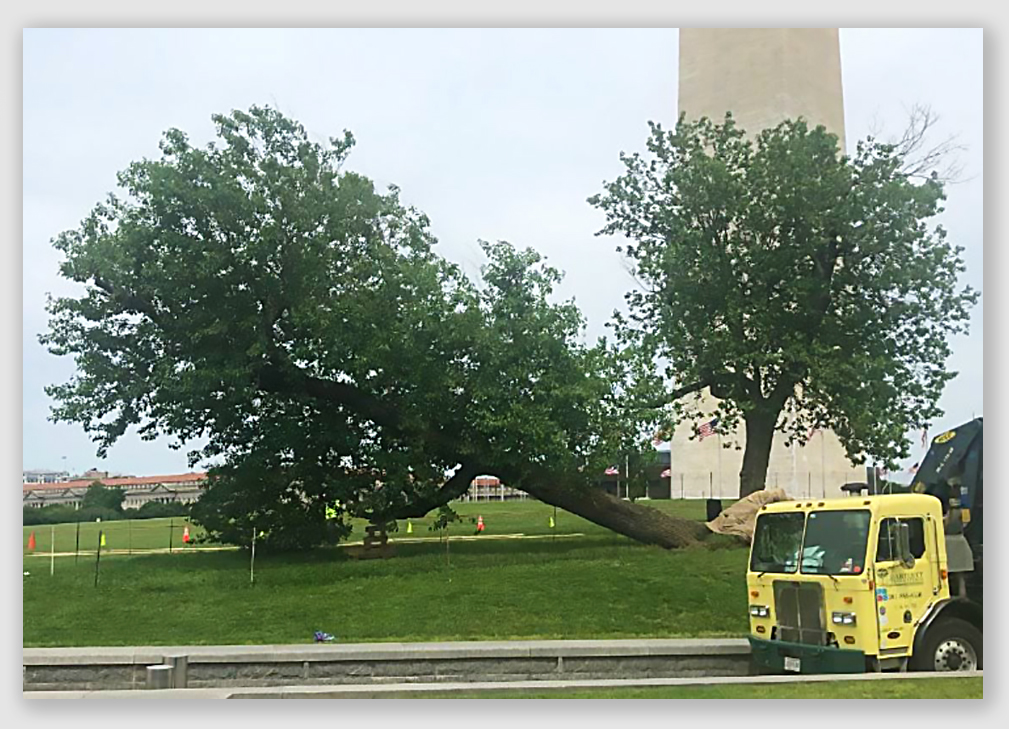
A mulberry tree on the grounds of the Washington Monument in D.C. that toppled due to saturated ground from heavy rain was raised by the National Park Service. But not by much. The white mulberry tree that predates the 1885 dedication of the monument fell over during Mother’s Day weekend, and the park service mulled options on how to save it. On Wednesday, NPS announced that they successfully raised it by 10 degrees, the right conditions for root generation without causing additional stress on the root system. NPS said that the exposed roots will be pruned and covered with topsoil. NPS had hoped for a partial raise and a custom prop, according to NPS arborist Jason Gillis in a tweet. While the tree’s roots were exposed, they were watered twice a day…
For a city that praises itself as Tree City, USA, it’s exactly that that’s left Uvalde resident Olga Cano and her family devastated. “He was my baby,” said Olga, Giovanni’s mother, as she began to cry. “That was my baby, no matter what.” On Sunday, Uvalde Police responded to South Hight Street after calls that a child was hit by a tree limb. Police say the branch was partially hanging near the roadway when Giovanni Cano was playing with it. The limb broke off and hit the 6-year-old. He was quickly rushed to the hospital, where he was pronounced dead. Now his family is demanding answers as to why the old tree was still up in the first place. “I still feel like this can’t be real,” said, Veronica Cano, Giovanni’s aunt. “That branch was falling. I don’t know how the city workers and all the police officers that pass daily, multiple times…this street was way too active for them not to see it. “It was falling.” Neighbors told KENS 5 someone reported the downed tree earlier that Sunday, but no one from the city came to clean it up. Uvalde Police tell KENS 5 that, to their knowledge, there were no reports before the incident that killed Giovanni…
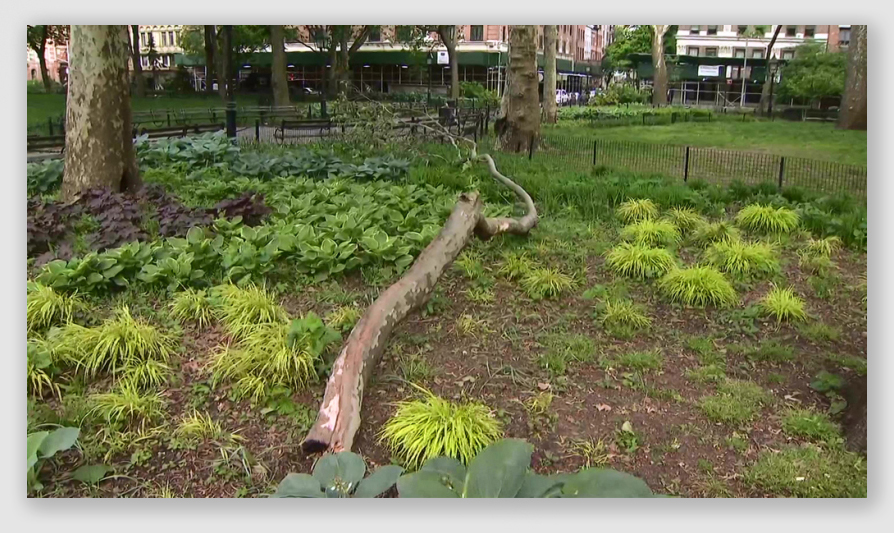
A tourist from Virginia was hit in the head by a falling tree branch in Washington Square Park Monday evening. Police identified the victim as Penny Chang, 55. She was sitting on one of the benches on the west side of the park at around 7:30 p.m. when the 30-foot branch broke off and slammed into her head. Her 19-year-old son Jacob was sitting with her and wasn’t injured. Chang was rushed to Bellevue Hospital in critical but stable condition. She has a fractured skull and spine. Savage says there may have been a few seconds of warning before the 30 foot branch broke off and slammed into Chang’s head. “I heard a cracking sound and I didn’t know what it was. I looked around scared,” Manhattan resident Betty Savage told CBS2’s Marc Liverman. When Savage looked around, she saw a woman lying on the pavement right in front of some benches. “People were running over to her, screaming ‘Get a doctor! Get a doctor!’ She was not moving at all,” Savage said. “I was very shaken up. It was horrible. I was scared to death.” Another witness told Liverman that warning sound may have been the only reason no one else was hurt. “People were trying to get away, and she was trying to get away too, but the tree hit her, boom, right on the head and she fell on the floor,” Lower East Side resident Tyrone Taylor said…
Do It Yourself, May 21, 2019: How to Combat Blight on Trees
Blight is a quick and deadly tree disease that can potentially affect almost any tree in the U.S., which makes it a huge problem. Knowing how to combat blight is essential. If you don’t treat this problem as soon as it strikes, it can kill not just one tree but entire tree populations. There are several types of tree blight, but the treatment is generally the same for all these different diseases. Fire blight causes discoloration, usually on the bark of trees, though it can also affect blossoms and roots. There is no cure for fire blight. Once it affects your trees, your only hope is to completely eliminate the blight by pruning it off the tree. To successfully remove fire blight, you actually have to over-prune. You need to cut 12 to 18 inches above and below the areas of the tree that are visibly affected…
 Derby, UK, Telegraph, May 21, 2019: How Brexit could make these two types of tree extinct in Britain
Palm and olive trees could be at risk of extinction on British shores post-Brexit, claims a leading online garden centre. Experts from GardeningExpress.co.uk have claimed that plants of Mediterranean origin are at risk of supply shortages should import restrictions be tightened after the UK finally leaves the EU. Gardeners’ warm weather favourites such as palms and olives are susceptible to plant diseases that are only found in that region of South Europe and North Africa. With a natural range from Portugal and Morocco to the Levant, the olive tree has been popular since prehistory and its branches are a symbol of peace. Palm trees, meanwhile, are one of the most cultivated species worldwide and can bring a touch of tropical greenery to UK gardens. Currently their quantity and quality is monitored before potential quarantine, with importation regulated by EU laws…
Three trees off Taylor Street on the North Shore of Staten Island are growing into a controversy. An abandoned house was recently demolished and the property owner has new plans for the corner lot. Frank Martarella with thinkDESIGN Architecture is working on the new multi-family, residential building on the property. Zoning regulates the number of off-street parking spaces and the placement of driveways and curbs. “Based on numerous regulations required for curb-cut locations, we are forced to remove several trees,” Martarella said. They say the permit for tree removal would be $592,000. “Nobody is against trees. We have been planting within the property, at the street and the curb, for decades. We understand the importance,” Martarella said. Some Staten Island property owners have filed a lawsuit to challenge the NYC Parks Department process. Attorney Robert Fishler represents some of the owners and developers and calls it a case of property rights…
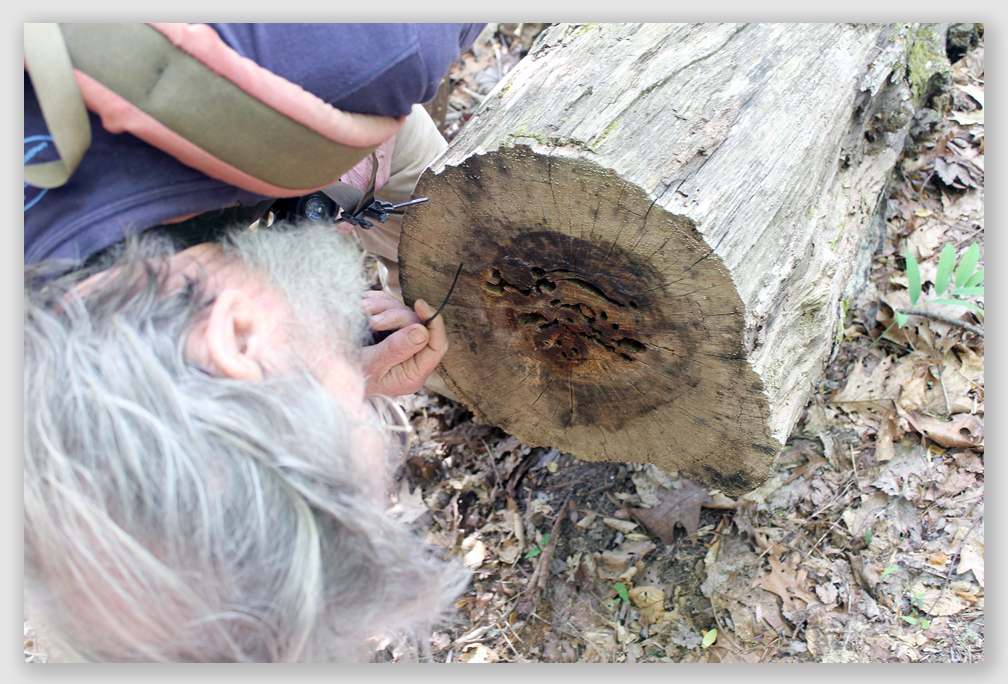
The U.S. Forest Service plans to harvest the majority of trees at 16 sites in Nantahala National Forest beginning next year as part of its Southside Project. Conservation organizations argue the trees at several of these sites represent exceptionally older and rarer growth than the Forest Service has recognized and are calling for the project to be withdrawn or revised after the Forest Service completes the revision of its land management plan for the Pisgah and Nantahala national forests in Western North Carolina, a draft of which is expected later this year. “Only one-half of 1 percent of the forest is old growth in the Southeast,” Buzz Williams of the Chattooga Conservancy told Carolina Public Press. “That is the reason within itself to leave it alone.” Williams recently visited a 23-acre site on a ridge below Round Mountain, near the headwaters of the Whitewater River in Jackson County. He removed a sample of wood with the diameter of a chopstick from the core of a towering chestnut oak growing on the ridge. By viewing the rings that are visible in the sample, Williams estimated that the tree is nearly two centuries old. And it’s not alone: Scattered on the ridgeline are aging white oaks and other tree species that eluded the heavy logging of the region a century ago…
Family members of a 61-year-old woman who died when an 80-foot tree fell on her at her daughter’s wedding party in Whittier in 2016 can take their lawsuit against the city to trial, a judge ruled. Norwalk Superior Court Judge Kristin S. Escalante heard arguments on the city of Whittier’s dismissal motion on Thursday, then took the case under submission before issuing a final ruling Friday. Trial is scheduled Sept. 30. The relatives of the late Margarita Mojarro filed the lawsuit in Los Angeles Superior Court in April 2017, alleging wrongful death and that a dangerous condition of public property existed. The case was later transferred to Norwalk Superior Court. The plaintiffs include the woman’s husband, Feliciano Mojarro; and four of her children, including the bride, Patricia Mojarro…
When invasive shrubs are removed from the forest, native plants can rebound more strongly than expected, according to researchers at Penn State. The native plants demonstrated unexpected ability and vigor to recolonize spots from which invasive shrubs were removed. “The regeneration of native plants that we saw where invasive shrubs had been removed exceeds what we expected from looking at uninvaded parts of the forest,” said researcher Erynn Maynard-Bean, who recently earned her doctoral degree in ecology. “We believe that’s because invasive shrubs take up residence in the best spots in the forest. They are most successful where there are the most resources — sunlight, soil nutrients and water. Then, when invasive shrubs are removed, the growth of native plants in those locations beats expectations.” Maynard-Bean arrived at that conclusion through a long-term project that spanned 7 years in the Arboretum at Penn State. Researchers repeatedly removed 18 species of invasive shrubs and then monitoring the response by native plants…
Phy.org, May 20, 2019: Can a hands-on model help forest stakeholders fight tree disease?
When a new, more aggressive strain of the pathogen that causes sudden oak death turned up in Oregon, scientists and stakeholders banded together to try to protect susceptible trees and the region’s valuable timber industry. Sudden oak death is a serious threat. Since 1994, the disease has killed millions of trees in California and Oregon. If the disease spreads from an isolated outbreak in Curry County, Oregon, to neighboring Coos County, the impact could be severe: a 15% reduction in timber harvest, loss of 1,200 jobs and about $58 million in lost wages, according to an Oregon Department of Forestry report. Researchers with North Carolina State University’s Center for Geospatial Analytics reached out to help in Oregon, offering Tangible Landscape, an interactive model that allows people of all skill levels to control complex simulation models with their hands and collaboratively explore scenarios of management decisions…
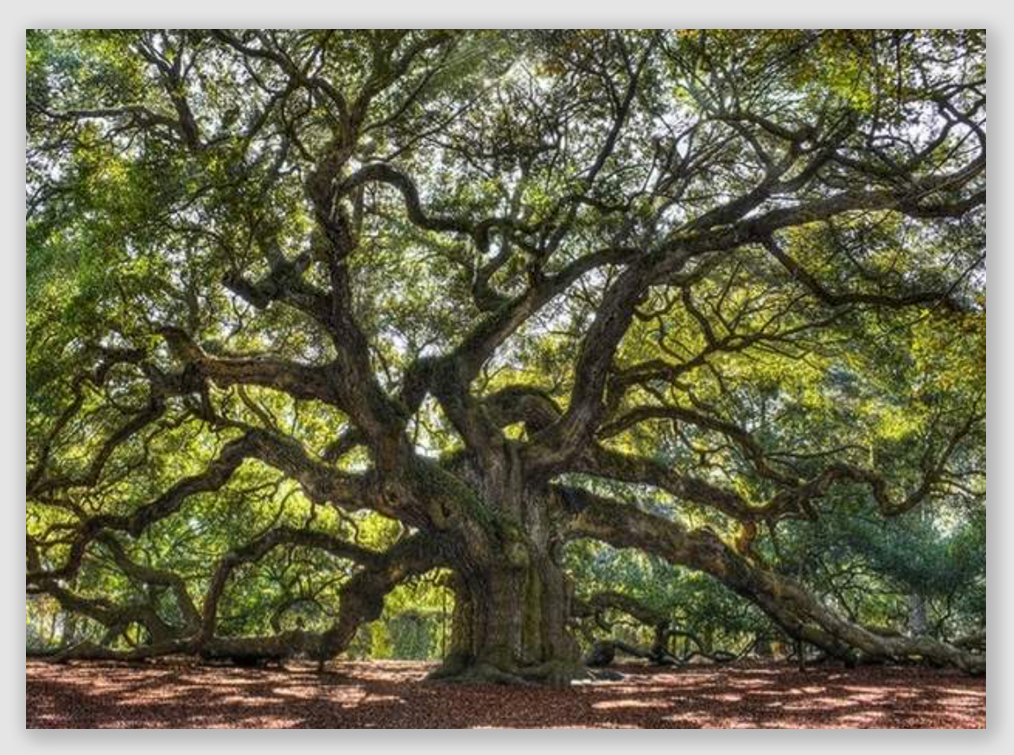
After starting as a small acorn, oak trees can grow to a huge size and survive life facing torrential rains, bitter winters, drought, disease and raging fires — but not man’s ax. The oak is a treasure to humans and animals and is well recorded in history since ancient times — not really surprising because people are like oak trees: “The acorn does not know that it will become a sapling. The sapling does not remember when it was an acorn, and only dimly senses that it will become a mighty oak. The oak recalls fondly when it was a sapling, loves being a mighty oak, and joyfully creates new acorns,” says writer J. Earp. Idaho’s biggest oak tree is a bur oak (Quercus macrocarp) in the Julia Davis Park in Boise, standing 105 feet tall with a trunk waist just over 14 feet. Sadly, it receives little mention by Boise Parks & Recreation. Oaks are not native to Idaho, but in addition to the Boise bur oak, there is at least one English oak and one northern red oak…
A former San Francisco 49ers player turned cherry farmer is now experiencing a sour note. Jeremy Newberry was set to start his first Brentwood cherry harvest season, but instead he arrived this week to find thousands of his newly-planted cherry trees ripped from the ground. “Literally this whole area was ransacked,” Newberry said. “I was sick to my stomach.” Newberry discovered Wednesday someone vandalized his orchard, ripping out 2,000 newly-planted cherry trees. “They yanked them out of the ground at the root and snapped them in half so you can’t replant them,” he said. Newberry plans to sleep in a trailer on the property to keep watch over his new field of dreams…
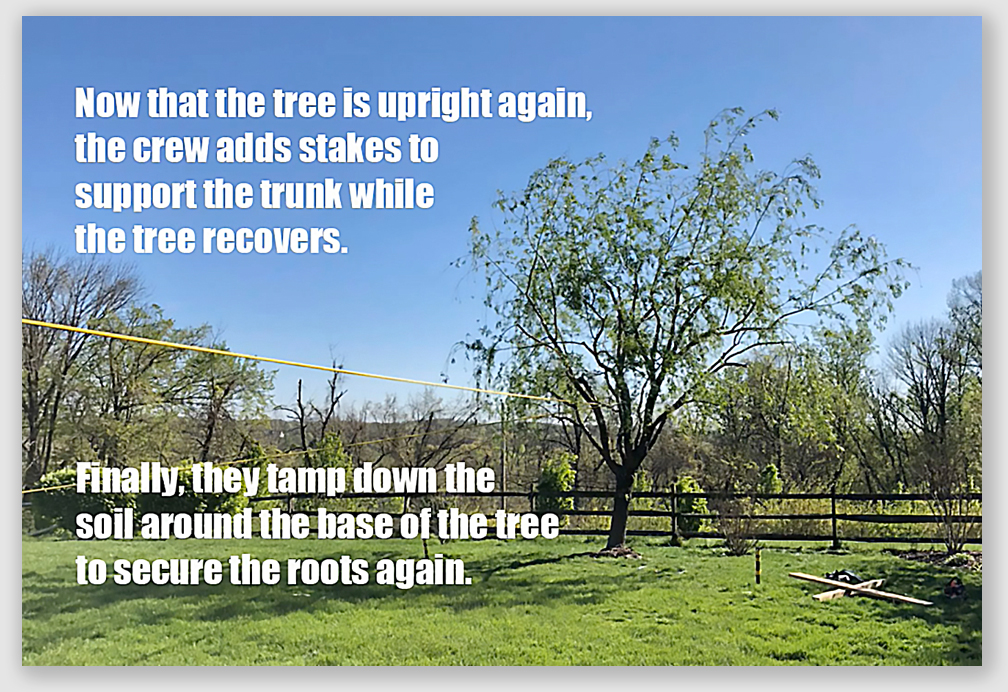
April showers bring May flowers, but heavy showers can bring big problems for trees with compromised root systems! That was the case with a beautiful Willow Tree in Richboro, Pa. when it crashed down during a windy storm. The homeowners were worried the tree would have to be removed. Thankfully, Vice President and ISA Certified Arborist, Drew Slousky, from Giroud Tree and Lawn determined that the tree could be saved and stood up again. Check out the incredible video showing how Giroud Tree Crew Leader, Leonardo Marquez worked with the Giroud Crew to stand up the Willow Tree. Disasters such as this one can leave homeowners wondering what could have been done to prevent such a big problem on the property. “Sometimes when Mother Nature calls, there are tragedies that just can’t be prevented,” explains ISA Certified Giroud Arborist, Rob Nagy. “When conditions are the perfect mix of saturated soil with too much wind, trees can just uproot. But there are many things you can do strengthen your trees so they are better prepared for these situations…”
Conservationists in southwestern Ontario are working to fight back against an insidious, tree-killing canker that threatens butternut trees across Eastern Canada. Never an overly abundant species, butternuts are revered by woodworkers and were an important food source for Indigenous people. But a canker first found in Wisconsin in 1967 had, by the early 1990s, taken root in Ontario. Butternuts are found throughout Ontario and as far east as New Brunswick. John Enright is a forester with the Upper Thames River Conservation Authority (UTRCA). He’s also a big fan of the butternut tree. One reason? He believes the nuts they drop in the fall exceed walnuts when it comes to flavor. “I know most people haven’t had a chance to eat a butternut but if you ever do get one, they are excellent, much better and sweeter than walnuts,” he said. “They’re a good nut for human consumption but also for wildlife…”
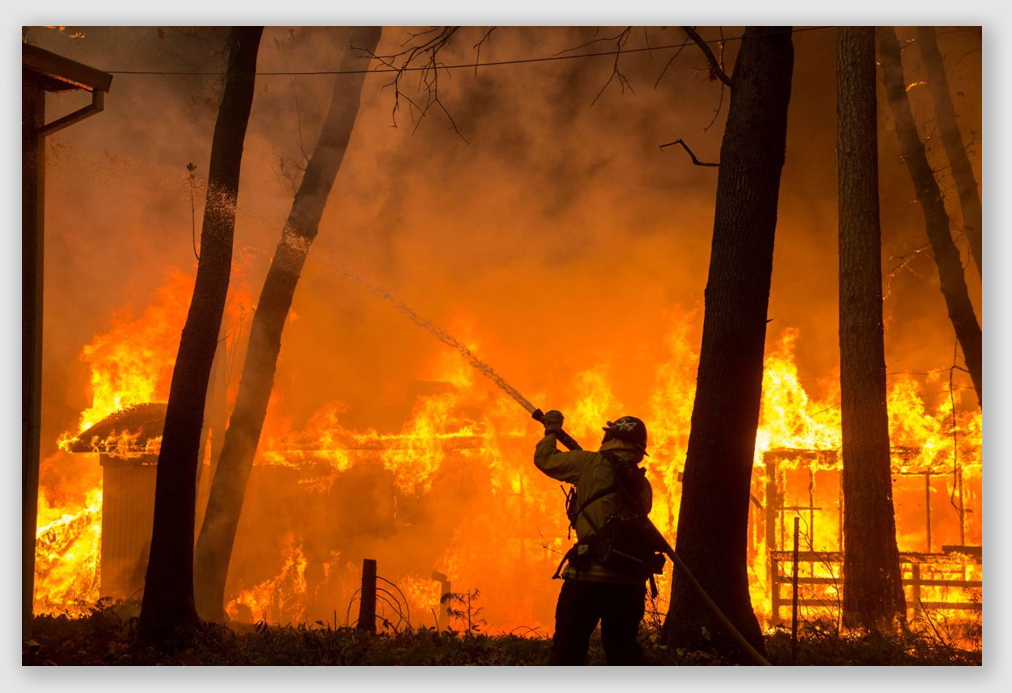
California investigators found that PG&E Corp.’s equipment sparked the deadliest wildfire in state history, putting additional pressure on a company already facing billions of dollars in fire-related liability costs. The California Department of Forestry and Fire Protection said on Wednesday it had determined that a PG&E electric-transmission line near the town of Pulga, Calif., ignited last year’s Camp Fire, which spread quickly across dry vegetation in the forested foothills of the Sierra Nevada, killing 85 people and destroying the town of Paradise. State fire investigators also said they identified a second point of ignition where vegetation blew into the company’s electric-distribution lines, starting another fire that was consumed by the first one. Cal Fire sent its investigative report to the Butte County District Attorney’s office, which will determine whether the company will face criminal charges. The findings—which end months of speculation about the utility’s role in the massive wildfire—raise the likelihood that PG&E could face billions of dollars in liability costs related to its role in the November fire. PG&E sought bankruptcy protection in January in anticipation of more than $30 billion in potential liability costs. It said earlier this year that its equipment was probably the cause of the Camp Fire. State fire investigators previously determined that the company’s equipment contributed to sparking 18 blazes that together killed 22 people in 2017…
Chatham, New Jersey, Patch, May 16, 2019: Cutting Down Trees Could Cost Chatham Property Owner $25K
A Chatham property owner could face upwards of $25,000 in fines for clearing too many trees from a property located at the corner of Mountainview Road and Fairmount Avenue, according to Chatham Township Administrator Robert Hoffman. There were a total of 29 summonses issued to the property owner that are related to the illegal removal of trees. “They were issued to both the property owner and Tree Service,” Hoffman told Patch. According to Hoffman, the property owner attempted to use the fact that he is not a native speaker of English and that English is his second language as a reason for the additional tree removal. Hoffman noted there was a permit issued to authorize the removal of eight trees and that the tree service used understands English. “Math is international,” Hoffman said. “Numbers don’t change from one language to another.” Hoffman said the homeowner will have to appear in court and will have to explain to the judge why he took down three times as many trees as he was allowed…
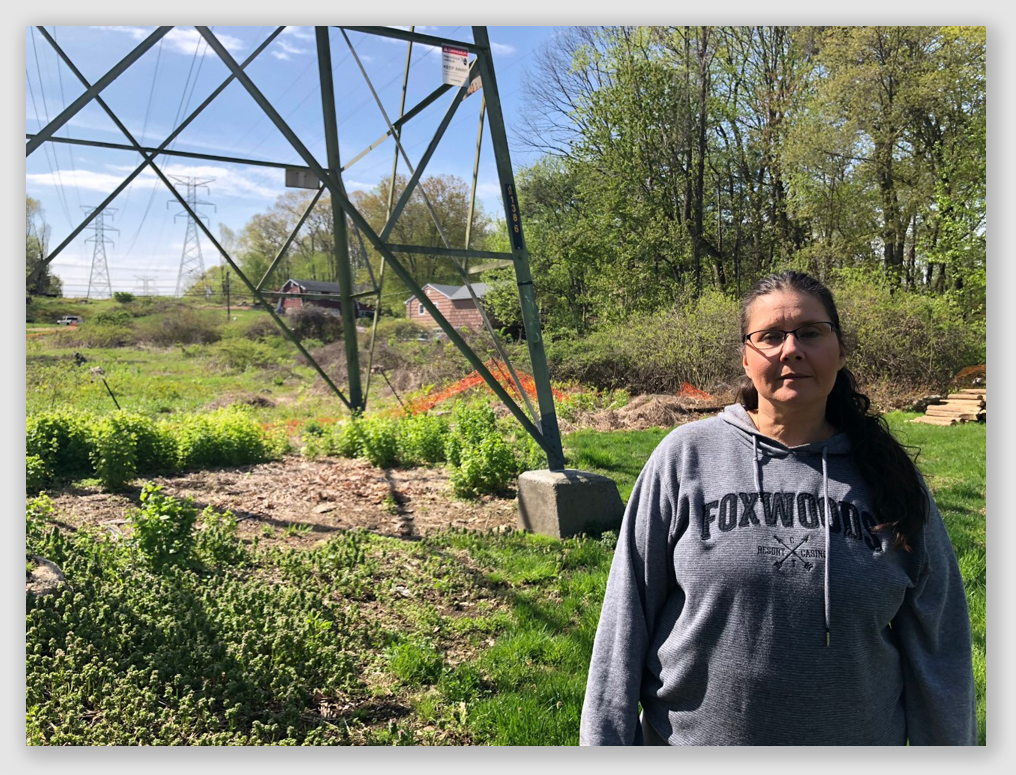
Darlene Masciola and her husband bought their Dickinson Drive home 15 years ago knowing an Eversource right of way — with a transmission tower at the property’s rear left corner — traversed the lot. While the Masciolas own the land, Eversource must maintain these rights of way by trimming or removing trees and shrubs to help protect the towers and lines. But what happens when this work leaves unhappy residents? Just ask the Masciolas and another nearby homeowner, the Fernandeses on Webster Drive. “This is just ugly,” said Masciola as she stood in her backyard, looking at what she termed a mess left behind from subcontractors who clear cut the entire section of the right of way on her property, leading back to adjoining lots, late last year. This is view Darlene Masciola sees when looking at her yard, which sits in an Eversource right of way. Eversource subcontractors trimmed trees in January, and Masciola has been unsuccessful in attempts to get the area cleaned up with new shrubs planted for screening. “I work hard on the rest of my property. Now I look out from my backyard, and I am just sick,” she said. “What I see makes me sick.” “I was shocked, devastated,” said Kathy Fernandes. “I was so depressed, I cried. What was worse was that I could not get in touch with anyone. I wanted them to see what was done. I understand they can do work in the right of way, but I did not sign up for them to destroy my backyard…”
A Norwalk Superior Court judge said she’s likely to allow the lawsuit against the city of Whittier, brought by family members of a 61-year-old grandmother killed when a Penn Park tree toppled onto her, to continue. Margarita Mojarro of San Pedro was attending a wedding in December 2016 when a massive eucalyptus fell on the the party as it was posing for photos. Twenty people were injured in the injured in the tree collapse, but Mojarro was the only person killed. The city of Whittier had asked Judge Kristin S. Escalante to dismiss the case. But on Thursday, she said she’s inclined not to grant that wish. Escalante, who is expected to make a final ruling in the next couple of days, said she based her tentative decision on opinions of experts who examined the remains of the 80-foot tree and concluded the city should’ve known its poor condition. In a declaration filed by the Mojarros’ attorney, Matteo Garbelotto, who holds a doctorate in forest pathology and microbiology, said it was obvious the tree was compromised…
 Phys.org, May 15, 2019: Researchers map symbiotic relationships between trees and microbes worldwide
In and around the tangled roots of the forest floor, fungi and bacteria grow with trees, exchanging nutrients for carbon in a vast, global marketplace. A new effort to map the most abundant of these symbiotic relationships—involving more than 1.1 million forest sites and 28,000 tree species—has revealed factors that determine where different types of symbionts will flourish. The work could help scientists understand how symbiotic partnerships structure the world’s forests and how they could be affected by a warming climate. Stanford University researchers worked alongside a team of over 200 scientists to generate these maps, published May 16 in Nature. From the work, they revealed a new biological rule, which the team named Read’s Rule after pioneer in symbiosis research Sir David Read. In one example of how they could apply this research, the group used their map to predict how symbioses might change by 2070 if carbon emissions continue unabated. This scenario resulted in a 10 percent reduction in the biomass of tree species that associate with a type of fungi found primarily in cooler regions. The researchers cautioned that such a loss could lead to more carbon in the atmosphere because these fungi tend to increase the amount of carbon stored in soil…
Some Mount Pleasant residents say Dominion Energy is leaving their trees ugly and disfigured. The power company does routine tree trimmings to make sure that the trees aren’t in the way of any power lines. The argument that the way the company cuts the trees is nothing new. Riverland Terrace homeowners have also fought with Dominion Energy about the tree-trimming standards. Ben Lee, a Mount Pleasant resident, says the best option is to bury the power lines. If that can’t happen, he at least hopes the company will consult with neighbors about their trees. “As a second option to consult with neighbors. Work with us, we would love to help. We understand that the trees can be difficult to maintain and powerlines are an important part of our streets,” said Lee…
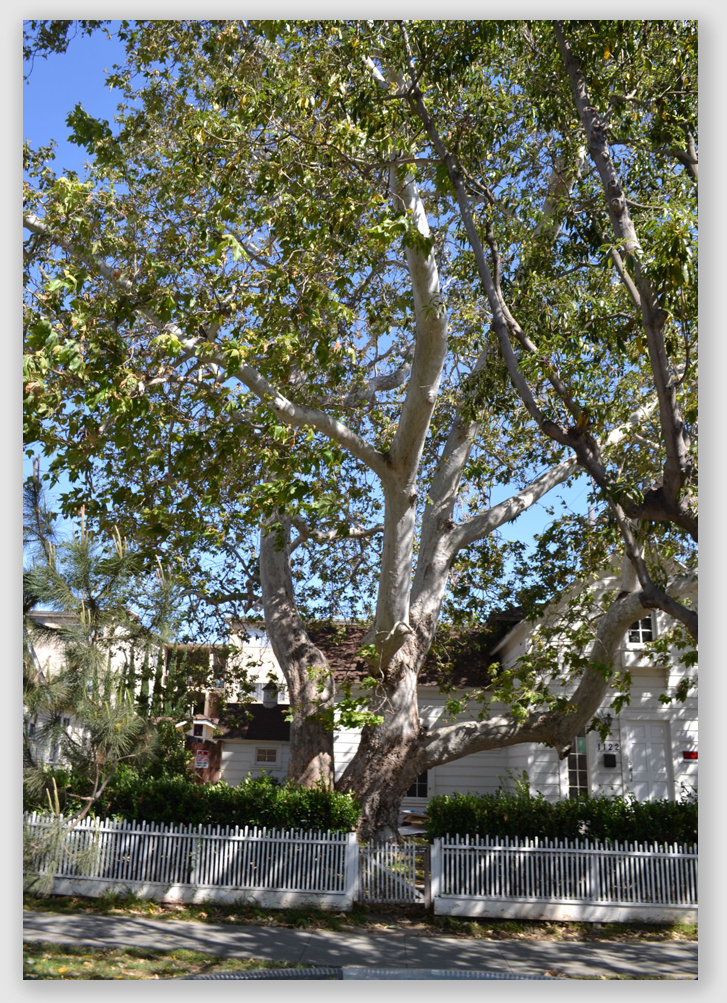
A battle over the landmark status of two century-old sycamore trees in Wilmont has culminated in a promise from City Council to develop a local law that protects trees on private property. The fight began in October 2017, when Wilmont resident John C. Smith learned that a developer was going to tear down the house and an intertwined pair of tall, leafy sycamores at 1122 California Ave. The Wilshire Montana Neighborhood Coalition applied to landmark the trees shortly before longtime Santa Monica residents Iradj and Lesley Shahriary bought the house with the intention of demolishing it and building more housing on the lot. So began six months of passionate debate about whether the trees deserved landmark status. Dozens of residents and the City of Santa Monica’s consulting arborist said the sycamores are outstanding specimens of their species with a remarkable and uncommon canopy. The Shahriarys and their supporters, however, said there are many similar trees in Wilmont and didn’t understand why they were being singled out to carry the burdens that accompany landmark status. Their daughter, Marya, said the family has no intention of cutting down the tree…
Las Vegas, Nevada, Review-Journal, May 15, 2019: Large pine trees need extensive deep watering
Q: What is your opinion of pines as landscape trees in our desert climate? We have quite a few planted in our complex and our HOA is discussing whether we should get rid of them or not because of their liability and water use. Our landscaper tells us they have borers.
A: I’m a little suspicious of the borer diagnosis in pine trees since it is rare for them. Have that diagnosis confirmed with a second or third opinion. Aleppo pine gets a blight that causes browning of needles and entire branches. From a distance, this can look like borer damage. So far no one has discovered the cause of Aleppo pine blight or how to control it but it’s thought to be related to irrigation and not resulting from a pathogen or borers. Aleppo pine blight is so common in the Las Vegas Valley that if a pine tree has brown branches, it is an Aleppo pine, not Mondell. My opinion of pine trees used for landscaping in the desert is mixed. I don’t think large pine trees should be planted here, but I do understand their light shade value once they have become established and mature. What makes me hesitate is their removal. I’m not sure if the shade they produce is worth the extensive deep watering needed to keep them healthy and upright against strong winds…
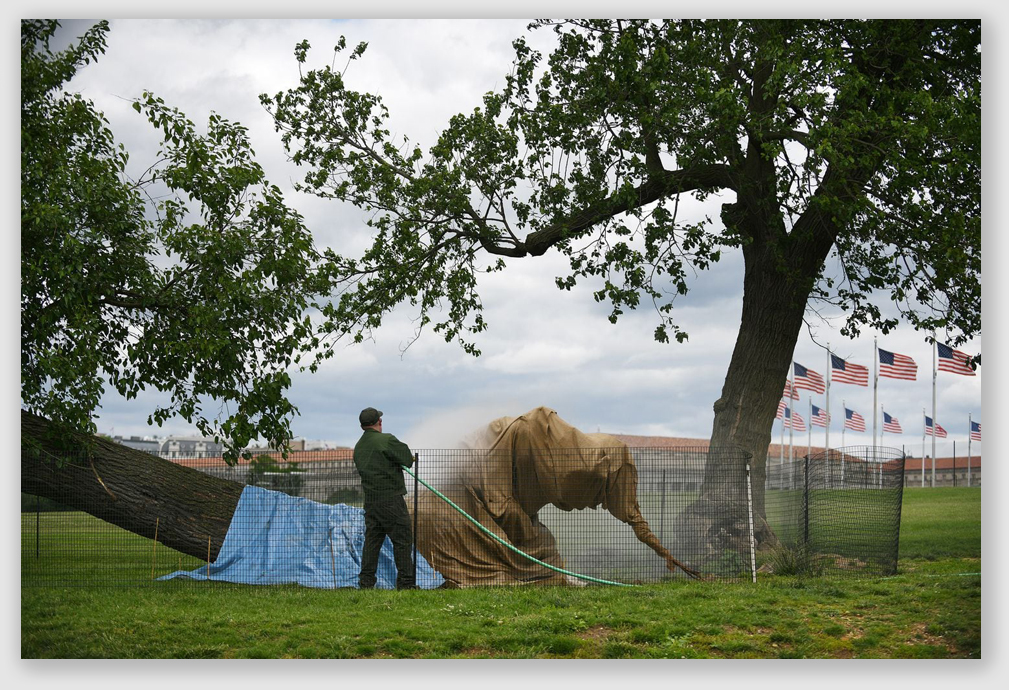 Washington, D.C., Post, May 14, 2019: Century-plus-old tree topples near Washington
A mulberry tree on the grounds of the Washington Monument believed to be more than 100 years old became uprooted over the weekend because of soil oversaturated by this spring’s heavy rains, according to the National Park Service. In the photo, a National Park Service tree worker waters the roots of a fallen mulberry tree on the grounds of the Washington Monument. The tree “predates the dedication of the Washington Monument,” which was in February 1885, officials said in a tweet. A crew is “weighing options to allow us to save the tree…”
Minneapolis residents and others calling for the Metropolitan Council to suspend tree cutting in the Kenilworth corridor for the Southwest light-rail line gathered nearly 2,900 signatures on a petition presented Tuesday to Gov. Tim Walz’s office. A member of the governor’s staff accepted the petition asking the council to delay plans to cut down more than 1,000 trees along the popular trail until federal funding for the light-rail line is assured. The $2 billion Southwest light-rail line will connect downtown Minneapolis with Eden Prairie, with service slated to begin in 2023. The Met Council is planning to apply for a $929 million grant from the Federal Transit Administration (FTA) to help pay for the project later this year. “It would be unconscionable and irresponsible to allow this precious forest setting to be destroyed without 100 percent certainty that the light rail will be funded,” resident Stuart Chazin said. Sen. Scott Dibble and Rep. Frank Hornstein, both DFL-Minneapolis, joined residents to present the petition, and they signed it as well. Other signers included Minneapolis City Council Member Lisa Goodman; Minneapolis Park and Recreation Board members Jono Cowgill, Meg Forney and LaTrisha Vetaw; and new Met Council members appointed by Walz, Lynnea Atlas-Ingebretson and Phillip Sterner…
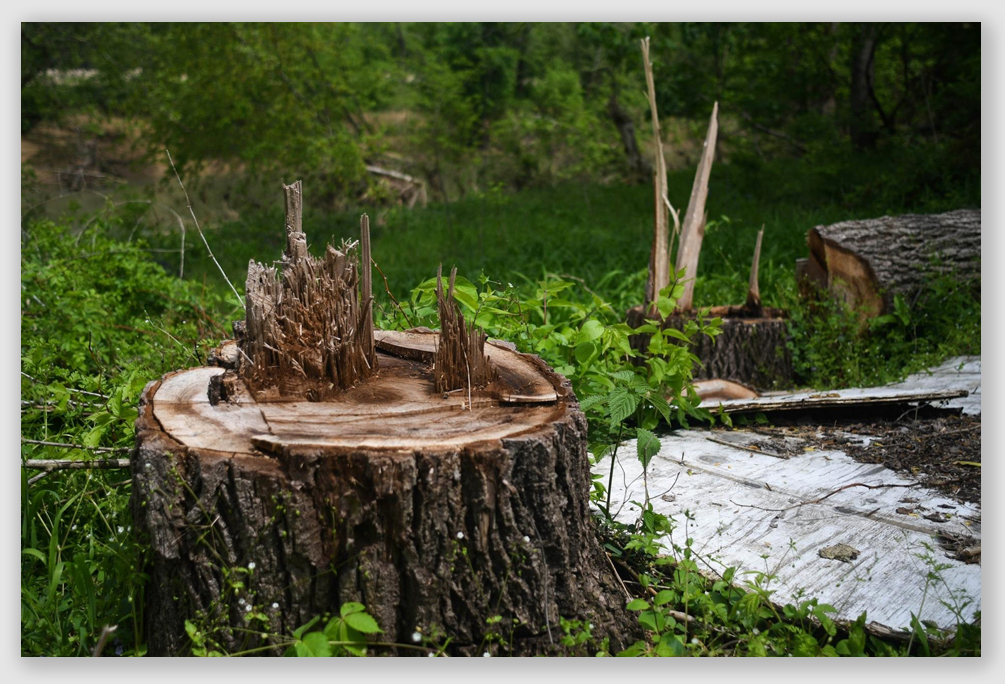 Columbus, Ohio, Dispatch, May 14, 2019: High timber prices lure poachers to cut down Ohio trees
Walking through his Ross County tree farm, Jim Savage stopped and looked down. “There it is,” he said, pointing to the jagged tree stump. In the grass lay the remains of a massive black walnut tree. About 50 yards away along Salt Creek were the spindly limbs of two other fallen trees. The trees were not victims of natural threats such as disease or weather, but rather poachers. Tree poaching, Savage said, is a growing problem statewide. And because the prices of white oak and black walnut have risen, the problem is getting worse. Forests cover about a third of Ohio, and private individuals own 86 percent of that land, said Greg Guess, program administrator for the Ohio Department of Natural Resources’ Division of Forestry. Because so much land is owned by individuals, many of whom own large swaths of forest or live outside the state, Guess said it’s hard to know the full extent of timber theft in Ohio…
Do-It-Yourself.com, May 14, 2019: How to prevent trees from damaging pavement
Tree roots grow fast, and they can travel much farther under the soil than you might expect. While some roots grow deep underground, others grow very close to, or right on top of, the surface of the soil. This can cause all kinds of chaos. Tree roots are strong enough to cause cracks and damage to pavement. This can make paved areas unsightly, introduce potential hazards, and reduce property values. The good news is, there are several things you can do to prevent this from happening and keep your property beautiful. Protect your paved areas from tree root damage by taking proper precautions when you’re planting trees and/or creating paved areas around your property. If you don’t want tree roots to damage your pavement, start by not planting trees anywhere near your paved areas. Or, don’t put pavement near your trees! Ideally, there should be at least 10 feet of space between the trunk of the tree and any pavement, and 20 feet is even better. Remember, roots can spread to over three times the diameter of the tree’s crown. Root systems can grow deep and far, and can cause trouble in pavement, plumbing, and structures both below and above the ground…
They have to destroy the forest to save it. That’s the state Sierra Club director’s ironic take on a plan by the New Jersey Department of Environmental Protection to clear-cut 16 acres of white pine trees in Bass River State Forest that are blocking part of the view from a forest fire lookout tower. “Destroy the forest to save it,” the Sierra Club’s Jeff Tittel wrote in an email, substituting “forest” for “village” to paraphrase the twisted dictum from the Vietnam conflict. In this case, the conflict is between environmentalists and others who want to preserve what they say is an historic grove of stately evergreens, and the DEP’s priority to spot and prevent forest fires that could threaten not only trees and wildlife in the environmentally-sensitive Pinelands region, but also the human life and property mixed in with it. Opponents of the clearcutting say the aging tower should be moved or replaced on higher ground, or that cameras be mounted on existing radio towers, alternatives the DEP has dismissed as too expensive or unreliable. On April 12, the DEP was granted approval by the New Jersey Pinelands Commission to cut down a stand of eastern white pines blocking the lookout tower’s view of forest to the south and east…
Houston, Texas, Chronicle, May 13, 2019: Best to find common ground for tree trimming
Q: There’s a healthy oak tree in my yard that hangs over portions of my neighbor’s roof. It doesn’t touch the roof yet, but it will soon most likely. The neighbor has asked us to cut back the tree. Is this our responsibility, or can we tell them to do it at their own expense?
A: There is no law that requires you to trim the branches off of a healthy tree. But if the tree were older or diseased, then you would be obligated to do so. You can therefore tell your neighbor that they will have to cut back the branches at their expense if they want the tree to be trimmed. They will be able to cut the branches back to the property line. If you are concerned that they might hire a company that will cause injury to your tree, or otherwise do a really poor job of trimming, then you could agree to pay for the work yourself. That way, you could choose the company and oversee the trimming…
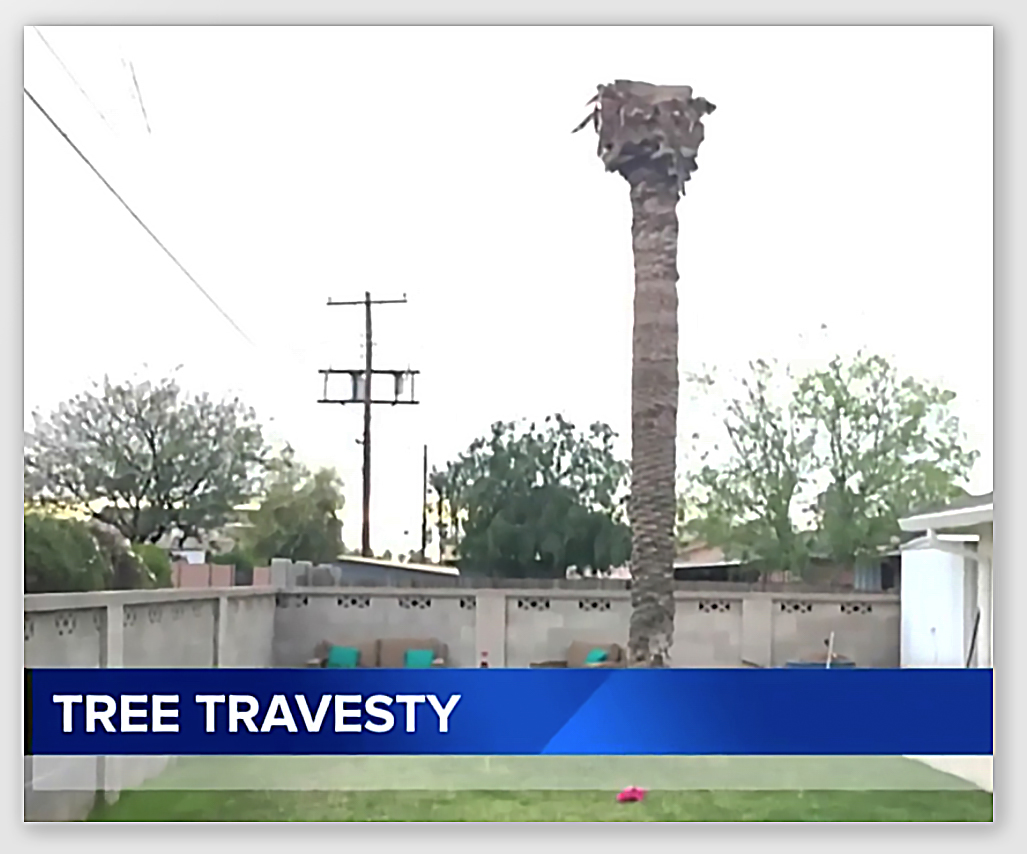
A couple in Scottsdale can’t get over the unsightly tree stump left in their backyard. “I don’t know how long palm trees take to grow, but that thing had to be out here for years,” Blake Yennie and his fiancé, Lauren Padilla, loved the palm tree that used to stand in their backyard. But to understand why they’re upset over a stump, you have to go back 5 months ago when they initially bought their Scottsdale home. “My fiancé really wanted a palm tree as part of our house selection,” Padilla said. In fact, the palm tree in the couple’s back yard is one of the reasons they bought the home. “Yeah, me and my realtor were walking around and we looked up and said ‘Wow, that’s a very nice palm tree.’” So, exactly what happened to that very nice palm tree? Well, pictures pretty much tell the story. Padilla says she took cell phone pics of workers from SRP in her backyard. Padilla claims they had jumped into her backyard without permission and started trimming the palm tree. Within minutes, the workers went ahead and just lopped off the entire top of the tree, leaving the 30 foot skinny trunk standing. Padilla, who was the only one home at the time says she was mortified. “So, you’re inside your house and you have guys that jumped over your wall and into your backyard?” 3 On Your Side’s Gary Harper asked. “Yes,” she replied “And, they’re cutting your tree down?” he asked. “Yes. With no warning. No warning!” she said. “Not even a door bell ring…”
A woman contacted CBS 6 Problem Solvers concerning massive overgrown trees next to her home that is threatening to fall over and cause expensive damage to her property. Gloria Miller is afraid of what could happen if heavy winds during a storm move through her Petersburg neighborhood. “It’s starting to lean more and more this way,” said Miller. She says overgrown trees and bushes from a vacant property next door have caused her a lot of anxiety. “Because it has knocked my fence down. And if we have a hurricane or storm these trees are going to blow over. Not that sturdy. You can hear them creaking and carrying on,” said Miller. Miller says she’s even had to spend her own money to maintain the trees when they start to hover over her Spotswood Drive property…
 New York City, The Wall Street Journal, May 11, 2019: Let’s farm chestnuts again
Many Americans know the sad tale of how the American chestnut tree was driven almost to extinction in the 20th century. The chestnut once grew from Maine to Mississippi, an area of more than 200 million acres. It was the most common tree in the forests of the eastern U.S.; indeed, scientists have estimated that one out of four trees in its range was a chestnut. Mature trees could be more than 100 feet tall, with trunks 7 feet in diameter that produced strong, straight-grained, rot-resistant wood. Many 19th-century homes had chestnut siding, shingles, doors and furniture. Fence posts, ship masts, utility poles, America’s zillions of railroad ties—all were chestnut. More important, chestnuts were food. An old rule of thumb was that the nuts from a single big chestnut tree could feed a family of four for a year. Roasted fresh, ground into flour or dried and reconstituted, chestnut was a staple of the Native American diet for millennia, and European newcomers eagerly adopted it. But in 1904, chestnut blight—a fungus originating in Asia—was spotted in the Bronx. As rampant as it was lethal, the disease killed more than three billion trees in the next half-century. Today, however, several types of blight-resistant chestnuts are becoming available, spurring a number of local efforts to bring the tree back. The goal is more than simply restoring a vanished species: The chestnut represents a chance to expand farming with trees. Agroforestry could even help solve one of the greatest challenges facing conventional agriculture: its role in promoting climate change…
Wildlife sightings are a given during walks around the undisturbed natural habitats of Palmyra Cove in Burlington County. Deer, groundhogs, dozens of butterflies and other animals dart through clearings at the 250-acre nature preserve. But the sighting of a single insect — the invasive spotted lanternfly — has brought attention from the New Jersey and U.S. agriculture departments. “One individual was found here and collected and it was sent to the USDA,” said Kristina Merola, director of natural sciences and park manager at Palmyra Cove. That was back in November. The United States Department of Agriculture followed up with an inspection, finding and removing a spotted lanternfly egg mass on a perimeter trail, Merola said. Then this week, as the insects’ hatching season approaches, crews from the NJDA began working in Palmyra Cove, the vast labyrinth of wetlands and woodlands beneath the Tacony-Palmyra Bridge. They’re marking Ailanthus trees — also known as the tree of heaven — which are a crucial host for the spotted lanternfly species. State crews are then treating the trees with herbicide, Merola said…
Utah Gov. Gary Herbert has asked the U.S. Department of Agriculture — parent of the U.S. Forest Service — to start a process that would remove a blanket ban on building roads through some 4.2 million acres of national forests in the state. It is a request that has not benefitted from much of anything in the way of public comment or scientific analysis — other than objections raised via commentaries offered to The Salt Lake Tribune — and Agriculture Secretary Sonny Purdue would be wise to reject the petition, at least in its current form. The governor’s office and the elected leaders of several Utah counties who are seeking significant changes in the 18-year-old rule deny accusations from environmentalist and Native American groups that their request is just a ruse to make it easier to bring a (currently nonexistent) timber industry to some of the state’s more sparsely populated areas. The idea, Herbert insists, is that building more roads through what are now many pristine forests would make it easier to prevent and extinguish forest fires. The problem with that argument is that, at least according to an analysis from The Wilderness Society, nearly all of the fires that have plagued Utah forests and nearby human habitations in the past decade have begun and burned outside of the current Roadless Rule areas…
Developers will owe the city of Bradenton nearly $60,000 after trees were cleared without a permit from an area near an apartment complex. Those involved with the site of the Preserve at Riverwalk apartments at Manatee Avenue East at 12th Street East will owe the city of Bradenton $59,300 for clearing the trees without a permit. In a Bradenton City Council meeting Wednesday, Councilman Bill Sanders said he received an email alerting him the trees in the area of the Preserve at Riverwalk apartments had been removed. Catherine Hartley, planning and community development director for the city of Bradenton, said the agreement between the city and the site developers was that the landscaping, including the trees, along Manatee Avenue East would stay…
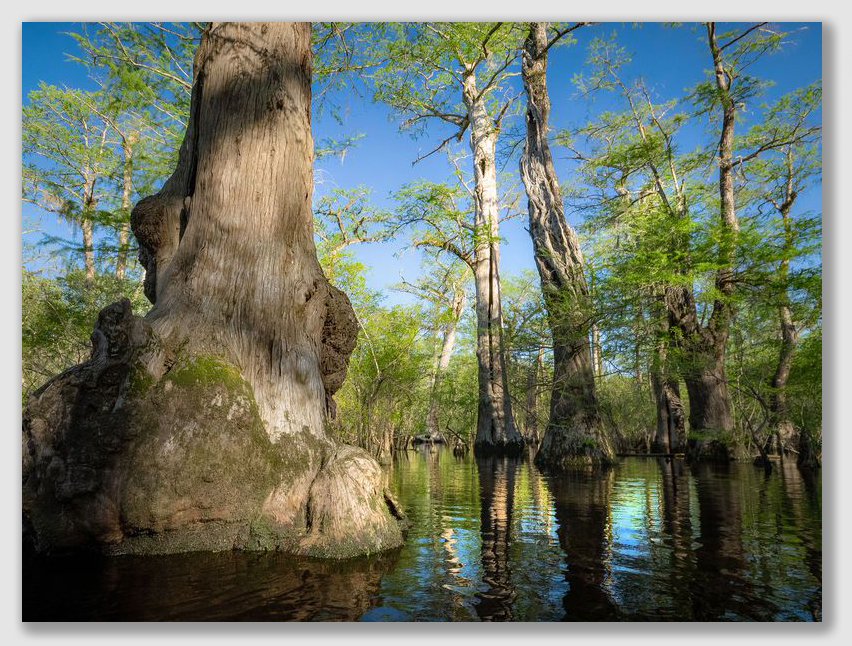 Science Daily, May 9, 2019: Oldest known trees in eastern North America documented
A recently documented stand of bald cypress trees in North Carolina, including one tree at least 2,624 years old, are the oldest known living trees in eastern North America and the oldest known wetland tree species in the world. David Stahle, Distinguished Professor of geosciences, along with colleagues from the university’s Ancient Bald Cypress Consortium and other conservation groups, discovered the trees in 2017 in a forested wetland preserve along the Black River south of Raleigh, North Carolina. Stahle documented the age of the trees using dendrochronology, the study of tree rings, and radio carbon dating. His findings were published May 9 in the journal Environmental Research Communications. The ancient trees are part of an intact ecosystem that spans most of the 65-mile length of the Black River. In addition to their age, the trees are a scientifically valuable means of reconstructing ancient climate conditions. The oldest trees in the preserve extend the paleoclimate record in the southeast United States by 900 years, and show evidence of droughts and flooding during colonial and pre-colonial times that exceed any measured in modern times. “It is exceedingly unusual to see an old-growth stand of trees along the whole length of a river like this,” Stahle said. “Bald cypress are valuable for timber and they have been heavily logged. Way less than 1 percent of the original virgin bald cypress forests have survived…”
The Bradford pear is the ultimate Dr. Jekyll and Mr. Hyde story. In spring, the non-native tree, originally from Asia, produces gorgeous white flowers, and in the fall, vibrantly colored leaves. “I would consider it an ornamental tree, so this is not a tree that going to grow to be 60, 70, 80 feet in height,” said Windsor city forester Paul Giroux. “It’s an important tree for the landscape who have confined planting locations.” Of the roughly 70,000 trees in Windsor, 2,300 of them are Bradford pears, which is a cultivar of the callery pear. Every year, the city adds 50-75 of them to that inventory. The problem? Those pretty white flowers stink. The smell of the Bradford pear has compared to rotting fish — and even bodily fluids. So why would anyone plant such a stinky tree? “It was brought over to North America because it was pretty hardy… it just seems to grow in really rough conditions,” explained Amber Cantell, director of programs at ReForest London, a non-profit group dedicated to planting trees in the Forest City. Life in the middle of a sidewalk or a road median, surrounded by concrete and asphalt is difficult — so it makes sense to plant the strongest trees there, right? Countless cities across North America seemed to agree, and according to The Washington Post, it became the “ubiquitous street tree of America’s postwar suburban expansion…”
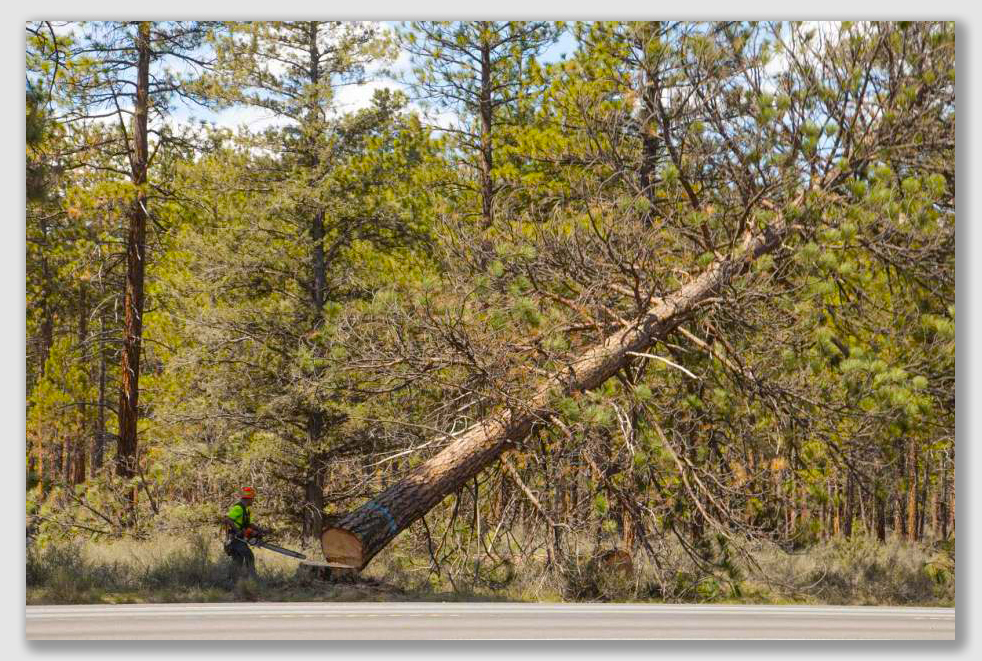
Use of an herbicide that caused the death of more than 2,000 trees near Sisters will now be restricted despite objections from agrichemical giant Bayer AG. The Oregon Department of Agriculture said Thursday that it will immediately begin severely restricting the use of herbicides containing the chemical aminocyclopyrachlor, or ACP. Regulators found ACP was the main ingredient that killed trees near Sisters from 2013 to 2015. The decision was released the week after U.S. Forest Service contractors started cutting down the dead trees. This makes Oregon the first state to limit the herbicide on a statewide basis. Regulations were meant to go into effect in March but were postponed after Bayer, which manufactures the herbicide under the name Perspective, filed for a delay. The regulations prohibit using the chemical in wildlife management areas and make permanent temporary restrictions on its use in right-of-ways for roads, highways, railroad tracks, bike paths and more…
Chillicothe, Ohio, Gazette, May 9, 2019: Spruce tree challenges
In recent years, most all spruce varieties have been having difficulty fighting off the fungal disease Rhizosphaera needle cast. This fungal disease causes premature death and casting of needles of conifers. Blue spruce seems to have the greatest damage, though the fungus infects other spruces as well. The fungus tends to start on the older, (inner) and lower branches first where there is less wind movement and typically better conditions for fugal growth. Although the fungus may attack needles anytime during the growing season, spring infection is probably more common. Once infected, the tree will continue to lose the past years needles, leaving only this year’s growth. Even if treatment is applied, the branched where the needles have died and fallen off will not generate new needles. Homeowners often seek effective methods to “cure” affected spruce trees. Unfortunately, there is no method that will eradicate Rhizosphaera from spruce. Before deciding on a treatment plan homeowners should first consider a few items. First, what is the value of the tree such as its placement as a windbreak or privacy fence? Second, the long-term investment necessary to apply fungicides to infected trees needs to be considered. Repeated applications each year, as well as over multiple years, are typically necessary to make meaningful improvements. This can add up to a significant cost in fungicides and time, and even more if you need to hire the application done. Additionally, when deciding to treat the tree, it typically will take several years to see that improvement. For more mature trees, the aesthetics of the tree will never recover and removing the tree might be the best option…
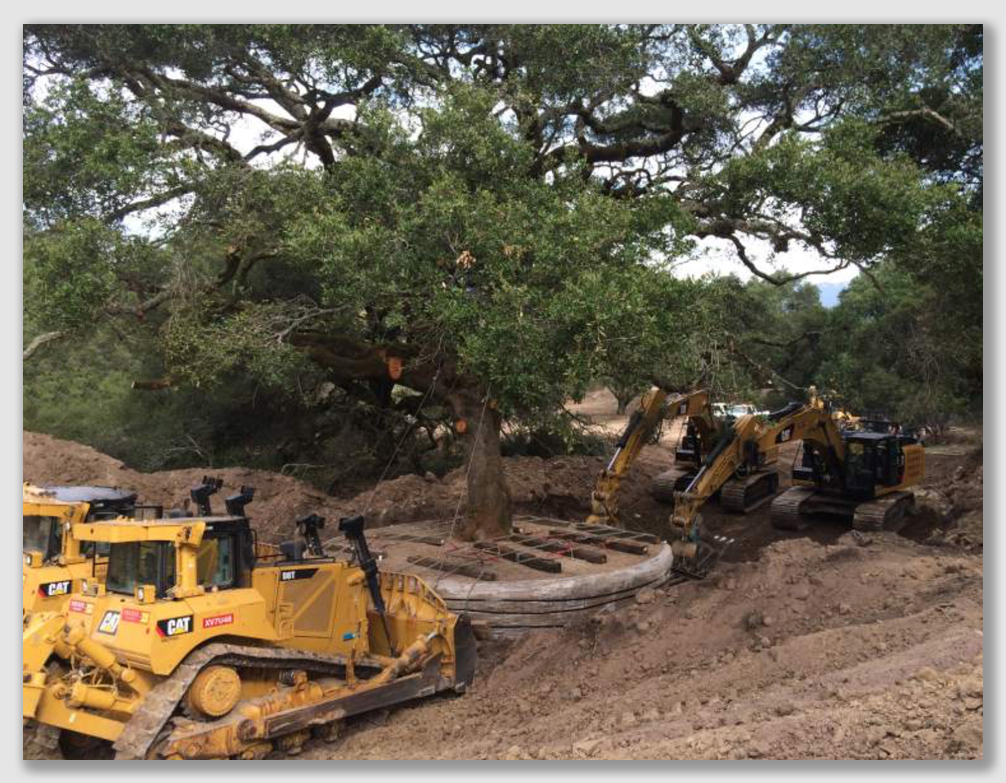
Sonoma Land Trust Stewardship Director Bob Neale had seen pictures. So he thought he had a good idea of what awaited him when he went out to inspect a protected piece of land on the north flank of Sonoma Mountain a few years back. A concerned neighbor had reported heavy equipment and questionable activity on property protected under a conservation easement and, thus, intended to remain in its natural state. But while photos conveyed “a sense of it, it’s nothing compared to actually seeing it,” Neale, a soft-spoken man, said of the environmental damage he witnessed that day in 2014. “I was not prepared.” Neale and an associate found a patch of private landscape above Bennett Valley scraped down to bedrock in some places and a trenched, 180-year-old oak uprooted and bound so it could be dragged to an adjoining parcel to adorn the grounds of a newly constructed estate home, according to court documents. That heritage oak and two others the landowners sought to move over a haul road they bulldozed through the previously undisturbed site all died, along with a dozen more trees and other vegetation, according to court records. The damage would eventually prompt Sonoma Land Trust to sue the property owners, Peter and Toni Thompson, a highly unusual step for the private nonprofit. Last month, it prevailed in what representatives hailed as a landmark legal victory…
For gardeners, the offer seems too good to be true: Twenty tree seeds for just $4.68, the ad on eBay says, roughly 24 cents for each tree that grows from planting them. There’s a catch: The tree is the tree of heaven, a weedy tree that grows abundantly along highways and country roads, in vacant city lots and suburban parks, and on the edge of parking lots, farm fields and woods. Its long, fern-like fronds resemble sumac, and its leaves emit an odor like burnt peanut butter when crushed, or when the tree flowers, earning it the common nicknames “stink tree” and “varnish tree.”A native of China and Taiwan, the tree of heaven, or Ailanthus altissima, has flourished in Pennsylvania for more than 200 years, brought to the United States by a wealthy Philadelphia botanist for his lavish gardens in 1785. It has spread to at least 44 states, often growing in clusters, its roots producing suckers that bloom into trees as well. A female tree can produce 300,000 seeds a year, according to the Penn State Extension.. Even the eBay seed seller, a Florida business, admits in its ad, “Those who know this tree know it is anything but heavenly.” Now a recent discovery has made it even more notorious: It is a favorite food of the spotted lanternfly, an Asian sap-sucking insect that has infested part of Pennsylvania…
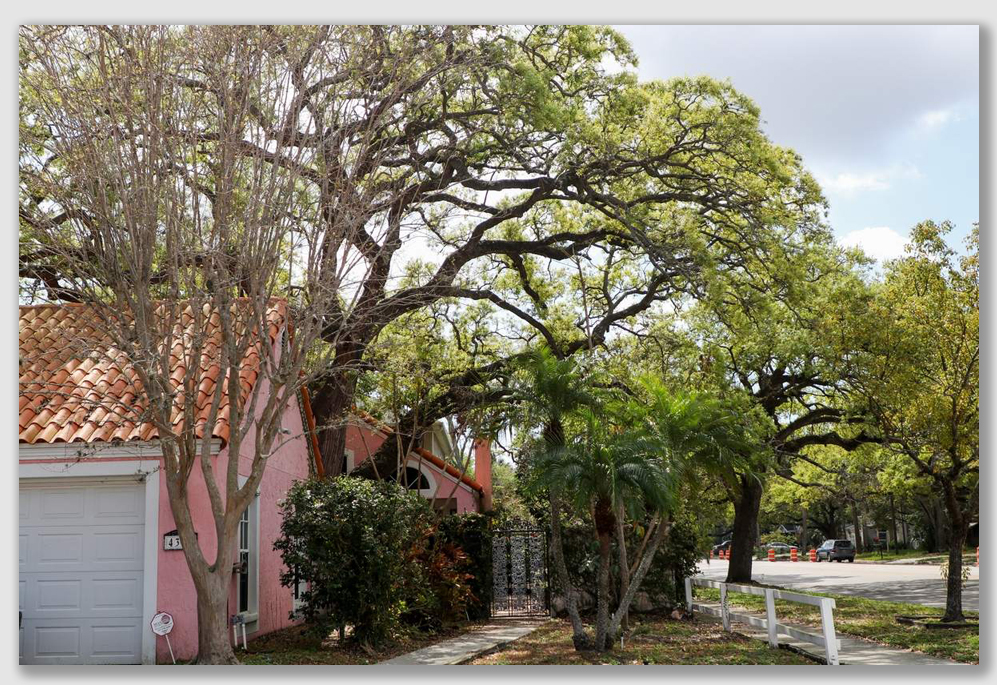
Trees were a battleground issue for years at Tampa City Hall before council members last month approved an historic compromise between builders and tree advocates. A week later, state lawmakers passed a property rights bill that is likely to remove much of its impact. Though still awaiting the signature of Gov. Ron DeSantis, House Bill 1159 would stop Tampa from doing much of what the ordinance set out to do. Local governments would be barred from regulating the removal, replanting, pruning or trimming of a tree on private property if a licensed arborist determines the tree poses a danger. Assistant City Attorney Kristin Mora said the legislation, set to take effect June 1, would remove the city’s arborists from the role of verifying dangerous trees and being involved in the pruning of trees through the permitting process. “In addition, we anticipate that there will be instances where trees are improperly removed, but the city will be left without recourse or a method for mitigation or replanting,” Mora wrote in an email. Chelsea Johnson, founder of Tree Something, Say Something, a tree advocacy group, says the proposed law would open the door to decimation of the city’s tree canopy, which has won national awards. “It allows for abuse by crooked characters,” she said. “I think the public would be really alarmed if they were aware of this…”
Hagerstown, Maryland, Herald-Mail, May 8, 2019: Rules for planting a tree not what they used to be
It’s spring, and you are ready to plant a tree for your children and grandchildren to enjoy. But do you know the right way to plant a tree? You might be surprised to find that the process is not what you might have been taught. Consider the following statements. Are they true or false? • For the quickest shade, buy the biggest tree you can afford. • Dig the hole twice as deep as the root ball. • Don’t disturb the root ball when planting or you might damage the roots. • Improve the soil in the hole by mixing in a generous amount of organic matter. • Add a mound of mulch around the trunk to protect it after planting. • Cut back the crown of the tree by one-third after planting to compensate for lost roots. All these statements are false, and yet many believe them to be true. Research has proven otherwise. If you want a tree to survive and thrive, follow these suggestions instead…
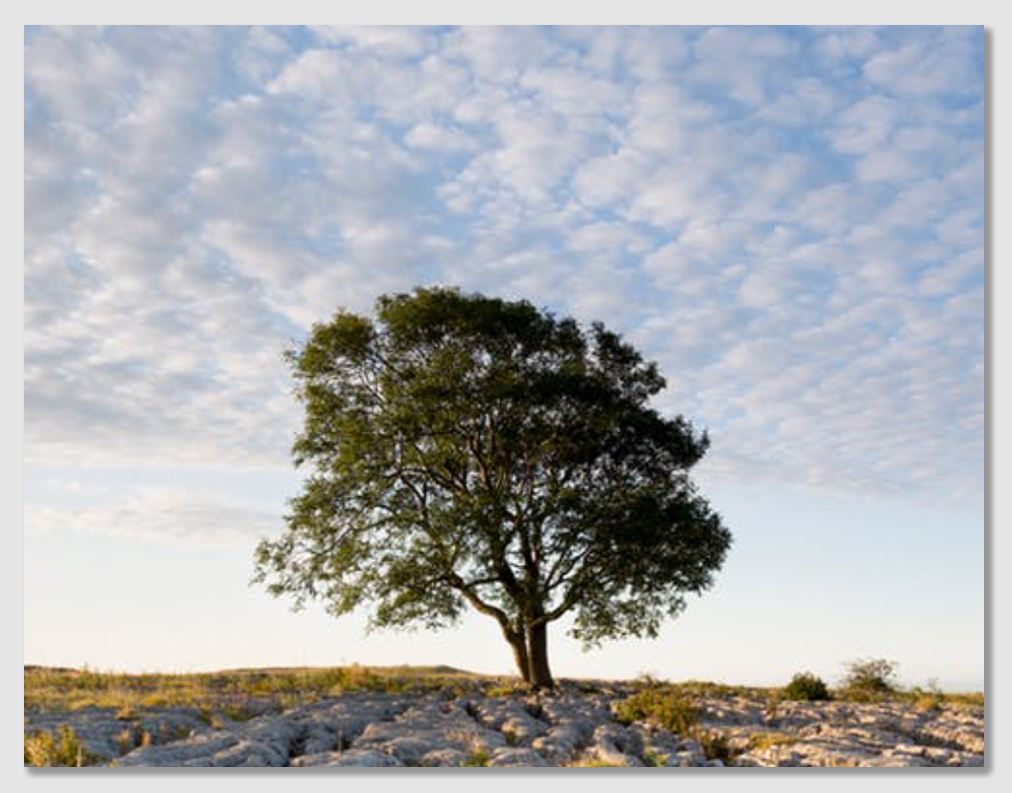
Ash dieback – a fatal disease of Britain’s native ash trees (Fraxinus excelsior) – is one of the worst tree disease epidemics the UK has ever seen. The disease is caused by a fungus that originated in Asia but is thought to have arrived in Europe on exotic plants in the early 1990s, where it has devastated native ash species which have very little natural immunity. Ash dieback has since spread ferociously throughout Europe due to airborne spores and trade in ash saplings which have no visual symptoms of the disease. In 2012, the disease was confirmed in the UK and later shown to have been imported on saplings to multiple sites across the country. It is now found throughout the UK. There’s no cure and very few trees show signs of long-term resistance. The environmental impacts of the disease are likely to last a long time, but as a new Centre for Ecology & Hydrology paper explains, they’ll also carry a shockingly high economic cost…
Marietta, Georgia, Times, May 7, 2019: Tree commission clarifies removal rules
Marietta Tree Commission clarified Tuesday the process residents across the city can use when faced with what many have called a nuisance. Tree Commission member Grady Smith explained to Fourth Ward Councilman Geoff Schenkel at the meeting that in the last year the city’s policy on gum trees has changed. “The city has wanted to divest themselves of the gum trees and there’s a reason for that and a reason why we don’t plant them anymore,” said Smith near the close of the commission meeting. He explained to Schenkel that the city used to require a payback of sorts, to acknowledge the time and investment made in trees in city right of way, but gum trees have caused a continuous issue for pedestrians. Now, payment is only required in the removal of the tree…
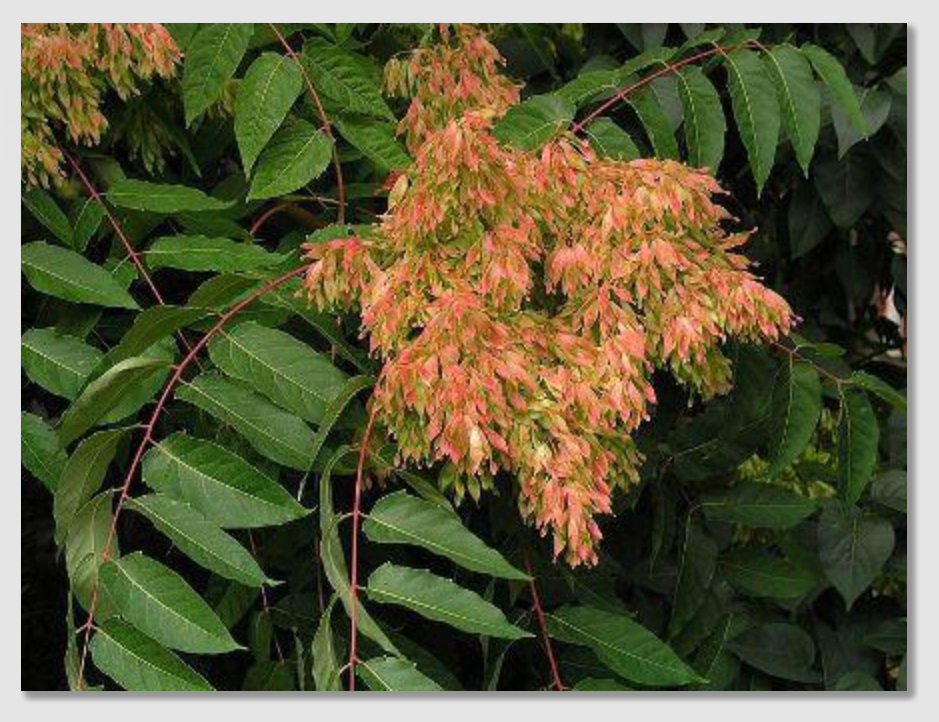 Hood River, Oregon, Hood River News, May 7, 2019: Tree of Heaven is May ‘Weed of the Month’
Tree of Heaven (Ailanthus altissima) sounds lovely — but it is not. This very invasive deciduous tree has spread vigorously along waterways, roadways and agricultural areas, said a press release. It has pale gray bark, light brown twigs and large, pinnately compound alternate leaves. Each compound leaf is made up of 11-25 leaflets, arranged opposite each other. The compound leaves can grow up to four feet long, and each leaflet has one to several glands near their base. Identification can be difficult, as its leaves are similar to black walnut, sumac and ash. Tree of Heaven can be distinguished by its fuzzy brown twigs and seed heads that stand erect. It also has a strong stench, particularly from its flowers, that has been likened to cat urine. Perhaps the best identifiers are the glands at the base of the leaves. Tree of Heaven is a prolific seed-producer, which is why it is out-competing native species. It has large showy clusters of small yellow-green flowers in June that produce flat, single-seeded winged fruits in summer. One tree can produce an estimated 325,000 seeds each season. It can thrive in harsh conditions, which is why you see it growing up in parking strips and through riprap…
Houston, Texas, Chronicle, May 7, 2019: Report: Tree-cutting error may have caused firefighter death
A firefighter who was struck and killed by a falling tree during a California wildfire last year had finished a 32-hour shift two days earlier and may have misjudged which way the tree would fall when cut, according to a report released Tuesday by the National Park Service. The report on the accident that killed Capt. Brian Hughes recommends reviewing and updating park service training for cutting trees and also urges a look into ways of preparing for and combatting the effects of stress and fatigue on wildland firefighters. The action plan also recommends evaluating changes in procedures to deal with more extreme wildfires in the West and more dead trees, caused by climate changes. Hughes, 34, was a member of the park service Arrowhead Interagency Hotshot Crew battling the Ferguson fire, which engulfed the Sierra National Forest near Yosemite National Park last July. According to the report, Hughes and another crewmember were cutting down a dead, burned 105-foot-tall (32-meter) ponderosa pine. The tree was still smoldering near its top, producing “a steady stream of embers” that expected winds might blow into flame…

In 2017, thousands of wildfires spread across California, destroying more than 1.2 million acres. That devastating wildfire season brought intense new scrutiny to vegetation management at utilities, especially at Pacific Gas & Electric (PG&E), which fire investigators determined was responsible for 17 of the 21 major wildfires that year. Across the country, contact between electric equipment and vegetation is the leading cause of wildfires according to the California Public Utilities Commission (CPUC), which collects data about fires ignited at the state’s investor-owned utilities (IOUs). It’s no wonder, then, that vegetation management is often the largest line item in a utility’s operating budget, exceeding $100 million per year at many large U.S. utilities. California’s three IOUs spend more than $1 billion per year on vegetation management, Elizaveta Malashenko, deputy executive director of CPUC’s Safety and Environment Division, tells Electric Light & Power. Vegetation management has always been a complex challenge for utilities, complicated by utilities’ static management approaches. Typically, utilities perform data-collection surveys once per year on a fixed cycle, then use that data to make decisions about whether or where to begin work…
If you are considering planting a tree, you might want to eliminate southern magnolia (Magnolia grandiflora) and jacaranda from your list of choices. There is a bacterial disease that is infecting these trees, and liquidambars and sycamores, too, especially in the San Fernando Valley, but throughout the greater Los Angeles area as well. I would also be reluctant to plant an olive tree. Over the last five years in Puglia which, geographically speaking, is the heel of Italy’s boot, eleven million olive trees – some of them 500 years old – have been killed by the same bacteria that has been proliferating among our local trees. The bacteria involved, Xylella fastidiosa, happens to be the bacteria responsible for oleander leaf scorch. At one time, oleander was the preferred selection for hedges throughout Southern California. It flowered most of the year in white, pink, red, or salmon and, once established, did not require summer irrigation. Today, it is seldom seen on account of the deadly bacteria mentioned above…
 The New Yorker, May 6, 2019: Is noise pollution the next big public-health crisis?
I worried about ringing the doorbell. Then I noticed two ragged rectangles of dried, blackened adhesive on the door frame, one just above and one just below the button. I deduced that the button had been taped over at some point but was now safe to use. I pressed as gently as I could, and, when the door opened, I was greeted by a couple in their early sixties and their son. The son has asked me to identify him only as Mark, his middle name. He’s thirty years old, and tall and trim. On the day I visited, he was wearing a maroon plaid shirt, a blue baseball cap, and the kind of sound-deadening earmuffs you might use at a shooting range. Mark and I sat at opposite ends of a long coffee table, in the living room, and his parents sat on the couch. He took off his earmuffs but didn’t put them away. “I was living in California and working in a noisy restaurant,” he said. “Somebody would drop a plate or do something loud, and I would have a flash of ear pain. I would just kind of think to myself, Wow, that hurt—why was nobody else bothered by that?” Then everything suddenly got much worse. Quiet sounds seemed loud to him, and loud sounds were unendurable. Discomfort from a single incident could last for days. He quit his job and moved back in with his parents. On his flight home, he leaned all the way forward in his seat and covered his ears with his hands. That was five years ago. Mark’s condition is called hyperacusis. It can be caused by overexposure to loud sounds, although no one knows why some people are more susceptible than others. There is no known cure…
It’s grown into the number one complaint among Clevelanders. Thousands of diseased, dead and dangerous trees, ready to topple and posing a threat to safety along our neighborhood streets. Cleveland may be nicknamed the Forest City, but among its city-owned stock are ailing and dead trees scattered throughout neighborhoods. The city has a list of 3,300 city-owned trees along street lawns that need to be cut down. Council members and neighbors say some of those trees have been on that list for more than a year and a half. “This is a safety issue,” said homeowner Robert Jackson on the city’s west side. Homeowners complain the city has fallen so far behind on tree maintenance that rotted trees and limbs are crashing down not only during storms, but randomly when neighbors least expect it. “It’s fallen on my cars and everything,” said Richard Sisson. He says he’s complained repeatedly to the city about a tree he says threatens his home and family. “It’s unbelievable. I’m afraid it’s going to fall on one of my grandchildren,” he said…
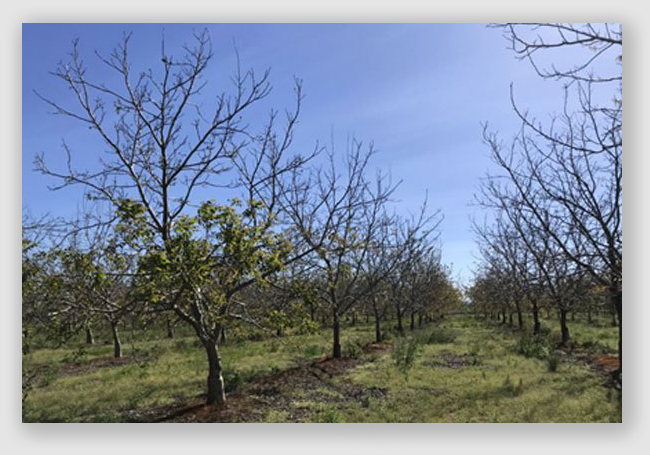 Agfax, May 4, 2019: California walnuts: Trees take an autumn hit – Here’s what’s known
From the northern San Joaquin Valley to the northern Sacramento Valley, walnut farmers and their consultants are reporting a widespread and alarming issue of walnut trees not leafing out this spring. UC farm advisors, specialists and professors are working together with growers and crop consultants to find out why. The initial hypothesis from researchers is that we are seeing frost damage from mid-November, however the symptoms on mature blocks are both more unusual and more severe than autumn freeze events in recent memory. Farm advisors on the east side of the Sacramento Valley began receiving panicked calls in the third week of April from concerned PCAs and growers that large swaths of walnut orchards were only partially leafing out. Even earlier, similar calls were coming in to farm advisors in the northern San Joaquin Valley. The pattern of affected trees has been highly variable across these orchard blocks…
Two adults are injured after a 40-foot tree fell during an event Saturday morning at Marina Park in San Leandro. The cottonwood tree toppled during an event to raise money for the Family Emergency Shelter Coalition (FESCO), crushing a plastic folding table and injuring two adults, according to a tweet by the Alameda County Fire Department. The two people injured in the event, a walk-a-thon called the FESCO Shuffle, had “non-life threatening injuries” and were treated at a local hospital, according to the department…
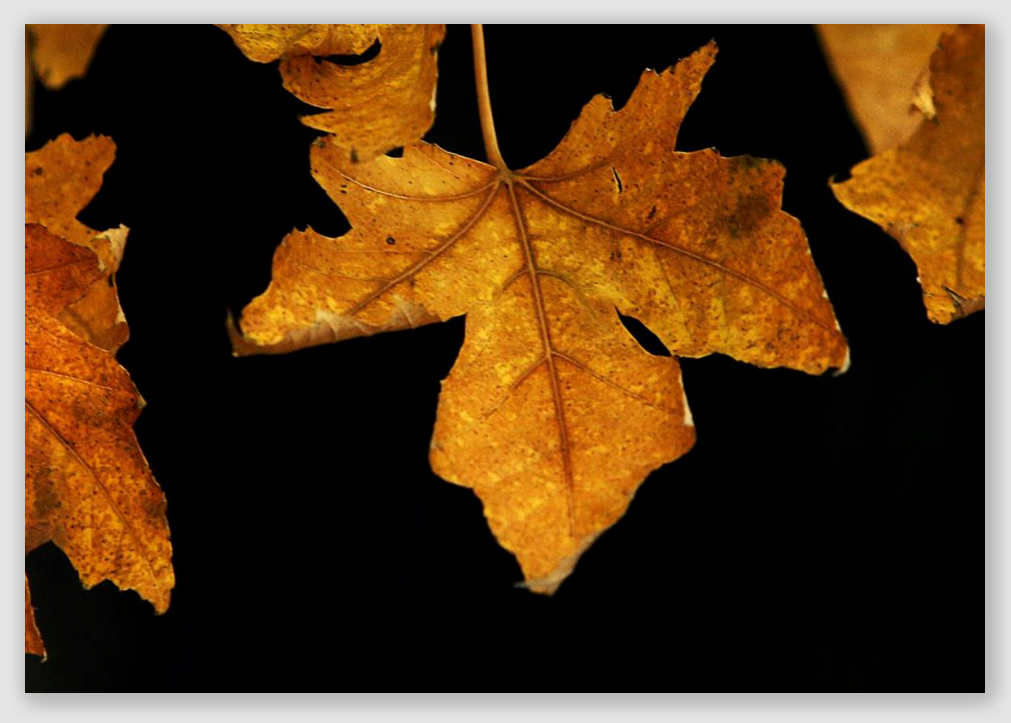 Davenport, Iowa, Quad-City Times, May 4, 2019: When buying new trees, think beyond maple
Every time Mark Vitosh sees another ‘Autumn Blaze’ maple planted in the landscape, he gets slightly uneasy. Maples make up more than one third of all trees in Iowa communities, creating great risk of tree loss should a new insect or disease target maples, Vitosh, a district forester for the Iowa Department of Natural Resources, or DNR, explained. In response to the threat of the ash tree-killing insect emerald ash borer, the DNR conducted inventories over the past several years of about 350 small communities (fewer than 5,000 people) and found that, overall, about 17 percent of the street and park trees in these communities is ash while about 34 percent to 37 percent is maple trees…
One of the main nurseries for an Ontario tree planting program that’s being scrapped by the province said it will likely have to destroy about three million trees because of the cancellation. Ed Patchell, CEO of Ferguson Tree Nursery in Kemptville, Ont., said he can’t afford to pay for staff, supplies and operating expenses to run the nursery and maintain all the trees that are in various stages of growth. “If we don’t have a potential client to buy those trees, then I can’t afford to keep putting money into it,” Patchell said. “It’s cheaper to destroy them at a young age than it is at the ship age, plus I don’t have to keep carrying the costs. It’s not something that we want to do, it’s something that we’re going to be forced to do because we can’t financially carry it.” Last month the Ministry of Natural Resources and Forestry announced it would cancel the 50 Million Tree Program, which has seen the planting of more than 27 million trees across Ontario since 2008…
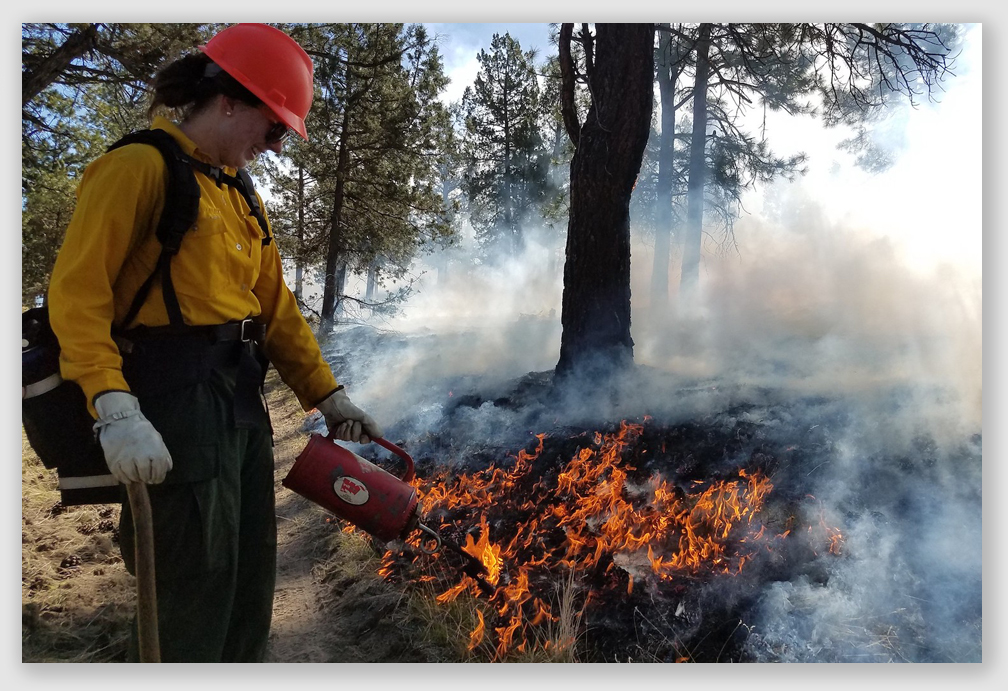 Paonia, Colorado, High Country News, May 2, 2019: Western forests have a ‘fire debt’ problem
As spring settles in across the United States, Western states are already preparing for summer and wildfire season. And although it may seem counter-intuitive, some of the most urgent conversations are about getting more fire onto the landscape. Winter and spring, before conditions become too hot and dry, are common times for conducting planned and controlled burns designed to reduce wildfire hazard. Fire managers intentionally ignite fires within a predetermined area to burn brush, smaller trees and other plant matter. Prescribed burns can decrease the potential for some of the large, severe fires that have affected Western states in recent years. As scholars of U.S. forest policy, collaborative environmental management and social-ecological systems, we see them as a management tool that deserves much wider attention. Forests across much of North America need fire to maintain healthy structures and watershed conditions and support biodiversity…
An interior designer has been ordered to chop down 65ft trees on her luxury property after losing a long-running feud with her neighbours. Complaints about the excessively tall trees on Juliet Rathbone-Tulleth’s Broughty Ferry home were first made in 2017 by her neighbour Irene Moncur, who lives parallel to her property, to the Dundee City Council. Mrs Rathbone-Tulleth denied her Cypress tress were causing problems, and instead insisted they were providing her £500,000 home with privacy. The city council ruled the trees in the businesswoman’s backyard to be lopped down to 25ft following their investigation. Mrs Rathbone-Tulleth lodged an appeal to the Scottish Government hoping to beat the council ruling. But her plan backfired after they also sided with Mrs Moncur and said the entire trees should be axed…
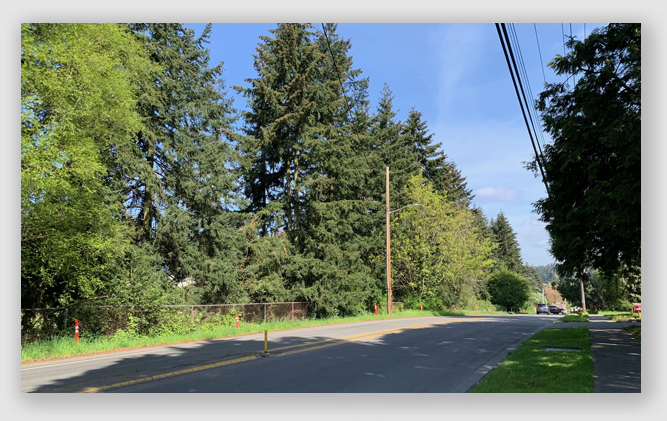
The chainsaws are sharpened and workers are ready to go. The start of work on the Lynnwood light rail expansion begins today. This is the final piece of the ST-2 expansion approved by voters 11 years ago. It will take light rail from the new Northgate Station about eight-and-a-half miles north into Lynnwood. Most of the track will run between 5th Avenue and the state right-of-way, adjacent to I-5 as it leaves Northgate. To make room, Sound Transit will have to take down more than 5,000 trees, which we have talked about before. The first grove to go will be the stretch between 130th and 145th, just to the west of Jackson Park. “We’re not pleased that we have to take down the trees, but we’re going to be replacing them with four times as many as we take out when construction is done,” Sound Transit’s John Gallagher said. This work is going to create a big visual distraction for drivers on I-5…
The Hamilton County coroner has identified a 22-year-old man killed in a tree-trimming accident Wednesday on Cincinnati’s west side. Alberto Tobias DeLeon Chun, who worked for Home Repairing & Remodeling Services, was killed Wednesday afternoon along a busy street in East Price Hill. Authorities said a tree toppled onto Chun as he was working along the road in the 3400 block of Glenway Avenue. “They were good. They knew what they were doing, but you never know. Even the best tree trimmer can get killed anytime,” said Brian Kelly, who lives in the area. Other neighbors said Chun was working for the new owner of a building to clear out a space where people had been known to leave pit bulls and homeless people would camp out. “They’ve been in my yard for four days because the new owner wanted it cleared out for his kids,” said Rena Hamadeh. Hamadeh said the man had cut down a bigger tree on the opposite side of her building Wednesday morning. She said she had worried for his safety. “We were discussing about the danger of him being in the tree, not roped off, how it was being done, the chances of him dying. Now it really came to reality,” said Hamadeh…
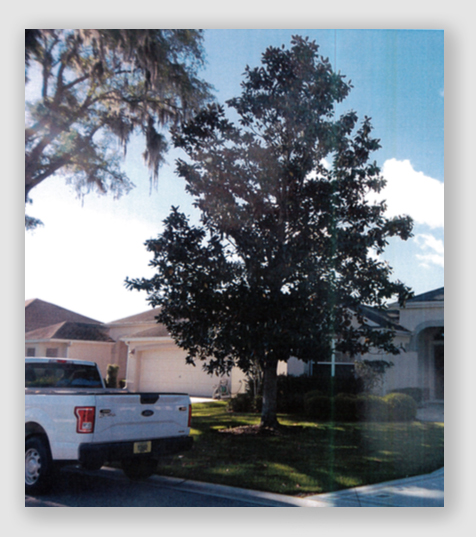
A homeowner in The Villages wants to cut down a tree which he says is damaging the “curb appeal” of his property. Keith Heck, who live at 2840 Manor Downs in the Village of Belvedere, sought permission Wednesday from the Architectural Review Committee to remove the magnolia tree from his front yard. He said the tree dwarfs the house and spans 24 feet of the 27 feet of his yard from the landscaping to the curb, according to his application to the ARC. However, an arborist’s report has saved the tree, at least for now. The arborist found the tree is not diseased, its roots aren’t causing any damage and it does not present a safety concern. “This is a nice, healthy looking tree. I really can’t find any problems with it,” arborist David Van Vleet Jr. wrote in the report…
Johnson City, Tennessee, Press, May 1, 2019: Tree trimming trouble
Roaring chainsaw motors had residents of Martindale Estates and the mobile home park near Hidden Oaks Drive concerned as contract tree trimmers from Elizabethton Electric Department cut away vegetation along a backup power line easement. Storms over winter caused three pine trees to fall, according to residents in the area. One large tree toppled two others, bringing down some power lines that Rob Toney, general manager of Elizabethton Electric Department, said provide a backup source of power for the neighborhood if a problem arises in the primary system, which is underground. The trees were on one resident’s property; they fell across the lines and an easement and onto another resident’s property, according to Toney. Now, piles of felled trees, mangled branches and downed wires are in Robert Bachman’s back yard. Scarred trees that will be future hazards and piles of debris that make great homes for pests and snakes have Bachman angry. “They just came and started cutting,” said Bachman during an interview. “I have called and I have called but they don’t pay (any attention) to me. Look at this mess; they cut good trees and everything. I asked them what they were going to do with this mess, they said, ‘nothing.’ I said, ‘wait there, you’ve cut my trees down without my permission and you are just going to leave them laying?’ They said, ‘yeah…’”

The state’s never-ending attack against the invasive gypsy moth will resume in a couple of weeks in Wisconsin. The Department of Agriculture, Trade and Consumer Protection announced on Wednesday that 16 counties, mostly in western Wisconsin, will be sprayed in mid-May or early June, and then again in late June or early July. The annual spraying is an attempt to control the spread of the gypsy moth, an insect that defoliates many trees and plants during their caterpillar stage, which stresses the trees and can cause the trees to die. “These aerial treatments are the most efficient and effective method to delay the impacts associated with gypsy moth outbreaks,” said Christopher Foelker, gypsy moth program manager. The spraying can begin as early as sunrise, with low-flying yellow-colored planes going just above the tree tops, continuing into the late morning or afternoon. The spraying will also happen on weekends…
“Zombie trees” sound straight out of science fiction, but don’t worry: Your trees aren’t going to bite you. They’re just thirsty. Although seven years of drought in California finally relented this March, high heat and lack of water have caused a severe decline in the health of some trees, with many now essentially suspended between life and death, Sacramento-area arborist Matt Morgan said. “The whole zombie tree issue came about after years of drought stress,” Morgan, assistant district manager with The Davey Tree Expert Co., said. “They structurally declined and the health decreased to a point where the trees are just there right now.” By “just there,” Morgan means that though the tree may look like it’s alive, it could be suffering from long-term dehydration. Its root structure may not be strong enough to support it, it may be starting to crack, or its foliage may be discolored and dying back. These traits can be hard to spot if you aren’t looking for them, and Morgan said you should be. Zombie trees are at risk for falling over, which could damage buildings and injure people. Root structures that grew under dry conditions are weaker than they normally would be, Morgan said, so if rains come in and make it harder for the already weak roots to hold onto the soil, the tree may tumble…
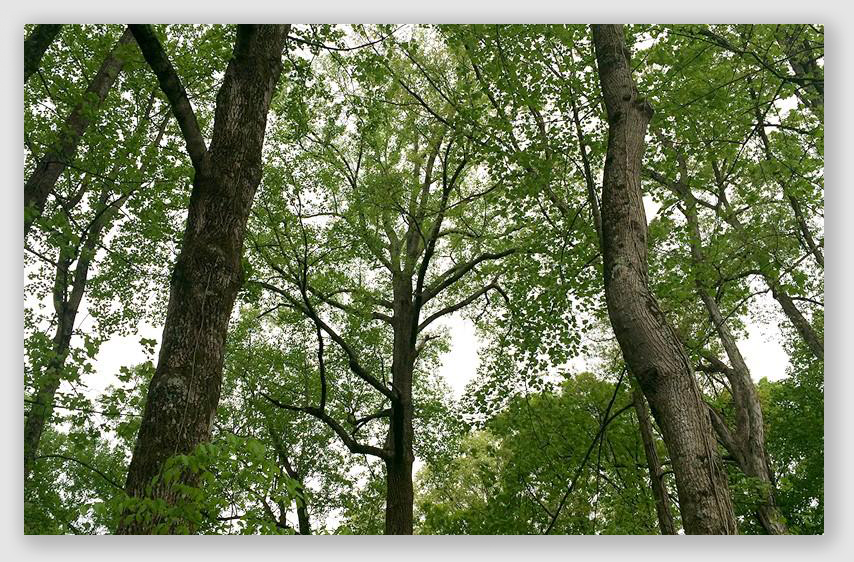 Atlanta, Georgia, Journal Constitution, April 30, 2019: Will a new tree law make Atlanta more leafy?
The city of Atlanta is looking to take another whack at fixing its Tree Protection Ordinance. That’s great, because anyone who has been around the redeveloping city knows that trees are anything but protected. Properties are getting cleared and older homes bulldozed to make way for McMansions or “Townhomes from the 500s!” The grrrrr of chainsaws competes with the sounds of songbirds and traffic. Department of City Planning czar Tim Keane explained to me how the word “protection” in the Tree Protection Ordinance is a misnomer: “The ordinance doesn’t protect trees. It makes you pay for it.” By “it,” he means chopping them down. It’s called the “recompense fund” and costs about $1,000 to cut down an oak that’s 30 inches in diameter at chest height, basically a rounding error on a $500,000 townhouse. Developers, Keane said, “write a check and they build…”
National Science Foundation, April 25, 2019: City trees can offset neighborhood heat islands
The concept of heat islands — densely built-up urban areas that are hotter than the rural and semi-rural landscapes around them — has been extensively studied and is widely accepted. Now a new study takes a closer look at the urban heat island phenomenon and what can be done to mitigate it. According to ecologist Carly Ziter of Concordia University in Montreal and colleagues at the University of Wisconsin-Madison, tree canopy cover in an urban area can dramatically reduce the temperature of the immediate environs — enough to make a significant difference even within a few city blocks. The research was funded by NSF’s Long-Term Ecological Research program and its North Temperate Lakes site. In a paper published in the journal Proceedings of the National Academy of Sciences, Ziter and co-authors report that when canopy cover reaches a certain threshold, temperatures begin to drop dramatically. “We found that to get the most cooling, you have to have about 40 per cent canopy cover, and that was strongest around the scale of a city block,” she says. “If your neighborhood has less than 40 per cent canopy cover, you’ll get a little bit of cooling, but not very much. Once you tip over that threshold, you really see large increases in how much you can cool areas…”
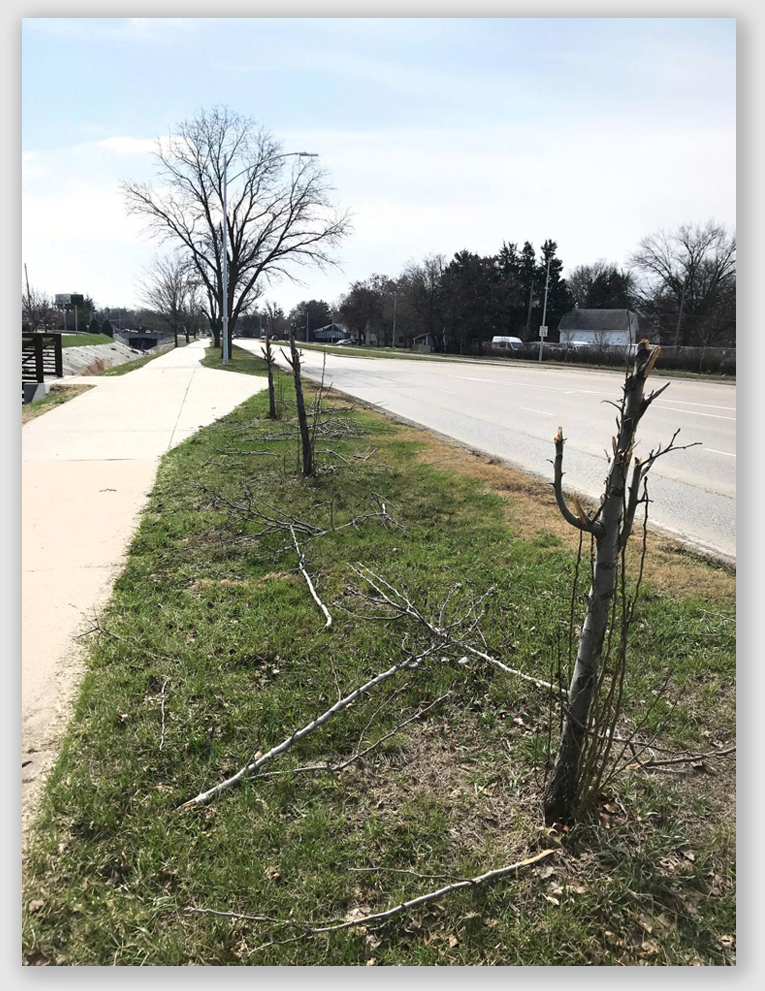
The vandals struck earlier this month, and they weren’t kind to the city’s Parks and Recreation Department. They tore apart and toppled nearly two dozen flowering pear trees planted five years ago along Capitol Parkway and the Billy Wolff Trail, between Randolph and South 27th streets.“We don’t know exactly how they were broken off,” said Nicole Fleck-Tooze, the department’s special projects administrator. “But it looks like they had peeled the branches off and broken off the stems.” The trees couldn’t be saved, so city crews had to finish the job, cutting them out and grinding out the stumps…
If you’re new to Colorado, you may not be familiar with the bark beetle. It’s a collection of several species of beetles that have killed off millions of acres of treesin Colorado’s forests. There have been numerous studies on how the beetles have impacted forest lands, but a one-of-its-kind study was just released documenting how the beetles have impacted woodland wildlife. The study’s lead researcher, Jake Ivan said, “on one hand it’s sad to see the dead trees on the landscape, but on the other we’re witnessing a once-in-a-millenia event and Colorado is ground zero. It’s quite a spectacle from an ecological perspective.” To perform this study, researchers put 300 cameras in forests across the state that delivered more than 300,000 photos of animals from chipmunks to moose. Researchers said the response to areas impacted by bark beetle varied widely by species. Elk, for example, tended to increase their use of areas impacted, or more dead trees. Similar results were observed for mule deer. Red squirrels were among the few species to be negatively impacted…
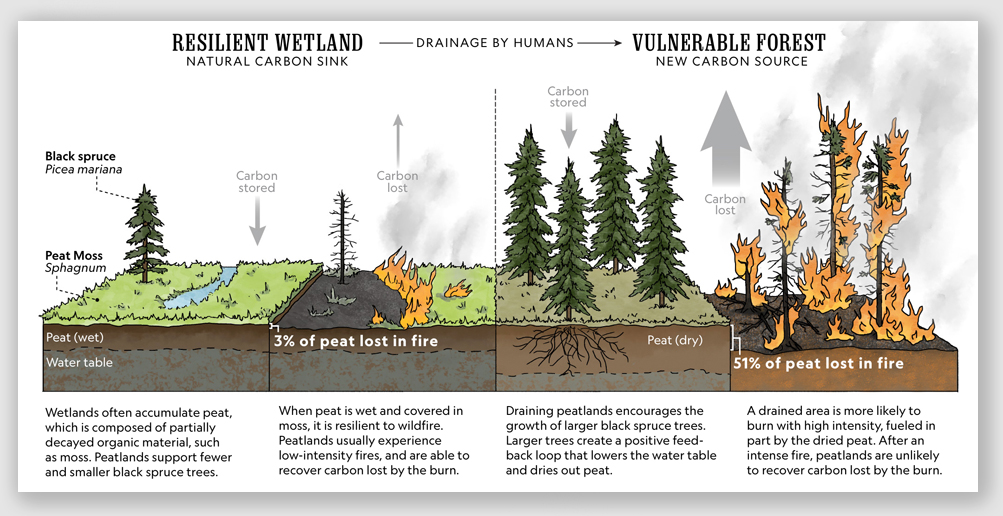 National Geographic, April 29, 2019: Tree-planting programs can do more harm than good
Imagine a black hole in the center of a green donut, Malcolm North said. A USDA forest ecologist in the Sierra Nevada of eastern California, North was at the center of a new experiment in forestry with global implications. In September 2014, the King Fire ripped through 150 square miles (390 square kilometer) of the Eldorado National Forest. North was part of a team of scientists studying new ways to bring the forest back. That put him at the center of one of the hottest new fields of climate adaptation—and a quiet revolution in his own field. Throughout the 20thCentury, the Forest Service grew trees by, well, planting them. “We’d go out to a big fire or clear cut,” North said, of his college summers working as a tree planter, “and every ten to twelve feet we’d plant another pine tree. At the end it would look just like a corn crop.” They called it “pines in lines,” and over the last century it became industry standard as the Forest Service replanted the native mixed-species forests of Western conifers with trees for commercial harvest. But that method—relying not only on armies of sowers but also foresters who come back, years later, to “clean up the mess”—has become prohibitively expensive for a Forest Service facing the intersection of a more volatile climate with flat funding. “Forest Service spending on fire suppression has gone from 15 percent of the budget to 55 percent,” Agriculture Secretary Sonny Perdue said in 2017. “That means we have to keep borrowing from funds that are intended for forest management…”
Last year, simply by living, the trees lining the curb of our little West Asheville residential lot stopped 3,720 gallons of stormwater from eroding our and our neighbors’ yards and flooding down our streets and storm drains into our neighborhood creeks. That’s nearly the same amount of water as four large fire engines blasting their hoses till their tanks are empty or me soaking in a 10-minute shower every morning for six months. And if my wife and I can protect our grizzled old American holly and skyscraping bald cypresses from chainsaw-swinging marauders for another year, they’ll sequester enough CO2 to reduce our household’s carbon footprint by nearly 1 ton — not to mention how much fossil fuel they’ll save us from paying for by sheltering us from winter winds and shading us from summer sun. Our trees and their arboreal cohorts all across Asheville could be —should be — our city’s most effective and affordable defense against the dangerous flooding, erosion and temperature extremes that climate change is increasingly inflicting on us. Their umbrellas of branches and leaves intercept and moderate excessive precipitation and solar radiation, while their spreading, twisting networks of roots wick up surplus groundwater and knit together rock and soil particles to prevent them from washing away downhill…
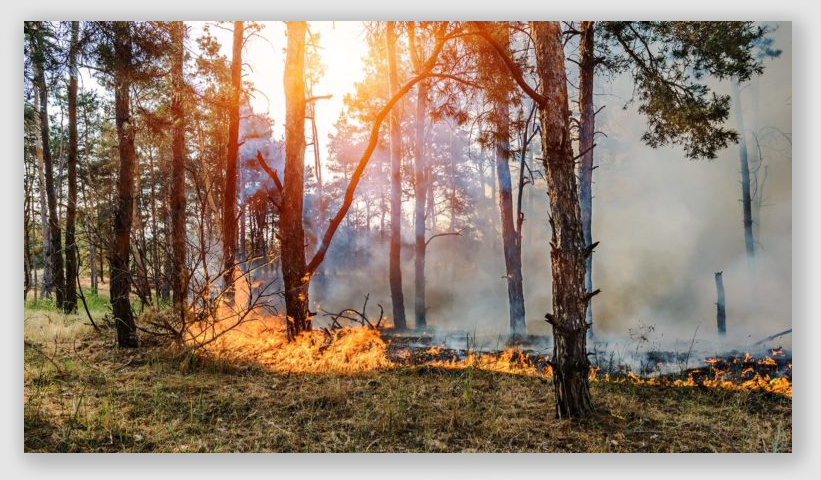
California is just one month away from the official start of wildfire season and bankrupt utility giant PG&E Corp. is running behind on inspections, repairs and tree-trimming that was ordered up to reduce the risk of another devastating blaze. PG&E, due to circumstances beyond its control, such as a rainy winter and permitting requirements, has been finding it difficult carry out the fire-prevention measures, the San Francisco-based company said in a court filing late Thursday. As a result, it’s pushing back completion dates for fire-prevention work, PG&E told a federal judge who is supervising its criminal probation for previous safety lapses related to its natural gas pipeline system. PG&E is facing intense scrutiny over its operations as its equipment is suspected of igniting the deadliest fire in California history last year. The Camp Fire killed 85 people and all but destroyed the town of Paradise in Northern California in November. The company was forced to filed for Chapter 11 to deal with an estimated $30 billion worth of liabilities stemming from that fire and others that its equipment has been blamed for causing…
Police are warning the public to beware door-to-door scammers after a Sioux Falls woman lost more than $1,000 to a fake tree-trimmer. Shortly before noon on Friday, a man knocked on the 84-year-old woman’s door in the 2300 block of South Van Eps Avenue and offered tree-trimming services, police spokesman Sam Clemens said. The man told the woman he needed money to rent tree-trimming equipment, Clemens said, and she wrote him a check for $1,200. The man left and never returned and the woman, who began to have suspicions, realized that he had cashed the check. Police discovered the man gave a fake name and a phone number that belonged to a tree-trimmer who has since retired, Clemens said…

In a closed session meeting on Monday the Pasadena City Council will discuss a settlement agreement stemming from a lawsuit filed by the mother of twin boys who suffered grave injuries after a 75-foot tree fell on them without warning at Kidspace Museum in the Arroyo Seco. The lawsuit alleges that Brandon Li suffered fractures to an arm and a leg. His brother Bryan received a head injury when the tree fell at about 4:30 p.m. on July 28, 2015. According to the lawsuit both children also experienced psychological injuries after the incident. No information on the settlement amount was revealed in court documents. The two Li boys and other children had attended a day camp at Kidspace and were waiting to be picked up by parents when the tree fell. Horrified onlookers rushed to their aid and began digging through the debris to find the kids. In total eight children were hurt, two critically. First responders used chainsaws to clear out heavy limbs fearing that children were trapped underneath the massive tree. The complaint filed by Li’s mother Yvonne Yeung names City of Pasadena, Kidspace Museum and George Salinas Tree Preservation in the suit…
A man died Sunday afternoon after falling from a tree onto overhead wires, state police said. Carlos M. Diaz, 56, of Peekskill, was trimming a tree for a homeowner around noon on Gallows Hill Road when he fell and came into contact with the wires. He was pronounced dead at the scene by the Westchester Medical Examiner’s office. State police were assisted by Cortlandt EMS, Central Hudson Electric and Gas Company and the state Occupational Safety and Health Administration…

PG&E Corp. can’t prevent its power lines from sparking the kinds of wildfires that have killed scores of Californians. So instead, it plans to pull the plug on a giant swath of the state’s population. No U.S. utility has ever blacked out so many people on purpose. PG&E says it could knock out power to as much as an eighth of the state’s population for as long as five days when dangerously high winds arise. Communities likely to get shut off worry PG&E will put people in danger, especially the sick and elderly, and cause financial losses with slim hope of compensation. In October, in a test run of sorts, PG&E for the first time cut power to several small communities over wildfire concerns, including the small Napa Valley town of Calistoga, for about two days. Emergency officials raced door-to-door to check on elderly residents, some of whom relied on electric medical devices. Grocers dumped spoiling inventory. Hotels lost business… By shutting off power in fire-prone parts of its service area, which are home to 5.4 million people, PG&E said in regulatory filings it hopes to prevent more deadly wildfires. The San Francisco-based company sought bankruptcy protection in January, citing more than $30 billion in potential damages from fires linked to its equipment. This plan amounts to an admission by PG&E that it can’t always fulfill its basic job of delivering electricity both safely and reliably. Years of drought and a drying climate have turned the state’s northern forests into a tinderbox, and the utility has failed to make needed investments to make its grid sturdier…
London, UK, Daily Mail, April 28, 2019: ‘Trees aren’t the problem, you are’: Warring Australian neighbours are locked in a four-year battle after $1million waterfront homeowner’s overhanging foliage keeps dropping leaves on next door’s swimming poolFeuding neighbours from an affluent Gold Coast suburb have landed in court for the second time in four years over an ongoing dispute about overhanging trees.
Carol Bool is demanding her neighbour Stuart Constable trim the trees on his $1million Broadbeach Waters home claiming the foliage is dropping leaves on her property and damaging her swimming pool. Ms Bool has lodged a complaint with the Queensland Civil and Administrative Tribunal seeking the removal of the trees, the Gold Coast Bulletin reported. She said the leaves have become a nuisance as they have littered her entertaining area and fallen into her gutters. Ms Bool’s application comes three years after the two Tumbi St residents appeared to have settled the issue by agreeing to have them regularly trimmed…
 Columbus, Nebraska, Telegram, April 26, 2019: A brief history about Arbor Day
J. Sterling Morton was the founder, organizer and head cheerleader for the holiday he launched here in Nebraska, one that has fulfilled his dream of a national celebration of trees, Arbor Day! Morton hatched the ideas that would give birth to the tradition known as Arbor Day 130 years ago. It remains a celebration of the work of Morton and others, in Nebraska, across the country, and around the world. Michigan residents J. Sterling Morton and his wife came to Nebraska in 1854. Morton was a journalist and the editor of Nebraska’s first newspaper. He was also a nature lover and he landscaped the home he built in Nebraska with trees, shrubs and flowers. Morton was enthusiastic in his love for trees and agriculture. He wrote at length on the benefits of trees and the useful purposes they served. He celebrated the virtues of trees as windbreaks to keep soil from eroding, as fuel for fires, as building materials and as a cool spot in the hot Nebraska sun. Morton initially suggested a tree-planting holiday at a meeting of the State Board of Agriculture early in 1872…
Amid the rising furor in Atlanta over the future of the tree canopy as trees are felled for development on a continuing basis, the city is considering allocating $1.7 million to renew contracts with two organizations that plant and help maintain trees on city-controlled land – Trees Atlanta and Tri-Scapes Inc. These contracts won’t address the consternation voiced by residents when they see trees cut on private property with scant notice. That’s a matter for the city’s effort to revise the tree ordinance, which included two public meetings this week. The two contracts are intended to ensure the maintenance of trees on city-owned property and rights-of-way, and that new trees are planted on a regular basis. The two contracts are to be paid for through the city’s Department of Parks and Recreation. The parks department is charged with maintaining all trees on city property and in the rights-of-way, according to the city’s charter…
The Spokane County Regional Animal Protection Service has asked for a Spokane Valley woman to face felony animal cruelty charges for killing squirrels in her yard using an electric fence that caused “undue suffering.” According to SCRAPS Field Operations Manager Ashley Proszek, the group was notified on Oct. 10, 2018, that there were multiple dead squirrels around an electric fence protecting a walnut tree in Franks’ yard. Proszek said that the report alleged that Franks referred to the dead squirrels as “her trophies.” While she was using the fence to protect her walnut tree, Franks was asked why she didn’t use a lower voltage, Proszek said. Franks allegedly responded that she wanted to kill the squirrels, Proszek said. This has caused SCRAPS to ask the Spokane County Prosecutor’s Office for nine charges of first-degree animal cruelty due to the nine dead squirrels photographed at the fence, Proszek said. Due to the squirrels dying by electrocution and not a quick, more painless method, a first-degree felony charge was recommended by SCRAPS, according to Proszek…
San Francisco, California, Chronicle, April 25, 2019: Live Oak Tree Problems: Ivy Growth
Live oak (Quercus virginiana) is a large, sprawling tree that is hardy in U.S. Department of Agriculture plant hardiness zones 7b through 10b. It’s an attractive landscape tree that thrives in almost any location once established. Live oak trunks are often covered in vegetation, which can add a romantic aesthetic to your landscape, but ivy growth on live oaks can be a problem if the vines become invasive. Ivy growing on tree trunks is usually attached to the bark via its rootlets, which cling to the surface of the tree’s bark. According to the American Ivy Society, they don’t penetrate the bark — which is a nonliving, protective coating — and ivy growth doesn’t deny the tree sunlight needed for healthy growth. However, live oak trees that are in decline due to age or disease may drop leaves or even branches as dieback occurs. As decline progresses, the tree’s canopy thins or opens up, and ivy may begin to flourish and overtake the canopy. Generally speaking, moderate ivy growth on live oak trunks does not cause damage to a healthy tree. However, it should not be left to grow out of control. If you like the way the climbing vines look on the trunk, you can leave them, but maintenance is necessary to limit their spread…
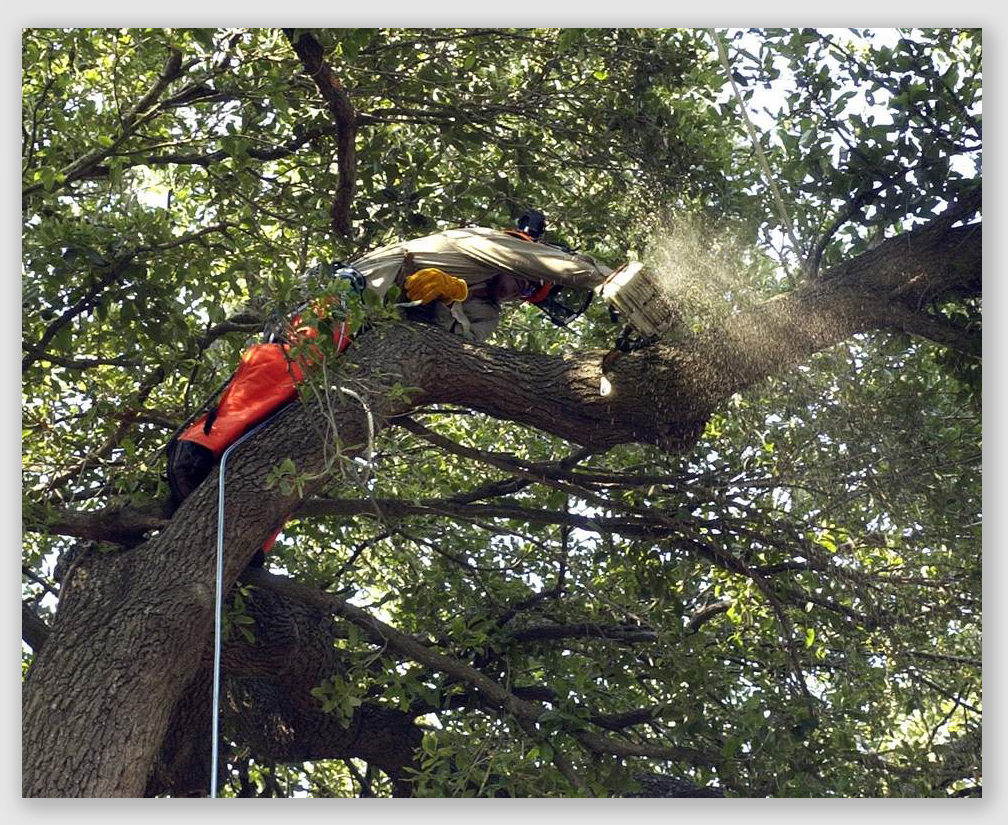
Friday is Arbor Day, and this year, Tampa’s builders and tree preservationists have more reason to celebrate. For decades, the two sides have clashed over the removal of grand and other protected trees that make up the city’s lush canopy. But after a year of intense negotiations, the Tampa Builders Association and neighborhood tree advocates came up with a compromise ordinance that Tampa City Council passed last week. “The real story is that the builders and tree advocates and the city worked together for a year to come up with a tree code that is fantastic,’’ said Chelsea Johnson, who founded the tree preservationist group, Tree Something, Say Something. She said some of the discussions took place around the dining room table of her home in South Tampa. Stephen Michelini, who represents Tampa Bay Builders Association, said, “It kind of brings the code up to date and makes it a little more reasonable.’’ He noted, however, that it is “not any easier to understand.’’ A basic provision of the ordinance, which takes effect June 1, gives developers flexibility in moving structures on small lots a bit beyond the standard zoning setbacks in order to save protected trees, especially grand trees, defined as having a trunk diameter of 32 inches at 4 ½ feet above the ground, and specimen trees, with a diameter of 24 inches…
A sycamore tree located at the northwest corner of the Rock Island County Courthouse property is being removed for safety reasons, Rock Island County Sheriff Gerry Bustos said Wednesday. “This removal is in compliance with the pending demolition litigation and the plaintiffs are in agreement,” Bustos said. Several entities — the National Trust for Historic Preservation; the Rock Island Preservation Society; the Moline Preservation Society; the Broadway Historic District Association; Frederick Shaw, one of the bondholders in the Justice Center Annex project, Diane Oestreich, a member of the Rock Island County Preservation Society, and Landmarks Illinois — have filed suit against Rock Island County and the Public Building Commission to keep the old courthouse from being demolished. The case was moved to Peoria County to avoid conflict of interest… The trees on the courthouse lawn have undergone rigorous inspection after a limb fell during the July 3 “Red, White and Boom” annual fireworks display, killing two men and injuring four people…
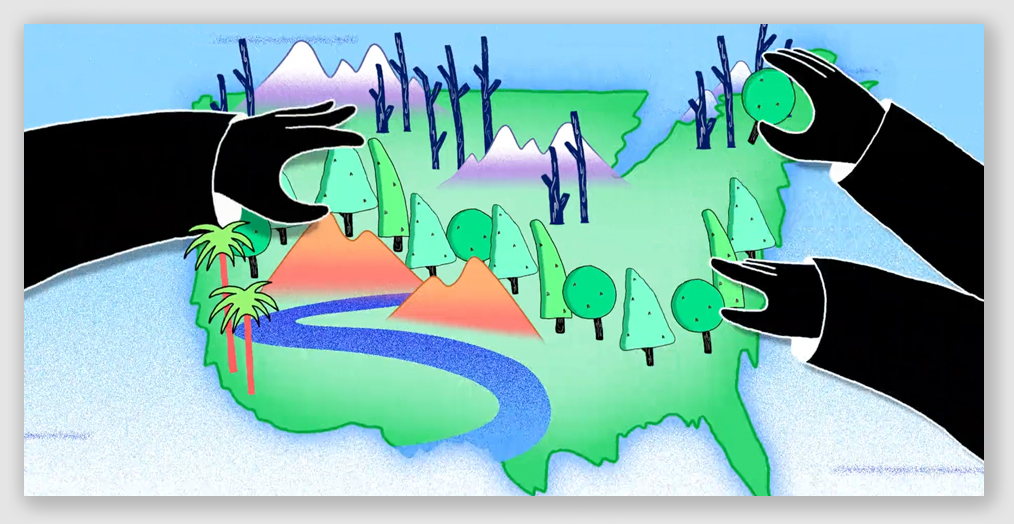 New York City, The New York Times, April 25, 2019: Can humans help trees outrun climate change?
Foresters began noticing the patches of dying pines and denuded oaks, and grew concerned. Warmer winters and drier summers had sent invasive insects and diseases marching northward, killing the trees. If the dieback continued, some woodlands could become shrub land. Most trees can migrate only as fast as their seeds disperse — and if current warming trends hold, the climate this century will change 10 times faster than many tree species can move, according to one estimate. Rhode Island is already seeing more heat and drought, shifting precipitation and the intensification of plagues such as the red pine scale, a nearly invisible insect carried by wind that can kill a tree in just a few years. The dark synergy of extreme weather and emboldened pests could imperil vast stretches of woodland. So foresters in Rhode Island and elsewhere have launched ambitious experiments to test how people can help forests adapt, something that might take decades to occur naturally. One controversial idea, known as assisted migration, involves deliberately moving trees northward. But trees can live centuries, and environments are changing so fast in some places that species planted today may be ill-suited to conditions in 50 years, let alone 100. No one knows the best way to make forests more resilient to climatic upheaval…
Engineering News, April 25, 2019: Global deforestation cut enough trees last year to cover Belgium
The world’s old-growth rainforests are shrinking at an alarming rate, with enough trees lost last year to cover all of Belgium or two Connecticuts, a new report shows. Tropical rainforests are found mainly in Equatorial countries, but they store vast amounts of carbon dioxide, so keeping them intact is crucial to fighting global climate change. In addition, they are home to a broad range of species, including orangutans, mountain gorillas and tigers. Once cut down, such forests may never return to their original state, according to a study published Thursday by Global Forest Watch. Using data from the University of Maryland, the group found that some 3.6-million hectares (8.9-million acres) of primary tropical forest disappeared last year. While that was below the peaks in 2016 and 2017, when fires helped push forest loss to record levels, it was still the third-highest annual loss since records began in 2001. What’s more, the moving three-year average for last year was the highest ever recorded…
 The Traveller, April 23, 2019: Iconic ‘tree-climbing’ goats of Morocco revealed to be a scam
Visitors to Morocco have long flocked to the roads outside Marrakech to take photographs of the goats that climb into the low boughs of the Argania tree in search of its sweet fruit. Such pictures are widely shared on social media and often decorate the pages of guide books to Morocco. But an investigation by Aaron Gekoski, a British environmental photojournalist, has uncovered that the tourist destination seems to be an exploitative scam. Local farmers appear to be bringing the goats in from other areas and forcing them into the trees before charging tourists to take photographs of them. When the goats eventually tire from balancing on the tree branches they are brought down and new goats are substituted.Mr Gekoski said: “After seeing tourists’ interest in the tree-dwelling goats, some farmers decided to manipulate the situation for financial gain…
The families of two men killed on July 3 when a tree limb fell on them as they watched fireworks from the lawn of the Rock Island County Courthouse have filed a wrongful death suit against the county. The 35-count suit, filed in the county courts, also names the Rock Island County Sheriff’s Office, the city of Rock Island and Raney Horticultural Inc./Raney Tree Care as defendants. The plaintiffs are the estates of Lawrence K. Anderson and Daniel Mendoza, the men who were killed, and the men’s wives, Randy Anderson and Eva Mendoza. Also named as plaintiffs are Kathleen Carter and Kataivreonna Carter. The Carters were also struck by the limb or its branches, the suit states. In the lawsuit, the plaintiffs detail what responsibilities they believe the defendants had in regard to the tree’s care and why they believe the defendants were negligent in those responsibilities…
Charles Chenier, 74, has lived in his home for 45 years. He says it’s devastating to watch a tree from another property ruin his family’s home. “I know something is going to happen sooner or later because the concrete is cracking and this tree must weigh tons and tons,” said Chenier. Chenier says he started reaching out to the mayor’s office in early 2018 to find the owner of the of the vacant property. However, Chenier says the city was not able to confirm if the property belonged to him or to the city. “If they want me to have it, I would love to have it, but it’s not mine, and it’s theirs. Why they can’t find out who the property is for, I don’t understand,” said Chenier. We used an online map from the East Baton Rouge Parish’s Tax Assessor’s Office, which stores property information, so see who owns the property. According to the map, Chenier owns the property, but he says he never paid taxes or received a deed for the land. Chenier says he hopes the matter is resolved soon. “We need to have something done soon before it hurts somebody,” said Chenier…
The N.C. Attorney General’s Office said Tuesday it has been granted a default judgment that concludes a price-gouging lawsuit against Alva Wilson Lewis of Lexington. Lewis has conducted business under the brands A1 Tree & Storm Relief, A1 Tree and Storm Damage Relief, and Big Al & Sons Tree Service. As a result of the judgment entered by Superior Court Judge Graham Shirley, Lewis is barred from conducting any tree removal or storm recovery work in North Carolina and is required to pay $6,000 in restitution to consumers and $20,000 in fines. In September, Attorney General Josh Stein filed a lawsuit against Lewis after his employee initially provided an estimate of $4,000 to remove three trees for a Wilmington homeowner…
 PennLive, April 23, 2019: Spotted lanternfly’s favored tree could be targeted in Pennsylvania
The tree of heaven, a non-native invasive tree that is a primary food source, mating spot and egg-laying location for the equally invasive spotted lanternfly, could soon be targeted as one of the most noxious weeds in Pennsylvania. The Pennsylvania Department of Agriculture’s Controlled Plant and Noxious Weed Committee is scheduled to consider adding the tree of heaven to the state’s Class B Noxious Weed List at its April 25 meeting. That listing would authorize the Department to take action to eradicate injurious infestations and prevent sales of the species. Also known as Chinese sumac, stinking sumac and tree of hell, the native of Asia spreads rapidly through the hundreds of thousands of seeds produced by each tree and through vegetative sprouting. Tree of heaven can grow into large clonal colonies along forest edges, fields and roadsides. In addition to crowding out native species, the roots of the tree of heaven produce chemicals that prevent other plant species from growing nearby…
National Geographic, April 22, 2019: Tree planting is a rite of passage for young Canadians
Imagine waking up at sunrise in a camp a couple hundred of miles away from the nearest small town. Trek even further into the wilderness until you reach a man-made clearing. Throw on gear that weighs roughly 50 pounds. Make your way through a steep and treacherous terrain, bending down ever so often to tuck a spruce or fir seedling steadily into the ground. Continue until sundown. Repeat the next day. And the next. And the next. For an entire summer, while insects feast on your exposed flesh. Such is the reality of tree planting, a job that employs thousands of young Canadians every year. “Everyday, you fluctuate between wanting to leave, and never wanting to leave,” says Rita Leistner, quoting Meghan Bissett a tree planter. Leistner estimates she planted more than five hundred thousand trees during her twenties, between 1983 and 1994. “It’s a combination of high intensity sport and skilled industrial labor. And, aside from the physical toll it takes—everyone is in pain—it’s emotionally taxing. Isolation is a big challenge. Being alone with your thoughts all day can be dangerous. It can break you, but it can also be transformative.” Leistner has been among the thousands of young people who have spent the summer planting new trees in Canada, about a half billion each year, more than half in British Columbia and Alberta…
This tree before me is not the oldest tree in Wisconsin. Not even close. It’s a scrubby little birch growing almost horizontally out of the side of a cliff of Cambrian sandstone, its trunk barely larger than the barrel of a baseball bat. This tree is not notable. It’s barely even noticeable. But this tree, unimpressive as it is, is no younger than 80 years old and might be more like 150. It was sampled by Doug Larson, a Canadian scientist who included it in a study he published in 2000. Larson made it his life’s work to study old trees of a particular sort. In 1997, Larson came to Wisconsin on a research trip from his home in Ontario to look for old trees and take core samples. On that trip, he took a sample from a red cedar, in a part of Brown County called Greenleaf, that his lab estimated to be 1,290 years old. That is a notable tree…
The National Football League and other sponsors will host a ceremony Tuesday morning at two Nashville schools to plant 40 trees. The trees will be planted in partnership with Root Nashville at John Early Museum Magnet Middle School and Hull Jackson Montessori Magnet School. Funding and volunteers for the tree planting will be provided by the NFL and other sponsors, including Verizon, Bridgestone and Lowe’s. The tree planting follows a major controversy last month over the removal of cherry trees downtown to make way for an enormous NFL Draft stage before the April 25-27 event. The original plan was to remove 21 trees, but 10 were uprooted and replanted after public outcry…
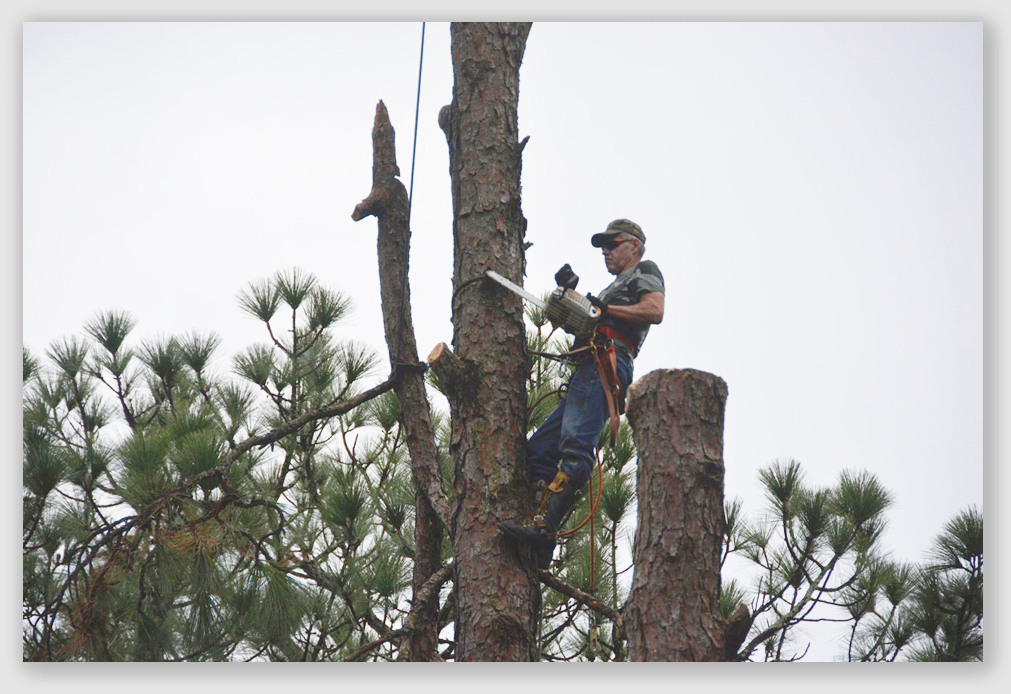 Southern Pines, North Carolina, The Pilot, April 21, 2019: Controversial tree-cutting bill withdrawn
State Sen. Tom McInnis has withdrawn controversial legislation that would have prohibited towns and counties from regulating tree removal on private property without the General Assembly’s permission. “This bill has been robustly debated and discussed,” McInnis said in a statement late Thursday afternoon. “The intention of the legislation was to highlight the need to balance private property rights with the needs of the community. I will continue to work with stakeholders to reach a balance that does not trample on an individual rights and the rights of property owners. “I have received comments from proponents and opponents who are very passionate about this issue. My goal remains clear: one of a government’s main objectives is to ensure that all citizens’ individual liberties are preserved.” The proposed legislation generated strong opposition from municipal and county government officials. The N.C. League of Municipalities and N.C. Association of County Commissioners argued that it would restrict the ability to protect neighboring property owners from development that could harm property values and take away more local control over development. The N.C. Urban Forest Council also opposed the measure, contending that local tree ordinances can help address flooding issues, preserve historic districts and allow for utility line maintenance…
Q: My neighbor’s pepper trees have encroached on my property and caused significant damage to my pool and deck. He agreed to remove the trees if I proved they caused the damage, and I did that with multiple arborist reports and a civil engineer’s report. He has since put his house up for sale; he’s currently in escrow. There is an open claim with his insurance company, which is accepting liability for the damage. But they won’t cover tree removal, and without that, the encroachment and damage will continue.
A: As the poet Joyce Kilmer famously observed, only God can make a tree. And as you have painfully learned, only a tree can quickly morph from a graceful sapling into a fierce marauder. Problem trees are a common source of neighborhood disputes because there seem to be as many types of tree damage as there are tree species. Jacarandas rain down sticky purple flowers that corrode car paint. Gingko trees shed yellow berries that emit a stench when crushed underfoot. So-called “privacy trees” like juniper and cypress block scenic outdoor vistas. The brittle wood of weeping willows can turn branches into storm-tossed projectiles. Eucalyptus is prone to fall over and smash anything under it. But the pepper tree may be the champion destroyer of neighbor relations. It is so notorious that several states include it on official “invasive plant” lists and professional gardeners put it on their “trees you should never plant” rosters…
 Rochester, Minnesota, Post-Bulletin, April 21, 2019: City working faster on efforts to save trees
A tree preservation ordinance could be put on a faster track, nearly two years after the Rochester City Council brought up the topic in the wake of several large trees being removed during redevelopment of the former Golden Hill School site along South Broadway. Members of the city’s Committee on Urban Design and Environment plan to have a proposed ordinance ready for discussion next month. “They would prefer us to come in with an incomplete tree ordinance they can build off of,” CUDE Chairman Paul Sims said of what he heard in a Rochester City Council discussion earlier this month. Progress has been delayed as the committee sought support for developing a citywide Urban Forest Master Plan. The plan would set in motion work to assess current tree coverage throughout the city and offer ways to develop a larger canopy through policies such as a preservation ordinance. Rochester City Forester Jeff Haberman estimates the city’s current canopy covers nearly 26 percent of the city, but that number is threatened to shrink. Embattled ash trees make up 13 percent of the overall coverage…
Abilene, Texas, Reporter-News, April 21, 2019: Leave the leaves on your trees
As a fairly dedicated “tree type,” one of the things that I do is work with is what I think of as “sick trees.” I also answer numerous questions from people who think either that their tree is in distress or are concerned that it might be. For instance, I’m getting a fair number of questions concerning live oaks, because most of them are in some stage of spring molt, and during that they can look pretty rough. By the way, I go out of my way to not blithely tell people, “Don’t worry about it, it’s supposed to look bad right now.” Trees can have several things going on at once, and taking for granted that a live oak looks bad only because it’s the time of year for it to drop its leaves, is a mistake. One of the other things that I get questions about concerning stressed trees is pruning. Regular readers of my column, or people who have heard me state my opinion about this, know that I’m against the unnecessary removal of living tissue in trees, even when pruning healthy trees. And there are lots of good reasons for my thinking…
 Atlas Obscura, April 18, 2019: How Easter Egg Trees Almost Became an American Tradition
In the spring of 1895, Louis C. Tiffany, of stained-glass and jewelry fame, held a lavish “Mayflower Festival” to benefit a local hospital. “Among the evening’s entertainments,” writes culinary historian Cathy K. Kaufman, “was an Easter egg tree, dazzling with different colored eggs.” This wasn’t unusual at the time. In the era before plastic eggs, many Americans carefully emptied whole eggs of their contents and colored them brightly for Easter, occasionally hanging them on tree branches with scraps of ribbon or thread. In 1890s New York, it was even something of a craze. But despite brief bursts of popularity, Kaufman writes, today “egg trees are a dismal failure when compared to Christmas trees, found only in a few public fora and very scattered homes.” Much like the Christmas tree, the custom likely came to the United States with German immigrants, entrenching itself among the Pennsylvania Dutch…
The Better Business Bureau says scammers come out of the woodwork when severe weather strikes. One Henrico woman, who wanted to be identified as “Elizabeth,” is learning that lesson the hard way after she says she paid $1,200 to an independent contractor cut down her trees. Months later, she says the job is still unfinished. “I waited about six months, before he came and did anything. So that should’ve taught me a lesson,” Elizabeth said. She said she and the contractor settled on $300 for the blue spruce tree in her front yard, and $900 for the work on her gumball tree in the back yard. She says she’s called the man dozens of times in the past two months, even offering to let him keep half of the money. “I told him ‘You could give me $600 back, and I’ll get someone to come out here and knock the work out in a couple of hours’, and he never commented on that,” Elizabeth said…
At first glance, the white flowering trees lining Interstate 270 and Highway 40 look lovely. The roadside thicket where the highways meet burst this spring with some of the first blooms in St. Louis. But, conservationists say, the trees are more like a menace in disguise — an unexpected result of decades of neighborhood landscaping that are putting local plants and animals at risk. They are the often-maligned Callery pear tree species, a group of ornamental trees that include the popular Bradford pear, common in landscaping. Once considered a near-perfect tree to adorn subdivisions and doctors’ office entrances, Bradford pear trees soon revealed their dark side: They tend to collapse within 15 to 20 years, splitting like a peeled banana and taking out property on their way. They stink with an odor sometimes described as old fish. And, most concerning to conservationists, their rapid spread is choking out native plants that can support far more animals and insects than the pear trees, which were brought to the U.S. from China…
Many metaphors were employed Thursday to describe the arduous route taken to reach an agreement on protecting Tampa’s trees without stifling development. Council member Mike Suarez compared the often fractious negotiations to a three-year-long flight. One tree advocate referenced the gestation period of an elephant. After more than an hour of discussion, the council approved the measure by a 5-1 vote. But not before a final stand was made by some opponents to remove a provision requiring private property owners to get a $120 permit to trim tree limbs thicker than 4 inches…

Lawyers representing Adelaide Palmstrom, who suffered traumatic injuries when the branch of a tree on City property fell on her, are asking the court to sanction the City of Pasadena and the Pasadena Unified School District for disposing of the branch. Palmstrom was a two-year-old preschooler when the branch from an adjacent City-owned park injured her on Aug. 29, 2017, as she played at Linda Vista Children’s Center. Her injuries included traumatic brain injury, fractured skull (with subdural hematoma), vertebral and left tibia fractures, torn cervical spine ligament, and a lower left leg injury, according to court documents. Representing the Palstrom family is the firm of Panish, Shea and Boyle, which has now filed a motion seeking court-ordered sanctions against the City for its “willful destruction and spoliation of the most critical item of evidence in this litigation, ie., the subject tree and tree branch that failed and collapsed on two-year-old Adelaide Palmstrom causing her catastrophic injuries,” the motion stated. Plaintiffs’ filing said the City contracted to have the tree inspected by Board Certified Master Arborist Cris Falco. “Shockingly, however, while Mr. Falco was on his one-hour long lunch break, and before he or any other party could assess the failed tree and try to determine the cause of failure, Defendant School District destroyed the tree and the branch, cutting it down and chopping it up into dozens of pieces,” the motion alleged. “This happened within 72 hours of the incident…”
A 100-year-old woman in Fresno is having a problem with City Hall. She has a water leak in her yard that’s costing her hundreds of dollars a month and she believes a tree planted by the city decades ago is to blame. Cornie Reed is paying for that water and she and her daughter want the city to make it stop. Reed’s lived in that home for 60 years. The water leak appears to be caused by the roots of a tree planted by the city of Fresno, and it is turning into a battle against city hall. The tree seems to have busted a water line, causing water to run continuously and raising Reed’s water bill. The water can be seen pooled beneath the tree. It’s flooded the city water meter and runs into the street. Reed’s daughter, Ailene, says it started last year. “My mom’s water bill went from $79 to $110, then it was $234 then it was $247. We couldn’t afford it,” she said…
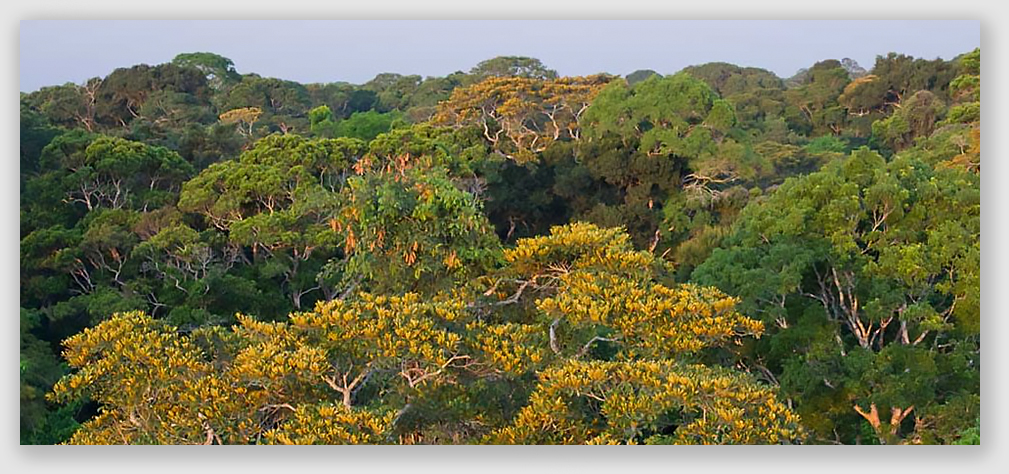 Mongabay, April 17, 2019: Shade or sun? Forest structure affects tree responses to Amazon drought
Small trees in the Amazon rainforest understory are more vulnerable to drought than their larger counterparts, but their fate depends on their local environment, according to a study published in New Phytologist. Marielle Smith from Michigan State University and an international team of researchers used hand-held lidar to complete monthly surveys of the surface area of leaves at different heights in Tapajós National Forest in Pará state in the Brazil Amazon between 2010 and 2017 to obtain their results. The portable lidar instrument uses a laser to map the leaves in the forest canopy in two-dimensional slices up through the forest structure. Across the whole forest, they found that trees in the upper canopy tended to gain leaves during the dry season and lose them again in the wet season, whereas trees in the lower canopy showed the opposite behavior. This opposing trend between the upper and lower canopies matches the results of a previous satellite-based study of seasonal changes in leaf area, and is thought to be due to limited light availability in the lower canopy…
A tree removal contractor has fulfilled his promise to complete a $4,700 job after a Peculiar man contacted KMBC 9 Investigates for help. Charles Roper said the contractor, a man named Jack Sawyer, cut down and removed trees in his front and side yards, but did not remove one stump or haul away debris as promised in late February. After multiple calls to the contractor over several weeks, Roper finally called KMBC 9 Investigates. “I just want to get him back out there, and make him do his job,” Roper said. KMBC 9 Investigates called the number on Roper’s contract. A man answered, but hung up. Hours later, a man named Alan Sawyer called back, saying he would complete Roper’s job within seven days…
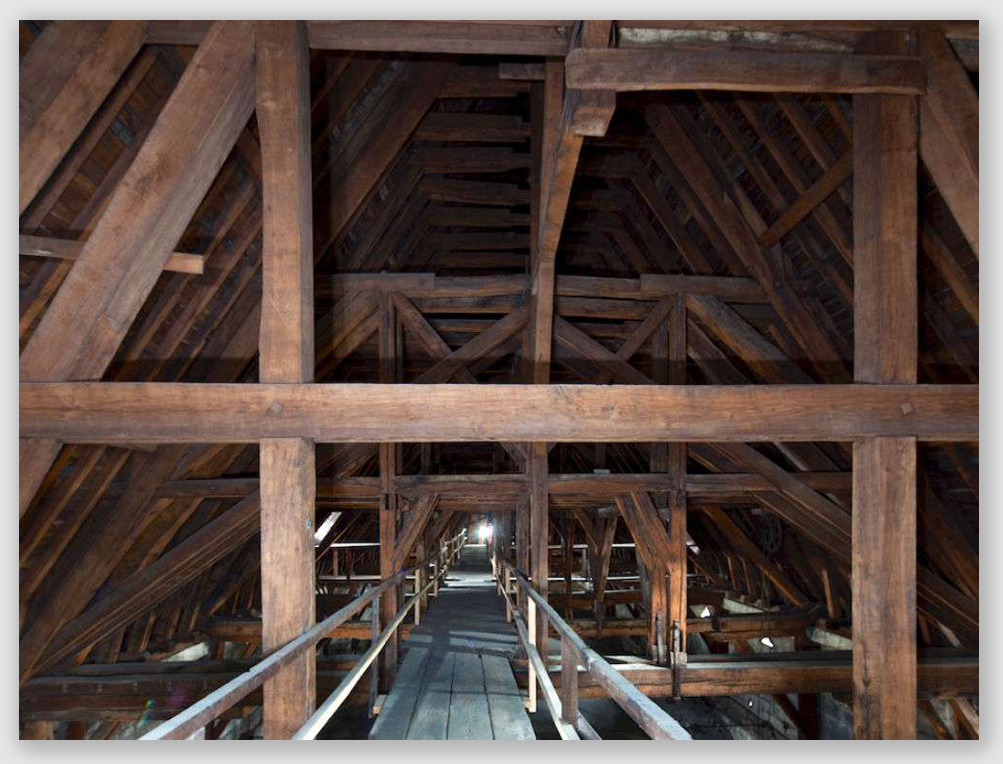
As the Notre Dame cathedral in Paris burned Monday, the roof, made up of centuries old oak trees, fuelled the flames that ravaged a piece of France’s history. Among the biggest challenges facing the reconstruction of the iconic church is rebuilding the intricate latticework of wooden beams that made up the roof’s frame, known as the “Forest.” The 800-year-old oak beams were added to the cathedral in 1220. Because of the building’s gothic style which called for high vaulted ceilings, tall, sturdy oaks were sourced from nearby forests. Each beam that held up the lead roof was constructed from a single tree, requiring about 13,000 individual trees in total, CNN reported. When workers began constructing the roof hundreds of years ago, they cleared 21 hectares of oak trees. To reach the heights required for the style, carpenters needed to use massive trees. That meant when the trees were cut down, they likely would have been 300 to 400 years old. In other words, the trees used to build the cathedral… sprouted in the eighth or ninth centuries…
Take a drive around the metro this spring, and no doubt you’ve seen them. Their beautiful white blossoms are bursting along boulevards and backyards everywhere. But behind the pretty petals, the Bradford pear tree is a particular nuisance. “They’ve become an invasive tree that’s a problem for us,” said Bill Graham with the Missouri Department of Conservation. He said the Bradford pear tree, also called the Callery pear, originated in China and became popular in the 50s and 60s as an ornamental tree because of its flowers and fast-growing nature. “They were supposed to be hybrids that would not reproduce. But planted out a bunch of different ways and different types, they have managed to reproduce,” Graham said. That poses a problem to native plants and wildlife because the tree chokes out the native species that would grow in its place…
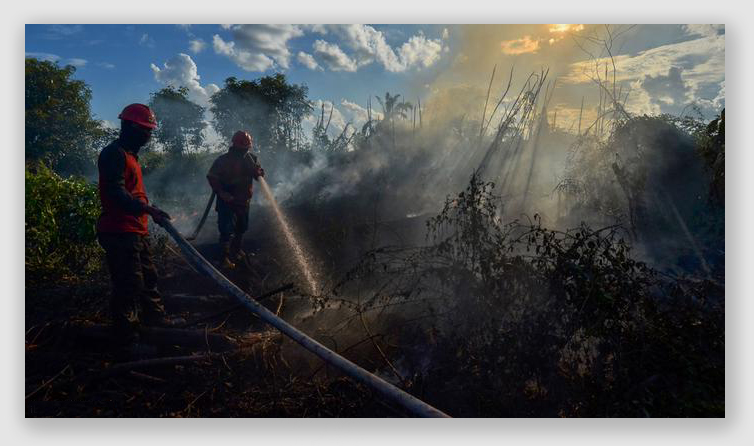 Deutsche Welle, April 16, 2019: Mass deforestation: How trade fells trees in Brazil and Indonesia
The margarine Martin Persson spreads on his sandwiches each morning doesn’t keep him awake at night — but it does taste lightly of guilt. Persson, a scientist at Chalmers University in Sweden who follows a vegan diet, knows his innocuous breakfast spread helps devastate forests about ten thousand kilometers away. Along with beef and soy, palm oil in margarine and other everyday foods have long been known to accelerate deforestation in countries such as Brazil and Indonesia. Now, Persson and an international team of researchers have quantified how much foreign demand for commodities drives that destruction. The study, published last week, found that 29-39 percent of the carbon dioxide (CO2) released through deforestation is driven by international trade — with farmers felling forests to clear space for croplands, pastures and plantations that grow goods often consumed abroad. In many rich countries, the authors wrote, the deforestation-related emissions “embodied” in imports are greater even than those generated by domestic agriculture. “It’s not [just] the consumers in the countries where deforestation takes place who cause it — it’s driven by consumers elsewhere,” said Ruth Delzeit, head of environment and natural resources at the Kiel Institute for the World Economy (IWF)…
Managing fruit and nut trees can be a challenging task, especially when it comes to following a precise irritation schedule. With issues such as drought and water conservation at the forefront of many of our minds, it’s important to accurately assess the water needs of orchards. Luckily, there are tools available to help manage these valuable and delicious crops. Read on to learn how to use a pressure bomb for trees. A Pressure Bomb, a tree pressure chamber, is a tool used to measure the water stress levels in trees. The gadget consists of a small chamber and outer pressure gauge. First, a leaf sample is collected. This is usually done by selecting a leaf and enclosing it in a special envelope. In the early afternoon, when demand for water is at its highest, the leaf is picked from the tree so that measurements can be taken. The leaf or small stem piece is placed into the chamber. The leaf stem (petiole) protrudes from the chamber and is separated by a valve. Pressure is then applied until water appears from the leaf stem. The appearance of water from leaf stem relates directly to the amount of water stress in which the tree is experiencing…
 Associated Press, April 16, 2019: No French trees big enough to rebuild Notre Dame roof
A French cultural heritage expert says France no longer has trees big enough to replace ancient wooden beams that burned in the Notre Dame fire. Bertrand de Feydeau, vice president of preservation group Fondation du Patrimoine, told France Info radio that the wooden roof that went up in flames was built with beams more than 800 years ago from primal forests. Speaking Tuesday, he said the cathedral’s roof cannot be rebuilt exactly as it was before the fire because “we don’t, at the moment, have trees on our territory of the size that were cut in the 13th century…”
Trees give shelter, cooling shade and help the environment, especially in urban areas like downtown Honolulu. But a survey from the U.S. Forest Service says the urban Honolulu area has lost more than 76,000 trees during a four-year period. The big loss in numbers is one of the reasons a group of volunteers headed to Kaimuki District Park on Monday morning. Their mission was not just to count the trees, but to help in an effort to get more trees planted and cared for. “What we’re looking for is counting the trees, the condition, and more importantly, where can we plant more trees in the future,” said Daniel Dinnell, executive director of Trees for Honolulu’s Future. The survey from the U.S. Forest Service used light detection technology and high definition aerial photographs over the Urban Honolulu area, comparing the number of trees from 2010 to 2013. Dinnell found the results alarming. “So Honolulu has lost 76,000 trees in the last four years,” said Dinnell. “It’s just development, and it’s the idea of ‘just one tree and it’s OK.’ But altogether adding it up, it’s a big impact…”
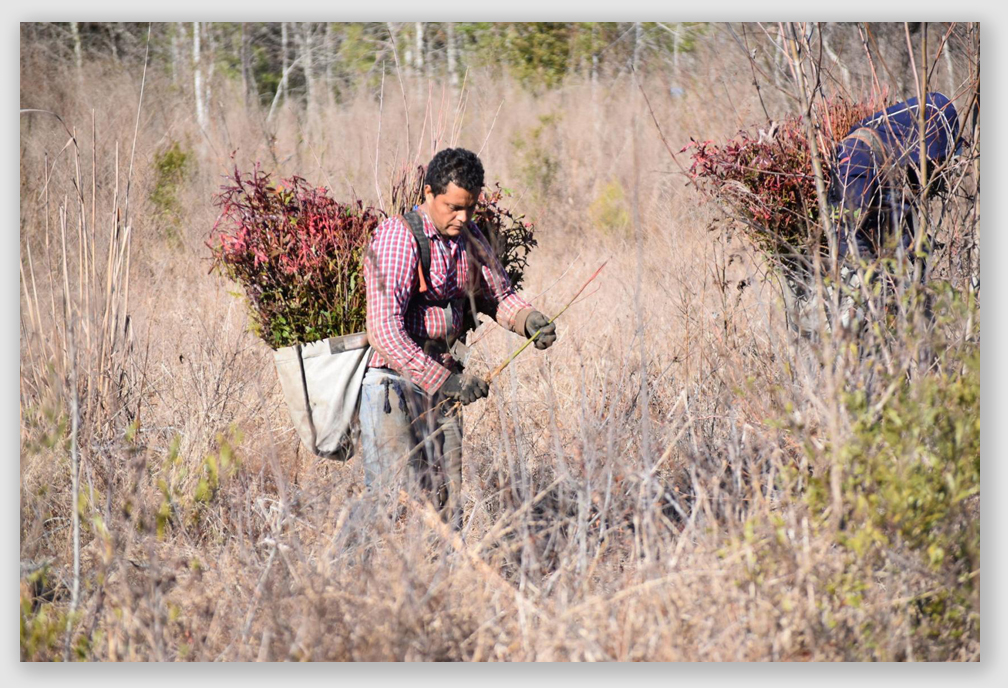
Cypress trees, swamp oaks, tupelo — more than 215,000 native wetland trees have just been planted to restore 500 acres in Four Holes Swamp near Holly Hill. Think of them as a solution to flooding. The Audubon South Carolina seedling effort will create a couple of hundred-thousand more tall straws in the swamp’s ability to suck up floodwaters that otherwise would deluge the rapidly developing Charleston suburbs downstream. That’s the value of “green infrastructure,” a longtime focus of preservation groups that is getting new attention as suburban growth packs around metro areas and extreme weather, like flooding, becomes more common. That’s the value of “green infrastructure,” a longtime focus of preservation groups that is getting new attention as suburban growth packs around metro areas and extreme weather, like flooding, becomes more common…
Not Always Right, April 15, 2019: Not Happy With This Tree-tment
I do landscaping for a major chain restaurant and I notice that a tree has Borers and needs an injection. I tell the managing partner, who informs me she does not want to spend the $50. I tell her the tree will die, and she repeats that she does not want to spend any money. I tell her she can call any tree company, pick one out of the phone book, or ask friends, but the tree needs the injection or else. She continues to say she does not want to spend any money. I give up; she is the customer and is therefore always right. The following season, I am at the restaurant having dinner, and she sits down and asks why the tree is dead. I reminded her of last fall’s conversation, and she is pissed at me. She says she’s going to “rip the d*** thing out of the ground…”
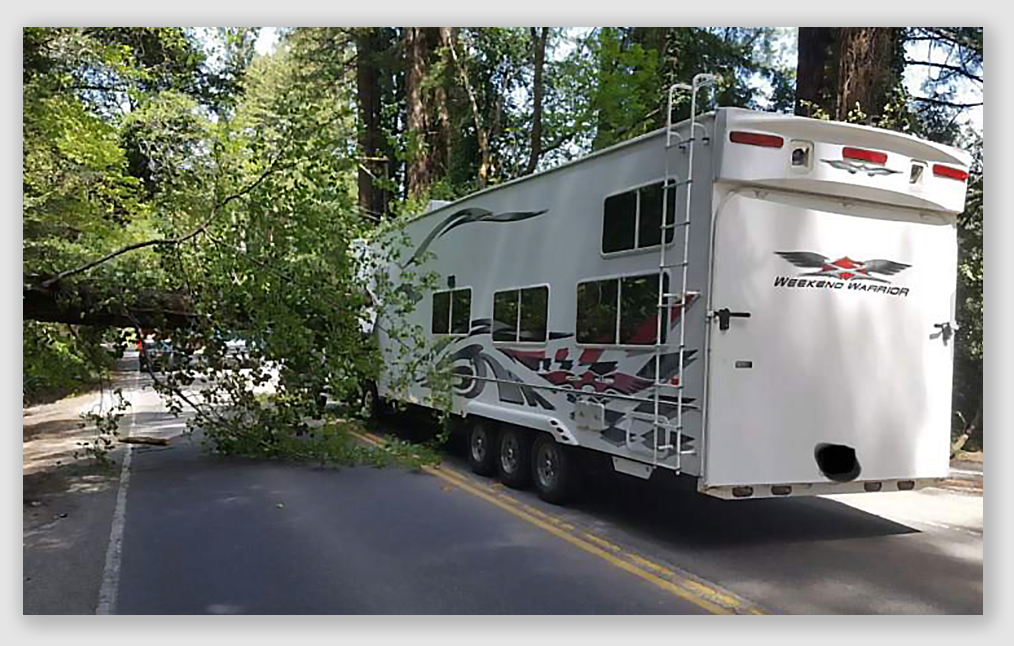
A 200-foot redwood toppled across Highway 116 near Guerneville Sunday morning, knocking down power lines before landing on top of an occupied truck and shutting down the road for about four hours, the CHP said. The driver, Robert Miller, 57, of Santa Rosa, walked away with minor injuries, and three passengers in his truck were unharmed, CHP Officer Will Brown said. The incident was reported to authorities around 11:10 a.m., as Miller was going east on the road near Riverside Drive while pulling a travel trailer, Brown said. The two-lane road, which serves as a major thorough fare between central Sonoma County and the coast, was closed to drivers in both directions until about 3 p.m., Brown said. Crews with the Monte Rio and Guerneville fire departments, as well as PG&E, cleared the site…
Southern Pines, North Carolina, Pilot, April 14, 2019: Editorial: Tree-Cutting Bill Needs Lopping
State lawmakers are supposed to govern on the important matters of state, but like a didactic dad they just can’t resist wagging a finger at local governments and telling them “No.” “No,” you cannot tax local businesses that use your services, consume your water and impact your roads. “No,” you cannot regulate the appearance and design of homes. And, pretty soon, “no,” you cannot have local laws protecting the removal of trees on private property. A Senate committee last week advanced a bill that would expressly prohibit municipalities from enacting local ordinances governing tree removal, unless they ask the legislature first. Or, as Pinehurst Mayor Pro Tem John Bouldry so colorfully describes the chances of that happening: “That is the equivalent of an act of Congress to get one passed.” In Dr. Seuss’ environmentally themed “The Lorax,” it was that mustachioed worry-wart of the same name running around fretting over the actions of the Once-ler and his family’s decimation of the Truffula trees: “I am the Lorax who speaks for the trees, which you seem to be chopping as fast as you please!” Our version of that story is turned on its head. Instead of The Lorax, we have The More-Ax, and it’s someone close to us: our own state Sen. Tom McInnis…
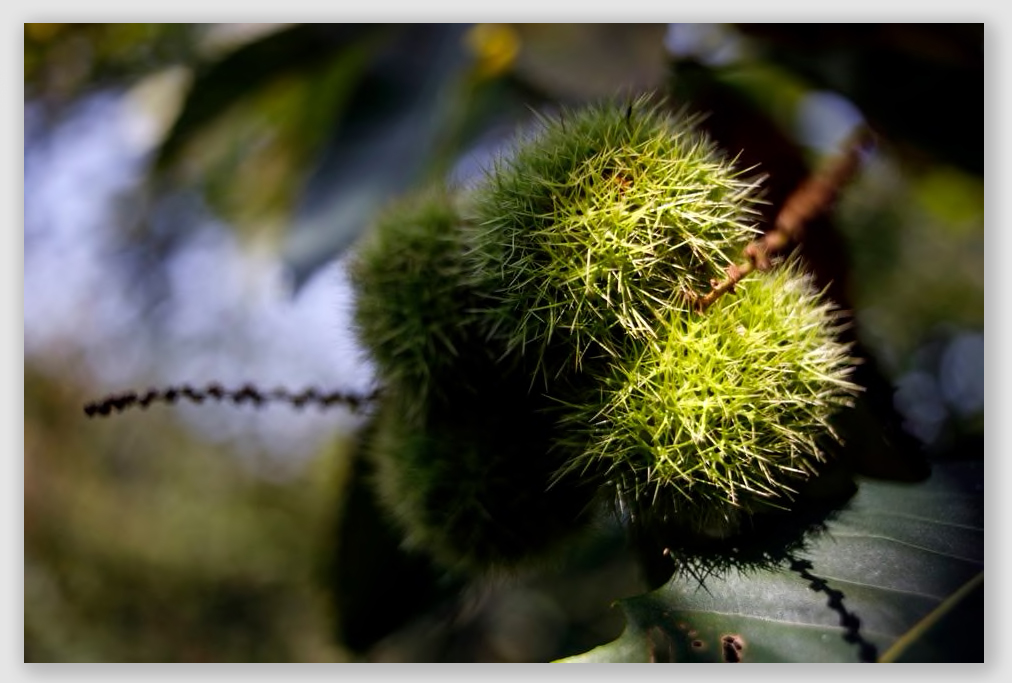
Helping the American chestnut tree overcome blight that wiped out the naturally occurring species is no quick task. For Earth Day this year, Bethlehem’s water authority is looking to do its part by planting 400 American chestnut seedlings that have taken The American Chestnut Foundation decades to create. “The material that will be planted with the BWA took the foundation about 35 years to get to, and it used material that was started by the USDA in the ’30s, ’30s through the ’60s,” said Sara Fitzsimmons, the foundation’s director of restoration. The foundation has worked through volunteers, donations and grants over the last 35 years to execute an extensive breeding program designed to create a tree with the character of the American chestnut that is potentially resistant to blight. This process requires growing and intercrossing generations of trees to create hybrids with genes from one of the Asian varieties of chestnuts that carry the resistance. In the fifth-generation chestnut hybrids developed by the foundation, only 1 percent have the resistance traits the foundation is looking for, Fitzsimmons said; the trees being planted by the Bethlehem Authority are sixth-generation, and the hope for them is to confirm blight resistance in “as many as possible…”
The city of Joplin is discouraging homeowners from planting Bradford pear trees as the invasive variety begins to blossom downtown this spring. The move comes two years after the Missouri Department of Conservation started asking homeowners and landscapers to stop planting the trees, which are resistant to diseases and pests. Jon Skinner is a community forester with the state conservation agency. Skinner tells the Joplin Globe that flowery Bradford pears, also known as Callery pear, gained popularity for decades because of their beautiful blooms, appealing shape and color. Skinner says the invasive trees spread quickly and at the expense of other native plants and animals…
Some Pinehurst residents are urging village officials to fight legislation that would prohibit towns and counties from regulating tree removal on private property without the General Assembly’s permission. The bill, sponsored by Republican state Sen. Tom McInnis, is now advancing in the Senate. Clear-cutting of lots for new homes and developments has become a lightning-rod issue in the appearance-conscious village in recent years. It is among the top concerns raised in the process of gathering public input on a new comprehensive long-range plan now being drafted. A subcommittee of the village’s advisory Planning and Zoning Board has been working several months to come up with a way to regulate tree removal that would not run afoul of state law. But this proposed legislation would short-circuit those efforts, according to Village Manager Jeff Sanborn. “The sad irony is that the General Assembly has already stripped our ability to regulate tree removal outside of the historic district,” he said Tuesday during the Village Council meeting, referring to legislation enacted several years ago “clarifying” that towns cannot regulate the design and landscaping of single-family homes…
State Rep. Peter Varney and his wife, Elizabeth, are suing an Alton neighbor they say took down spruce tree limbs and a split rail fence along their shared property line without permission. The complaint, filed April 5 in Belknap County Superior Court, charges that Union Telephone Company “engaged in significant and unauthorized damages to the Varney property” on April 9, 2016 by cutting branches from 24 spruce trees, denuding them from ground level to a height of 10 feet. The branches were only cut on the side facing the utility’s property, but the trees are set back several feet from the shared property line and are on the Varney’s side, according to the complaint filed by their attorney, Joseph H. Driscoll IV, of Laconia. A fence located on the property line between the two parcels was removed at the same time the branches, the suit alleges. Attorney Driscoll is asserting a timber trespass claim against Union Telephone, which is headquartered in Madison, Wis. The Varneys have incurred financial losses due to the property damage – including both the landscaping and timber value of the damaged trees – and as such are entitled to a maximum of 10 times the market value of the damage as allowed by state law. The suit also seeks attorney fees and legal costs…
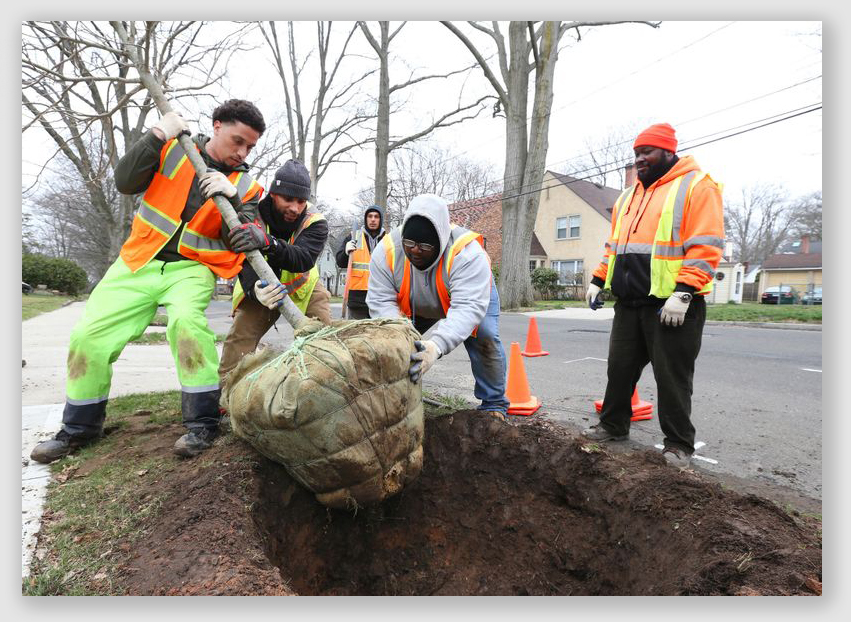
Connecticut’s cities and towns are losing trees to disease, invasive pests, storm damage and old age at an alarming pace, and experts warn the loss of urban tree cover can impact everything from asthma rates to crime and property values. In many financially hard-pressed municipalities, forestry funding is now going to taking down damaged and dying trees to protect public safety rather than planting trees to restore or maintain the “urban canopy.” While the loss of tens of thousands of trees is an issue across the state, experts say the problems are worse in cities like Hartford than in leafier suburbs that have more trees to lose, or rural areas where forests can regenerate themselves. Connecticut has suffered an estimated 80,000-90,000 acres of “severe tree canopy loss” in the last few years, according to Tom Worthley, an associate professor with the UConn Extension Service. The causes include infestations of invasive insects like Gypsy moths and the Emerald ash borer, two years of drought, damage from multiple large storms, and trees that have reached the end of their natural life span. Worthley said most of those dead or dying trees are in rural forests that will regenerate themselves over time, adding that the biggest concern he has is urban tree losses. Repeated studies have shown that it’s the cities — and their poorer neighborhoods in particular — that need tree cover the most…
Attorney General Josh Stein filed a lawsuit Thursday against Jacksonville, Fla.-based Canary Tree Service and its owner Justin Hartmann for allegedly price gouging Wilmington-area homeowners after Hurricane Florence. “My office will not allow price gouging to go unchecked,” said Stein. “These out-of-state operators took advantage of homeowners rebuilding after Hurricane Florence. That’s against the law, and my office will hold them accountable.” According to the complaint, two homeowners were charged $9,500 for 14 hours of work. Another homeowner was charged $4,500 for six hours of work. A fourth homeowner was charged $14,000 for 30 hours of work though another company estimated that work to cost approximately $2,400. A fifth homeowner was quoted $750 for removing a small tree. That work ultimately was completed in less than an hour by a neighbor. Stein spoke at the New Hanover Senior Center Thursday morning offering tips to residents so they too don’t fall victim. “We have received over a 1,000 complaints since last fall, not all turn out to be price gouging, but through these complaints we learn about bad actors, so when in doubt call us,” he stated…
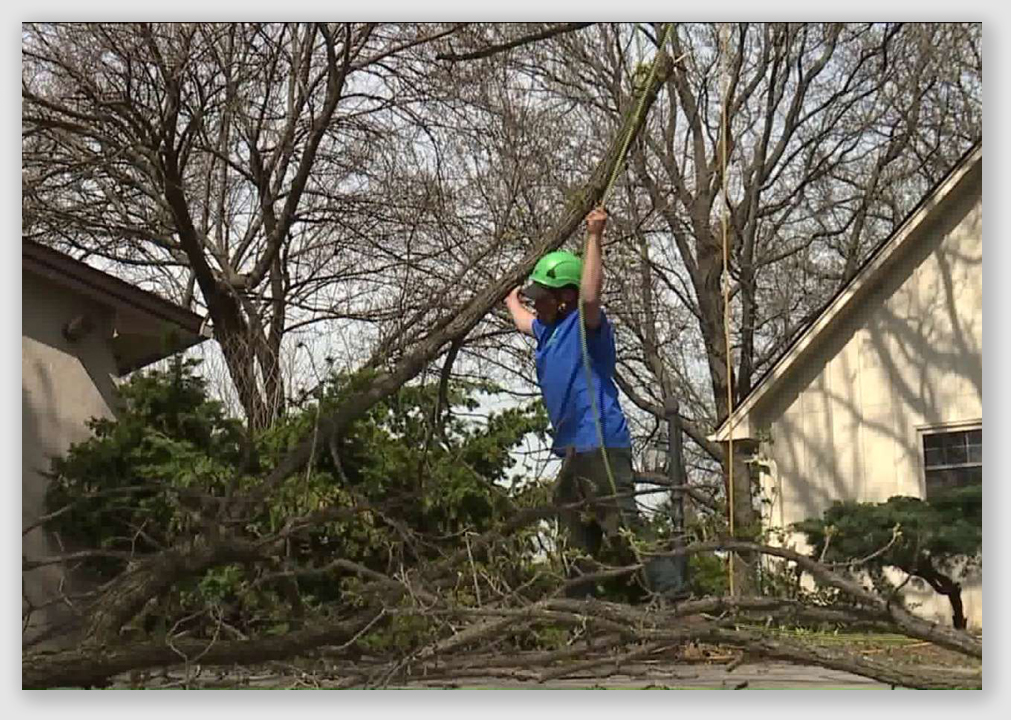
After scaling 60 feet up a Burr Oak tree in Merriam on Wednesday, Josh Seal with Eden Tree Service admits he sometimes calculates the risk involved with his job. “I’m always scared. I just make it look like I’m not,” the 21-year-old said. “And that’s why I always take all the safety precautions.” With gusty winds expecting to reach 50 mph in the Kansas City region Wednesday night into Thursday morning, Seal and the rest of the crew with Eden Tree Service are having a busy week. Many homeowners are sizing up dead or leaning trees on their property and doing what they can to stay one step ahead of the weather. “There’s a lot of questionable branches left over from the winter storms before that people are trying to get out, so they don’t fall,” said Brandon Bohannon, also with Eden Tree Service. The recent warm weather and rainfall, in addition to powerful winds on the horizon, means it’s a good time for homeowners to size up potentially hazardous limbs and trees…
Topping trees, maintaining a 12-foot vegetation clearance around all power lines and shutting off electricity during threatening wind events — such measures are part of a “new normal” Southern California Edison recommends for high-risk fire areas like La Cañada Flintridge. Utility officials came to Lanterman Auditorium Monday to present their case for enhanced fire prevention efforts, as outlined in a new Wildfire Mitigation Plan that calls for the removal of up to 15,000 harmful trees in Edison’s service area this year and as many as 30,000 next year. The state-mandated plan goes before the California Public Utilities Commission in May for approval, but Edison has already begun to implement its recommendations in anticipation of another potentially deadly fire season. “We have been aggressively doing a lot of activity in our communities,” Marissa Castro-Salvati, a government relations manager for Edison, told the sparse audience that turned out for the community forum Monday. The program’s 25 in-house arborists and more than 800 pruning contractors inspect some 900,000 trees annually, pruning about 700,000 and removing another 39,000 determined to be dead, dying or diseased, according to David Guzman, who oversees the utility’s vegetation management program…
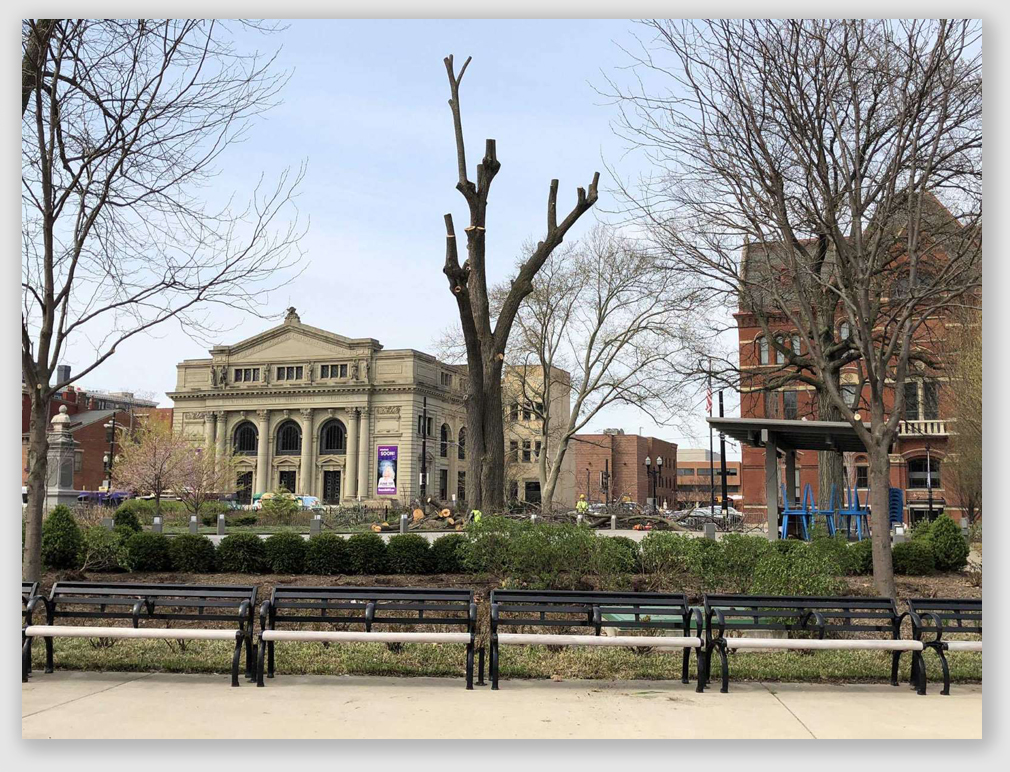
A tree that may have been standing watch over the Over-the-Rhine neighborhood for more than 200 years is coming down. The aging linden tree is being brought down because of concerns that it could fall and injure someone. “The technical term for what was wrong with the tree is Ganoderma, and it’s actually a root rot issue, so it’s a major structural issue underneath the ground,” said Zachary Napier, with 3CDC. Over the last several years, they’ve monitored the tree and tried to save it with no luck. “We’ve gone as far as securing some of the limbs because we’ve known that it’s had some minor issues for a few years now, and it’s gotten to the point where it’s become a very big safety concern,” Napier said. Safety is a major issue because of the number of people who visit Washington Park and because the tree sits over the Porch, one of the more popular gathering spots…
A 70-year-old man survived a cardiac arrest Tuesday afternoon thanks to two Bartlett Tree Experts employees and a San Ramon police officer. Bryan Waters and Alberto Ramon-Garcia, who were working on trees in the area, saw the man collapse in his garage and sprang into action. Police said Corporal Mike Schneider was alerted to the medical emergency after Waters called the San Ramon Valley 911 Communications for help while Ramon-Garcia started giving the man CPR. When Schneider arrived, he grabbed his automated external defibrillator and was able to revive the man with the shock. Firefighters eventually took over and transported the man to a nearby hospital. He is expected to recover, according to police…
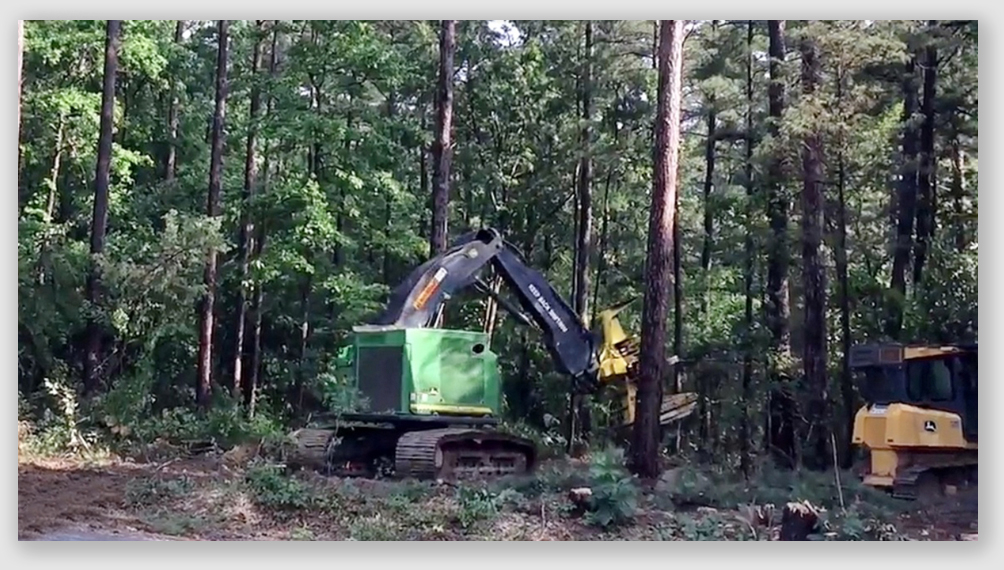
Legislators in Raleigh are considering a bill that could block cities and towns from passing laws to protect trees from development. Cities like Charlotte, Durham and Raleigh that already have tree ordinances that were specifically sanctioned by the legislature wouldn’t see them thrown out. Davidson, Chapel Hill and three dozen other municipalities would also see their tree ordinances remain in effect. But other cities and towns that want a tree ordinance in the future would have to come to the legislature to request enabling legislation, passed through what’s known as a local act. And any tree ordinance not already covered by an existing local act would be wiped off the books. Environmental advocates say the bill would damage the environment and expose cities to more problems — like runoff — from development, while the N.C. League of Municipalities opposes the bill because it would limit the ability of local communities to set rules appropriate for their own situations…
Napa County has passed its controversial Water Quality and Tree Protection Ordinance and now various environmental and agricultural groups are pondering their next steps. The Board of Supervisors on Tuesday took the second, final vote after introducing the ordinance on March 26. It adopted the ordinance 5-0, with provisions to take effect in 30 days. “I appreciate that people are still not totally satisfied,” Supervisor Brad Wagenknecht said. “I’ve heard that. My emails and phone have been telling me that the past couple of weeks. But I think we’ve gotten to a good spot.” The Board voted to increase tree preservation requirements and mitigation ratios for cut-down trees. It created setbacks for wetlands, municipal reservoirs and ephemeral streams. It exempted fire management done under Cal Fire guidelines…
Eucalypts dominate Australia’s landscape like no other plant group in the world. Europe’s pine forests consist of many different types of trees. North America’s forests change over the width of the continent, from redwood, to pine and oak, to deserts and grassland. Africa is a mixture of savannah, rainforest and desert. South America has rainforests that contain the most diversity of trees in one place. Antarctica has tree fossils. But in Australia we have the eucalypts, an informal name for three plant genera: Angophora, Corymbia and Eucalyptus. They are the dominant tree in great diversity just about everywhere, except for a small region of mulga, rainforest and some deserts… Research published today has sequenced the DNA of more than 700 eucalypt species to map how they came to dominate the continent. We found eucalypts have been in Australia for at least 60 million years, but a comparatively recent explosion in diversity 2 million years ago is the secret to their spread across southern Australia…
A man has been forced to cut down massive trees in his garden after neighbours complained they plunged their property into darkness. Council bosses have ordered Yacine Titi to cut down his 33ft Leylandii trees after Stewart and Linda Shankland said their lives were a misery because of them. Mr Titi, 42, hit back and said the trees are popular in Lanarkshire in Scotland and claimed they act as a barrier between his house and a railway line. The Shanklands used high hedge legislation to force Mr Titi to take action after mediation broke down. The council approved their demands and ordered a section of hedge to be removed and others to be cut down to 12ft. Mr Titi appealed to the Scottish Government in a bid to leave the hedges the way they were but officials have now sided with the council and ordered them to be lopped…
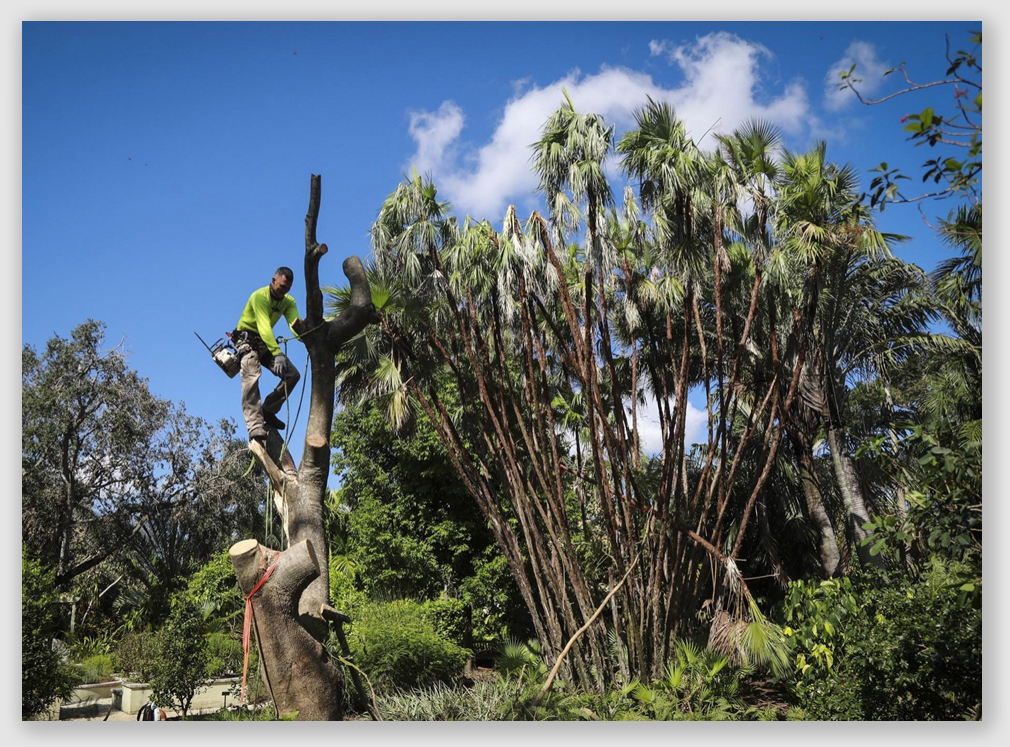
Local regulations protecting trees on residential property would be nullified for the three months preceding the start of hurricane season — allowing property owners to trim and remove them without a permit — under legislation that advanced in the Florida Senate Monday. Trees that crash into homes and knock down power lines are among the biggest threats posed by hurricanes, and the new law would help people take proactive steps to protect themselves. “Our goal is just to empower landowners … to keep their properties safe,” said the bill’s sponsor, Republican state Sen. Ben Albritton of Wauchula. But some municipal leaders say the Legislature should not infringe on local rules designed to protect a treasured aspect of many communities: Their tree canopy. “My overarching feeling is preempting local authority in any way shape or form, especially when it comes to something as specific as trees, I do not support,” said Sarasota Vice Mayor Jen Ahearn-Koch. Some municipal tree ordinances, including the city of Sarasota’s tree protections, have been criticized by the building industry, which sometimes views such regulations as inhibiting construction. The new rules could provide a loophole to get around local tree ordinances by removing trees in the run-up to hurricane season…
Main Street in downtown Joplin last week signaled spring’s arrival — its flowering trees were in bloom. As of Monday, the white petals of trees between the 300 and 600 blocks of Main Street were starting to fall, revealing lush green leaves beneath. While some welcome the sight of those Callery pear tree varieties blossoming, foresters and arborists now dread them. “As you’re coming in from Fairview Street, on I-49 south, there is a ton of them in a field,” said Jon Skinner, a community forester with the Missouri Department of Conservation. “We also have them along the I-44 corridor at the Flying J intersection. It’s pretty invasive.” The city of Joplin and the Missouri Department of Conservation ask homeowners interested in planting trees this year to consider another variety. Also called Bradford pear trees, the flowery Callery pear tree has been a popular choice for decades. Native to China, the Callery pear tree was first brought to the U.S. in 1917, according to information from the Missouri Department of Conservation. Through hybridization, it was hoped to improve disease resistance in common fruiting pears. Throughout the 1950s, the Bradford cultivar became a common ornamental tree, thanks to its beautiful blooms. But two factors have contributed to its falling out of favor…

Some people fear a tree is going to fall onto their home and cause damage if not death. The new tree ordinance Atlanta is to begin drafting this month is to address this concern, as well as the widespread alarm over tree removal for new buildings and an ambitious goal about the tree canopy. The new ordinance can’t come soon enough for some residents. Atlanta Planning Commissioner Tim Keane observed it couldn’t have come any sooner. The first of many rounds of public meetings are scheduled for April 23 and April 24. Final adoption is schedule by the end of this year. Proposed revisions in the past of the tree ordinance have foundered on unresolved differences over the preservation of trees versus development. The rules of engagement are different this time. The conversation is to be illuminated by the city’s long-range visioning document – Atlanta City Design. Keane said the book’s section Nature applies to the tree protection ordinance. The provisions observe: “Equity. Progress. Ambition. Access. Nature. If we build on these values, and if we aspire to the beloved community, we can design the Atlanta we want to become…”
The SC Public Service Commission heard testimony Thursday on what’s become controversy tree trimming efforts by Dominion Energy and potential alternatives to cutting back tree limbs. Tree trimming in the City of Charleston has been paused while the power company and the city work out a deal on how to preserve the trees but hedge against power failures from downed limbs. Neighbors in and around the Riverland Terrace community have complained about the tree trimming for weeks. Tree trimming in Charleston County has continued despite the pause on city properties. Keller Kisssam, with Dominion Energy, spoke to the committee Thursday. He told them the company has had a solid system reliability because of through vegetation maintenance. And while putting power lines underground is possible, it requires serious coordination with the power company, police, DOT, and municipalities. At the April 4th meeting, Kissam told the committee Dominion Energy would be willing to put power lines underground if the county and city would agree to a funding plan. It would also require homeowners to pony up for upgrades on their individual properties…
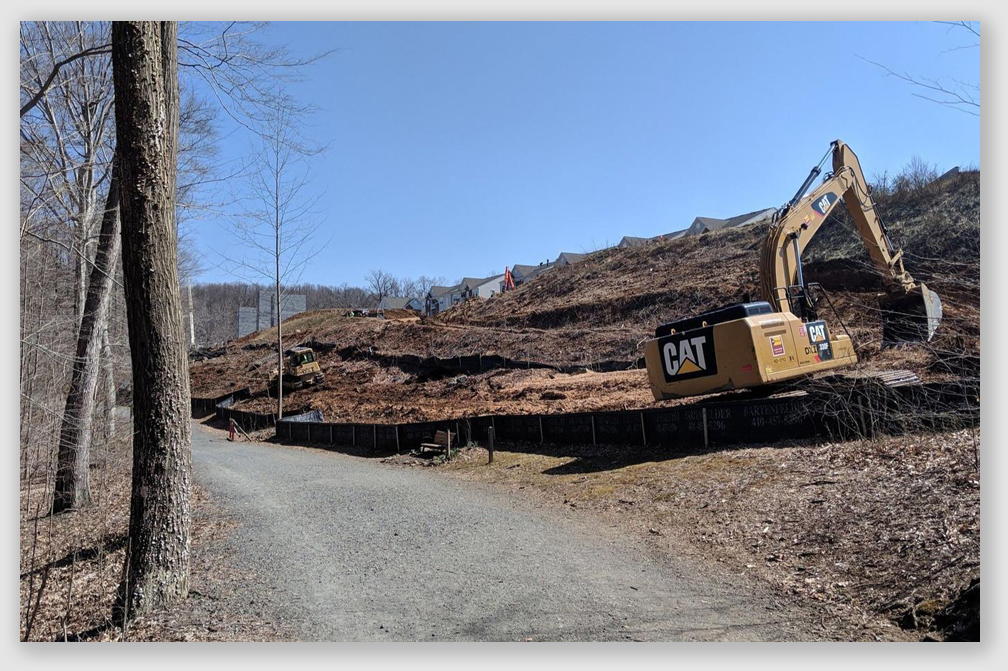
Phil Hosmer was walking the section of the Ma & Pa Trail between Williams Street and Tollgate Road in Bel Air Tuesday when “I turned the corner and I was stunned by what I saw.” Along a section several hundred yards long, Hosmer counted at least 30 mature trees removed, including many that were right next to the trail, he said. “The buffer between the trail and the development under construction was completely removed,” said Hosmer, a board member of the Ma & Pa Heritage Trail Inc., an advocacy group for the trail. “It severely diminishes the experience of the trail user.” The property where the trees were removed is in Bel Air town limits and owned primarily by the developer of Overlook at Gateway condominiums, which is up the hill from the trail, according to Cindy Mumby, a spokesperson for Harford County government. The county owns the trail, which runs through the Town of Bel Air…
United With Israel, April 4, 2019: Israelis’ launch first-ever ‘Smart’ Tree system to protect fruit
It’s not unusual for superstars from Israeli military intelligence units to spin their expertise into startup gold. SeeTree cofounder and CEO Israel Talpaz chose to apply his intel know-how to commercial orchards, and the company is growing as fast as a weed. “His passion for agriculture comes from his father, who was a professor of agriculture at Texas A&M and after he moved to Israel, was deputy manager at the Volcani Center [Agricultural Research Organization],” explains SeeTree cofounder and chairman Barak Hachamov. In a forest of more than 450 Israeli ag-tech companies, Talpaz focused on trees because unlike field crops they require year-round care and monitoring, and farmers are always seeking solutions for conquering diseases and increasing yield… A bacterial disease called HLB (citrus greening) devastated Florida’s citrus industry over the past decade, they told him. “It is the biggest threat the Florida citrus industry has ever faced, causing production to plummet in recent years,” according to the Florida Department of Citrus… The service doesn’t just early detect HLB. It collects and analyzes intelligence on each tree over time — using advanced drones, sensors and machine learning, plus human “boots on the ground” — allowing farmers to pinpoint areas of concern and optimize individual care. SeeTree charges a monthly fee based on acreage…
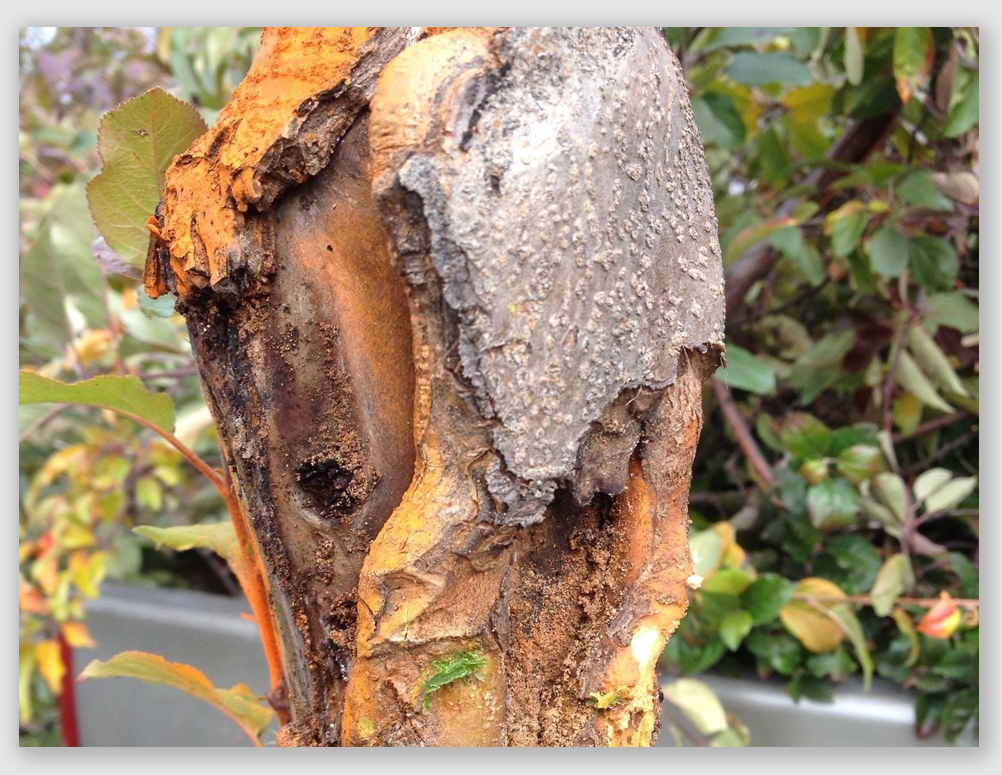 Philadelphia, Pennsylvania, Daily News, April 4, 2019: What’s killing Pennsylvania apple trees?
Mark Boyer describes his home in Schellsburg, Pa., as “in the middle of nowhere, up in Appalachian country” with a commanding view of Chestnut Ridge’s 1,700-foot crest. But at ground level, he sees something less majestic: Apple trees at his family’s Ridgetop Orchards have been dying for several years, and he has no idea what’s causing it or how to stop it. “We asked ourselves: ‘Are we going to lose more trees? What’s going on? Is this a by-product of something we’re doing? Chemical? Cultural?’ It was just a big mystery,” Boyer said. Ridgetop’s 500 acres are perched on an elevation ranging from 1,300 to 1,700 feet, which the family says is ideal for growing cherries, peaches, and apples. But so far, they’ve lost about 17 acres of apple trees — at a cost of about $17,000 an acre — to the mysterious blight…
Winston-Salem, North Carolina, Journal, April 4, 2019: Should I cut ivy from my oak trees?
Q: I have several oak trees with dense ivy growing up the trunk. Should I leave it alone or cut the ivy and let it die?
A: Both Derek Morris and Leslie Peck with N.C. Cooperative Extension recommended cutting it. “The ivy growing on the tree will compete with the tree for resources like sunlight and water, which is bad for the tree’s health,” Peck said. “Ivy is considered an invasive species and will invade woodlands and other areas. When growing up a tree, the ivy can flower and produce fruit and seeds, which helps it spread to other unwanted areas. Cutting the vines at the base is a good strategy for removing them from the trees. If it is difficult to remove the living stems, wait for them to die and dry out, then remove them from the trees as you are able.” Morris added that it is important not to allow the ivy to grow up into the tree canopy, as it can damage or kill the tree over time…

Nothing breaks like a heart, except maybe a fragile Joshua tree, and this week desert land conservationists and nature lovers want Miley Cyrus to know it. Cyrus took to Instagram and Twitter this week to post two images of herself posing, sitting in and hanging from a Joshua tree. Joshua Tree National Park appeared to subtweet the star Wednesday morning, writing that the tree “has thin, shallow roots & can’t support weight w/o damage. Keep admiring & loving on our amazing Joshua trees, from the ground!” According to USA Today, Mojave Desert Land Trust Director Geary Hund released a statement about Cyrus, saying, “We ask that Miley Cyrus consider her status as a public figure and remove this photo from her social media accounts in order to educate others and to prevent potential damage to Joshua trees.” Joshua Tree National Park spokesman George Land said, “We don’t want to incite people to carry out some kind of threat against Miley Cyrus, or anybody else that would do that. We would just remind her that she has a big following, people watch what she does, and it would be greatly appreciated by the Park Service and the people around the area if she would maybe curb that type of activity, especially posting it on her social media page…”
A Cal Fire hand crewman limbed the branches off a 68 foot, 11,040 pound Ponderosa pine less than 20 minutes before it rolled down a hillside, killing a Calaveras County roads maintenance worker, but investigators did not determine that was what caused the log to move, a Cal Fire accident investigation report said. Ansel John Bowman, 57, a more than 10-year county employee, was crushed by the log while assisting a crew near a wood chipper on the 8300 block of Doster Road near West Murray Creek Road on March 18. Michael Mohler, a deputy director with Cal Fire in Sacramento, said it was too early to determine if any person or agency was culpable. “Obviously something happened up there, which dislodged the log. I can’t say by reading this report what it was,” Mohler said. “We will not leave any stone unturned in this investigation…”

Just five weeks after being clipped by a delivery truck and requiring emergency arboreal surgery that shut down the block, the Australian blackwood tree at 1668 Haight Street was hit and damaged again this week — this time, for good. On Monday, shortly after 10 a.m., the tree was struck by a delivery truck that had been diverted to drive through what’s normally a curbside parking lane. The detour was intended to accommodate work crews completing a sewer lateral replacement at Haight and Belvedere, part of the ongoing transit improvement project on the street. But the detour had unexpected consequences for the truck’s driver, and for the tree as well. Just five weeks after being clipped by a delivery truck and requiring emergency arboreal surgery that shut down the block, the Australian blackwood tree at 1668 Haight Street was hit and damaged again this week — this time, for good. On Monday, shortly after 10 a.m., the tree was struck by a delivery truck that had been diverted to drive through what’s normally a curbside parking lane. The detour was intended to accommodate work crews completing a sewer lateral replacement at Haight and Belvedere, part of the ongoing transit improvement project on the street. But the detour had unexpected consequences for the truck’s driver, and for the tree as well…
Trees on private property are generally the responsibility of the owner. However, some municipal governments may place restrictions on certain types of trimming or pruning, even when done on private property. In populated areas, street trees, located adjacent to private property in the right-of-way between sidewalks and streets, may be regulated by local municipalities. Before pruning a tree (especially major pruning), check with local authorities for specific regulations. Some local governments prohibit certain types of tree pruning, such as topping. This practice involves cutting the tree’s growth back to the trunk or to a series of lateral branches that are not strong enough to support heavy growth. Topped trees will sprout new growth, but it will be thin, spindly and easily damaged. Topping can also weaken the tree by causing trunk rot. Reputable arborists and tree maintenance companies will not undertake topping and will not recommend it to property owners in areas where the practice is illegal…
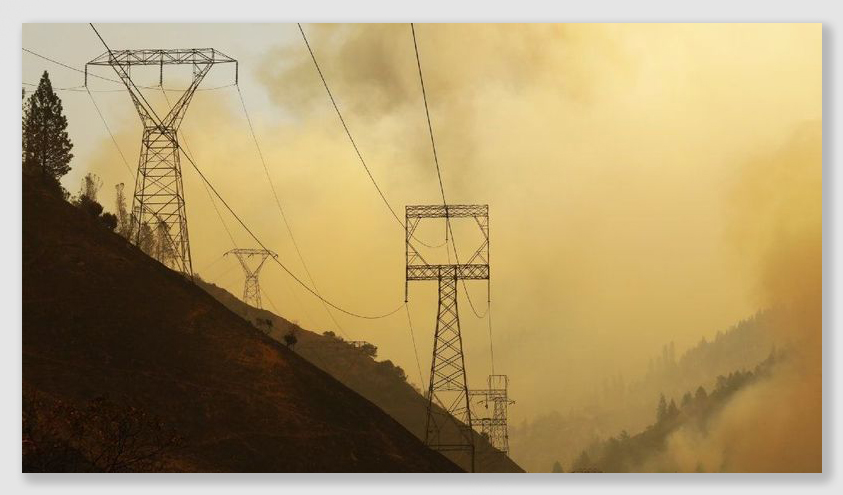
A federal judge said Tuesday he will closely monitor Pacific Gas & Electric’s tree-trimming this year and barred the utility from paying out dividends to shareholders as part of a new, court-ordered wildfire prevention plan. U.S. District Judge William Alsup ordered the new plan during a hearing in San Francisco to consider terms of the utility’s felony probation for a deadly natural gas explosion. The judge stopped short of adopting more stringent conditions initially proposed, including ordering PG&E to inspect every inch of its power grid. Alsup modified the terms as part of an effort to cut down on wildfires started by the company’s equipment, mostly by trees falling onto power lines…
Anchorage, Alaska, Press, April 2, 2019: Beware the tree-killing beetles
They’re baaack! Those rascally spruce bark beetles that nearly wiped out spruce trees on the Kenai Peninsula a few years ago are now attacking trees in Anchorage and the Valley. The nasty critters are only about a quarter-inch long but they can multiply at an incredible rate and make a sticky mess of a few spruce trees in relatively short order. (That’s in tree years, of course.) In the last 50 years, spruce beetles have killed mature trees on 1.2 million acres of the Kenai Peninsula, about half of the peninsula’s forested land. And their impact was multiplied incredibly when we had a few dry years that resulted in some huge and very smoky forest fires that impacted the air over a large part of Southcentral Alaska for months…
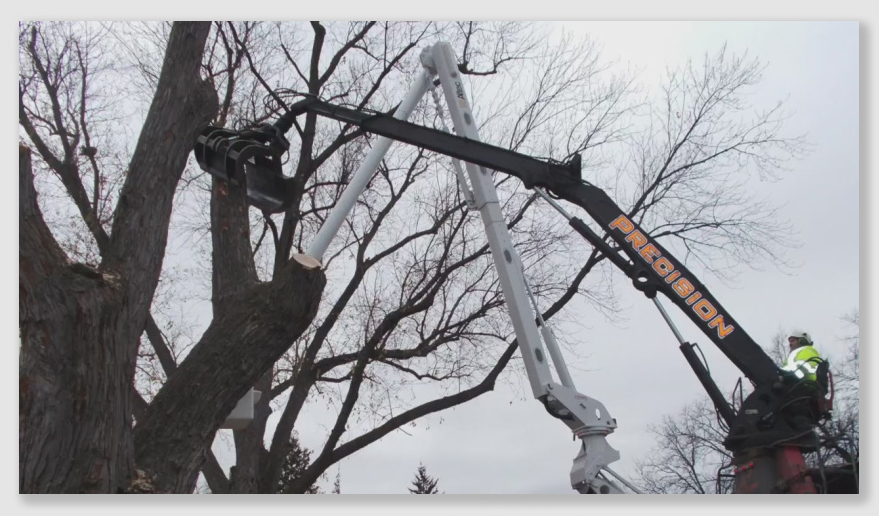
Parts of the state have experienced major flooding in recent weeks. That’s resulted in damaged homes, businesses and roadways. And some of the damage may not be obvious until this summer. A melting snowpack can cause immediate and long-term damage to trees, which puts them at risk of falling — causing even more damage. “They are just looking for a little bit of containment. Clean up the trees a little bit so that material isn’t dropping on them all the time,” said Lane Schmiesing of Monster Tree Service. It’s preventative pruning for Schmiesing and his crew. It includes trimming branches that are hanging over a fence and working on a maple tree that’s encroaching upon a north Minneapolis home. But for some homeowners, heavy snowpack and saturated soil have already created hidden problem. “That combination means you are going to have saturated roots and you are going to have weakened soil structure around the base of the tree,” Schmiesing said…
It is sad but true that almost all trees for sale in garden centers are too deep in the containers. In most cases, they are far too deep. This is a flaw in the planting and harvesting operations that happen at the tree farms where the trees are purchased by the nurseries. Sometimes it’s just sloppy work because of workers going too fast without the proper guidance and attention to detail. It also happens on purpose as dictated by the owners and managers. Many landscape folks and homeowners think trees should have perfectly straight trunks. Setting small trees deeply in the potting soil causes them to grow straight up. But this unhealthy growth does not create the best trees long-term. Another “deep planting” situation happens at tree farms where the trees are grown in the ground. Because of cultivating techniques and the digging operations used by many farms, excess soil ends up on top of the true root balls. This excess soil that covers the flare and part of the trunk ends up being under the burlap on top of balled-and-burlapped trees…
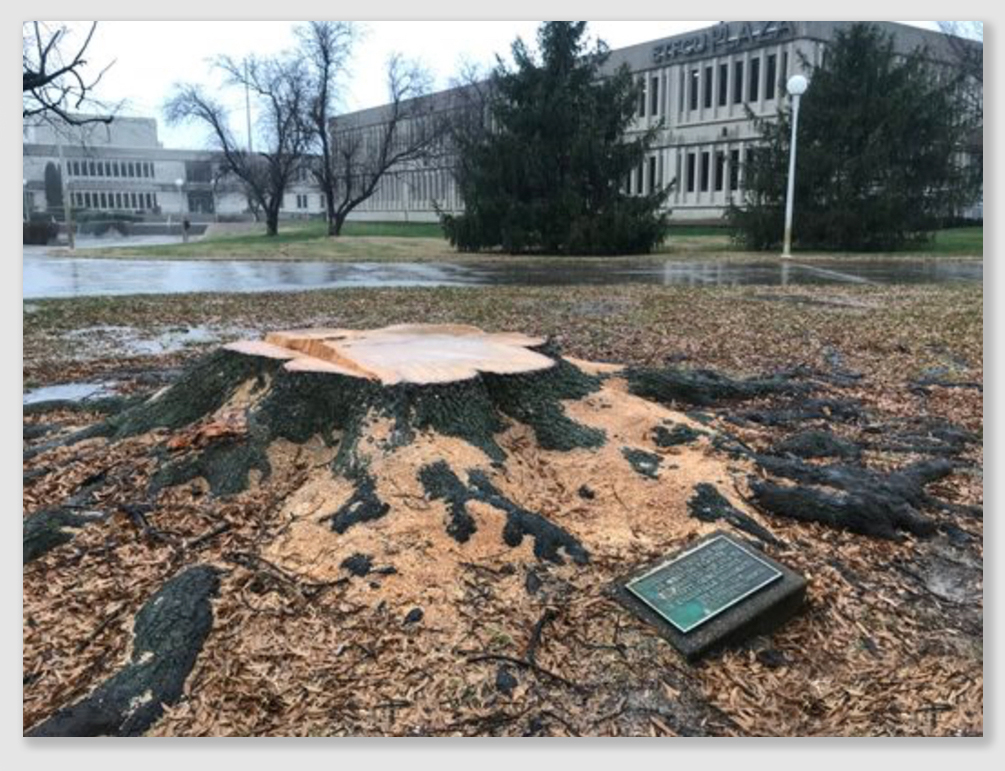
An attorney representing American Eagle Tree Service is saying the tree removal company did not “mistakenly remove” Evansville’s Bicentennial Tree on Dec. 26 but that the company was following approved plans. However, county officials say differently. In January, the Evansville-Vanderburgh County Building Authority told the Courier & Press that American Eagle Tree Service “jumped the gun” by cutting down the 42-year-old tree prior to getting approval from Building Authority officials and RiverTown Construction. Director of the Evansville Vanderburgh County Building Authority Dave Rector told the C&P in January, “the tree service acted without our knowledge or direction and that certainly is not the way it should have occurred.” When the story was first reported in January, attempts to reach American Eagle Tree Service prior to publication were unsuccessful. Their attorney Kevin Moyer in recent communication with C&P said his client was simply following pre-approved orders and County Building Authority was using his client as a “scapegoat” for their failure to get approval from the Evansville Tree Advisory Board to remove the Bicentennial tree…
Chicago, Illinois, Tribune, April 2, 2019: Who is liable when a tree falls on neighbor’s property?
Q: When I was reading your recent article on homeowners insurance, I thought I’d share what I was surprised to learn last year. My son’s neighbor’s tree fell on his garage. The neighbor’s insurance didn’t cover the damage. My son’s policy had to pay for it. Why did my son have to pay? Wasn’t it the neighbor’s fault?
A: Homeowners and insurance agents always want to assign blame for things that happen, so we’re not surprised that you feel that if it is your son’s neighbor’s tree, then any damage caused by the tree should fall to the owner. But unless your neighbor was doing something to his tree to cause it to come down, we doubt you can blame the neighbor. Frequently, rain, wind, snow, ice and other weather events cause trees to fall. Sometimes their age or insect damage is a primary or secondary cause. Insurance companies deal with certain specific issues and limit their potential exposure in their policy. We suspect if the tree was located on your son’s property and had fallen on your son’s home, his insurance company would have covered the loss. Likewise, if the tree had fallen on the neighbor’s home, the neighbor’s insurance would have covered his loss…

While 20th century architecture was arguably defined by the innovative use of concrete, steel and other modern materials, it looks more and more like 21st century design will be defined by one of the most traditional building materials of all: timber. To be clear, it’s not log cabins we’re talking about here. Thanks to major technological advances in the past few decades in the realm of engineered wood products, 3D computer modeling and digital fabrication, today’s timber products are sturdy, reliable and, perhaps most importantly, more sustainable than comparable materials. The key innovation in the space has been the development of mass timber, a category of building materials that includes modern engineered wood products such as cross-laminated timber, or CLT panels, and glue laminated timber, also known as glulam columns and beams. These materials are increasingly popular in design- and sustainability-focused projects, notes Erica Spiritos, mass timber preconstruction manager for Swinerton, the 131-year-old commercial design and construction firm. “With each announcement of a new or completed project in a few pioneer cities, awareness and excitement about mass timber is growing across the country,” Spiritos says. “We have completed three projects, have four in construction, and the number keeps growing. We are currently tracking 8 million square feet of mass timber products being built in the U.S. in the next couple of years. That’s significant…”
Fresh Plaza, April 1, 2019: US producers concerned about lethal disease of apple trees
The first signs of imminent death are that the tree’s growth atrophies and its leaves turn pale yellow or reddish. It usually starts in a single branch. When that happens, producers know that the tree will collapse in a few weeks. The phenomenon is known as rapid apple decline (RAD) and it is causing real concern among producers, especially in the northeastern United States. It doesn’t affect only one tree at the time. When one of the trees becomes ill, the neighboring apple trees of the same garden immediately begin to show the same symptoms. Scientists have been observing similar phenomena for some time, especially since the 1980s, but the most serious outbreak of this infection, if it can be called that, occurred in 2013. Back then, pathologist Kari Peter of Pennsylvania State University discovered a massive and inexplicable death of young apple trees in one of her research orchards. Scientists used a variety of chemicals to keep it from spreading, but nothing worked. The symptoms did not coincide with any pathogen that usually affects trees…
 Pennlive.com, April 1, 2019: Classic April Fool’s Day pranks: Spaghetti trees and flying penguins
It’s April Fool’s Day, that day of the year when you’re well advised to be doubly skeptical of anything you see or hear. And just to remind you why, here’s a look at some famous — and a few less famous — April Fool’s Day pranks: In what may have been one of the earliest April Fool’s Day pranks to be broadcast on television, the BBC in 1957 aired a documentary broadcast touting a bumper crop of spaghetti being enjoyed in Switzerland. It showed women picking strands of spaghetti from bushes and drying them in the sun. Spaghetti was not a widely eaten food in the United Kingdom at the time, according to the BBC’s account of the spoof. So maybe it should not be surprising that the BBC received calls from people wanting to know how they could purchase a spaghetti bush of their own…
Can my trees drown? Yes, they sure can. As spring moves closer, we might witness a few favorites in our yards that simply won’t come back. By the summer months, we’ll have a better idea of our losses caused by too much rain. When folks talk about their trees “drowning” they usually mean the tree roots have been waterlogged for weeks or even months. Tree roots need oxygen. Too much water will eventually kill the roots. “Yes, plants can certainly suffer and even die during periods of extended wet weather or poorly drained soil,” says Jay Wilkerson, horticulturist for the Town of Farmville. “While we cannot control our weather, we can use a few techniques to avoid drowning plants…”
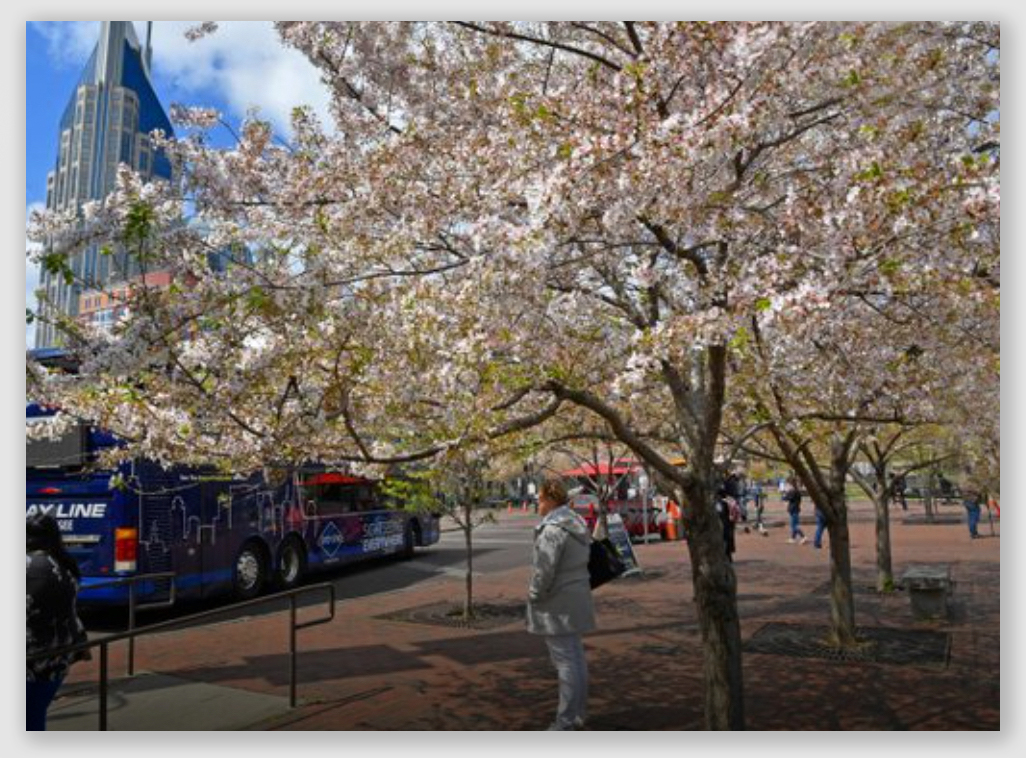
Plans to build a gigantic stage downtown for the NFL Draft caused huge controversy this weekend when it came to light that 21 cherry blossom trees were in jeopardy of being cut down to make room. Thousands signed a Change.org petition in support of saving the trees. On Sunday, Butch Spyridon, CEO of the Nashville Convention & Visitors Corporation — the local organizing body for April’s NFL Draft — apologized to the community for considering cutting down the trees. “To the citizens of Nashville, to Mayor (David) Briley and to the Metro Council,” Spyridon said. “The NFL and our organization heard the public outcry loud and clear. We thought we would be helpful in removing the trees and replacing them. We were wrong and we apologize.” Spyridon on Sunday offered insight into the decision-making process behind the future of the trees and clarified how many will be relocated…
The few times I have thought of pollarding and coppicing, I had considered these tree-pruning practices something that full-time gardeners did to make huge English estates look intensely manicured and somewhat strange. William Bryant Logan in “Sprout Lands: Tending the Endless Gift of Trees” has taught me that pollarding and coppicing take skill, but they aren’t effete, and the pruning practices actually helped humans survive from the end of the last Ice Age to the Industrial Revolution. The book begins with two loosely related events in New York City, where Logan works as an arborist. The first involves a huge, dying willow that Logan proposed removing from a city garden. Impossible, he was told, because E.B. White – who worked for New York City magazines while living in midcoast Maine – wrote in 1949 that if that willow, “long suffering and much climbed, held together by strands of wire” were to go, the whole city would go. When efforts to save the tree failed, Logan took three sticks from it and stuck them in his property in Brooklyn. That fall, he noticed those sticks sprouting. The famed willow had refused to die. Logan said in a telephone interview that parts of that willow have been replanted throughout the city…
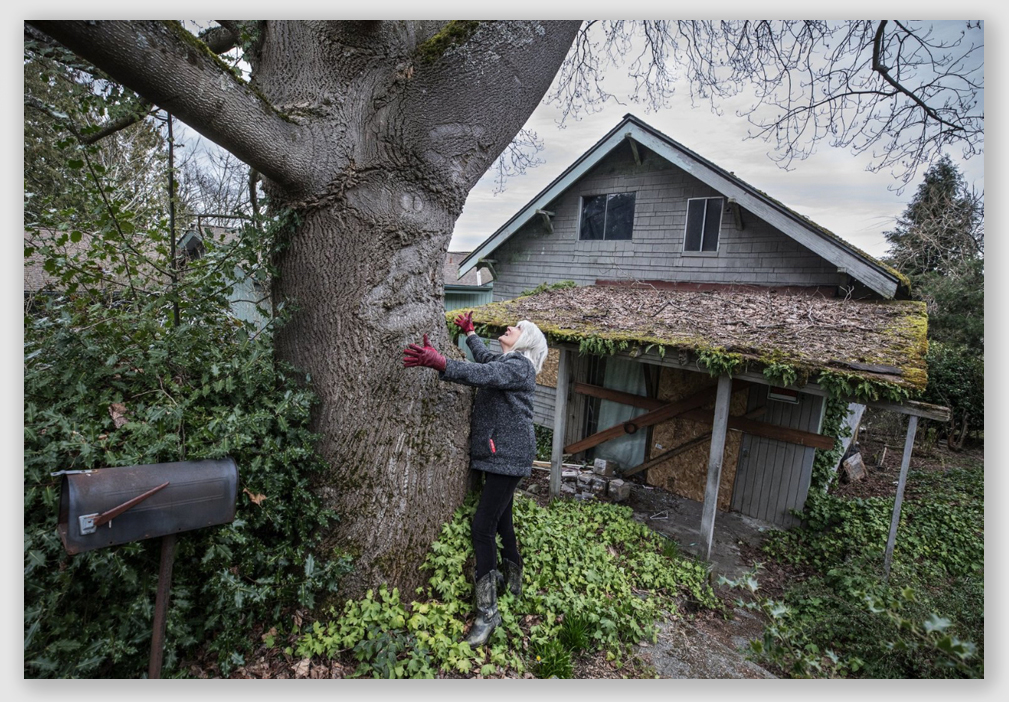
Suzanne Grant smiles at the towering tulip tree while she can. “Just the other day I observed five eagles flying over it,” the music teacher says on a balmy Tuesday of the tree rooted less than 50 yards from her Queen Anne home and three blocks from David Rodgers Park. Nearly 90 feet tall, with a diameter of 44 inches that classifies it as “exceptional” by city code, the deciduous tree has served the neighborhood as a contemplative counterbalance to the ever-devouring urbanism of Seattle. Grant has spent the last year trying to make sure the natural landmark isn’t also consumed as new houses go up. More than 80 years old, it is set for a developer’s saw this summer unless a city hearing examiner sides with her and dozens of neighbors attempting to preserve their local tree canopy. This neighborhood conundrum highlights a larger one playing out across the city and its swiftly shifting topography: Can a swelling population co-exist alongside keeping the Emerald City green? As the city referees about a dozen such battles a year, according to the Department of Construction & Inspections, that question has gotten more pointed year after year since 2009, the last time the city updated its tree ordinance…
The sassafras tree is not easily transplanted because it has a large taproot. You may have more success with planting one grown in a nursery either in a container or ball and burlap. The sassafras is a desirable tree with interesting mitten-shaped leaves and good fall color. It has an interesting small yellow flower in the spring, followed by a blue-black drupe fruit in the summer. It is found growing along woods edges in our area. Sassafras tea was a staple as a spring tonic for many of our grandparents. According to N.C. State University’s Plant Database, there are several edible parts of the tree. Tea made from young roots. Only moderate amounts should be drunk. A spicy jelly can be made from strong tea with lemon juice, sugar and pectin. Green winter buds and young leaves can be added to salads. The bark has safrole, a weak toxin, in it. It is recommended that you avoid ingesting the bark as it has caused cancer in experimental animals…
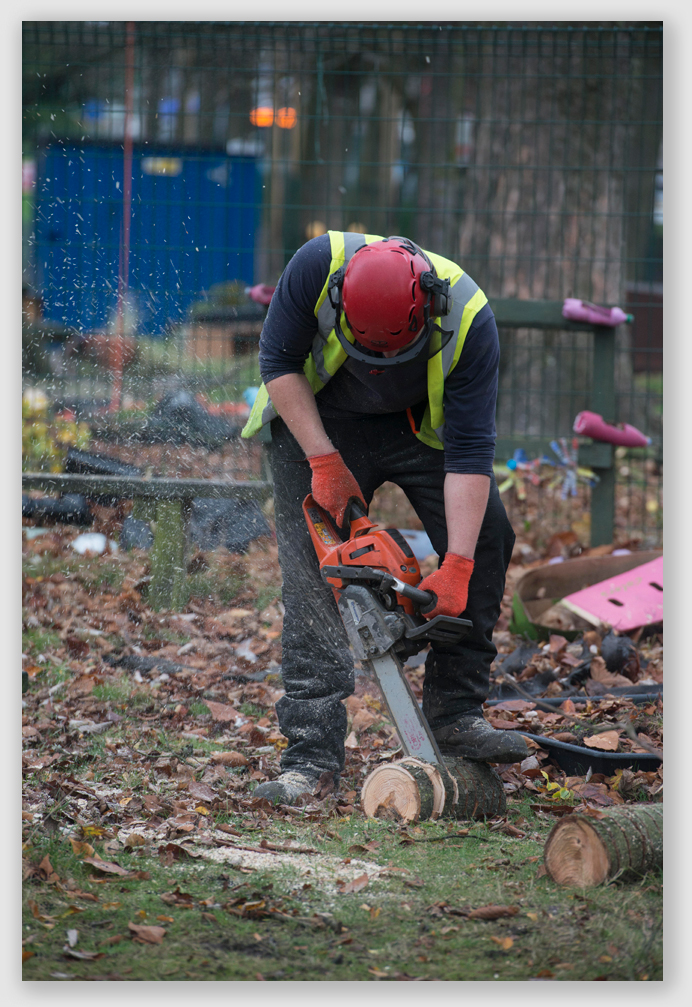
A mass felling programme by the city council began two years ago to combat the outbreak of Dutch Elm – destroying around 70 trees. But it is now estimated about 400 more are diseased or dying and a new drive to control its spread will begin this year. Some are in streets which will require road closures for removal, including Rosehill Drive, Hilton Street, Cattofield Place, Westburn Drive and Willowbank Road. Dutch Elm is one of the most serious tree diseases in the world and has already killed more than 60 million British elms in two outbreaks. The first epidemic was caused by fungus Ophiostoma ulmi from the 1920s onwards and killed 10-40% of all elm trees. A second epidemic, which is still ongoing, is caused by the more aggressive and related fungus O. novo-ulmi, which was accidentally introduced into Britain in the 1960s and first recognised in the 1970s. A tree will normally die within three to five years of first sign but it may die within a season. City council operational delivery convener John Wheeler said: “We do not want to cut down trees, especially if they’re large mature specimens, but unfortunately we must as there is no cure for Dutch Elm disease…
A tree farm in Eatonville is experimenting with a unique way to guard its younger trees against hungry deer and elk. They’re using trees to protect trees. The Townsend family has farmed the 277 acre Coburg Tree Farm since 1954. One way the family protects their young Douglas fir trees is a traditional method of setting up nets as a physical barrier. It’s a process that’s been around for a while, but it doesn’t always work well. Sometimes the trees grow through the netting, which can cause choke holds on the trunks. “Part of the issue with the nets is that it’s very, very time consuming,” said Keith Townsend. The oldest Townsend brothers are now testing a process called “pair planting” to protect the young trees. The technique involves planting Sitka spruce trees next to the Douglas fir trees to act as a babysitter or watchdog. “The spruce has sharp needles on it. When the deer and elk try to browse on the tree, they’ll get a poke in the snout,” Townsend explained…
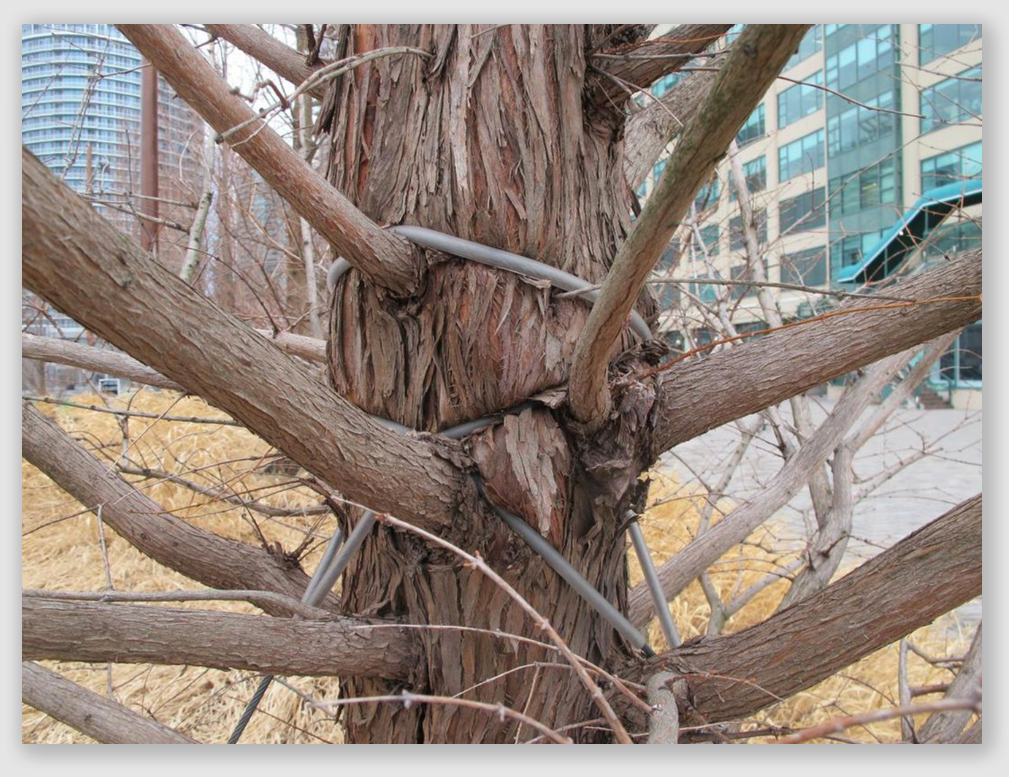 Toronto, Ontario, The Star, March 27, 2019: Guy wires put the bite on rare redwood trees
Inch by painful inch, wires used to reinforce rare trees planted at Harbourfront Centre are slowly strangling some of them. You won’t find many dawn redwoods, officially known as Metasequoia glyptostroboides, in these here parts; they were thought to be all but extinct until rediscovered in China in 1941… A grove of about 40 dawn redwoods was planted some years ago at Harbourfront Centre, on Queens Quay west of York St., and are reaching for the sky, due to their fast-growing tendencies. Jacob Allderice sent us a note about the trees — the first time we’d ever heard of them — emphasizing that they grow quickly and can reach heights of 60 metres. The trees at Harbourfront have been reinforced with guy wires to buttress them against the stern winds of Lake Ontario, but because the trunks grow significantly larger each year, the wires are cutting into them, he said…
Although it can provide a gorgeous sight in the spring, many Oklahoma residents say the Bradford Pear trees are leaving them with a bad taste in their mouths. The stench of the trees has made it hated across the region, and some cities in neighboring states are taking steps to get rid of the timber. In fact, the City of Fayetteville has placed a bounty on Bradford Pear trees. The northwest Arkansas city is encouraging residents to cut down their Bradford Pear trees. In exchange, the city will give them a native tree to plant. “Its probable heyday was the 70’s, 80’s; started running into problems in the 90’s,” said Brian Dougherty, a horticulturist. Builders tended to use the fast growing trees as part of their landscapes, but now the Bradford Pear is considered an invasive species by some because they are spreading to places where they weren’t initially planted. “It can produce a lot of little seeds. We are seeing them out in watersheds, we are seeing it in some of the native areas,” Dougherty said…
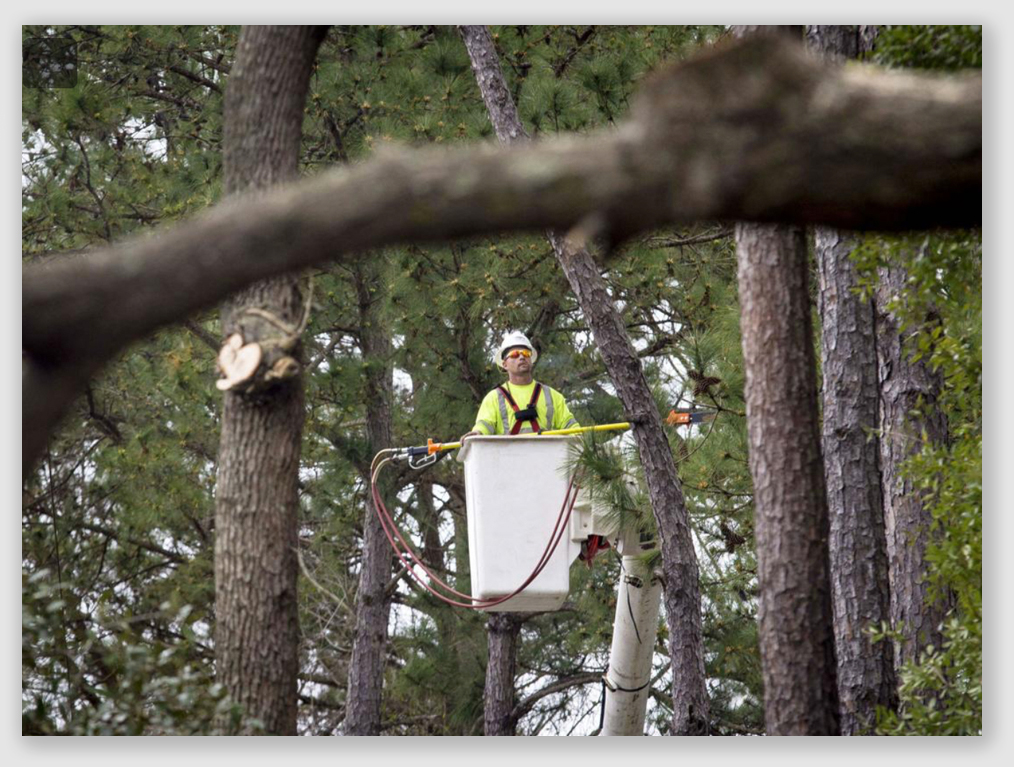
Charleston-area residents have inundated local governments and South Carolina Electric & Gas with complaints about excessive tree trimming by the utility company. It’s gotten the state’s attention. The Public Service Commission — the government body that oversees utilities in South Carolina — unanimously passed a motion Wednesday for SCE&G to appear to discuss “tree trimming and potential alternatives.” A date for the briefing has not been announced but Commissioner John Howard said in his motion he wants the utility to meet with the group “as soon as the calendar allows.” The most recent complaints about trimming started with the West Ashley neighborhoods of Byrnes Downs and Old Windermere. The state’s call for SCE&G to appear before the PSC represents another page in a nearly two-month-long debate between the utility and residents. A report by the city of Charleston found that nine of 74 grand trees trimmed in the West Ashley neighborhoods this month were not compliant with industry standards for pruning. Many were labeled as “ugly and misshapen…”
When a meteorologist colleague of mine sprinted across the WUSA9 newsroom on Monday, hollering the words, “peduncle elongation!” and added, “It’s phase four! It’s phase four!” I wanted to reply, “What’s the big deal? It’s a tree. It blooms. It’s pretty. Move on.” Just two dramatic stages left, the euphoric Melissa Nord told us – “puffy snow” and then the illustrious “peak bloom” on April 1, which was just moved up from somewhere between April 3-6. (Look, if puffy snow isn’t over by April 1, this is as about as cruel an April Fool’s joke one can play on a botanist.) Like any rite of spring — opening day, weeding, mulching, cleaning the god-forsaken garage — the blooming of cherry blossoms is upon us again. This is a good thing for Washington and mankind, of course. But I couldn’t help but feel compassion for hydrangeas, gardenias, crape myrtles, dogwoods, hell, crabgrass. I mean, you don’t see a million people coming to town to see them bloom. There’s no Hydrangea Festival to attend, no Pink Dogwood Run to sign up and register for this weekend. It’s all about one darn, VIP species of tree, blooming spectacularly for just a day, maybe two or three, if the wind doesn’t blow the petals into the tidal basin’s brown water…
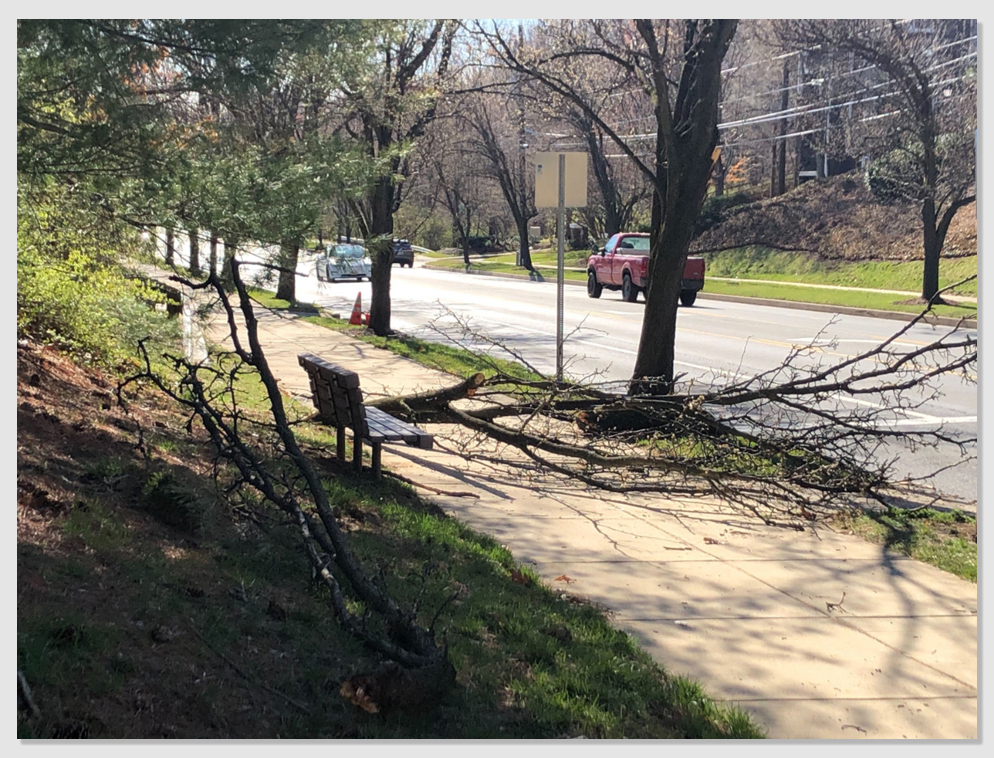
A man walking in North Bethesda, Maryland, was seriously injured Tuesday morning after a passing truck apparently struck a large branch, which then fell on him Montgomery County authorities say. The man, who is in his 30s, was hit by the falling tree branch while walking on the sidewalk in the area of Tuckerman Lane and Hampton Mill Terrace at about 9 a.m. Tuesday, Montgomery County Fire and Rescue Service spokesman Pete Piringer told WTOP. First responders said the man suffered traumatic injuries and was rushed to the hospital. His condition is still serious but not life-threatening and improved slightly on the way to the hospital, Piringer said. Witnesses told first responders about the truck striking the tree branch, Piringer said. “What it appears though is that the overhanging large tree limb was probably struck by the truck,” Piringer said. “The pedestrian just happened to be on the sidewalk in close proximity and the branch fell on him, injuring him seriously…”
Traverse City, Michigan, Record-Eagle, March 26, 2019: Tree cuttings cause stir
More trees are coming down in Traverse City, leaving empty lots that upset some neighbors, Kimberly Homminga among them. Her house is east of Cherry Capital Airport land formerly forested but now cleared, save a belt of trees along three sides, cuttings maps show. Homminga said owls and other wildlife were frequent sights in the seven years she’s lived there. Now she can see planes in one direction and store lights from roughly two miles away, she said. “It is a shame, it’s very sad, not only for the destruction of the trees but the loss of wildlife we have back there now,” she said. The U.S. Department of Agriculture identified that wildlife as a threat to planes prior to a recent runway expansion, airport Manager Kevin Klein said. Previous efforts to mitigate that risk, including tasking the since-deceased dog Piper with chasing off wildlife, weren’t enough. So the Northwestern Regional Airport Commission, which oversees the airport, chose to change the habitat as the USDA suggested, Klein said. Birds in flight pose risks to planes, as to deer and other wildlife venturing onto airport property, he said…
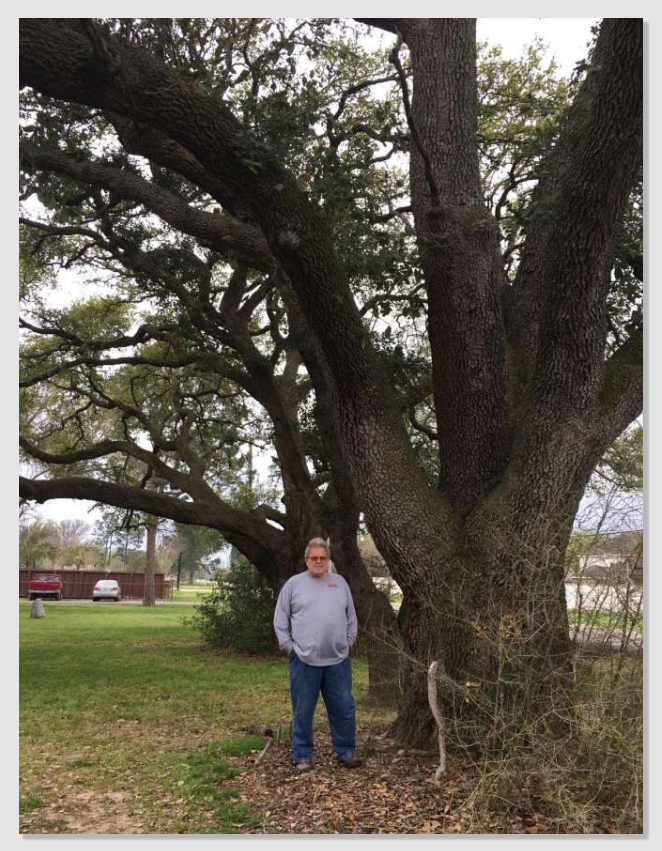 Houston, Texas, Chronicle, March 26, 2019: South Katy resident tries to protect old oak trees
To preserve live oaks that date to the early 1900s as well as large and old pecan and cedar trees, Robert Fontenot is asking the North Fort Bend Water Authority to consider another method of installing a 60-inch diameter water pipeline across the front of his five acres at 24515 Roesner Road in south Katy. The authority has yet to announce a decision. In the fall of 2014, Robert and Beth Fontenot purchased the Roesner Homestead which was founded in 1908. About a year after they moved in, Robert Fontenot said they received a letter from the water authority regarding the pipeline project. Over the years he has received subsequent letters and he appeared before authority officials at a March meeting to present his proposal. Fontenot proposes that the water authority bore underground starting from the north side of his driveway for a distance of 240 feet to save the live oaks as well as other trees. “These are not normal trees,” he said referring to the oaks and pecans while acknowledging that some trees will be lost. He said he also would forgo a portion of the easement fee paid by the authority because boring is a more costly method of installing pipeline than digging a trench. Using trenchless methods to complete construction would increase project costs on Fontenot’s property alone by about $200,000, according to Matthew L. Froehlich, senior project manager for BGE, which is the authority’s engineer…
Bend, Oregon, KTVZ-TV, March 26, 2019: State delays new rules for herbicide tied to C.O. tree deaths
At the manufacturer’s request, state regulators said Tuesday they have postponed new limits on an herbicide tied to Central Oregon tree deaths in recent years. The Oregon Department of Agriculture said it received a request last Wednesday from Bayer Crop Science LP, Environmental Science Division, to postpone the date of the proposed permanent rule (OAR 603-057-0392) limiting the use of aminocyclopyrachlor, an herbicide also known as ACP. The proposed permanent rule, which was drafted by ODA after meeting with stakeholders and the public, was scheduled to be adopted two days later.Upon receipt of a timely request, the department is required by law (ORS 183.335(4)) to postpone the date of its intended action at least 21 days, and no more than 90 days, from the earliest date that the rule could have become effective. Therefore, ODA is postponing the adoption of the proposed permanent rule until no sooner than April 1…

In 1907, Francis W. Bushong, a chemistry professor at the University of Kansas, reported a novel finding in the journal Chemical and Physical Papers. He’d found methane, the main ingredient in natural gas, in a tree. Years earlier, he wrote, he’d cut down some cottonwood trees and “observed the formation of bubbles in the sap upon the freshly cut trunk, stump and chips.” When he struck a match, the gas ignited in a blue flame. At the university, he replicated the flame test on a campus cottonwood and this time captured gas samples. The concentration of methane was not much below the level measured in samples from Kansas’s natural gas fields. The finding was reported mainly as a novelty and faded into obscurity. Tree methane is back, in a big way. An expanding network of researchers has discovered methane flowing out of trees from the vast flooded forests of the Amazon basin to Borneo’s soggy peatlands, from temperate upland woods in Maryland and Hungary to forested mountain slopes in China…
Tropical cyclones are expected to intensify under a warming climate, with uncertain effects on tropical forests. One key challenge to predicting how more intense storms will influence these ecosystems is to attribute impacts specifically to storm meteorology rather than differences in forest characteristics. Here we compare tree damage data collected in the same forest in Puerto Rico after Hurricanes Hugo (1989, category 3), Georges (1998, category 3), and María (2017, category 4). María killed twice as many trees as Hugo, and for all but two species, broke 2- to 12-fold more stems than the other two storms. Species with high density wood were resistant to uprooting, hurricane-induced mortality, and were protected from breakage during Hugo but not María. Tree inventories and a wind exposure model allow us to attribute these differences in impacts to storm meteorology. A better understanding of risk factors associated with tree species susceptibility to severe storms is key to predicting the future of forest ecosystems under climate warming…
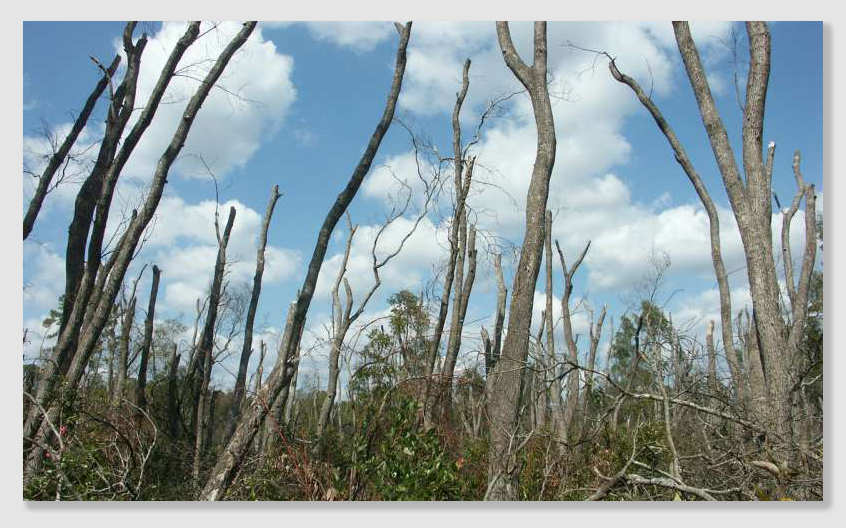 Phys.org, March 25, 2019: How tree diversity regulates invading forest pests
A national-scale study of U.S. forests found strong relationships between the diversity of native tree species and the number of nonnative pests that pose economic and ecological threats to the nation’s forests. “Every few years we get a new exotic insect or disease that comes in and is able to do a number on our native forests,” says Kevin Potter, a North Carolina State University research associate professor in the Department of Forestry and Environmental Sciences and co-author of an article about the research in Proceedings of the National Academy of Sciences. “Emerald ash borer is clobbering a number of ash species in the Midwest and increasingly in the South. The chestnut, a magnificent tree that had immense ecosystem value as well as economic value in the South and North, is pretty much gone because of a pathogen. And hemlocks are under attack by the hemlock woolly adelgid from the Northeast along the Appalachian Mountains into the South.” To better understand how nonnative insects and diseases invade U.S. forests, researchers tested conflicting ideas about biodiversity. The first is that having more tree species can facilitate the diversity of pests by providing more places for them to gain a toehold…
There are 1,263 stumps at Joe Moody Park. Nobody has counted them all yet, but there probably are several hundred more at Bay Memorial Walking Park by the Garden Club. The situation is similarly bleak at Harvey De Mathis Walking Park. In fact, stumps have rendered a fair number of Panama City’s park effectively useless, said Panama City City Manager Mark McQueen. They’re a tripping hazard. They’re unsightly. Landscapers say not to grind them down and plant on top of them because the air pockets that creates can kill the new plants. There’s just not much to do with them. “I hate the stumps,” McQueen said…
Years of drought, insect infestation and disease have taken their toll on trees in Eastern Connecticut, forcing several towns to pony up thousands in extra removal funding. Brooklyn First Selectman Rick Ives said the town spent $70,000 this year to take down roughly 400 dead or dying trees. “The tree removals are unprecedented,” Ives said. “We focused only on town roads and on the sides of roads were there weren’t wires — Eversource takes care of those. We finished that work last month and will start up again in July.” Ives said he’ll likely spend another $70,000 in fiscal year 2019-20 and again the following year to continue the culling process which is being paid for with a combination of Town Aid Road, or TAR, and other money. Ives said he’s aware of town officials lobbying the state and federal government for additional removal funds. “But there’s not the time to wait for that kind of funding,” he said. “These trees are dying quickly, their composition becoming like sawdust and branches being shed.” Widespread drought conditions from 2015-18, combined with two years of gypsy moth caterpillar massings, hurt large swathes of forest in Northeast Connecticut and left thousands of trees unable to recover…
Portsmouth, Ohio, Daily Times, March 24, 2019: Planting too deep can kill your tree
After over-watering, planting too deep is the second most frequent cause of death for young trees. Trees need water, oxygen and warmth, so they naturally grow most of their roots close to the surface. If these surface roots are covered up, growth stops and roots wither and die. It’s common for too-deep newly-planted trees to attract insect pests and disease, because these dangers naturally seek out distressed trees as hosts. Even if the tree could adjust to transplanting, growing new surface roots so it can breathe, it falls victim to bark borers or other pathogens. The part of a tree where the stem and root system meet, called the root collar, is a “flare” between the trunk and the roots. Large roots called buttress or transport roots spread out from the root collar. They steady the tree and “pipe” water and minerals up from the soil. If transport roots are buried too deep, the energy that a newly planted tree needs to overcome normal transplant stress is instead used just to survive…
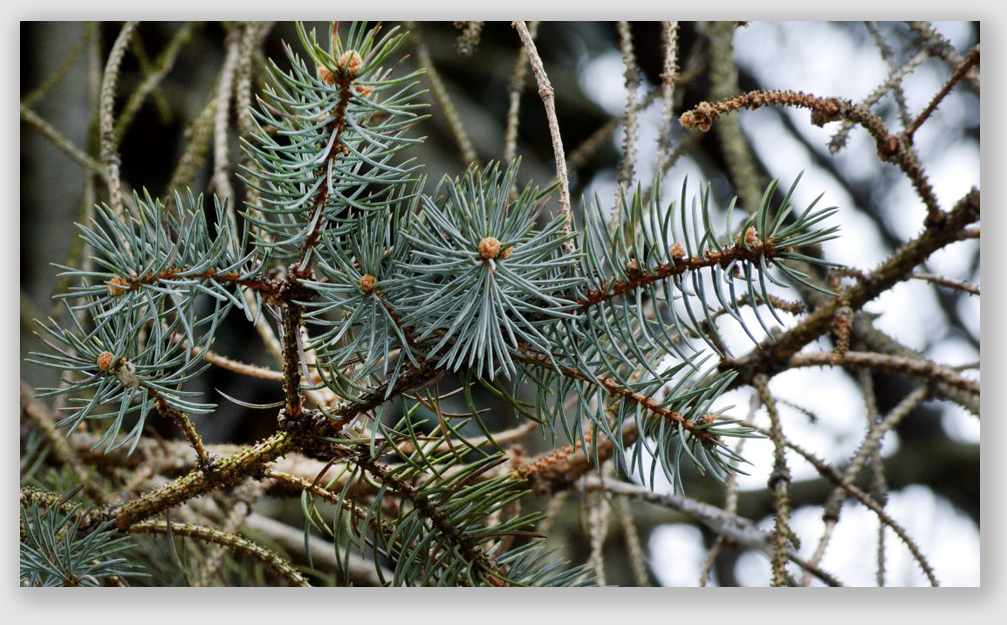
The Colorado blue spruce tree is very popular throughout the local region, but more of them have become susceptible to attack by Rhizosphaera needle cast disease over the past decade, according to Karen Cox, West Virginia University Extension Agent for Ohio County. “The Colorado blue spruce is a very common landscape tree. It grows quickly and is beautiful to look at because of it’s pale blue color,” Cox said. She noted the tree, which can grow up to 200 feet tall, is increasingly becoming threatened by pathogens and arthropods from this particular needle disease. “The problem is it isn’t native to this region. … As a result, there is a fungus that tends to grow and attack the blue spruce in this area,” she said. She said the fungus clogs up the circulatory system of the tree. “If you take a magnifying glass … you can actually look at the needles and see little black specks on the bottom of the needles,” she said. “What you notice most is the lower branches die off. It’s a soil born fungus…”
When the city of Santa Rosa, California, told Jason Windus he had to lower the fence around his home, he complied. But the Santa Rosa Code Enforcement Division probably couldn’t have predicted his next move. Windus set up multiple naked mannequin models in his yard. With the shortened fence, they’re on full display for the entire neighborhood to see. And since they’re just mannequins, it’s not as though he’s running afoul of any public indecency regulations. “The way I see it is you can either cop a resentment or you can have some fun with it,” Windus told NBC Bay Area. “There’s no sense in getting angry.” It all started after Windus built a fence to keep his dogs from leaving his property, which is on a street corner. “It was a 6-foot fence, like everybody else’s around here,” he told The Press-Democrat. At least one neighbor wasn’t a fan. A city spokesperson told KTVU someone filed a complaint last October regarding the fence. It was found to be in violation of the city code because it might block drivers’ views of the intersection…
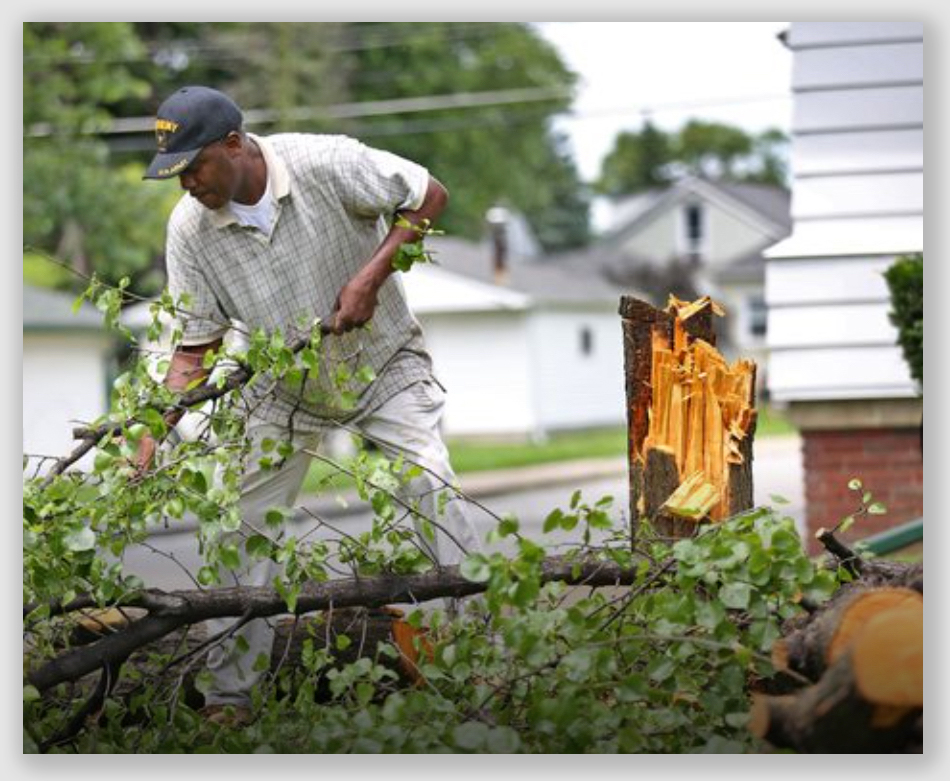
The harbinger of spring is generally a welcome and much-anticipated sign of the season. The first robin redbreast. The first chorus of spring peepers. The blooming of the first daffodil. Even that very first dandelion blooming at the base of a south-facing wall is often met with a faint if somewhat hesitant smile. In the Louisville area, as with other mid-latitude cities around much of the eastern and central U.S., there’s another harbinger of spring but this one isn’t the one that goes on postage stamps, screen savers or gas station calendars. It is just as reliable an indicator of spring as about anything else out there but this one doesn’t generate many smiles. I’m talking about the invasive, smelly and much-maligned Bradford Callery pear tree. Pyrus calleryana, the Callery pear, is one of about 30 pear species that have as their native region a span from central Asia through the Middle East and North Africa. A distant cousin of the culinary pears, ‘Bradford’ was the first and remains the most popular form developed for and planted on streets and in lawns across much of the U.S…
A wealthy homeowner who butchered a protected tree because it blocked the sunlight from his new balcony has been ordered to pay out nearly £40,000. In the first case of its kind in Britain, Samuel Wilson, 40, was told he must reimburse the taxpayer £21,000 – the amount his illegal act added to the value of his £1m home in affluent Canford Cliffs in Poole, Dorset. He was also fined £1,200 and ordered to pay £15,000 in costs. In receiving his punishment, Wilson became the first person to be dealt with under Proceeds of Crime Act for a case involving damaging a tree to improve light. A court heard Wilson added a new Juliet balcony to the master bedroom of his luxury home in 2016. However, he later realised it was left covered in shade by the 42ft tall oak tree in his south-west facing back garden. The oak was subject to a Tree Preservation Order, meaning that Wilson should have sought permission from the local authority before cutting it…
Six years ago, an unpleasant surprise greeted plant pathologist Kari Peter as she inspected a research orchard in Pennsylvania. Young apple trees were dying—and rapidly. At first, she suspected a common pathogen, but chemical treatments didn’t help. The next year, she began to hear reports of sudden deaths from across the United States and Canada. In North Carolina, up to 80% of orchards have shown suspicious symptoms. “Rows of trees collapse for what seems like no reason,” says Peter, who works at the Pennsylvania State University Fruit Research and Extension Center in Biglerville. Now, as their trees prepare to blossom, North America’s apple producers are bracing for new losses, and scientists are probing possible causes. Apples are one of the continent’s most valuable fruit crops, worth some $4 billion last year in the United States alone. Growers are eager to understand whether rapid or sudden apple decline, as it is known, poses a serious new threat to the industry…
The Birmingham Water Works now says it is investigating a large number of damaged and discolored trees in the area surrounding its Shades Mountain Filter Plant, and said it is “seriously looking into this matter” to determine whether the damage was caused by an accidental release of chlorine gas last month. On Feb. 27, 55 people were sent to local hospitals after chlorine gas was released from the plant. U.S. Highway 280 closed in both directions for approximately two hours, and some nearby residents were told to remain in their homes for several hours until an all-clear was given. The Water Works said the release occurred after sodium hypochlorite and ferric sulfate were accidentally mixed at the plant. In the weeks since the accident, a large number of pine trees around the plant began showing signs of discoloration, including in a residential neighborhood and church in Mountain Brook. The Valley Christian Church, located next to the plant, has 62 pine trees on its property that all appear to have brown and dying needles, according to a volunteer who tends the grounds at the church…
 Popular Science, March 20, 2019: Tree rings contain secrets from the forest
Neil Pederson’s introduction to tree rings came from a “sweet and kindly” college instructor, who nevertheless was “one of the most boring professors I’d ever experienced,” Pederson said. “I swore tree rings off then and there.” But they kept coming back to haunt him. As a future forest ecologist, he needed to learn more about the history of forests. So he read countless articles in graduate school extolling the importance of tree rings in unraveling a forest’s past. Ultimately, “I fell in love with the beauty and wealth of information found in tree rings,” he said. “Since then, tree rings have revealed to me the absolute resiliency of trees and forests. I’m hooked.” Today, he and his colleagues are using the data inherent in these ancient sources of nature to better understand the impact of climate change and carbon dynamics on forests, all the more valuable because data from long-lived trees can reach back decades, even centuries. This is far longer than modern satellite imagery, carbon dioxide measurements, and computer models, whose high-tech information gathering only stretches back about 30 years…
Fresh Plaza, March 20, 2019: Busy time of year for Washington fruit tree supplier
While consumers’ minds might be turning to tree fruit from overseas, now is the time of year that growers in the US are busy preparing for future seasons. Part of this process is of course, obtaining new trees and Brandt’s Fruit Trees in Washington says that spring is the time when fruit trees are shipped across the country to their new homes. “Trees are shipped for a total of three months starting in March and ending Memorial Day weekend in May,” said Kevin Brandt, Vice President and COO of Brandt’s Fruit Trees. “April is the busiest month for us with the nursery shipping 60-70 percent of our product during that time. While we manage a number of soft fruit selections that we sublicense to a number of other nurseries throughout the U.S., we ourselves are currently only growing cherries, apples, and pears.” Why is spring the time when young fruit trees are shipped to their future orchards? This is because they are dormant during the early spring, which provides the perfect – and indeed only – opportunity to move them without damaging them…
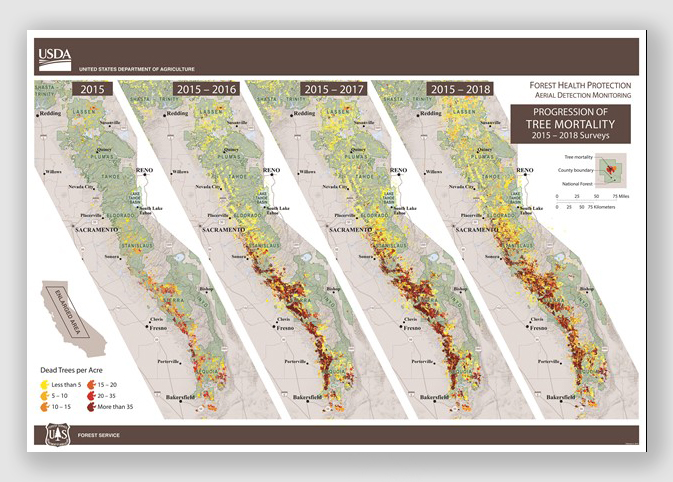 Sacramento, California, KXTV, California’s drought may be over, but its trees are still dying
Every year, the United States Department of Agriculture surveys California’s forests. Government and private forestry staff take to the skies in various aircraft to sketch out maps of the state’s dying, defoliating and damaged trees. And every year, the data they compile from these observations show that more of California’s forests are dying. This year no different. The numbers from the 2018 USDA Forest Health Aerial Survey released in February show that 2018’s below average rainfall slowed the forests’ recovery from drought and diseases. And even heavy rain and snow totals in the first few months of 2019 might prove to be detrimental to forest survival. According to the ecologists who compiled this year’s Forest Health survey, the end state-wide of California’s drought is expected to be a breeding ground for the fungus responsible for Sudden Oak Death. Over 147 million trees in California forests have died over the last eight years. Most of these forests are near the southern Sierra Nevada, which shows an increasing threat to iconic California landmarks like the Sequoia and Yosemite national forests…
An increasing number of trees in the Anacortes Community Forest Lands are dying, even as others are doing just fine, and some thriving. The cause is unclear, but certified arborist Dave Oicles, who is also forest lands maintenance supervisor, suspects periods of drought could be making an impact. This was one of the observations he shared with a group Friday on a community hike focused on changing trees and forest health. Oicles, also known as Ranger Dave, takes care of the 2,800 acres of public forest and 50 miles of trails for the City of Anacortes. The hike was hosted by Friends of the Forest. Oicles told hikers he noticed an increase in dying Western Red Cedars and Hemlocks, marked by dramatic sections of orange, last summer. In the Whistle Lake area, hikers stared up into the brown canopy, the color mellowed by winter. “In the last 12 months, they’re losing their battle,” Oicles said of the trees. The cause hasn’t been identified, but Oicles noted there has been a pattern of drought since 2012 — warmer, drier summers, with less rainfall throughout the year…
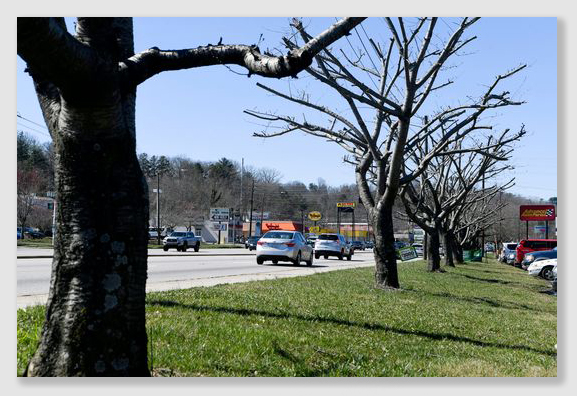
The owners of a West Asheville strip mall who illegally pruned a dozen cherry trees last fall will get a reprieve from a $19,000 city fine. The trees along the 800 block of Patton Avenue, in front of the Sav-Mor and Harry’s on the Hill, owned by Town and Country Shopping Centers, were “topped,” or had their crowns, upper limbs and parts of their trunks cut down. The fine was for improper and noncompliant tree pruning, in violation of the city’s tree care regulations, section 7-11-3(f)(6) of the Unified Development Ordinance, according to a notice of violation issued to the owners on Dec. 7, 2018. The notice of violation gave Town and Country 30 days to correct the violation or pay the $19,000 fine Stephen Hendricks, chair of the Asheville Tree Commission, which advises City Council on tree protection and tree ordinance violations, said that while private homeowners are free to prune trees as they wish, commercial properties, those in the city’s right of way and residential complexes of a certain size, must comply with certain tree pruning and removal rules…
The city’s attempt to appeal a ruling that it must had over unreacted documents about Fort Greene Park to a group trying to stop a controversial revamp of the grounds will get its day in court in the next few weeks. The city has said it believes a court decision in October that it must had over a full 2015 report on the park is incorrect and will make its appeal in front of The New York State Appellate Division of the Supreme Court at a 2 p.m. hearing on April 4. The report, which the city originally released with entire pages redacted, is one of several documents a local group requested under the Freedom of Information Law as part of their effort to stop a $10.5 million reconstruction of the park’s northwest corner, mostly due to the fact that it would mean cutting down at least 58 trees…
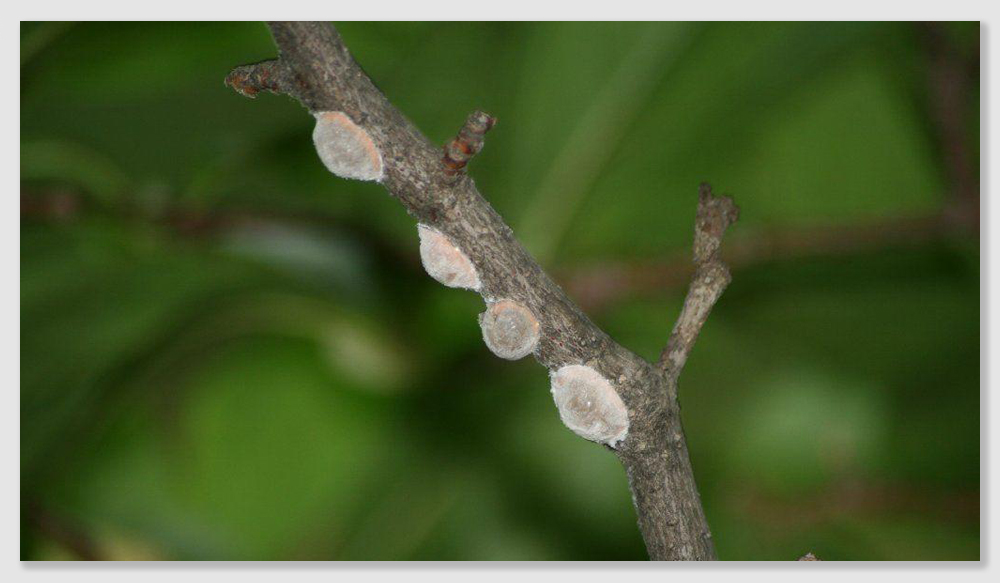
It’s time for a sneak attack. Now, while magnolia trees are still dormant, you can take action against scale insects by smothering the juveniles with an oil made for the purpose. Scale insects spend most of their lives flattened against the bark of trees and shrubs, sucking their sap. In late March, the insects are still so small they are barely visible, according to Sharon Yiesla, plant knowledge specialist at the Morton Arboretum in Lisle. “If you spray the tree with dormant oil while the insects are still tiny, you can suffocate them,” she said. It’s important to do this before the magnolia tree begins to open its leaf buds, but when the temperature is predicted to stay above freezing for at least 24 hours. It’s also essential to use the right product. A dormant oil is a horticultural oil applied when plants are dormant. The label will tell you whether a particular oil product is effective against scale insects and whether it can be used as a dormant oil…
Bonneville Power Administration is planning to remove hundreds and possibly thousands of trees along a transmission line stretching from Renton to Monroe beginning next month. The decision comes after Bonneville Power Administration (BPA), a federal energy corporation, reclaimed the line from Puget Sound Energy after a 50-year lease expired last fall. The two companies have different standards and trimming schedules for lines they manage, which means BPA will increase the clearance area around the transmission lines by around 26 feet. This will include removing trees, shrubs and undergrowth along 53 miles of line. Kevin Wingert, spokesperson for BPA, said they usually remove vegetation even further, up to 75 feet on either side of the center line, for a full clearance of their easement. Clearing plants helps protect the lines from falling trees or from electricity jumping to nearby trees and shrubs beneath. This protects the property and the reliability of the grid. Puget Sound Energy removed vegetation from around 36 feet on either side. BPA has proposed increasing this to 62.5 feet on either side…
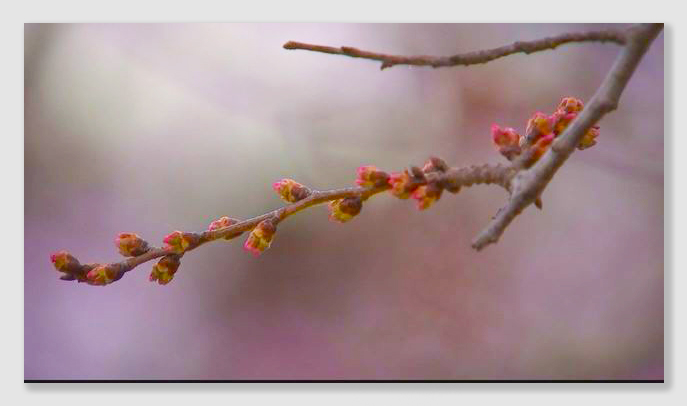 Washington, DC, WTTV, March 18, 2019: Tracking the weather’s impact on the cherry blossom trees
Thanks to that warm-up last week, green buds are sprouting on cherry blossom trees around the Tidal Basin on the National Mall! But the first sign of spring has some people barking up the wrong tree. If you’ve seen budding blossoms, National Park Service officials say they were likely magnolia blooms because the cherry trees have little green buds that will reach peak bloom during the first week of April. On Monday, FOX 5 talked to some tourists who say they are disappointed they won’t be here to see the iconic cherry blossoms. The NPS says the buds are a bit behind last year and this current cold spell is slowing things down a little bit more, but officials say not to worry because this is totally normal. The trees have reached Stage 2 of the six bloom cycles, which means florets are visible, whereas magnolias are almost at full bloom, but that’s the only thing that sets these two flowers apart…
James Island homeowners are frustrated with SCE&G after two years of fighting over their tree trimmings. Neighbors living on Riverland Terrace say it’s an ongoing issue. Teresa Gill said she felt threatened when an SCE&G worker told her they were going to tow her car. Gill said SCE&G workers showed up to her neighborhood to trim the trees as part of maintenance they do every five years so they’re not in the way of power lines, but she said they showed up unannounced and her car was parked right under a tree. She said they went up to her property around 3 or 4 times telling her to move the car and they had permission from the Charleston County Sheriff’s Office to do so. “I called the police, the sheriff’s office, and someone came out and told them they didn’t have the right to tow my car. It wasn’t parked illegally, and asked me if I can have it moved by morning,” said Gill. Gill said this time she wasn’t trying to block the trees, but other people in the area are trying to protect the trees by parking in front of them…
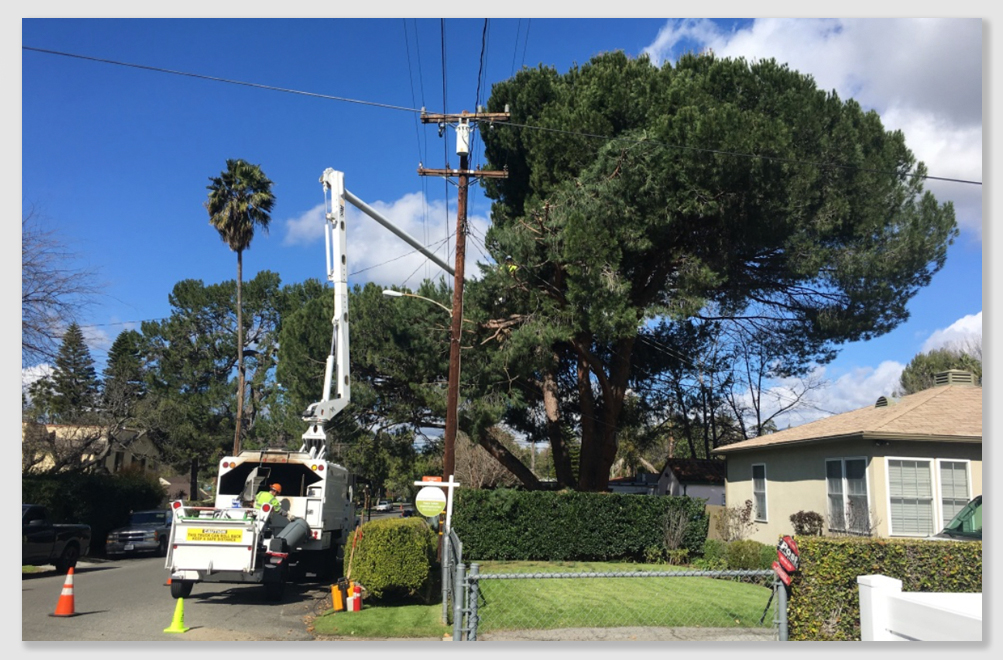
When work crews hired by Southern California Edison cut back the canopy of shade trees in unincorporated Altadena last month, many residents of the foothill community were angered that their trees were left unsightly and mangled. Altadena residents’ startled and angry responses to the cutting could be repeated in the other fire-vulnerable parts of Edison’s vast service area — because over the next two years, the utility is mounting a massive new tree-trimming campaign. It’s aimed at reducing the risk that its power lines might spark new fires — in which case, Edison could have to pay billions of dollars in liabilities…
Pasadena homeowner, Betty Lujon, says the centuries old oak tree had been coming down gradually when it finally touched down in her backyard last week. To her surprise, the tree remained rooted and alive and she intends on keeping it that way. “I would never kill it. In a million years, I wouldn’t let it die. The roots are all there. I think, and they think too, the arborist says it will live and do alright,” Lujon told CBS’ Hermela Aregawi. According to the 82-year-old, the oak tree has provided shade and joy for parties and weddings for nearly 50 years, and she wants to save it for future generations to enjoy…
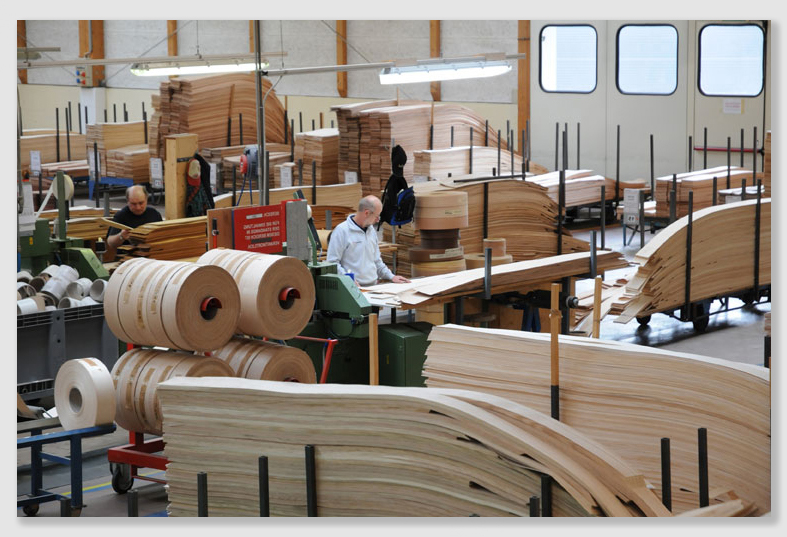
Roseburg Forest Products, one of the country’s leading manufacturers of particleboard and plywood, has ended production and sales of certain lumber products in the midst of a federal investigation into whether the wood came from the illegal logging of African rainforests. U.S. Immigration and Customs Enforcement confirmed to OPB that its Homeland Security Investigations division has an ongoing investigation into illegal imports of okoumé, a wood used for plywood and veneer siding. The Lacey Act prohibits the trade of plants and wildlife taken, stored or transported illegally. Okoumé hardwood trees grow in the rainforests of west-central Africa, where the deforestation of habitat for endangered species is drawing the concern of conservationists and scientists alike. Okoumé is used in some of Roseburg’s Real Wood Siding products, which are sold by major retailers including Home Depot and marketed as “environmentally friendly…”
Seattle, Washington, KIRO-FM, March 17, 2019: UW cherry trees close to blossoming
A short burst of spring-like weather may have you wondering about the cherry blossoms at University of Washington. Short answer: they’re not quite ready ready. The school said on Tuesday that peak blossom time is about a weekend away. That said, a trip to UW’s Quad this weekend won’t disappoint. The blossoms are close. Historically, the blossoms usually peak the third week in March, but heavy snow in February may have contributed to a later showtime. “Temperature and amount of sunlight are the big factors that determine bloom timing,” campus arborist Sara Shores said in a news release. “Once the trees reach peak bloom, then we hope that the temperatures drop and the air is fully still for two or three weeks. That will help the blossoms last longer…”
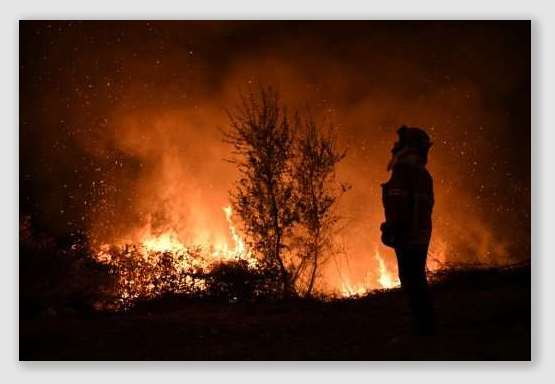 Redding, California, KHSL-TV, March 17, 2019: Concern grows about trees damaged during Camp Fire
The tree pictured above is marked ‘P2’ by PG&E tree crews, meaning it is supposed to be taken down. The property owners are conflicted. The lot it is on is a small one off of the Paradise Memorial Trailway. There was a large house on one side of the large oak, and a smaller “granny” house on the other side. Both homes burned, so the tree has obviously been damaged. Is the tree dead? Is it too close to the power lines? Should it be left standing for a few years just in case it can survive? Many people who lost homes during the Camp Fire are now complaining that their properties have been clearcut. Others complain that damaged trees on a neighbor’s property might fall and destroy their homes that are still standing, and they want the trees removed. Some tree advocates are lobbying for some of the trees to be left standing until they can really determine their viability. The suggestion has been three years for oaks and two years for conifers. Arbor Day is usually celebrated in early April with the planting of trees, but it’s too early for that on many burned properties scarred by the Camp Fire…
Save Delete, March 17, 2019: The importance of tree removal for a beautiful home
Trees are nature’s gift to heal, protect and add beauty where they are. However, when a tree is past its prime and nears the end of its life, or it undergoes unsupervised growth or sustains damage, it becomes a liability. Tree removal becomes a necessity when you want to safely remove a tree without causing harm to it or the surroundings. Arborists or professional tree removal service providers render their service for tree removals. They can also assess the tree for its overall condition, and its requirements such as nutrients and alternative solutions. Tree removal, especially in an urban environment involves careful planning and execution. Professionals can do so by carefully removing the plant without any disturbance to the human as well as the tree population in its proximity. Apart from human expertise, highly sophisticated technology is an essential requirement to execute the removal successfully. It is quite possible that an established company conducts the removal using state of the art and expensive tools and equipment. This is why any random person driving around in a pickup truck plastered with posters and flyers and saw will not do. Any adult with a saw can cut a tree easily, but is it safe for the tree as well as its surroundings? You do not buy fertilizer from any one who has not tested your soil. Why should trees be treated differently?
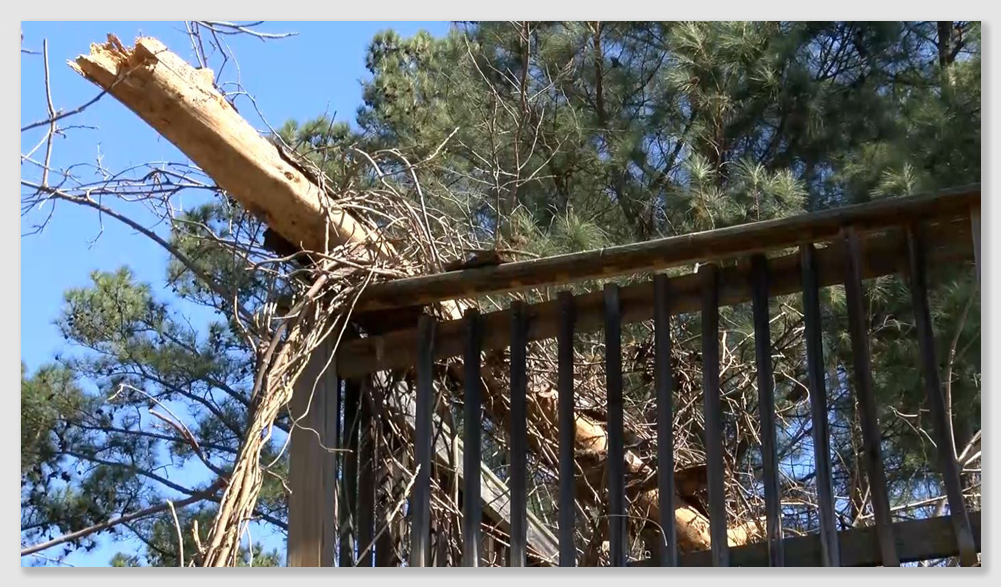
A common legal question played out in a real-life drama in Henrico County. Nakita Lynch had been complaining about a tree in her neighbor’s yard she was worried would fall and cause damage. Well, Thursday, that’s exactly what happened. “I’m so glad I wasn’t outside because I usually come out on the deck just to look around,” Lynch said. “The way it hit, it probably would have hurt us. The way it fell it probably would have hurt us very bad, very bad.” Lynch had not complained to her neighbor about the tree because a different tree in that same neighbor’s yard had fallen two years ago and bad blood over that incident has led them to no longer speak with one another. “She just stopped speaking to me so that’s why I never said anything to her about the tree,” Lynch said. There is recourse for homeowners who suffer damage from a neighbor’s tree, but they have to be proactive and document their concerns before the damage occurs. “Had she given notice to the other property owner that the tree posed a risk to her property and had it documented, potentially she could collect under that lady’s liability insurance or be reimbursed for her damages,” State Farm Insurance agent Michael Fisher said…
On a February weekend, in freezing temperatures, 72-year-old Mike Trial is dressed in work boots and jeans sawing his trees into boards. The 200 acres he owns west of Columbia are full of rolling hills, wooded patches and 50 acres of eastern black walnut trees planted in neat rows. The trees will be dormant until April or May, but there’s still plenty to do. For 50-plus years, the Trial family has spent the winter months painstakingly preparing their tree farm for spring, the Columbia Missourian reported. “The work never ends on a tree farm,” he said. Trial knew when he took control of his family’s farm in 2007 that it would be an exercise in patience. His father, George Trial, started planting eastern black walnuts in 1966 at the age of 56. It wasn’t until 2016 — years after his father died — that Trial finally harvested the first of his father’s walnut trees. Of the 25 trees he cut, only 10 were of high enough quality to be sawed into boards…
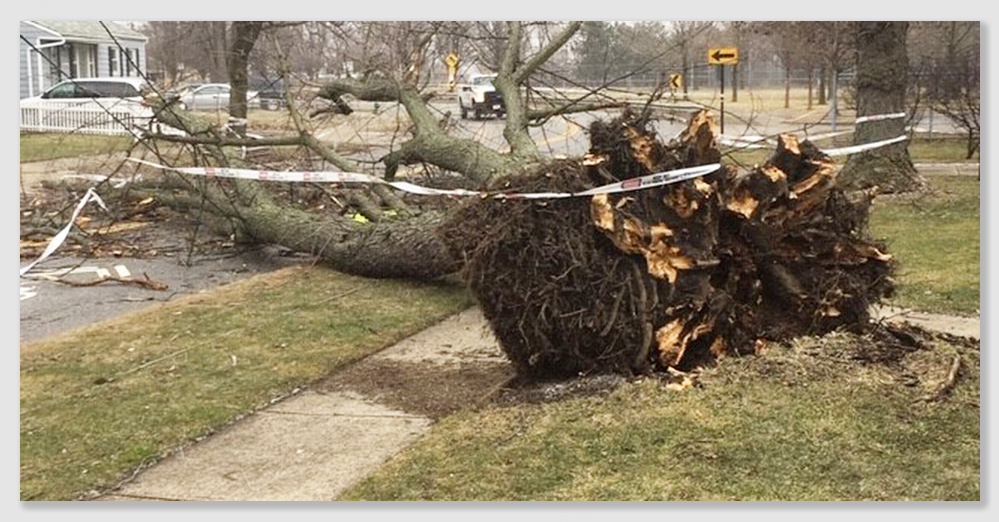
Winter in Northeast Ohio was a windy, and as we head into severe weather season, you may want to do a visual inspection of your trees to make sure they don’t crash onto your home. Experts warn to be on the look out for a particular beetle. “The ash trees have been getting killed off by the emerald ash borer,” according to Jeff Mueller, the Lawn and Garden Manager at the Petitti Garden Center in Strongsville. Experts warn to be on the look out for a particular beetle. “The ash trees have been getting killed off by the emerald ash borer,” according to Jeff Mueller, the Lawn and Garden Manager at the Petitti Garden Center in Strongsville. Here’s what to look for in the case of the ash borer: • Dead branches on the top of the tree; • Branches that didn’t leaf out last year; • Split bark on the trunk; • “D” shaped holes where bark has split and usually sap oozing out…
Extensive land development, invasive species and too many deer may make it difficult for tree migration to keep pace with climate change in the Northeast, according to newly published research. The study, led by Kathryn Miller, a plant ecologist with the National Park Service Inventory and Monitoring Division, and Brian McGill, a University of Maine professor of ecological modeling, analyzed U.S. Forest Service data covering 18 states from Tennessee to Maine. The researchers found a large swath of land in the mid-Atlantic states that was severely lacking in forest regeneration. Even where present, species regenerating on the forest floor were different than those making up the forest canopy. Earlier studies have raised concern about regional regeneration, but this is the first to document the sheer extent and severity of the problem, according to Miller, who recently earned a Ph.D. from the UMaine School of Biology and Ecology. Coining the term “regeneration debt” to describe this phenomenon, the researchers found the region simultaneously faces challenges of increasing invasive plants, deer overabundance and heavy land development by humans…
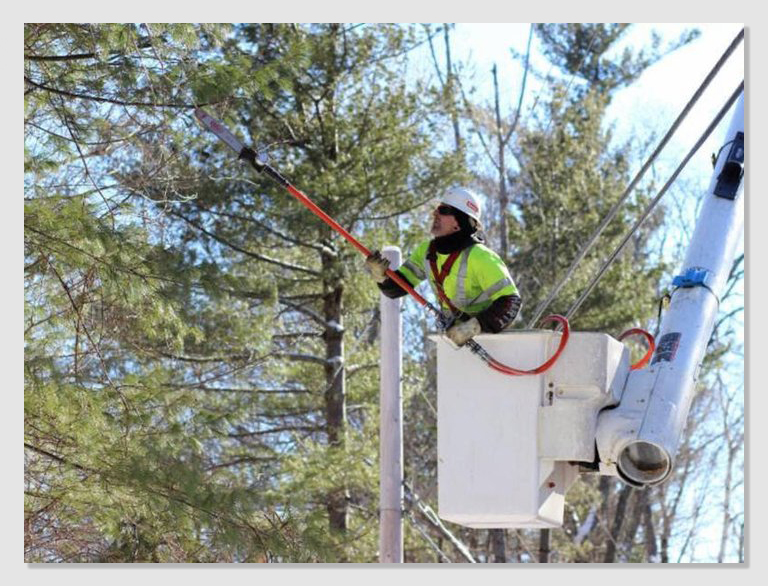
Eversource said it is investing millions of dollars to trim trees near power lines. The power company said it is investing $83 million to trim trees along 4,000 miles worth of electric lines. It cited last year’s back-to-back nor’easters and spring tornadoes as the reason to fortify its electric distribution system. That wasn’t all. “The long-lasting effects of the drought that plagued the region over the last several years, coupled with consecutive infestations by the gypsy moth and the emerald ash borer have weakened trees around the state,” said Alan Carey, Eversource vegetation management manager. “Removing hazardous trees is vital to ensuring our customers have energy for every moment of their lives. Our team of licensed arborists are experts at identifying vulnerable trees that threaten the electric system and they work closely with community leaders to carefully balance the aesthetics of neighborhoods and the need for reliability…”
A golf club greenkeeper died after a poplar tree he was cutting fell on his head and fractured his skull, with his girlfriend and her father later finding his body. Father-of-one Martin Davenport, 35, most likely died instantly when the tree hit him in Christleton, Cheshire on January 7 last year. A jury inquest at Warrington Coroner’s Court yesterday was told that Mr Davenport suffered a fractured skull and brain haemorrhage. His body was later discovered by his girlfriend Megan Grindley and her father when they went to search for him. A jury inquest is required by law if a death occurs following an accident at work. Mr Davenport, from Kelsall, Cheshire, worked as a greenkeeper at Eaton Golf Club in Waverton but was acting as a self-employed contractor when he was hired to cut down poplar trees. Health and Safety Executive inspector Simon Bland said the tree involved was leaning, causing it to act like a ‘spring’ with compression on one side and tension on the side nearest Mr Davenport…
 Washington, Indiana, Times Herald, March 13, 2019: Tree harvest at Glendale is about habitat
Visitors to the Glendale Fish and Wildlife area have noticed something unusual lately. The area, which is about woods and water, has had some trees coming down. State officials say they have some good reasons for the work. “The trees were taken down to create wildlife habitat,” said Tara Wolfe, communications director with the Indiana Department of Natural Resources. “We also had some specific trees cut down to ease the transition from forest to field.” By taking out the trees and putting in some shrubbery, state officials say they are improving the habitat for a lot of small game and birds. In particular, the move is considered beneficial for rabbits, quail and song birds. Wild turkeys also benefit from the improved habitat. Besides improving the habitat the removal of some of the less desirable trees improves the forest. “When we take the trees out it allows the sunlight to reach the forest floor,” said Wolfe. “That gives us an opportunity to grow more oak and hickory trees in the woods.” Officials say the work at Glendale is not unusual. They call it part of the regular land management to improve the quality of wildlife habitat…
The family of a Vista man involved in a crash with a fallen tree in Fallbrook Friday are seeking answers about what happened as the man remains in critical condition. California Highway Patrol officers say a fallen tree near South Mission Road and West Elder Street led to a horrible crash involving 41-year-old Sergio Mendez, who was on his motorcycle. Investigators believe the tree fell right in front of Mendez rather than right on top of him but can’t determine exactly how the crash happened. Mendez’s family is also struggling to put the pieces together. “We do want answers because we really don’t know other than a tree filling up on my brother but we don’t know how it happened, why it happened, or if it could’ve been prevented, or anything,” said Ali Saad, Mendez’s brother. Strong winds had already caused more than one downed tree in the area the same day. “Maybe 10 minutes prior he did call my sister-in-law to tell her I’m going to be a little bit late because there’s a tree down,” said Saad…
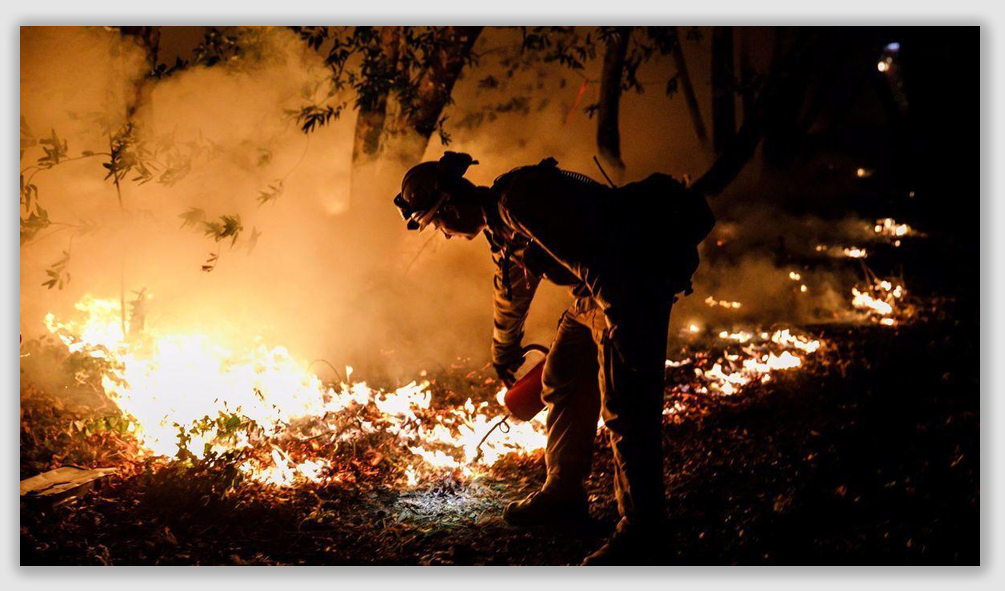
Pacific Gas & Electric Co. will not face criminal charges in the Northern California wildfires that killed more than 40 people in October 2017, authorities said. The Sonoma County district attorney’s office said in a statement Tuesday that there was “insufficient evidence” to prove beyond a reasonable doubt that the utility acted with reckless disregard for human life in causing the fires. Prosecutors in Napa, Humboldt and Lake counties also declined to file charges after an “extensive” review of the cases, during which they consulted with the state attorney general’s office, the statement said. In a court filing in December, Atty. Gen. Xavier Becerra’s office had said the utility could be charged with murder or involuntary manslaughter if authorities determine that recent deadly California wildfires ignited as a result of the “reckless” operation or maintenance of power lines. The California Department of Forestry and Fire Protection determined that the utility’s equipment caused many of the massive wine country wildfires and referred the cases to prosecutors in each county. Of the fires that originated in Sonoma, Cal Fire concluded that the utility’s equipment caused the Adobe, Norrbom, Pocket, and Pythian/Oakmont fires, but not the Nuns or Thirty Seven fires, nor the Tubbs fire that started in Napa…
Atlas Obscura, March 12, 2019: The life of a historic Los Angeles tree comes to an end
Since 1875, the four Moreton Bay fig trees at El Pueblo de Los Angeles—the site where the Spanish pueblo that became Los Angeles was founded in the 18th century—have been providing residents of the California city with shade and horticultural beauty. Planted by Elijah Hook Workman after arriving from Australia 144 years ago, the trees were initially part of a project to beautify the plaza, reported KCET. In addition, the Los Angeles Times notes that planting the trees helped foster the 19th-century narrative that anything could grow in the agricultural oasis of Southern California. And for almost a century and a half, the four trees endured, until March 2, 2019. During a Chinese lantern festival in the plaza, guests heard the thundering snap of one of the trees careening to the ground. The once magnificent tree was now making a slow descent to the earth, with Chinese lanterns dangling from its branches…
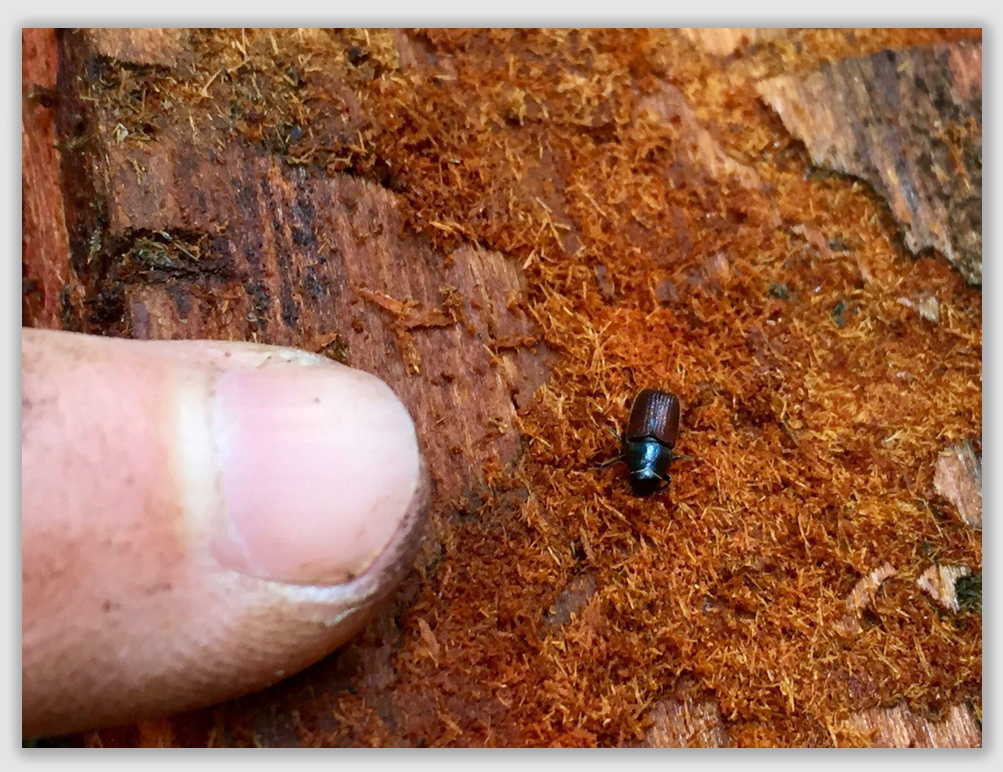
This winter’s heavy snow and wind have knocked down many trees across the state. This has set up perfect conditions for an outbreak of Douglas-fir beetle unless landowners act quickly to either remove the downed or damaged trees or apply an insect pheromone to drive away the pest. Forest Entomologist Christine Buhl is with the Oregon Department of Forestry. Buhl said that while the beetle (Dendroctonus pseudotsugae) is native to the Northwest, its population can soar when living large-diameter Douglas-fir trees are thrown to the ground. “Normally this pest is scattered on the landscape wherever Douglas-fir grows,” said Buhl. “However, they tend to concentrate in tree stands where there has been a lot of storm damage…”
The Scientist, March 12, 2019: Climate Change Impairs Trees’ Recovery from Wildfires
Soil, temperature, and humidity conditions driven by climate change have made it more difficult for Douglas fire and ponderosa pine seedlings to establish themselves after a forest fire, researchers reported yesterday (March 11) in PNAS. At some locations in the western US, a “critical climate threshold” has already been surpassed over the past 20 years, meaning forests may not return after wildfires. “Maybe in areas where there are really abundant seed sources, there could be some trees, but it is becoming really hard to get these trees back due to climate change,” coauthor Kim Davis, a postdoc at the University of Montana, tells CNN. Davis and her colleagues analyzed tree rings sampled from nearly 3,000 trees in the Rockies and California from 1988–2015 to figure out when the trees had established themselves. When comparing regeneration after wildfires to annual climate conditions at their study sites, they found certain thresholds for summer humidity and temperature (too high) and soil moisture (too low) beyond which it became difficult for new trees to grow after a fire. “Across the study region, seasonal to annual climate conditions from the early 1990s through 2015 have crossed these climate thresholds at the majority of sites, indicating conditions that are increasingly unsuitable for tree regeneration, particularly for ponderosa pine,” the authors write in their report…
 Nashua, New Hampshire, Telegraph, March 11, 2019: Tree-cutting planned in Amherst
Eversource wants to remove about 26 trees from Amherst scenic roads, including Mack Hill, Green, Lyndeborough, County and Pond Parish, and the utility has asked the planning board to hold a hearing in advance. Three years ago, plans for cutting 70 trees for a Pond Parish Road rebuilding project drew many people to a hearing to protest the potential loss of their three canopy. “My goal is to not have this room overwhelmed with people,” said community development director Gordon Leedy, who asked the board to have more than one hearing. “It’s literally every scenic road in town.” Eversource has sent letters to all affected property owners and will be targeting dead or sick trees, though it won’t remove them without permission of the land owners. It’s a balancing act, Leedy said, between having reliable power and keeping several hundred property owners happy. He and board members agreed that Asplundh, the company Eversource (formerly Public Service of New Hampshire) contracts to do tree trimming and removal did a terrible job on Amherst Street, where it shaved off the sides of pine trees…
A township man was killed Sunday after a tree he was cutting down fell on him, police said. Stephen Race, 64, was using a chainsaw to cut through a tree near or on his property on Beaver Run when it fell and struck him, according to State Police Trooper Alejandro Goez. Race, who was roughly a quarter of a mile into the woods, was found by a neighbor at 7:35 p.m. and pronounced dead at the scene by authorities. It is believed Race was alone at the time and his death has been deemed accidental and not considered suspicious. According to Race’s Facebook page, he was the owner/president of RHM Technology, in Stanhope, which helps companies design, manufacture and deliver products and services. Tax records indicate Race resided in a log cabin on roughly 50 acres of property on Beaver Run Road. Race vocally opposed a proposed cell tower in Lafayette in 2013/2014, telling the New Jersey Herald he was concerned about his family’s safety in regard to radio frequency waves and potential cell tower fires…

Twenty miles southwest of Cornell’s Ithaca campus grows a forest of sweet trees. The tubing at their trunks carry sugary sap awaiting to be transformed into a crowd-pleasing breakfast staple: maple syrup. In the Arnot forest, a 6000 tree-section is an integral part of the Cornell Maple Program. But how do you get from sap to syrup? Aaron Wightman, the extension associate at the Cornell Maple program highlights the food science behind the maple syrup making process. This time of year –– late winter to early spring –– is prime for maple syrup production, especially in New York, the second largest producer of maple syrup. “The trees store their energy in the form of starch for their dormant period in the winter, but as winter moves closer to spring, the trees start releasing enzymes,” Wightman said, including “the same enzyme that you have in your mouth to help dissolve starch: amylase.” Once amylase is coursing through the tree, it converts the stored starch to sucrose. But, according to Wightman, that sucrose sap cannot flow without the freezing and thawing that happens between the cold nights and warmer days during this winter-spring limbo. “When it warms up, the CO2 inside the stem expands and creates positive pressure, so when you drill a hole in the tree, the sap is going to get squeezed out,” Wightman said…
A man died Saturday after he was electrocuted while trying to retrieve a drone that had become stuck in a tree in Forest Park. Reff Teasley, 37, and his brother, Calvin Teasley, were using a metal pole to try to dislodge the drone when the pole touched a power line, Forest Park police said in a news release. They were both sent flying backward and landed on the ground nearby, the release said. Reff Teasley was unconscious and wasn’t breathing when police arrived. He later died at a local hospital. Calvin Teasley was taken to the hospital and was reportedly stable…
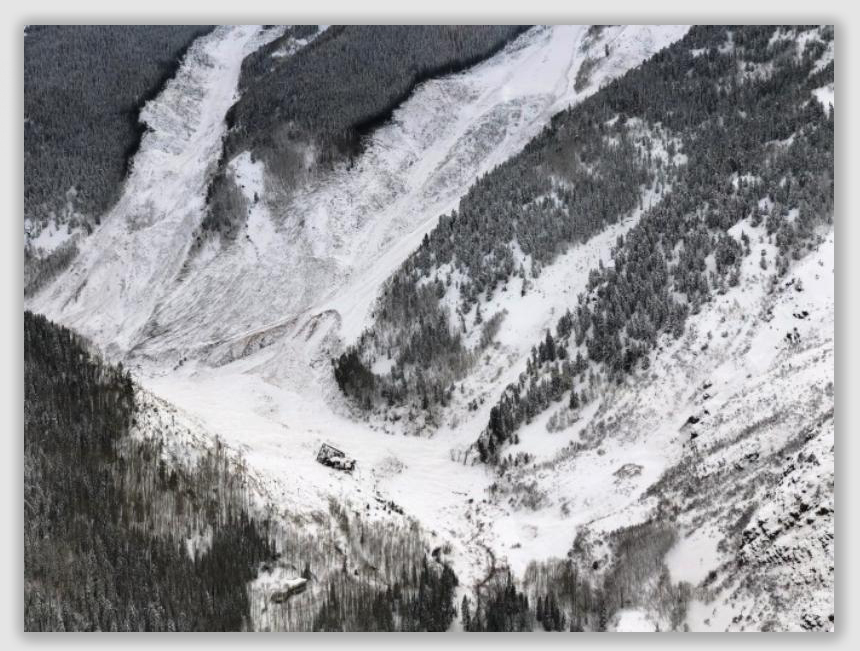
An enormous avalanche outside Aspen claimed thousands of trees and damaged a home in its path Saturday afternoon. The Colorado Avalanche Information Center (CAIC) says the avalanche off Highlands Ridge was “historic” in size, measuring over a mile wide and dropping more than 3,000 vertical feet. A photo from CAIC shows the massive area where the snow broke off. “Highlands Ridge released naturally. Not a path or two off the ridge but everything from the Five Fingers to the K Chutes. The K Chutes ran as big as I’ve seen them go, and that was just a small portion,” wrote a CAIC staff member in a field report. The avalanche gained so much momentum during its 3,000-foot drop that it crossed a creek and ran back uphill for several hundred vertical feet, the field report said. The house in its path was protected by defensive structures, which were enough to keep the house standing but not to withstand damage — the chimney was destroyed and windows were shattered. The home was unoccupied…
Muskogee, Oklahoma, Phoenix, March 10, 2019: Grow: The right tree in the right place
Trees are an excellent addition to almost any landscape. They provide shade, beauty, windbreak, privacy, cleaner air, less noise, less glare and can even increase your property value. However, the key to these benefits is selecting the right tree and planting it in the right place. By having the right tree in the right place, homeowners not only help ensure a lifetime of satisfaction, but also keep maintenance costs low. There are several things to keep in mind when considering trees for the landscape. First, the tree’s purpose will impact the sustainability of different tree species, whether used for shade, aesthetic beauty, wind protection, screen or something else. Second, the size and location of the tree, including space for roots and branches, will affect which species to plant. And third, the shape of the tree varies among species, including round, oval, columnar, V-shaped or pyramidal shapes. Think about how the tree will work in the space available. If you have utility lines running through your property, large trees aren’t a good choice. As the trees grow, they will interfere with the utility lines and cause problems. Short trees don’t clash with overhead utility lines…

The big push to go digital – paying with an app, not a note; e-bank statements; the paperless office – resonates with some people concerned about the environment. However, it is increasingly apparent that some of the companies espousing these ideas are motivated more by profit than ecology. So let’s examine the claim that paperless is environmentally friendly. Totally sustainable forestry practices in Europe’s paper industry are fast approaching – contrary to popular belief. At present, 74.7 percent of pulp delivered to paper and board mills in Europe is forest management certified by independent forest certification schemes. The notion that paper consumption is stripping the planet is not exactly accurate either, being that the leading cause of deforestation in the Amazon, for example, is the result of agricultural and cattle-ranching expansion…
For 10 years (1994-2004) while I was Butte County’s Tree Foreman I argued for more careful and conservative tree trimming consistent with ANSI A-300 standard and Best Management Practices. In areas where most people live the California Public Utilities Commission requires 4-foot minimum clearance. PG&E takes additional clearance to compensate for growth that occurs between trims. This is supposed to allow trimming cycles as long as 3-4 years. After a PUC investigation in 1996, PG&E went big with 10 to 20-foot clearance. This drastic cutting elicited a desperate response from the trees resulting in trim cycles as short as six months. A large tree can easily push 20 feet in one year. PG&E came back taking even greater clearance. Over 23 years this battle has resulted in the mutilation of trees, increased rates and an ever-increasing number of fires attributable to PG&E…
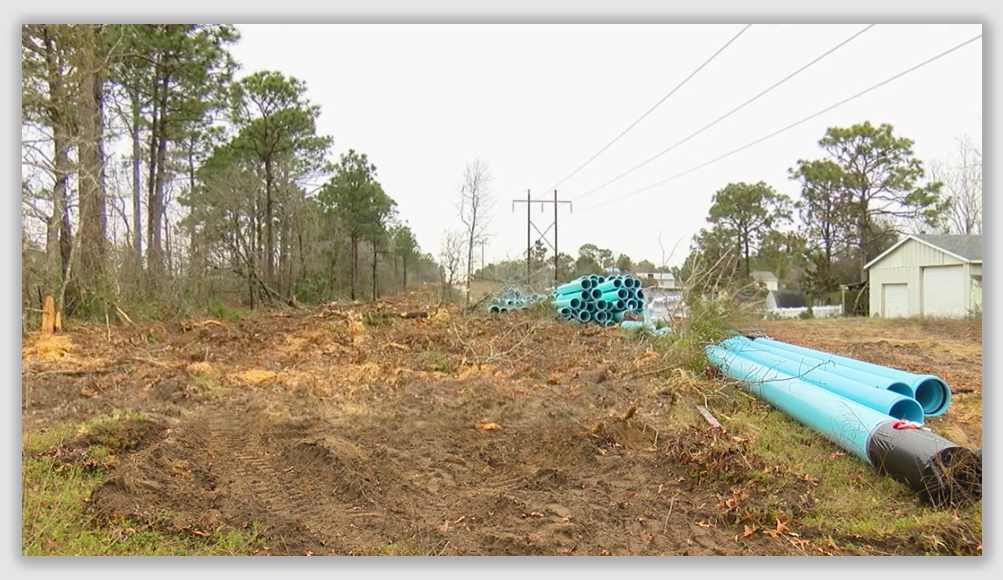
CFPUA is developing a new policy and reviewing current projects that require tree removal permits, after the City of Wilmington ordered the utility to stop clearing trees along River Road. On Monday, CFPUA stopped the clearing of an easement it owns within the RiverLights subdivision after receiving a stop-work order from the City. The area involves a 30-foot wide, 4,000 feet-long water main easement that runs through an undeveloped tract of land within RiverLights. CFPUA said only about 800 feet has been cleared so far and all work has been stopped. CFPUA said their standard procedure has been that the construction contractor is required to obtain the tree removal permit as part of the work to prepare the easement for water or sewer main construction. But in this case, CFPUA said the tree removal permit was not obtained by the contractor. This also implied that City staff was not aware of the tree removal activity until they received calls from nearby residents…
The cutting and disposal of a dozen mature trees into the Potomac River nearly two weeks ago at the Trump National Golf Course violated Loudoun County’s zoning ordinance, the county said, and could cost the organization at least $600. The downed trees were spotted Feb. 23 by Steven McKone, director of the Calleva River School, as he kayaked the river. Subsequent paddlers and boaters saw about a dozen stumps 14 to 24 inches in width, and large tree trunks in the Potomac. The removal of the trees from a flood plain along the river requires a permit, which the golf course did not obtain, county officials said in a news release Wednesday, and violates three sections of the zoning code. The county ordered the golf course to stop all activity in the flood plain until it obtains the necessary permits. Trump golf course officials, who have 30 days to appeal the violations, did not immediately respond to requests for comment. The initial fine is $200 per violation. That would rise to $500 every 10 days after the appeal period passes if the golf course does not secure the necessary permits. Loudoun officials said they will inspect the property every 10 days…
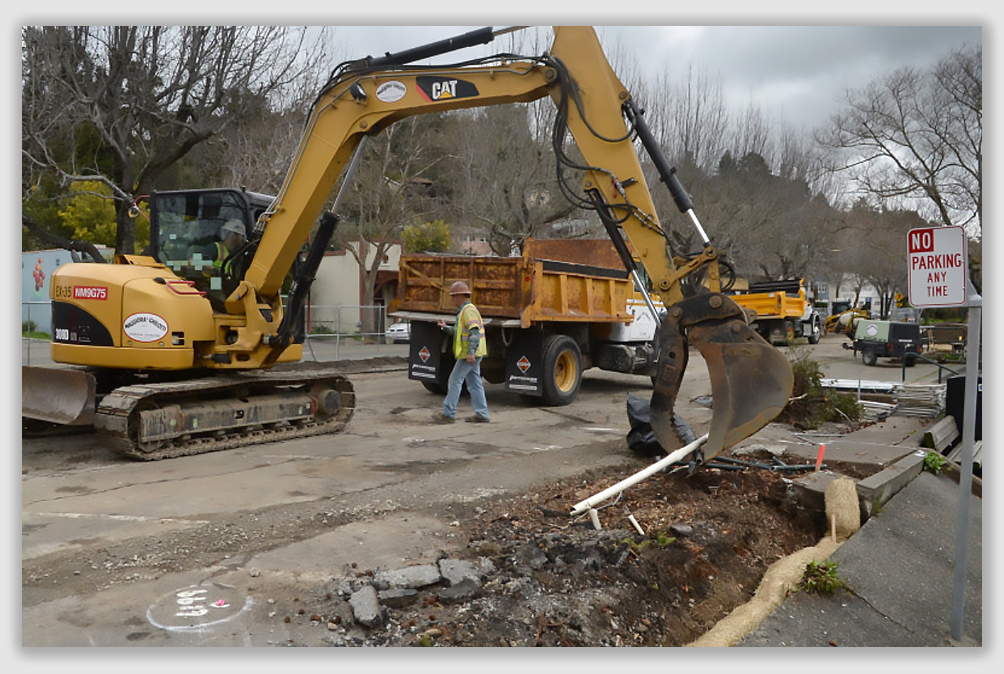
The town of Fairfax has rejected the recommendation of its arborist that it remove all 20 of the liquidambar trees located at the downtown Parkade parking lot, even though their aggressive root growth may eventually undermine the new pavement that is being installed at the Parkade. A major overhaul of the Parkade, slated to cost $676,726, is underway. A recommendation to remove the trees by arborist Ray Moritz contained in a staff report for the Fairfax Town Council’s Wednesday meeting drew a crowd of concerned residents to the meeting. A three-hour discussion ensued. “There was a huge turnout,” said former Fairfax town council member Frank Egger. “There was a full court press on to save the trees.” In 2008, the city of San Rafael removed about 100, 20-year old liquidambar trees as part of its West End Village upgrade of sewer lines and water pipes between the Miracle Mile and D Street. Liquidambars, or American Sweetgums as they’re also known, have very shallow, aggressive roots that damage infrastructure such as curbs, sidewalks, gas lines and driveways…
The mayor of a South Carolina town believed she was the target of a hate crime after cars belonging to her and her husband were dusted with a mysterious, “yellow, sticky substance.” Local and state police investigated the claims made by Lamar Mayor Darnell Byrd McPherson, who reported that on February 7 at 10 p.m. local time, someone sprayed her 2017 Symphony Silver Hyundai Elantra Sport and her husband’s soft-top 1998 Buick Roadmaster with a residue outside of their home. The material, she remembered, “got in all of the grooves” of her husband’s gray sedan. The mayor had recently returned to her home from a meeting in the larger city of Hartsville, about 22 miles north of Lamar. “My husband went out to the car to get some things out of the garage,” she told Newsweek. “He says, ‘Somebody’s painted your car!’” She explained in the interview with Newsweek that there were no words or symbols drawn on the cars. The cars were parked in the street near the end of the couple’s driveway, a block and a half from Lamar’s downtown. “To me that was the message,” she said. Darlington County Sheriff’s Office Lieutenant Robby Kilgo explained that an investigation was opened to determine what the substance was on both cars. “We found it to be pollen,” Kilgo explained in an interview with Newsweek. “There was no reason for us to collect a sample.” The report that was taken included details of an examination by two sheriff’s officials (a sergeant and a deputy) “immediately came to the conclusion that the substance had a yellowish tint to it and that it’s a type of powder similar to pollen.” Though the possibility was raised that the car’s mysterious coating could have been pollen and not the result of foul play, McPherson remained convinced someone was behind it…
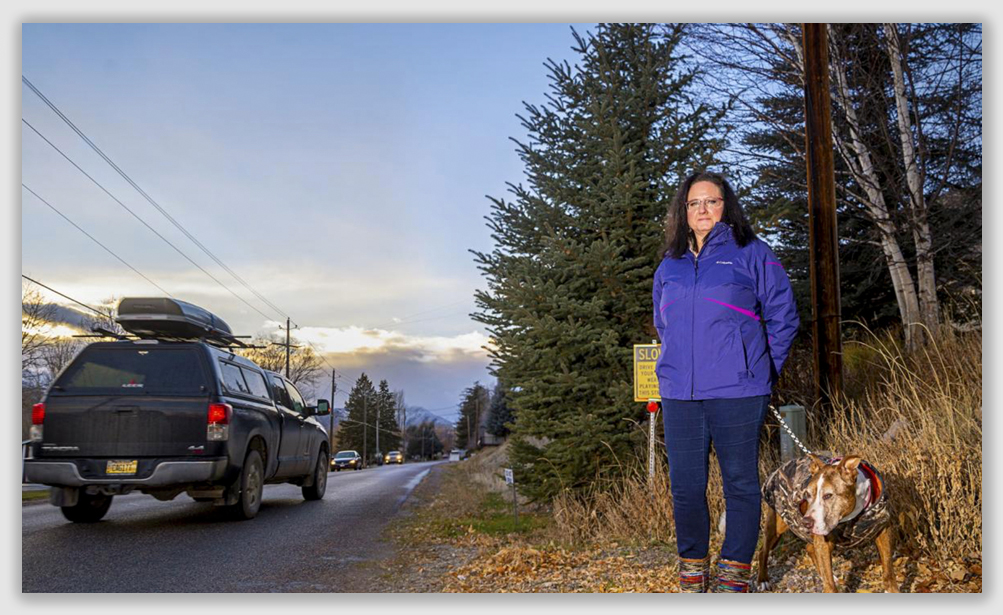
A district judge expressed his disbelief this week about how a lawsuit involving a controversial tree allegedly interfering with a Bannock County city’s right-of-way ever made it to his courtroom. In handling the case of Inkom suing Tracie Montgomery and her husband Gerrad for refusing to remove in a timely manner a 20-year-old Spruce tree that was planted on the corner of the Montgomerys’ Rapid Creek Road property, Judge Stephen Dunn did not hold back when it came time to question both parties about the seriousness of the case. “As much as I want to think this is the case of the century, it’s not,” said Dunn, adding that he has likely spent more time studying this case than he should have. Dunn also pointed out that the lawsuit against the Montgomerys began as an effort by the city of Inkom to force the family to cut down the tree, but after the family complied with that request this past December the case morphed into the city now trying to force the family to remove the tree’s stump and root system. The city of Inkom also wants the Montgomerys to pay several thousand dollars to cover the city’s attorney fees in the matter…
Bozeman, Montana, KECI-TV, March 6, 2019: Bozeman to give away 24 trees to diversify species
The city of Bozeman is giving away 24 boulevard trees in an effort to diversify the tree species in town. The city says this is the second year they do the Lott o’ Trees Program, made possible by a special grant. They have five different tree species they’ll be giving away on a lottery basis, including Kentucky coffeetrees, yellowwoods and oak trees. “We’re pushing for a lot of diversity. Currently we’re dealing with a big over-reliance on ash trees,” said Alex Nordquest, a forester with the Bozeman Forestry Division. “Ash make over one-third of our overall public tree population. It’s a huge over-reliance, and we’re trying to reduce that,” he added. Nordquest says ash trees are susceptible to an invasive pest called the emerald ash borer, and they are trying to prevent a citywide infestation that has occurred in other cities…
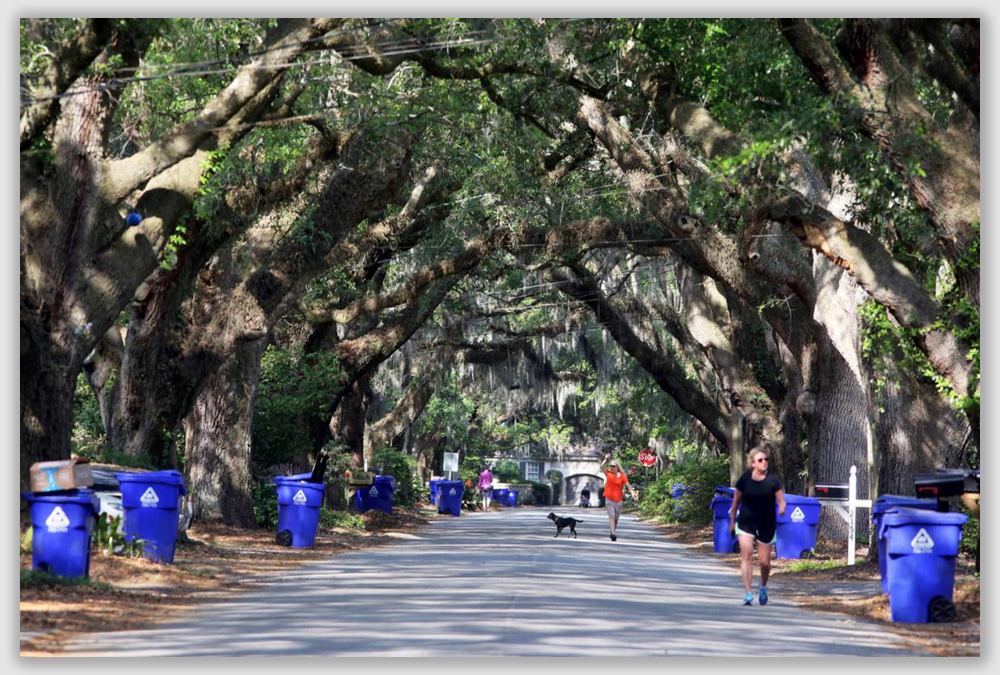
Dominion Energy may have taken over SCE&G, but some things haven’t changed. For instance, the utility is obviously still tossing all its tree trimming work to Freddy Krueger. In the past couple of months, the power line posse has sparked a nightmare on Farmfield streets and gone all Savannah Highway chainsaw massacre between Wesley Drive and Byrnes Downs. One morning last week, Mayor John Tecklenburg practically had to throw himself in front of some slasher in Old Windermere. Now, South Carolina Electric & Gas is again threatening to slice and dice James Island’s Riverland Terrace — home to perhaps the most gorgeous live oak canopy in the Lowcountry. It has gotten so ridiculous that the city asked the utility to hold up on the butchery while arborists check to see if SCE&G has complied with local ordinances. The results are due this week … as if there’s any doubt. By all rights, this sloppy, aesthetics-be-damned approach should be a crime. But in truth, there’s very little the city — or county — can do…
Driving around Upstate South Carolina, it’s not too hard to find Bradford pear tree in bloom with their white flowers dotting the landscape. However, the South Carolina Forestry Commission says these trees are ‘invasive’ and should be cut down. As part of National Invasive Species Awareness Week, the Commission is warning anyone with Bradford pears on their property about the dangers of the tree — including weak limbs that easily topple in severe weather, and thorns that fall, causing road hazards. “These trees compete with, and cause damage to native plants,” spokesperson David Jenkins said. “These trees should be cut down.” The Bradford pear originally became popular with developers because the trees grow quickly, but now are seldom used. Kayla Edmonds with Pike’s Nursery says there are terrific replacements for Bradford pears — including star magnolia trees, cherry trees, and Cleveland pears. Edmonds says Pike’s Nursery won’t be selling the Bradford pear because of the trouble it causes…

For years now, St. Louis has been under siege from emerald ash borers — an invasive beetle that means eventual doom for the region’s ash trees. With ash ranking high among the most common trees in the area, their loss will dramatically reshape the urban landscape. Though officials are years into a massive effort “to stay ahead of the bug” by removing thousands of ash trees, the fight may now be more visible to local residents as it fans out across different parts of the city. “This year, we kind of shifted gears,” said Alan Jankowski, St. Louis’ commissioner of forestry. He explains that over the past couple of years, the city concentrated its ash tree removal and treatment efforts in north St. Louis, after ash borers were found in 2015 on Emerson Avenue in the Walnut Park East neighborhood. But now in the city’s third year of work, efforts have pivoted south, covering areas along thoroughfares such as Grand Boulevard, Holly Hills Boulevard, Arsenal Street, Chippewa Street and Kingshighway…
In a victory for environmentalists, Caltrans has agreed to replant four times the number of sycamore trees it removes along Alameda Creek when it replaces a bridge in Niles Canyon. The agreement was part of a settlement reached after the Alameda Creek Alliance sued Caltrans in late 2017 challenging the approval and environmental review for the Alameda Creek Bridge Replacement Project. In the suit, the alliance claimed that Caltrans “had improperly deferred identifying” what steps it would take to replace the trees affected by the construction. Alliance director Jeff Miller said Tuesday his group’s goal was to push Caltrans to provide a more specific plan for how and when it would replace the affected sycamore trees, instead of a vague commitment, and the parties negotiated the 4 to 1 replacement ratio for sycamores. Miller said the sycamores, especially mature ones, take decades to grow, and are having a bit of trouble reproducing on their own, so they need to be preserved. “Alameda Creek is one of the main areas in the Bay Area where you can find these large sycamores, and they provide habitat for everything from trout to birds to bats,” he said. “They help stabilize and shade the stream, they’re an important part of the creek ecosystem…”
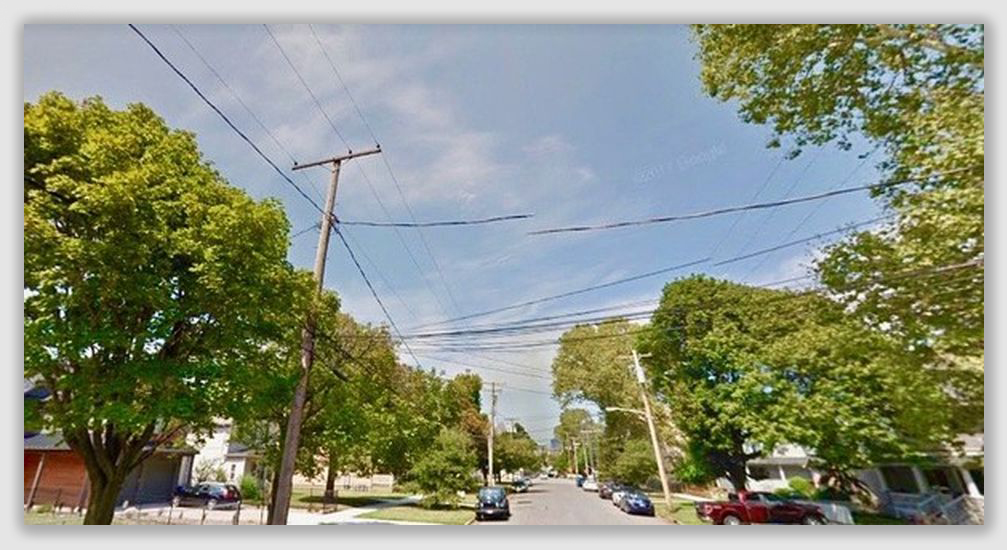
Members of City Council have long complained that the city takes too long to prune trees along city streets. But the council and Mayor Frank Jackson’s administration appear ready to discuss ways to speed up the process with money from the mayor’s capital improvement budget. City Council will take up the capital improvements budget in the next few weeks, and trees are considered capital assets. So, that budget, which is separate from the operating budget that council is expected to approve March 25, could provide the money to hire a private tree company to help do trimming, Council President Kevin Kelley said in an interview with cleveland.com. Cleveland now has 14 tree trimming crews. And the administration has said it would take 23 years for those crews to trim every tree in the city’s right-of-way. That’s because the crews don’t just do routine trimming. They also handle calls for problems – trees damaged by disease or storms or other causes. “They have a full capacity [of work] with the staff they have,” said Sharon Dumas, Jackson’s interim chief of staff and director of finance…
When a homeowner invests several thousand dollars installing solar panels on their property, the hope is that a new building or neighbor’s tree won’t rise up to block the sun. Ann Arbor officials are now considering whether people who go solar or want to go solar should be granted solar access rights. City Council voted unanimously Monday night, March 4 to approve a resolution from the city’s Energy Commission to move forward on developing such an ordinance. It could give landowners the ability to register “solar easements” to preserve solar access on their properties in perpetuity. “The Energy Commission brings this forward asking that we devote some resources to studying the issue,” said Council Member Jack Eaton, D-4th Ward, sponsor of the resolution. “We want homeowners and property owners to install solar panels,” Eaton said. It’s going to be a complex issue with a lot of interests to balance, city officials acknowledge. “It’s going to be a challenge to weigh out the competing interests for, you know, air rights and solar rights, and it’ll be interesting to see how this plays out,” said Council Member Ali Ramlawi, D-5th Ward…
 Phys.org, March 4, 2019: Dying trees in cities? Blame it on the concrete
A North Carolina State University study examining urbanization, scale-insect abundance and latitudinal warming on tree health in the Southeast captured a few surprising results. The study showed more scale insects on red maple trees in the midrange of eight cities within a 10-degree latitudinal difference, from Newark, Delaware, to Gainesville, Florida. Cities in that midrange, including Raleigh and Asheville, showed poorer tree health, due mostly to these high volumes of tree-destroying gloomy scale insects (Melanaspis tenebricosa), which appear as tiny bumps on tree branches and leaves. “Impervious surfaces—basically concrete and pavement—near trees was a better predictor of scale-insect abundance than temperature, and thus a better predictor of poor tree health in the study area,” said Michael Just, an NC State postdoctoral entomology researcher…
Riddle me this, says botanist Turner Collins: If you hung a horseshoe on a tree limb 6 feet above the ground when you were a child, and came back years later as an adult, how far would the horseshoe be from the ground? The answer is 6 feet — assuming there has been no soil erosion. Collins was responding to my Sunday Pokin Around column about how the remnants of what is believed to be a Model A Ford got to be 15 feet up in a tree near McDaniel Lake. One theory is that some 70 years ago the driver was barreling down a nearby hill and the car became airborne. Another theory mentioned in the story is that there was an explosion at a gas station that was once behind the tree and up a hill and a car part went flying and descended into the tree limbs…
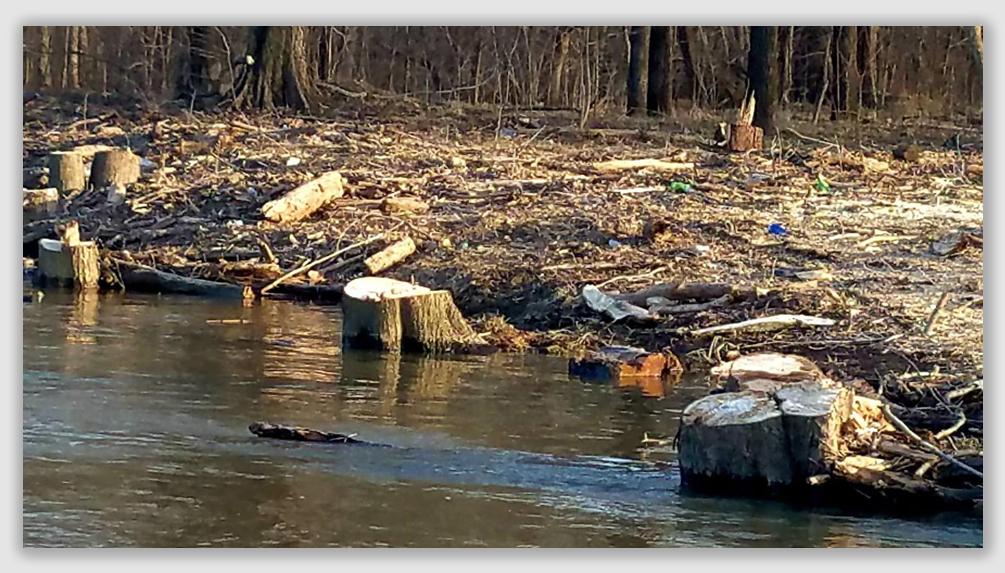
Loudoun County officials are investigating whether the Trump National Golf Club illegally cut a dozen trees from the Potomac River shoreline and dumped them in the river. County officials told news outlets Friday that removing trees from the flood plain requires a permit, and the county is investigating whether the local ordinance was broken. Potomac Riverkeepers, an environmental group, said it received complaints about the dumped trees. Environmentalists say cutting the trees can contribute to shoreline erosion and that the dumped trees create a safety hazard for recreational users of the river. The Trump Organization did not immediately return an email seeking comment Saturday. The golf club faced criticism in 2010 after it cleared hundreds of trees to improve members’ view of the river…
Durango, Colorado, Herald, March 4, 2019: How to assess tree damage after our heavy snow
February was a bit snowy. My Facebook page is inundated with photos of “Snowpocalypse” and “Snowmageddon” – kids jumping off roofs, walls of the white stuff bracketing the driveway, dogs getting lost in the powder, etc. All impressive stuff. And we happily joined in, although there were times that I was probably too tired to even push the shoot button on the phone’s camera. Now that the meltdown is on, I’ve taken some time to walk the neighborhood, trouncing through snow and slush. I expected to find a fair number of broken branches and limbs, but unfortunately, the trees and shrubs fared worse than I had hoped. I saw branches resting awkwardly on fences and roofs; small fruit trees, no more than 8 feet high, with their main leader snapped in two; and plenty – and I mean plenty – of broken branches. I recommend removing as much snow as possible from branches throughout a storm period – especially if there are multiple heavy snow events like we saw in February…
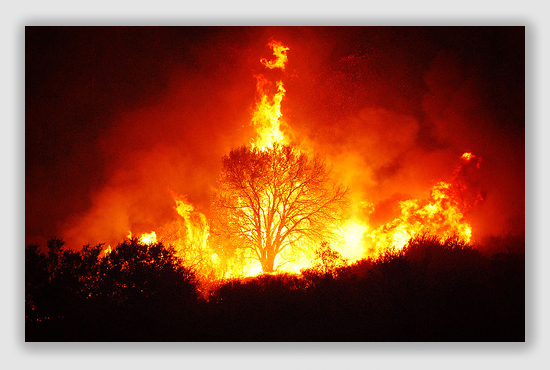 Chico-Redding, California, KHSL-TV, March 3, 2019: Man wants PG&E to take down neighbor’s tree
A Paradise man says fire-damaged trees are threatening his home and family, and says so far PG&E’s not taking action. Homeowner Steve Kane says the tree he is concerned about is large enough to take his whole house down. Kane, his wife and dog have all moved back into their Paradise home since the Camp Fire, but feel like now they are facing another threat to their safety. Kane said, “After the last storm that we’ve had… over 10 inches of rain wind velocity at 25 mph… I have great concern of this tree that’s heavily listing on my house.” He said he is afraid it’s going to fall over, crush his house and possibly even kill someone. This tree has been marked “P2” by PG&E said Kane. He said that means it could fall within the next year. The currrently wet conditions and high winds are a big concern to Kane. “They’ve already decided they’re going to cut this tree down, and they have so far have not put any resources behind it at all… haven’t seen anybody. Nothing’s been done,” he continued…
Tallahassee, Florida, WCTV, March 3, 2019: Tree trimmer found dead dangling from wires in tall tree
Metro Atlanta authorities say a man working as a tree trimmer is dead after he was found tangled in wires and dangling high in a tall tree. Officials say the man hung upside down for nearly two hours Saturday from about 50 feet off the ground behind a home in DeKalb County. Firefighters tried frantically to rescue the trapped tree trimmer. But DeKalb County Fire Rescue Battalion Chief Alex Lane said rescue efforts were difficult because the tall tree had few branches. The tree trimmer’s name was not immediately released. Authorities say they suspect the worker’s death was accidental…
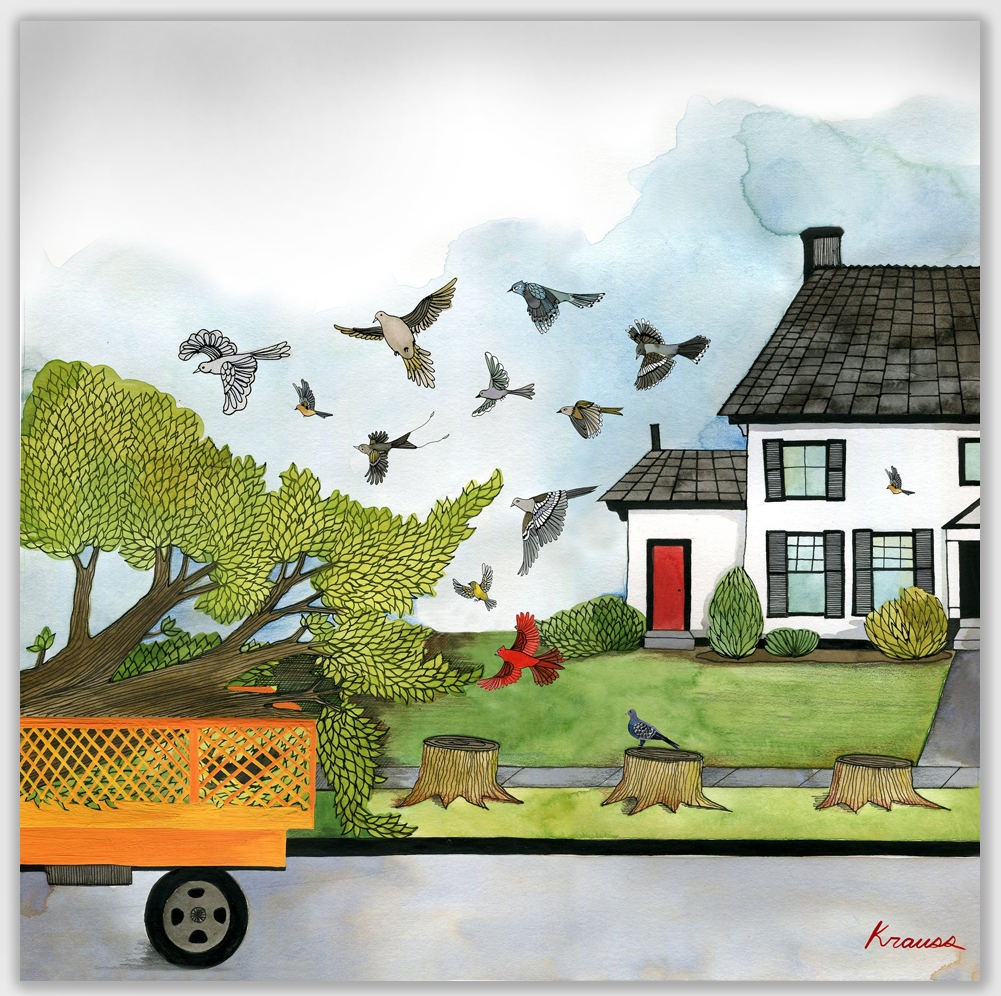 New York City, New York Times, March 1, 2019: Goodbye sidewalk trees
Like many New Yorkers who left the city for the suburbs, I was drawn to my block, an otherwise forgettable street, for its soaring sidewalk trees — pin oaks, lindens and ash — that shade it in the summer and stand like barren giants in the winter. So I was stunned to step outside a few weeks ago on a bitter winter afternoon and see a line of white X’s spray-painted across their trunks. The next day, my next-door neighbor, Stacey Millett, whose home shares the corner with a ginkgo whose leaves turn golden in the fall, called the town forester and learned that all the trees would be cut down as part of a repaving project. “All of them,” Ms. Millett, 41, who has lived on this block of West Orange, N.J., with her family since 2010, texted me. “He wasn’t kidding…”
The goal to plant 100,000 trees in Panama City by 2025 now has a name — Re-Tree PC — with a website on the way. Early on, city leaders established a goal of restoring the urban forest, hoping to inspire citizens to replant some of the estimated 1 million trees downed by the catastrophic Hurricane Michael. Now, the city is preparing to start tracking efforts and eventually offer free trees to residents. “We want all citizens from youngest to our oldest to be involved,” City Manager Mark McQueen said. “We want to involve senior adults that have enjoyed the city and want to create a legacy and involve seniors in planting seedlings … and we think it will be a tremendous opportunity for our kids to help them plant trees.” The city wants to see a “myriad” of trees planted, not just varieties of live oaks and pines, to make the landscape more interesting. Fruit trees are even being looked at for some locations, McQueen said…
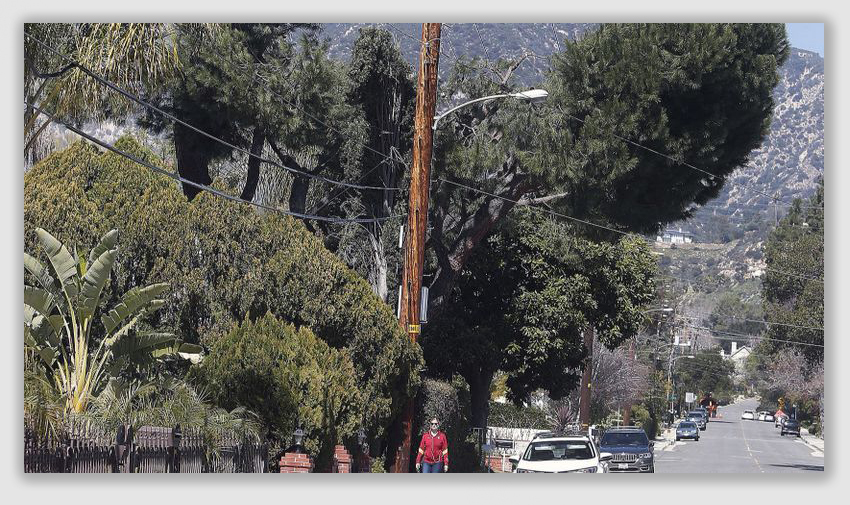
Southern California Edison is making big plans to reduce the chances of fire ignition in high-risk areas like La Cañada Flintridge, proposing to spend more than $118 million throughout its service area on enhanced vegetation management between now and 2020. As part of a 119-page Wildfire Mitigation Plan, required by state law and submitted to the California Public Utilities Commission Feb. 6, the utility aims to reduce threats posed by falling trees and hanging limbs near power lines by removing at least 7,500 trees (with funding being sought for the removal of up to 15,000) in 2019 and maintaining a 12-foot clearance around all electrical wires. Contracted work crews have been busy on the streets of La Cañada and neighboring Altadena in recent months, trimming or topping trees to accommodate the new radial requirement, far greater than the 4 feet standard previously imposed. The results of their labor — visible on several La Cañada residential streets north of Foothill Boulevard — is causing concern among residents and at least one arborist who fear such extreme pruning could imperil the health of certain tree species…
Satellite imagery of earth’s vegetation, measurements of carbon dioxide in the air and computer models all help scientists understand how climate is affecting carbon dynamics and the world’s forests. But these technologies stretch back only decades, limiting our picture of long-term changes. A new study in the journal Nature Communications shows how information revealed by a new method of analyzing tree rings matches the story told by more high-tech equipment over the short term. Because trees are long-lived, looking back in their rings with this new approach may add decades or even centuries to our understanding of carbon storage and how climate change is affecting forests. Traditionally, tree-ring scientists measure variations in the widths of tree rings in order to determine year-by-year changes in past temperatures or rainfall. This method can produce a reasonable picture in many cases, but has its limitations…
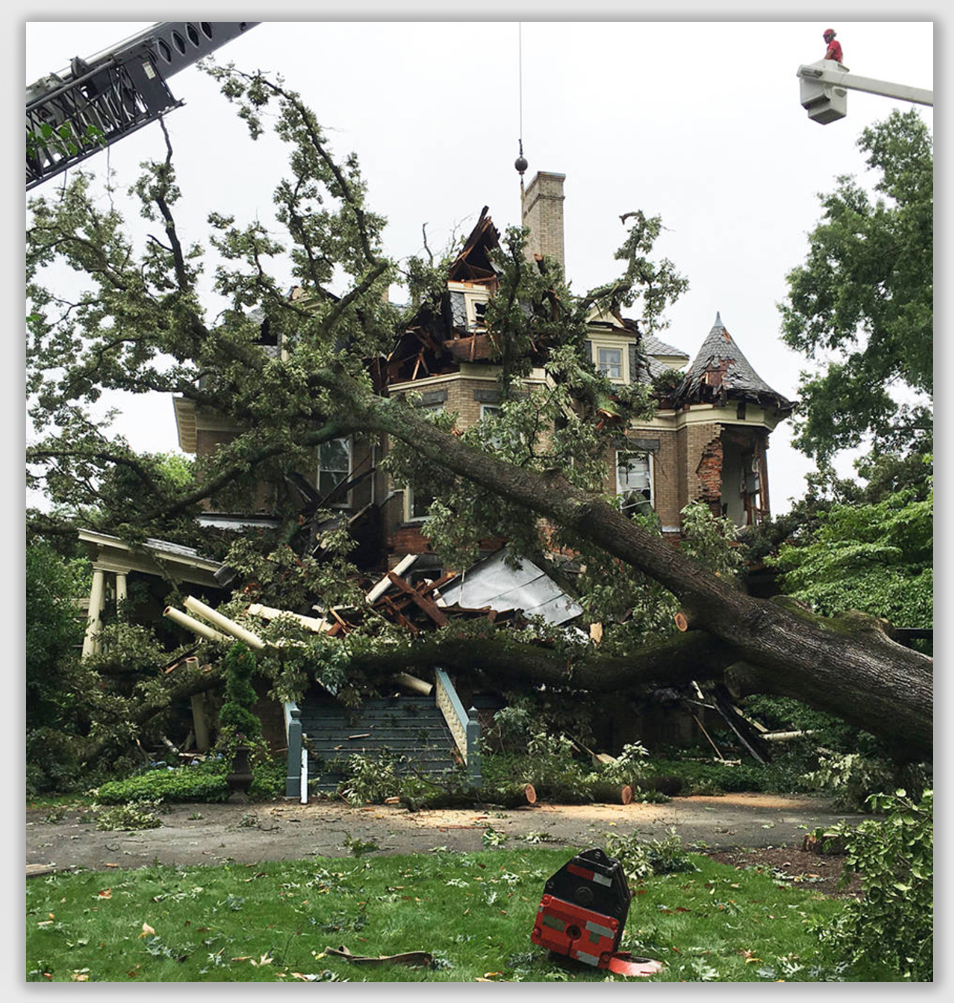 New York City, Wall Street Journal, February 28, 2019: A fallen tree, a silver lining
It was pitch dark and pouring rain when Leslie Stack and Frank Rizzo drove home from dinner and arrived at their historic Queen Anne Victorian mansion in Richmond, Va. They took in a horrifying sight: A 175-year-old red oak tree had fallen smack onto their house and was sticking out of their top floor. So began a 2½-year saga of dealing with permit offices, insurance and contractors, moving to five temporary accommodations, and restoring the 1901 home identified as Holly Lawn on the National Register of Historic Places. The couple only recently moved back in. The silver lining to the saga: two newly renovated bathrooms and other home improvements. “Now the house is in better shape than ever,” said Mr. Rizzo, 66, a steel-company executive. Giant trees can be a home’s most magnificent feature, enhancing its curb appeal and value. But they can also be a home’s greatest threat, with large trunks and limbs that can crush the structure. When that happens, some intrepid homeowners make the most of the moment, repairing the immediate damage while finally tackling home-improvement projects on their wish lists…
Siskiyou Tree Experts has been at Riverside Park since nine Thursday morning, trying to get it cut up and removed. The company also had calls for other fallen trees in other parks before that. Although business is slowing down right now, busy is an understatement for the amount of calls Doug Tripp has gotten over the last few days. “We’ve probably gotten about eight calls that primarily involve emergency response trees that have failed due to the snow or just the heavy soil saturation,” Tripp said. Tripp added eight doesn’t sound like a lot but they’re used to maybe six calls a week.“ Just in a couple of days to get that many calls that are that specific to emergency responses that’s a lot in this time of year especially so it’s quite a bit to respond to at this time…”
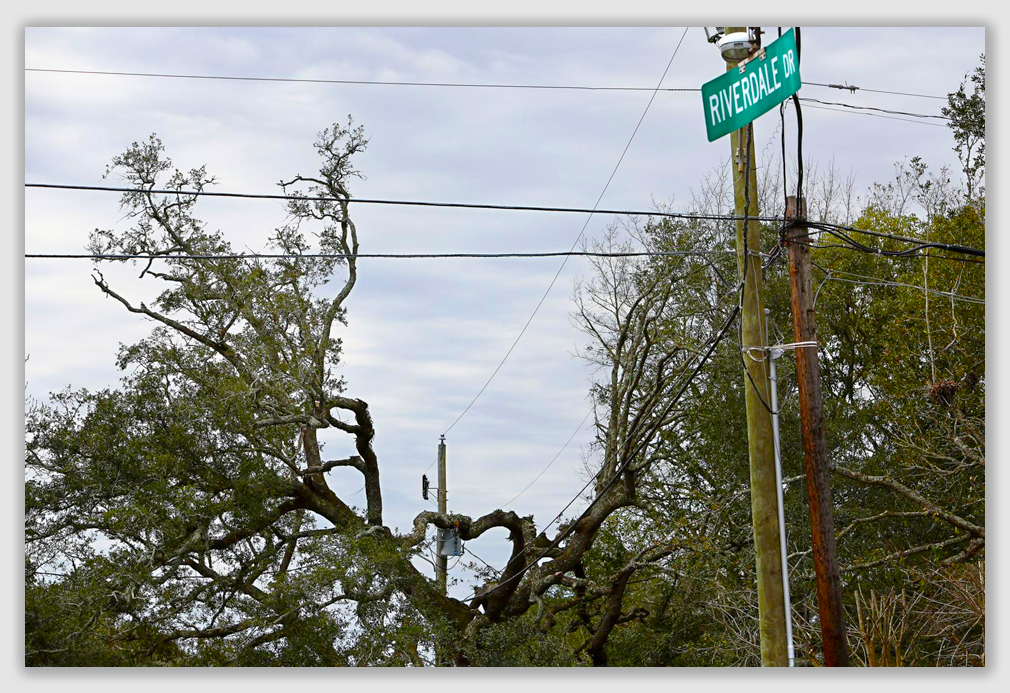
Charleston residents west of the Ashley River are frustrated with recent tree pruning by the local power utility, but it turns out South Carolina Electric & Gas may not have been allowed to conduct the trimming at all. Attorney Thomas Rode represents the Old Windermere Neighborhood Association and said residents in the area have been wary of cutting as SCE&G conducts its regular work to make sure power lines aren’t imperiled by tree limbs. Primarily, he said, residents are concerned that the power company is cutting protected grand trees more than is allowed by the city’s ordinance. “We’re looking to strike the balance between what’s good for the trees but also what’s good for maintaining power, for maintaining safety,” he said. West Ashley pruning started in June of 2018, and there is only about one mile of work left, said Paul Fischer, a spokesman for SCE&G’s holding company. The next project will involve James and Johns Islands and includes 70 miles of trimming…
Officials with the Wisconsin Department of Natural Resources are asking people to be on the lookout for an invasive species of tree. According to the DNR, the Amur cork tree has been found in at least 12 counties, with populations ranging from a few to several thousand. The trees have a unique, corky outer bark and have a yellow tissue under the bark. The species of tree is damaging to the diversity of Wisconsin’s forests, and planting them is prohibited under the state’s invasive species rule. The trees are typically found in parks, yards and cities, but they can quickly spread to forests after their fruit is eaten by birds…
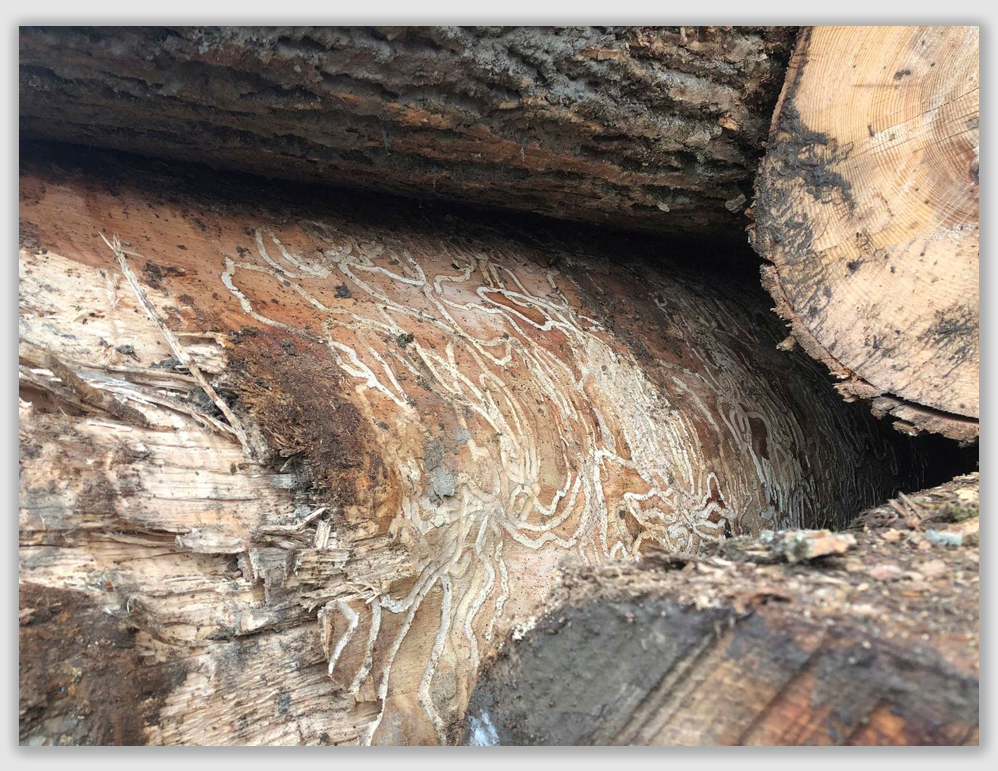 Washington, D.C., Post, February 27, 2019: Loggers cut down ash trees in a race with a killer beetle
Loggers in snowy forests are cutting down ash trees like there’s no tomorrow, seeking to stay one step ahead of a fast-spreading beetle killing trees in dozens of states. The emerald ash borer has been chewing through trees from Maine to Colorado for about two decades. Some fear areas in the invasion zone, such as Upstate New York, might have only five to seven years of ash logging left. Farther south, the situation is dire. In Maryland, hardwood exporter Mark Lipschitz said he can barely source ash anymore from the southern part of Pennsylvania and Maryland. “Emerald ash borer is probably the most thorough killing machine that we’ve come across in my career over the last 35 years,” said Tom Gerow, general manager for the Wagner Companies, which specializes in lumber that is used to make furniture. Wagner is sawing ash trees at its mills at about double the rate it used to…
A metro area utility company is going to cut down dozens of trees in Mooresville as part of an effort to clear trees from power lines and prevent outages. This has one one homeowner frustrated since those trees are around his home. Duke Energy has plans to hire a contractor to clear every single tree within their easement. In the front yard of his Mooresville home, Bob Stewart can identify every single tree. That’s because he planted them over the last 30 years with his mother. “Every time my mother came to visit she would bring a different tree,” Stewart said. “We’ve enjoyed that time together, planting them.”But in the next two weeks, each tree within Duke Energy’s 50 foot easement, near its power lines, will be cut down…
The Harvard Divinity School announced Tuesday it will continue with plans to remove the red oak tree in front of the Andover Theological Library, despite objections from some Divinity School students and Cambridge City Council’s one-year moratorium on cutting down trees. Bartlett Tree Experts, a tree preservation company hired by the Divinity School to assess the red oak, concluded that the tree is a safety hazard and “in irreversible decline,” according to a statement released by the Divinity School. The tree-cutting moratorium, which passed Monday, includes an exception for trees deemed “dead” or “dangerous” by the city’s arborist. The City of Cambridge reviewed the Bartlett report, and the Commissioner of Department of Public Works, the City Arborist, and the Director of Urban Forestry agreed that the tree must be removed, according to the statement. Divinity School students and nearby residents have protested the tree’s removal since September, citing its spiritual and environmental importance, They also criticized the school’s decision-making process…
Denver, Colorado, KDVR-TV, February 26, 2019: Loveland woman claims tree business scammed her
A Loveland woman claims she and her husband were bilked more than a thousand dollars after purchasing 15 ponderosa pines from a local tree planting business. Holly Hoxie said she found an advertisement on Facebook Marketplace from a business near Colorado Springs called, ‘Tim’s Timbers’. For $100 a piece, the business offered 6’-7’ Ponderosa pines with free delivery and free planting, plus a 1-year warranty. After reaching out to ‘Tim’s Timbers’, she said owner Tim Stribling arrived the following day and planted all 15 trees. Over the weekend, however, a strong windstorm blew in and knocked the trees out of the ground. When Hoxie and her husband went to check on them, they discovered the trees had no roots. “The burlap sacks he had around the trees were just filled with dirt. No roots whatsoever,” Hoxie told the FOX31 Problem Solvers. “Actually, some of the trees were already dead that he had planted…”
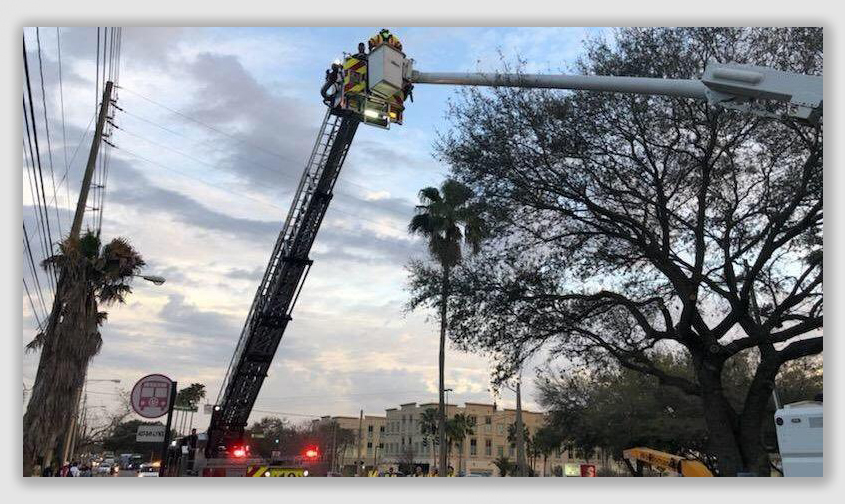
Orlando firefighters rescued a tree trimmer who was stuck for hours high above the ground in a bucket truck Tuesday morning near Universal Studios, according to the Orlando Fire Department. A tree trimming crew was working at the Turkey Lake Road and Production Plaza intersection when its truck ran out of gas early Tuesday, said OFD spokeswoman Ashley Papagni. One man was in the bucket trimming tree branches when the truck’s engine shut off. The crew was unable lower the bucket without it descending into traffic, Papagni said. The crew tried to handle the situation themselves, but were unable to come up with a safe solution, she said…
Popular Science, February 26, 2019: Love the taste of whiskey? Thank an oak tree
Historically the wooden barrel has been the world’s most important shipping container, only comparable to today’s large iron shipping containers, the holding vessels of our globalized consumer society. Like the shipping container, the wooden barrel has been used to transport an extremely wide variety of commodities, ranging from apples, gunpowder, salted meat, cement, coins, flour, fish, molasses and pickles to tobacco, linens, tar, seeds, vinegar, potatoes, oysters and, of course, beer, wine, and whisky, the transport of which they are still used for today. Driving through the center of Waidhofen an der Ybbs in Lower Austria feels like taking a trip back in time. My GPS insisted I drive down a narrow and increasingly steep road at which end the Cooperage Schneckenleitner supposedly was located. Still unsure and rather alarmed by the ever-narrowing road right next to the river, suddenly I was confronted by a scene right out of a medieval play. Partly situated under the arcs of a tall stone bridge was, indeed, a cooperage. I saw rows of wooden barrels, piles of staves, and people hammering iron rings around half-finished barrels…
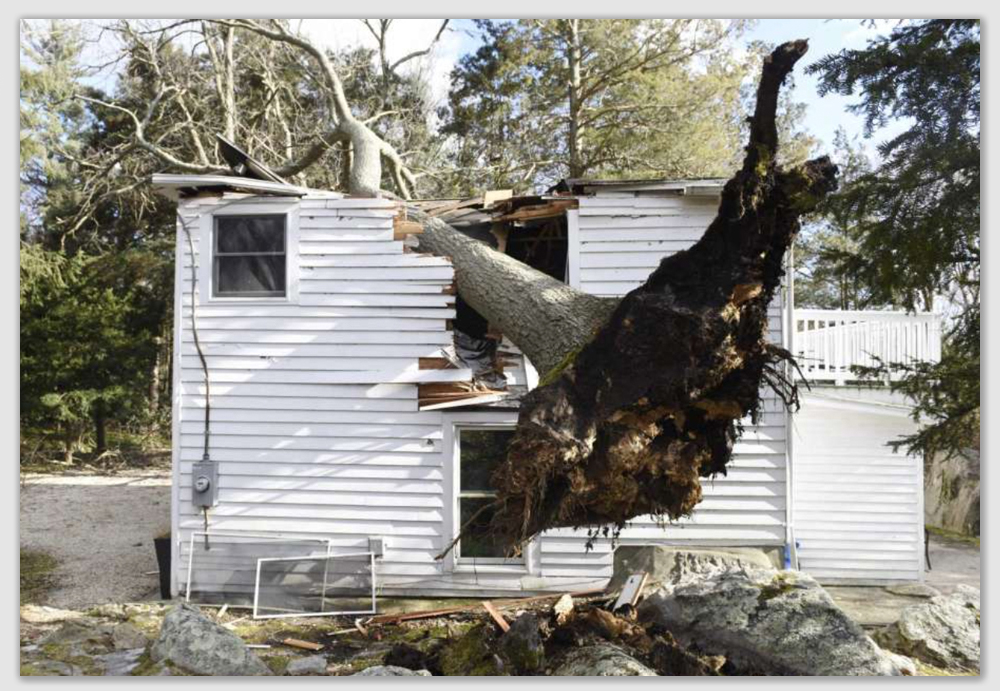
Powerful winds blew down a large tree onto a North Stamford detached garage that then uprooted, leaving the structure to completely support the weight of the downed tree. The tree was left cantilevered over the second-floor bedroom in the garage located at 37 Haviland Court, but the occupant, Mike Desmond, was unhurt when the tree came crashing through the roof. residence just before 2 p.m. when the tree came down, shaking the structure to its foundation. “I guess you could say music saved my life. If I was in the bedroom I would be dead,” Desmond said, as he was packing some of his possessions into an SUV parked in the driveway. Desmond said he had a place to live while the home is being fixed. Desmond, who is a guitar teacher in Fairfield and Westchester counties, said he was playing his guitar in his makeshift studio inside the 800-square-foot residence just before 2 p.m. when the tree came down, shaking the structure…
Tom and Pam Gensel say they were on the far side of their home from where their bedrooms were located when they heard a loud crash on Sunday night. “I thought it was lightning hitting a tree and then I looked, turned around because I was in my kitchen and there was dust coming from the bedrooms,” said Pam. “I think I described it as kind of like a hundred picture frames being broken at once; you just heard all the glass and the crash and it’s like something you don’t hear normally,” said Tom. Wind gusts of more than 50 miles per hour on Sunday toppled a massive tree from their front yard into their home, crushing a bedroom where their teenage son would have been sleeping. “The one bedroom is completely collapsed. We can’t even open the door all the way to get into it; the other one just has a big hole in the wall with a window is there, you can see it part of the ceiling has fallen down in there as well,” said Tom…
 Phys.org, February 25, 2019: Nitrogen-fixing trees ‘eat’ rocks, play pivotal role in forest health
By tapping nutrients from bedrock, red alder trees play a key role in healthy forest ecosystems, according to a new study. The study published today in the journal Proceedings of the National Academy of Sciences. Researchers from Oregon State University and the U.S. Geological Survey determined red alder, through its symbiotic relationship with nitrogen-fixing bacteria, taps nutrients that are locked in bedrock, such as calcium and phosphorus. This process accelerates rock dissolution, releasing more mineral nutrients that allow plants and trees to grow. The study addresses the long-term implications of how nutrients make their way into ecosystems, which sustain their long-term growth and productivity and ultimately store carbon, said Julie Pett-Ridge, a geochemist in OSU’s College of Agricultural Sciences and a co-author on the study. The research also furthers the understanding of a specific set of trees that are known for their ability to naturally fertilize forests by converting atmospheric nitrogen into forms available for other plants. This process, called nitrogen fixation, is essential for natural ecosystems…
Springfield, Massachusetts, WWLP-TV, February 25, 2019: If a tree falls in your yard, who’s liable?
Monday’s damaging winds took down many trees across western Massachusetts some even landing on people’s properties and homes. But what if that tree fell from your neighbor’s yard? 22News spoke with the Insurance Center of New England to find out what you should do if a tree damages your property. “If you have a tree that hit your house, whether it’s from your yard or your neighbor’s yard, it’s covered under your policy,” President and CEO Bill Trudeau explained. “So it’d be subject to your deductible, and then you wanna get an expert to remove the tree…”
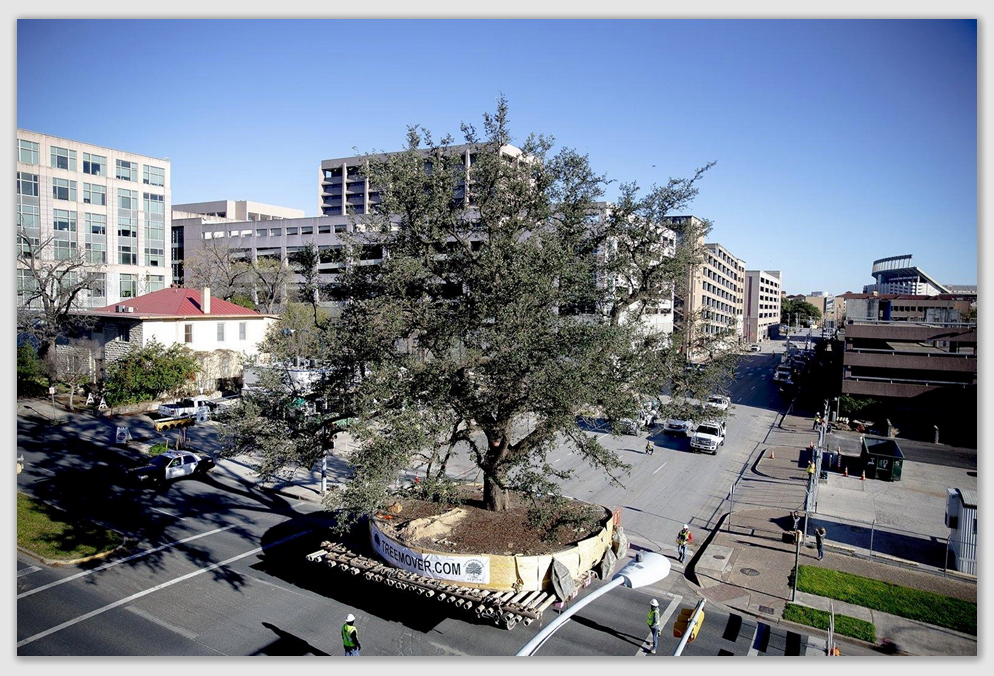 Austin, Texas, Statesman, February 24, 2019: 4-story, 150-ton heritage tree finds new home
The branches of the 300,000-pound, 4-story-tall live oak swayed gently in the wind as the remote-controlled platform rolled slowly down 14th Street toward Waterloo Park on Sunday morning. Just behind the platform, city workers on bucket lifts replaced streetlights and traffic signals that had been removed to make way. Hank DeWitt, who works in heavy hauling and had helped move excavators to the park the day before, squatted in the grass to get a good angle for a photo as his young sons, to his right, kept their eyes glued on the 39-inch diameter tree. “We’re into big, heavy stuff and trucks,” DeWitt said of himself and his boys. “It is amazing to see something like this.” The heritage tree was moved Sunday as part of a partnership between the state, city of Austin and Waller Creek Conservancy. The cost of the project, which is estimated at $100,000, will be shared by all three entities. “It’s super cool. It’s super tall,” said 11-year-old Gavin DeWitt, failing to take breaths between his sentences amid his excitement. He marveled at the similarity between the machinery and the toy versions he had at home…
New Pataskala Area Chamber of Commerce member AEP Ohio provided an update on state, and local service improvements, and more, at the Feb. 19 monthly luncheon meeting. In his introduction, Chamber President Brian Elder noted AEP’s considerable presence along Ohio 16 in Pataskala, and now, as the first tenant in the Etna Parkway industrial park. Renée Shumate, external affairs manager for AEP Ohio, began by addressing the always sensitive topic of tree clearing undertaken annually by AEP. Joking about the reaction residents typically have when they see the tree trimming trucks roll into the area, she said AEP typically undertakes such work in four-year cycles. So far as Pataskala goes, “last year, we pretty much caught up, but there will be some trimming this year.” Although many dislike the trees being cut back, Shumate said, “Our aggressive tree-trimming maintenance has reduced outages 80 percent since (the year) 2000…”
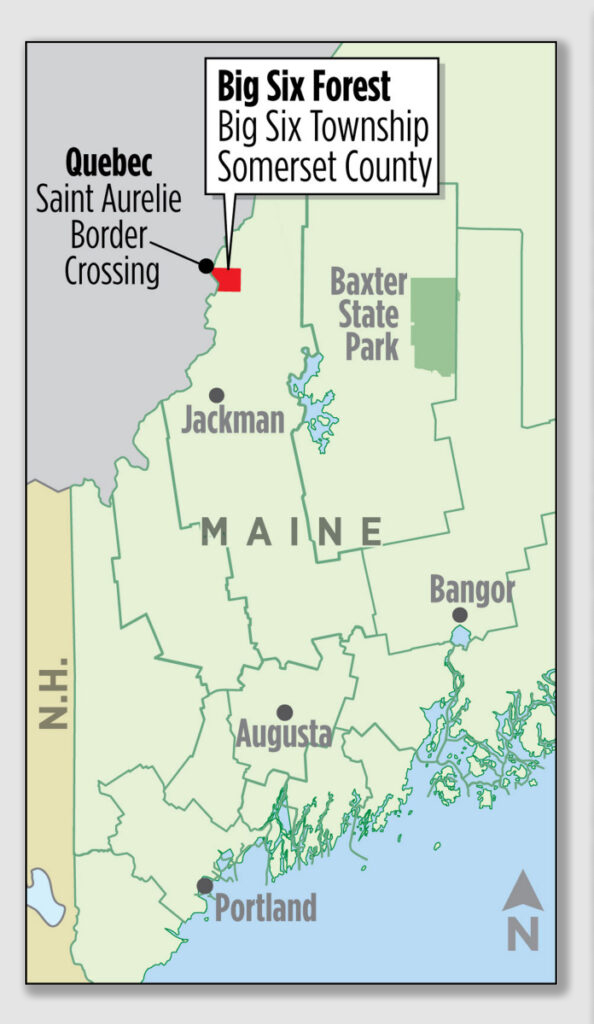
A 23,000-acre forest north of Jackman that yields 25 percent of the state’s maple syrup could still qualify for $3.8 million in federal funding despite being rejected by a state land conservation program. In November 2017, members of the Land for Maine’s Future board passed over the “Big Six Forest” project for funding after opponents raised concerns about the lack of public access to the remote parcel via road except through Quebec. The decision followed higher-than-usual scrutiny of a project that got caught up in the political tensions over land conservation during the LePage administration. But the Big Six Forest had already qualified for $3.8 million from the federal Forest Legacy conservation program because of its status as one of the largest maple “sugarbushes” in the U.S. and its outsize contribution to Maine’s maple industry. More than 14 months later, the landowner is working with a conservation group and the state to finalize the deal in a way that doesn’t involve matching funds from the state. “From our perspective, the funds are awarded and now available,” said Jason Kirchner, public affairs officer for the U.S. Forest Service’s eastern region. “It is up to the state and those partners to determine how to move forward…”
Mother Earth News, February 24, 2019: How to filter pure maple syrup and avoid sugar sand
Have you ever found sediment, grit, or even chunks of sugar in your finished pure maple syrup? Congratulations, you’ve now met sugar sand (aka niter) and you’ve earned your official sugarmaking badge! We’ve all dealt with niter in syrup at some point in our tapping days and the good news: It is perfectly edible, just not so appetizing. So how to say goodbye to sugar sand? Fortunately, the solution is quick, simple, and inexpensive: Just run sap and syrup through a filter. This article will teach you how to get rid of almost all sugar sand in pure maple syrup and filtering easily fits into the boiling and canning process. Before we get started, let’s talk about how sugar sand is formed. Maple sap is really the tree’s food source made from lots of water, sugar, and other natural minerals. During boiling, you evaporate off the water and, with the sugar, those minerals become concentrated. Filtering removes the majority of these minerals to leave syrup clear…
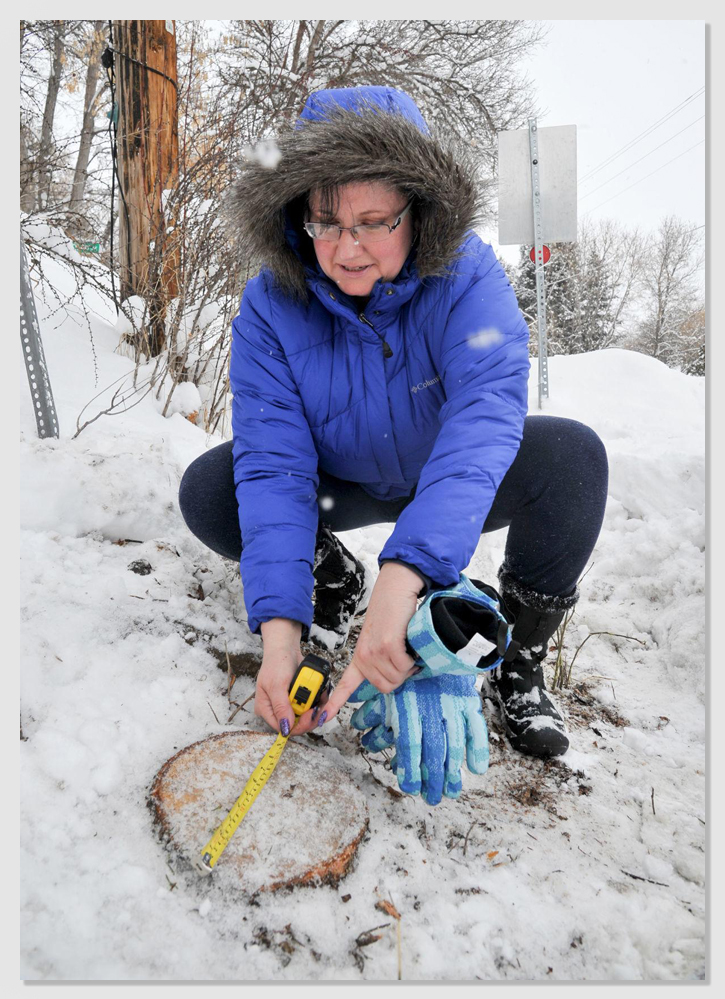
It’s apparently not good enough that the Montgomery family cut down a 20-year-old tree they planted in their front yard and agreed to pay $300 for the city of Inkom’s attorney fees in the matter. The city is still pursuing legal action against the family. The city’s negotiations with Tracie Montgomery and her husband, Gerrad, over how much the family should reimburse the city for legal expenses associated with the city’s lawsuit forcing the tree’s removal stalled this week, the family said. The city of Inkom filed a lawsuit in August 2018 ordering the family to cut down the evergreen because it was allegedly in the city’s right of way along Rapid Creek Road. The family eventually complied but the controversy is not over. In response to the stalled negotiations over the family paying the city’s legal costs, the city refiled a motion asking the judge assigned to the case to rule in its favor without a trial.If Inkom receives a favorable ruling on the motion, the city could charge the Montgomery family the full amount of any incurred city attorney fees, damages the tree may have caused Inkom and what it will cost the city to remove the tree stump…
Tucson, Arizona, KOLD-TV, February 21, 2019: Tree trouble for midtown neighborhood
Tucson will soon consider a policy which would bring tree trimming, maintenance and pruning under one agency. Right now, there are basically nine different departments, groups or agencies that can trim or prune trees whenever they feel the need to. “There’s no one point of contact, there’s no one person going out doing an assessment of what needs to be done,” said Steve Kozachik, Tucson city council member in Ward 6. “So we have everybody sort of free wheeling and nobody is accountable to anybody.” Kozachik would like for that to change and has made suggestions to city management, none of which have been acted upon. He supports the one agency concept and has suggested Tucson Clean and Beautiful, who has skilled arborists be that agency. “Let them make an assessment of a specific job site, say trim these limbs and these trees,” he said. “So we don’t have someone come out and butcher the trees…”
 Phys.org, February 21, 2019: Complete world map of tree diversity
Biodiversity is one of Earth’s most precious resources. However, for most places in the world, scientists only have a tiny picture of what this diversity actually is. Researchers at the German Centre for Integrative Biodiversity Research (iDiv) and Martin Luther University Halle-Wittenberg (MLU) have now constructed from scattered data a world map of biodiversity showing numbers of tree species. With the new map, the researchers were able to infer what drives the global distribution of tree species richness. Climate plays a central role; however, the number of species that can be found in a specific region also depends on the spatial scale of the observation, the researchers report in the journal Nature Ecology and Evolution. The new approach could help to improve global conservation. Around the world, biodiversity is changing dramatically and its protection has become one of the greatest challenges confronting mankind. Researchers still know very little about why some places are biologically diverse while others are poor, and where the most biodiverse places are on Earth. Also, the reasons that some areas are more species-rich than others are often unclear…
West Lafayette, Indiana, Purdue University Extension, February 21, 2019: Trees and taxes
The tax filing due date is closing in. If you have not already done so, it is time to collect information and plan for your return. Woodland owners may be able to take advantage of some parts of the tax code to reduce their bill if they know what to look for, how to file and how to receive the best treatment of their income under the law. Several resources are available to help you drill down to those parts of the code that could provide you with some tax breaks. For those who have sold timber in 2018, depending on your individual situation, you may be able to deduct the costs associated with selling timber and the cost basis of the harvested timber from gross income. Basis is the amount you paid for the timber when you purchased the land or the value of the timber when you inherited it. Since timberland is normally sold at a value per acre combining both the bare land and timber value, some information on the amount and value of standing timber needs to be collected and some calculations done to determine basis. A professional forester can help you collect this information and calculate your basis. The best time to figure timber basis is when the land is purchased or inherited, but a forester can help you determine timber basis years after the property was acquired. Since basis represents the value at the time of acquisition, as the years pass and the trees grow, basis becomes a smaller percentage of the total timber value for the property…
Residents’ hopes of saving a centuries-old oak tree growing at a home on La Cañada’s Georgian Road were felled last week, when planning commissioners denied an appeal against a tree removal permit granted by the city’s planning director in November. A group of residents turned out for a Feb. 14 meeting of the La Cañada Flintridge Planning Commission to argue in favor of finding some way to keep the tree alive, after two arborists called by new property owner Alan Frank determined the tree was ailing and needed to come down. “I fundamentally believe property owners should have great leeway to develop and use their property as they wish — this time is different,” said appellant Edward Johnson. “On rare occasions, the community’s desire to preserve a community treasure should override a property owner’s right to use the property as they wish.” Frank told commissioners he sought professional advice regarding the health and maintenance of a few trees, including the coast live oak in question, another equally mature oak tree at the front of the lot and a sycamore…
Mobile’s tree commission has voted to permit the removal of dozens of live oaks along Broad Street as a part of an extensive redevelopment plan designed make the corridor more pedestrian-friendly and visually appealing. The split vote, which may lead to an appeal before the city council, came during a Tuesday meeting at which several people spoke in favor of doing everything possible to save live oaks, arguing that the trees’ massive limbs and expansive canopies make them both a signature element of the city and a blessing to anyone out and about in summer heat. The 50 or so trees in question are not among Mobile’s oldest and grandest, with most estimated as being 40 to 50 years old and many described even by supporters as stressed. The project driving their removal is an extensive, multimillion-dollar redevelopment of Broad Street, a major roadway that forms part of the perimeter of downtown Mobile and separates it from Midtown…
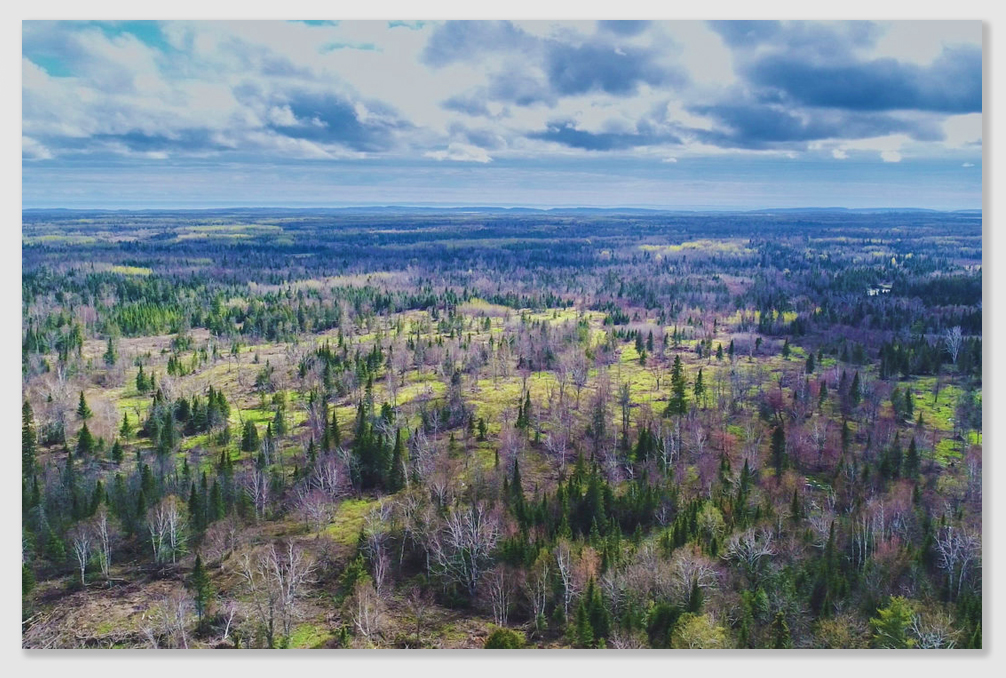 The Nature Conservancy, February 20, 2019: Saving conifer strongholds in the Northwoods
Change is afoot in the Northwoods. But should we give up on the very trees that define it? Not yet. Not by a long shot. To plant the right tree in the right place has long been a precept in forestry. But as climate change descends upon the Northwoods, a transformation is underway. Scientists project that signature species, such as paper birch and white spruce, will gradually give way to southern trees, such as red maple. So what do “right tree” and “right place” mean in 2019? As warming continues, it is tempting to focus exclusively on “climate-proofing” our Northwoods. A mass planting of trees that can take the heat, such as red oak and bur oak, will doubtless be needed to help northern forests keep up with the pace and scale of climate change. But what of our majestic conifers—like red pine, white pine, tamarack and white spruce – that once dominated the landscape in the Great Lakes region? Many northern conifers will be unable to survive over the long term as the climate warms…
A local family is out of their home after a neighbor’s tree blew down and crashed through their roof. Now, they’re worried about other huge trees on their neighbor’s property. Portions of the townhome complex in Kenmore abut an undeveloped wooded area. Neighbors who live next to the property say they don’t feel safe because more trees could come down in future storms and they can’t do anything about it. “It sounded like a bomb exploded inside the house,” said Jay Arroyo. The explosion he heard was a giant Douglas Fir crashing through his roof in a December wind storm. The tree came down just feet from the room where a child was sleeping in the adjoining unit. “They had the engineers come in to see if it’s structurally safe,” Arroyo said, pointing out the extensive damage where the massive trunk sliced into parts of a bed room and bathroom. Emergency tree removal cost more than $13,000. Arroyo says repairs could exceed $40,000. He and his wife filed a claim with their homeowners insurance. He says their Home Owner’s Association also had to file a claim to get the roof repaired and was told his deductibles will come to $11,000. When a tree damages your property, your homeowners or renter’s insurance typically covers the loss, regardless of who owns the tree…
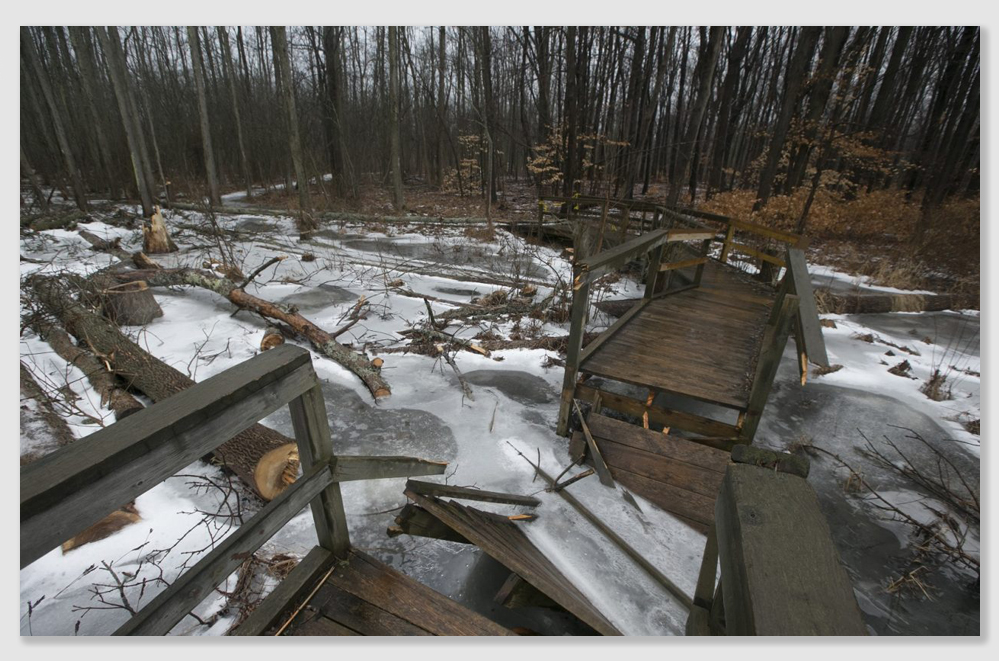
Diseased ash trees snap like twigs in the face of gusting winds. The falling trees can damage property, block roads, tear down power lines and shatter a homeowner’s peace of mind. With high wind warnings appearing regularly in the weather forecasts, residents throughout Western New York are reeling after the fall of a towering tree. Many described the experience as unforgettable, costly and always jarring. Arborists called it preventable. “The biggest danger is dead ash trees. They’re punky, soft, lose their strength, and people wait too long to remove them. Taking them down becomes dangerous,” said Greg Sojka of Greg’s Tree Service in Lancaster. “The top snaps, branches break off and when it falls, it shatters like china. “There’s a huge liability and a hazardous situation with dead ash trees,” said Sojka. “The next wind storm, there will be another 40 or 50 down. They fall any which way the wind is blowing…”
Jacksonville, Florida, WTLV-TV, February 19, 2019: Tree trimming scam in Columbia County
A man saying he will trim trees in Columbia County is a scam-artist according to the Columbia County Sheriff’s Office Tuesday morning. Deputies say that a man is going around saying he will trim trees for people, but once they give him payment he never returns to complete the job. This incident is being investigated by the Columbia County Sheriff’s Office and they are warning those in the area to do their research before paying someone to trim trees for them…
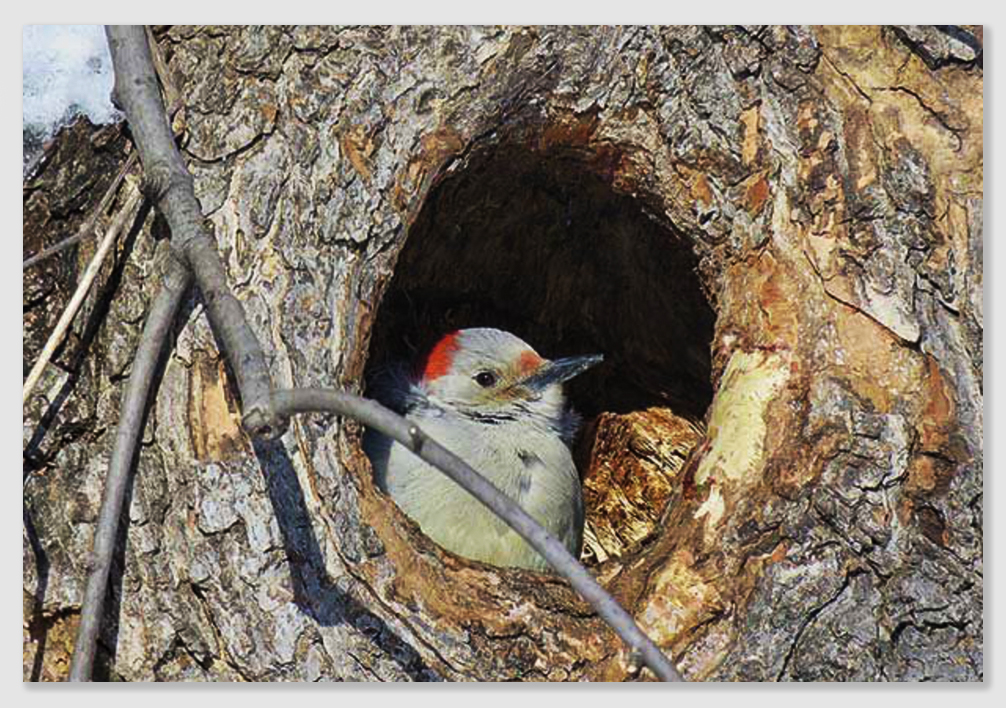
At a time of year when most of the outside world appears mostly lifeless, dead trees don’t stick out much. But to countless wildlife species, dead trees are an oasis of resources year-round. Woodpeckers are one of the most common birds to see in the winter landscape and one of the most famous for making good use of standing dead trees, or snags. With their specialized beaks and tongues, woodpeckers hammer at the bark of dead trees to find insects that have burrowed inside for the winter. In the spring, some of the cavities drilled into the trees by woodpeckers will become nests for their offspring, for other birds, or for completely different types of wildlife, such as squirrels. Tree cavities are an essential part of the life cycle of red-headed woodpeckers, a species that has declined significantly since the 1960s. Part of the reason their population has decreased may be due to the clearing of dead trees, and a reduction in nut-producing trees due to disease and infestation. However, the highest population of red-headed woodpeckers in Minnesota is found in East Bethel, at the University of Minnesota’s Cedar Creek Ecosystem Science Center. Researchers have questioned why this area is so attractive to red-headed woodpeckers, and found that their nesting sites correlate to the number of prescribed burns done in the area. Before modern land management practices, natural fires were an essential part of Minnesota’s ecosystem. Many of the trees that were burned created the red-headed woodpecker’s ideal standing, dead tree for nesting…
The Bureau of Land Management recently announced plans to remove hazardous trees in approximately 551,000 acres of BLM-managed public land in central and northern California in a plan that is now up for public review. The plan is outlined in the Hazard Removal and Vegetation Management Project Programmatic Environmental Assessment, which BLM officials said “streamlines the process for right-of-way holders, utility companies, and counties to treat vegetation and remove hazardous trees within 200 feet of critical infrastructure to reduce wildfire risk.” According to the BLM, “significant increases in dead and dying trees are threatening public safety in high-use areas near roads, private property, utility lines, recreation areas and trails, and it is “taking action consistent with the direction of Executive Order 13855 to facilitate the removal of hazardous trees near critical infrastructure in California, as the effects of drought, bark beetle infestation and high tree densities continue to impact communities.” Acting Secretary of the Interior David Bernhardt is quoted as saying that “we have seen the sheer devastation that some fires can cause, (and) active forest management is the best way to address this pressing issue, and I am pleased with this latest step that the Bureau of Land Management is taking.” “This plan helps reduce wildfire risk by actively managing forests and woodland areas,” said BLM California Acting State Director Joe Stout. “It streamlines environmental review for vegetation treatments to create defensible space near roads, utility lines, private property, recreation areas, and other critical infrastructure to reduce wildfire risk..”
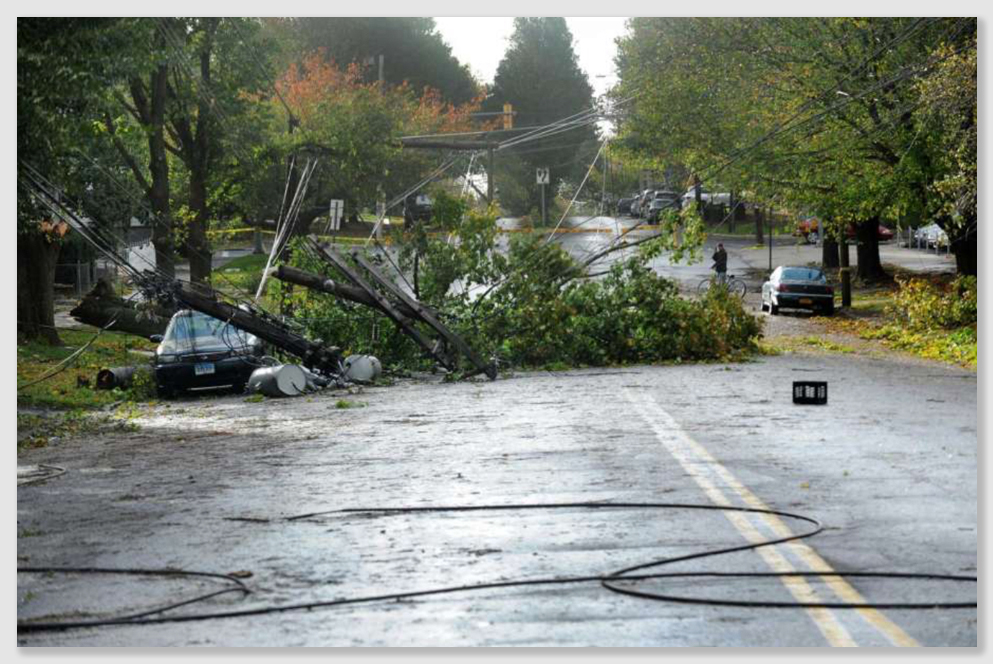
The family of a Naugatuck landscaper, who died in a tree cutting accident while working at a Middlebury home in the aftermath of Superstorm Sandy, has been awarded $1.2 million. Superior Court Judge Mark Taylor approved the settlement of a wrongful death lawsuit brought by the family of Michael Pranulis against his employer, K. Landscaping of Waterbury. “This accident was a tragedy and could have been avoided,” said the family’s lawyer, Raymond W. Ganim. “No amount of money can ever compensate the family of this loved man for this loss of life but this judgement by the court can and will ease the loss to the family.” Shortly after 10:30 a.m. on Nov. 4, 2012, Middlebury Police and Middlebury Volunteer Fire Department personnel were sent to 400 Charcoal Ave., Middlebury, after receiving reports of a man who fell. Upon arrival, police said they found Pranulis, 53, of 36 Winthrop Ave., Naugatuck, suffering from head trauma and multiple fractures. He was transported to Saint Mary’s Hospital in Waterbury, where he later died from his injuries…
Twice a month, Keep Walnut Creek Wild volunteers meet up at the North Austin park just off Parmer Lane to kill as many glossy privet trees as possible. “Definitely you want to wear gloves because these things are sharp,” Stephanie Simmons said describing the tools normally used to perform the task: either the carpet knife or putty scraper. Simmons striped off a ring of bark, a process called girdling. In a year, it’s expected to kill this tree. As a tree steward, it’s a practice she usually doesn’t do. “This is the only thing that I really will kill,” Simmons said. This isn’t an ordinary tree. KVUE’S Jenni Lee tagged along with the volunteers on President’s Day. She asked Simmons, “would you consider the ligustrum, the glossy privets, the zebra mussels of the plant world?” Simmons quickly responded, “yes! Yes!” Glossy privets are an invasive species that are taking over parks and green spaces in Austin…
It’s not an insect, but a fruity-smelling fungus with the potential for tree devastation that some are comparing to the Emerald Ash Borer. It’s called oak wilt and though there have been no confirmed cases in Canada, arborists here are gearing up for its potential arrival in southern Ontario. A report about the oak wilt threat is coming to the city of London’s planning committee Tuesday. Jill-Anne Spence is London’s urban forestry manager. She says the city is ramping up its efforts to warn the public about the disease through a public awareness campaign and increased training for city staff. “It kills the tree rather quickly,” said Spence. Oak wilt kills by blocking an infected tree’s vascular system, depriving it of water and nutrients until it dies. It can be spread through the roots of infected trees or by beetles moving from infected trees to healthy ones. An outbreak in 2016 on Belle Island, Michigan — that’s about 600 metres from downtown Windsor — means it’s close, and could easily cross the border into Canada. London’s location along the Highway 401 corridor could make the Forest City a key front against the fungus should that border-hopping happen…
How many trees are in Taos parks, historic district and other public places in town? 6,000, representing dozens of species. Many are decades old, growing tall and strong through several generations of Taoseños. Some 300 or more are young, planted by members of the Taos Tree Board and volunteers. The tree board – made up of certified arborists, students, landscape architects and more – spent the last three years counting all the community’s trees. Now they’ve drafted a plan for how the community can care for Taos trees and help plant the next generation of saplings to keep the town shady, even through climate change. The board will present the draft plan and talk about other tree issues at a board meeting from 5:30-7:30 p.m. Tuesday (Feb. 19) at the town of Taos council chambers, 120 Civic Plaza Drive. Everyone is invited to attend and find out more about how they can help keep Taos trees healthy. “We’re in the last stage of our tree management plan. The official name for that is the Taos Community Tree Care Plan,” said Paul Bryan Jones, one of the Taos Tree Board founders and a long-time certified arborist…
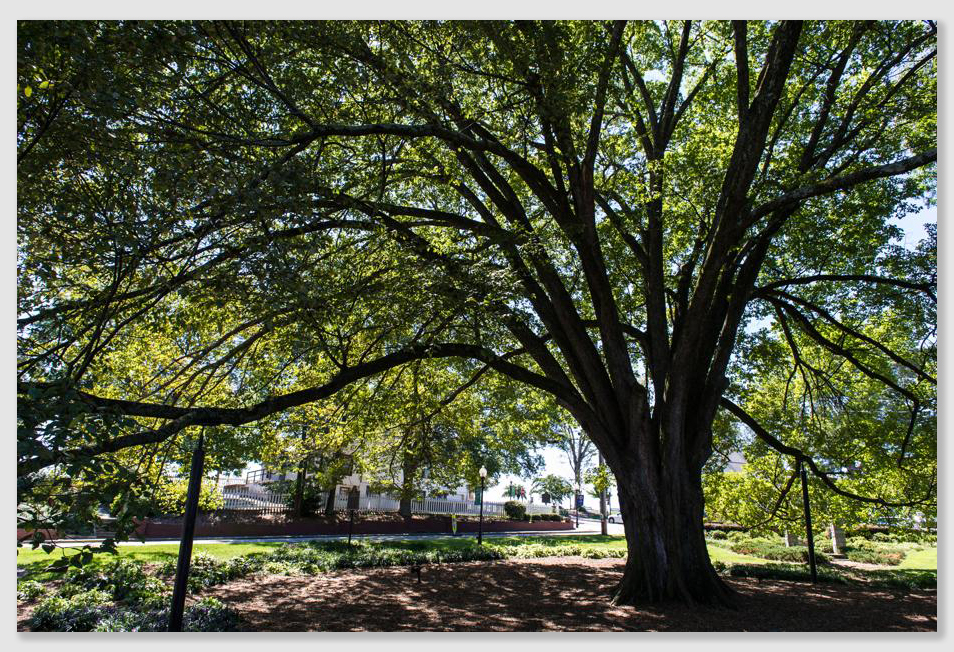
Norcross residents will notice 10 new trees have been planted throughout town the week of Feb. 11-14, part of the city’s efforts to celebrate Arbor Day in Georgia (Feb. 15). With both a community planting event planned for Discovery Garden Park today and a tree replacement project scheduled for North Peachtree Street, the city invites residents and neighbors alike to embrace the spirit of ‘green’ living. Norcross will be replanting 10 trees on North Peachtree Street that have recently been removed after being deemed safety hazards by arborists. As part of the city’s sustainability plan, Norcross has a ‘net zero’ tree policy, which means for every tree removed, a new one is planted in its place. These conservation efforts are enforced by the Tree Board and contribute to Norcross being designated a Tree City for 15 consecutive years along with its Platinum Green Community status…
In celebration of Valentine’s Day, Swedish outdoor power products company Husqvarna has amusingly launched Timber, the world’s first dating service that matches lonely dendrophiles with beautiful trees from around the world. Those interested in finding the perfect match can browse available the barks and branches online and indicate which one is most appealing by clicking on a heart (no swiping involved). Once a connection is made, both human and tree whisper sweet nothings via flora and fauna emojis. The company reported, “Husqvarna wanted to celebrate and honour the love for the forest that’s shared by many users of their products. So today on Valentine’s Day, we introduce Timber – a dating service matching tree lovers with beautiful trees around the globe. Timber is a tongue-in-cheek spoof of modern dating services: instead of swiping between lovesick singles, the user is presented with different trees that each have their own profiles. Once matched with a tree, it becomes apparent they don’t speak any human languages…”
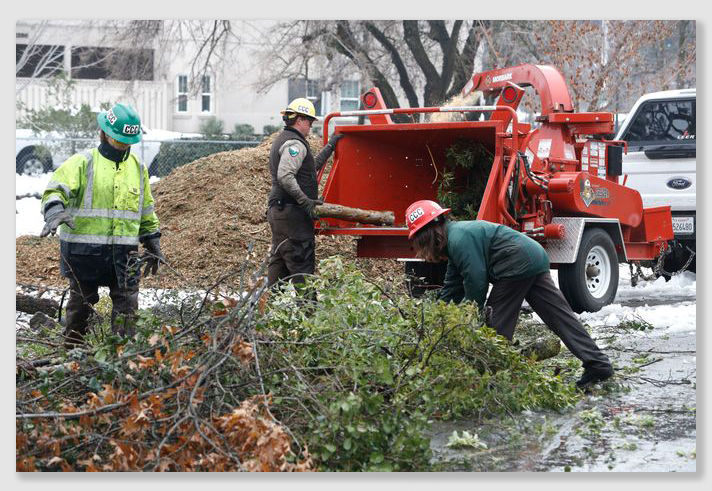
Whether you want to check them, salvage them or replace them, you may need an expert to care of your trees after this week’s arboreal carnage. Heavy snow broke branches and snapped tree trunks after Tuesday’s storm dropped more than 10 inches of snow on the North State. While county crews clear thousands of broken trees from roads and public spaces, homeowners are assessing their own damage. Here’s how to choose an arborist to help. There are two things to look for according to experts. First, make sure she or he is licensed and bonded. Ask for a state contract license number, making sure it is either a C27 (landscaper) or a C61 (tree specialist), said consulting arborist and tree surgeon Brock Lindsey of Kateley & Kristiansson landscaping in Redding. Both kinds of license mean the person had a state background check and has insurance and bonding.“If it’s a cutter issue then you really need to make sure that cutter is insured,” Lindsey said. Otherwise, if someone gets hurt working on your tree you could be liable…
As I move into the later years of my career, I get time to reflect on what worked and what didn’t work in the world of urban forestry. When I think about individual tree species, a few come to mind. Bald-cypress is one that I started to encourage many years ago. Bald-cypress grows naturally where there is a lot of water. Many other trees can’t take the flooding the bald-cypress can endure as they grow. This allows bald-cypress to compete very well in swamps and floodplains of rivers. Surprisingly, bald-cypress grows very well in upland soils when planted as an urban tree, especially when planted from a pot in a mulched area of a lawn and away from the competition of other plants. Fortunately, we have found that on these sites, those cool, but potentially bothersome knees don’t occur unless the soil is really compacted or if the tree was over watered. Bald-cypress in urban settings has been found to be a relatively disease free and very wind sturdy tree. Many people that planted them are very happy with this tree in their yard…
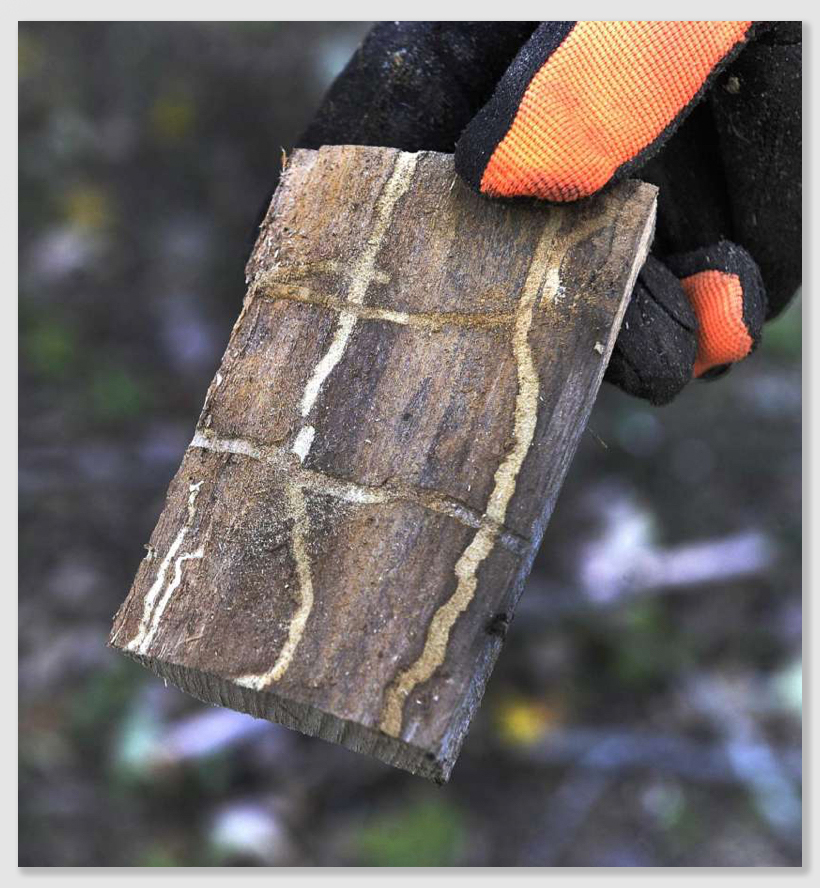 Middletown, Connecticut, Press, February 13, 2019: Every ash tree in CT to die within the decade
Within the next eight years, every ash tree in the state of Connecticut will be dead. “It’s not a pretty picture,” said Claire Rutledge. “It’s a little hard to be optimistic about it.” If you want to know who to blame, look squarely at the emerald ash borer, a non-native, invasive species of beetle that feeds on the trees. Originally found in Michigan in the 1990s, the first emerald ash borer was confirmed in Connecticut in 2012, though they’ve probably been here a few years longer than that. Since then, the bugs have been spreading at an exponential rate. “After they reach a site it’s usually about between eight and 10 years that everything is dead that they can eat,” said Rutledge, an entomologist working with the Connecticut Agricultural Experiment Station. “It’s going to be spreading out in a wave.” The effects are obvious. At a meeting of the Weston town Board of Selectmen this week, tree warden Bill Lomas said he expects every ash tree in the town to be dead within a few years, as Weston-Today reported…
A woman died after a large tree branch fell on her Tuesday as she was clearing other downed branches from her property in Loudoun County, officials said. The woman’s identity was not released pending the notification of her family, according to the Loudoun County Sheriff’s Office. Officials said the incident happened about 8 p.m. in the 41600 block of Stumptown Road near Lucketts, about eight miles north of Leesburg. Law enforcement received a call about a person being struck by a large branch. When officers arrived, a woman was found pinned under the branch. She was taken to a hospital, where she died early Wednesday, said Kraig Troxell, a spokesman for the sheriff’s office. Troxell said an initial investigation found that the woman was clearing tree branches that had fallen when one “came down and struck her…”
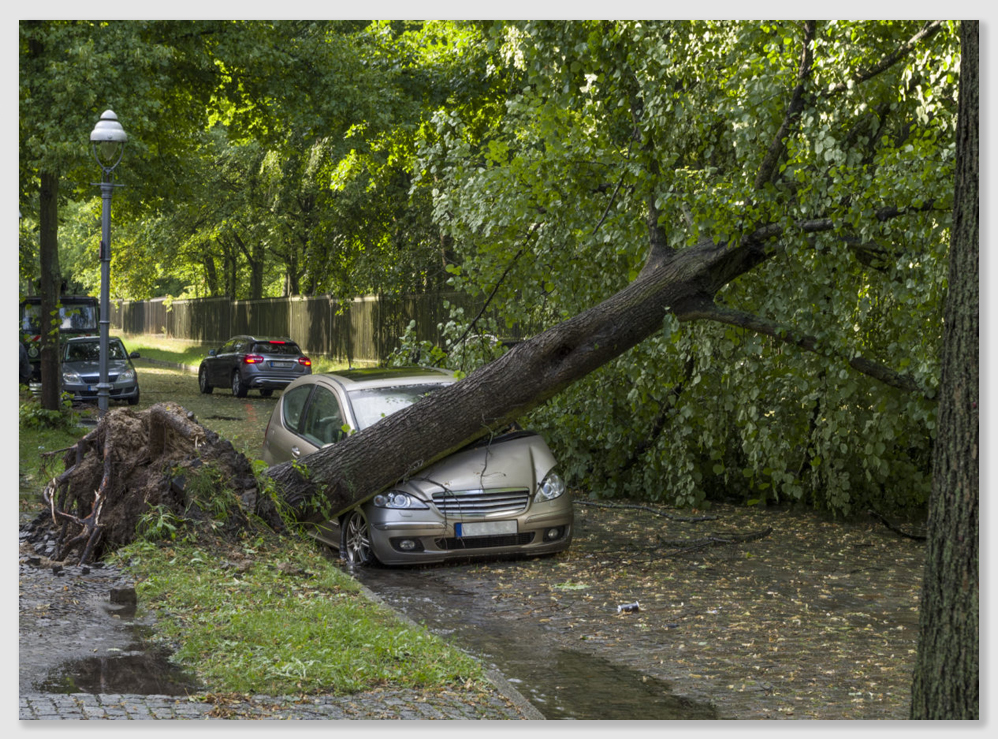 San Francisco, California, Examiner, February 13, 2019: Finding liability for falling trees
Recently, I addressed a question posed by a reader who asked who is responsible for damage caused by a tree branch falling from an adjacent yard and crashing through the roof of their house, narrowly missing their child. The article addressed the answer to that question with the assumption that it was a tree owned or maintained by a municipality. This week, I will address trees owned by individual, non-governmental owners. The reader’s inquiry involved a neighbor’s tree overhanging their property. State law provides that the owner of a tree whose branches overhang an adjoining landowner’s property is liable for damages caused by the overhanging branches. Therefore, if your neighbor’s tree drops a branch and causes injury to a vehicle, person, or structure, they are liable to you for the damages caused. In general, you are legally allowed to take it upon yourself to cut off any tree branch that overhangs your property from the point where it crosses the boundary. Courts have ruled that shade and debris cast by a neighboring branch, blocking light, clogging gutters, deteriorating a roof, etc., can constitute a nuisance, thereby making the tree owner liable for any and all damages caused. Even insignificant damages will implicate a legal right of action, although the recovery of damages is generally be proportional to the extent of the injuries…
It seems like the lichen on my tree exploded this year. It’s all over some branches, whereas it used to be only in random spots on the trunk. I’ve been told not to worry about your average gray-green lichen, but is there such a thing as too much lichen? It’s true that lichen does not harm trees because, being an algae-fungi combo, it has its own chlorophyll and is just using the tree as support. However, extensive spread can be a symptom of a stressed tree. Not a cause. The tree’s canopy may have thinned enough that the lichen is getting more sunlight, or the bark’s makeup has changed and now holds more moisture or provides better surface for attachment. At any rate, individual branches may be dying and need removal, or the entire tree may be in decline…

A Japanese couple have taken to social media to make a simple plea to the thieves who stole seven bonsai trees from them: please take care of “our children.” Seiji Iimura and his wife Fuyumi said the miniature trees were taken last month from their garden in Saitama, located near Tokyo. “There are no words to describe how we feel,” he wrote in a Facebook post. “They were precious.” The trees were worth about $90,000 and included a Shimpaku Juniper, a 400-year-old tree that had been looked after by Iimura for 25 years. “Bonsai are like our children,” Fuyumi Iimura told the New York Times. “They are our children who have been living for 400 years. I now feel like our limbs were taken away, and miss them every day.” The couple have begged for the thieves to water the trees, and return them…
Lake Forest, California, Patch, February 12, 2019: Tree crushes SUV, woman sues city for negligence
A Tustin woman trapped inside her car by a fallen tree two years ago is suing the city of Cerritos for negligence, Patch has learned. The lawsuit, brought about Feb. 8 by 41-year-old Tustin resident Maelyn Chain, alleges “dangerous condition of a public property” and seeks unspecified damages. In 2017, Chain was driving along Cerritos Avenue when the enormous eucalyptus tree snapped and crashed upon her SUV. According to the suit, the woman “… believes … that the tree, given its giant size and large branches, was a dangerous trap for people on South Street and created a foreseeable risk of it becoming uprooted and landing on people and property….” Photos of the tree smothering Chain’s SUV after its Feb. 17, 2017, collapse at about 3:30 p.m. in the median while she was driving on South Street near Alfred Avenue, trapping her in the vehicle…
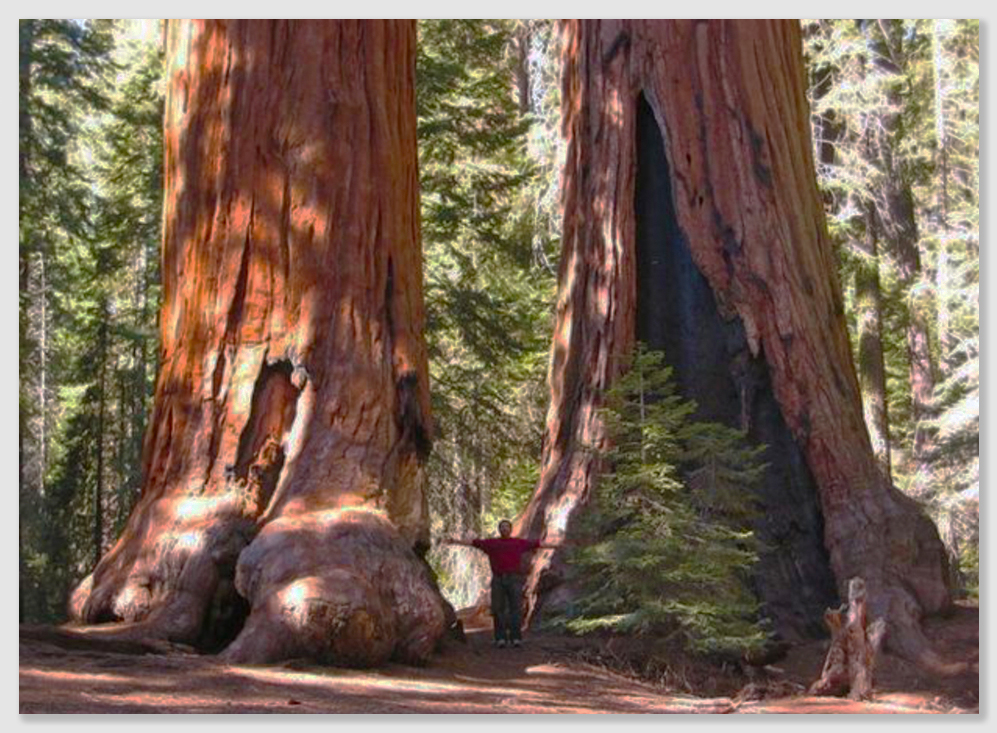 Digital Journal, February 12, 2019: The DNA of ancient giant trees could possibly save our forests
What if we could revive giant creatures that once roamed the Earth? Well, that’s what arborists are doing today, only they’re cloning saplings from the stumps of the world’s largest, strongest, and longest-lived trees, the giant redwoods. The redwood species contains the largest and tallest trees in the world. Sequoioideae (redwoods) is a subfamily of coniferous trees within the family Cupressaceae. and is the most common tree in coastal forests of Northern California. The three redwood subfamily genera are Sequoia and Sequoiadendron of California and Oregon, and Metasequoia in China. Only the two subfamily genera found in the United States produce the world’s tallest and largest trees. Some of the redwoods have been known to live for thousands of years, with the earliest fossil remains being from the Jurassic period. There aren’t too many redwoods today that can claim to be that old – they have been cut down. The two sub-families of redwoods are considered endangered species due to habitat loss, natural fire suppression technologies, and logging…
In his first State of the State address, Gov. Gavin Newsom only made a few quick references to California’s deadly wildfires. Cal Fire Director Thom Porter says the Newsom administration helped to develop an entirely new strategy to prevent wildfires. “We have to do more proactively to reduce the risk to our communities,” Porter told FOX40. Historically, the number of trees and brush that could ignite and how many escape routes are available were the only measures Cal Fire used to assess which areas were most at risk of fire devastation. “What we’re adding now is more of a socioeconomic and social element,” Porter explained. “That includes age, that includes number of vehicles that a community has for evacuation. A lot of things that we haven’t typically looked at.” Those ideas came from lessons learned after the Camp Fire, the deadliest and most destructive wildfire the state has ever seen. Many who died in the wildfire were seniors who could not escape…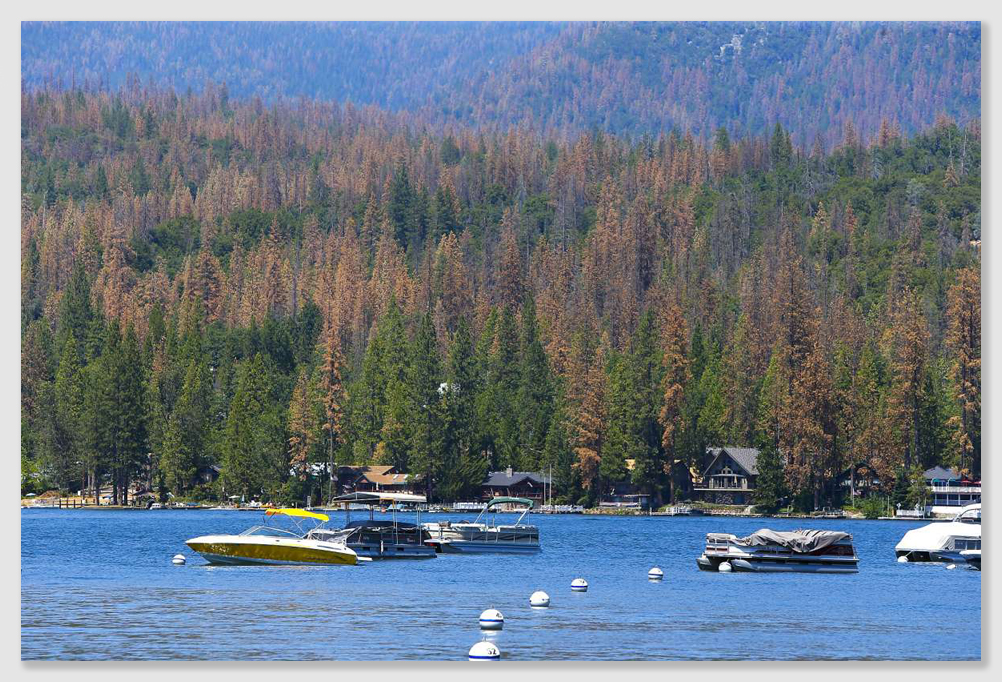 San Francisco, California, Chronicle, February 11, 2019: Report: California’s tree die-off reaches 147 million, boosting fire threat
Two years after California’s historic drought came to an end, the sweeping die-off of the state’s forests has slowed, yet vast tracts of dry, browning trees continue to amplify the threat of wildfire, federal officials reported Monday. About 18.6 million trees died in 2018, mainly the result of dehydration and beetle infestation, according to new estimates from the U.S. Forest Service. That pushes the total number of dead since 2010, shortly before the five-year drought began, to 147 million. It’s a toll not seen in modern times. With once-green mountainsides still basking in startling hues of rust and apricot, particularly in the Southern and Central Sierra, federal officials warned that weakened trees are apt to fall atop roads, power lines and homes while woodlands remain in such poor shape that they’re ripe for burning. Even President Trump has taken shots at the grim condition of California’s wildlands lately, calling for more active forest management. Federal officials are working with state and local governments to try to restore the health of the forests, but they’re up against a die-off that’s become increasingly entrenched and only hastened by a warming climate…
A neighborhood on Indy’s northeast side is concerned about a roughly 200-year-old tree behind Eastwood Middle School. The Bur Oak is in a spot where the district wants to make renovations on campus. According to arborists, the tree dates back to when James Monroe was President of the United States. “It’s something if you could keep it, it would be a good thing,” said Shelley Clark. Clark believes it is a unique and important part of her son’s middle school. As Washington Township Schools plans to improve pedestrians’ safety during pick-up and drop-off, she hopes the Bur Oak stays. “I’ve been a master gardener,” Clark said. “I understand how native tree species are host to other species in the food web…” The project manager at Schmidt Associates said the district wants to separate car traffic from bus traffic so they plan to put a bus turn-around loop behind the school with some extra parking…
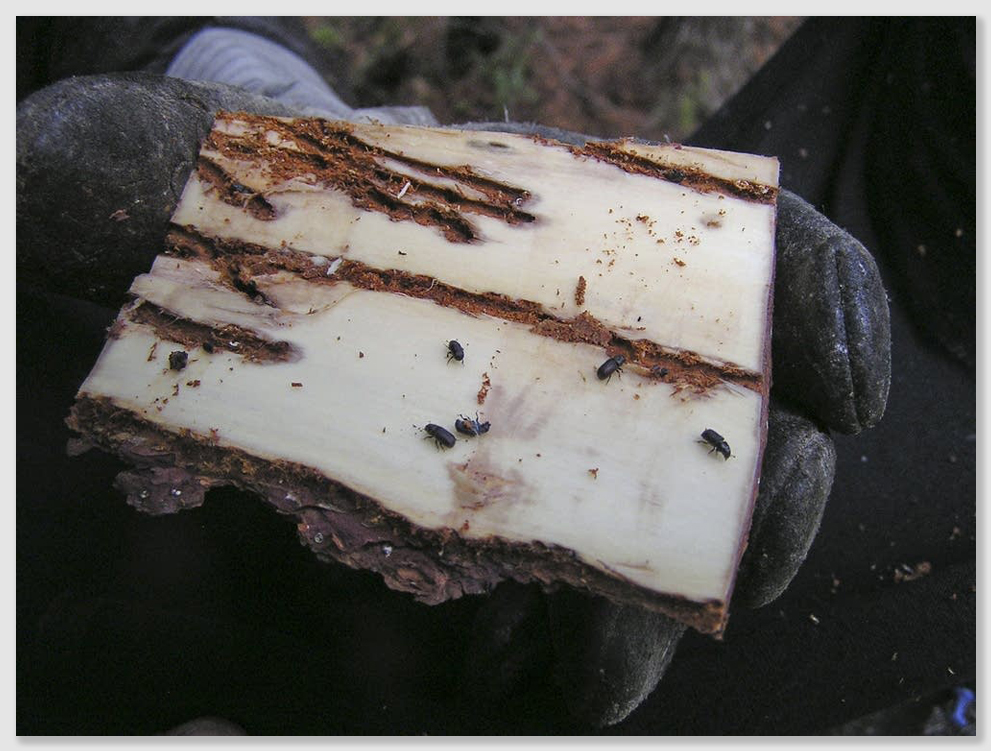
One bright spot to this winter’s extremely low temperatures has been the idea that pesky bugs might perish in the cold snap. But according to one expert, several species of destructive tree-eating insects — some native to Minnesota, others not — actually are cold-hardy enough that they’ll likely survive until spring. The Eastern spruce budworm, for example, is a native forest insect responsible for defoliating or killing large areas of conifer forests every year across Minnesota. It can survive in temperatures down to about 30 degrees below zero, said Brian Aukema, forest insect ecologist at the University of Minnesota. Another is the forest tent caterpillar, a native insect that eats leaves from a variety of hardwood trees and shrubs, leaving them bare but not killing them. Its egg masses can tolerate cold down to 42 degrees below zero, Aukema said…
The federal government is suing Tulsa attorney Gentner Drummond, his Drummond Ranch LLC, and two companies hired to apply herbicides to lands near Birch and Skiatook lakes for the loss of more than 40,000 trees on U.S. Army Corps of Engineers property near the lakes. On behalf of the Corps of Engineers, the government filed suit in federal court on Feb. 8, claiming violation of Oklahoma state law governing “damages for wrongful injuries to timber,” trespass, and violations of rules and regulations governing public use of Corps property. The government seeks compensation for the destruction of the trees, compensatory damages for “injuries to timbers,” compensatory damages for trespass and destruction, an injunction preventing any further damage and court costs. Drummond, who ran for state attorney general in 2018, characterized the conflict as a disagreement between neighbors and objected to the Corps’ characterization of what has happened. “My family and I have ranched the Osage since before statehood,” he wrote in a statement provided to the Tulsa World. “The Corps of Engineers exercised its power of eminent domain during the ’70s to take part of our ranch. We have remained faithful stewards and good neighbors since that time. Also since the ’70s, we have regularly controlled black jack oak trees with aerial spraying to enhance the native bluestem grasses and provide for the natural wildlife…”
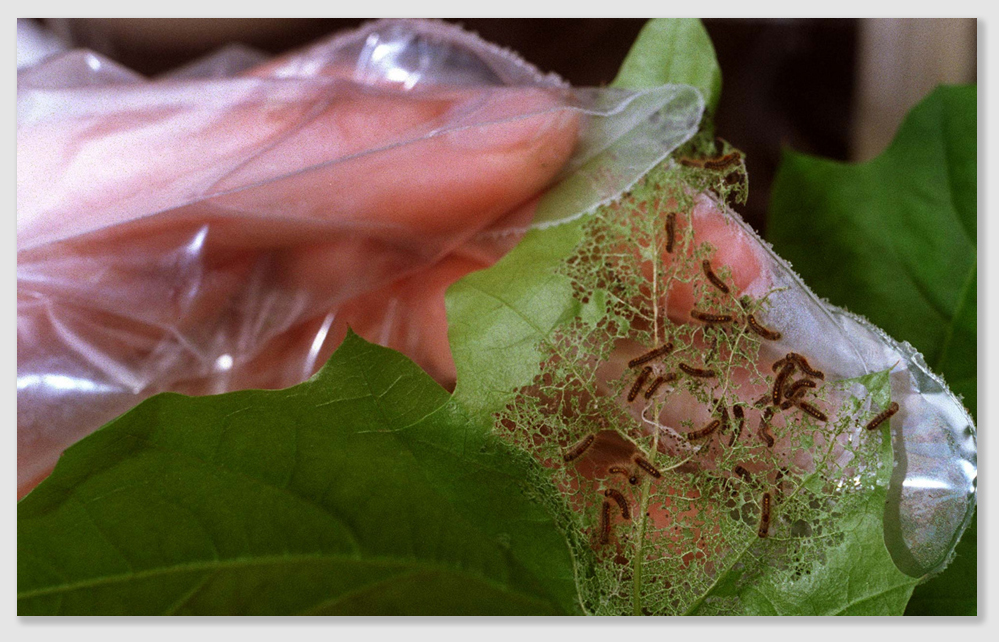
Maine is the most-forested state in the nation, with forests covering almost 90 percent of the state’s land area. But some major components of those forests are being threatened by pests, a fact made abundantly clear at the Grow Maine Green Expo last month in Augusta. The most immediate threat is the emerald ash borer beetle, which was found in Madawaska and neighboring towns in May and in the York County towns of Acton and Lebanon in September. State Horticulturist Gary Fish outlined for arborists and landscapers at the Expo the draft proposals for quarantines aimed at slowing down the spread of the pest. The emerald ash borer attacks all three types of ash trees that grow in Maine, Fish said – green, white and brown or black ash – and it kills 99 percent of the trees it attacks. “The brown ash, which is most important to native Americans, is the least resistant,” he said. Black/brown ash has been used for many generations in the traditional baskets and other products made by Maine tribal members. The areas to be quarantined under the draft proposal are all of York County and an area from the western boundaries of Fort Kent, Wallagrass and Eagle Lake eastward to the Canadian border. Nursery stock, firewood made from hardwood trees and green lumber would not be able to leave the quarantined areas unless the wood is certified as free of pests…
Imagine owning your dream house. You have your pool, your barbeque area, your big lawn for the kids to play on. You’ve worked your whole life for this, and now you have it. It’s perfect. Well, except for your neighbor’s overgrown 100-foot tall sugar oak. It’s so massive it blots out the sun. Your yard is bathed in perpetual shade. Your roof is covered in moss. You’re pretty sure you could grow mushrooms commercially. You complain to your neighbor. You mention cutting it down, or at least trimming it back. He laughs at you. That’s your breaking point. You’ve had enough. It’s time to sue him, right? Sure – just not in Massachusetts. A case called Shiel v. Rowell presents the age-old question of how society should resolve pesky disputes between neighbors involving trees. Should the courts impose reciprocal responsibilities on the neighbors, requiring them to consider the harm their healthy tree may cause to their neighbors and to compensate them for the actual harm caused? Or should a person be the king or queen of their domain, owing minimal responsibilities to those impacted by their choice of landscaping? In Massachusetts the answer is clear: property rights are paramount…
Most activists use signs, protests or petitions to make a statement, but sometimes you have to get creative to make a statement. One woman advocating for trees during a Tampa City Council meeting decided to cut straight to the point — literally. Cinzia Duncan is a tree activist and she wanted to make sure the Tampa City Council understood her point on cutting down trees. So, she grabbed a pair of scissors and chopped off a chunk her own hair. “Well that happened,” she said after cutting her blonde locks. “I can’t undo that.” While holding the chunk in her hand, Duncan went on to explain that once you cut your hair you can’t put it back, it has to grow — just like trees. Trees just take much longer…
February through March is an excellent time to schedule tree pruning. We will begin to enjoy warming trends that provide excellent working conditions for arborists. One of the most important benefits of winter pruning is that it reduces potential disease and insect problems that can be spread during the growing season. Some of the trees that are especially important to get pruned during the dormant season include: • Oaks. All species of oaks are susceptible to oak wilt disease, spread by sap beetles that are attracted to fresh wounds. Since the beetles are not active during the winter, there is no risk of the disease spreading now. In most years, the deadline for pruning oaks is April 1. The University of Minnesota notifies arborists when it is no longer safe to prune oaks each season. Pruning that is not completed prior to the high-risk periods this spring will need to be postponed until next October or later…
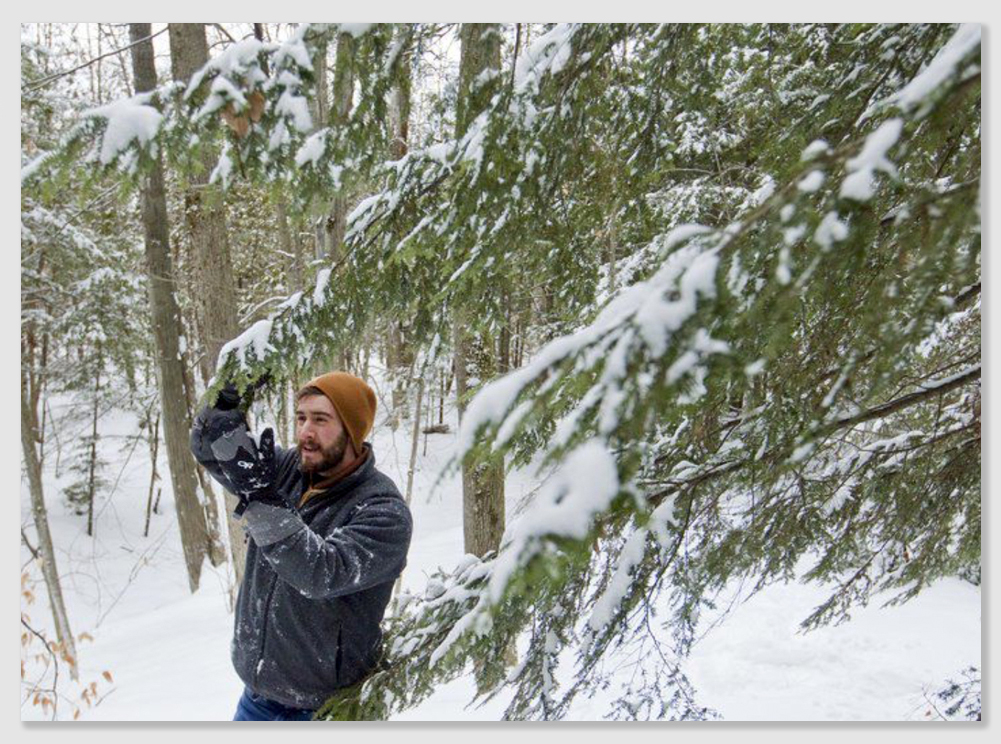
Audrey Menninga and Andy Harmon plodded into the woods on snowshoes, on a mission to help halt the spread of yet another problematic invasive species. Local environmental officials are busy tracking the progress of a new invasive pest insect making its way north along the Lake Michigan shoreline: the hemlock woolly adelgid. Menninga and Harmon are survey technicians for the Northwest Michigan Invasive Species Network who are spending this winter trekking through local woods in search of signs of the invasive pest. The bug, often called by acronym HWA, is native to East Asia and feeds by sucking nutrients from hemlock trees. Individual insects are nearly microscopic, Harmon said, so the best time to spot the creatures is during winter months when their ova sacs can be seen with the naked eye as “white, cottony, little balls” clinging the the bottom of hemlock needles. “You’ll never see the crawler, but you will see the ova sac,” Menninga said…
State fire officials have told the federal judge overseeing Pacific Gas and Electric Co.’s criminal probation that California law requires the utility to remove all tree limbs that may topple onto a power line during times of high fire danger — but does not mandate removal of all overhanging trees or limbs, as the judge contended. Asked by U.S. District Judge William Alsup to interpret the law that it enforces, the California Department of Forestry and Fire Protection, or Cal Fire, said in a filing Wednesday that electric companies, during fire season, are required to cut down all trees or limbs that are within 4 feet of some power lines and within 10 feet of others, depending on the voltage in the line. In addition, Cal Fire said the law requires removal of any trees or limbs that “may come into contact with lines.” That provision applies to trees that have been weakened by decay or disease and any other trees or limbs that are leaning toward a power line or may fall on it, Cal Fire’s lawyers said. The requirement includes healthy trees that, in the “professional judgment” of competent inspectors, may topple onto a line in high winds, but it does not go so far as to require “trimming or removing every healthy limb that hangs over a power line,” Cal Fire said…
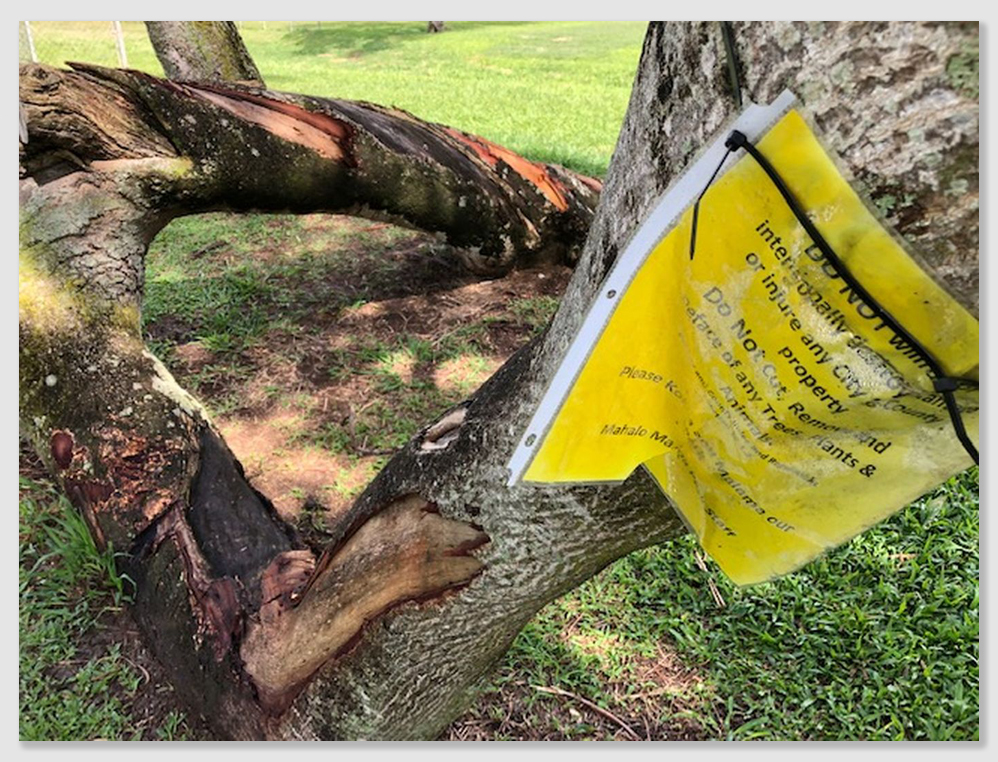
“This is brand new. You can feel it. It’s still fresh and still damp,” Art Mersereau said. The Manoa resident walks his dogs daily in Manoa District Park. He pointed out damage vandals have done to about a half dozen trees. “They started going after these trees,” he said. “Then after a while the ones along that stream over there started getting hacked at.” The trees are called acacia confusa, commonly known as false koa wood trees, a non-native species. In postings on Nextdoor Manoa, some people said a man and a woman have been spotted in the park at night using a machete to harvest the bark. Park users started noticing the damaged trees late last year. “These trees have been here for such a long time, and people are just tearing off the bark and doing whatever they’re doing to it,” resident James Humphries said. Arborists say some Pacific island cultures use the bark for medicinal purposes. The tree also contains the chemical DMT ― a hallucinogen. “Everybody is talking about how it’s drug-related. And it’s a hallucinogenic element in this tree,” park user Catherine Cooke said…
Dealing with a Polar Vortex can sure be an anxiety-ridden time for a homeowner. As if preventing freezing pipes and exploding toilets wasn’t enough, carefully checking out the trees in your yard should also be on the list. Why? Frost cracks. According to experts at the Monster Tree Service, trees that have been under extreme winter temperatures and storms can experience trauma that will affect the trunks of the trees. This happens when a tree is exposed to fluctuating temperatures. After the Polar Vortex in January 2019, Minneapolis’ weather jumped almost 50 degrees in just one week, from -28 degrees to 20 degrees Fahrenheit. Arborists speculate where frost cracks come from, but Monster Tree Service finds frost cracks to occur due to temperature fluctuations. This causes the trunk to expand and contract rapidly, leading to vertical splits on the bark and deeper (similar to a soda expanding and exploding when frozen). “Often you can hear them occur, they sound very loud, almost like a rifle bang,” said Adam Barker, Arborist Sales Manager at Monster Tree Service. “But if it’s been cold conditions and it’s a thin bark tree and you see a new crack in the tree, you can probably narrow down the different [signs] to see if it happens to be a frost crack. If you can see fresh wood fibers below the surface and it’s a visible crack, and it’s been very cold lately, then there’s a good chance that a frost crack has occurred…”
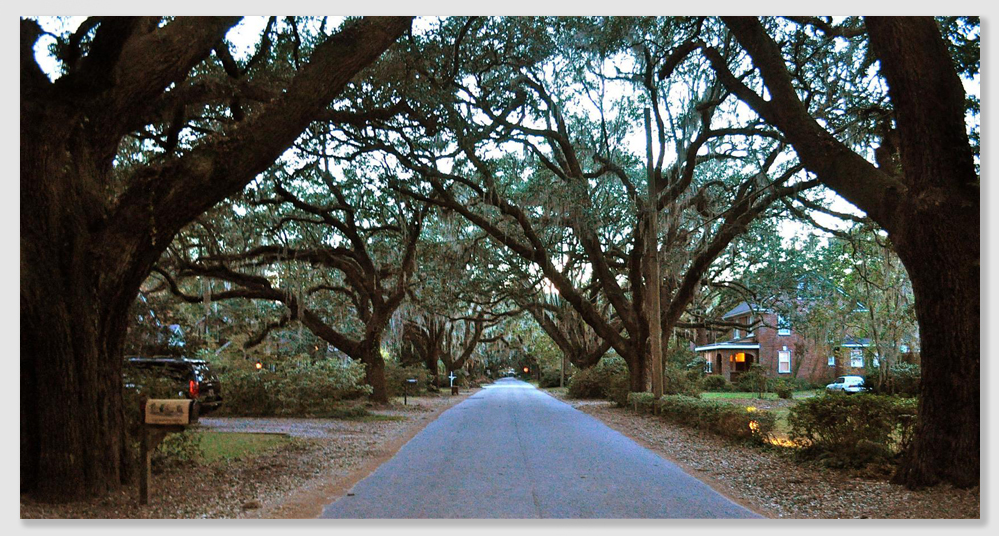
Few things can set a neighborhood off like tree trimming by a utility. The work can spawn protests, yard signs, letters to the editor and general angst — particularly when the trees involved are live oaks or any iconic grand trees. That’s been the case the past couple of years on James Island, where residents have been politically active over plans to more extensively cut the canopy in Riverland Terrace to upgrade the power lines. Later this month, South Carolina Electric & Gas plans to prune more than 70 miles of overhead distribution lines throughout parts of the city of Charleston, the town of James Island, the James Island Public Service District and other areas of Charleston County, including some on Johns Island. The schedule isn’t related to planned upgrades but is tied to SCE&G’s five-year maintenance cycle for pruning and brush clearing. Still, Charleston area residents take the work seriously, often complaining the trimming can be excessive and unsightly. Troy Miller, president of the Riverland Terrace Neighborhood Association, said residents remain concerned about the long-term upgrade plans that “would require extensive trimming of the trees” but are keeping a close watch on this maintenance…
They’re the fuel that feeds so many of our state’s destructive wildfires: Red Cedar trees are no stranger to Oklahoma. No matter where you look, you’re sure to find one. However, an Oklahoma man wants to change that. “Basically they are land mines waiting to explode,” said Steve Farris. The OSU forestry grad says not only are red cedars responsible for the severity of the western wildfires last spring, but the invasive species originally planted by the government to prevent soil erosion and provide windbreaks is cutting into farmland, and each tree can soak up to 80 gallons of water from the soil a day. “We are losing 700 acres a day to cedar encroachment over the state of Oklahoma,” said Farris. Farris moved back to the Sooner State from New Hampshire 10 years ago. He wants to take a page out of their play book and create biofuel power plants to turn the nuisance trees into electricity. “500 megawatts of power per day thru the production of cedars we would be looking at getting rid of 25000 tons of cedars per day.” said Farris…
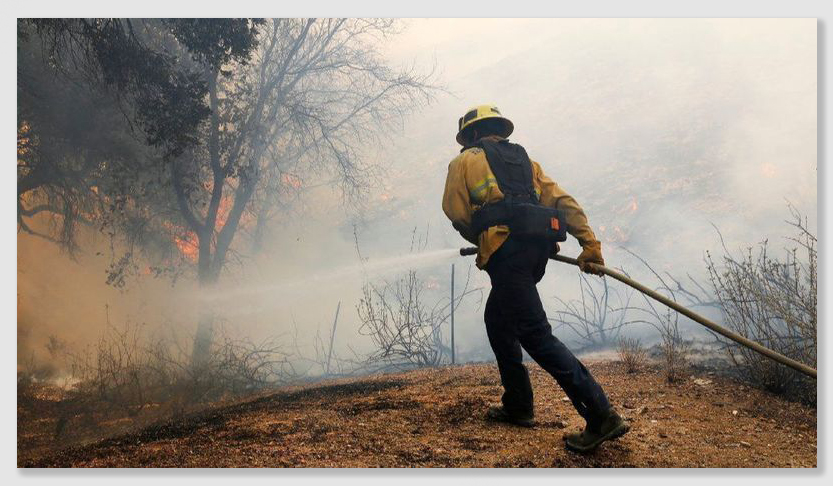
California’s second-largest power company plans to cut down tens of thousands of trees in high-risk areas, inspect thousands of miles of power lines and consider the use of preemptive power shutoffs this year, part of a $582-million plan to reduce the risk of fires sparked by the utility’s infrastructure. Southern California Edison submitted a wildfire mitigation plan to the California Public Utilities Commission on Wednesday, as required by Senate Bill 901, which was passed by the Legislature last year. Although the Rosemead-based utility doesn’t face the same level of fire liability as Pacific Gas & Electric — which filed for bankruptcy protection last week — Edison’s electrical equipment may have ignited the Woolsey fire, which killed four people and burned nearly 100,000 acres in Los Angeles and Ventura counties last year. Edison already asked the Public Utilities Commission in September for permission to charge ratepayers for $582 million worth of fire-prevention projects, such as insulating exposed wires that could spark blazes, building more weather stations to better forecast fire risks and deploying infrared cameras to monitor equipment. The mitigation plan provides more details about what Edison expects to do this year. The company plans to inspect at least 125,000 trees in high-risk areas that could topple into power lines, on top of its existing plans to remove or trim 7,500 potentially hazardous trees this year. The company also plans to inspect all 19,000 miles of power lines it operates in high fire-risk areas, with a more rigorous protocol than in past years, said Phil Herrington, Edison’s senior vice president of transmission and distribution…
Physics World, February 7, 2019: Trees dying younger in Canada too
Trees in today’s boreal forests are living fast and dying young. Over the last 60 years the life expectancy for trees has decreased significantly, a new study reveals. The fastest-growing trees have shown the greatest decline in longevity. Rising levels of carbon dioxide and reduced water availability appear to be a major driver of the trend. There is concern that forests may see large-scale die-off, with potentially serious implications for their ability to mop up carbon and slow climate change. Back in 2015, researchers were shocked to discover that although tree growth in the Amazon rainforest had increased over the last 30 years, trees were dying younger, resulting in less carbon dioxide sequestration in the region. This led the team to speculate that faster growth due to climate change was leading to higher mortality rates. The big question was whether this was a localised phenomenon, or a global effect. To find out, Eric Searle and Han Chen, both at Lakehead University in Canada, carried out a similar study on high-latitude forests in Canada…
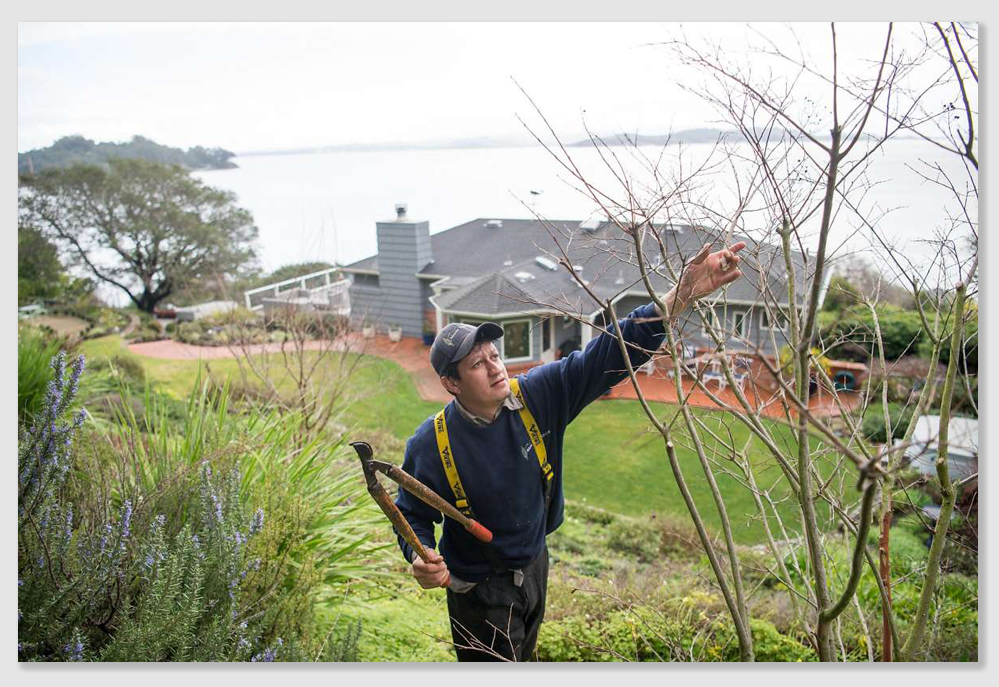
Right now looks like a very good time to be in the tree-trimming business. With a federal judge suggesting that Pacific Gas and Electric Co. isn’t doing enough tree trimming and with fire-wary homeowners eager to get rid of extra vegetation, the tree trimmers of California are humming like chainsaws. “Increased demand related to new challenges from drought, storms and insect infestations has played into that,” said Bob Rouse, a director of a nationwide association of tree trimmers. “There are a lot of jobs, pay is rising, and there is room for growth. And the need to provide care for trees is greater now than any time I can remember.” Northern California tree trimmers, many of them on a hiring binge, agreed. Years of increasingly devastating and deadly wildfires in Northern California have translated into tens of millions of dollars for prevention and preparedness. Homeowners in dense, wooded areas are being advised to keep a barren, defensible zone around their houses and remove any flammable trees…
An Altadena homeowner said it felt like “an absolute punch in the gut” when he saw that an old neighborhood tree had been butchered. Shawn Maestretti snapped photos he shared on social media of Southern California Edison workers in the midst of trimming trees to make clearance around power lines. Maestretti, a certified arborist and climate change educator, said what the crews did made the situation more dangerous in the long-run. “They shortened its life,” he said. “It’s at risk of eventually failing. It’s certainly not going look beautiful at now. It’s at more risk of catching fire.” Maestretti and other neighbors believe the aggressive tree trimming is the utility’s knee-jerk reaction to recent wildfires…
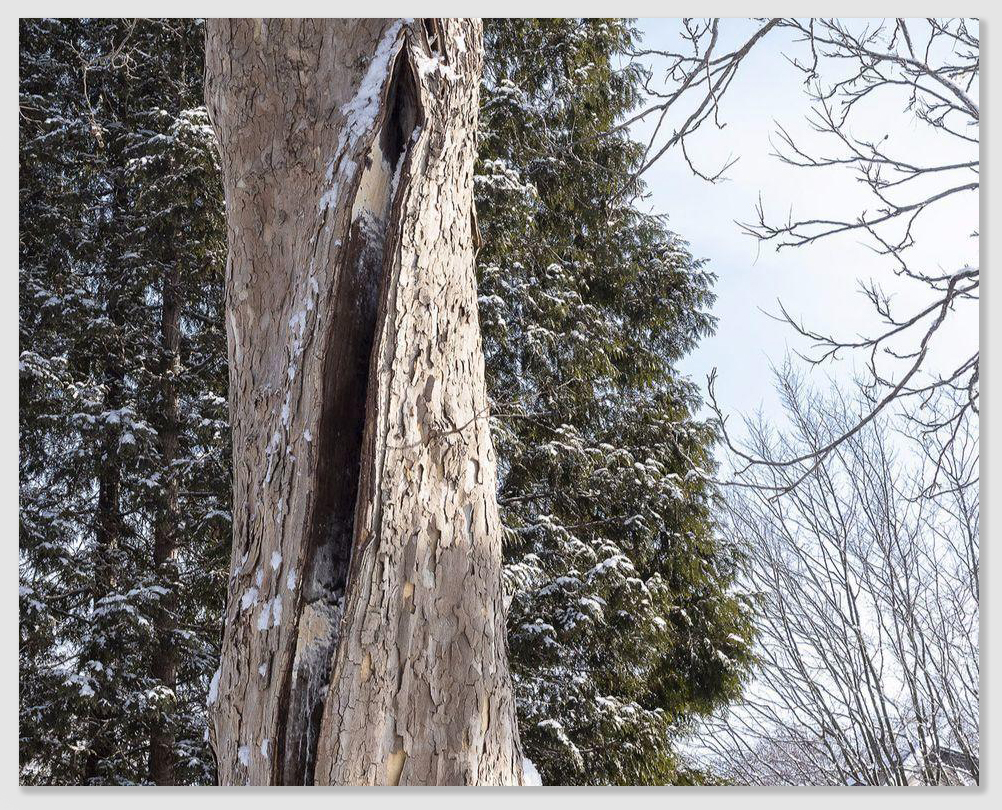
It wasn’t just cold commuters and local wildlife that had to deal with the effects of the polar vortex that gripped the Chicago area last week. The brutally cold temperatures also had an impact on the plants and flowers at the Chicago Botanic Garden in Glencoe, but not always in a detrimental way, according to experts. Tom Tiddens, garden supervisor of plant health care, detailed the problems faced by some of the collection at the garden, particularly noting the impact on forsythia, a yellow flowering shrub. He said the shrub’s flower buds will likely be destroyed or knocked back, limiting the number of yellow blooms. “You see it only blooming from the ground up for about a foot and it is a clear line above that and there is no flowering at all, and that is because the flower buds have been damaged by extreme cold weather,” he said. “I am expecting to see that this year…”
Del Mar, California, Times, February 6, 2019: Del Mar residents call for changes to tree ordinance
Following the toppling of a 75-foot-tall tree in Point Loma that killed two people last month, Del Mar residents are urging the city council to revisit its tree ordinance to help prevent such a tragedy in the north coastal city and maintain views. The city’s current ordinance protects Torrey Pines and Monterey Cyprus trees unless they are found by a city arborist to be unhealthy or dying. Additionally, if a tree is within 12 feet of another unhealthy or dying tree, the city can provide a permit to remove them. However, some residents fear unhealthy trees may not be the only risks. Jayne Haines, a 25-year Del Mar resident, said years ago, a “huge, healthy” eucalyptus tree fell across her property. “It didn’t look dead,” she said. “It just fell. … What if a healthy tree has shallow roots and falls? If an arborist plays God and says it isn’t in danger of falling, and it does, are they liable for the damage and possible death of someone caught in its path…”
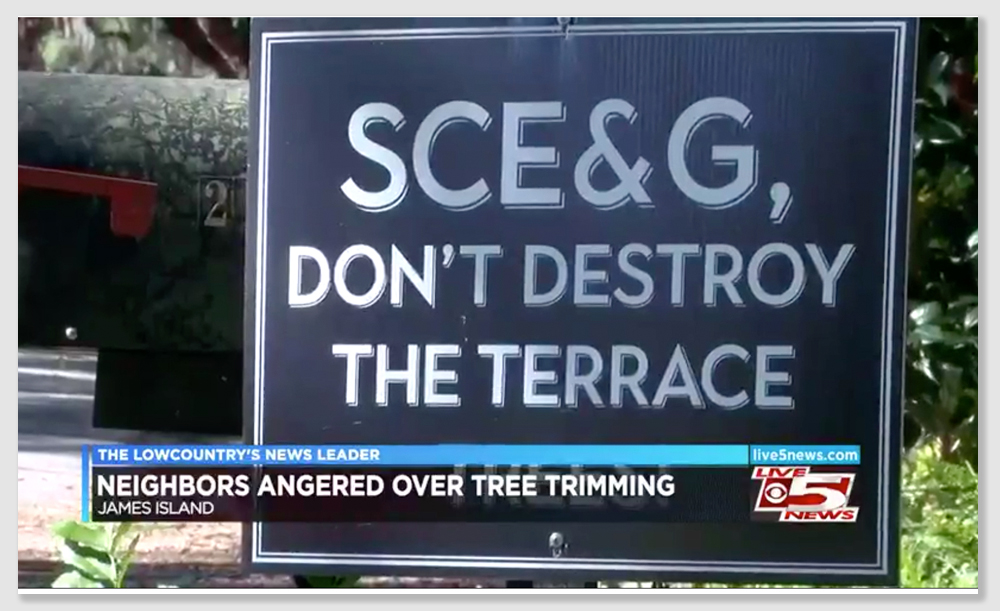
Dozens of James Island homeowners say they are looking forward to having their voices heard at the upcoming SCE&G meeting regarding tree trimming. The meeting is Thursday at 5:30 p.m. at the James Island Town Hall. SCE&G representatives will be there with maps of area they will soon be trimming and examples of past trimmings they have done. Neighbors say their centuries old trees are a Lowcountry staple, so they don’t want the power company to mutilate the trees like the company has done to others in Charleston. SCE&G says without this maintenance, the power lines will be in jeopardy. Although on Thursday, they say they will be open to hearing alternative ways of trimming in order to come up with a compromise…
Kansas City, Missouri, KSHB-TV, February 4, 2019: Who’s responsible for tree damage claims?
Weeks after a winter storm blanketed the metro area with snow, people are still cleaning up the mess. As some tree limbs litter metro neighborhoods, others continue to fall, which could put people at risk. Insurance Agent Brian Rauber has dealt with a number of claims involving tree damage recently. “I had many scenarios where they’re parked in the driveway and a neighbors tree limb falls on their car, that happens all the time,” said Rauber, Brian Rauber Insurance Agency. If the tree was alive and healthy, Rauber said the homeowner is not responsible for the damage. He said the homeowner had no reason to know the tree would create the claim. “If the tree had been dead then the homeowner is negligent, in that regard, they should have known that the tree could fall or limbs could fall and they should have taken care of it prior to the damage it caused,” said Rauber…
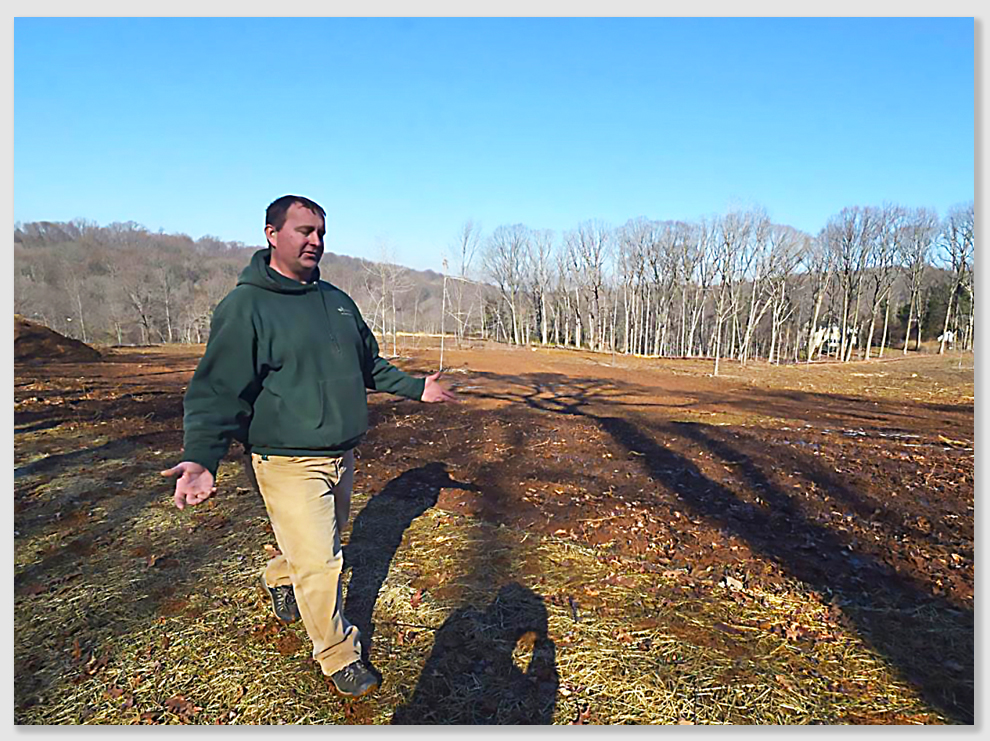
Motorists along Barren Road near Penncrest High School may notice a clear cut of trees. It is not a new development, in fact it is part of Tyler Arboretum’s effort to refurbish a rare environment, serpentine barrens, the only one of its kind in Delaware County. “While it looks like we just cleared six and a half acres of woods, it was to bring back this unique ecosystem,” said Mike Karkowski, Tyler’s director of Horticulture, as he walked walked down a fire road on what is now the perimeter of the project. “Pink Hill Serpentine barrens has a truly unique soil chemistry and contains unique plants, and they create a habitat for a different set of insects.” Serpentine barrens are an area of land formed millennia ago when the continents collided and uplifted. The pressure changed igneous or volcanic rock on the sea floor to metamorphic formations and pushed it up to create a ridge that was exposed and formed the serpentine barrens. The name Pink Hill comes from the pink phlox that blooms on the hill in the spring. Serpentine barrens are found in only a number of places, including Chester County near West Chester and Oxford, outcroppings east of the Appalachian Ridge from Georgia to Newfoundland, as well as in California and Oregon. However, they make up just 1 percent of the earth’s surface…
A tree service employee was struck and killed by a falling tree in O’Hara Township late Monday morning. It happened around 10:45 a.m. on Marberry Drive near Bradberry Drive. Police and paramedics were sent to the scene for a report of 33-year-old Adam Hursen being hit by a falling tree. At the scene, responders found Hursen, who had been struck by a falling tree and pinned underneath it. Hursen was extracted from under the tree and pronounced dead at the scene. Allegheny County Police say crews from the Tree Masters tree service had been contracted to remove trees at a home on Marberry Drive. While they were removing one of the trees, it fell unexpectedly and struck another tree, which in turn fell and struck Hursen, who was standing about 40 feet away. Hursen was trapped under the tree for a time before he was able to be freed…
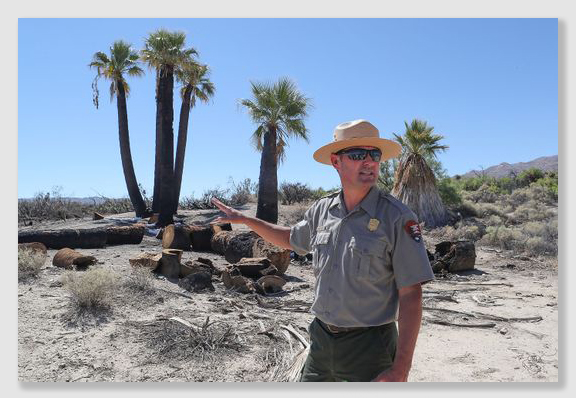
Some of the most iconic photographs taken inside national parks during the partial government shutdown were of fallen Joshua trees inside Joshua Tree National Park. One of those images, which showed a downed Joshua tree that had apparently been felled, was published in early January by the nonprofit publication National Parks Traveler. The image was later seen by thousands online and used in stories from The Daily Mail, CNN and other news sites. But that tree, which park officials believed was downed as a result of vandalism during the shutdown, was actually cut down before the shutdown, the park’s superintendent told National Parks Traveler in a recent article. “When park botanists were able to get to the site at a later date, they confirmed that this tree was in fact cut down prior to the shutdown,” Superintendent David Smith told the publication. “The park apologizes for any confusion this initial report may have caused,” Smith added…
Arbor Solutions, a tree service company, had crews busy working to remove trees from a property in Fresno ahead of the incoming storms. Mike Garner, co-owner and lead certified arborist with Arbor Solutions, said the trees were hazards. “Some (trees) already had limbs failing and the other tree appeared to be completely dead,” he explained. The trees were showing signs of decay. “You can see these fruiting bodies on here, what this indicates is that there is a good amount of rot on the inside,” he said while holding a cut-up tree branch. “(The rot) leads to a very weak limb and that limb is more than likely dead. Another system we saw was that bark was peeling right off…”
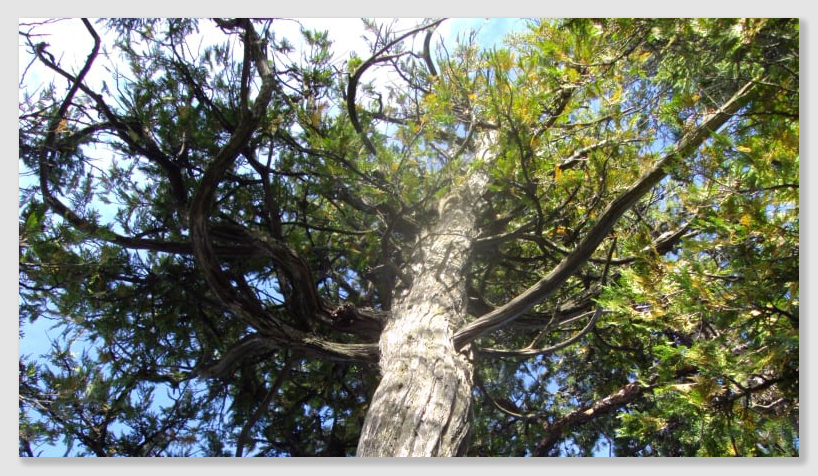
Everyone knows plants need CO2 to grow. So it seems logical that the extra carbon we’re spewing into the atmosphere will make plants grow more, capturing more carbon and mitigating climate change, right? That’s something argued by climate change skeptics and assumed by some scientific models used to predict future changes in the Earth’s vegetation. But growing evidence suggests that extra CO2 in the atmosphere isn’t making trees grow more. And, in fact, climate change is generating warmer, drier conditions that could make them grow less in many places. A recent study of extraordinary Quebec cedars that are between 600 and 1,000 years old adds to that evidence. It found rising CO2 levels in the atmosphere since pre-industrial times made trees more efficient at using water, but didn’t increase the growth of their trunks — and therefore the amount of carbon they stored, the researchers reported in the Proceedings of the National Academy of Sciences last week. “What we bring as a hypothesis is if you don’t have the water and nutrients to consume this supplementary CO2, well, you cannot grow faster,” said Claudie Giguère-Croteau, who conducted the research while she was a master’s student at the University of Quebec in Montreal…
This is Part II of the column on diagnosing tree problems. Last week, we learned that water stress and weed whacker injury are the most common tree problems in our landscapes, and that the rooting area necessary for large trees to survive and grow is much bigger than most folks realize. We also touched on the reasons why symptoms are rarely sufficient for conclusive diagnosis of a tree disorder. This is partly because symptoms may point to secondary or tertiary problems. Many — but not all — insect pests and pathogens are more likely to attack trees that are already stressed. Plant stressors can be broadly divided into two categories: biotic and abiotic. Biotic stressors are caused by living or once-living organisms, like insects, bacterial and fungal pathogens, and animal pests. Nature’s Notebook is a national, online program with the USA National Phenology Network that uses amateur and professional naturalists to record plant and animal observations in a given location over time. The steps for becoming a volunteer are straightforward. And you can set your backyard as a location or pick a public space and get a group to sign up together…
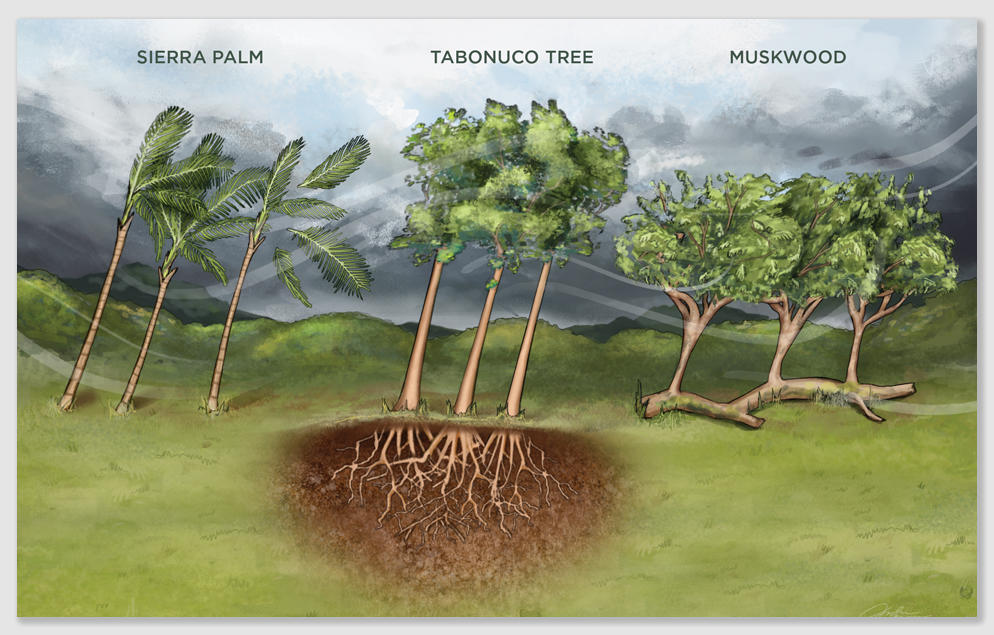 The Scientist, February 1, 2019: How trees fare in big hurricanes
Trees bowed to 45-degree angles and flying leaves crisscrossed the sky as Hurricane Florence ravaged North Carolina’s coast and inland regions in mid-September 2018. The storm, which peaked as a Category 4 hurricane before making landfall near Wilmington as a Category 1, deluged parts of the state with nearly three feet of rain. It stripped the leaves off black walnuts, crape myrtles, and their entwining wisterias, especially on the north and northeast sides of the trees, which bore the full brunt of the 100-plus-mile-per-hour wind gusts. An estimated 1.25 million acres of timber, valued at nearly $70 million, suffered varying degrees of damage. Whoppers like Florence are a reality that North Carolina—not to mention the rest of the Eastern seaboard and the Caribbean—may have to get used to in the near future. Historically, a given location might only see such destructive hurricanes every few decades. But with global temperatures on the rise, the risk that a fledgling storm system will grow to “major” status, defined as category 3 and above, is likely to climb. Warming oceans mean more water vapor in the air, and that vapor is what fuels the storms. “One of the signals that we expect from climate change is that the strongest hurricanes will get stronger,” says Gary Lackmann, an atmospheric scientist at North Carolina State University in Raleigh…
Between 2005 and 2015, U.S. forests grew by the equivalent of 2,740 NFL football fields each day. That’s a total of almost 1.3 million acres a year! In the U.S., we grow many more trees than we harvest. In fact, there are 20% more trees today than there were on the first Earth Day Celebration in 1970. Yet, our nation consumes more paper products than many parts of the world. How can this be? It turns out that consumption of paper and other wood products, along with sustainable forest management, is essential to maintaining this growth. Did you know that private landowners provide more than 90% of wood and paper products? This is actually an important factor in ensuring the long-term health of U.S. forests. Receiving income for wood products grown on their land, private foresters and family tree farms are incentivized to engage in smart, sustainable harvesting practices. Moreover, profitable forest management may prevent the conversion of land to non-forest uses like real estate development and agriculture. Healthy forests also benefit the environment and economy in other ways, such as: Replenishing and extending the supply of wood fiber; Reducing greenhouse gas emissions that can contribute to climate change; Creating trees that release oxygen into the atmosphere, supporting life on our planet; Providing hundreds of thousands of jobs…
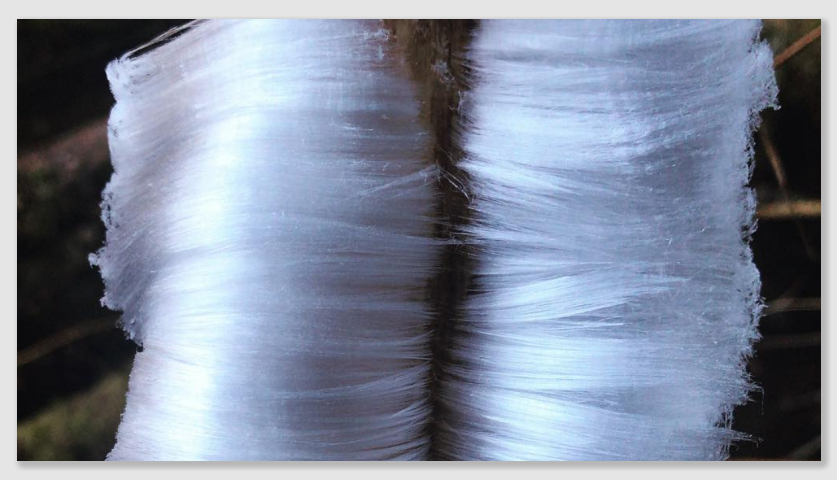
While it may look like something out of a fairytale, ‘hair ice’ is a fairly common occurrence across the world. What’s more, the whimsical manifestation happens a great deal in our own backyard. Not only do British Columbian forests reach the cold temperatures necessary for it to form, but they also have a vast number of trees that support its growth. The fine, silky ice only forms on decaying or dead wood, and only on particular broadleaf trees. B.C. forests are home to a great deal of deciduous trees that fall into this category, such as maple, cottonwood, and oak. What’s more, Aloutte Parks Management, Park Operator for Golden Ears and Rolley Lake Provincial Parks, shared a captivating image of the phenomena on their Instagram account. “We got lots of comments about this “hair ice” in our story today. It forms on moist dead wood from broadleaf trees when temperatures are slightly below freezing,” reads the post. “Each of the hairs is only about 0.02mm in diameter, and they can last hours or days. It is believed that a fungus in the decaying wood is responsible for the formation of the hairs…”
Quincy, Illinois, Herald-Whig, January 31, 2019: Ice melt can be harmful to trees, plants
John Grievers watched his neighbor liberally toss ice melt across his driveway and sidewalks after clearing away the snow, and all he could do was dumbfoundedly shake his head. “That man is killing everything,” Grievers said to himself. He should know. With a master’s degree in botany, Grievers worked most of his career as a landscape consultant and horticulturalist before retiring two years ago. Each time winter weather hits, Grievers watches people ruin their plants and trees by using too much ice melt. He hopes eventually some of them will get the message. “Ice melt is made of elements designed to do damage,” Grievers said. “They break down the ice and can cause problems for the surfaces they touch. Much worse, they kill things you don’t openly see. You can’t just throw ice melt wildly. You have to be strategic with how you use such compounds. “You can’t let ice melt near your plants or trees and grassy areas. It’s simply lethal.” The cheapest and most commonly used form of ice melt is rock salt — also known as sodium chloride — but it also is the worst for your landscape. Plants use sodium in miniscule amounts, and when there’s a high concentration of salt in the soil, it can pull water out of the plants, causing them to shrivel up and die. Sodium also affects soil texture by “tightening up” the small particles of clay, causing poor drainage and killing much of the soil biology…
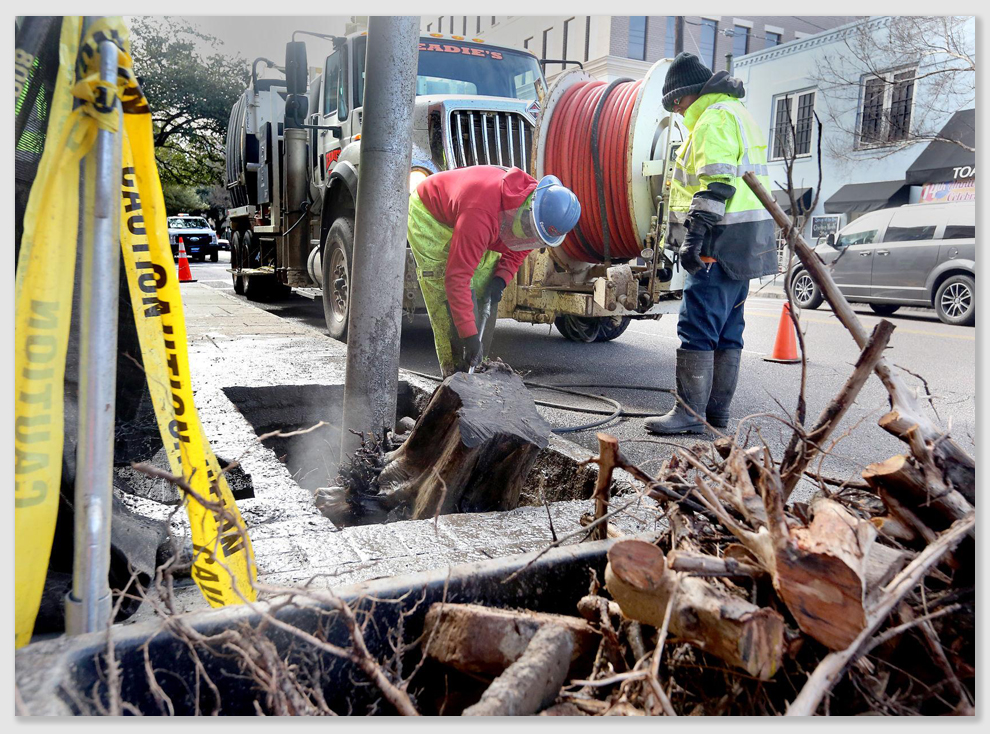
A big wet blast killed the trees along Meeting Street, and a big wet blast removed them for good this week. City of Charleston crews and contractors experimented just south of the City Market with a new way to remove the stumps from several Chinese elms damaged by Hurricane Matthew and Tropical Storm Irma. Instead of ripping up parts of the sidewalk and street to expose the roots for cutting, a special Vactor truck trained a high-pressure hose on the roots, blowing the soil away and suctioning out the slurry. Once the root ball was exposed, workers could make the dozens of smaller cuts to sever the roots from the stump. Jason Kronsberg, the city’s director of parks, said city staff brainstormed the new technique to try to save time and money while removing dead street trees and readying their spots for new ones…
A U.S. judge berated Pacific Gas & Electric Co. on Wednesday, accusing the nation’s largest utility of enriching shareholders instead of clearing trees that can fall on its power lines and start fires and making “excuses” to avoid turning off electricity when fire risk is high. Judge William Alsup in San Francisco did not immediately order PG&E to take any of the dramatic measures he has proposed to try to stop more wildfires. But he warned that he was not ruling out at least some new requirements on the company if it did not come up with a plan to “solve” the problem of catastrophic wildfires in California. “To my mind, there’s a very clear-cut pattern here: that PG&E is starting these fires,” Alsup said. “What do we do? Does the judge just turn a blind eye and say, ‘PG&E, continue your business as usual. Kill more people by starting more fires.’” Alsup is overseeing a criminal conviction against PG&E on pipeline safety charges stemming from a 2010 gas line explosion in the San Francisco Bay Area that killed eight people and destroyed 38 homes. He proposed earlier this month as part of PG&E’s probation that it remove or trim all trees that could fall onto its power lines in high-wind conditions and shut off power when fire is a risk regardless of the inconvenience to customers or loss of profit. Alsup said his goal was to prevent PG&E equipment from causing any wildfires during the 2019 fire season…
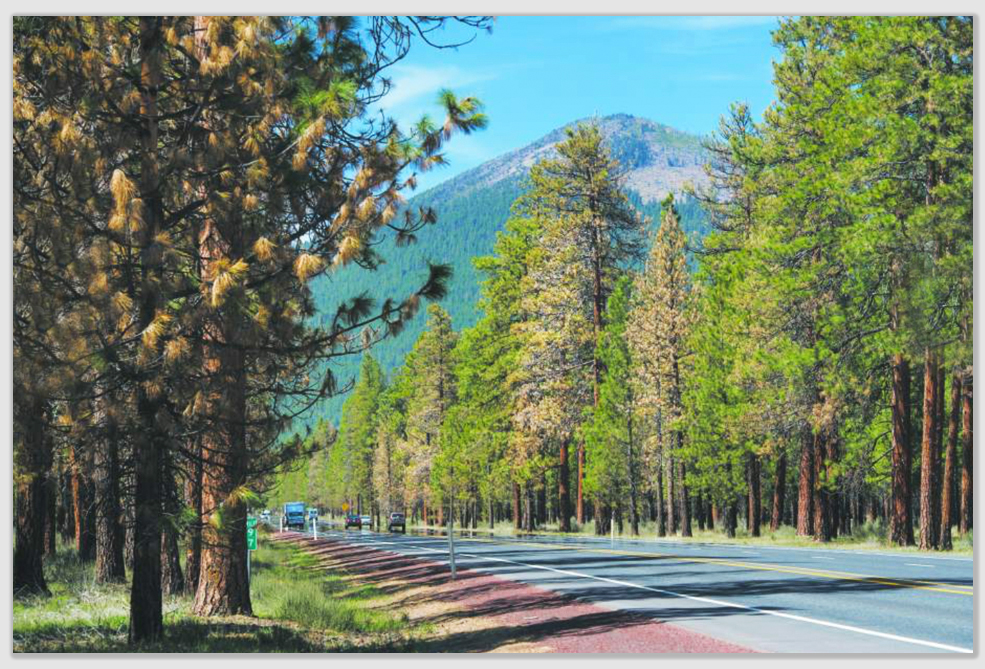
A proposed statewide rule would curb the use of a controversial weedkiller linked to the death of more than a thousand trees near Sisters, but some environmentalists are concerned it doesn’t go far enough. On Wednesday, the Oregon Department of Agriculture released a proposed rule that significantly limits where herbicides containing aminocyclopyrachlor, the main active ingredient in the product that killed trees northwest of Sisters, may be used in Oregon. The rule, which could be in effect by spring, would prohibit using the chemical in wildlife management areas, swamps, canals, sage grouse habitat and many other natural environments, while maintaining temporary restrictions on use in right-of-ways for roads, highways, railroad tracks, bike paths and more. Additionally, the proposal prohibits using aminocyclopyrachlor, commonly abbreviated as ACP, in areas where the roots of “desirable trees and shrubs” may be present, a recognition that the chemical can spread through root systems. Another provision of the rule, which is available in full on ODA’s website, prevents trees and other material exposed to ACP from being milled, composted or otherwise reused…
Hemlock trees in Connecticut have been having a tough go of it thanks, in part, to a small sap-sucking insect: the hemlock woolly adelgid. First identified in Connecticut in the 1980s, this invasive Japanese insect eats through conifer trees and has contributed to die offs of native conifers like the Eastern hemlock. But Carole Cheah with the Connecticut Agricultural Experiment Station said something might finally be causing adelgids to die off: all this cold weather. “I have been looking for adelgids since the summer,” Cheah said. “I have been hardly able to find any adelgids at all. Even in places where I used to be able to collect adelgids.” For years, Cheah’s been going out to look for adelgids all over Connecticut. Woolly adelgids are active during more mild parts of the season, when temperatures are in the 30-to-40-degree Fahrenheit range. But through years of sampling, Cheah said she’s found extreme winter temperature drops (at least -11 F in the northwest corner, -8 F in central Connecticut, or -6 F along the shore) are killing massive numbers (more than 90 percent) of adelgid populations…
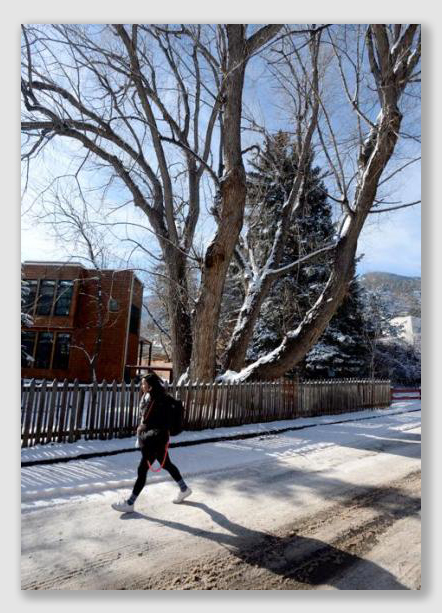
The life of a gargantuan tree in west Boulder has been prolonged — at least for now — after a water delivery ditch company paused plans to chop it down last week. The Anderson Ditch Company agreed to delay felling the tree — a willow with a massive trunk from which four large limbs extend in front of the home at 580 Pleasant St. — after outcry from nearby residents over its planned removal. City officials are now acting as liaisons between those protesting the tree’s removal and the ditch company after Councilwoman Cindy Carlisle brought neighborhood concerns to the attention of city staff in an email earlier this month, just two days before the tree was supposed to be cut down on Jan. 22. Anderson Ditch is going to do more outreach with neighboring property owners before making a final decision, said Kim Hutton, one of the ditch company’s board members who also is a Boulder Water Resources staffer. She is representing the ditch company on this matter. But it is unclear when or how a final decision on the tree’s removal will be made — the ditch company runs water from the spring through the fall. “I believe just seeing the comments (residents) made, they understand the ditch company has the legal right to remove the tree. They were just concerned about the process,” Hutton said. “The ditch company is a private, nonprofit company. I suppose they’re not subject to the same public processes as the city is. We want to work through the process with them…”
Pennsylvania State Police are looking for a thief they say cut trees on private property for wood and then took off. Troopers were called for the crime at about 3 p.m. Jan. 19, on a property in the 7000 block of Elementary Road, off Limeport Pike, in Lower Milford Township, Lehigh County. The property owner said a man cut trees on the property, filled up a pick-up truck about halfway full with wood, and then fled. The incident is under investigation…
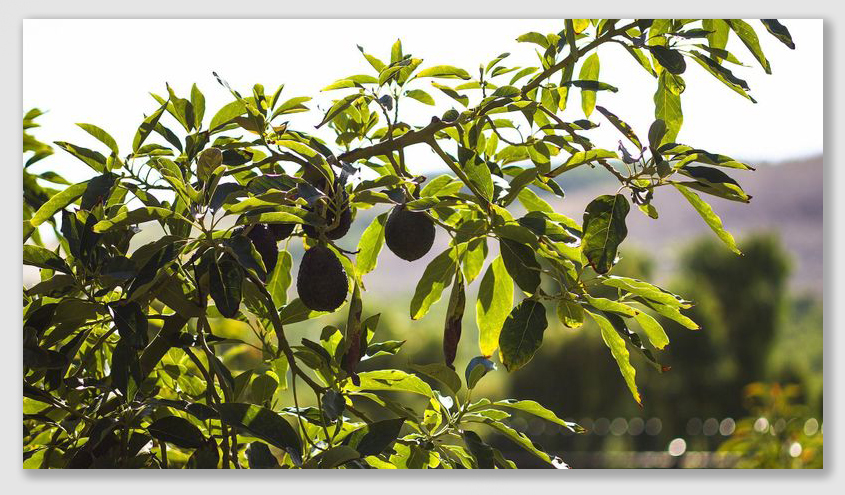
City tree-planting offers aren’t unusual, but Long Beach has found a winning twist in its new fruit-tree planting program. The offer: A city crew will plant one fruit tree — lime, lemon, orange, peach, pomegranate or avocado — in the front yard of interested Long Beach residents, with a priority going to yards in the western, central and northern parts of the community. Renters can apply, but the property owner will need to sign off on the project. The city’s Office of Sustainability sees it as a win-win, with new trees providing shade and food in neighborhoods with the greatest need, and income for the youths hired to assist with planting. Larry Rich, the city’s sustainability coordinator, envisions community building too, with neighbors swapping fruit as their trees begin producing. “It’s one of the angles of sustainability,” Rich said. “We’re always looking for things the natural world provides that can help the city be more environmentally friendly.” But it’s always a dicey thing with a vision like this, so the city was cautious, getting funding for 400 fruit trees to be planted over 2½ years. The rest of the grant, a total of $1.26 million from two state agencies, went to plant 3,600 regular (nonfruit) trees around the city…
CAL FIRE and the State Board of Forestry and Fire Protection announced a new plan Tuesday to minimize wildfire risk. It comes after the state saw some of the deadliest fires in its history in 2018. Firefighters plan to double their efforts to minimize the wildfire threat statewide and county-wide. The state’s plan is focused on forest management and CAL FIRE SLO is doing its part to reduce wildfire risk. “I think people will be quite pleased, we have been listening and doing homework,” said Dr. Keith Gilless, the State Board of Forestry and Fire Protection Chairman, in a press conference Tuesday. A decade of listening and doing homework resulted in the California Vegetation Treatment Program Environmental Impact Report. The goal: reducing wildfire risk across the state by doubling forest management efforts. “Both Governor Brown and Governor Newsom have been working with us to put $1 billion worth of investment to be put into the woods to increase the health, but also reduce the chances of catastrophic fire destroying our forest.” One billion dollars will be used to make sure history doesn’t repeat itself. “10 of the 20 deadliest wildfires in California’s history have occurred since 2003,” said Gilless. They are changes that reflect the evolution of the awareness of the gravity of the problem, the will of the state and desire of the state to do something about it and the evolving science…”
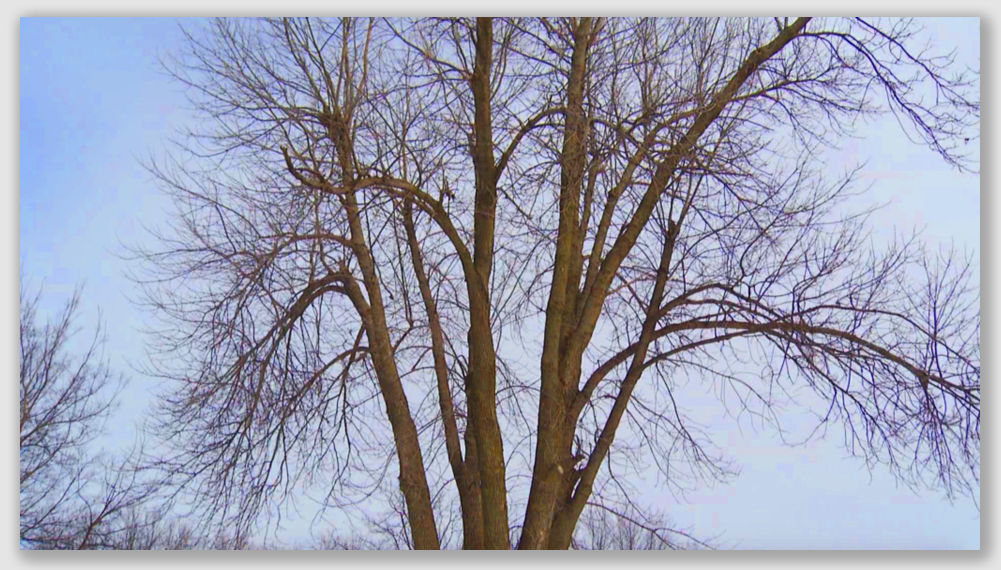
The city of Sioux Falls will start removing ash trees along public streets starting this week. All trees marked with a blue nine will be removed at no cost to homeowners. Targeting areas are South 12th Street, West of Louise Avenue, East of Cleveland Avenue, and South of 57th Street. This is in response to the emerald ash borer, an invasive species that was detected in Sioux Falls this year. The city is working to remove trees before the borer eventually kills them. They plan to take out 2,200 trees a year, for the next 10 years. “Unlike cottonwood, or an elm tree, they can stand for years after they’re completely dead. Ash trees do not do that. So from the challenge that St. Paul, for example, is currently experiencing is they’re concerned about trees falling over in the streets, falling on houses, falling on cars, and it really becomes a public safety hazard if you don’t proactively remove them,” said Parks and Recreation Director Don Kearney…
A Florida company accused of charging more than $37,000 to clear three trees after Tropical Storm Michael got shut down in North Carolina on Monday, part of an ongoing campaign against price gouging during emergencies. N.C. Attorney General Josh Stein’s office has now brought six complaints against tree-removal companies doing work since Hurricane Florence struck in September, forcing them to stop work. The latest case, against National Emergency Restoration Services, won a preliminary injunction from Wake County Superior Court Judge Keith Gregory, meaning the company cannot clear trees or collect payments in the state. Earlier this month, Stein’s office won temporary restraining orders against two other firms. One is accused of charging more than $19,000 for four trees; another is being sued for billing a homeowner for $39,000, a price tag that included work the homeowner had completed himself. Prices vary for tree cutting, but the consumer website Angie’s List reports the average roughly between $1,200 and $1,500. Emergencies can raise the price because working conditions are riskier…
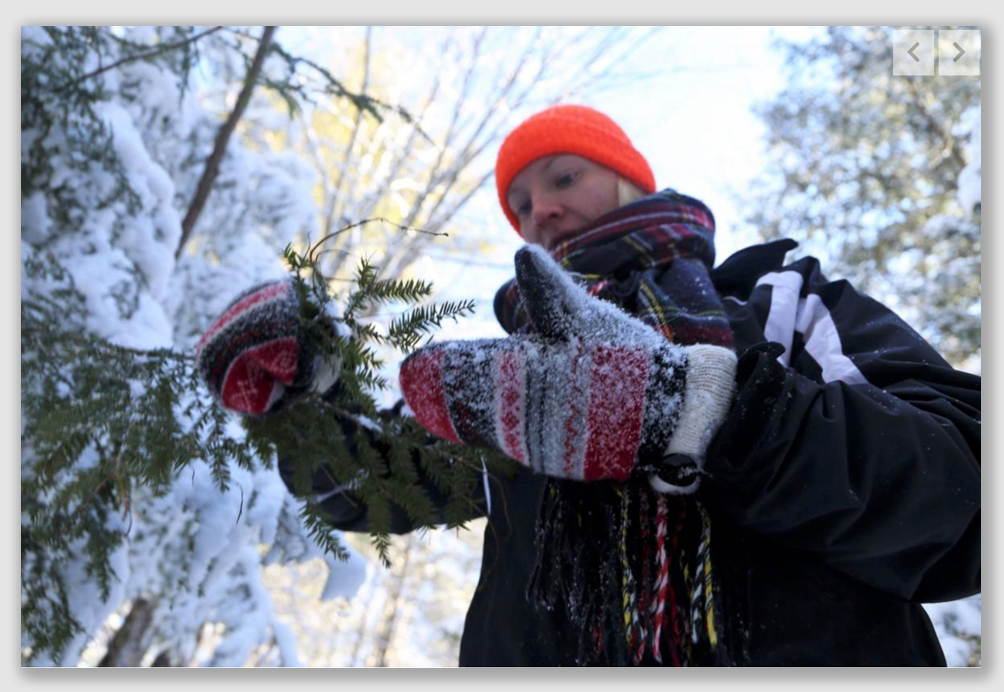
The Adirondacks are covered in Eastern hemlock trees, evergreens that take nearly three centuries to reach maturity. But in just a fraction of that time — four to 20 years — an invasive insect could kill it. State and local conservation groups are hoping the public will take advantage of the bare trees during the winter and help examine hemlocks for signs of the bug, the hemlock woolly adelgid. Monica Dore, a conservation project manager with the Lake George Land Conservancy, turned over the branch of a hemlock tree Monday morning at Amy’s Park in Bolton. She was looking for a white clumpy mass, which she said could be mistaken for a spider’s nest. To her relief, there were no white globs, which are the “wool” nests the adult bug will lay its eggs in. These may also be easier to see and identify in the winter than the small, black aphids that congregate at the base of a tree’s needles in the summer…
Phys.org, January 28, 2019: Small trees make big impact in climate change fight
When it comes to trees storing carbon, don’t underestimate the little guys, according to new study. Trees absorb carbon dioxide from the atmosphere and store it in their roots and leaves. Florida International University ecologist Jason Vleminckx and a team of researchers found small trees can store carbon for an average of 74 years, whereas big trees can store it for an average of 54 to 57 years. That’s because the small ones grow slower and live longer than the big ones. “Small trees in the understory get limited sunlight. This actually makes them very efficient and competitive,” said Vleminckx, a postdoctoral researcher in FIU’s Department of Biological Sciences. “The study highlights the importance of considering forests as a whole when assessing carbon stocks.” Vleminckx was part of an international research team who conducted the study. He collected data and co-authored the study. Assessments on how much carbon dioxide has been taken out of the atmosphere and stored in a forest have traditionally focused on big trees because they’re easier to see and measure, Vleminckx said. Although forests are made up mostly of big trees, they suffer the most during droughts. The understory where small trees live is also more biodiverse than the canopy where big trees live. Small trees, therefore, offer long-term stability in moving carbon through the atmosphere. Accounting for all the trees in a forest is critical for accurately predicting carbon cycling and effective conservation management, according to the researchers…
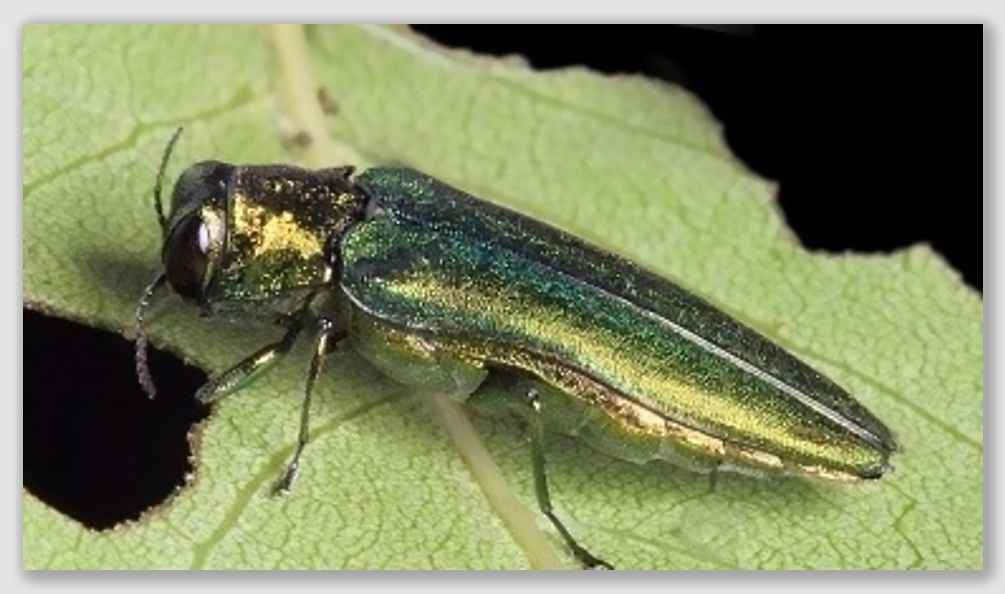
Extreme cold temperatures in the forecast could be good news for Winnipeg’s ash trees and very bad news for emerald ash borers. The city started battling the invasive species even before its presence was confirmed last year; the beetle could cost the city millions of dollars and devastate the tree canopy, which includes more than 350,000 green ashes. But now researchers are probing whether temperatures below –30 C could kill or slow the development of the emerald ash borer. Chris MacQuarrie, a research scientist with Natural Resources Canada, is trying to determine what it might take to stop the borer as it mounts an invasion of Western Canada. “The cold question is one that’s really interesting especially for, as it moves — we’ve sort of expected it’s going to keep moving — and so as it gets into Western Canada, that question of what does the cold do, and what does the climate do, is really interesting,” said MacQuarrie, who’s working with a postdoctoral student to get to the bottom of that question…
Florence, South Carolina, Morning News, January 27, 2019: Tips for pruning trees
Last week we talked about the common practice of topping trees (removing large-diameter branches by cutting in the middle of the limb), which goes against green industry standards. To avoid this “copy-cat crime,” please don’t pay any attention to the wrongs of others. As for the popular crape myrtle, they should be pruned into a multi-stemmed tree rather than trying to control their size by topping them like a shrub. Choose three to five trunks and remove the rest at ground level with a saw or loppers. Continue to remove any sprouts that come from the ground or the base of the trunks over the next few years. You can remove the seed heads from the top if you like, but it is not necessary. Always avoid cutting into any large-diameter wood (anything thicker than a pencil). As for single-stemmed trees (like oaks, maples and dogwoods), rather than cutting the top, we should again focus on the bottom of the tree and encourage the trunk to grow in diameter to support a healthy canopy. Instead of topping, it is better to limb up young trees gradually as they grow (remove lower branches so that you can walk, drive or mow under them if needed). On young trees it is best to leave “temporary branches” on the lower trunk and remove a few each year as the tree gets bigger and stronger around at the base. These lower branches can be shortened at first, and then cut off at the trunk later on…
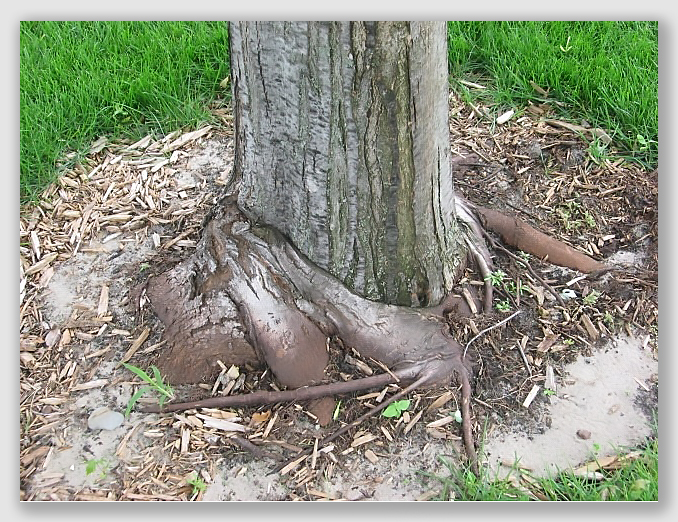 Las Cruces, New Mexico, Sun, January 27, 2019: The first steps to take when diagnosing tree problems
Local tree experts agree that the number one tree “disease” in New Mexico is drought. And the number one pest for trees in New Mexico is humans with our weed whackers and mowers. That being said, last summer over the phone with the Hidalgo County Extension agent, I diagnosed Afghan pines with water stress. Luckily for those poor trees, I had a trip planned to visit Lordsburg that month, so we scheduled a site visit, and though the problem was technically water stress, it wasn’t what I expected. The homeowner’s soil was heavy clay, and the roots were staying way too wet. Roots need water, that’s for certain. But it’s also true that they need oxygen, so before anyone waters their trees (along with all your other landscape plants), stick your finger in the soil or use a tool to dig down a few inches. If the soil feels moist, don’t water quite yet. Roots also need space to grow. The rules differ by tree species and soil type, but the larger the tree trunk and canopy, generally, the larger the root zone needs to be. The International Society of Arboriculture defines the critical root zone (aka critical root radius) for a given tree as the area equal to a 1-foot radius from the trunk base for every 1 inch of trunk diameter. Trunk diameter measurements should be taken at 4.5 feet above ground (or thereabouts, depending on tree age and whether there are huge, knobby lumps in the trunk)…
Roseburg, Oregon, News-Review, January 27, 2019: Time for winter fruit tree pruning and pest control
If you would like to produce more food from your yard think about planting a few fruit trees. Just a few trees can produce enough fruit to last you for many months if done properly. However, growing tree fruit in your backyard does take some knowledge and time. Without committing to both you will be disappointed with the results. Most fruit trees sold these days are on semi-dwarf rootstocks that require a minimum space of 12 feet by 12 feet to grow well. Your pruning style should plan to keep these trees within that space. Pruning and pest control are the most important winter activities for fruit trees. You should do the majority of the pruning in January or February when trees have lost their leaves and are dormant. In the first four to five years, most of the pruning will be light with a focus on training the form of the tree. Pruning a little each year to train the tree keeps the work load light. The Extension office has a very good publication, “Training and Pruning Your Home Orchard” (PNW 400), showing training and pruning methods…
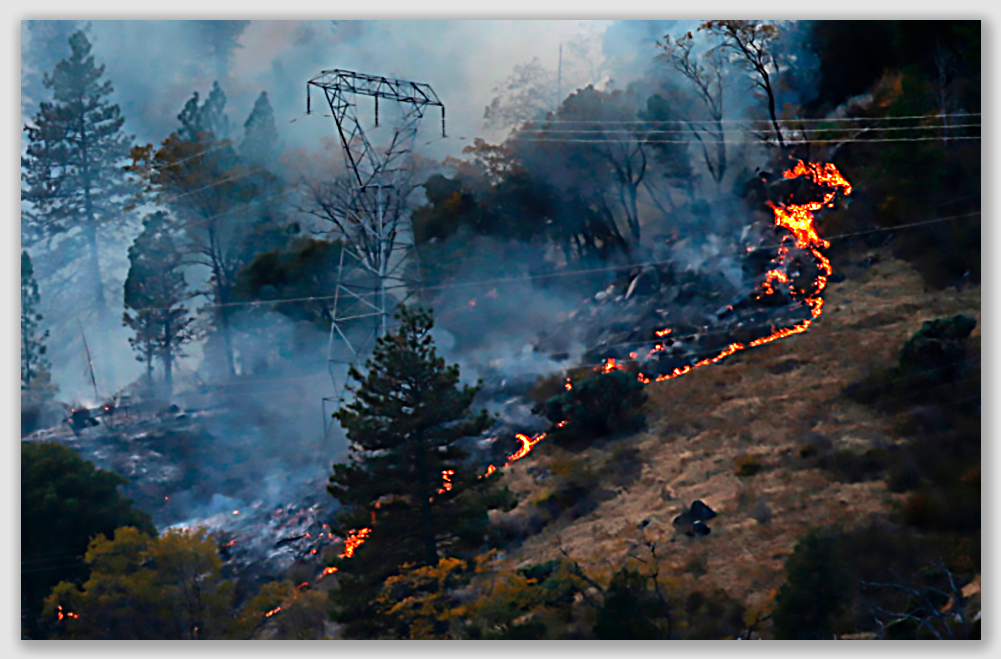
PG&E warned in a new court filing that it would have to spend at least $75 billion, hire 650,000 workers — and increase monthly utility bills by a huge amount — if it’s forced to comply with a federal judge’s proposed order for a massive maintenance and inspection effort for its electricity grid. The warnings by the embattled and cash-strapped utility, which has staggered to the brink of insolvency, were contained in a lengthy response ahead of a hearing in U.S. District Court next week. Federal Judge William Alsup has signaled he may order PG&E to undertake a thorough inspection of its electricity grid and to launch a wide-ranging vegetation management plan ahead of the upcoming 2019 fire season in Northern California. Alsup is supervising the company’s probation connected with PG&E’s conviction for felonies the company committed before and after a fatal gas explosion in 2010 that killed eight and destroyed a San Bruno neighborhood. “The resources required to comply with the (judge’s proposed order) do not exist,” PG&E stated in a federal court filing. “PG&E does not have the necessary funds. Were PG&E allowed to pass on the costs, the rate increases would be oppressive…”
The invader falls. It cracks and splinters as it hits the lawn of a Berks County home, pulled earthward by a rope around its tall, spindly trunk. The toppled tree of heaven is dragged toward a hulking wood chipper, devoured by sharp blades and chewed into sawdust as the engine roars a deafening swan song. Perhaps only God can make a tree, as poet Joyce Kilmer mused, but the powerful machine reduces it almost to nothing within minutes. It takes a landscaping crew only hours on a cold December day to clear 30 of the trees, an invasive species from China, from Kim Murphy’s yard. She had feared their roots could damage the septic system at the restored farmhouse in Jefferson Township she has shared with her husband, Kevin, for 26 years. And last summer, a more compelling reason emerged — or landed, literally — on her property: the spotted lanternfly. A plague in eastern Berks, the sap-sucking insect had moved to Murphy’s house on the western side of the county. The bug, also an invader from Asia, swarms backyards, feasting on the tree of heaven, among other trees and plants, excreting a clear, thick goo that covers decks and patios…
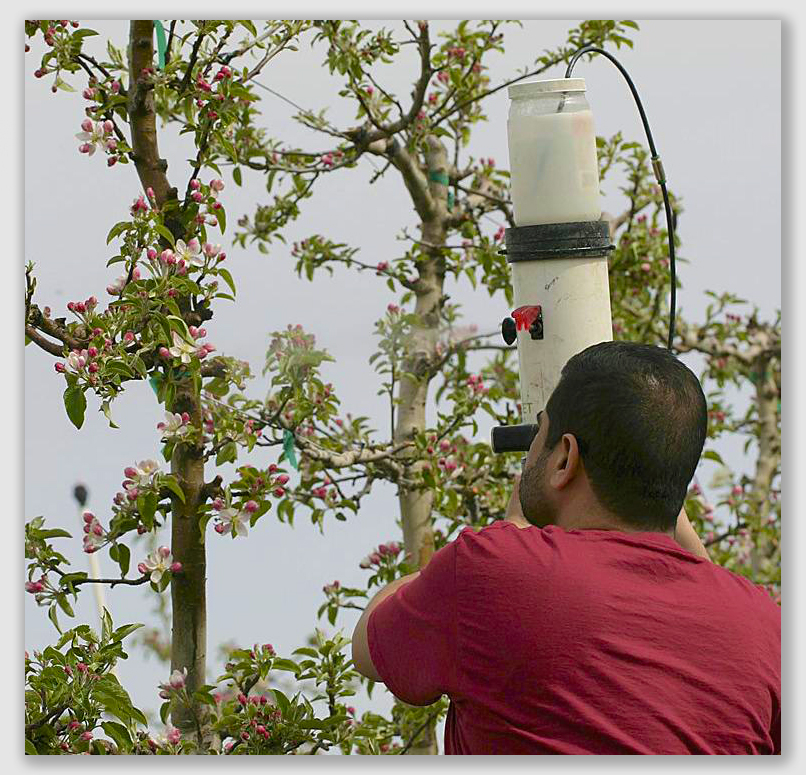 Salem, Oregon, Capital Press, January 24, 2019: Thermal ‘jackets’ protect tree fruit buds
Wind machines, heaters and irrigation water are the main tools tree fruit growers use to fight spring frosts, but Washington State University scientists say a fourth tool may be the best yet. Cellulose nanocrystals — known as CNC — from wood or plant fiber has “excellent thermal properties sort of like putting on a jacket,” Matthew Whiting, WSU plant physiologist, told growers at the Jan. 15 WSU Northcentral Washington Stone Fruit Day in Wenatchee. Whiting and three colleagues are in the second of three years of field trials spraying CNC solution on fruit trees to protect buds from frost damage. Xiao Zhang, associate professor at WSU Tri-Cities’ Bioproducts, Sciences and Engineering Laboratory, knew about CNC from working in a private industry forest products laboratory. He and Whiting tried it as a tree fruit bud frost protectant in spring of 2017. The results were positive enough that they applied for and received a $500,000 study grant from USDA and a $100,000 grant from the Washington Tree Fruit Research Commission. Beside Zhang and Whiting, Qin Zhang, director of WSU’s Center for Precision and Automated Agricultural Systems, and Changki Mo, associate professor of mechanical engineering, are working on the project…
A Jacksonville tree trimmer with a previous fraud conviction is now charged with organized fraud, accused of taking money from customers and not finishing the jobs. Police arrested Arthur Ayers, 39, on Wednesday afternoon. The warrant for his arrest was issued two days after an I-TEAM investigation into Ayers aired. According to the warrant, Ayers had knocked on the door of three separate homeowners between late October and the end of December. Investigators said that in each case, he offered to cut down a tree for approximately $500. The warrant states Ayers received some or all of the money for each job and did some of the work but did not complete the job as it was agreed to. Two of the customers identified in the warrant are veterans who had spoken with the I-TEAM earlier this month, saying Ayers disappeared before their jobs were done, leaving an expensive mess behind. One of the veterans, Jyn Picard, reached out to the I-TEAM after first calling police and being told it was a civil matter. “I contacted you guys because I know you are going to expose the situation and make sure that everybody is aware of it,” he said. “He’s got a long history of scams so he doesn’t belong out here with the decent people…”
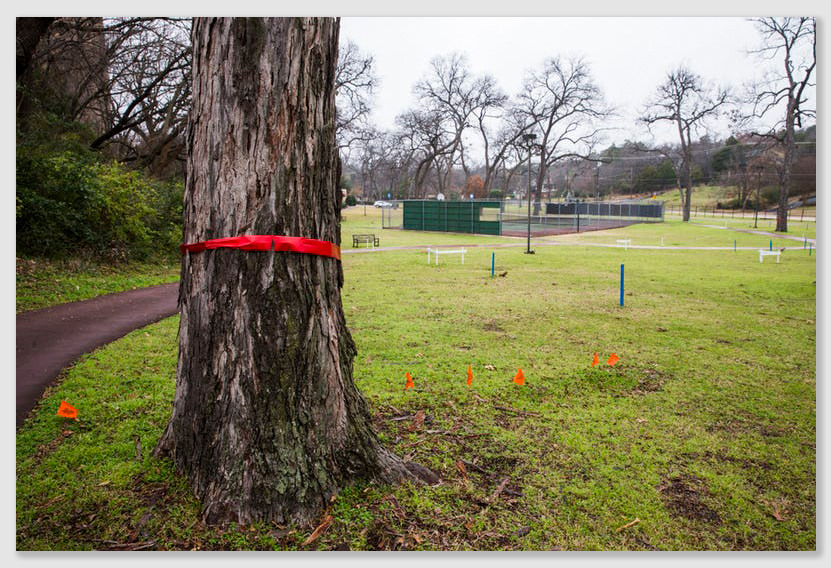
In north Oak Cliff, flags alongside the entryway to a grove of towering pecan trees on a hospital’s campus proclaim, “Trust Methodist.” The motto is part of a branding campaign for Methodist’s entire health system. But in the green space at the Dallas hospital’s northern end — where old-growth trees wear ominous red ribbons — “Trust Methodist” unwittingly sums up a contentious zoning battle. Residents who have confidence in Methodist, which is also buoyed by influential supporters outside Oak Cliff, support building a 35,000-square-foot fitness center in the pecan grove. To them, the amenity is worth the loss of 11 granddaddy pecan trees. But as the hospital tries to win City Council approval next month, dozens of others who live in nearby East Kessler have lost faith in their industrial-sized neighbor. Methodist has made too many land-use decisions that — while within its rights — didn’t build trust…
The recent incident of two people killed by a falling tree in Ocean Beach is igniting concerns about tree safety. Rebecca Crow lives in Del Mar and part of a neighbor’s tree fell on her home almost seven years ago when she was inside. “I was way over here in the other room it was like a missile,” said Crow, “I thought a rocket went by.” The eucalyptus tree caused more than $15,000 worth of damage to her home and her neighbor’s insurance paid for it, but now the tree has grown back. “This one I’ve been told if it comes down on my house it will destroy my house,” said Crow pointing to the massive Torrey pine next to the eucalyptus…
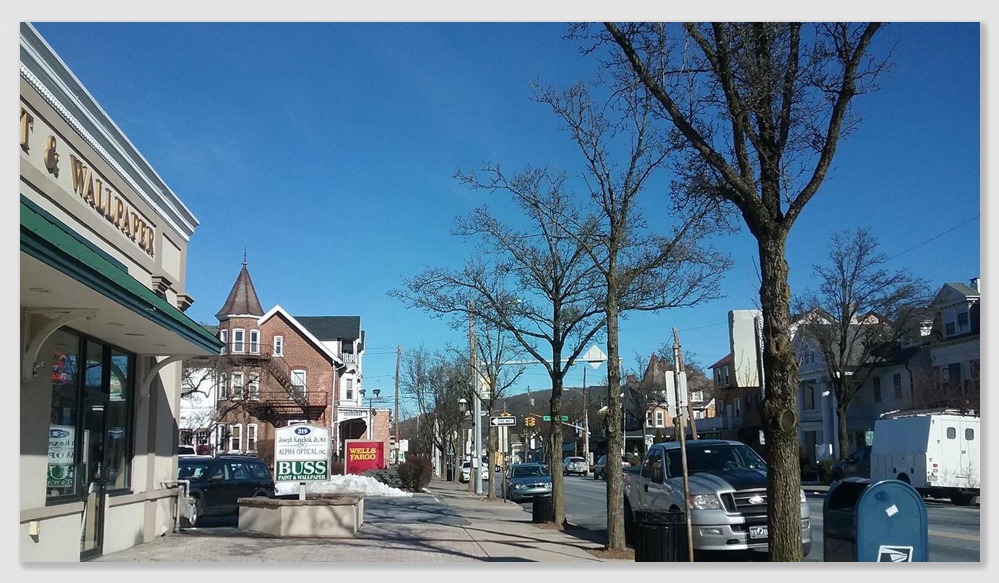
The American poet Joyce Kilmer famously wrote: “I think that I shall never see/A poem lovely as a tree.” But then, he probably never had to clean up after a Bradford pear tree. The Bradford pear is one of the “troublemaker” trees along the Emmaus Borough street trees that leave messes when its fruit falls off, according to members of the Emmaus Shade Tree Commission. Other trees have created problems by lifted sidewalks with their root systems or growing so big they interfere with utility lines. At Monday’s borough council meeting, representatives of the commission – Chairman Everett “Reds” Bailey Jr. and Doug Hall — presented the group’s comprehensive plan that includes which of the street trees need to be replaced, including some this year and next year and others in the future. The borough has a total of about 184 curbside shade trees, mostly on Chestnut and Main streets running from the Emmaus Public Library to the CVS parking lot. A few are on Broad Street and Fourth Street…
Might tree roots, twigs and branches one day be used to power cars? That’s what a Swedish researcher is hoping after developing a pulp byproduct that – on a modest scale – does just that. Chemical engineering scientist Christian Hulteberg, from Lund University, has used the black liquor residue from pulp and paper manufacturing to create a polymer called lignin. After purification and filtration, that is then turned into a gasoline mixture. “We’re actually using the stuff of the wood that they don’t use when they make paper and pulp… It adds value to low-value components of the tree,” he told Reuters. In environmental terms, he says that gives it an advantage over other biofuels such as ethanol. “A lot of the controversy with ethanol production has been the use of feedstock that you can actually eat,” he said…
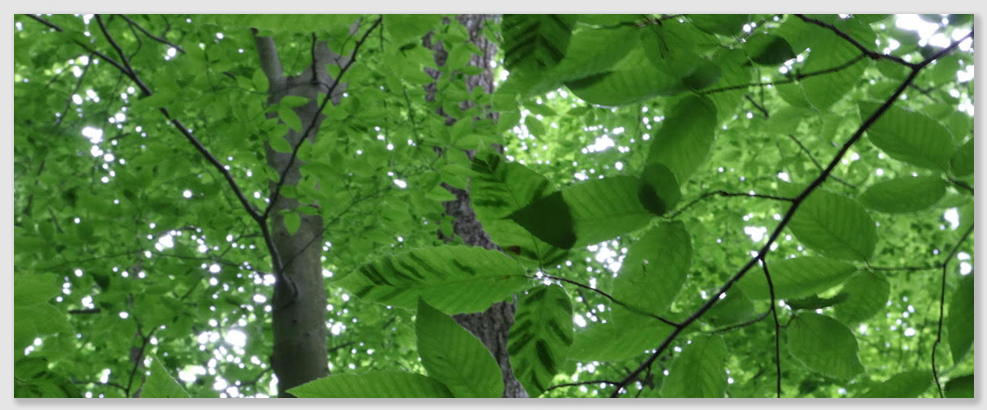 The Scientist, January 22, 2019: A mysterious disease is killing beech trees
A new disease, named for the tell-tale symptoms that appear on foliage, is killing American beech trees. Beech leaf disease was first spotted in northeast Ohio in 2012 and has since moved into 10 Ohio counties, eight Pennsylvania counties, one county in New York, and five counties in Ontario, Canada. Its rapid spread has led scientists to raise the alarm as they try to figure out the cause. Beeches typically have paper-thin, bright green leaves. An afflicted, but otherwise healthy-looking tree first develops deepgreen patches between the veins of its leaves. In a later stage, the leaves become thick and leathery and eventually crinkle up. The buds on these branches die and stop producing leaves, says Pierluigi “Enrico” Bonello, a molecular and chemical ecologist of trees at the Ohio State University and one of the authors of a report on the emerging epidemic, as they refer to it, published December 25 in Forest Pathology. The scientists don’t yet know exactly how the disease weakens the trees. “It seems to be cutting off some sort of photosynthetic pathway for the trees to maintain their leaf structure and produce new leaves over the years,” says coauthor Carrie Ewing, an environmental science graduate student. It’s still too early to tell how deadly beech leaf disease is, though younger trees seem particularly vulnerable. Within three years of showing symptoms, a young sapling can die…
A worker is suing the town of Greenwich and financial executive Sanford Weill over a 2017 accident that left him with injuries at Weill’s property. Jerald Teed, 67, of Norwalk was called to the Weill property on Round Hill Road in October 2017 to work on an entry gate, according to the lawsuit filed in Superior Court in Stamford. A tree limb at the Round Hill property broke off and fell on Teed, striking him in the head and shoulder. The lawsuit, filed earlier this month, says, “The dangerous condition of the tree had existed for such a length of time that the defendant should have … discovered it in time to remedy it.” The legal papers say Weill was responsible for “unreasonably dangerous and hazardous conditions” on the property. The town of Greenwich is also named in the suit as a co-defendant. The legal papers say the tree straddled private and public land — “If the tree was not wholly on the private property of Sanford Weill … it was in whole or in part within the limits of Round Hill Road.” According to the lawsuit, Teed sustained substantial injuries to his head from the falling branch. The suit does not specify damages. It seeks medical costs, as well payment for lost employment opportunities and pain. The lawsuit says the town was “negligent” in not undertaking an inspection…
Since September 2018, a small group of “tree sitters” in Elliston, Virginia, have occupied tiny platforms hanging some thirty feet up in the branches of white pine and other trees threatened by pipeline construction. “They basically cleared all the trees except this stand here,” says Phillip Flagg, who has occupied the stand for more than sixty percent of the days since the demonstration began 133 days ago. “For quite a while, security would just stop in and look at the sits, not really do anything,” Flagg says. “Occasionally, there would be helicopter flyovers.” But recently, he noted, pipeline security installed 24/7 security watch over the tree sitters, and the company has named Flagg and the other tree sitters in an eminent domain lawsuit. Under eminent domain, property is seized from owners for public use, in this case, for the construction of a gas pipeline. “We are currently being sued though none of us own land,” Flagg says. “They are trying to use [eminent domain] as the legal mechanism so they can get the U.S. Marshals to remove us.” The tree sits are on land with no nearby access roads, and which is too steep for the pipeline company to use a cherry picker to remove the tree sitters—a tactic previously used to remove tree sitters along other parts of the Mountain Valley Pipeline route…
Getting to the root of the dos, whys and workings of trees can be an obsession for forest researchers. And for my fellow obsessed- pinpoint accuracy is our common ambition. So why is this so hard to do? Accuracy is essential if we are to correctly understand the many details governing how forests, and their vast stores of carbon, behave in a wide range of circumstances. Such accuracy is also vital outside of research where, for example, payments to forest owners and others are based on how much carbon is stored over time. But, however much care is invested in the tree measurements, there are still challenges in using data to make accurate assessments of forest biomass production and loss. In our recent article, my colleagues Professor Takashi Kohyama, Dr Tetsuo Kohyama and myself describe, share and illustrate how such estimates can be improved. Accurate measurements of how forests change takes a lot of time and care. Generally, the most precise ways to assess how forests change over time is to measure large numbers of individual trees and then wait for a year of more and measure them again—and this is how most detailed science on forest change is conducted. But tree measurements are not the same as biomass measurements, and there are a lot of calculations and assumptions that go into using these data to estimate biomass change…
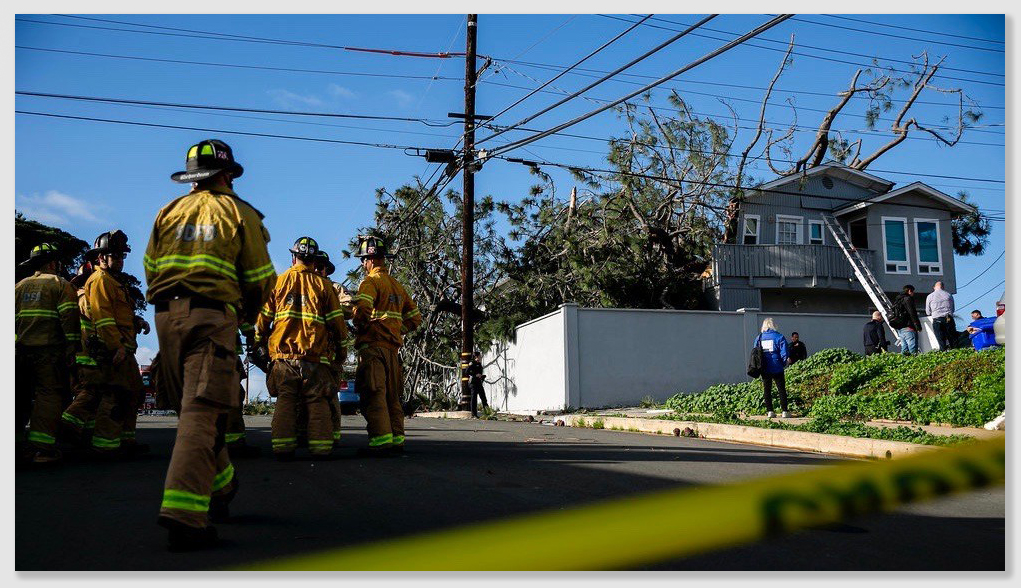
A vacationing North Dakota couple was killed early Monday after a tree with a trunk as wide as a car fell onto the house they were renting. A roughly 75-foot-tall pine tree fell onto the house around 6:15 a.m., when there were strong gusts of wind. The ground had also been saturated from recent rains. The couple, Troy and Jessica Nelson, ran a promotional products and decorated apparel company, Trojan Promotions, in Grand Forks, N.D. They were staying at a vacation rental house in the Point Loma Heights neighborhood of San Diego for the weekend after attending an industry expo last week, said Phoebee Stensland, the graphic designer and social media director for Trojan Promotions. A third person, Jessica Nelson’s brother Ryan Langerud, was also in the house at the time the tree fell, Stensland said. He survived. The house is listed on VRBO as a vacation rental. It has nearly all five-star reviews…
Raleigh, North Carolina, WRAL-TV, January 21, 2019: 2 groups planting trees in Louisiana wetlands
At least two groups are planting trees in Louisiana’s wetlands to restore swamps and help slow coastal erosion. The Coalition to Restore Coastal Louisiana has nine events scheduled from next Friday, Jan. 25, in Mereaux, in St. Bernard Parish, to Saturday, Feb. 15, in the Tangipahoa Parish community of Akers. America’s Wetland Foundation will be working Saturday, Feb. 9, at the Pointe aux Chenes Wildlife Management Area in Terrebonne Parish. Both groups are looking for volunteers to plant the trees. The coalition says it wants to plant 5,000 trees in two areas: along the Lake Maurepas landbridge in Akers, also called Manchac, and in the St. Bernard Parish central wetlands unit. It says its “C.R.U.S.H. Project,” for Communities Restoring Urban Swamp Habitat, will help restore and sustain wetlands in the Pontchartrain Basin watershed and get people talking about coastal restoration. It says the Environmental Protection Agency and the Lake Pontchartrain Basin Foundation are helping with the project…
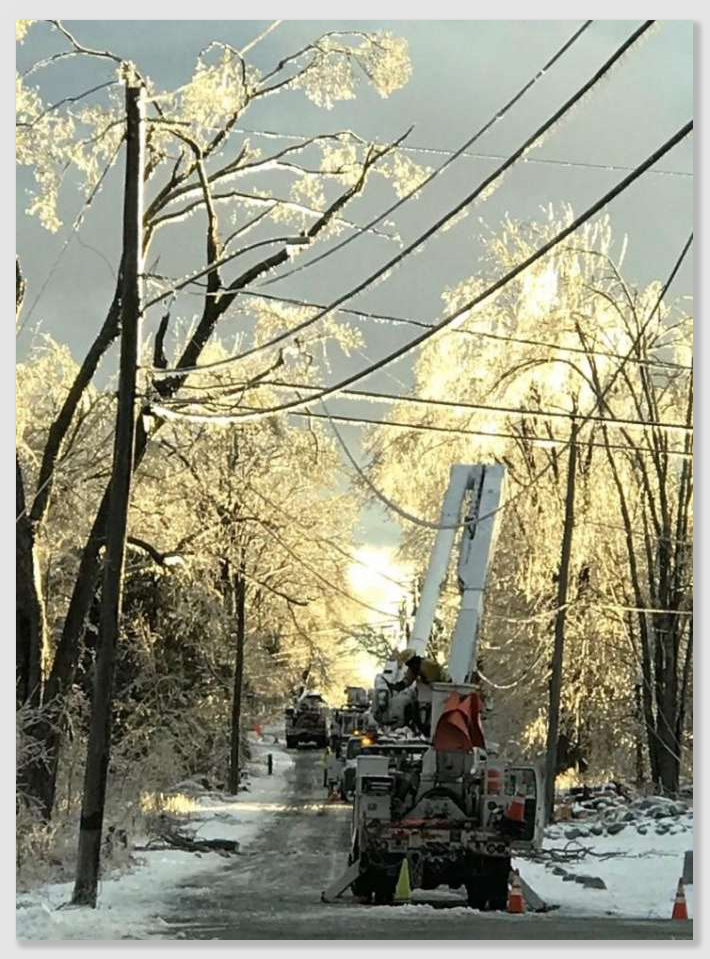
The Eversource sub-contractor killed by a falling tree Sunday while restoring power to the Millbrook Road area was the father of twin boys and an adult daughter, according to NBC Connecticut. The man has been identified as Howard A. Duffy III, 43, of East Haddam, an equipment operator for Riggs Distler who had a fiancé, twin 10-year-old sons and a 22-year-old daughter. “He would tell me every day what he was doing for work. Really enjoyed it. He was making a good life now,” his father Howard Duffy told NBC Connecticut. “It’s hard to explain. Just…just overwhelmed,” Duffy said of his son’s death. The Occupational Safety and Health Administration and city police are now investigating the accident which happened during a snowy ice storm. The sub-contractor was working in frigid temperatures to restore power near 1233 Millbrook Road at around 3:20 p.m. when the incident occurred, according to Middletown police Lt. Heather Desmond. Middletown police have not officially released the identity of the Eversource contractor killed during the storm…
Opinion polls might matter as much as genetic experiments in protecting America’s trees, according to a new study of biotechnology and forest health. “We struggled with that a lot, and didn’t come up with an answer,” said Diana Six, a University of Montana tree pathology researcher and co-author of the national study. “There are a lot of people who don’t want to see genetically modified natural forests. It will affect their lives and how they interact with the forest. Is wilderness still wilderness if the trees are all human products?” But there are lots of tree species at risk of dying, and people value them for timber, shade, fruit, scenery and many other things. New lab techniques of gene editing, gene silencing, and controlled genetic mutation hold promise of blocking pests like insects, fungi and disease. Letting those modifications loose in the wild raises lots of unknown ecological and ethical questions. So the U.S. Forest Service, Environmental Protection Agency and other policy makers asked the National Academies of Sciences, Engineering and Medicine to produce a “consensus study” showing how trees might be protected through genetic engineering…
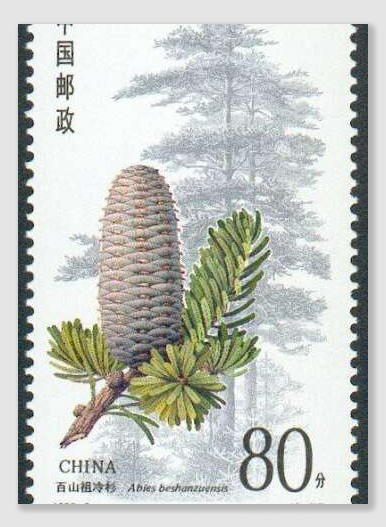
Three Chinese fir trees on a nature reserve in Southeastern China are the last of their kind. As their existence is threatened by human disturbance and climate change, researchers are hurrying to learn everything they can about the tree—which might inspire new and more effective ways to treat various cancers. Chemists in China were initially studying the tree, Abies beshanzuensis, to look for molecules that might be able to treat diabetes and obesity. Using only bark and needles that fell from the trees, in order to not further disturb the small population, researchers found that the tree’s makeup wasn’t as effective as they’d hoped in treating these diseases. The tree’s healing powers looked grim until Mingji Dai, an organic chemist at Purdue University, started tinkering with some of its molecules in his lab. His team created synthetic versions of two, and then a few analogs, which have minor structural modifications. In collaboration with Zhong-Yin Zhang, a distinguished professor of medicinal chemistry at Purdue, he found that one of the synthetic analogs was a potent and selective inhibitor of SHP2, an increasingly popular target for cancer treatment. The findings were published in the Journal of the American Chemical Society. “This is one of the most important anti-cancer targets in the pharmaceutical industry right now, for a wide variety of tumors,” Dai said. “A lot of companies are trying to develop drugs that work against SHP2…”
I hope Rabbi Harold Kushner will forgive me for the obvious take-off of the title of his 1981 book, “When Bad Things Happen to Good People,” but the older I get, the more accurate it becomes as applied to trees. This time of year is especially hard for a tree nerd like me. With their leaves gone, the butchery done to perfectly healthy trees is no longer hidden. Now, before you nod your head and start thinking about what utility companies do to street trees in your city, what they do is a separate issue. They simply cut branches away from utility wires in order to prevent problems. They don’t function under the same rules that govern most arborists. They’re essentially not subject to private or public oversight. They’re only tasked with keeping the grid functioning. I just needed to clear that up before we start. Tree care “professionals” come in all forms. Big companies with names you know, small companies, and even ones with badly stenciled names on their trucks. But for me, the best way to determine if a current or potential tree care or landscape company is capable is to ask this question: Are they “tree doctors” or “tree undertakers?” There is a tremendous difference. Are they going to care for your tree, or do they just cut things off and cut things down? If you don’t know the difference, your tree(s) will suffer. They are often less safe after the work is done. How do I know this? Science…
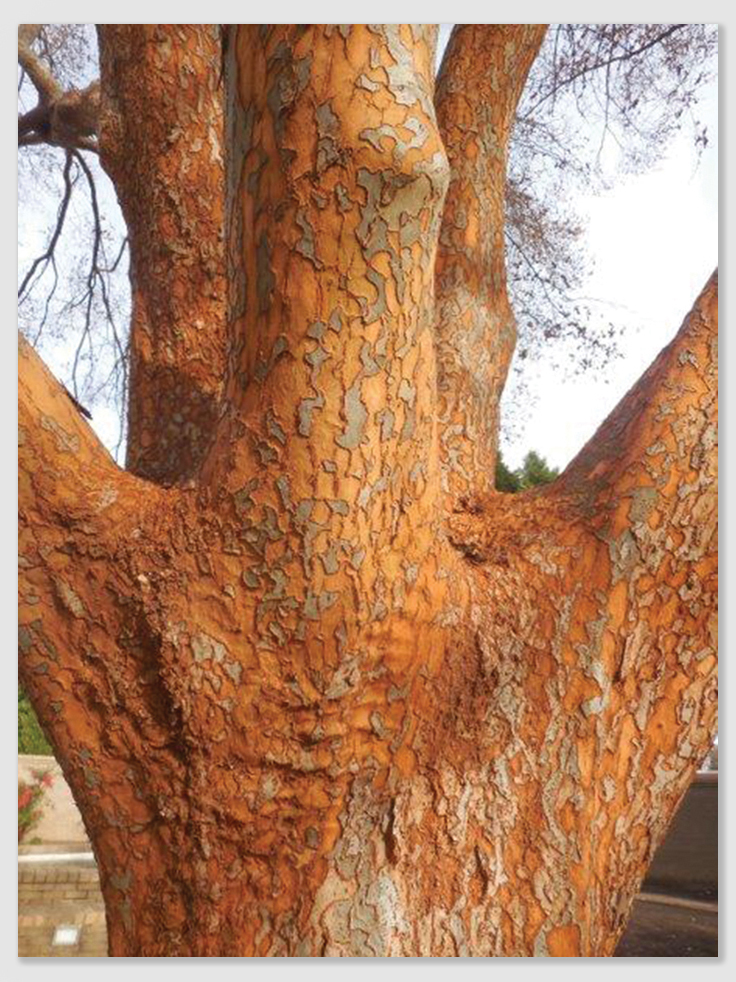 Salisbury, North Carolina, Post, January 17, 2019: Don’t forget about the trees in winter months
Did you know that trees fall into a couple of basic categories? Trees are either evergreen or deciduous, which may help to explain how trees deal with the cold winter. Evergreens usually have some kind of needles and keep their foliage throughout the winter months. An exception would be the live oak or Southern magnolia which have leaves all season long. Deciduous trees like the maple and most of the oaks shed their leaves in winter to reduce winter damage. An exception would be the bald cyprus, like the ones along Arlington Street here in Salisbury, which drop their needles in the winter. Although evergreen and deciduous trees handle the winter cold a little differently they both have a similar strategy to keep from freezing in the winter – sap. Sap, which acts like an antifreeze, takes a little longer to freeze than water and usually doesn’t freeze solid. Pine trees produce sap that can be super sticky and is flammable. Most hardwood sap is watery but can be very sweet like maple sap used to make maple syrup…
A federal judge should not act as an “enforcer” for the Mountain Valley Pipeline by using her power to remove two protesters from trees blocking the path of the controversial pipeline, supporters are arguing in court. U.S. District Court Judge Elizabeth Dillon was asked in a brief filed Wednesday to deny Mountain Valley’s request for a preliminary injunction, which the company says it needs to evict two people identified in court records only as “Tree-sitter 1” and “Tree-sitter 2.” Since early September, two protesters have been living in tree stands about 50 feet above the forest floor on a steep mountainside in eastern Montgomery County, frustrating Mountain Valley’s efforts to complete tree-cutting. But Mountain Valley is “improperly seeking to enlist this Court to act as its enforcer in its dealings with persons opposing pipeline activities and construction,” Roanoke attorney John Fishwick wrote in a friend-of-the-court brief in support of the tree-sitters. Fishwick does not represent the actual protesters, who have kept to their perches rather than attend court proceedings and defend themselves against Mountain Valley’s civil action…
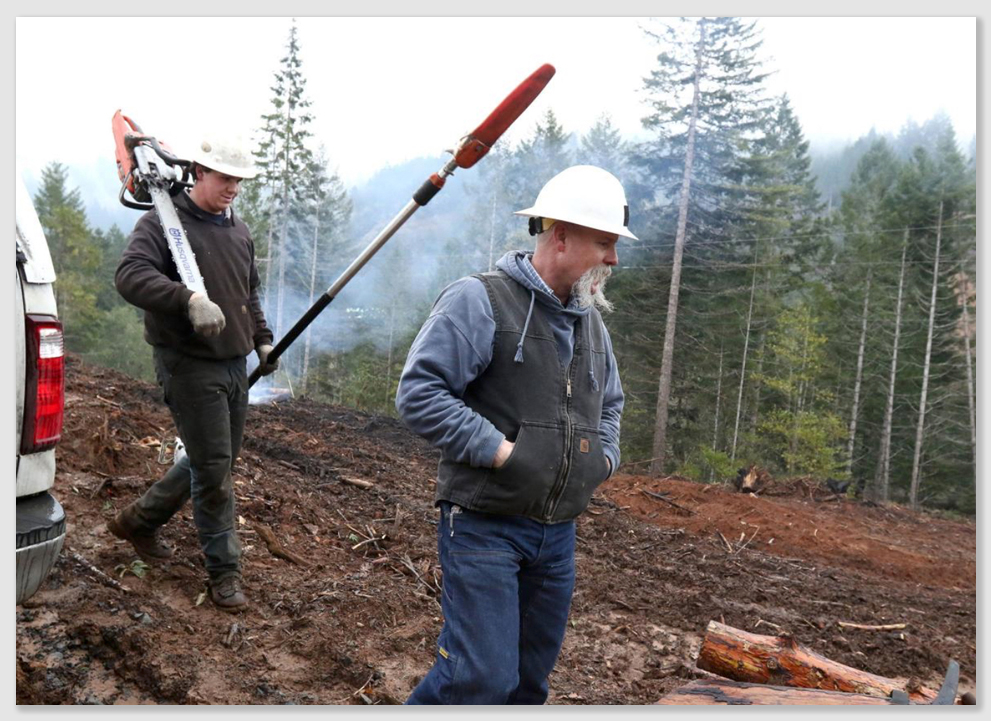
A powerful Pacific storm that began drenching the West Coast on Wednesday is expected to include rain for Douglas County through Friday, according to The National Weather Service. Rain in Douglas County should persist through Monday, according to forecasts. As much as 0.61 inches of rain could fall in Roseburg through Friday afternoon. Wind gust could reach 26 mph Thursday. As always during powerful storms, Douglas Electric Cooperative, which covers about 2,200 square miles in the area, is expecting downed trees and branches to cause power outages, said Don Utley, arborist with the company. Extreme droughts in recent years are damaging trees across the region, Utley said, and that’s increasing the number of trees at-risk of falling on power lines. Douglas Electric recently increased funding and staff for its right-of-way program, which is tasked with trimming and removing trees at-risk of falling on power lines. “We’ve been upping it since 2015 and we’ve gotten more aggressive in the removal of these dead trees,” Utley said. The company invested more in the program to stave-off future costs of responding to power outages, he said…
Greensboro, North Carolina, WFMY-TV, January 16, 2019: Tree company accused of price gouging
According to court records, a Browns Summit family had to have three trees removed after Michael blew through, and the company billed them $37,000. This after another company quoted only $800 for the job. So now NC Attorney General Josh Stien is suing National Emergency Restoration Services to get that family’s money back. The suit also asks the court to ban the company from doing business in North Carolina. We’ve reached out to National Emergency Restoration Services multiple times, and we’re still waiting to hear back. This is the sixth case of price gouging that AG has sued over in recent months…

A would-be vandal was stumped after they tried to run over a 9-foot snowman in Kentucky, only to find it had been built over a large tree stump. Cody Lutz told KCCI that he, his fiancee and his soon-to-be sister-in-law made the oversized snowman in Petersburg, Kentucky, while enjoying the winter weather this past weekend. Lutz said his fiancee’s sister was “elated to experience the biggest snowfall she’s ever seen.” Lutz said he decided to use a tree stump as the base for the snowman. After coming home from work, Lutz said he found tire tracks leading up to the snowman, leading him to believe that someone tried to run over the giant snowman, which they had named Frosty. There’s now a massive stump now exposed, with a snowy imprint of a bumper stuck to it. “You reap what you sow,” Lutz said. “Still standing and still smiling, Frosty certainly had the last laugh…”
Lately, mid-Missourians have had the chance to build a snowman or go sledding and then eventually warm up next to a fire. But behind all of this fun, the snow is actually causing a lot of trouble for the trees in the area. The arctic blast that had swept through mid-Missouri left tree limbs on the ground and trucks split in half. The weight from the snow piled on until the branches snapped under pressure. One Columbia resident explained how he’s seen first-hand a tree break due to snow. Joe Burch, a resident of the First Ward in Columbia, MO, explains that he was sitting on his couch when he and his friends heard a loud noise outside. “I thought it was a car backfiring because it was so loud,” Burch says. He realized that the tree in his front yard had snapped due to the additional weight from the snow and landed on his gutter. “If the tree would have fallen five feet to the left, it could have really damaged my place and went through the window,” Burch says. Rachel Eckert, a frequent runner at Stephens Lake Park, explains that she hopes that the trees will be okay once the snow melts away. “It’s really going to ruin my view when I run,” Eckert says. With another snowstorm projected to come in on Friday, tree specialists are warning people. Stewart Scott is a tree care expert at Cevet Tree Care located in mid-Missouri. Scott is offering advice on how to prevent further damage to the trees…
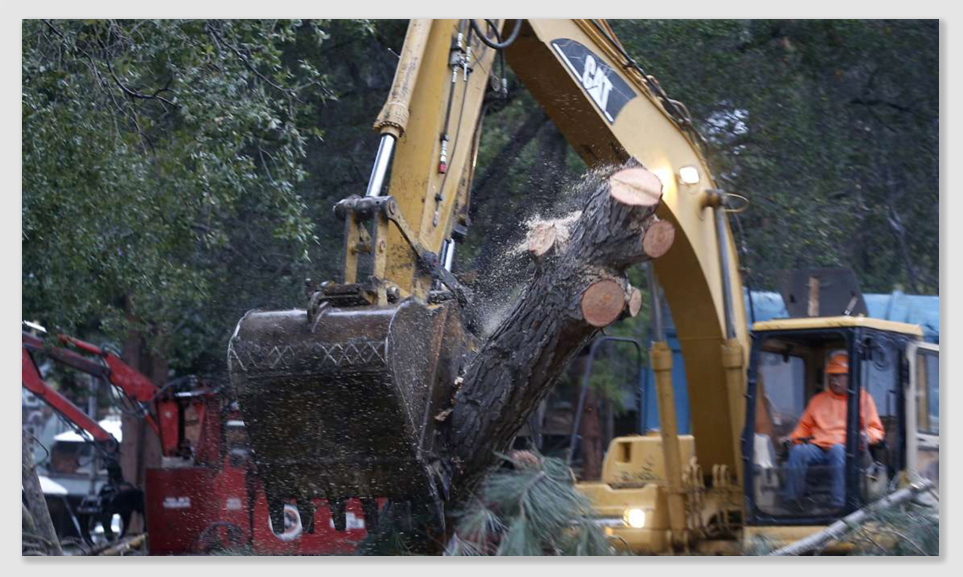
A steady drizzle fell Tuesday morning as a dozen protesters and several dozen police squared off while UC Berkeley crews cut down what officials said were five damaged and diseased trees in People’s Park. Protesters milled around the east side of the park, where construction crews arrived just after 5 a.m. to take down the pines and cedars behind police tape. At least 50 California Highway Patrol and University of California Police Department officers were on scene. “Everything we do around protests and situations like this is informed by our desire to avoid conflict if at all possible, and having a large number of officers is a good way to achieve that,” said UC Berkeley spokesman Dan Mogulof. The school has a memorandum of understanding with CHP to provide additional officers if needed, he added…
After allegations that an unknown person made off with wood from the Ledges Golf Course, Town Administrator Michael J. Sullivan has imposed new protocols for the cutting and removal of trees. Sullivan said he investigated after receiving an anonymous phone message about a person who took cuttings from the golf course. “There was some tree limbs and branches taken by an unknown person, reported by the Ledges IGM Superintendent when asked during the inquiry. He did not know the person or get his license plate,” Sullivan stated in an email. IGM, a Florida-based company, manages the golf course. “I met with IGM, the contractor who now manages Ledges, and we developed a new protocol where anytime trees are being considered to be cut on the property, they will be inspected by the Town Tree Warden prior,” he said…
Emboldened with news about PG&E’s bankruptcy filing Monday and the hobbled utility’s uncertain future, a grassroots group is repeating its call for Lafayette to end its tree-removal agreement with the utility company. “I’m here to formally ask that — once and for all — we start the process to unwind the tree-cutting agreement with PG&E,” Michael Dawson of Save Lafayette Trees told the City Council on Monday. In 2017, Lafayette and Pacific Gas & Electric entered into an agreement to uproot 272 trees as part of the utility’s $500 million Community Pipeline Safety Initiative. “At this point, the Lafayette trees issue has not changed,” said PG&E spokesman Jeff Smith in an email Tuesday. “We will let you know of any future developments.” PG&E, facing as much as $30 billion in liability for damages from two years of wildfires, filed for bankruptcy protection Monday, which sent the company’s shares plunging more than 50 percent. On Sunday, PG&E announced the departure of CEO Geisha Williams, who left with a $2.5 million cash severance…
It’s a 30-year-old mountain ash (Sorbus), which has limped along for the last two years and has some large cracks/mini fissures in its bark. I’m not able to see the tree in person as it’s the other end of the country but I’m convinced that the likelihood of bad news is likely to be on the horizon. Splitting bark on any tree or shrub should set alarm bells ringing and should never be overlooked. It is possible for trunks to split due to freezing where damage may have occurred in the past, creating cavities or spaces where water can enter and then freeze. This, however, is not normally the reason for it happening – underlying disease is normally to blame…
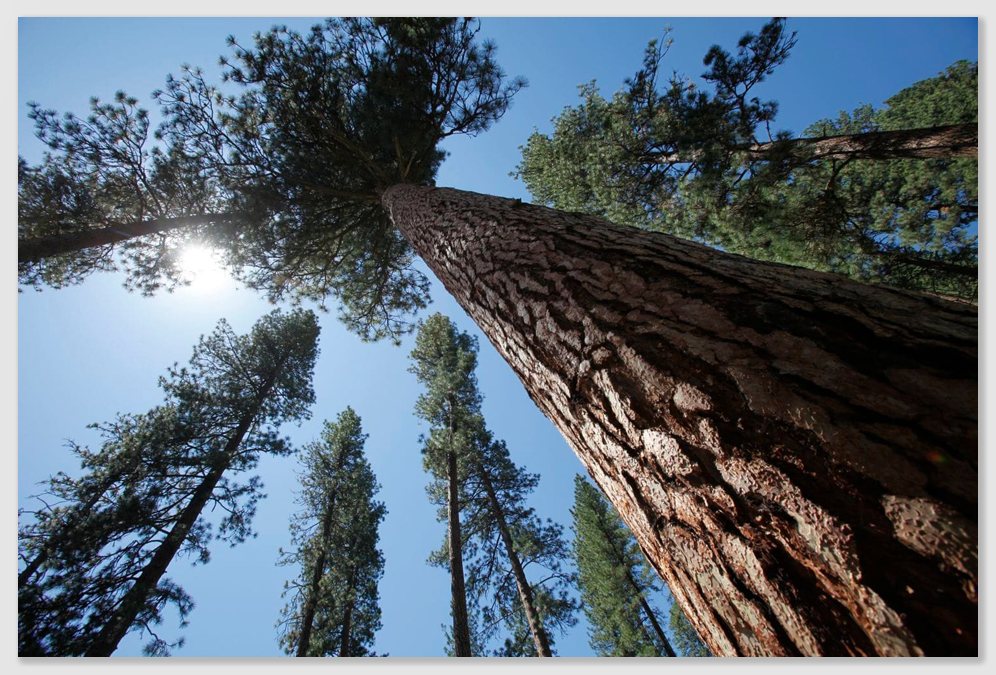
With a partial government shutdown looming, President Trump quietly issued an executive order that expands logging on public land on the grounds that it will curb deadly wildfires. The declaration, issued the Friday before Christmas, reflects Trump’s interest in forest management since a spate of wildfires ravaged California last year. While many scientists and Western governors have urged federal officials to adopt a suite of policies to tackle the problem, including cuts in greenhouse gases linked to climate change, the president has focused on expanding timber sales. The executive order instructs the secretaries of agriculture and interior to consider harvesting a total of 4.4 billion board feet of timber from forest land managed by their agencies on millions of acres, and put it up for sale. The order would translate into a 31 percent increase in forest service logging since 2017…
The ice over the weekend caused problems throughout the Piedmont Triad when it comes to downed trees and power outages. As crews work to restore power, people may be left to pick up a mess made by a fallen tree. The Insurance Information Institute says that no matter where a tree came from, if it hit your house, your homeowners insurance will cover the cost. That means if a tree blew in from around the block or leaned over from your neighbor’s yard. You just need to file a damage claim with your insurer. If a falling tree hits your car, you can also file a claim with your auto insurance. The key works here are “comprehensive coverage.” That covers any vehicle damage besides collisions, including theft, hail and falling trees. According to All State, comprehensive coverage is sometimes optional if you own your vehicle so check with your provider to see if you have it. If you’re leasing or financing a car, your lender might make it mandatory…
Atlanta’s aged tree ordinance of 2001 looks so good that some folks say they’d be happy if the city would enforce it – until it can be updated. Meanwhile, the city says it’s on track to update the existing tree ordinance in July. The board of the Buckhead Council of Neighborhoods voted unanimously at its Jan. 10 meeting to ask BCN’s full membership to support a pointed resolution about the existing tree ordinance. The organization represents some 80,000 residents, and some said they’re weary of seeing trees cut on private property with what they perceive as little oversight from the city. The resolution calls for (1) the city to increase the transparency surrounding the current effort to revise the tree ordinance; and (2) the Arborist Division, in the Department of City Planning, and the Department of Parks and Recreation to comply with a host of existing tree protection regulations…
Seattle, Washington, KOMO-TV, January 14, 2019: How to hire a tree service
Winter winds are tough on the trees. After a big storm, you may find yourself needing to hire a tree service. You want to get several bids, if possible, but there may not be time for that. “Even if you’re in a rush, you really still have to do your homework when choosing one of these companies,” said Kevin Brasler, executive editor at Checkbook.org. “Tree care work, even if the tree has fallen across your yard, is still dangerous work. You want to make sure you’re hiring a company that has proper insurance – worker’s compensation insurance to protect its employees and liability insurance to protect you and your property.” Remember: Before any work begins, get a written contract. “Even if you don’t have time to get bids, even if you only have one company that’s available to do the work, get their price in writing and get in writing what they’re going to do, so there’s no misunderstanding when it’s all done,” Brasler said…
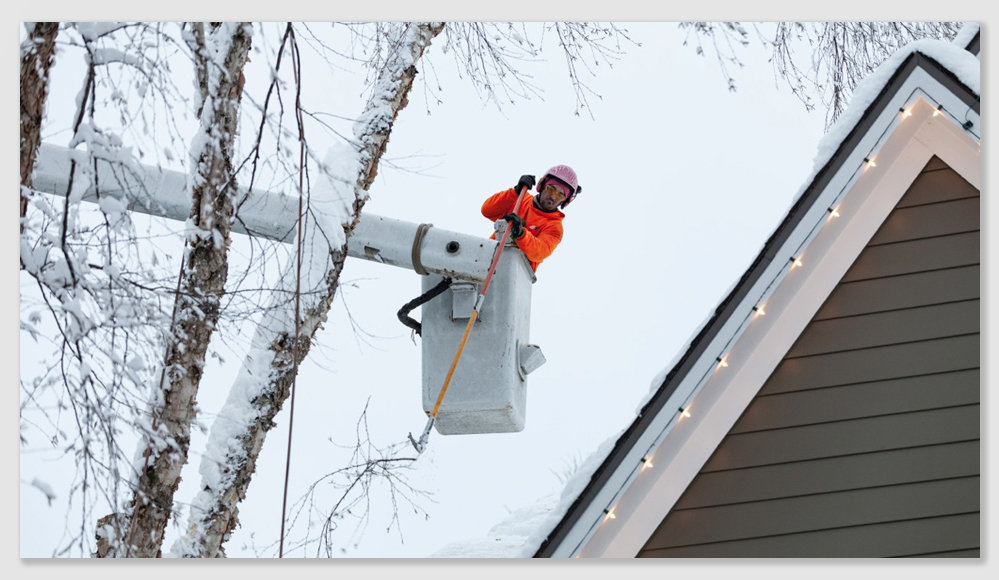 Kansas City, Missouri, KSHB-TV, January 13, 2019: Tree removal companies inundated with calls
Winter Storm Gia pummeled the metro with wet, heavy snow that weighed down limbs and left thousands without power. As utility crews got to work over the weekend, so did tree removal companies. Three local companies that responded to emergency calls Sunday said the real work, removing the debris, begins Monday and could last for more than a month. Ward Tree Care fielded 50 calls Sunday alone. “As I was driving around, it’s kind of like every house, every street,” Ward Tree Care owner Anthony Ward said of the damage. He as his crew worked to remove branches from the roof of a Leawood home. “This is a River Birch, and it was pretty heavy,” Ward said. “It’s so thick at the top, so it just bent it all the way down and broke.” According to Ward, softwoods like pines and spruces are impacted most by storms like this one. That’s why it is important to have such trees trimmed every three to four years. Ward also had advice for homeowners looking to hire companies in the coming weeks — make sure the business is professionally licensed and insured. “If they don’t have worker’s comp and one of the guys gets injured, then they could sue the homeowner,” Ward said…
Out at the west end of St. Paul, about where Oliver Crosby built a magnificent estate called Stonebridge, is a neighborhood without sidewalks. This is a quadrant of the city west of Cretin Avenue between St. Clair and Jefferson, with curving streets and a still visible curb cutout for an entrance to the long-gone Crosby estate. The neighbors don’t want sidewalks. They have lived without sidewalks since their neighborhood was developed after the fall of Stonebridge in the early 1950s. Oh, no, you’re getting sidewalks, the city effectively said. We are in the business of canonizing the pedestrian and you will get sidewalks along with your street and utility upgrades. But we don’t want sidewalks. We have lived without sidewalks for more than 50 years and there has never been a problem, never a fatality, probably never even a sprained ankle. We don’t care. It says right here in this official Public Works Street Reconstruction Program document that you are getting sidewalks. The neighbors rallied. A petition was started and enough neighbors so readily joined in that the city had no choice but to back off. So they won, right? Not really. In one of the clearest examples to date of what happens when you fight City Hall and win, the residents of that Macalester-Groveland neighborhood were told, “Fine, you won your sidewalk fight, but now you go to the end of the line when it comes to the reconstruction of your streets and your utility upgrades.” “This was never really about sidewalks, per se,” said a resident who didn’t wish to be named. “It was about the loss of 53 trees. A neighborhood should not have to choose between infrastructure and mature trees.” Normally, I would not defend trees, at least stridently. They grow back. But that isn’t the case here, or in any neighborhood in the city that loses trees. Trees give a neighborhood, especially this one in question, a distinctive character. Some of the sugar maples are 100 years old. The neighborhood is leafy and shaded…
Scientists have long struggled to explain how tropical forests can maintain their staggering diversity of trees without having a handful of species take over – or having many other species die out. The answer, researchers say, lies in the soil found near individual trees, where natural “enemies” of tree species reside. These enemies, including fungi and arthropods, attack and kill many of the seeds and seedlings near the host tree, preventing local recruitment of trees of that same species. Also playing a key role in the tropical forest dynamic are seed dispersers. Seeds from individual trees that are carried a distance away – often by rodents, mammals or birds – have a chance to get established because the fungi and arthropods in the new region target different species. This restriction of tree recruitment near the adult trees creates a long-term stabilizing effect that favors rare species and hinders common ones, the researchers say. Overturning previous theory, the researchers demonstrate that these interactions with enemies are important enough to maintain the incredible diversity of tropical forests. Results of the study are being published this week in Proceedings of the National Academy of Sciences (PNAS). “In many North American forests, trees compete for space and some have a niche that allows them to outcompete others,” said Taal Levi, an Oregon State University ecologist and lead author on the study. “Douglas-firs are the species that grow best after a fire. Hemlock thrives in the shade and grows well under a canopy. Some species do well at elevation. “But in the tropics, all of the tree species appear to have a similar competitive advantage. There is an abundance of species, but few individuals of each species. The chances of blinking out should be high. But there has to be a mechanism that keeps one species from becoming common, becoming dominant. And it is these natural enemies that have a high host-specificity…”
Cold weather can take its toll on a property, especially in regions of the world where winters are harsh. Most parts of the landscape are vulnerable to damage from winter storms, but trees may be especially susceptible. By the end of winter, many homeowners wonder if their trees would benefit from some professional TLC. Tree services provide a host of services. While fall is a popular time to remove trees from a property, doing so in spring is not unheard of, especially if trees were affected by winter storms and now pose a threat to a home and the people who live inside it. Homeowners considering tree services can explore the following ways that some professional arbor attention can protect them and their homes. Tree services can help protect a home’s foundation. Old trees that stretch well into the sky can be captivating, but they also can pose a threat to a home’s foundation. Such trees may have especially large root zones that may extend beneath walkways and even a home. In the latter instance, foundations may crack as roots try to stake their claim to the ground beneath a home. According to the home improvement resource HomeAdvisor, homeowners pay an average of just over $4,000 to repair foundation issues, though major problems can cost considerably more than that. A professional tree service can remove aging trees that might be beautiful and awe-inspiring but still pose a threat to a home and the areas surrounding it…

Land change is a cause and consequence of global environmental change. Changes in land use and land cover considerably alter the Earth’s energy balance and biogeochemical cycles, which contributes to climate change and-in turn-affects land surface properties and the provision of ecosystem services. However, quantification of global land change is lacking. This is an extract from research published in the journal Nature. It was conducted by a group of scientists from the University of Maryland, the State University of New York and NASA’s Goddard Space Flight Center. According to the results of the study, which is based on data gathered by satellite that has been monitoring tree growth and loss, the growth of new trees during the last 35 years has significantly outweighed the loss in the world. Most people all over the world live with the idea that on a global scale the tree cover is declining because of the intense cutting down of trees in the forests, especially in the rainforests. However, the research discussed above has proved this theory wrong claiming that the world tree cover is in reality expanding. The scientists who took part in the study examined the information provided by high-level radiometers with detailed resolution over a group of 16 weather satellites in the span of 35 years between 1982 to 2016. By analyzing the data provided every day, the researchers noticed some minor repeated changes that eventually led to more significant changes in the longer period…
Bangor, Maine, Press-Herald, January 9, 2019: Tree-cutting accident kills Maine man
A Washington man was killed Wednesday when a tree he was cutting fell on him. Shannon Condon, 47, of Washington, died at the scene. According to a news release from the Knox County Sheriff’s Office, a passer-by spotted Condon lying by a tree just off Razorville Road, which is also Route 105, and called 911 just after 1 p.m. When deputies arrived, they found Conden had died. Union Emergency Medical Service and the Washington Fire Department also responded…
 Scientific American, January 10, 2019: Biotech could modify trees to protect against pests
U.S. forests are among the most vulnerable in the world to predators and disease, and those threats are being compounded by climate change, according to a new report from the National Academies of Sciences, Engineering and Medicine. The report suggests that two U.S. agencies—the Department of Agriculture and EPA—and the nonprofit U.S. Endowment for Forestry & Communities Inc. consider using more tools from emerging fields of biotechnology to promote healthy forests. They would include the use of genetically engineered trees to prevent the loss of forested lands from pests. It notes that the United States has more than 100 million square miles of forests, an area exceeded only by Canada, Brazil and Russia. A panel of scientists convened by the National Academies to explore deteriorating forest health estimates that 7 percent of U.S. forests could lose at least 25 percent of their trees by 2027…
Science, January 10, 2019: Surprise: These termites are good for trees
When it comes to floorboards and furniture, termites get a bad rap. But there’s one type of wood they may be good for: the trees of rainforests. During an extreme drought that struck the island of Borneo during late 2015 and early 2016, researchers studied eight widely scattered plots on the forest floor. In four of those 2500-square-meter areas, team members dug out or leveled termite mounds and then left poison baits for the insects that remained. In the other four areas, researchers left the insects alone. In the plots with intact termite mounds and nests, soil moisture at a depth of 5 centimeters was 36% higher during the drought than it was in plots where termite activity was disrupted. Termites (above) generally require a moist environment and, when necessary, will dig down dozens of meters or more to bring water up to their living spaces, the scientists note…
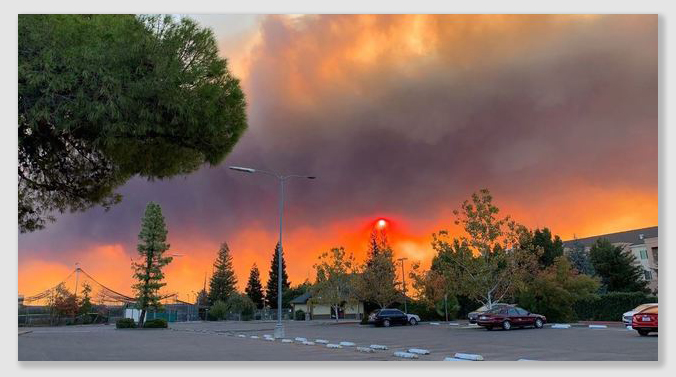
A federal judge in San Francisco on Wednesday tentatively ordered PG&E Co. to inspect its entire electrical service area and remove or trim any trees and repair any damaged transmission equipment that could cause wildfires. U.S. District Judge William Alsup will hold a Jan. 30 hearing to decide whether to go ahead with the order. He invited representatives of Cal Fire and the California Public Utilities Commission to attend the hearing, in addition to PG&E and federal prosecutors. Alsup is overseeing the utility’s five-year probation, which started in 2017, for a criminal case in which the utility was convicted of violating federal pipeline safety rules and obstructing justice in a probe of a fatal natural gas pipeline explosion in San Bruno in 2010. Alsup wrote that the purpose of his proposed order is “to protect the public from further wrongs by the offender” and to “reduce to zero the number of wildfires caused by PG&E in the 2019 wildfire season.” The season runs from June 21 to the first region-wide rainstorm in November or December. The judge noted that Cal Fire has determined that San Francisco-based PG&E caused 18 wildfires in its northern and central California service areas in 2017. The agency is still investigating the cause of the devastating 2018 Camp Fire in Butte County that killed 86 people…
Middle Tennessee Electric customers could soon be getting a notice on their front doors. The electric provider wants to apply a tree growth regulator to the trees to slow down the growth of branches. This would keep branches away from electrical lines. But, many question how safe the chemical is for kids, pets, and adults playing or working in the yards. “I grew up in agricultural areas, and I have been diagnosed with Lymphoma. Lymphoma is a cancer of the blood. It’s thought to have been caused by chemicals either sprayed on trees or residences,” says Steve Anderson, an MTEMC customer, and Wilson County resident. So just how safe is the chemical? “This is EPA approved and it is not a spray. This is something that is sub-surface. And it’s put into the ground. So it is not something that is put out into the air. And so it’s really designed to treat the specific tree the way the tree needs to be treated,” says Brad Gibson with MTEMC. “What we found is, that if we look at vegetation management, and making sure that we maintain that right away properly, that people want choices. And the choices we are giving them is, ‘do you want to have it trimmed? Do you want something removed? Or would you like to look at this tree growth management option…”
 Richmond, Kentucky, Register, January 9, 2019: Topping trees is extremely bad for trees
When a tree grows too large for the space it is in, people often feel it should be topped. Topping is the drastic removal or cutting back of large branches in mature trees. These cuts often stimulate new vigorous growth. At one time, this was thought to be an acceptable way to reduce the height of a tree. Researchers have now found that this practice is extremely bad for the tree. Topping is injurious to trees in many ways. By removing a major portion of the canopy, the delicate balance between foliage and the remainder of the tree is upset. Through the process of photosynthesis, leaves manufacture chemical energy required by the tree for growth and maintenance of branches, trunk, and roots. With large portions of leaf surface area removed, a tree’s energy producing potential is severely reduced. Large reserves of stored energy in many stems and branches also are lost when trees are topped. These imbalances can lead directly to decline and death or can make the trees susceptible to invasion by canker and root rot diseases. Topped trees frequently produce vigorous regrowth, called water sprouts, just below the pruning wound. These rapidly growing shoots can have very weak attachment to the remaining stub, making topped trees highly vulnerable to wind and ice damage. So, what can you do if you have a tree that has outgrown its space? Thin out selected branches by removing them back to their point of origin, or prune to a side branch that is large…
Mindful of public frustration over what some view as a blizzard of storm-related power failures, town officials went out on a limb this week to defend ongoing efforts at keeping trees and other vegetation away from power lines. According to Tree and Parks Supervisor David LaLiberte, Foxboro’s preventative maintenance program enlists both public works employees and utility crews (primarily National Grid) in an effort to identify, cut back and/or remove diseased or dead trees before they succumb to Mother Nature. Accompanied by Public Works Director Roger Hill and Fire Chief Roger Hatfield, LaLiberte on Tuesday provided selectmen with a common-sense overview of how hazardous trees along local roadways are assessed and managed. In recent years, LaLiberte said, town and utility workers have combined resources to remove hundreds of trees and trimmed along scores of public ways…

A Texas family is suing the the group that oversees Boy Scouts programs in metro Atlanta claiming negligence led to their 14-year-old son’s June death. The parents of Elijah Knight filed the wrongful death lawsuit Tuesday in State Court in Cobb County where the Atlanta Area Council of the Boy Scouts of America has its headquarters. Knight was crushed by a tree that fell on his tent during a thunderstorm on June 25 at Bert Adams Scout Camp. Knight and about 100 Boy Scouts from his Texas troop were camping at the 1,300-acre Covington camp, which is run by the Council. “This is a very difficult time for our Scouting family. We offer our deepest condolences to the victim and his family, and we will support them in any way we can,” the council said Council when asked for a statement Tuesday. “The safety of our Scouts is our number one priority. Please join us in keeping those affected by the tragic accident during last summer’s severe storms in our thoughts and prayers.” The lawsuit claims the adults on the trip did not follow the group’s own bylaws about seeking shelter during inclement weather. According to the suit, the National Weather Service warned that the area could be in for 60-mph winds and quarter-sized hail about a half hour before Knight died…
The man who was sentenced to jail time for cutting down two significant trees on the Isle of Palms is appealing the verdict. Jonathan Gandolfo, who hired a contractor to cut down two trees on a Carolina Boulevard property that was not his, filed a notice of appeal Monday. The motion will be considered by a municipal judge Wednesday, IOP City Administrator Desiree Fragoso said. Gandolfo was found guilty on two counts related to the cutting last month in municipal court. He faces five days total in the county jail and two weekends of community service. To date, he’s served one night of that sentence and paid a $1,087 fine. He declined to comment this week. His attorney for the jury trial, Frank Cornely, said he will not handle the appeal. The trees in question were on a property Gandolfo was attempting to buy, Cornely previously told The Post and Courier, but the sale ultimately didn’t close. According to a police report detailing the 2016 tree removal, Gandolfo told a contractor to “be a ninja about it and be quick so the code guys don’t interrupt you.” Though it’s not uncommon for tree cutting rules to spark controversies, it’s rare that they lead to actual jail time. IOP City Council could have accepted a settlement from Gandolfo before his case went to trial, but it voted 5-4 in November to decline that option…
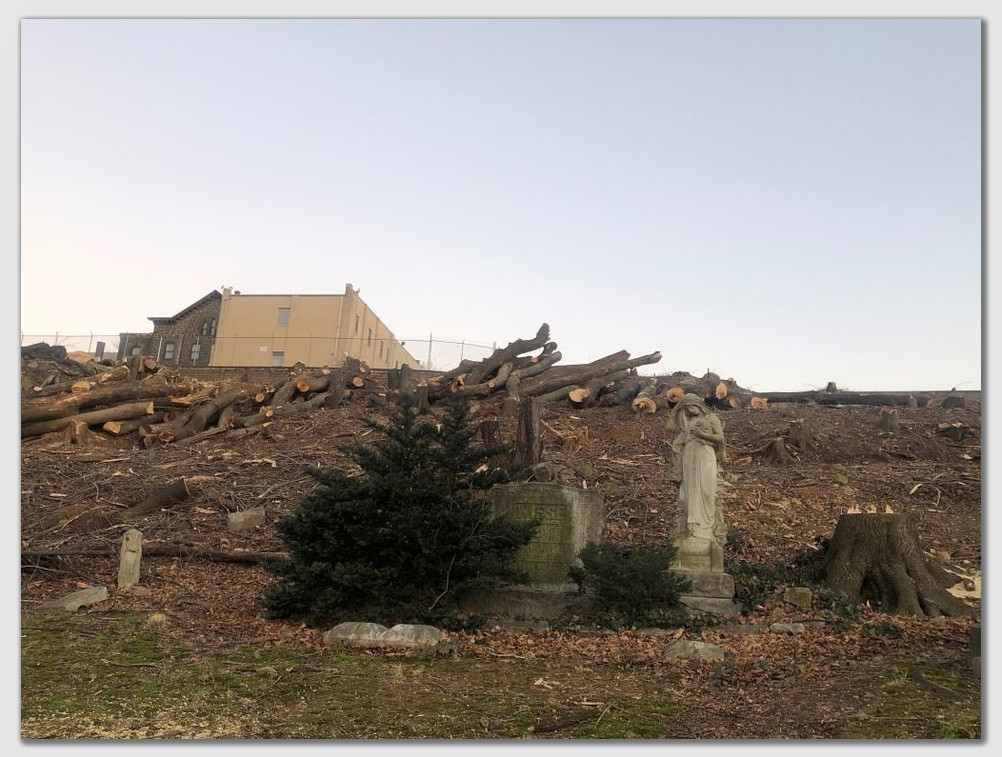
Soil stabilization measures at Weehawken Cemetery began Friday after a pair of state agencies intervened when work crews went on a massive tree removal spree without obtaining the proper authorizations, officials said. A professional engineer hired by the cemetery met with two representatives from Hudson Essex Passaic Soil Conservation District and the state’s Water Compliance and Enforcement on Thursday morning at the cemetery — located at 4000 Bergen Turnpike in North Bergen — to discuss immediate soil control measures caused by extensive tree cutting. Erosion control measures are expected to be completed within a week, which began with the installation of hay bales and crushed stone in and around the areas of disturbed soil. “We all agreed on how to handle the situation,” Calisto Bertin, the engineer on site, wrote Monday in an email to The Jersey Journal. “First my office prepared an ‘interim’ stabilization plan to address the immediate measures to stabilize the soil.” The HEP Soil Conservation District — which addresses storm water, soil erosion and sedimentation issues that result from land disturbance activities — issued a Stop Work Order on Dec. 29 because the cemetery failed to obtain a valid soil erosion and sediment control certification prior to disturbing more than 5,000 square feet of soil during the tree clearing…
Salem, Oregon, Capital Press, January 8, 2019: Tree fruit companies on sales block
Several tree fruit companies in Central Washington are being sold or have gone out of business as costs and competitive pressures continue to force consolidation in the industry. Out-of-state private equity firms are involved in some of the acquisitions. Principals in several transactions did not respond or declined to talk on the record. One of the latest transactions involves International Farming Corp., an agricultural investment firm in Kinston, N.C., that is buying Legacy Fruit Packers and Valley Fruit III, both of Wapato, and Larson Fruit Co. of Selah. A Larson family member verified the sales and referred inquiries to International Farming, which declined comment. Four years ago, Valley Fruit and Larson Fruit formed a new company, Legacy Fruit Packers, to build a $17 million apple-packing plant in Wapato. The deal was reached to have enough capital to build the new packing plant to remain competitive, Dean Gardner, CEO of all three companies, said at the time. Valley and Larson maintained separate orchards and cherry packing lines. Legacy has sold its fruit through its partnership in Sage Fruit Co., a Yakima marketing company that also sells the fruit of Olympic Fruit in Moxee and Valicoff Fruit Co. in Wapato. According to a Legacy-Sage website, Legacy packs approximately 4 million boxes of fruit annually from 3,650 acres owned by Valley and Larson. Legacy, Valley and Larson have over 530 full-time employees…
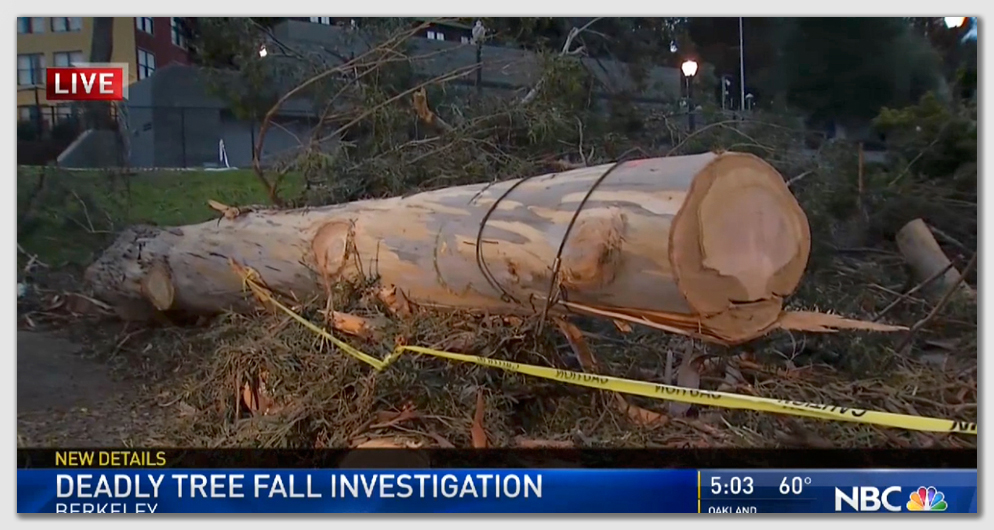
A weekend storm might be to blame for the death of a man in the East Bay. Authorities say a 32-year-old man from Novato died after a massive tree came crashing down on a car at the UC Berkeley campus Sunday afternoon. The owner of the tree service company in charge of cleaning out the tree tells NBC Bay Area the eucalyptus tree was tall, heavy and most surprisingly, it was healthy. A combination of rain and wind was enough to push over the tree and tragically kill someone, the owner of the tree service company said. The incident was reported shortly before 4 p.m. Emergency crews responded to a call that a huge eucalyptus tree had tumbled and smashed a car by the Greek Theatre on Gayley Road. The Coroner’s Office says the driver of the car was Alexander Grant…
A week and a half ago, a fallen tree shut down all traffic on Hayes Street for over six hours, causing headaches for drivers and Muni buses in the heart of Hayes Valley. Now, Hayes Valley residents will have the chance to hear from city officials on their future plans to maintain street trees in the neighborhood, and protect residents from the potential dangers of falling trees or tree limbs. Mohammed Nuru, the director of SF Public Works, and Nancy Sarieh, the public information officer at the Bureau of Urban Forestry, will join the Hayes Valley Neighborhood Association tonight to discuss tree safety, as well as street cleaning concerns and homelessness issues. Created after the passage of a November 2016 ballot initiative, the StreetTreesSF maintenance program has transferred responsibility of the care of street trees from city property owners to SF Public Works. Ultimately designed to establish a regular three-to-five-year maintenance schedule for the city’s street trees, the program is funded by a $19 million set-aside in the city’s general fund…
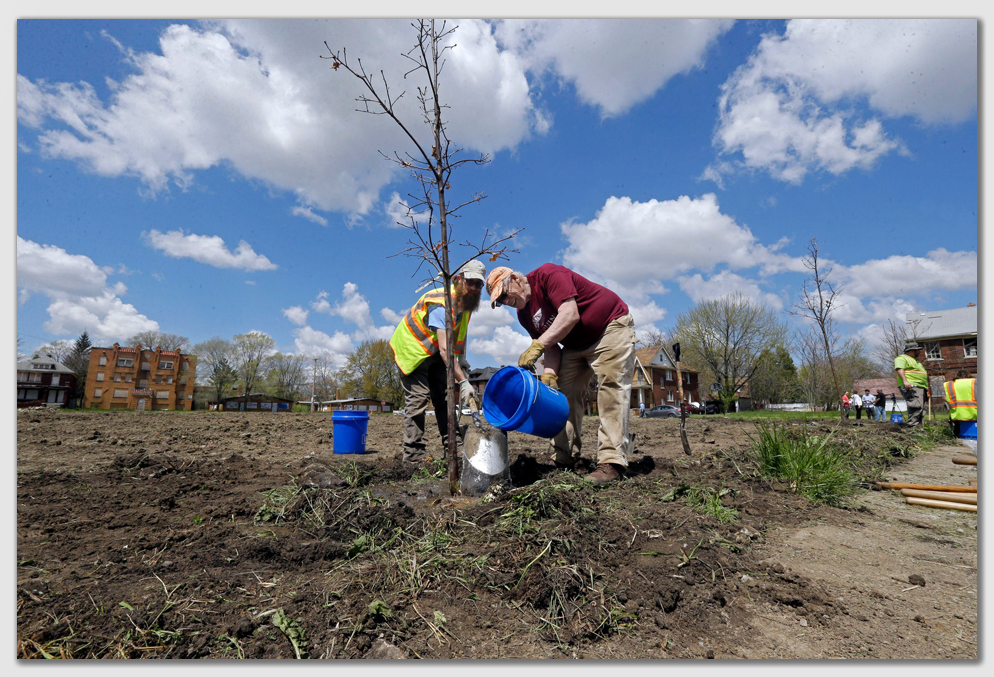 New York City, The New York Times, January 7, 2019: Free trees? Many Detroit residents say no thanks
Deborah Westbrook, a lifelong resident of Detroit, would love a tree in front of her home. “With a green tree in front of my house,” she said, “and me looking at the green leaves, knowing that the tree and sun were mixing together to give off the oxygen we breathe? I would be proud. A tree in front of my house would not only help with the air, but it would help with me.” Nonetheless, when representatives from a local nonprofit came to plant trees on her block five years ago, Ms. Westbrook said no. So did more than 1,800 Detroiters — a quarter of all eligible residents — between 2011 and 2014. Why the high rejection rate? In a study published Monday in Society and Natural Resources, researchers found that the opposition does not arise from a dislike of trees per se. Most residents, the study found, appreciate the benefits of trees; these include alleviating air pollution, storm-water runoff and higher urban temperatures, and helping to reduce stress, crime and noise. Low-income and minority residents often live in areas with the lowest tree cover…
Go outside and jam a screwdriver in the ground. If you act on what you learn, your trees will thank you. During winter, homeowners often neglect to keep their trees, plants and yards well-watered, but the greenery needs hydration now. “Any water is going to be better than nothing,” said Scott Evans, horticulturist with the University of Nebraska-Lincoln Extension Office. “The fine roots can actually shrink as the soil dries out. Those fine roots are the ones that pick up the nutrients and the water.” So on winter days when highs top 40 degrees — like the ones we have had lately — use the screwdriver test. If a screwdriver 4 inches or longer easily sinks into the ground up to the handle, the ground is thawed enough to water. “If not, it’s frozen,” Evans said. “It’s pretty self-explanatory…”
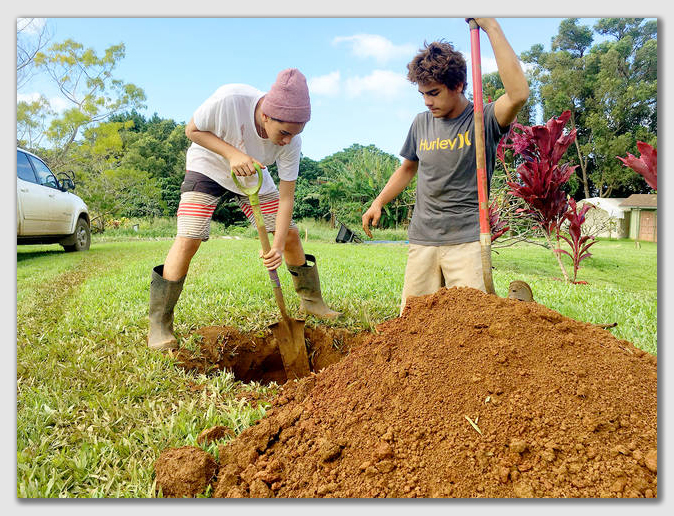 Lihui, Hawaii, The Garden Island, January 7, 2019: Giving trees, planting seeds
As Hawaii looks at ways to become more self-sufficient in food production, people on Kauai are planting seeds that will feed the community decades down the road. They’re planting orchards near food banks and schools, and the harvests will be distributed for free in school lunches and to supplement canned goods for needy families. Four of Kauai’s schools have received enough trees for mini-orchards that students will be planting and caretaking. A mini-orchard was just planted at Church of the Pacific in Princeville, with five trees. It’s called the Giving Tree program, facilitated by the nonprofit Malama Kauai and open to anyone who will pledge to host a mini-orchard and give away for free all the food produced. “We’ve gotten half of our trees and we’re waiting for the other half to come into the nursery,” said Caitlyn Madrid, natural resources teacher at Kauai High School. “We’re going to be planting in mid to late-January…”
Spartanburg, South Carolina, WSPA-TV, January 7, 2019: Recent rain, snow downing more trees in area
Record rain in some parts of the Upstate and Western North Carolina is causing more downed trees according to a local arborist. Isaiah Copeland with A&C Tree Service in Spartanburg says the amount of rain that hit the area over the last few months has oversaturated the ground. “Over a period of time and with the weight of the tree, if it’s leaning a certain way or certain direction it will come over and come up out of the ground,” Copeland said. The area was hit with a snow storm that further weakened the roots of many trees. “This is why a lot of times you want to get your tree line back from your house, so in case something does fall… that it won’t hit your house,” he said. All those down trees are keeping the local arborist busy, removing limbs for some people and entire trees for others. Copeland says it’s been great for business. “It is a good things in a certain way, but I just don’t want anyone to get hurt,” Copeland told 7News. Copeland says homeowners really need to consider a few things, if they have lots of trees on their property, especially if some of those trees are leaning towards the house. “You want to go up and take some of the weight off, if you don’t want to remove the tree, because a lot of people want to keep their shade,” Copeland said…
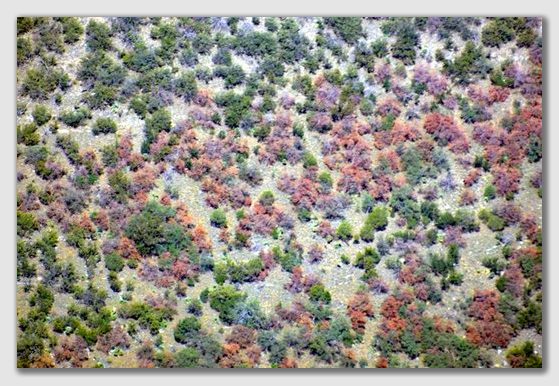
The latest assessment of forests across Arizona showed unexpectedly large areas of dead or dying trees. Aerial surveys conducted by the U.S. Forest Service in mid-2018 found about 1.7 million acres of ponderosa pine, piñon, and juniper trees with yellowing, red or brown needles. Forest Service officials attribute the problem to increased stress due to extended drought and other effects of climate change. Sandy Bahr, executive director of the Grand Canyon Chapter of the Sierra Club, said another factor is that elected officials refuse to deal with climate change. “In Arizona, one of the things that we’ve asked the governor, ‘Hey we need a plan. We don’t have a plan,’” Bahr said. “We don’t have a plan for reducing emissions, and we don’t have a plan for dealing with the many issues that we’re seeing.” During his 2018 reelection campaign, Gov. Doug Ducey said he’s confident the energy marketplace will solve climate change, and that new regulations aren’t needed. Forest Service scientists say drought weakens trees, which are then killed by infestations of bark beetles and other insects. Most of Arizona has been in a continuous drought since 2009, with no relief in sight. Bahr said she thinks forest managers should return to a program of proscribed or controlled burns to help preserve the state’s woodlands…
Okay, here is the long answer. Bamboo is the collective name for several dozen genera of grasses, all in the Bambusoideae branch of the “BOP” clade. While most bamboo species are either shrubby or relatively short plants, a couple genera include particularly large species, typically called “timber bamboo” or “giant bamboo.” These are the bamboo of relevance. Being in the grass family, bamboo is not a tree. Thus, material cut from bamboo stalks is not technically “wood.” Because of its roughly similar properties, however, and for marketing reasons, it often is referred to as a wood. With that pedantry out of the way, let’s consider the uses of wood, and how bamboo compares. The big ones are fuel, lumber, and paper. There are basically three different forms of fuel that bamboo can be consumed. One is as firewood. When I was a young boy scout, there was a large patch of giant bamboo growing beside our scout hut. We would often cut some for use as poles to practice lashing with. Every now and then we would have some sort of fire going. Who am I kidding? We were young boy scouts, we had various sorts of fire all the time. And, of course, “every now and then” some brilliant greenhorn would get the bright idea to add bamboo to the fire…

When Natalie Portis first stepped onto her property in Sonoma nearly 20 years ago, she was immediately enchanted by the verdant natural landscape and the stately oak trees. Portis’ wooded oasis was among the thousands of acres of forests and oak-studded landscapes that burned in the October 2017 Nuns fire, which claimed her home and an estimated 700 trees on her 10-acre Castle Road property. “It still feels surreal,” Portis, 59, said. “It was devastating to go back there and see the singed trees. I just remember being there and feeling the grief and toll of such loss.” She’s rebuilding her home and plans to move in this summer. It’s been a “painful” process, but a bright spot came last month as she planted 21 oak tree seedlings sprouted from acorns collected by local volunteers in the weeks after the devastating wildfires two years ago in Sonoma County. “It was very playful and very sweet, and it put a huge smile on my face,” she said of planting the young coast live oaks on her property with help from members of the California Native Plant Society. “I feel like I’m going to get back home…”
SBWire, January 3, 2019: Tree Trimmer Market Analysis 2018-2025, Summary and Growth Outlook to 2025
This report studies the Tree Trimmer market size (value and volume) by players, regions, product types and end industries, history data 2013-2017 and forecast data 2018-2025; This report also studies the global market competition landscape, market drivers and trends, opportunities and challenges, risks and entry barriers, sales channels, distributors and Porter’s Five Forces Analysis. The tree trimmer is equipment employed to prune trees or remove a diseased or damaged part of a tree in order to maintain safety of the public and maintain health of the tree. Tree trimmers are widely utilized in local parks, forestry departments, and commercial landscapes. Expansion of the landscaping business is driving the tree trimmer market. Skilled workers are employed by commercial and corporates for tree trimming services and landscaping gardens. Increased preference for green spaces among cities is fueling the demand for tree trimmers. Emphasis on public safety has prompted firefighters and governments to trim trees that are likely to fall and disrupt safety. North America is prone to summer cyclones and witnesses a high demand for tree trimmers. Tree trimmers are employed to prune branches and trees during a cyclone warning in order to avoid the property damage by falling trees. Asia Pacific and other tropical countries also witnessed a high demand for tree trimmers owing to their requirement to cut branches & trees before the monsoon. Rise in awareness among public and governments for safety of pedestrian and property is driving the tree trimmer market. Increased construction activity in developing countries and expansion of the real estate industry are anticipated to propel the demand for tree trimmers…
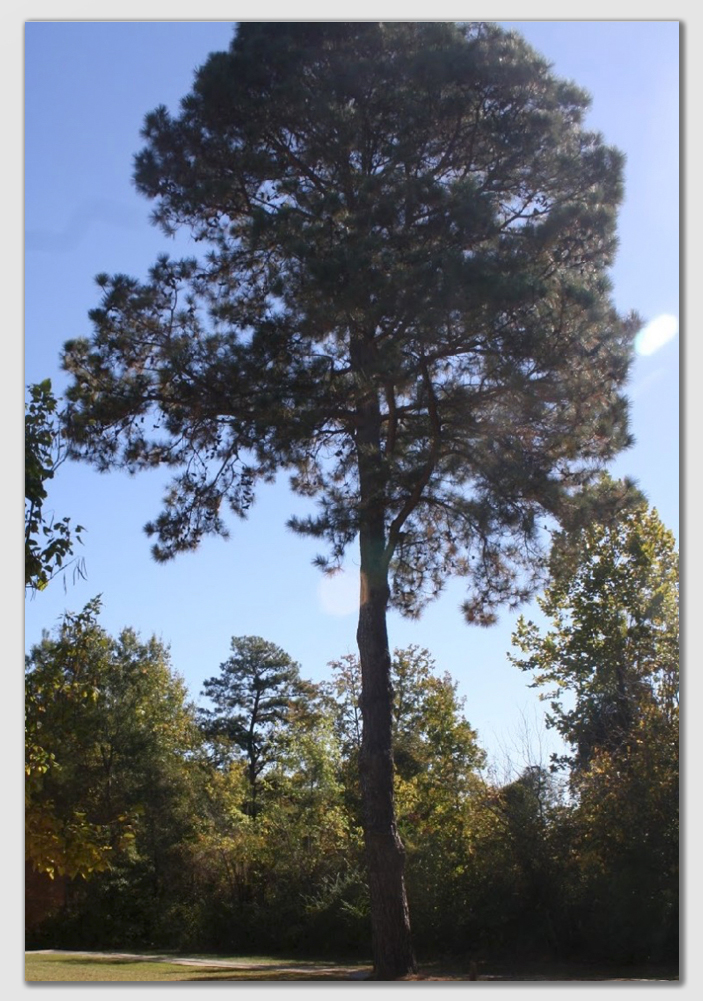
A tree in Arkansas’ Historic Washington State Park has a connection to the United States space program that one astronaut’s daughter is reminding the world of more than 40 years after the tree was planted. An ordinary-looking loblolly pine tree on the park’s grounds came from a seed that orbited the moon with astronaut Stuart Roosa during the Apollo 14 mission in 1971. It is one of less than 100 Moon Trees still living that Roosa’s daughter Rosemary Roosa wants to preserve, promote and propagate through a nonprofit foundation she created. “I’m trying to keep these living legacies from Apollo alive,” she said in a recent interview. During Apollo 14, the third mission to land men on the moon, Stuart Roosa piloted the command module in lunar orbit while Alan Shepard and Edgar Mitchell spent two days on the surface. Among personal items Roosa was allowed to bring were 400 to 500 seeds from loblolly pine, sycamore, sweetgum, redwood and douglas fir trees, taken along as an experiment sponsored by NASA and the U.S. Forest Service. No one could predict the effects on the seeds…
More than 60 public trees will come down this year as part of a new village plan to fight invasive species. Wisconsin is one of several states infected by the emerald ash borer, an Asian jewel beetle that feeds on North American ash trees. It was first detected in Southeastern Wisconsin in 2008. The species’ presence was confirmed in Menomonee Falls in March 2016. Then village staff teamed up with Wachtel Tree Science to create an inventory of public trees and a five-year treatment plan for infected ones. Their work will be financed with $21,504.74 in matching grant funds from the Wisconsin Department of Natural Resources. Arlyn Johnson, director of Menomonee Falls’ public works department, said they’re waiting for the money to be reimbursed…
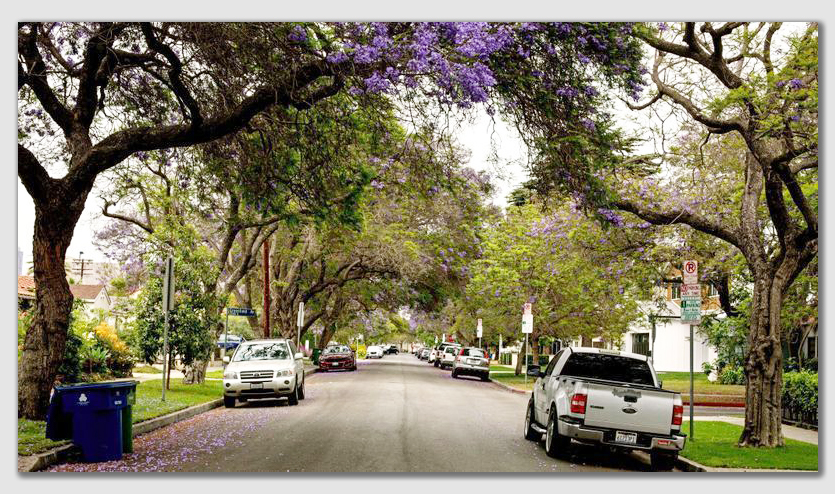
While bird lovers, environmentalists and poets have long put a high value on trees, the hard-nosed number crunchers in government have not. Trees have often been treated as merely aesthetic enhancements. Nice, but not essential. That’s one reason why tree maintenance is among the first government services cut during a recession. That limited view is changing, and there is increasing recognition that trees are more than just pretty things. With climate change, big trees will be increasingly useful to remove pollution from the air, collect water during rainstorms and create shade that cools nearby property. But for all the benefits that trees provide Los Angeles, city officials still do not hold the urban forest in the same regard as other public infrastructure, like streets and storm drains. That’s one of the key findings from a recent report commissioned by City Plants, a nonprofit that works with city departments to plant and care for public trees…
Abilene, Texas, Reporter News, January 2, 2019: How long will a tree live?
One of the things I often mention when writing or talking about trees, is their potential lifespans. For instance, I recommend against planting ash trees as the main shade tree in a yard, not because they aren’t good shade trees (they are), but because they are short lived. Ash trees have lots of good uses in urban settings, but planting one with the intention of it being the most important shade tree in a particular landscape, isn’t one of them. Generally, when someone raises the subject of how long a tree will live, the first part of that conversation is it’s genetic abilities. For example, if someone asks me how long a live oak will last, my first response is that genetically, it’s capable of living several centuries. Personally, if there were some way to accurately ascertain it, I wouldn’t be surprised at all to find out that there are numerous live oaks in this area past their 400th birthday. For reasons that I won’t get into here, it is a lot harder to figure out how old a large live oak is, than most people understand…
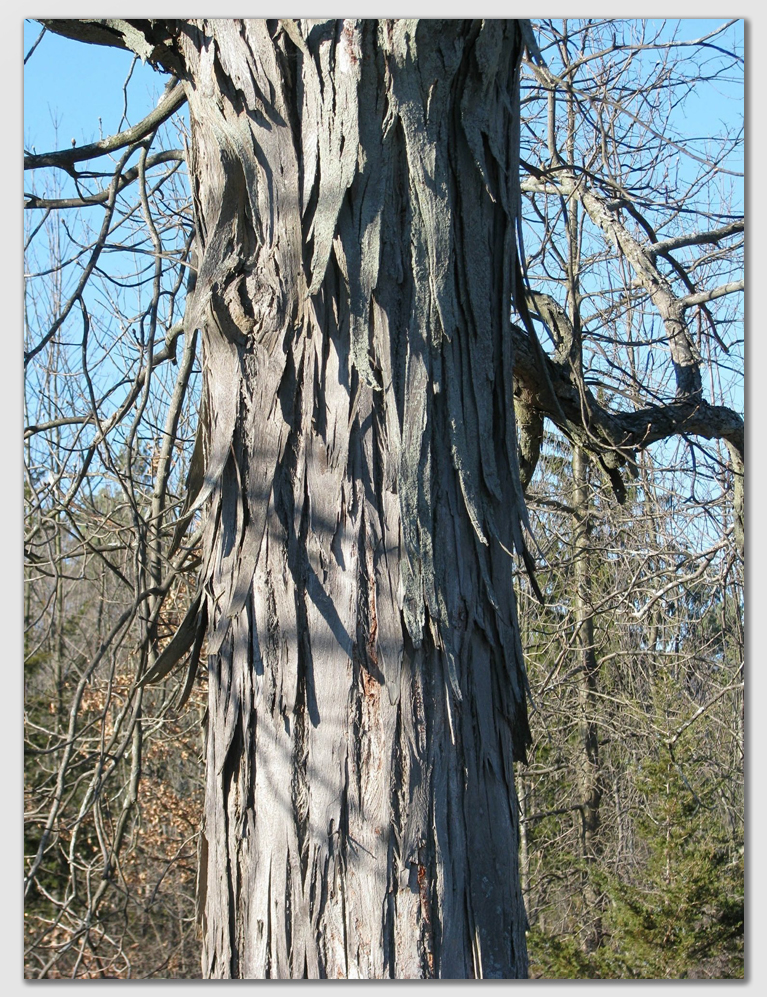 Associated Press, January 2, 2019: Now’s a good time to savor the subtle beauty of trees’ barks
Autumn’s fiery-colored leaves have fallen, so now let’s look for more subtle beauty in trees and shrubs. Like a developing photographic image, the textures and colors of bark come into view in the increasingly stark winter landscape. Paper birch isn’t the only tree with bark worth looking at. Take a look at the spectrum of colors in bark. There are reds ranging from the fire-engine red of the shrubby redosier dogwood to the coppery reddish-brown of the Nanking cherry to the dulled red-brown of Cryptomeria. Individual trees of river birch each have their own bark hue, some cinnamon-brown, others reddish-brown or grayish-brown. If you think pale gray is a boring color for bark, look at the bark of a hundred-year-old beech: The trunk and limbs seem alive enough to start moving. The bark of some trees is decoratively dabbled with colors. Sycamore is one of the most familiar of such trees, but lacebark pine and stewartia also are worth planting for their bark alone. The pine’s bark is richly mottled in browns and greens. Stewartia has a gray bark daubed with cinnamon and dark olive-green…
UC Berkeley began the removal of about 41 trees in People’s Park early Friday morning, generating criticism and backlash from community members. The landscaping department is addressing deferred tree maintenance across campus, with the People’s Park project one of a list of 15 tree maintenance projects. A work crew began the People’s Park project by removing and pruning about a dozen trees Friday. The campus plans to remove about 16 medium to large trees and 25 small trees to grade level from the park. “Performing tree work during curtailment allows us to be efficient and minimize interruptions,” said campus spokesperson Dan Mogulof in an email. Other sites near campus set for tree maintenance include the old art museum, the Women’s Faculty Club, Boalt Parking Lot, Hearst Gymnasium for Women, Jean Gray Hargrove Music Library, Carleton Street, Piedmont Avenue, West Crescent, Sproul Plaza, Sather Gate, Wurster Hall and the tennis court on Bancroft Way. There has been recent controversy surrounding People’s Park since the campus released its plans to develop housing on the site in May 2018…

The developer of the Dakota Access oil pipeline missed a year-end deadline to plant thousands of trees along the pipeline corridor in North Dakota, but the company said it was still complying with a settlement of allegations it violated state rules during construction. Texas-based Energy Transfer Partners, which built the $3.8 billion pipeline that’s now moving North Dakota oil to Illinois, is falling back on a provision of the September 2017 agreement that provides more time should the company run into problems. The company must provide 20,000 trees to county soil conservation districts along the pipeline’s 359-mile (578-kilometer) route across North Dakota. The deal with North Dakota’s Public Service Commission settled allegations that ETP removed too many trees in some areas and that it improperly handled a pipeline route change after discovering Native American artifacts. The artifacts were not disturbed. The agreement required the company to replant trees and shrubs at a higher ratio in the disputed areas, along with an additional 20,000 trees along the entire route. ETP filed documents in October detailing efforts by a contractor to plant 141,000 trees and shrubs, but the PSC asked the company a month later to provide more documentation that it had complied with all settlement terms…
“Chestnuts roasting on an open fire” is an American tradition, but the tradition actually dates back to prehistoric times. Roasting chestnuts is a big part of Italian holidays, and chestnuts are an important food crop in Asia and southern Europe. The chestnuts we roast these days don’t come from our native American chestnut trees that once numbered in the billions and dominated forests throughout the eastern United States. Today our roasted chestnuts are Asian varieties. For thousands of years, the native American chestnut (Castanea dentata) was one of the most important forest trees. Each fall, the tree’s sweet nuts would blanket forest floors, providing a bounty for critters and humans alike. Strong, rot-resistant chestnut wood was a prized building material. But in the late 1800s, a bark fungus was accidentally introduced into North America on imported Asiatic chestnut trees. American chestnuts had little resistance, and the resulting blight, first discovered in 1904 in New York City, quickly spread. Within 50 to 60 years, three to four billion American chestnut trees died. Although a small percentage of American chestnut trees survived the blight, the great chestnut forests that had existed for millennia were gone. “The blight was one of the first ecological tragedies to hit this continent,” said Rex Parker, a member of the Hopewell Township Environmental Commission, which is leading an effort to restore American chestnuts in central New Jersey…
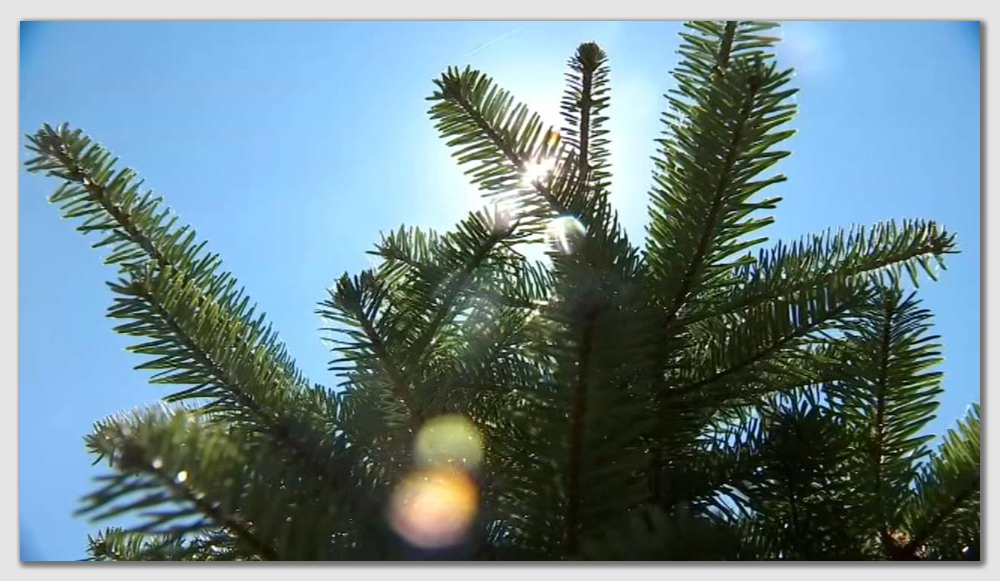
While families celebrate the New Year, many are getting rid of their Christmas trees this week. With that comes a warning from the Oregon Department of Forestry about an invasive insect that could pose a problem if you don’t dispose of your tree the right way. Experts say roughly 8,000 Frasier Fir trees shipped from North Carolina to big box stores on the West Coast had elongate hemlock scale, an invasive species not native to the Northwest. The Oregon Department of Agriculture found the pest and ordered the infested trees destroyed, but not before some had been shipped to big box stores all along the West Coast. The fear is that when Christmas trees are left for weeks or months in a yard or dumped in a park or the woods, eggs laid on them will hatch and the pest may escape into nearby trees. According to a new release from the Oregon Department of Forestry, if the elongate hemlock scale does get established in Oregon, it could be bad news for the state’s timber economy. The pest attacks not only hemlocks, but several conifer species native to Oregon, like true firs, spruce and Douglas-fir…
Eco-Business, January 1, 2019: Tree resin could replace oil and gas in household products
The loblolly pine isn’t the first choice of Christmas tree lovers. It’s not as compact as fir or spruce, and its needles are longer, so it doesn’t hold ornaments well. But the loblolly has a storied history, nonetheless. The famous Eisenhower Tree, on the 17th hole of the Augusta National Golf Club, was the bane of President Eisenhower. He hit it so many times while playing that he asked the club to cut it down. To avoid offending the president, the club’s chairman abruptly adjourned the meeting, rather than reject his request. (In 2014, the late president finally got his wish when an ice storm damaged the tree so badly, it had to be removed.) Loblolly pine seeds also travelled aboard Apollo 14 and were planted all around the country upon their return, including on the grounds of the White House. Some of these moon trees still survive. Today, the loblolly is serving a more noble purpose by helping limit the need for fossil fuels. Researchers, tinkering with the tree’s genetics, have found a way to reverse-engineer how the loblolly produces resin, a discovery that could help manufacturers produce greener alternatives for a range of goods now made with oil and gas, including surface coatings, adhesives, printing inks, flavors, fragrances, vitamins, household cleaning products, paint, varnish, shoe polish and linoleum…

 Tree and Neighbor Law For Homeowners and Professionals