

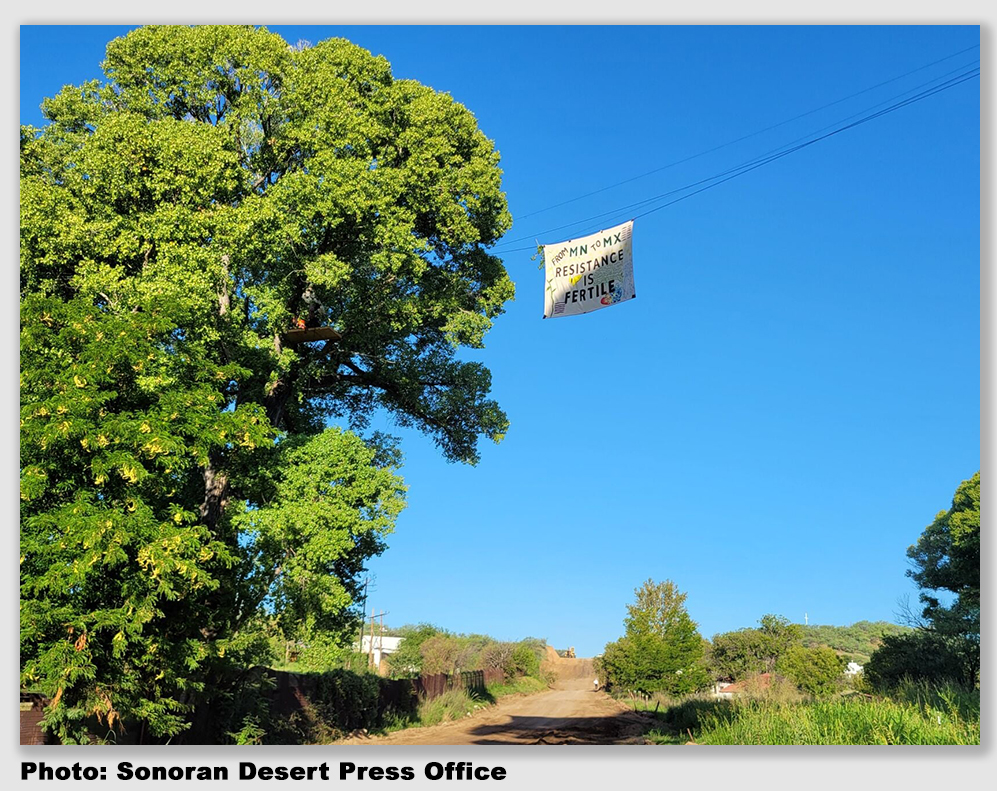
A giant cottonwood along the U.S.-Mexico border in Arizona was knocked down by heavy equipment Monday, after authorities cleared out protesters who had been camping in the tree for more than two months to try to save it from destruction. In a video posted on social media at just after 9 a.m. Monday, people can be heard screaming as the massive tree crashes to the ground in Lochiel, about 85 miles southeast of Tucson. The toppling came after law enforcement officers raided a nearby encampment of self-described “land defenders” just after sunrise and used a crane to pull a demonstrator from the branches of the tree, according to Erick Meza, borderlands coordinator for the Sierra Club who has also been serving as a spokesman for the protest group. Meza said Border Patrol arrested about a dozen people, though some of them were in the process of being released early Monday afternoon. U.S. Customs and Border Patrol spokeswoman Jessica Turner confirmed the removal of the tree but did not acknowledge the law enforcement action or provide any information about it. Turner did not respond to the Star’s questions about how many arrests were made or provide the locations and alleged offenses of those taken into custody. According to a press release from the protest group, more than 50 armed Border Patrol agents entered the encampment on private property next to the border at 6:30 a.m. The release states that the officers ignored demands for a warrant and refused to identify themselves as they knocked down tents and tackled protesters…
Albany, New York, WRGB-TV, October 5, 2026: They warned their neighbor about a dead tree for years, then it destroyed their home
For years, Danielle and Walter Conklin say they worried a dead tree across the road from their home on a neighbor’s property would eventually come crashing down. They say they warned their neighbor about it countless times, but nothing was done. On March 12, they say their worst fear became reality. The massive tree fell on to their home, narrowly missing family members inside. Within seconds, the house they called home for nearly 25 years was destroyed. Now, six months after the March 12 incident, Danielle and Walter Conklin, their two children, and four pets are still living in a hotel, facing tens of thousands of dollars in expenses and an uncertain path toward rebuilding the home… Kirksville, Missouri, KTVO-TV, October 5, 2026: The Colors of Fall, how they can be influenced by tree type and environmental factors
It is already the first week of October and most of the trees in the Tri-State area are mostly green. Most of the ones that have remained green are Oak trees. But if you are driving around, some trees are already showing a small bit of color. “We will start to see Hickories and Maples starting to change. Walnuts will also start to turning yellow and loose their leaves a little bit earlier than other species. But we are mainly looking for the Hickories to start turning that yellow,” said Sam Kosark, a Community and Private Land Forester for the Missouri Department of Conservation. Other species that are already changing are understory Dogwoods, Cottonwood, Locust, and Buckeye. Outside air can have a decent impact on color timing, color duration, and intensity. Unusual temperatures and moisture can cause unnecessary stress on the leaves. “We are now just getting into some fall temperatures, but that just puts more stress on the leaves and they are already getting to the end of their growing cycle,” Kosark mentioned. “So if it is dry and hot later in the fall, they will start turning (brown) Quicker instead of hanging on to those colors longer…”
New York City, The New York Times, October 5, 2026: 20 Chestnut Trees: A Cause for Celebration at the Bronx Zoo
The Bronx Zoo is about to address a problem it discovered so long ago that Abdul, its Aldabra tortoise, hadn’t been born yet. At around 100, he is one of the zoo’s oldest residents. Even when Abdul was young, the American chestnut trees on the zoo’s 265-acre grounds were in trouble, the result of a blight that ultimately destroyed more than four billion trees across the country. The culprit was identified in 1904 — 20 or so years before Abdul was born — by the zoo’s chief forester at the time. Craig Piper, the current director of the zoo, told me that he did not know when the last American chestnut at the zoo died. History suggests it was probably when Abdul was a teenager. Today, in a moment that is sure to be freighted with meaning, the zoo will plant 20 new chestnut trees, the first it has brought in since the blight all but wiped out the species. “This is so much more than planting trees to us,” Piper told me last week, when we talked about why planting a mere 20 trees mattered. “Our overall mission is about conserving wildlife,” he said, “but to do that, we have to conserve the place…”
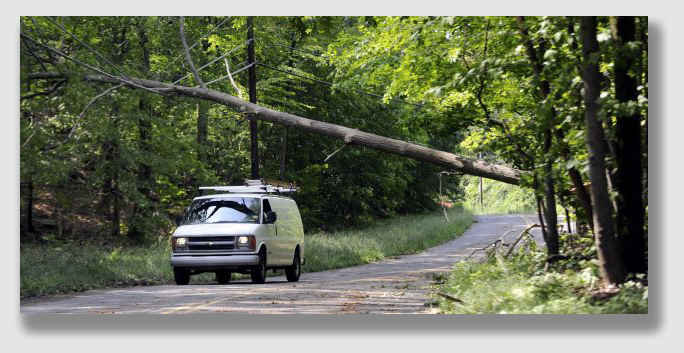
Calvert County could stop determining whether trees on private property are dangerous under a proposed rewrite of its property maintenance code. During a Sept. 29 work session, the Board of County Commissioners directed staff to prepare the proposed changes for a future public hearing. No amendments were adopted, and a hearing date has not been announced. The county’s current property maintenance code requires property owners to remove dangerous trees along with trash, abandoned vehicles and other prohibited materials. Chief Zoning Enforcement Officer Christopher Breedlove told commissioners the county no longer employs a certified tree expert after the employee who previously conducted evaluations retired. Staff also raised concerns about the county’s potential liability when determining whether a tree is safe. Removing the provision would leave disputes over potentially dangerous trees on private property to the owners involved instead of county code enforcement…
Evanston, Illinois, Roundtable, October 4, 2026: The end of an elm tree
The giant American elm in the middle of our backyard is coming down this week. While this towering beauty looks fine from a distance, at least to me, it’s been declining for years. Not long after my husband and I and our passel of kids moved into this house in 2002, the City of Evanston tagged the tree for having symptoms of Dutch elm disease. It was not diseased enough to be cut down; it showed less than 5% of symptoms. But the city recommended injecting the tree with a fungicide, which we did immediately. I think we injected it twice. We also had its branches pruned. In the years that followed, we worried that the tree would die of Dutch elm. But it was never tagged again, although we bought the city’s private elm tree insurance every year just in case. My husband, who is more well versed in trees than I am, continually paid attention to its canopy. Some years it seemed sparse at the top and other years it seemed fairly lush and green… Then something changed…
 Science Daily, October 4, 2026: A forgotten 30-year forest experiment just delivered a huge surprise
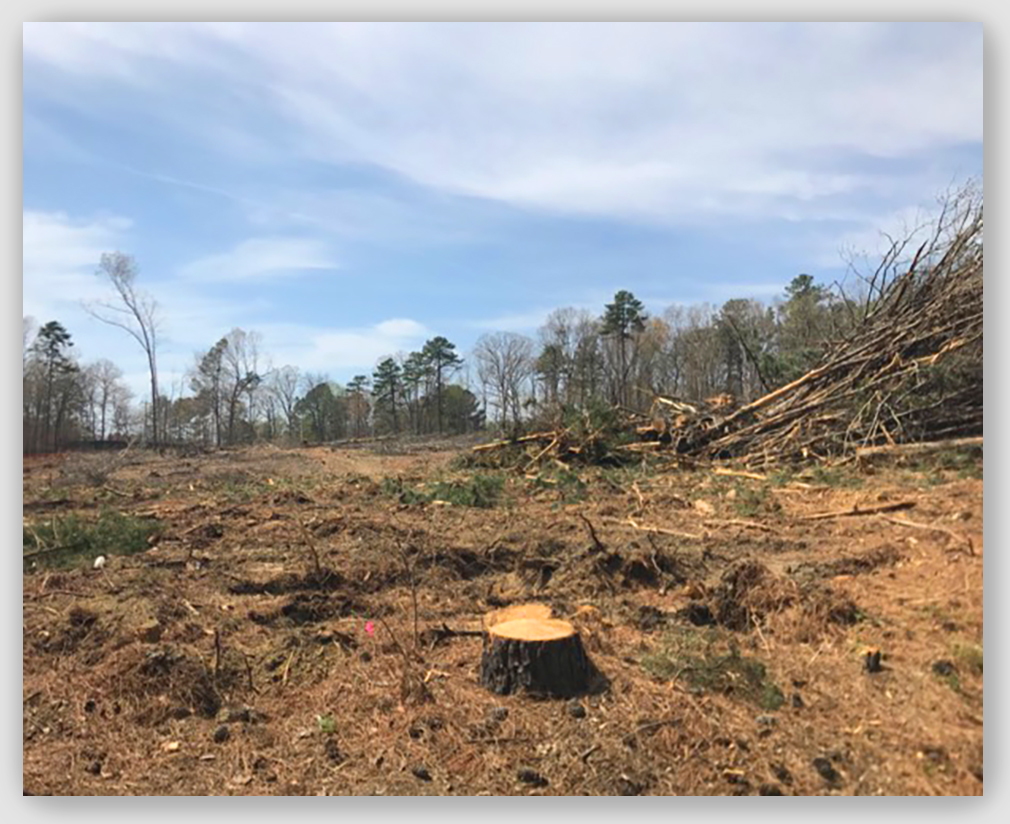
What’s the best way to manage a forest? Australians have argued about this for decades. The debate is often framed as binary: do we protect forests entirely, or harvest trees to support local economies and communities? The reality is more interesting, as our new research on a long-forgotten experiment in Victoria’s mountain ash forests reveals. Since the 1970s, scientists and the public have questioned the use of clearfell logging – where all trees in a block of forest are cut down. Conservationists argued it destroys habitat for rare species and reduces the forests’ ecological value. Foresters said mountain ash is adapted to catastrophic bushfires, and clearfelling is the forestry equivalent…
Southern Living, October 1, 2026: Should You Fertilize A Tree With Exposed Roots?
It might make any homeowner question whether there’s a problem if they see thick roots growing through the soil near a mature tree, and if the roots appear particularly bare, you might feel the need to buy some fertilizer. The fact that the roots are exposed doesn’t mean that your tree needs extra nutrients. On the contrary, it can do more harm than good to fertilize a tree without first determining whether it has a nutrient deficiency. What you should do instead is concentrate on protecting the roots and work out why they have become exposed. Tree roots tend to grow outwards rather than downwards. The majority of the fine roots that absorb water, oxygen, and nutrients are located near the soil surface. In some trees, the root systems are naturally shallow, so the roots can become visible as the soil wears away or shifts. Exposed roots may also become more obvious in places where changes to the landscape have been caused by grass growth, foot traffic, mowing, erosion, or soil compaction. Although they might be ugly, the roots by themselves do not necessarily mean that the plants are getting poor nutrition. Do not cut, nick, or damage them. You should avoid cutting exposed roots, as root damage can compromise the tree and lead to disease and insect infestations…
 D Magazine, October 1, 2026: How to Save Your Trees From That Drought
There’s a live oak tree in my front yard. There’s a live oak tree in, well, all of my neighbors’ front yards. I live in one of about 14 identical duplexes that sit one right next to the other, each of which has one lone live oak standing between the house and the sidewalk. Take the live oaks away, and it is 14 somewhat ugly duplexes in a row, the kind of house people in Dallas love to hate, where all you see from the street is a big garage door. Add the trees back, and it is the kind of street I wanted to live on. The last couple of years, however, I’ve been watching my live oak do something especially disconcerting. When my wife first noticed it, she called six arborists that week, two of whom came out for a free consultation. They said, well, there’s nothing you can do. This is from the “big freeze” a couple years back, and your tree is now just finally reacting to it. When I say “reacting to it,” I mean losing chunks of its bark, slowly falling off like scabs in a growing circle fairly close to the ground. The tree, I think, is still very much alive. It still has leaves. It still does its odd, off-the-normal-calendar live oak thing of losing its leaves in spring instead of autumn. It still drops a voluminous amount of those live oak pollen strings called catkins, producing more pollen than any living thing has any business producing. But it doesn’t look great…
To provide for others, be carefully protected and ultimately receive new life — these are the seemingly existential aspirations University Arborist Tom Bythell and his three-person crew have for the roughly 7,000 UNC trees they maintain. In his 28 years of working at UNC, Bythell’s roles have grown to include duties like grounds supervisor and forester for several thousand acres of University-owned, off-campus land and over 40,000 trees. He stewards everything from lands at Carolina North Forest to the historic Davie Poplar — which currently houses around 1,300 birds, he said. One of his most recognizable projects has been the white oak over the Old Well, which he has meticulously pruned to hug the top of the well’s dome…

Niku Argane’s farm sits on a steep hillside in central Ethiopia’s semi-mountainous Gurage Zone, where years of flooding have carved deep gullies through the land. Soil that once produced enough barley and potatoes to feed his wife and four children — and left a surplus to sell in the market — has eroded, while drought has made what land remains harder to cultivate. “We have never stopped farming, but our production declined because of land degradation,” the 32-year-old said from his farm in Ambele Kebele. Over the last century, Ethiopia nearly eradicated its forests as trees were cleared for farming, grazing, and fuel. The loss of tree cover and tree roots allowed wind and rain to wash away fertile topsoil and contributed to declining crop yields. That vulnerability is now being compounded by climate change. Ethiopia is among the countries most vulnerable to its effects: Heavier downpours are sluicing away depleted soils and triggering landslides, while more intense droughts, combined with the loss of shade that trees once provided, rapidly dry out the land…
HRD America, October 1, 2026: EEOC: tree care firm hired 1,900 men, shut women out of field jobs
A Texas tree services company hired more than 1,900 men for field roles over four and a half years – and no more than 12 women, the EEOC alleges. The US Equal Employment Opportunity Commission filed suit against Sequoias Tree Expert, LLC on September 30, 2026, in the Southern District of Texas, claiming the company ran a company-wide practice of refusing to hire women for field positions including groundsman, trimmer, foreman, and driver roles. The complaint centers on a female applicant with years of experience in the tree trimming industry, including work as a foreman, groundsman, and trimmer. According to the filing, she applied for a groundsman position with Sequoias on or around February 17, 2025, after being recruited by a man who had been hired as – or had applied for – a general foreman role with the company…
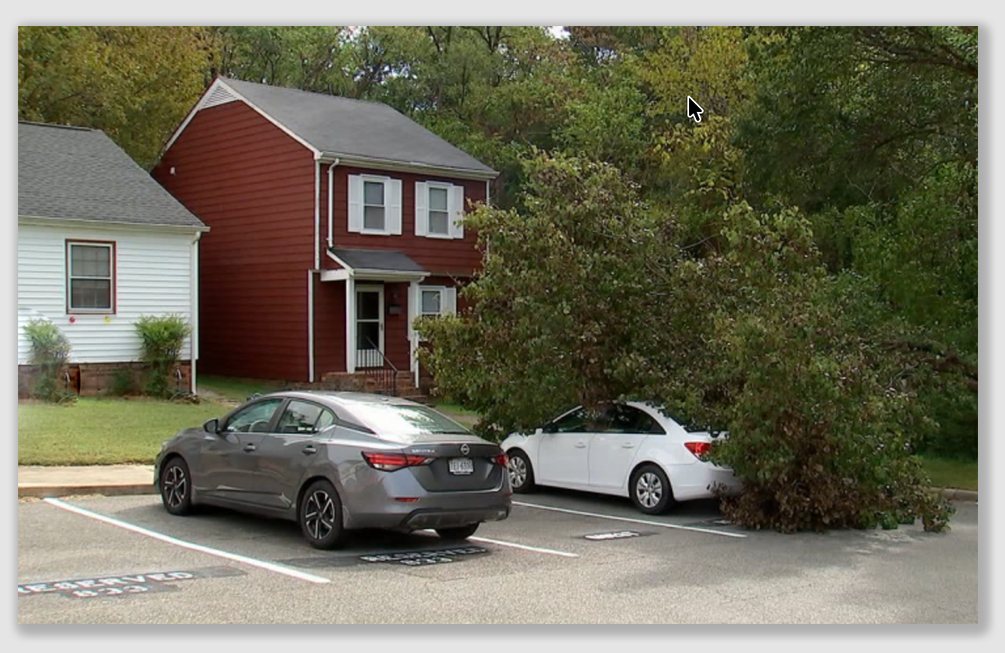
8News is taking action to find out who could be held liable after a tree fell on a neighbor’s car. On Sept. 20, around 9 p.m., Brittany Sanderson said she and her family were inside her mother’s Henrico home when they heard a loud thud outside. “I thought that it was like a fire that broke out because it was just a loud impact,” Sanderson said. Sanderson, who co-owns the vehicle, said they contacted the HOA team, Fox Hill Homeowners Association, in April after noticing the tree growing rapidly over her mother’s parking space. “We started to see the tree kind of hanging, and then by July, August, it was blocking our designated parking space,” she said. Sanderson said texts and emails went unanswered for months — until the tree eventually fell on her mother’s car. “When this happened, no one knocked on our door and said, ‘Hey, are you okay? Is there anything we can do?’” Sanderson said. “My mother has had to miss doctor’s appointments. She’s unable to just do her daily errands of grocery store runs, making sure that we have meals and everything…”
Chandler parks and streetscapes lost more than 200 trees this monsoon season, totaling $675,164 in lost tree assets. The city was hit hard by monsoon storms this season. “As soon as we felt like we had everything cleaned up another one came rolling through,” said Brandon Putman, parks superintendent for the City of Chandler. Chandler parks lost 122 trees, plus 82 trees in Chandler streetscapes, totaling over $675,000 in assets. “The storms just keep getting stronger and stronger, and when you are in a desert community and it is all about shade, it is disappointing to have to kind of restart,” Putman said. Since 2024, the city has kept an inventory of all of its trees. It includes data like the type of tree, its overall condition, height and its location. This year the city says the data shows proactive maintenance helped. “We did not lose any of those trees that we proactively pruned last year to those storms,” Putman said. Now they are starting to think about replacing the trees they did lose…
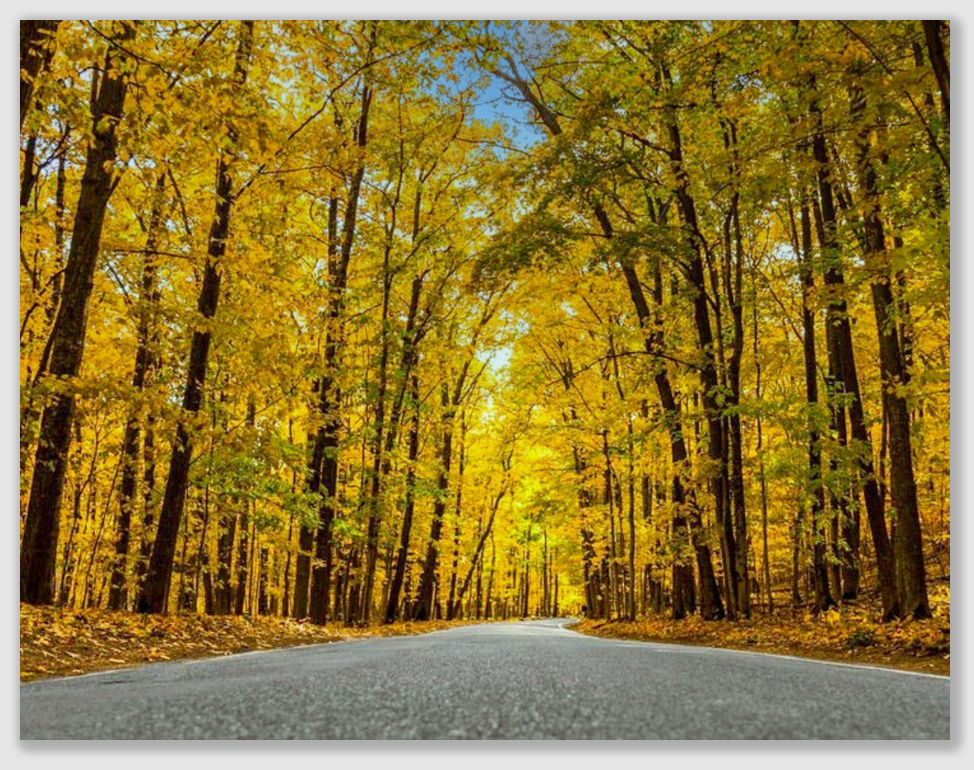
Michigan’s Tunnel of Trees, M-119 between Harbor Springs and Cross Village, is a favorite fall color drive, but you’ll have to plan for a few detours if you want to make the drive this year. Some sections are still closed for repairs where spring and summer runoff washed out sections of the state highway. Work has wrapped up on one section and the state highway is open between West Stutsmanville and Terpening roads, the Michigan Department of Transportation said in a Sept. 3 news release. M-119 will remain closed near Division Road until summer 2027 — and indefinitely at Devil’s Elbow, with traffic detoured on West Stutsmanville Road, Townline Road, Church Road and Robinson Road, MDOT said in the release. “This is one of the most scenic stretches of highway in America. Snaking its way along the Lake Michigan shoreline, the Tunnel of Trees offers unparalleled coast views,” the Petoskey Area Visitors Bureau says…
Watering fruit trees is vital for their growth and productivity, but understanding when to reduce or stop watering is equally important. Consistent watering builds strong root systems and supports a bountiful harvest. However, overwatering or watering at the wrong times can lead to issues like root rot and nutrient deficiencies. As seasons change and trees mature, monitor signs that indicate when to reduce watering or stop altogether. Ahead, experts discuss factors that affect watering schedules, seasonal guidelines for different climates, and practical tips to keep your fruit trees healthy and vibrant. Improper watering can significantly stress your fruit trees, impacting their growth, fruit quality, and survival. Eric Nieusma, co-owner of Maine Hill Farm, points out that consistent watering is crucial, but you should adjust your approach as the seasons change and the trees mature. “Continuing to water your fruit trees the same way throughout the year or as they grow older could jeopardize their health,” he says. Overwatering when the tree needs less water can lead to problems such as root rot, nutrient deficiencies, and decreased fruit production…
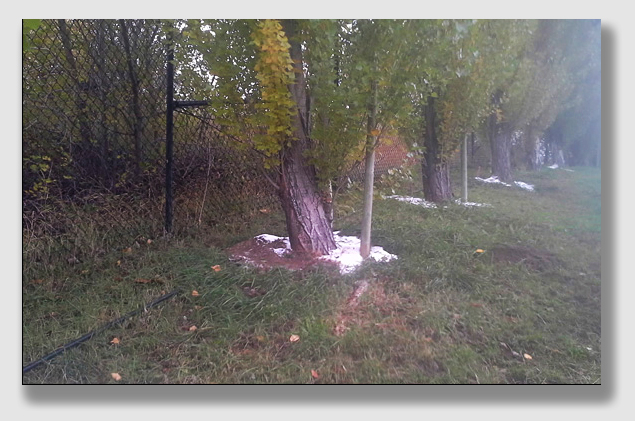
The Great North Temple Tree Poisoning of 2024 will live long in the memories of the west-siders who live close to the major road. But, last week, Salt Lake City officials said efforts to plant new trees in the place of the 200 that died are bearing fruit. About 100 new trees are in the ground along the corridor between 600 West and Redwood Road. Another 100 more will be removed from their wooden planter boxes on the street and placed in the now-healthy dirt by the end of the year. To have the trees die was just was really sad,” Fairpark Community Council Chair Jeffery Olson said. “But we were grateful for the city’s response. We’re grateful that they stepped up pretty quickly and they came up with a plan for getting trees back out there while the soil was recovering from the damage that had been done.” The old trees were lost when a city employee, attempting to kill weeds around the trees’ bases, selected the wrong herbicide — one that’s actually supposed to be used for killing unwanted trees and shrubs…
Weekend thunderboomers and the root-weakening effect of a long-term drought were the likely culprits for downed trees in the city of Atlanta on Sunday and Monday. And for one Atlanta driver, one of those falling trees caused a harrowing experience. Marquez Peete was driving his white Ford pickup truck down Macon Drive in southeast Atlanta last Sunday afternoon, helping his brother move some items. “I saw (the tree) moving a little more than usual and then I heard the crackling,” Peete told me the next day. “And before I knew it, I just swerved off to the left to try to avoid it.” That move saved his life, he believes. The large pine was up a hill and in a yard that overlooked Macon Drive, south of Lakewood Avenue, in this city in the forest. The impact ruptured his truck’s windshield, covering Peete in glass and injuring his eye, arms and legs. A storage attachment on the truck’s ceiling came loose and left a big shiner under his right eye. Peete said he felt lucky “it didn’t do worse.” So much of the tree covered the white truck that when 11Alive photojournalist Stephen Boissy and I arrived around 5:30 a.m. Monday, we could see only a fraction of the damage. In fact, we did not get a full look at what happened until a city subcontractor came to remove the tree about 16 hours after it fell. More on that later…
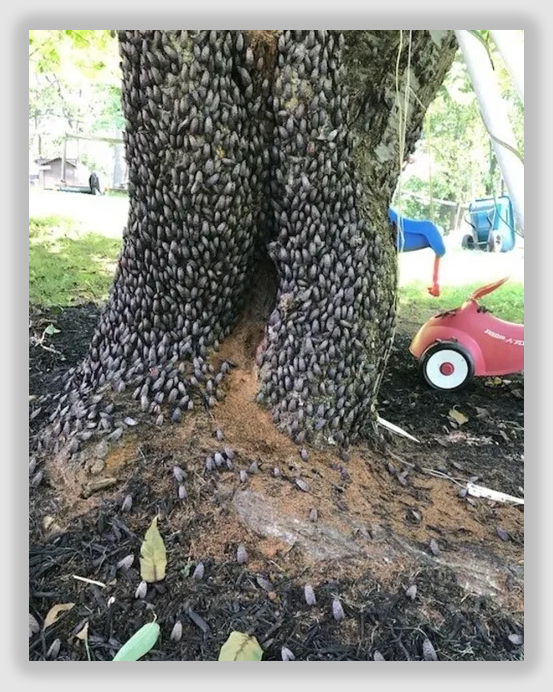
Day after day, a Toledo woman has witnessed hundreds of spotted lanternflies take over her backyard, coating everything beneath a tree with sticky residue and leaving her unable to comfortably use part of her own property. Heather Keyes found herself reaching a brick wall in her battle against the relentless army of spotted lanternflies. As the struggle persisted, she contacted 13 Action News. She told reporter Imani Jackson that the insects began causing trouble about a year ago, and she has since killed hundreds. “I can’t park my car back here, I can’t even sit back here,” Keyes told the outlet. The epicenter of the problem comes from a tree of heaven growing just inches from her driveway. However, one more technicality throws yet another wrench in an already exhausting problem: the tree belongs to the property next door. Spotted lanternflies are invasive insects that feed by piercing plants and drinking their sap. The U.S. Department of Agriculture says they feed on numerous plants, but the tree of heaven is their preferred host…


