


The tree that has invaded the South and brings comments of, “What’s that smell?” is about to start blooming once again as we inch ever closer to warmer weather and the first day of spring. Bradford pear trees, once an arborist’s dream tree, have become the bane of many in the Carolinas due to their invasive nature and the odor that they release when they bloom. Some states and communities even offer incentives for people to cut down the trees and replace them with native species. Here’s everything you need to know about South Carolina’s love-hate relationship with the Bradford pear. How did Bradford pears get to the U.S.? That would be thanks to Frank N. Meyer, a plant explorer for the U.S. Department of Agriculture, who brought the tree native to eastern Asia to communities across the U.S., according to the U.S. Department of Agriculture. Why are there so many Bradford pear trees? At one time, the trees were a sought-after landscaping item due to their round shape, white flowers and bright fall colors. It can also survive where many other trees couldn’t due to a high tolerance against pollution and the ability to grow in compacted soils and dry conditions…
Pleasanton, California, Pleasanton Weekly, March 5, 2026: Fungus infection forces removal of huge trees
We are fortunate to live in an area with magnificent Valley oaks that are easily centuries old, but we also have the growing firesticks known as non-native eucalyptus. The city of Pleasanton took down a big eucalyptus tree from Lions Wayside Park in September 2020 amid concern from some residents, but city staff held firm that it had to go because of the fungus. It was the same over the last couple of weeks for the three-tree stand of massive eucalyptus on the westside of Foothill Road just north of Longview Drive. These were huge trees, but were suffering from the brown fungus that rots the heart of the tree. It can grow invisibly for years, compromising the viability of the tree and raising the prospect of falling branches or worse… Helena, Montana, KTVH, March 5, 2026: City removing downed trees on Mount Helena to prevent beetle overpopulation
The city of Helena will soon begin work on Mount Helena, cleaning up damaged trees from December’s historic windstorm. Some changes are being made to those trees to better protect the environment. The city has already been cleaning up trees from December’s windstorm in more populated areas and is now shifting its focus to Mount Helena City Park. Helena open lands manager Brad Langsather will supervise C.R.W. Recourses LLC, which the city contracted for cleanup. “We have concentrations of wind-thrown trees, whether they’re completely down on the ground or hanging up in other trees,” Langsather said. Langsather says they’ve seen the most downed trees in the northwestern corner of the park, estimating around 1,000. Those trees will be cut from the roots and have limbs removed, to be put into slash piles for later burning. Logs easily accessible to crews will be gathered in the summer and go towards firewood distribution programs for families to use next winter. Larger logs — more than 6 inches wide — will stay where they are on the ground, but with a few changes. The city plans to cut off the bark from the top to the bottom every three inches to dry more easily. These changes come with a purpose. Leaving the logs as is could create problems that would harm more trees than the windstorm damaged in the first place. These changes come with a purpose. Leaving the logs as is could create problems that would harm more trees than the windstorm damaged in the first place.“We feel there could be an outbreak of bark beetles in this area that are gonna try to use this as a host tree,” Langsather said…
A 200-year-old Monterey cypress tree in Carmel is creating division as officials and private property owners haggle over whether or not the towering, 60-foot-tall marvel should be allowed to live. The city takes its arboreal protection and preservation seriously: It has a special commission that provides oversight to the town’s canopy. But Carmel is now caught in a debate over the fate of the magnificent specimen located in the heart of the oceanfront city’s historic residential zone. Last month, the Carmel Forest and Beach Commission met specifically to discuss a request from the homeowners who own the lot where the tree is located. They recently rebuilt their home on the lot, and asked to tear down the cypress, which the city defines as a “significant” tree…
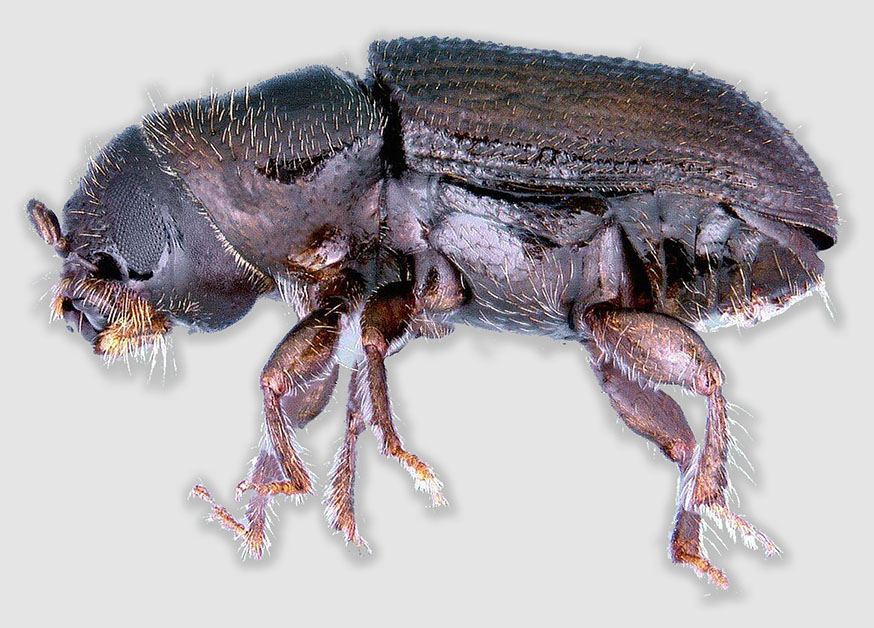
Across the Front Range, century-old, iconic ponderosa pines span thousands of acres — stretching from the rugged foothills and into the neighborhoods and backyards of local communities. But over the past three years, that landscape has noticeably shifted. More hillsides are now marked by thinning crowns and shades of brown — signs of a growing pine beetle outbreak, according to the state’s Forest Service lead entomologist, Dan West. “The ability for these small, little insects to work in concert to all attack one tree all at the same time and to overcome the tree’s defenses that have been there for a century is truly staggering,” West said. “And then on top of that, when you think about the breadth of which we’re looking at, just as far as you can see, there’s dead trees.” It only took a few years for these tiny insects, no bigger than a grain of rice, to explode across the Front Range…
Everyone wants a piece of some of the world’s famous violins. Switzerland, France, Slovenia and other European countries have all claimed that the wood used in the celebrated stringed instruments of Antonio Stradivari came from their forests. But now, a study of the tree rings in Stradivarius violins, published in January in the journal Dendrochronologia, has revealed the most likely origin of some of the craftsman’s violins: wood from trees growing at high elevation in northern Italy in the same valley that hosted part of the 2026 Winter Olympic Games. Antonio Stradivari produced over 800 instruments in the 17th and 18th centuries, most of them violins but also cellos, guitars and a harp. A Stradivarius instrument is treasured for many reasons, but most notably its superior sound quality. “It does everything better,” said Peter Beare, a director of Beare Violins Ltd. in England, a company that restores, sells and authenticates high-end violins…
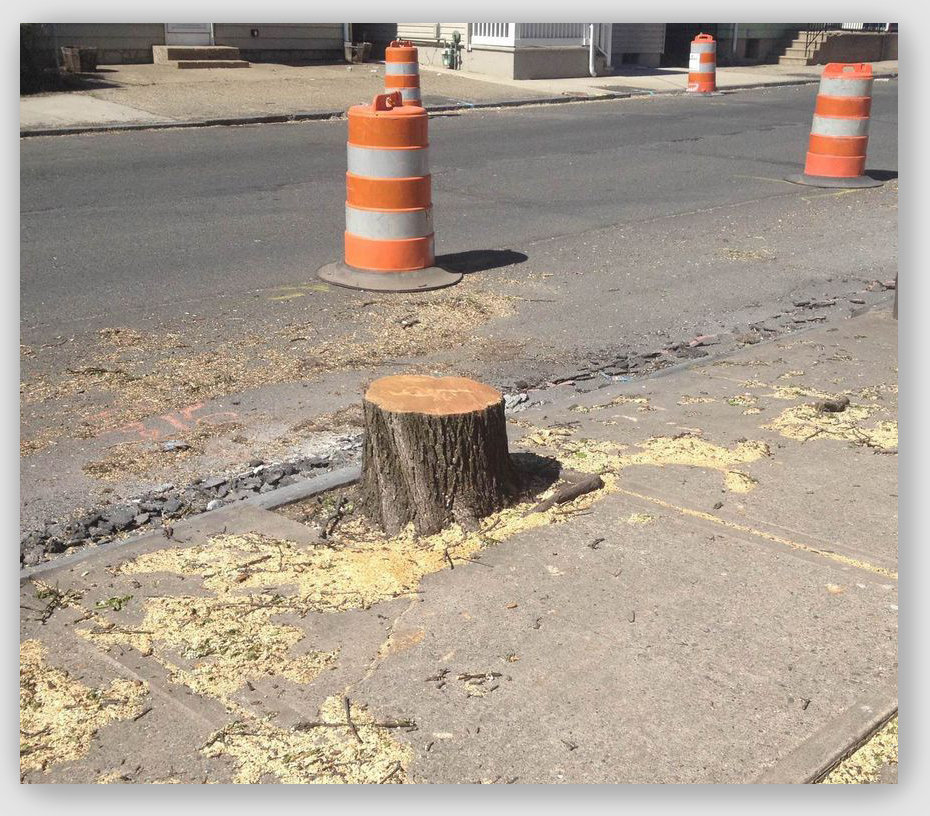
Drivers traveling along Interstate 94 coming from Detroit Metro Airport might have noticed a stark change in the landscape. A lot of trees were cleared from the median. One Local 4 viewer wrote us, concerned about the apparent loss of “thousands” of trees, the piles of logs and stumps now visible from the freeway, and what would happen to the deer that had long lived there. In response, Local 4 visited the site with Diane Cross from the Michigan Department of Transportation. She said the tree removal is part of its long-term Restore 94 project and is primarily about safety and rebuilding the aging freeway. A freeway she said over 100,000 drivers use daily. The work covers a stretch of I-94 from I-275 to Michigan Avenue at the Dearborn–Detroit border. MDOT is “rebuilding part of the freeway totally down to the dirt,” said Diane Cross, a communications representative for the agency. “ And here in the area Inkster and Ecorse we are moving the freeway through this wooded area. To make room for that reconstruction and realignment, MDOT has cut down hundreds of trees in the area. Cross said the agency plans to replace the lost trees. “We are putting back 3,000 trees once the project is done,” Cross said. “They will be along the outside lanes because we want the trees to help absorb the fumes coming off the freeway and help with noise, that kind of thing…”
The South Carolina Forestry Commission and Clemson University are encouraging homeowners to cut down their Bradford Pear trees. Clemson University said that Bradford Pears are not native to the U.S. and have been widely planted across the Palmetto State for years. The trees produce a pungent odor while blossoming and they often break during storms. The invasive trees also directly contribute to one of the worst invasive plant species in the Southeast – the Callery pear. The Bradford Pear Bounty 2026 is an invasive tree replacement program that rewards property owners with native replacement trees in exchange for removing Bradford pears from their property. In the month of March, there are two scheduled events across the state… The Forestry Commission says eligible property owners can register online to claim free native replacement tree(s) in exchange for the removal of invasive Bradford pear tree(s), up to five total per person. Supplies are limited and registration is required. Trees are available first-come, first-served while supplies last…
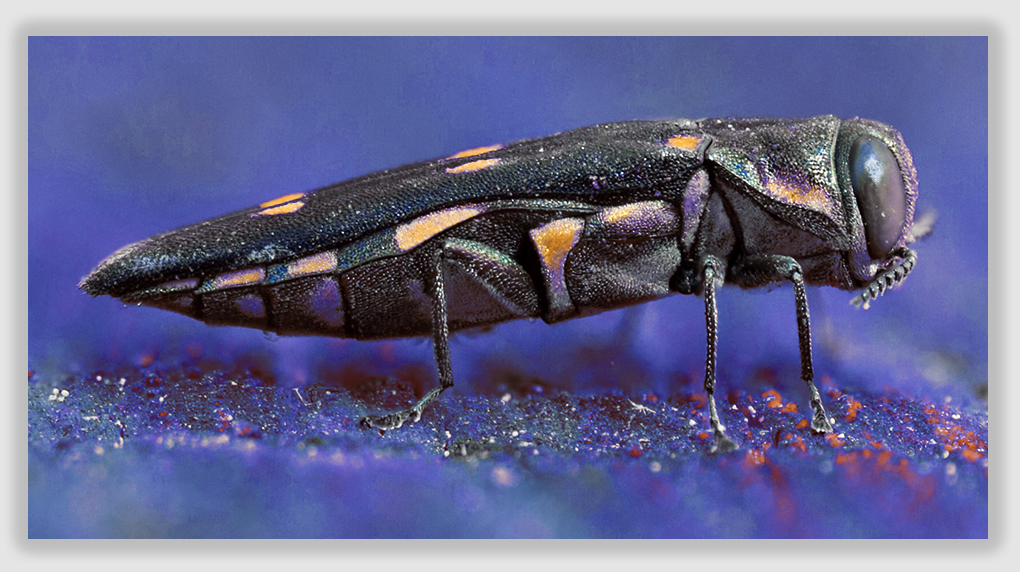


 Tree and Neighbor Law For Homeowners and Professionals