

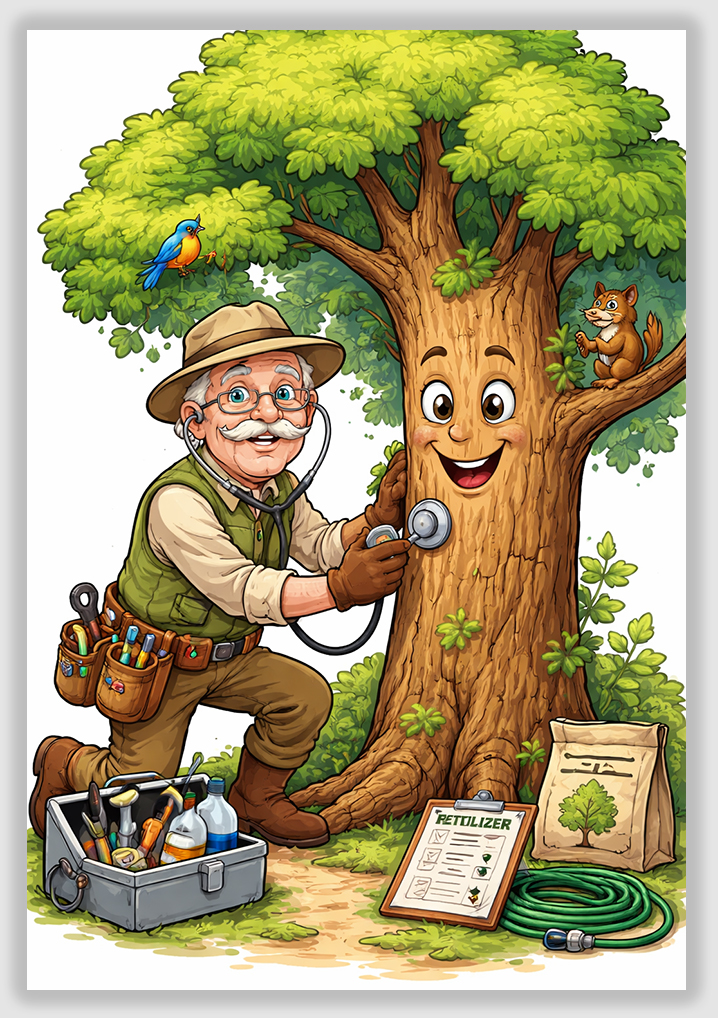
 New York City, The New York Times, February 24, 2026: When Do You Need to Call a Tree Doctor?
Homeowners who plant trees know how crucial care is during the formative years of the investment. But what about that front yard guardian that is likely older than the house itself? Although a mature tree may not demand the same attention as a young Japanese maple, problems still arise. And while a property owner with a green thumb can usually prune young trees from terra firma, mature trees require specialized cutting, pest and disease management that professionals should handle. It’s worth the extra effort. Environmental studies and real estate experts agree that a mature tree near your home can boost its value by 3 to 15 percent. “You do not, in fact, need to own the tree to see the financial benefits,” said Geoffrey Donovan, an economist and scientist who consults on the benefits of urban trees. Renters might see reduced cooling costs in summer because of a mature tree’s shade, along with better air quality and reduced traffic noise, he said…
Medford, Oregon, The Rogue Valley Times, February 25, 2026: Apple sleuths uncover unique trees on Peter Britt grounds in Jacksonville
A team of apple sleuths has uncovered four unique trees at the former site of pioneer orchardist Peter Britt in Jacksonville, and preliminary DNA tests showed their special character. “They may not be found anywhere else in the world,” team leader Carol Knapp told Jacksonville City Council during a study session Feb. 17, where she updated members on the latest developments for the Britt Heritage Apple Project. Knapp, Gayle Lewis and Jill Brenkman having been working on identifying 10 apple trees, half of which are on the Britt Festival grounds and the other half on the city’s adjacent Britt Gardens. The four unidentified trees and six other heritage apple trees are not in great shape, although all produce some fruit…
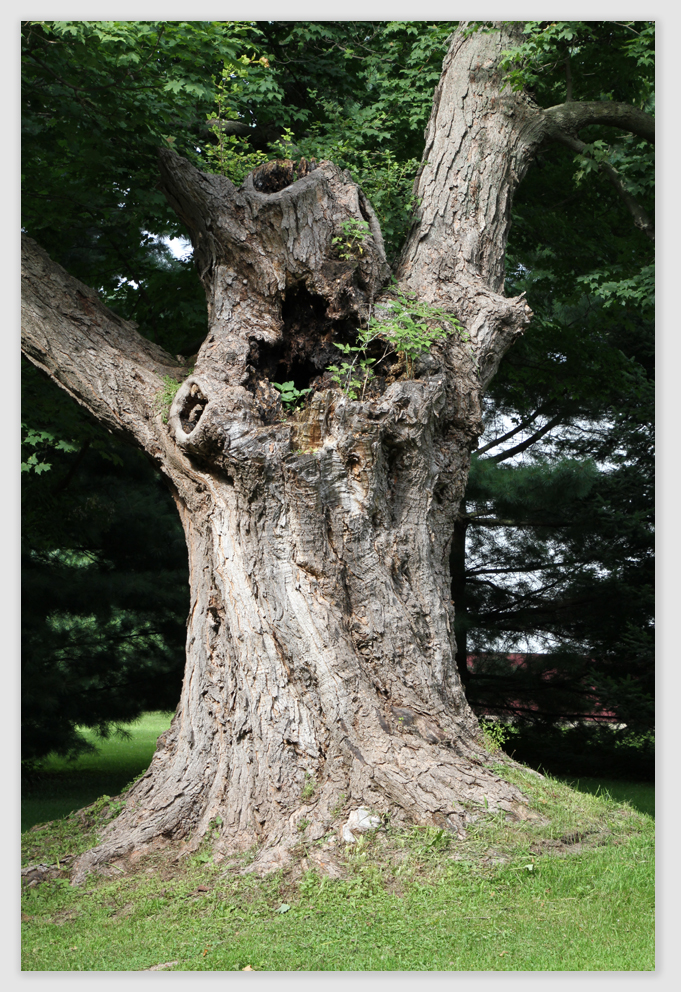
Throughout their lifetimes, healthy forests produce more oxygen than they use, while taking in greenhouse gases via plants and soils. This ecosystem-wide service, called carbon sequestration, regulates global climate and is an essential component of climate models and goals. Forest health, however, influences carbon cycling, and when trees get sick, the net reduction of greenhouse gases may be more limited than previously thought. New research conducted at the University of Notre Dame Environmental Research Center (UNDERC) suggests that upland forests harboring trees with a common and incurable fungal disease known as heart rot could actually be emitting more methane than they take in, therefore releasing more greenhouse gases than previously thought. Methane, a flammable natural gas, is more than 30 times more effective at trapping heat than carbon dioxide. “Historically, upland forests were thought to be strong methane sinks because they have organisms in their dry soils that take up methane instead of releasing it to the atmosphere,” said Adrian Rocha, an ecologist at the University of Notre Dame who supervised the research. “Heart rot disease has the potential to switch upland forests from being methane sinks to methane sources since diseased trees emit more methane than healthy trees…”
Nashville, WSMV-TV, February 25, 2026: NES moving to ‘aggressive’ tree trimming after more than 230K customers were without power during winter storm
The Nashville Electric Service has announced it’s moving to a new “aggressive” approach to tree trimming after more than 230,000 of its customers were without power during the historic ice storm that hit the area in late January. NES is making this shift in its vegetation management to be more proactive and aggressive with trimming trees in its service area. Half of the utility company’s customers lost power during the winter storm, with a vast majority of those being impacted by trees and heavy limbs falling on power lines. Some of the outages were caused by limbs above power lines breaking, even though limbs near the lines were trimmed, NES claims. NES said it will be moving to these new protocols for tree trimming near all power lines. The protocols call for a 15-foot trim clearance on both sides of a power line, instead of the current 10-foot trim clearance…
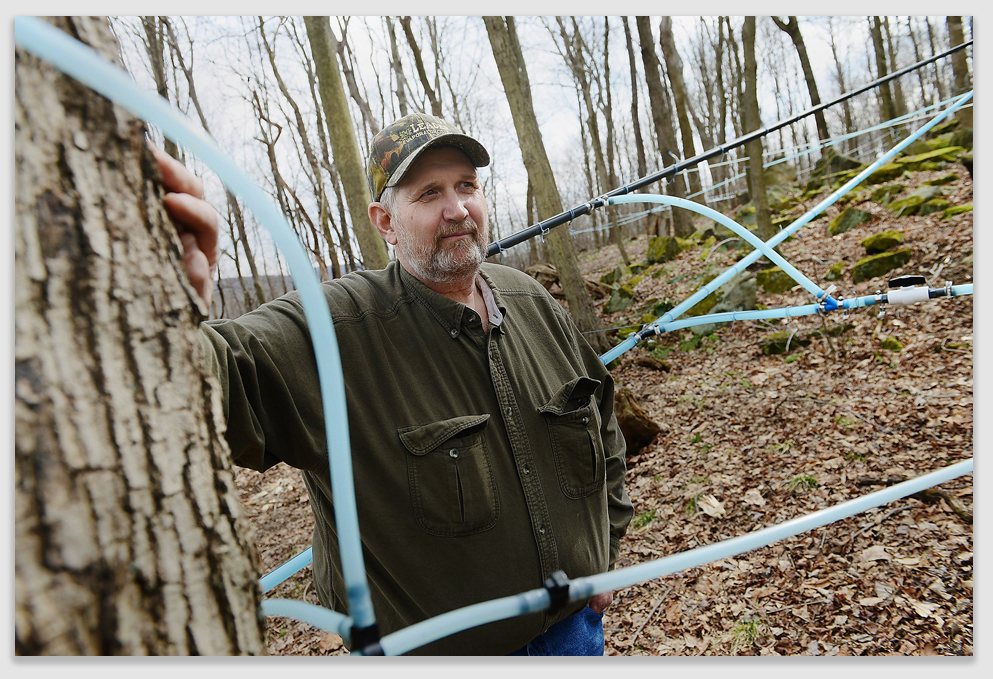
With spring just weeks away, maple syrup producers across northern Michigan are preparing to tap trees — a process that depends heavily on the right winter weather conditions. “I think this has been a really good winter for the maple industry,” Out of the Woods Maple Farm Operator Joe Woods said. “Last summer, we had a significant amount of rain compared to the past years.” Woods says the process begins with taping the trees. “You need to have some form of a device that will drill a hole,” Woods said. “You want a nice, clean hole. Only about an inch, inch-and-a-half, deep and then what you’re going to do is put in some form of a tap or a spout.” Woods says there is a specific system he uses to harvest the sap from the trees. “We are on a line system, very much like a dairy operation where they use vacuum to move the milk and stuff,” Woods said. “We’re using the same idea to move sap from the trees…
Bend, Oregon, Bulletin, February 23, 2026: Editorial: Should Bend’s tree ordinance protect junipers?
Go out into the Badlands east of Bend and you could find a juniper tree believed to be more than 1,500 years old. Junipers can be hearty survivors, with taproots that plunge deep into the Earth seeking and finding water. Birds feed on their berries. Other animals use them for shade and habitat. They can also invade other landscapes. Their heartiness means they can crowd out other species and take over. Trending Central Oregon governments nix decades-old agreements with trash haulers Bend High girls, other IMC teams dominate 5A state swim meet “Hayden Homes and Central Oregon Builders Association both sent letters to the city of Bend requesting to remove junipers from the list” of trees protected under the city’s tree ordinance, as The Bulletin’s Michael Kohn reported last year. And earlier this year at a Bend Planning Commission meeting, Kirk Schueler, representing Brooks Resources, renewed the concern of protecting junipers on industrial sites. Roberta Silverman, chair of Save Bend Greenscape, testified in favor of protecting trees from development, including junipers. The Bend City Council may take up the issue in March: What to do about junipers? Protecting old trees is one thing. Protecting young junipers that are essentially an invasive species — moving into new environments due to an unnatural lack of fire — is another…
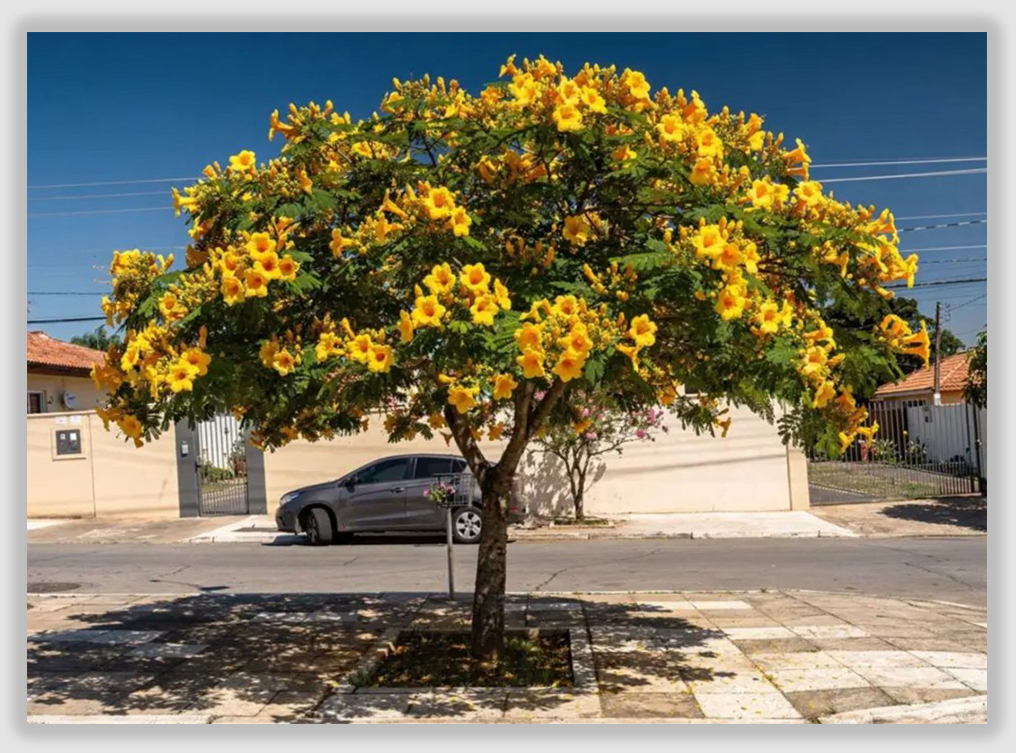 Earth.com, February 23, 2026: Popular trumpet tree shifts from favorite to invasive in Brazil
A widely planted sidewalk tree has been formally ranked among Brazil’s most pervasive invasive species after thousands of records confirmed its spread beyond gardens. Months of bright blooms and strong heat tolerance have fueled widespread planting, yet clear evidence shows the tree is taking hold in landscapes far beyond where it was meant to grow. Across Brazil, yellow-flowering Tecoma stans has been documented appearing far beyond cultivated sidewalks and yards. By compiling field reports from multiple regions, Horus Institute for Environmental Development and Conservation confirmed that the species has taken root in wild and disturbed areas without deliberate planting. More than 3,000 independent records placed it among the country’s most widely distributed invasive plants, showing that ornamental use has translated into sustained spread. Once a tree crosses that line from decoration to self-propagation, each new planting adds to a growing population that no longer depends on gardeners to survive…
Southern Living, February 22, 2026: 5 Things Experts Wish You’d Stop Doing To Your Trees
Common landscaping habits can do your trees more harm than you realize. Of course, you don’t mean to damage your trees, but little missteps can injure your tree or affect its long-term health. “Trees are organisms that humans tend to think are eternal,” says Amanda Bennett, certified arborist and vice president of horticulture and collections at Atlanta Botanical Garden. “But they have different life spans and need routine maintenance, especially if they’re near structures and popular areas,” such as your backyard where the kids play. Whether it’s a tree you planted years ago or one you inherited when you moved into your home, your trees require your attention more often than you think. “Your landscape isn’t static,” says Mary Carol Sheffield, certified arborist and extension agent for agriculture and natural resources for the University of Georgia. “As it changes, the care your trees need change, too, especially as they mature.” For homes with a lot of trees—or even one large specimen—it’s worth seeking an occasional evaluation by an arborist, who is trained to assess a tree’s health. “It really should be part of your overall home maintenance plan for the health and safety of your trees and your home and family,” says Sheffield. These professionals can offer suggestions for how a tree can be pruned to correct structural or potential safety issues (find a certified arborist here)…

Across the calm waters behind a pumping station near Lake Borgne, hundreds of saplings stand out in the mist, wrapped in white plastic cylinders. To get there and to other sites like it, organizers have ferried dozens of volunteers week after week in airboats. They have a trailer equipped with supplies. Rubber boots in all different sizes. Bins full of snacks for the end of a hard day’s work. One day, they hope to see 30,000 fully grown trees like bald cypress and water tupelo at this and other sites that restore the natural barrier of wetlands into the protective forest it once was. The goal is for the roots of these native trees to hold the earth around New Orleans in place as it slips further below sea level, create habitat for wildlife and help shield the city from storms. Much of that natural barrier was lost after Hurricane Katrina, which killed over 1,000 people and caused over $100 billion in damage in 2005. But many have been working since then to restore the land, and near the end of a long effort run by local environmental groups, organizers are reflecting on the roots they’ve helped put down — a more solid ecosystem, so different from the degraded marsh they started with…
A recent graduate of San José State University who went skiing at a California resort in Lake Tahoe was found dead along a trail, days after eight skiers were killed in a large avalanche in the region. Colin Kang, 21, the student, was found on a black diamond run, a challenging type of trail for expert skiers, by the Tahoe Nordic Search & Rescue Team on Thursday morning, the Placer County Sheriff’s Office said in a statement posted on social media. Elise Soviar, a spokesperson with the sheriff’s office, confirmed Mr. Kang’s identity on Friday. It appeared that Mr. Kang “fell into a tree well,” Ms. Soviar said, but his cause of death remained under investigation. A tree well is a hidden hollow that forms when snow piles up around the outside of trees, leaving an area under the tree that remains untouched and poses a risk to skiers, Ms. Soviar said. When skiers fall into deep tree wells, they can get stuck, she said, and there’s a chance that snow could collapse around them…

 Tree and Neighbor Law For Homeowners and Professionals