

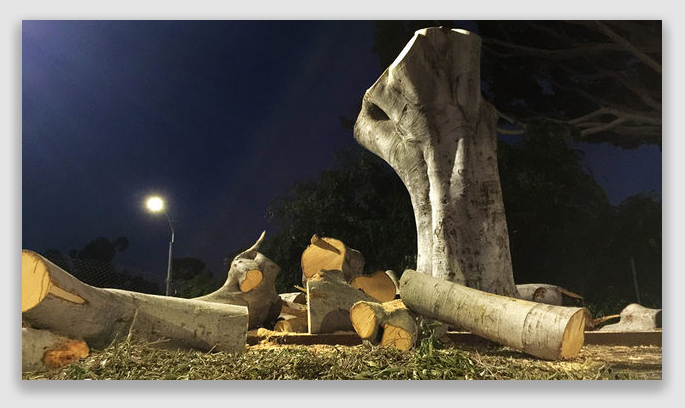
Towering cypresses. Leafy sycamores. Twisted olives. Street trees are an integral part of San Francisco’s urban fabric, and their gifts are plentiful: shade, clean air, and habitat for birds and small animals. Despite its reputation as a city full of tree huggers, San Francisco’s urban canopy is uneven and unusually sparse compared with other American cities. Now, legislation that would change the rules around planting and removing street trees is teeing up a bitter fight at City Hall. The proposal, introduced by Supervisor Alan Wong and Mayor Daniel Lurie, is part of the mayor’s broad effort to transform and simplify permitting in San Francisco. It would change several rules around the removal of street trees, giving property owners and developers more “flexibility and options to meet street tree planting requirements,” according to Annie Yalon, the deputy director of policy and communication for San Francisco Public Works…
About 20 trees are being considered this week for designation under the City of Biloxi’s Majestic Tree Program. Majestic trees are estimated to be more than 100 years old and receive added recognition and protection. City leaders have approved six resolutions recognizing mature trees at locations across Biloxi — including St. Charles Avenue, Howard Avenue, N. Country Club Lane, W. Shore Drive, Brighton Circle, and Edgewater Park. Biloxi Tree Committee Chair Susan Peterson said registering historic live oaks helps preserve the city’s natural heritage as development continues. “I’m very excited that Tuesday we’re putting forth about 20 trees for the city of Biloxi, and that’s a pretty good number. And all of them are either 100 years old or historic,” Peterson said. Susan Hunt, a majestic tree owner, said the trees are an important part of the community’s history. “If you ride around and you see all these beautiful trees, they’re very important. It’s just an important part of our history and our lives,” Hunt said…

An outpouring of magma isn’t the biggest risk to people downhill from Mount Rainier in Washington. The active volcano’s greatest danger comes from lahars — amalgams of mud, rock and water that are as dense as wet concrete. Over the past several thousand years at least nine large lahars have barreled down the steep slopes of the 14,410-foot mountain, sometimes reaching as far as the Puget Sound some 60 miles away. The largest lahar of the past 1,000 years was known as the Electron Mudflow, named for the small hamlet of Electron. That event buried the nearby landscape in nearly 20 feet of mud. But scientists have struggled to precisely date when this event occurred. Knowing the year could make it possible to correlate the lahar with other events and therefore better predict future muddy outbursts. In a study published last month in the journal Geology, a team of geoscientists believe they have worked out the year of that calamity by studying trees submerged by the lahar…
Gainesville, Florida, Main Street Daily News, January 19, 2026: UF study shows spending time in tree-filled spaces helps calm mind
Have you ever considered a walk in a tree-shaded park to relieve stress? If you have, you’re hardly alone, according to new University of Florida research. The study shows that spending time in tree-filled spaces — like parks or wooded areas — can be a powerful way to calm the mind. “For the average stressed person, make time to spend in parks, tree-lined streets or natural areas — ideally daily — but at a minimum, several times a week,” said Suzie Suhendy, a doctoral student in the UF College of Agricultural and Life Sciences. “Just being able to see trees from your window or living in a neighborhood with tree canopy won’t necessarily help. You need to get out there and engage with those spaces.” The study explored the relationships between stress levels of Floridians aged 45 and older, demographic factors and access to urban forests. For the research, Suhendy surveyed 1,361 Floridians aged 45 and older. She wanted to know what stresses them out and how they can relieve that anxiety…
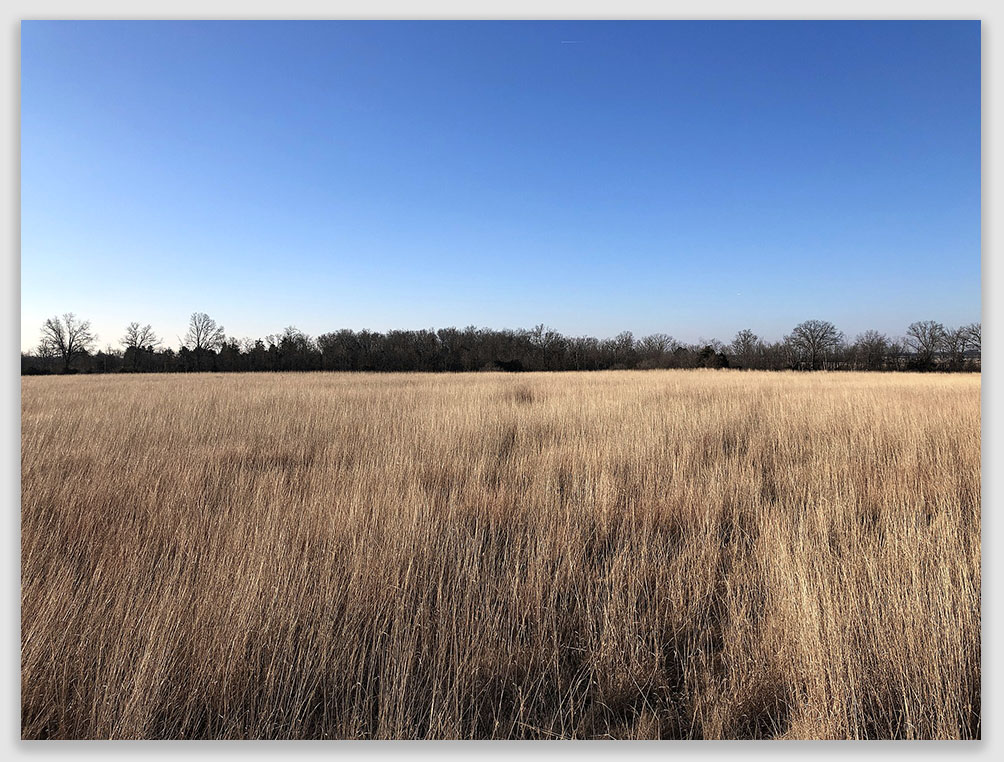
A well-intended state law mandating the removal of Southern Nevada’s “useless grass” to conserve water has massively backfired, according to a new lawsuit. Filed Monday in Clark County District Court, the complaint alleges that an estimated 100,000 mature trees throughout the Las Vegas Valley have been a casualty of Assembly Bill 356, a 2021 law that will make it illegal to irrigate certain grass with water from the Colorado River starting in 2027. That translates to about $300 million in tree damage, according to the complaint, which proudly declares that the plaintiffs “speak for the trees.” “There have to be alternative ways to conserve water if we really are in jeopardy,” said Kim Snyder, one of the four plaintiffs, who said she has lived in Summerlin’s Canyon Fairways neighborhood for 25 years. “Why are we paying the price to conserve when we are the most conservation-oriented city in the world? Why come after us?…”
Anyone who has ever paddled through the flooded forest at Chatfield Reservoir or just spotted it from the shore would notice the trees that line the area. Next time recreators visit the reservoir, most of those trees will be gone. Work is wrapping up on the Chatfield Reservoir tree removal project. Residents in the area have probably seen or heard a helicopter in the past two months. Colorado Parks and Wildlife says, while thousands of dead or dying trees must be removed, they represent less than 1% of trees in the state park. For more than two months, a helicopter has been hard at work removing dead trees and stumps from the reservoir using a special device. “It clamps the tree, saws it underneath,” park manager Kris Wahlers explained. “The helicopter lifts off and is able to transport the tree itself, and they’re able to do that between 20 and 30 trees an hour…”
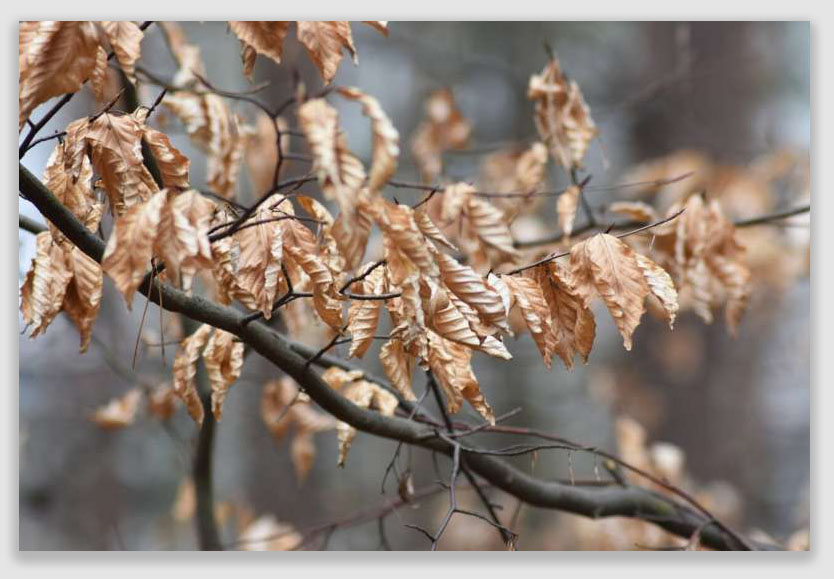
As climate change drives more frequent and severe wildfires across boreal forests in Alaska and northwestern Canada, scientists are asking a critical question: Will these ecosystems continue to store carbon or become a growing source of carbon emissions? New research published shows that when forests shift from coniferous—consisting mostly of pines, spruces and larches—to deciduous—consisting mostly of birches and aspens—they could release substantially less carbon when they burn. The study, led by researchers from the Center for Ecosystem Science and Society (ECOSS) at Northern Arizona University and published in Nature Climate Change, found that boreal forests dominated by deciduous species lose less than half as much carbon per unit area burned compared to historically dominant black spruce forests. Even under severe fire weather conditions, carbon losses in deciduous stands were consistently lower than those in conifer forests. “This work shows that not all boreal forests burn the same way,” said Betsy Black, who led the study as part of her master’s thesis research at NAU. “As deciduous trees become more common after fire, they can fundamentally change how much carbon is lost to the atmosphere during future wildfires…”
It’s Winter, and that means most of your yard work won’t be needed for the next few months. But there is something you can do right now: tree pruning. Removing dead or damaged branches in the winter is recommended by arborists. Dormant trees, with the leaves and pests gone for the season, are easier to examine so you can see what needs to be cut and where. Pruning has lots of benefits for trees, such as improving the long-term health and structure of the tree, as well as lowering the risk of damage in severe weather. “Especially once they get leaves, when it leafs out in springtime, and you get these big springtime storms, those act like sails, and so if the branch is the mast of your sailboat and the leaves are the sail, if your mast isn’t strong enough, it’s gonna break,” says Dillon Seelee of Davey Tree Omaha. When pruning, arborists recommend the three-cut method…
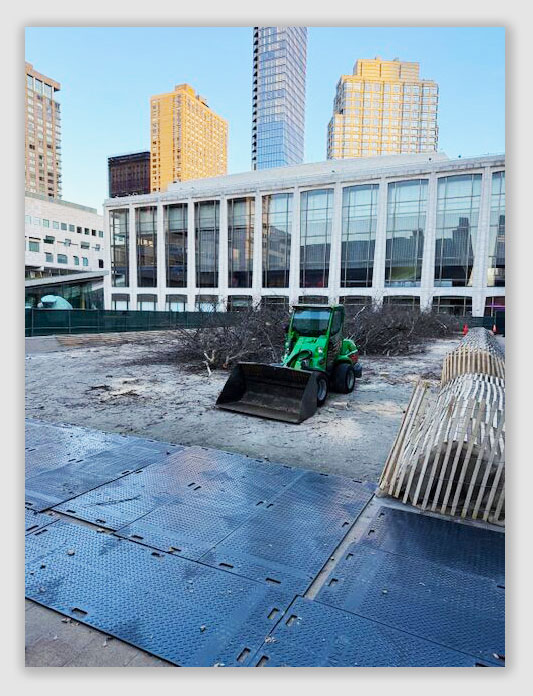
In the past week, dozens of trees were removed from the Lincoln Center Plaza on the Upper West Side. Specifically, the trees were removed from the Barclay’s Capital Grove within the plaza, situated near West 66th Street, between Amsterdam and Columbus. Multiple locals reached out to West Side Rag in recent days, questioning why Lincoln Center had undertaken the tree-removal decision. “What’s going on with the removal of the mature trees in Lincoln Center?” Rebecca Ships wrote to the Rag. “I was shocked by what I saw yesterday and wondering what is going on.” We reached out to Lincoln Center, which explained that the specific trees had been “struggling.” “We’re currently undertaking work on the Barclay’s Capital Grove on Hearst to improve drainage and soil systems,” a Lincoln Center spokesperson wrote in an email. “The trees were struggling, unfortunately. We had lost some in recent years. In collaboration with consultants and arborists, this work will support healthier growth and create a strong foundation for the new trees to thrive…”
Trees have a well-earned reputation as climate heroes for their ability to suck up carbon dioxide and respire oxygen. But until now, people have been overlooking tinier but far more numerous parts of the equation: the trillions of bacteria inhabiting tree bark. Scientists in Australia spent five years peering into the microscopic world of bark, emerging with a description of a place teeming with life, much of it consuming and “exhaling” gases important for the climate. They dubbed it the “barkosphere.” The numbers alone are staggering. A single square meter of this woody substance can be home to 6 trillion microbes, the scientists reported last week in Science. And there’s enough bark in the world to cover nearly every square meter of land on Earth. Until recently, trees’ outer skin had been largely ignored. The microbes’ “existence and roles have been overlooked for many decades,” said Pok Man “Bob” Leung, a scientist at Monash University in Australia, who was involved in the new work…
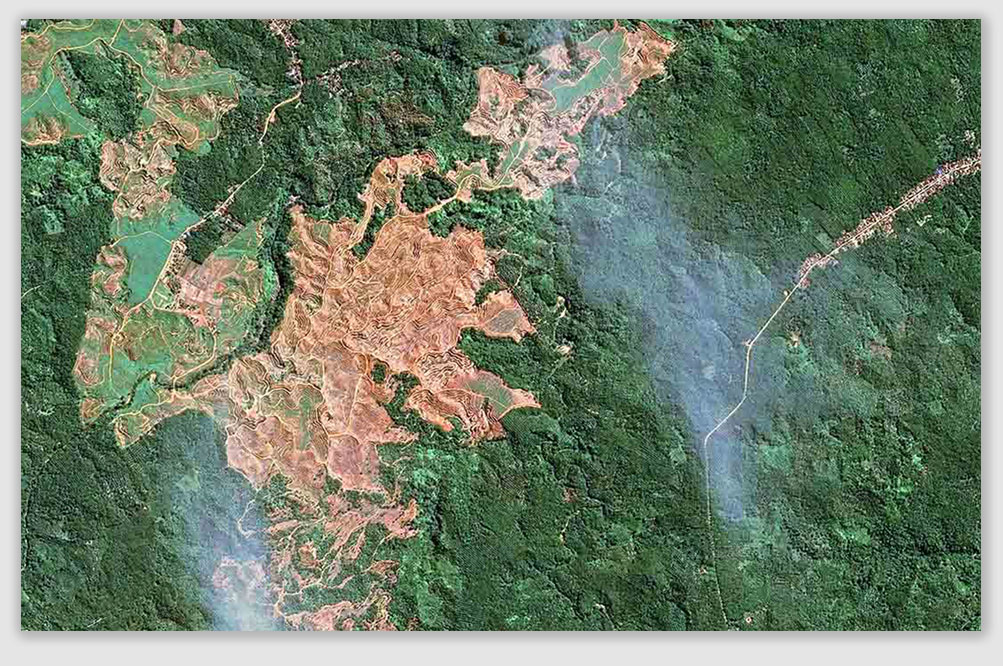 Tree restoration is seen as a nature-based solution to climate change, because trees remove carbon from the atmosphere. However, tree cover can influence surface temperatures in other ways, for example by changing albedo and enhancing evapotranspiration. These impacts may, in turn, be affected by increasing atmospheric carbon dioxide concentrations. Here, we present simulations with a coupled atmosphere-land-slab-ocean model to investigate how doubled atmospheric carbon dioxide levels affect warming in a high-end scenario where afforestation covers a land area 35% larger than the USA. Changes in albedo, changes in evapotranspiration, and forest biogenic volatile organic compound emissions combined result in reduced warming by 0.06+/-0.04 K in the afforestation scenario with doubled carbon dioxide scenario, compared with afforestation in a baseline scenario with present-day carbon dioxide levels. This reduced warming is largely due to less snow in the Northern Hemisphere and thus less surface darkening. Similarly, tree carbon sequestration enhances cooling by 0.20 K in the afforestation/doubled carbon dioxide scenario, compared to an afforestation/present-day carbon dioxide scenario. We conclude that in a world with doubled atmospheric carbon dioxide concentrations, the climate mitigation potential of tree restoration is only minimally affected…
Amigos de Los Rios, an Altadena-based nonprofit best known for revitalizing Triangle Park, has announced a new initiative to support local residents affected by the recent Eaton fire. The organization is providing free tree-watering assistance to properties impacted by the fire in Altadena, Pasadena, and Sierra Madre, recognizing the vital role trees play in the health and resilience of the community. The Eaton fire caused widespread damage across the foothill communities. While Altadena bore the brunt of the destruction, Pasadena lost 131 homes, and Sierra Madre lost 33 structures, including 18 homes. “We understand exactly how important trees are to our community, and we want to help you,” Amigos de Los Rios shared in its announcement. Participation is simple: residents only need to fill out and submit a form to receive watering services for their trees…
If your power goes out, FirstEnergy wants permission to take longer to fix it. The company is asking state regulators for permission to let Cleveland Electric Illuminating Co., Ohio Edison and Toledo Edison extend the time it takes to restore service after an outage. Ohio Edison and Toledo Edison are also asking to increase the number of permissible outages per year. “While the Companies have historically had strong reliability performance, they have faced challenges in meeting their reliability standards in recent years,“ according to FirstEnergy. ”In general, the Companies’ reliability performance has worsened since 2019.” But cities like Cleveland, Barberton and Lakewood are urging the state to reject FirstEnergy’s request. “This outcome would increase the harms that Cleveland residents suffer from blackouts, including the inability to power critical health equipment, such as electric wheelchairs and oxygen; missing work and school; exposure to extreme heat and cold; and the spoilage and loss of food,” the city of Cleveland said in formal public comments…
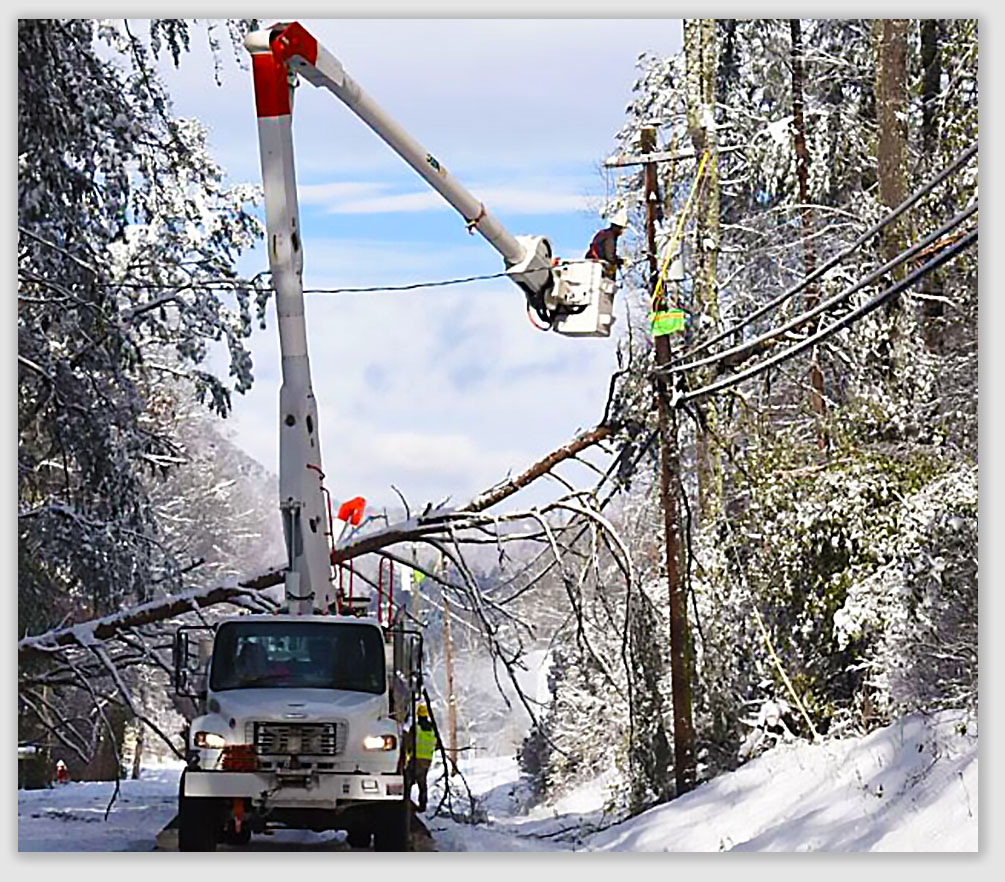
When people think about winter tree damage, they often picture heavy winds or rain. On the Peninsula, the winter sun can also pose a threat — usually a more subtle one. Bright winter sunshine followed by cold nights can stress tree bark and lead to two common problems: sunscald and frost cracks. These injuries are more than surface-level problems. Over time, they can weaken trunks, create entry points for insects and decay, and compromise a tree’s long-term health. Sunscald occurs when winter sun warms a tree’s bark enough to activate living tissues just beneath the surface. This most often happens on the south or southwest side of the trunk, where sunlight is strongest. When temperatures drop quickly after sunset, those newly activated cells can be damaged or killed. Sunscald can appear as a discolored or sunken area of bark. In more severe cases, sections of bark can crack or peel away, exposing inner wood…
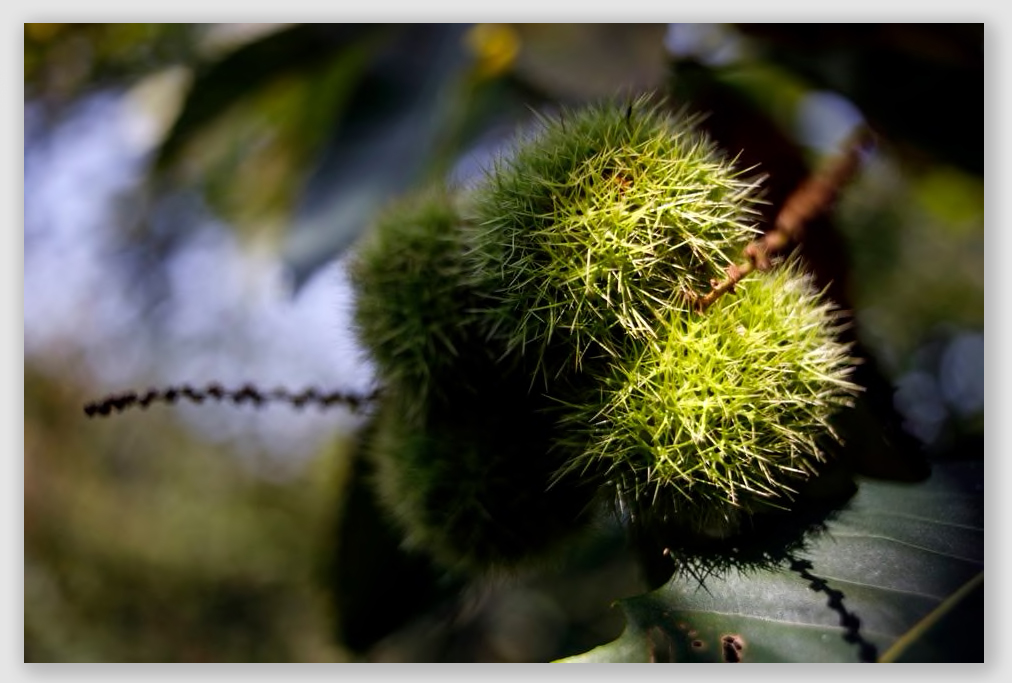
On the University of Iowa’s Oakdale campus in Coralville, you’ll find a rare mature American chestnut tree. Campus arborist Andy Dahl has made trees his life’s work — including educating people on tours about ones like this. “The true tree nuts, I’ve had people come from Kansas, Wisconsin, to see this tree,” Dahl said. At around 125 years old, the tree stands as the state’s second oldest American chestnut tree. It’s one of the few survivors. The trees once dominated the eastern United States and parts of the Midwest, with early settlers relying on them for food, livestock and housing. But that changed in the early 1900s. “A blight came about 1904. I think it was first found in the Bronx Zoo,” Dahl said. “It tore through its native range, which is from Appalachia to Indiana, and killed most trees, this pathogen. So, it was an ecological disaster.” He said this changed the landscape forever…
Heaps of oaks and pines that were burned in the Eaton Fire a year ago are gathered at a storage site on Lake Avenue, waiting and ready to be milled into the floorboards and trim of homes that will replace the ones they once shaded. On Monday, the founder of the sawmill transforming those trees will explain how Altadena residents can put that lumber to use. Jeff Perry of Angel City Lumber will speak in the Altadena Library Community Room at 600 E Mariposa St, in Altadena, from 10:30 a.m. to 12:30 p.m. about the Altadena Reciprocity Project, which is milling fire-damaged trees into finish-grade lumber to be sold at discounted prices to fire survivors. The presentation comes five days after the one-year anniversary of the fire that destroyed 9,414 structures and killed 19 people…

 Tree and Neighbor Law For Homeowners and Professionals