

 New York City, The New York Times, January 1, 2026: Why Is It So Expensive to Cut Down a Tree?
What is removing a tree worth? Quotes vary widely, depending on size, risk and proximity to a home or vehicles. But tree care professionals say they’ve seen a sharp increase in operating costs since the pandemic. “There are guys who bid $15,000 for a tree, there are guys who bid $1,200,” said Brandon Dolan, a certified arborist and owner of Gray Squirrel Tree Service in Napanoch, N.Y. “You can go from amateur hour, who have no clue, all the way up to top professional.” One reason for the increase in price is a labor shortage. Noel Boyer, the owner of All About Trees in Springfield, Mo., and board chair of the Tree Care Industry Association, said that a decade ago he could hire an entry-level worker for around $11 an hour. Now the starting wage is about $18, while in larger cities it’s $26. The actual cost to employers is around $45 an hour. “It’s the payroll taxes and the insurance and everything else that you put into that employee,” Mr. Boyer said…
San Francisco, California, KRON-TV, December 29.2025: Don’t keep your Christmas tree until February, SF officials say
For San Franciscans holding onto their Christmas home decor and keeping holiday vibes alive, city officials are reminding residents to toss out Christmas trees by January 16. As part of the city’s 38th Annual Christmas Tree Recycling program, from January 2 to January 16, Recology will collect unadorned Christmas trees throughout the city and turn them into compost. “Recycling your tree keeps holiday waste out of the landfill and turns it into organic compost for farms and gardens,” said San Francisco Environment Department Director Tyrone Jue. “When residents set trees out bare and curbside, crews can turn them into a resource instead of trash.” San Francisco Fire Department Chief Dean Crispen warned, “Dry trees can ignite in seconds. Recycling your tree early in January is a simple and vital step in reducing fire risk at home…”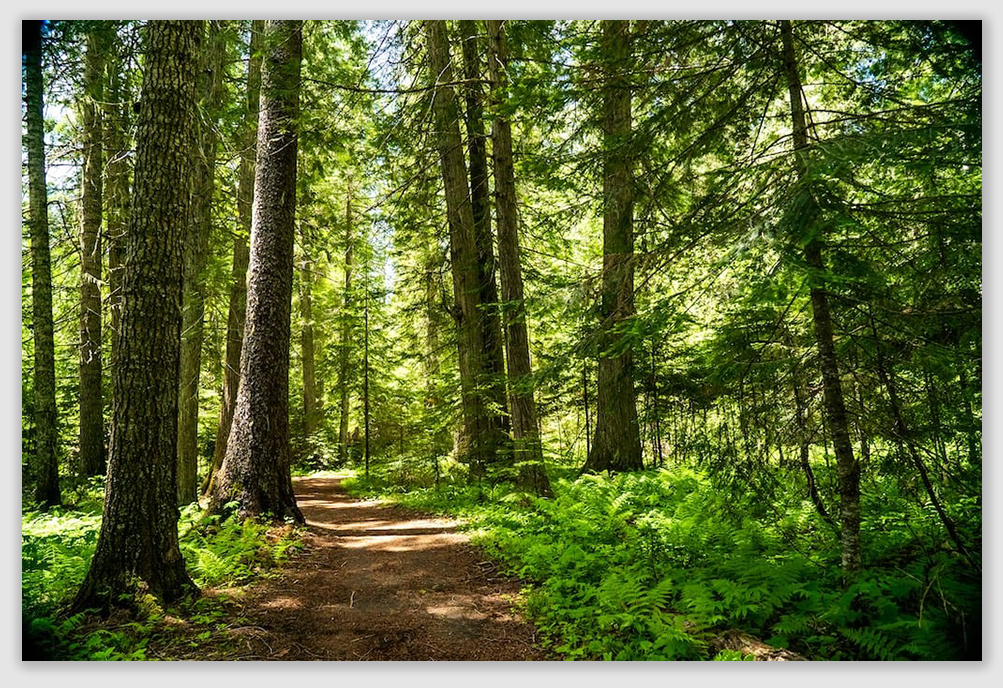 Boise, Idaho, Boise Dev, December 31, 2025: Ancient Idaho grove boasts trees 1,000 years old and over 100 Feet Tall
Take a walk back in time in this ancient Idaho forest. The DeVoto Memorial Cedar Grove is nestled along U.S. Highway 12 in the Clearwater National Forest in North Idaho, and about 10 miles from the Montana border. Home to ancient western red cedars, visitors can walk through the grove with trees towering over 100 feet tall, and estimated to be over 1,000 years old. “Experience the timeless majesty of Idaho’s ancient forests at the DeVoto Memorial Cedar Grove—a living tribute to the natural and historical heritage of the region,” Visit North Central Idaho’s website notes. Named in honor of Bernard DeVoto, the grove pays tribute to the conservationist, historian, and editor of the Lewis and Clark journals. “When DeVoto was following the route taken by Lewis and Clark and writing his book “The Lewis and Clark Journals,” he camped at this grove and fell in love with it,” The Clearwater Story: A History of the Clearwater National Forest notes. “His favorite spot was under a massive cedar tree where he could look at the clear flowing Crooked Creek and hear it babbling over the rocks…”
It’s not even January, but you may have noticed that trees on your property and in your neighborhood are already producing the buds that they would with the annual transition from winter. Nebraska Forest Service Community Forester Chrissy Land says our unseasonably warm weather has accumulated enough degree days that trees, plants, many insects and animals are being tricked into thinking it’s spring, and time to wake up. Land tells us while fruit trees and those brought in from warmer climates are most at risk, indigenous trees should be able to tap into reserves to cope with future cold snaps. “So if they start and they end up with a freeze, if this polar vortex shows up, then we will lose that first, you know, initial spurt of growth, but then we will see the trees kind of reset…”
 Texas Monthly, December 29, 2025: After the Floods, Local Botanists are Helping the River Heal
Well before the floodwater receded, the unthinkable proportions of the disaster were becoming clear. A swell several stories high swept down the narrow valleys of the Guadalupe River basin, snapping and uprooting scores of trees, many of which had stood for centuries. If the bald cypresses were no match for the churning river, neither were the houses or the cabins, or the RVs parked on its banks for the Fourth of July holiday. As reports from Kerr County would detail in the ensuing days, the flood took more than a hundred lives—young campers, whole families, and community pillars like Ron Duke, the octogenarian conservationist who had dedicated much of his life to protecting the river from encroaching development. What unfolded in the Hill Country that weekend had Texans glued to their news feeds, wondering what, if anything, they could do to help. “I remember a particular moment where I saw an image of one of these old-growth bald cypresses just floating down the river,” said Andrew Labay, a horticulturist and the vice president of gardens at the San Antonio Botanical Garden. The megaflora tower over the region’s waterways, pitching feathery canopies and anchoring the river’s ecosystem. It was clear to Labay that behind the horrible human tragedy, there was a natural disaster that would also devastate the region’s ecology…
After the holiday cheermeister calls an end to a season of tinsel, lights and carols, the fate of many real Christmas trees is a gloomy trip to the nearest landfill. The Arkansas Game and Fish Commission has a second, far more meaningful life for these one-use evergreens as crucial underwater habitat for Arkansas’ fish populations. The Natural State is full of fantastic water to wet a line and enjoy a day of angling, but the natural cover available in some lakes has grown quite “grinchy,” perhaps two sizes too small. The addition of a few firs or cedars left from your holiday cheer can add cover for fish and create a fishing hot spot. Game and Fish has set up a network of locations where anyone can drop off their used Christmas trees. In Northwest Arkansas trees can be donated at Beaver Lake at the Arkansas 412 bridge, Arkansas 12 bridge and Monte Ne accesses. Drop them at boat ramps at Lake Elmdale and Bob Kidd and Crystal lakes. Trees are free for any angler to use for habitat. Game and Fish biologists recommend tying cinder blocks or sandbags to the trees with paracord to weigh them down. The cord will hold the trees down until they are waterlogged and settle on the bottom…
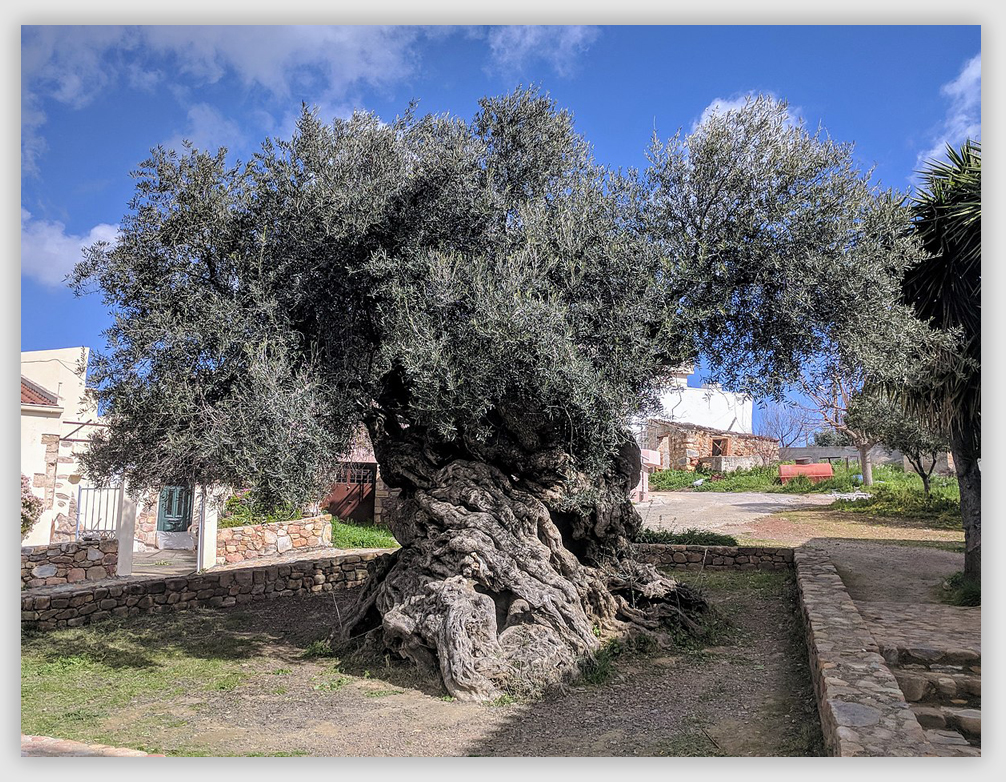
In a quiet village on the Greek island of Crete, an olive tree older than many empires is still pushing out new leaves and small green fruits. The Vouves olive tree, as locals call it, has watched caravans, warships, and now rental cars pass by, yet it continues its slow, steady life. Scientists estimate this tree in Ano Vouves to be between 2,000 and 4,000 years old, and some local authorities stretch that range up to 5,000 years. What most experts agree on is simpler: it is one of the oldest producing olive trees in the world, still giving olives and drawing around 20,000 visitors a year to this hillside corner of western Crete. The Vouves olive tree belongs to the same species that fills supermarket bottles today, Olea europaea. Its trunk is thick, twisted, and full of hollows, but the crown stays green, and it continues to flower and fruit almost every year, offering modest but regular harvests…
A Georgetown farm is providing a nice holiday treat for some goats. Great Rock Farm is hosting its annual Christmas tree drop off on January 10. The event allows people to dispose of their Christmas trees after the holidays so the farm’s goats can have a snack! The farm says it’s beneficial for both people and goats. “The Christmas trees are great for the animals to have a little fun, to nibble on, its a great natural de-wormer,” one worker said…
 Washington, D.C., Post, December 26, 2025: Christmas tree fire leaves four injured in Bethesda
A dry Christmas tree caught on fire, destroying the first floor of a Bethesda, Maryland, home and injuring four people and a family dog, Montgomery County fire officials said. More than 60 firefighters responded to 10300 block of Fleming Avenue to fight the blaze inside a single-family home just before 5 p.m. Christmas Day, according to Pete Piringer, a fire department spokesman. Fire officials believe an electrical failure in a strand of lights from the 1980s likely caused the tree to ignite, Piringer said. The residents noticed the fire before smoke detectors alerted, but before they could locate an extinguisher, “the room erupted in flames, catching a nearby couch and other combustibles on fire,” Piringer said…
Perhaps your neighbor’s crepe myrtle is getting a bit unruly, or you’re tired of their walnuts staining your ceramic pavers. Whatever the reason, you may want to trim the branches of a neighbor’s tree—but is that allowed? Generally, a homeowner can trim branches extending over their property line—but there’s a catch. Laws vary significantly from state to state, and even from county to county. Decoding these different rules and regulations can feel daunting. Here, we spoke to legal and landscape experts about when to pick up the pruners—and how to talk to your neighbor about it. Tree ordinances vary between municipalities. Under New York law, where Richard Klein, partner and co-chair of the real estate practice at Dorf Nelson & Zauderer LLP, is based, if a tree’s branches extend over your property line, then the property owner has the right to remove those overhanging branches up to his or her property line. “However, some trees are considered rare or endangered, and therefore protected under state law,” Klein says. “Certain trees, shrubs, bushes, and flowers fall under Environment Conservation Law. For these, the removal will require the neighbor’s permission, and may even require obtaining a permit from the municipality.” The key point: All property owners should first check their local guidelines…

 Tree and Neighbor Law For Homeowners and Professionals